In today’s episode of In the Bucket podcast, we’re joined by Trevor Covich and Ed Fuhrken of Waters West Fly Fishing Outfitters. Both are long-time stewards of Pacific Northwest steelhead, guiding anglers while battling issues like habitat loss, hatchery impacts, and river access.
They talk about what it’s like behind the fly shop counter: the tension between preserving wild runs and serving a growing demand for steelhead experiences. You’ll hear stories about closures, managing stock versus wild fish, and how trout tactics don’t always translate to steelhead crisis zones. Trevor and Ed also reveal the subtle art of timing your swings, staying wet when it counts, and treating every steelhead encounter like it matters—not just for you, but for the rivers downstream.
Along the way, you’ll pick up practical advice: what fly anglers can do to reduce mortality, how to engage with managers and neighbors about river health, and why education and access matter just as much as gear. If you care about fish, fair futures for rivers, and how fly fishing can be part of the solution, this episode lands hard and hopeful.
Episode Transcript
Trevor (2s):
Well, I, I love doing it. And like I said, I lived for the first 30 seconds of every fish. That’s what I live for, is the first 30 seconds of every, of every hookup. And If you don’t capture it, you can’t really relive it the same way. Like I’ve watched some of those things like a thousand times. You know, some of those keep me warm in the wintertime. And then also you, like, you give those to your clients and it’s, it’s pretty awesome.
Dave (37s):
Welcome to In The Bucket, the podcast that explores the culture of spay fishing in the Pacific Northwest. A spectacular land of mountains and wild rivers where every cast has a story to tell. I’m your host, Brian Ska. Welcome to In The Bucket. In today’s show, we’re gonna be joined by pro guide Trevor Kovich and Fly shop owner Ed Firkin. This is Trevor, second time on our show and he’s an old friend of mine, so I’m excited to catch up with him. It’s a good buddy of Trevor’s and runs a superb fly shop close to some of the Pacific Northwest’s best fishing. I’m looking forward to this discussion. It’s time to get in the bucket. Right on folks.
Dave (1m 18s):
Super excited about today’s show. I’m back again with Trevor Kovich, my good buddy from Alaska and Washington, and we are joined today with Mr. Ed Firkin. Guys, why don’t you tell the listeners a little bit about yourself?
Trevor (1m 31s):
My name is Trevor Kovich from Washington State Live out in Forks, Washington, mostly year-round fishing guide and a friend of Ed’s here on the show. And we fish around quite a bit and just like I fished around with you, so I think we’re just gonna talk fishing and some other stuff.
3 (1m 48s):
Yeah. My name is Ed Firkin. I am the owner of Waters West Fly Fishing Outfitters, the fly shop in Port Angeles, Washington. I’m originally from Mexico, not New Mexico, but Old Mexico. And I am completely obsessed with fly fishing for salmon and steelhead.
Dave (2m 6s):
All right, ed, I gotta ask, what got you into steelhead fishing?
3 (2m 9s):
You know, I’m not really sure. I always fish growing up. You know, we talk about this a little bit on the show with Dave grew up bass fishing. There’s a few decent bass lakes pretty near my house. And I think my dad, you know, he wanted to find some kind of bonding experience for the two of us and just happened to choose fishing. He wasn’t really, you know, a very passionate fisherman, but he’d always, you know, try real hard. We’d get up super early and go on these crazy bass fishing missions just to spend time together. So always from really early on, you know, we’d go on these fishing trips and every once in a while we’d go out, you know, out to the coast deep sea fishing or go out to some of those bigger, more famous Bass lakes in Mexico where they get the real huge bass and just insane numbers of ’em.
3 (2m 54s):
So fishing was always a part of it. And then I, I kind of fell out of it because I started feeling bad, you know, a lot of bass fishing, you got the double treble hooks on some of those crank baits. And you know, once I got a little bit older, I seen that, you know, ’cause you’d keep some fish, like ba large mouth bass ceviche is actually delicious. Not a lot of people think about eating bass, but you know, down there in Mexico you just kind of eat everything you catch. And yeah, we’ve ate quite a few bass, but then, you know, the ones that you’d release, I’d start feeling bad ’cause you got these double treble hooks with barbs on them and these fish that you’re releasing, you know, they might have one hook in their side or have all three trebles that stuck in their mouth and then you go to unhook ’em and you rip half their face off.
3 (3m 40s):
And then after a while it kind of just fell out of it. And then, you know, fast forward to several years later, you know, moved out of the house, went to college, you know, started living on my own and found fly fishing and it’s like, oh my God, you can use small hooks, you can fish barbless. Like I had no idea that was even a thing that you could do. And it’s like, wow, I can actually cook these fish and let ’em go without horribly mutilating them. You know, I can just get my kicks without torturing this thing more than I need to. So that that, you know, once that clicked in my head it was over.
Dave (4m 16s):
So first steelhead, where’d you get it?
3 (4m 18s):
So the first steelhead, you know, in that same early fishing obsession, fishing with my dad, one year we took a trip up to Oregon and we went, we went fishing on, I forget if it was the, the qua or the Sanam River, one of those rivers, I don’t really remember. I think I was eight years old. And we went, you know, we were just like, oh, salmon fishing, we’re going salmon fishing. We didn’t know anything. And we went fishing with a guide and we, you know, we had a really good day. Caught a few kings and, and one steelhead. And it was just the most intense fishing experience, you know, between just riding the drift boat down all the rapids and you know, hitting rocks and just, it was so, so different from being used to, you know, being out in a lake in like a 12 foot boat that you can’t lean too far over to the side ’cause it’ll flip over to just going down these rapids and just, you know, it was a terrifying but amazing experience.
3 (5m 13s):
And the way that these fish fought, it was nothing like I’d seen, you know, other than the deep sea species that are a lot bigger and obviously up there in the ocean compared to a bass of salmon and steelhead. It just like the fight, there’s, there’s nothing like it in freshwater. So that, you know, it took me a long time after that to go steelhead fishing again. But once I did it, it was just the, the only thing I wanted to do.
Dave (5m 38s):
Excellent. Now Trevor, if my memory serves, you caught your first steelhead by accident, didn’t you? Yeah,
Trevor (5m 42s):
Yeah. I was, my dad had a piece of property on the CK River and we got up there in the wintertime and my brother and I were digging like a trench to put power and water in. ’cause we’re putting in like a, it’s like a, my dad bought this trailer for like a thousand bucks in Clown Bay and we put it there and then my brother and I were the slaves. So we dug all the trenches and did all that stuff and we, we got a, we got the trenching done and that trench was through the old CK River Road bed. So it took a really long time to get through there. And then I rode my bike up the river and went cutthroat fishing and I hooked a fish that kicked my ass pretty good.
Trevor (6m 23s):
And yeah, went into a log jam, pulled it out, went back into the log jam, pulled it out again and beached it. And it was a, it was a wild steelhead and not knowing anything, I bonked it, brought it home, you know, so tasted really good. But yeah, that was, that was my first deal head.
Dave (6m 41s):
Awesome. Yeah, it’s, it’s funny, I think a lot of people end up hooking their first one by accident. I remember my first one came out of Deville Slough, which is basically a little ditch alongside Cedar Drive in Port Quilum. So didn’t even know they were there at the time. But yeah, cool stuff. So today, Trevor, you, you know, we’ve talked to you last, last time and we talked a lot about king salmon fishing Alaska. We talked about steelhead fishing, but I’m most excited to ask you, what do you, what do you think about being a dad
Trevor (7m 10s):
Right now? It’s pretty cool just because the kids, we had a daughter, her name’s Callie and it’s the point where, you know, she could be sitting in her crib and I could walk by and she’ll recognize you and she starts smiling and like kind of putting her arms up ’cause she wants to go do stuff, right. And she’s starting to, she’s starting to find her voice, meaning she’s, she has different volume levels and she’s obviously trying to talk but making no sense. And so we’re having a lot of fun with that. And we know that’s probably gonna get outta control here pretty soon, Brian, you know. But no, it’s, it’s, it’s pretty cool. Obviously life changing, never experienced anything like it from, you know, 20 minutes before my kid was born to 10 minutes after was probably one of the craziest rushes of my entire life.
Trevor (7m 58s):
I mean, like I said, there’s nothing like it. You can’t, can’t replicate it. No, but we’re having a lot of fun. But it’s definitely a, you start to figure out things take a little longer, obviously, you know, it was like right before this whole thing started, it didn’t wanna drink the bottle, so trying to get her to drink and then go take a nap, you know, so e everything just kind of goes at her time and you just kind of gotta flow with it and it’s awesome. We’re super happy we did it and you know, we started late as parents ’cause you know, I’m almost 40 and I’ve always wanted to be a dad and now we have the opportunity to try to be the best parents we can be.
Dave (8m 36s):
Well, I’m stoked for you guys. I started as you know, I started late as well, so there’s some advantages to that I guess. But, you know, I’ll tell you one thing, as fishing guides, we’re used to getting by with not much sleep. And that, that definitely sets you up a bit. So that’s good.
Trevor (8m 50s):
I took to that better than I thought I was gonna, ’cause I, you know, we had the, you know, the kid was born January 24th and my wife, I was throwing some guy down the soul duck and she called me at noon saying that like, she had like a high blood pressure and they were gonna like, go get the kid like now. And I’m like, you gotta be kidding me. ’cause I’m, you know, I’m four hours away and I’m still halfway through my float. And luckily they, they decided to just chill. So essentially I got done with my day, I packed my stuff and I had my neighbor drive me back over the other side. We wanted to have the kid, you know, around where the best hospitals were in case something went wrong. So yeah, next morning went up, got it done.
Trevor (9m 32s):
It was just fricking incredible man.
Dave (9m 34s):
Well, you’re the consummate professional. You finished the float with the guy, eh?
Trevor (9m 38s):
Well this is what I told my wife. I go, look, I’m not gonna make it. You know, my guy was like, look man, If you wanna row out and you can row out. And I was like, I was like, look, I’m coming home tonight. Like, even if they were gonna take, I was gonna miss it, you know? So no, I finished the float. I even sped cleaned my house because I had people showing up. So I’m like, get home, like unhook the boat, you know, store the boat, clean up all my fricking laundry and you know, do a couple dishes. And then, and then I, I blitzed back and my neighbor drove me, or I drove my truck with my neighbor and my neighbor spent the night at my house and drove back just because I wanted to get back out to forks to once everything kind of chilled out and Lisa, you know, recuperated and everything.
Trevor (10m 23s):
And the baby was chill to where I could go finish my guide season. So essentially I had to sweep the rest of my calendar for January that the baby was supposed to be born around the 15th of February. And so it was, and it was born on the 24th. So we, you know, you can plan all you want, but the plans go out the door very quickly and, and we just roll with the punches and, but no, we, you know, I finished the float and said, luckily the doctors were totally cool with it. And then we went through the whole thing the next day and, and then with everything going along, we went and, and there the C-section, which by the way, that was fricking unbelievable.
Trevor (11m 3s):
Like I tell everybody this, I’ve ordered cheeseburgers that have taken longer to get done than that, than that C-section. It was just incredible, man. It was, from the time they started to the time the baby was out, it was like, it wasn’t even 10 minutes. So
Dave (11m 19s):
Right on. So how do you guys know each other?
3 (11m 23s):
We met at the fly shop, you know, pretty early on after I took over. Trevor just walked in one day,
Trevor (11m 29s):
Jungle cock, remember I was looking for jungle cock for That’s right, yeah. My brother’s wedding.
3 (11m 35s):
But yeah, that was, that was a long time ago. And you know, just over the years we gotten, gotten to be real good friends, been fishing a few times, you know, occasionally Trevor will have a cancellation and we had out there and go hang out with him. Been up to Alaska with him several times. That’s always a great time.
Trevor (11m 54s):
Our girlfriends were friends before that. My wife. Your girlfriend.
3 (11m 58s):
Yeah, they were real close friends. So that’s kind of, you know, made us even more friends since the, the ladies want to hang out and we all end up hanging out together and yeah. That’s great. A lot of fish talk. So
Dave (12m 11s):
Ed, you know, you got the fly shop, you’re out there in forks. Did you have any experience running a fly shop before you bought that one? Or, or was this a new thing?
3 (12m 20s):
So we’re actually in Port Angeles, but no, I didn’t have any experience running a, a business at all really. You know, I, I’ve just been a, an employee the whole time working for different software companies. Had no, I no idea whatsoever what it entailed, you know, here. I thought it was gonna be, you know, I’m, I’m not sure what, what I thought it was gonna be. I was just gonna be fishing all the time or something. But it’s, you know, it’s, it is definitely, it’s been well worth it. I’ve met, you know, met so many great friendships. I’ve met people like Trevor and many others that there’s no other way that I would’ve met other, other than through the fly shop, you know? So even though I did have some hidden struggles and challenges that I was not at all ready for, it’s definitely been been worth it.
3 (13m 5s):
I can’t imagine myself doing anything else
Dave (13m 8s):
Since I screwed up the geography once. Why don’t, why don’t you do a better job and explain where forks is, where Port Angeles is, where the fishing is, just in case people don’t know that, that part of Washington.
3 (13m 20s):
Yeah, so we’re, we are here on the Olympic Peninsula, which is the northwestern most landmass of the, the United States. You know, he, this is the end of the road. If you’re driving west, there’s nothing more than here. And so we are, port Angeles is actually on the north side of the, of the coast and Forex is more towards the west. It’s only about an hour away. But the, the gentleman, Dave Steinbo, who started the shop back in the nineties, he decided to settle in Port Angeles because the weather’s just a little bit nicer than in forks. You know, we’ve got the, the Olympic Mountain range, which creates a rain shadow effects all those huge storms that come in from the, the Pacific Ocean.
3 (14m 3s):
We get a little bit of a, of a respite from those, from the, the mountains. So, you know, there’s years that forks will get, forget what the exact amount is, but you know, over 150 inches of rain a year. And then here in Port Angeles we might get, you know, only 80 or a hundred, which doesn’t sound like a huge difference, but when you’re standing in it all the time, it’s definitely considerable. And Trevor can attest to that since he lives in forks and he’s seen those nasty rainstorms,
Trevor (14m 31s):
It’s condensed down. You can’t look at it in like a full year span. You gotta take that 150 inches and then you gotta, I mean it’s mainly coming in, most of it’s coming in a, in a six month to a four month span, you know, because we actually don’t get much rain in the summertime out there. I mean, shoot was, what was that? Was it last year that the, was the Northbrook the claw wall was like dry Dry,
3 (14m 55s):
Completely dry, yeah,
Trevor (14m 57s):
Completely dry. That was shocking. But yeah, it’s because we don’t have a lot of water out there in the summer. But the winters, I mean there’s winters that I’ve had where I’ve guided, you know, four days of February ’cause it’ll rain five inches, it’ll blow out and then you’re sitting there twirling your thumbs, trying to figure out what to do and then it starts to go back down and just about when it’s time to get back in your boat, it rains another five. And we repeat the process. But that’s kind of the coolest part about it. It’s a, it’s kind of a mind game. You get to, you get to kind of be your own weatherman and, and I’ll take a, I like, I like the rain. What I do not like is an extended period of no rain in the middle of fishing season and it’s, you know, really cold and all the boats are condensed down to a couple places and, you know, not a lot of great spurts of fish coming in, fish like water.
Trevor (15m 51s):
So the rain’s nice, spreads everybody out.
3 (15m 54s):
Yeah, it’s hard to find fishable water when there’s no water.
Dave (15m 59s):
So when it comes to steelhead fishing in, in the Olympic Peninsula, how important is tourism? Is it a significant amount of the angling pressure?
3 (16m 7s):
Yeah, definitely. You know, there’s, people come from all over, all over the world, you know, it’s a, it’s a destination just like up there with you and you know, it’s easier to access. I think it’s a lot less complicated to drive out here than it is, you know, further up north there. You don’t have to cross the border and all that. So we definitely, we definitely see quite a bit of pressure during the season.
Trevor (16m 29s):
It seemed like it started earlier too, this year. I mean,
3 (16m 32s):
Absolutely. Yeah. Even, you know, even during the, the times where typically, you know, there’d be no guides out, even trying, you go to a boat launch, you know, it’s kind of the, the shoulder season, not quite a lot going on yet. You’re expected to be empty and there’s, you know, five or six trucks at the boat launch. And yeah, it’s definitely, definitely gotten earlier and earlier even though there’s not really any more fish earlier in that, you know, that part of the season you can still find some If you try really hard, but it’s not, you know, it’s really not worth traveling that early on. But still, we’ve seen quite a few more people the last couple years, especially this year.
Mountain Waters Resort (17m 13s):
If you’re looking for a world class fly fishing experience, it’s time to check out Mountain Waters Resort. Nestled along Newfoundland’s, legendary Portland Creek. This spot has a history that runs as deep as the Atlantic salmon that call it home once they fly fishing. Retreat for the great Lee Wolf today. It’s your turn to step into these historic waters and swing up your salmon this year. You can head over to wetly swing.com/mountain Waters right now and make it happen. That’s wetly swing.com/mountain Waters. Let’s get out there today,
San Juan Rod Works (17m 45s):
San Juan Rod works started with a simple belief, great fly rods and gear shouldn’t cost a fortune as a family run company. They focus on building high quality fly fishing products that perform on the water without the premium price tag. You can try San Juan Rod works for 30 days risk free right now, and if you’re not satisfied send it back for a full refund. You can go to san juan rod works.com. That’s S-A-N-J-U-A-N rod works.com.
Dave (18m 17s):
Personally, I I like that. I like that people wanna get out there before they’ve heard that it’s good, right? That’s, it’s good when people go out, they get skunked, whatever, you know, what I really have a problem with is what we call an American style opening. And I mean that with respect guys, but the situation where, where we wait until the fish are there and then we open the river. They tried this on the Thompson one or two years and it was a complete disaster. You know, basically the fish are all there marinating and then whatever day it’s open. So I, I do like the idea of people showing up before there’s even fish around and fishing most of the time, even when it’s good we don’t catch much. So what’s the difference?
Trevor (18m 52s):
Yeah, that early season’s the, the funnest for me just ’cause like I said, I don’t, I don’t like being around a bunch of people frankly. And then, and so, and the water’s high, so things are a little more challenging and it’s also a time of year where the river’s kind of brand new. Meaning we’ve had usually a bunch of floods, you know, between, especially through November, all through Christmas and even all through January. And so there’s a lot of new logs and log jams that just show up. And so it’s, that’s one thing that kind of, I would say deters some people from coming out that early. Not just the fact that it is harder, but super cool time of year and you have to, you have to plan your day ’cause obviously you don’t have much light versus March.
Trevor (19m 35s):
But surprising how many people you run into that tell me how it’s not worth it to fish out there in January and some other, some other times there are generally the March people,
Dave (19m 48s):
Similar thing happens here. You know, we, there’s locals that fish early and there’s, you know, guides that fish early. But the bulk of our tourism here in the spring on the Chena is at a time when people feel comfortable that the fish are here, but they’ve typically missed the best fishing of the year and they create a crowded situation, especially in a scenario where they don’t know where they’re going. So they tend to kind of follow people around and if they see someone fishing around, then boom, they’re there the next day. So you have to be, as a guide, you have to be a little bit creative. I’m sure you go through something similar.
Trevor (20m 21s):
Oh yeah, no, there’s, there’s, yeah, you, you try and do some, you try and do some sneaky stuff and maybe putting your boat in weird places or you’re not sleeping much or sleeping in and, and then letting everybody go too. So every guides and every fisherman probably has a different thing or just sitting and fishing tid stuff, waiting for a new fish to come through. Every technique I think has, its, its beauty. I’m an early riser so I don’t have the patience to wait, so I’m out there,
Dave (20m 55s):
Ed, is it a, I mean I, I had a fly shop in Whistler for a bunch of years and we’d get tourists come in, they wanna know where to go fishing and you wanna help people out, you wanna give people some info, but at the same time you don’t wanna sell the place out completely. So it’s tricky to, to strike that balance. Has, has that been a challenge for you or, or is it something you got a pretty good handle on?
3 (21m 13s):
Well it is and it isn’t because just from the nature of the fishing here, there’s lots of places, you know, I’ve talked to Trevor this about this a lot. There’s lots of spots where, you know, you might go in there one day and you know, you fish there and you catch a steelhead and they’re like, oh sweet, I found a new spot. And then you go back, say two more times and you catch a steelhead on each one of those times and at that point you’re like, oh yeah, there’s a steelhead behind that rock every single time I’m not telling anybody about this spot. And then you go back to that spot a hundred more times in perfect conditions during prime time and you don’t get anything. So I could tell you the exact GPS coordinates to get to that spot and you might be there on a day when there’s one there.
3 (22m 0s):
You might be the go there and get nothing and then call me a liar. ’cause I said that there’s one in that spot every time. So it doesn’t, you know, aside from some say, you know, secret trails into places that you know have been very hard won, there’s, you just gotta go and and look for ’em. So there’s, you know, and there’s so much ground to cover that, you know, I could tell you 10 spots to go to and it’ll take you a week to, so there’s just so much to explore. You know, in the eight years that I’ve lived here, I, I don’t think I’ve even scratched the surface on, on all the different areas there are around here. And it’s just a matter of, of knowing enough places that it’s like, oh If you, you know, if Plan A is crowded, well there’s plan B, C, and D and If you get the Plan D and it’s not working out, then just, you know, go home and try again tomorrow.
3 (22m 50s):
What are you gonna do,
Dave (22m 51s):
You know, with with the beach fishing that you guys have as well, is it, is it fair to say that there’s fishing 12 months of the year and Port Angeles?
3 (22m 58s):
Yeah, absolutely. In Washington, that’s one of the reasons why I really love Washington state is there’s 12 months outta the year there’s something to fish for. When I first moved, moved here, you could fish for steel and salmon 12 months outta the year. Now in recent years, you know, our seasons have been shrinking, you know, been loosened months here and there. But still, you know, I’d say probably nine months outta the year there’s an opportunity to catch a steelhead somewhere in Washington and like a nice fresh, good looking steelhead, not a moldy old boot that’s about to cross over.
Dave (23m 28s):
So I just recorded a show with, it’ll come out actually before this one so it’ll be out, it’ll be out already for anyone listening. But we had George Cook, Scott O’Donnell deck Hogan and Joseph Ano on it. So a lot of experience on that particular show. And one of the things we talked about was, you know, these closures and trying to decide is, has anyone got an example of a time when we’ve removed anglers and seen any type of upside for the, the fish population? And the only thing those guys could come up with was a couple of the rivers that were affected more by the Mount St. Helen’s eruption. So, you know, they were closed and then when they were reopened, fishing was really, really good.
Dave (24m 9s):
But my concern is always, you know, when you see these opportunities taken away, whether they’re shorter seasons or rivers that are closed entirely out of concern for how many fish may or may not be there, we end up in a situation where I called it the waterbed effect. I think it’s a good analogy. You take the pressure that maybe would’ve been more widely distributed and it gets focused on other areas and you know, one of the guys, I think it was deck, you know, basically saying the other challenge with it is, you know, it takes the heat off where the real exploitation is taking place. ’cause when fishing’s slow and you don’t have a lot of fish around, anglers don’t catch that many. So even at the best of times or slash the worst of times, the actual impact from recreational fishing, especially if it’s done, you know, swinging flies is, is so darn low that I don’t know if there’s an actual measurable upside for taking people off the river, especially when you factor in the increase of poaching that’s gonna, you know, take place once we take eyes off the river.
Dave (25m 6s):
Do you guys have any thoughts on that,
Trevor (25m 8s):
On that last point you made? I think that’s, that’s a big one. You know, ’cause I mean those of us that spend a lot of time out there and live out there and, and care about that place, like we’re always looking at the kind of the folks around us and you get to see a whole bunch of different stuff. Some stuff that’s really cool and some stuff that’s pretty special. When I say special, I mean pretty horrid and like, you know, last year I, I had a guy was below a GNL by himself, hooks a fish, battles it, fights it. Like does everything right, lets it go not not long, didn’t take pictures of it for fricking ever.
Trevor (25m 50s):
I mean I, I rarely ever see people just like doing stuff for kind of the love of the game, you know what I mean? And the year before that, like not far below that, I saw a guy that I, I actually called the game war on because he had got like, it was probably, I would say a 1718 pound buck and he pulled it up on the bank and had it both his hands in the gills and he got pictures with it and then his buddy got pictures of it and then, and then he just kind of chucked it back in the water and did the same thing with another fish. And it’s illegal to take fish out out of the water here. Right. And then also If, you know, if you’re trying to take care of population, you gotta treat ’em tonight. Rice and the, actually Casey, the game warden told me he busted the same guy this year doing the exact same stuff.
Trevor (26m 37s):
So that was a repeat, same dude. So
Dave (26m 40s):
Sometimes I wonder If, you know, well I don’t wonder, I know this, the educational side is so important, right? And it’s pretty easy to buy a fishing license and buy some gear and get out there. A lot of this does fall I believe on the shops. You know, the shops are the ones that end up doing this work, guides do this work too. And that’s, you know, educating people on, you know, Phish handling or just general. Just general not being a jackass on the river. One thing that gets talked about up here is, you know, in this day and age, maybe when you go to buy your steelhead license, there should be like a simple kinda like 10 question test or something to show you can tell the difference between a steelhead and a sockeye salmon and you know, answer a few questions about proper fish handling, that type of thing.
Dave (27m 23s):
Our license sales Of course are online. Do you guys sell licenses online and do you have any thoughts on that or do you think it’s a silly idea?
Trevor (27m 29s):
I mean we, we do sell licenses online, you can buy ’em in the store as well. But I think that like as far as the stays concerned, I don’t know what you think about this Ed, but I think what, as far as fishing licenses go is that like the state’s far more focused on the, the saltwater end of fishing versus just freshwater steelheading because there’s way more money in, in I think, saltwater licenses than people going after steelhead. And whether it’s just all around fresh water licenses, that could probably be, that can probably be disputed. But as far as people like over keeping limits and stuff like that, I think they definitely focus more on the salt water.
Trevor (28m 9s):
But I don’t see why, you know, I feel like people that also fish for steelhead, they, there’s not a ton of beginners like, you really have to want to do this, you know, ’cause you’re gonna be cold, you’re, you might get your, you might not catch anything. And so I always think, I think maybe the question thing could be a good thing, but here in the state people don’t really turn back in their catch record cards at the end of it. So I would have a hard time believing people are even gonna follow through with that unless you withhold their license if they don’t do it right. That’s the only way you’ll actually get people to go through with that kind of stuff.
3 (28m 46s):
Yeah, I definitely think the, the state could do a better job of educating folks. You know, like you mentioned the, the rule about not being able to take steelhead outta the water, you know, here in Washington state, any fish that can’t be harvested or isn’t going to be harvested has to remain in the water. And you know, I know that because I read the whole rule book and it’s in there very small in one section that that is the rule. But it, you know, the state doesn’t really have a good regulation education system and you know, you combine that with where, you know, most people when they start fishing, you know, not, not people like us that are just, you know, our lives are wobbled around fishing. But a person that just goes fishing and think, oh you catch a fish, you catch a fish, you kill it, you take it home and you eat it.
3 (29m 30s):
’cause that’s what you do when you go fishing. And yeah, we, you know, obviously we still do, I love getting hatchery fish and taking ’em home, but some of these fish populations just do not have the numbers to allow that. So, you know, I think the state can definitely do a better job about educating folks on, you know, there’s some fish that you, you just gotta let go and you gotta be nice to ’em because they’re, you know, not doing as great as some others.
Trevor (29m 55s):
Yeah. Like the fall fishing out where we’re at completely different versus our steelhead season. Just like the springer fishery that’s kind of going on right now. Right. There’s still some regulations but you’ve guys, you’ve got, most of the people are trying to harvest some stuff to take home, put in the freezer, right? Because if you’ve ever had one of our springers, they’re the best tasting salmon you can possibly have. But yeah, there’s a bag limit in the fall too. Just brings out a whole nother type of fisherman.
Dave (30m 23s):
So you’re saying Trevor, more beginners type people?
Trevor (30m 26s):
Well I would say plenty, a lot more beginners. But like you just, you have people that want to go like say book a guide trip. Well and they, and
3 (30m 33s):
Go fill the freezer.
Trevor (30m 35s):
Well think about if the guy goes, well you can book a trip, but like you can’t, we’re you can’t take anything home. Like some of those people are back, okay, well we’re not gonna come. Like that’s part of the thing. ’cause I think most of us have had somebody ask us like, oh you guys went fishing, like what did you take home? You know? And then you have to explain to them what you know, why you catch or release and stuff like that. But those type of seasons just bring out kind of a different angler. There’s plenty of people that wanna fish all day, but shoot like the cyborg, he’ll go out, he’ll, he’ll crack his limit and you know, a couple hours and, and he’ll be back home because the day’s over once he gets your limit, like that’s it. You can’t just go and keep fishing. Right.
Trevor (31m 15s):
So, and most people are pretty cool with that ’cause they, they want to fish. Totally.
3 (31m 19s):
I get it.
Dave (31m 20s):
So Ed with, with the shop there and, and once again, going back to this idea of tourist anglers, where do you see a lot of people coming in from? Are these folks coming from other parts of your state? Are they other Americans? Are they coming from Canada?
3 (31m 32s):
You know, we get people from all over the world. I’ve met people from, you know, definitely Canada. We get quite a few. We’ve got a ferry here. It’s literally a block away from the shop and it goes from Port Angeles to Victoria BC and back obviously. And we get a lot of people coming through from there. You know, there’s been times where people from, from Terrace and Smithers have come down here to go steelhead fishing and ask them, what, what are you doing? You know, just jokingly And they’re just like, oh I’ve heard about this place and you know, people from Scotland, Japan all over the place. You know, I couldn’t, I couldn’t mention ’em all but you know, definitely a lot of people from Washington and other states.
3 (32m 14s):
But I’ve really been surprised by just how far some people will travel to come here.
Dave (32m 18s):
Nice. And with your shop there, do you do a lot of mail order sales as well?
3 (32m 23s):
Yeah, we’ve got a, an online store that we actually just redid after years of trying, you know, when we, when I took over the shop, everything was done pen and paper. There was no, I had a really funny moment with Dave, the previous owner where I asked him what kind of inventory system he used and he just smirked and pointed at his head like this and that was it. He just kept everything in his head and just, you know, walked around looking for what was out. And it was, you know, it was a, it was a really challenging just like what are we out of, what do we have? And running an online mail order system with no inventory system. It was a real, real big challenge for several years. But now we’ve got a more modern website and an actual inventory tracking system so we’re able to have just a lot more products and keep track of ’em.
3 (33m 8s):
So it’s, that’s been a, a great development lately.
Trevor (33m 12s):
It’s easier to navigate.
3 (33m 14s):
It’s definitely easier to navigate. Well the, our previous website I think was from 2005 so it was, yeah, a little outdated to say the least.
Dave (33m 23s):
Nice. So you get, you know, tourists come through the shop. I know you guys are very well known for your fly time material section. You develop a bit of relationship and then, you know, they still buy stuff from, from home when they get there.
3 (33m 35s):
Yeah, definitely. That happens a lot. You know, there’s one of the things we hear almost every day is, oh my god, this is the flight best flash up I’ve ever been to just ’cause we, we do have a nice location. I think the shop floor is about 3,500 square feet and it’s just stuffed full of flat time materials and fishing gear. You know, sometimes we, I had to be, I was here for several years until I got to the point where I was, you know, wasn’t finding stuff that I didn’t know we had, you know, somebody would tell me about a certain fly time material. I was like, oh, I’ve never, never heard of that. And it’s like, it’s right here on the rack, but you know, now I know everything that’s in here and now that I’ve got an actual inventory system, I actually just check on my phone and see what we have, which makes things a lot easier.
3 (34m 18s):
Even though fly time material has gotten pretty scarce in the last few years. Especially like real natural fly time material. I don’t know if it’s just the production issues or just a lot more fly shops, but it’s definitely getting more challenging to get high quality natural fly time materials.
Trevor (34m 36s):
That was kind of the thing that kinda sets Ed’s place apart. Like, and Dave had the kind of the pride in this too. Like he always had really quality stuff and If you walked in there, you know, it’s like a, it’s like a toy store for anglers, you know, you could walk around there and you could, you could actually look at everything and everything and, and it was just really nice quality stuff. And then it’s also a, I think the, it used to be an old bank, right?
3 (35m 1s):
Yeah. It was the, the back of the bank of Callen County back in the 18 hundreds. We still got the, the old safe and everything. That’s pretty wild.
Trevor (35m 9s):
Yeah, that safe is sweet.
3 (35m 12s):
Oh. But yeah, you know, you’re talking about the, the candy store here with all the feathers. One of the things that cracks me up about steelhead fishing is it’s, I think it’s the only thing that’ll have two gruff adult tough dudes having a heated discussion about their favorite shade of pink. You know, I’ve seen it many times over the counter guys. They got the hot pink, the light pink, the medium pink and they’ll be, you know, each one will be very passionate about which one works better. Don’t forget Cice Cice, yeah, magenta. It’s, I’ve learned so many things about colors doing this job, just trying to, you know, sometimes you’ll get a pack of hot pink mirror but that’s not quite hot pink.
3 (35m 55s):
It’s more of a medium pink. So all that needs to get relabeled. It happens. It’s one of the, the challenges of trying to have real good fly time materials because you know, most people’s preference is going to the shop and actually looking at what you’re getting. And I’ve heard from a lot of people that they don’t trust buying fly time materials online because they just get a bag full of junk that doesn’t look like the picture. You know? And that definitely does still happen. But we really do try, you know, when you order from us, we’re gonna send you materials that we would tie with. We’re not gonna send you a bag of junk just ’cause it’s the only one we had. And if it’s, you know, we’re down to the last one, we’ll we’ll try to make it right to you.
3 (36m 36s):
Either, you know, find you something else or give you a discount. ’cause it’s the, you know, frumpy looking fack of feathers and it’s the last one. But we’ll, we’ll get you what you need to tie the flies that you want.
Dave (36m 48s):
Nice. Well customer service is how you build a business, isn’t it? And it sounds like you guys are continuous continuing the legacy that Dave started. I’m looking at your website right now and you’re right, it is a, a very nice site, very easy to navigate. I landed on this holographic steelhead sticker. Look at that funky thing. Oh
3 (37m 5s):
Yeah. So we, we actually had a, a tattoo artist designed that for us a few years back.
Dave (37m 10s):
Very cool. Alright, so have you fished up here by the way? Ed up in Skiena country?
3 (37m 15s):
You know, I went up there once I, I took a road trip with my best friend Jason was just, I think the summer of 2019 and, you know, just drove around all over trying to go hit some of the storied spots and some of the rivers up there, you know, spent a few days on the bulk. We just bouncing around, literally had no idea what we were doing. We had our water masters and we were, you know, calling taxis to do shuttles, you know, doing mile plus stretches of floats that we’d never done before in the dark. ’cause we mismanaged our time. I think we spent eight days up there and between the two of us hooked three fish and landed one. You know, so not, not a stellar, not a stellar trip by catch rate, but just that, that country you guys have up there.
3 (38m 1s):
It is, it is unreal. You know, it’s, there’s so much to explore so many different places. I mean, just so many rivers and tributaries, it’s, it’s endless there. It would, I don’t think I could handle living up there. It would drive me insane,
Dave (38m 14s):
You know, especially on a fall trip. That’s pretty accurate. This when you’re fishing the whole system, it’s so vast and you know, sparsely populated and even when it’s busy you can get away from people. Pretty, pretty simple. There’s always, you know, on that first trip, there’s always that kind of two different strategies. One is see as much stuff as you can and explore everywhere. And the other is just pick a zone and get to know it really, really well in that short period of time. But it sounds like you guys went with option A and, and were really getting around looking at new stuff.
3 (38m 42s):
Yeah, well my, my real goal was to, you know, get one on a, on a, on a dry fly on a skater just because that’s what you always hear about up there, you know, it’s skating, steelhead paradise. So definitely spend a lot of the first several days just fish in the waker with no success. And then Of course on the second to last day I threw a sink tip on three casts. Later I had a fish, which I kind of knew it would happen. But, you know, I was, I was committed to my goal and I kind of affected me, but no regrets. I’ll be back someday.
Dave (39m 15s):
Yeah, you gotta get back up here, Trevor. You’re a, you’re a busy guy these days, but when do you think you’ll be back in skiing country?
Trevor (39m 22s):
Well, it’s one of those things I want to be there every year, but like I said, things are, things have changed a little bit now. It just depends on A, how much work do I got in front of me? B what is my wife gonna say? And then c like the, the best way for me to come up there is if the wife and the kid get to come too, right. Either that or I get a, I get a hall pass and I get to go up there with one of my buddies. But what I’d like to do in the coming years is I would like to, since I got a fair chunk of time off between the end of steelhead season until I start my new gig, is I’d like to go up there before with like maybe a buddy and just kind of fish my ass off and then have my wife and and the kid come meet me up there and then we go do the whole lodge thing.
Trevor (40m 10s):
She loves your lodge, you know, it’s just like I do and If you guys are cool with the kid being there, like that’s, you know, we’ll figure out fishing stuff, but it’s a, it’s a great vacation for us to get up there. But yeah, as far as like when I first started going up there, I was just going up there with buddies, you know, and I was driving up there, but now I kind of like to leisurely cruise up there and have my Caesar on the plane. Somebody picks me up, it’s really nice. Or two,
Dave (40m 38s):
This is good. So when you’re in Alaska you can empathize with, you know, the, the struggles your clients have to go through and travel. Right.
Trevor (40m 45s):
The only time I feel for them, frankly, is when they get stuck in Anchorage because you know, we have plenty of weather systems come in and the guys that are already there get stuck at the lodge and the guys that are trying to come in get stuck in Anchorage and the guys that are stuck in Anchorage will lose days and then now you, you definitely feel for those guys. But I don’t feel very bad for people that are going on a great fishing trip. They’re doing stuff they really like to do and yeah, I never feel bad for anybody going fishing because it’s better than going to work. So there you go.
Dave (41m 17s):
I used to love Trevor, you know, going into Alaska West you’d spend that first night in Anchorage and we’d stay at, I think it’s the millennium where the float plane base is and just watching those planes come and go is pretty sweet.
Trevor (41m 27s):
Yeah, no, I think it’s, they changed the name of it, but I know exactly. No, we used to go have dinner there first night and now, now the company gives us like a truck and then I usually take all the boys out and we go try and find someplace new. We’ve all been going there, most of us have been going there for over 20 years now. So we have like our favorite places to go and then we also want to go try some new stuff and then the, you know, the company, usually they’ll have us in, sometimes they’ll have us in the same place ’cause they’ll have to put us up before we get in there. Sometimes we’ll be in the Captain Cook, sometimes we’ll be in a, this place was called the House of Jade. It would look, it was like, this looked like a hostel.
Trevor (42m 7s):
It was so far out there. We’ve been a couple really cool places there though. But what I like to do is go rip around and do some last minute things with the guys and then we go walk to dinner somewhere so we can have a couple really nice beards before we head out to the lodge. And so, and the next day’s a waiting game and the pilot tells us whether or not we’re gonna, we’re gonna make it out there or not. I mean there’s been times I’ve been stuck for four days in Anchorage trying to get out there and that’s four less days that I have to set up the lodge. So it makes my ass pucker a little bit because when you go out pre-season versus in the later end of the season, you always worry about the what ifs. What if bear dug a hole in the runway?
Trevor (42m 48s):
What if a quarter of the pipes froze and broke over the winter If you didn’t clean out your water system correctly? You know, on and on and on. What if the, some of the machines don’t start boat issues, blah, blah blah. There’s always something that comes along and every now and then the sunshine hits your ass and it’s a really, it’s a really nice easy setup, you know. So, but we’ll see what we get this year. I’m optimistic. So,
Dave (43m 14s):
So let’s, let’s talk about your year. So you’re even as a vet, you’re still involved with setting up camp, eh?
Trevor (43m 20s):
Yeah, well I, it’s like I generally do a lot of the hiring when it comes to the lodge we work at now and then and that’s putting together the right pieces and mechanical minds for certain things. And I always want to be the first guy on the ground, just like a couple of the other guys. ’cause a you get to spend more time out there ’cause we all love that place or just Alaska in general. But then you don’t gotta worry about somebody else, you know, screwing things up and, and, and all the guys that go out. It’s the, it’s been the same four guys for the last few years. I’ve got New York bill, I have a guy named Ryan Celesta who is one of Ed and i’s favorite human beings.
Trevor (44m 6s):
We call him the Cyborg Cyborg. He’s like a, he’s like a Gore-Tex Terminator doesn’t speak much tall, slim always got his sunglasses on. You rarely ever see his eyes. He’s usually tugging on a smoke and he doesn’t say much, but when he talks it’s usually some pretty valid information. And then Chris Price, I don’t know If you remember Chris. Oh
Dave (44m 29s):
Yeah,
Trevor (44m 30s):
Yeah. Chris is our, Chris turns a lot of our wrenches and, and Ryan Celeste the same way. But all four of us go out there, we get the water system going, the the generator, get all the machines started up, assess damage. It’s not like, you know, the old days of, you know, the connect talk stuff when we’d get out there we had to put together boats, we had to get all our stuff up there, set up all the tents you’re getting just chewed apart by mosquitoes and all that. This is a lot easier here. You know, my days of trying to pound like a well head in through permafrost are over. We don’t have much permafrost out in the peninsula at all.
Trevor (45m 10s):
So it’s, it’s, it’s pretty easy and when you have guys, you know, what they’re doing and have been doing it for years, like I said, it’s, it’s super easy. Everybody up there has been over there, up there for well over, well over 20 seasons and done multiple operations. Shoot Ryan was the head guide for Mission Lodge for a long time. Chris Price has been a manager in South America and all over in, in Alaska as well. So it’s nice having a good team of people that makes it really easy for me.
Dave (45m 38s):
And so you’re leaving pretty quick, you’ll be up there and how long will you stick around for?
Trevor (45m 42s):
I’m gonna go till I think it’s maybe the 14th of July this year and then I’ll head home. So yeah, I’ll do that king season. I’m gonna come home. Ed’s gonna come visit us. Oh yeah, ed always likes to come drown some flies up with us and get his chances, you know, reel on some chinook and then he’s, you know, anus, fishing’s kind of a gamble right when it comes to fishing runs and stuff like that. And as far as, you know, there’s the, the saying you got a horseshoe kind of stuck up your ass like Ed’s ed’s kind of had it the last couple years where his timing’s been really good and so we’ll see if he can keep that this year.
Trevor (46m 22s):
But, but really st still have ’em up there. But, but yeah, we’ll get done there July, it said July 13th or 14th then I’ll be home in Washington state till essentially the end of August. So I’ll go just kind of rip around, I’ll go fishing out in ne Bay a little bit and do some other little small trips and just kind of hang out the house too. ’cause my wife goes back to work so I’m gonna be, I’m gonna be the daycare guy so I’m gonna be watching the kid and, and then seeing what kind of trouble we can get into. And then I’ll head back up to Alaska for co-host steelhead, stuff like that.
Dave (46m 56s):
Nice. And then, you know, when you’re done your fall season in Alaska you get a little bit of a break and then back into winter steelhead in Washington, right?
Trevor (47m 3s):
Yeah, pretty much the, the fall is like I want to sleep. I generally see what the state’s gonna do as far as the regulations every year. Like our, when I get home I don’t really have a hankering to just go get back out there and, and catch coho or, or frankly anything. Like I said, I’m usually a, I’m usually pretty beat ’cause you’re going every day and depending on how the tear down goes, if we’re shoveling snow off the runway, you’re pretty dead by the time you get home. So I like to hang out And also hang out with my wife, see my friends, my family, obviously the baby now and then just kind of relax and then like I said, we gotta see what the state does.
Trevor (47m 43s):
’cause every year they’re gonna go over the rules and regulations about what’s gonna happen the following year. And so I generally start booking my season, but it’s more of like a, it’s not an absolute, it’s kind of a mock draft, right? You put your guys in there and you say, we’ll see what they do this year, but you’re kind of locked in because they always come up with like a multiple choice, like scenario of, okay, we’re gonna do this but we’re not gonna fish out a boat or we could fish four days outta seven days or we could not fish after this time. Or, I mean, there’s a bunch of different ideas people have depending on how they’re gonna do this at the, the year and, and every year’s been different frankly, from no fishing outta boats to no fishing outta boats in certain sections to, you know, a while ago we always somewhat to no kill on wild steelhead to, you know, ice fish all the way through April.
Trevor (48m 37s):
And Of course we don’t do that anymore. So yeah, so essentially you would just, it’s just, it’s kind of a waiting game and then, and using the time that I have off to be productive and that’s mainly just working on houses and, and then just trying to enjoy my time on earth here. So
Dave (48m 54s):
It’s probably a good opportunity for us to let anyone knowing or anybody, it’s probably a good opportunity for us right now to let anybody know who’s coming up to Forks that they do have accommodation options, don’t they?
Trevor (49m 5s):
Yeah, well yeah. I started building a couple Airbnbs. This is a well a few years ago and yeah, I’m working on my third one now, so it’s pretty easy to put my anglers up or generally just my buddies. They’re coming in and outta town. And then once this new one’s built, I might be moving in there because that one’s gonna be pretty nice. ’cause I’m, I’m designing everything myself and it’s gonna be nicer than the house I’m in right now. So I think my dog will like it better for sure. ’cause I’ll have a buried yard. It’ll be on a dirt roads that, that’s not gonna be as cool. But we’re used to potholes out here. But yeah. But no, we’ve, we got plenty of accommodation here and, and, and just in town in general.
Trevor (49m 47s):
So there’s not like, it’s not hard to find a place to stay, but if you’re looking for a place to stay, you should definitely talk to me and try and talk to me early. ’cause like those spots fill up pretty quick.
Dave (49m 57s):
Nice. Well we touched on it earlier, at least I did. I I’m gonna bug you guys a little bit about it. So this idea of not being able to fish in April, do you think it’s benefited the fish?
Trevor (50m 9s):
Yes and no. There was a lot of people that didn’t fish April super hard in any way. They fish half of April and then most, most everybody would, would get out of there like around the 15th. ’cause that when they, because they shut down certain rivers on the 15th and they had others open. Right. But I’m not a big fan of it just because of a few different reasons. A because like once all the recreational anglers get out of there, they essentially, you think the whole river is free, but they, it just opens up the, the commercial salmon fishery, you know? And I just can’t see how the commercial salmon fisher’s not putting a dent on, on the April fishery in general, you know?
Trevor (50m 53s):
And so it’s kind of always been a hard pill for me to swallow because there’s a lot of people that loved April. I loved April too. But, and, and a lot of us were, we’re okay taking a knee or bowing out in April. But then again it, you just don’t think it’s gonna do the amount of good when, when we’re still running nets through everything, you know? ’cause in April you’ve got March Celts rolling out, you’ve also got incoming April fish and you, I mean you do have Springers as well, but April is not the best time to be going after salmon. It’s just, it’s not. So I find it counterproductive and, and like you said, you know, river that doesn’t have any friends is more prone to poaching stuff like that.
Dave (51m 37s):
I wanna reiterate my earlier point that, you know, when you condense the fishing season, you condense the anglers ’cause everyone ends up fishing the same time. And If you have a longer season, you might have folks that like the idea of April weather, you might have folks that like the idea of fishing the beginning of the season when there’s less people around or what have you. I’m speaking generally Of course, but it’s this inconsistency that’s tough from a business side as well as a personal side. Just a guy trying to schedule his vacation time. And I find that like, once again, speaking super generally, fishing regulations are inherently complicated. I mean, we’re industry professionals and sometimes they’re complicated for us, right?
Dave (52m 17s):
Ed, you talked about having to find the fine print in there earlier in the Washington regs, but being very familiar with it yourself. So I think simplifying regulations should always be the goal. And once you get people used to, okay, the season starts at this point, it goes until this point, I can fish from a boat or I can’t fish from a boat. Every time you switch it up, you just create, you know, confusion and distrust. And to me it, it’s, it’s gonna be hard to have confidence in a fishery. It’s gonna be hard to book the vacation time If you don’t know what the heck’s gonna go on regulation wise. And I’m just, once again, I’m not convinced that condensing the anglers as immeasurable benefit on the conservation side versus having a longer season and spreading out the pressure.
3 (53m 2s):
Yeah, definitely. You know, it’s, if you’re concerned about the impacts on, on a certain fish from, you know, catch and release mortality of what have you, and you’re shutting down all the other available fisheries. So the people that are, you know, people are still going to want to fish. They’re all gonna focus on one and beat down on that specific one even harder than if there were more options and say, you know, know, maybe they’re open, the fishing’s not as good, but at least you know, it’s, it’s closer to where people live so they won’t be all congregated in one place and overcrowded it and just making it not as good experience for everybody involved.
Trevor (53m 38s):
Yeah. Like I felt like our weekends were substantially more obviously more busy especially, or just in general, like our full season when they had the skat and the sock closed. Right. And then when they shut down the quits and the Clearwater when they, like I said, they’ve just kind of, they just kind of painted us into a corner for a few years and I mean they still got, they, I think they opened what the upper Quinalt last year, right?
3 (54m 3s):
There’s a few more rivers that were open this last year. Yeah.
Trevor (54m 7s):
But the, and the quits was open for a little bit. Same thing with the Clearwater. But then, but then those shut down after a certain amount of time, like I said because, but people that want to fish, they’re gonna, they’re gonna go to what’s open and that’s, that was the one main thing that made that I think made us really busy was just that. Then also plenty of publicity
3 (54m 30s):
And there’s, you know, I I think they, they often take the, they go to closure way too fast. There are many things that you could do to decrease the impacts on the fish other than just flat out closing it because you know, many of these rivers, once they’re closed for a while and they don’t open people just forget about ’em. You know, there’s a old Scott Howell quote that I think about all the time. He said Everybody wants to rivers to themself, but a river without friends isn’t protected. And that’s ultimately what happens to a lot of these places. A lot of the famous storied Washington rivers from back in the day that are in all the deck holding books, you know, they don’t have fishing seasons anymore. And you know, is it because they’re completely depleted, A steelhead that where you couldn’t even, you know, have a guy throwing a hair wing on a floating line there?
3 (55m 15s):
I don’t think so. I think there’s the potential for a lot more opportunity if they just took a, a more fine tuned approach to setting their regulations.
Dave (55m 24s):
Well you know, we’ve had, as I mentioned earlier, we had George Cook on here for the June episode, also had George Cook on, I think it was April episode. But George both times brought up this really interesting point and, and it’s this idea of limited entry. Now George obviously If you know George, you know, he is a big hunter. So thinking about how we manage big game and access to big game, you know, kind of taking a page from that book and applying it to fishing. So George’s point Ed was that, you know, If you had a river that they didn’t wanna have too much pressure on, but they wanted to have a small scale fishery, have some type of lottery or what have you type system where it was limited entry and how excited would the angler, whether it would Trevor or someone else who gets the draw for this special system, you know, to come into your shop and get all stocked up, you know, to go on this adventure and fish this river that, you know, doesn’t get a, a ton of angling taking place on it.
Dave (56m 16s):
So George George felt that that was, you know, another tool in the management toolbox that should be explored. What do you guys think of limited
3 (56m 23s):
Entry fishing?
Trevor (56m 24s):
We know I talked about this on the Skagit with, ’cause you know how they, they usually have the Skagit, the main catcher release season now open from the dowels up, which essentially concrete up on the Skagit and then the sock, but then the whole lower river would be, would be essentially closed. And my thought was to have a limited amount of people or have a essentially pay for, you know, a more expensive permit where, or a lottery system where all that money goes, the management of the, of the river itself, you know what I mean? And you still have some people fishing it, but it’s not just getting way too overcrowded and people can still see that portion of the river, which nobody’s been able to see for a really long time.
Trevor (57m 9s):
’cause that section used to be open until we, we will end of march. Right?
3 (57m 13s):
Yeah. Even like the the classified water system you guys have up there, you know, that’s a thing that could potentially be implemented in here in Save Rivers that, you know, that don’t have a, a run size to sustain a full open season. They could have you, you know, the like the classified waters day license kind of thing or maybe an additional endorsement on your license that it, you know, depending on the river it might cost however much. You know, that’s an option. There’s things they can do. I have mixed feelings about the LA lottery aspect about it because, you know, just from my personal fishing, I’ve got limited amount of days off that I can go fishing and say that, you know, you get drawn in the lottery, you get your two days to fish and then the river gets blown out and then that’s it.
3 (57m 57s):
Which I guess it’s, it’s part of the risk that you run on any fishing trip, but you know that that kind of limitation, I could see that not sitting right with a lot of folks. So it is definitely a complicated issue, but I just think there’s more options outside of just outright closure.
Trevor (58m 12s):
Brian, did you bring up the, any of this stuff with, you had Bobby Kratzer on? No,
3 (58m 18s):
I haven’t had him on there.
Trevor (58m 19s):
Oh, okay. I thought you had him on a while ago. You know, we’ve just talking with the guide association in Forks, like oftentimes has been thought up as about going to the BC model of essentially, especially when it comes to outfitters, right? So you don’t like, so you don’t overdo an area and it’s, it is kind of funny how much pushback it gets, you know, it doesn’t, there’s not as many people excited about that as like essentially as I would as I would be to see that kind of implemented kind of down here, right? ’cause it gives value to your business. You know, you can’t over, you have can’t overcrowd places, stuff like that.
Pescador on the Fly (59m 6s):
Pescador on the fly offers a full spectrum of fly fishing gear for any angler at any budget. By bringing high performance rods directly to the angler, they eliminate the middleman markup saving you time and money. The top tiered l ray series is designed for serious anglers with the L ray G six being the most packable high performance rod on the market. And most anglers who try the G six can’t believe it is a six piece rod. It performs just like a four piece. There’s no difference in performance. Whether you’re fishing local streams or embarking on your next adventure across the world, the G six delivers precision and power wherever you go. You can get 10% off your next order right now If you use the code wet fly swing at checkout, that’s pescador on the fly.com. Use the code wet fly swing for 10% off, never fly without your G six. Discover the L race series and more at pescado on the fly.com
Fish the Fly Guide Service (59m 56s):
fish. The Fly Guide service is passionate about sharing Jackson Hole’s world class fishing from its iconic rivers to hidden backcountry waters. The legendary butan stone and other fantastic hatches bring explosive top water eats during peak season. Backcountry creeks hold hidden gems where every bend offers something new and wild trout rise in untouched waters. Jackson Hole sits in the golden circle for trout home to the headwaters of three major river systems, the snake, the green, and the Yellowstone. Here you can chase native cutthroat trout, big browns, wild rainbows, and even K on the fly. If this is your kind of fishing fish, the fly guide service is ready to take you there. Book your trip right now@fishthefly.com.
Dave (1h 0m 40s):
Well, okay, so before I tell you my thoughts on it, I wanna clarify. I’ve never fished for steelhead in Washington state, so I really don’t know what I’m talking about from a personal experience standpoint, but I’ll I’ll tell you this sort of general idea that I think it’s important to control the amount of guiding that takes place. And you know, however that number is determined. Okay, this is where it gets tricky, right? Because how do you put together the group that’s gonna decide how many guide days can be on a particular river? But once you figure out what that number is and you figure out How are you’re gonna distribute those days, which historical use probably comes into play, hopefully there’s some reporting system already taking place. Once you get that hard part outta the way and you end up in a situation where, you know, okay, river X has 500 guide days on it a year and there’s five outfitters there.
Dave (1h 1m 28s):
And and between them they, they have these days then the free market kind of comes into play. And you might have one outfitter who is gonna fish a shorter season right at, in the middle of the season, but he is gonna have more guides on the water. And you might have someone else who’s gonna fish the beginning or the end or or someone who’s gonna spread their days out throughout. And then, you know, that’s, to me that’s capitalism. You just let it do its thing and, and it it’s smart, right? It’ll intuitively people will find their way and they’ll say, Hey, I I think the river’s busiest at this time so I’m gonna build my business around the beginning or the end and I think it’ll work out well. And the sales pitch to the outfitters who might be concerned about the loss of freedom is, hey, when the time comes to retire now you’ve got something that you can sell because you own a hundred guide days on this particular river, which, you know, gives you the security to know that you can run this business.
Dave (1h 2m 18s):
And it also, you know, essentially stops more and more and more and more outfitters coming in. ’cause the challenge is once you have this situation where there’s not enough clients for everybody to be operating in a sustainable way, the first thing that people do is start cutting their prices and undercutting each other. And that’s a road to nowhere, right? And I don’t know If you guys have seen that yet, but so you end up with a river that’s really crowded and, and a bunch of businesses that aren’t making money anyway. So I think it’s, it’s, it’s a good discussion to have. And once again, I find when I get season guides on here, like yourself Trevor, a lot of times the conversation does shift towards angler management. The Quebec system, the Z system comes up a lot and I, I actually have been getting a lot of feedback via email from people before and against the, the Z system and, and you know, the underlying comment always seems to be this loss of freedom.
Dave (1h 3m 8s):
And one of the things those of us living on the west coast enjoy is the fact that, you know, buy your license and you can go fishing wherever you want as long as it’s open.
Trevor (1h 3m 16s):
Yeah. And I think one of the main pushbacks too when it comes to like you get a certain amount of days on every river is this place is so fickle on the weather and blowouts and stuff like that. Like when it comes to like the glacial systems, like let’s just say the quits and the hoe, well you could take a guess on how many times you’re actually gonna be able to fish those rivers versus some of the other rivers that, that are cleaner longer or clean up quicker. And I think that’s a big reason why there’s been some pushback also for the, for wanting to do like the rod day deal versus just, you know, what I think is we should have just essentially a set number of a set number of outfitters that way it can’t be overrun.
Trevor (1h 4m 2s):
We have to figure out what’s the number gonna be where we’re not just constantly climbing and especially if the fishery is having trouble, if if our impact’s constantly climbing, that’s not gonna be good for it. And that’s why WDFW comes up with things like, okay, obviously they went to what, a four day, a four day fishing week on the SC and the sock. Right? And so they didn’t do a seven seven day deal there and I think they closed a little bit early this year too. Right. And I don’t, and I think that was just due to management. What,
Dave (1h 4m 34s):
What’s the logic behind phishing four days? To me it seems stupid because you’re just gonna condense all the pressure into those four days.
Trevor (1h 4m 40s):
It, well, exactly, it’s going to, well what it that does is it takes all this seven, the guys that wanna work seven days a week, the g well guys like me, like I wanna work every day that the season’s open I book every single day unless I’m blown out. And so that’s gonna take those guys that want to go guide over there and that’s gonna push ’em over towards us right? On the Olympic peninsula. And there are some guys that are gonna be totally cool with just doing the four day thing. Okay. And, and then two of those days are gonna be a weekend. So, so everybody that has a regular nine to five can go fishing on the weekends, you know, which I totally understand that, but I’m guessing that’s also to just kind of make sure the season gets lengthened, right?
Trevor (1h 5m 21s):
They’re afraid that if they do, I’m guessing a seven day week they’re gonna, that essentially the season’s gonna be a lot shorter ’cause they’re gonna impact more fish versus, versus lengthening it out. This
Dave (1h 5m 32s):
Just sounds to me like people who don’t have any actual real world experience fishing on the rivers trying to come up with funny plans on how to manage anglers without understanding what those impacts actually are.
Trevor (1h 5m 44s):
There’s definitely probably some of that truth, but I’m just speculating
Dave (1h 5m 49s):
You’re politically correct. I love it.
Trevor (1h 5m 52s):
I, you know what, I woke up today trying not to piss anybody off. I’ve already been, I’ve already been in traffic twice going to get my, my teeth drilled on. So I’ve, I’ve swore to my windshield once today. Okay. So
Dave (1h 6m 5s):
What do you think, ed, do you think, you know, excessive and complicated regulations and discourages participation? Or does it have a measurable upside for the fish?
3 (1h 6m 15s):
I think I, I mean I think you could argue either way for it when they came to that no fishing from the boat regulation here in the Olympic Peninsula, on one hand it does create a lot of safe havens for the fish where people just cannot catch ’em. So there’s a lot more areas where the fishes won’t be caught and for that reason it decreases the, the impacts of catch and release because of, you know, there’s a certain amount of fish that is just never gonna get caught. You know, part of this, there’s a big, big deal a few years ago where they did a survey on one of the rivers here and they found that every single fish was getting caught 1.4 times. So that’s, you know, regardless of what you might think the, the impacts of catch and release could be, you know, that’s a lot of catching on a very limited amount of fish.
3 (1h 6m 58s):
So I’m really not sure what the, the way forward is to keep everybody that wants to go fish fishing and keep that experience a quality experience for everybody. You know? ’cause there’s, there can be definitely be days out there on the river where you, it’s hard to find a rock to stand on because there’s so many people.
Dave (1h 7m 16s):
Yeah. But, but don’t you think as anglers that there’s ways that we can avoid recapturing fish? Don’t you think that there’s certain techniques that are used that are, make fish more susceptible to recapture? As an example, when I used to fish at Thompson a lot when it was open, there would be guys that bottom and bounced with bait in the town water, especially in late season. And those guys would catch fish that had been caught before. People swinging a, a fly on a dry line. They weren’t recapturing fish, they were getting fresh ones, but they weren’t catching nearly as many either.
3 (1h 7m 48s):
Yeah, that’s a, that’s a very good point. You know, if you’re out there with a spay rod and a big flashy intruder, more likely than not the fish that’s gonna bite that fly, it’s gonna be a, of a unbothered aggressive fish that’s still behaving the, the way that nature made it and not a a, a tired, timid fish that’s already been caught twice. You know, those, you definitely, there’s, there’s techniques that, you know, make it a lot easier to catch those types of fish. But you know, then you get into limiting, limiting the way that people fish. And you know, I don’t necessarily want to do that because I know that not everybody loves spay fishing like we do. They wanna, you know, for whatever reason they wanna fish in different methods and they should be able to.
3 (1h 8m 28s):
But you know, it really comes down to individual anglers and you know, knowing when enough is enough. Like yeah sure you can, you can go fish with the pink worm, you know, maybe don’t try to catch 20 a day, maybe leave some for tomorrow, maybe leave some for the next guy, maybe leave some for your grandkids. You know, you’re just gonna, how many fish is enough? How many does it take to make you happy?
Dave (1h 8m 52s):
What do you guys think of catch release limits? Do you think that this is a good regulation or it should just be more of a personal choice slash education thing?
3 (1h 8m 59s):
I think it’s an unenforceable regulation unless you somehow put body cams on every angler out there, How are you gonna know? You know, there’s, I don’t know how you would enforce catch and release limits.
Trevor (1h 9m 11s):
We’re obviously all for catcher aise, but yeah, it’s hard to manage something I want to just kind of take a step backward on and some, I think that has been talked about too as far as being able to fish and not limiting fishermen depending on what style is rolling closures. Have you talked, have you heard or talked about the head Brian?
Dave (1h 9m 30s):
Nah, no go on.
Trevor (1h 9m 31s):
No rolling closures. So we know what you’re talking about. You’re talking about, you know, on the Thompson about guys catching fish a lot higher up, right? They’re just, that aren’t, haven’t moved much, right? So for example, you know, they’ve talked about doing this, which is like for example, you know, early season like there’s a lot more of the rivers open and then as every month and then once, so let’s say in January the majority of the rivers open, well once February hits a section, maybe two depending on the river gets shut, okay, then you start going, then you go to March. Okay. And then essentially it condenses people down to kind of the lower ends of the river right now.
Trevor (1h 10m 13s):
Now there’s, there could be arguments on both sides of this, right? Because obviously there’s gonna be fish that that spawn up quite a bit up river they also slowed down quite a bit more versus down low. But also on the later end of the season, fish are more prone to spawn lower too, right? So it’s kind of a double-edged sword there. But I think that’s a way to keep people fishing, you know, and not like stifle the way they’re fishing, right? Because even those later end fish, not all of ’em are gonna spawn down low and they are gonna be moving a lot faster than some of those fish in the, like for example, the up upper sections of the sole duck versus the lower sections, they slow down substantially up higher and those fish are getting pricked a lot, a lot more frequent.
Trevor (1h 10m 58s):
So
Dave (1h 10m 58s):
You’re suggesting, you know, try and keep anglers in places where they’re gonna target fish that are moving versus fish that are staged up already. Yeah.
Trevor (1h 11m 6s):
Well and then also the weather dictates a lot when it comes to caching too. You know, when we have our blowouts here, you know, you don’t know if it’s gonna be blown up for a day or five days sometimes, right? Those fish get a, they get a free pass, you know, that’s why I’m not super, I’m never super butt hurt about a blowout unless it’s been like I’m losing a substantial amount of my season, right? Because I know the fish are making it to the trips and then they’re, a lot of times when the, when the river drops back out, I tend to run into plenty of kels too that are heading back out. They’ve already spawned. But I think that’s, that would be a way to do it, to keep the season open and to keep fishing more move or keep fishermen in more moving zones and not sitting on a, a place way up river and pounding the same place off of an anchor or just an idea.
Trevor (1h 11m 55s):
But it’s been floated brown by a couple fishing guides out there. It’s something I, you know, we haven’t fully implemented. It’s something that, that we put in once the season starts when it comes to, like for example, we had like essentially no, no fishing out of a boat above the 1 0 1 bridges and stuff like that, right? That’s kind of a way they’ve done it but they, and they haven’t like fully closed stuff. They used to close those things in April for sure. Like you could never fish above 1 0 1 on a lot of these streams in April. And that’s something they did to protect spawning. ’cause there’s a fair amount of spawning up there, but there’s a fair amount of spawning in the, in the lower ends in April. There’s a lot actually.
Trevor (1h 12m 35s):
So,
Dave (1h 12m 35s):
So this, once again, this kind of pulls us back into this education versus regulation discussion and think, you know, is it not a better strategy to focus on education and teach people how to identify areas where fish are currently spawning and how to avoid those areas and not target spawners?
Trevor (1h 12m 51s):
Yeah, that And also to address another kind of elephant in the room. Like I don’t believe that the consequences are, are bad enough to deter people from doing things over and over again. Not in this state. I think it’s a kind of a slap on the wrist. That’s why that guy I was talking about earlier, you know, he, he’s a repeat offender to the same thing. I mean it has to be pretty egregious for you to just not only lose your fishing license but have your boat taken or your, or your fishing rod taken, you know. So I don’t think the consequences are bad enough when it comes to fish that are, that need more help than others personally.
Dave (1h 13m 30s):
I like that. I mean this is something that I personally really wanna talk about more and more with, with guides and anglers, people in the industry because I’m of the opinion that the managers really need to do a better job of consulting with us. ’cause I feel like If you put 20 of us in a room together, we could design a fishery that’s gonna be sustainable, a fishery that’s gonna have maximum economic benefit to the community and one that’s gonna allow access and opportunity to people. Well maintaining, you know, the whole quality fishery thing and putting, you know, a greater emphasis into education that the side of it that I do struggle with on a personal level is I’ve been doing this, you know, as a guide, as an instructor, probably 30 some odd years now in that timeframe.
Dave (1h 14m 15s):
I’ve put hundreds, maybe over a thousand new anglers on the water. Tried to get these people excited to go fishing, sold them gear edgy, get probably lots of beginners through your shop, selling ’em their first spay rot or what have you, Trevor, how many people caught their first steelhead with you? These folks all need places to go fishing. And the challenge is, if the opportunities are smaller than ever before, they’re all gonna end up there at the same time. And that’s not good for the fish, it’s not good for the fishermen, it’s not, there’s no upside to that. So I really feel that at this point in time, the, the people managing these fisheries really need the help of those of us that understand those fisheries. And I just don’t know, I mean I hope, I hope I’m wrong, but I just don’t know how willing they are to take our advice.
Trevor (1h 14m 58s):
I think there’s some truth to that. I think there’s a lot of people, as far as fishing guys think we we’re pretty alienated from just putting an opinion in. We do spend a lot of time on the water. You know, ed spends a lot of time in that shop and a lot of time on the water talking to people with a bunch of different opinions too. So I’m sure he’s got a good grasp of what everybody, you know, is thinking and stuff like that. But yeah, if they, if we limit it too much, they’re just gonna, well they’re just gonna go flats fishing and they’re gonna stop the anatomy stuff altogether, you know, or it’s gonna just push everybody into one spot.
3 (1h 15m 31s):
Yeah. And you know, like you said, nobody knows these rivers better than the guys that are out there every single day. You know, nobody can tell you better how many fish are other than the guys that are out there every single day seeing where they’re spawning, seeing where they catch ’em. If you get those guys like Trevor that’ve been out here for decades, you know, they see how a certain river has changing. You know, I, I know Trevor, you’ve seen certain rivers that, you know, back in the day were amazing and where they’re not even we’re going to anymore. No.
Trevor (1h 15m 60s):
And then well, and then also it’s like, and I’ve had a conversation like this with a couple other guys like Ryan, you know, it’s like I know where fish are spawning the early times of year, right? And they’re steelhead and I’ll tell somebody, or I’ll tell a, you can tell a, a fish checker, you can tell people they’re, they’re looking at reds and stuff and they’ll tell you their coho. And it’s, that drives me nuts. ’cause I, I mean I’ve caught a, a ton of coho and by that time most of the coho have been blown outta there, you know what I mean? So these fish are spawn a lot earlier than what a lot of people think. Definitely not in mass numbers, but those early fish, they, they come in and they spawn in those upper upper sections.
Trevor (1h 16m 42s):
I mean, we see ’em all the time and a lot of people tell us that essentially they’re, they’re not steelhead. It’s fricking wild.
3 (1h 16m 48s):
Yeah. Wasn’t it the official position that steelhead don’t start spawning until March 15th? Yeah.
Trevor (1h 16m 53s):
Okay. Yeah, that right there,
3 (1h 16m 56s):
Even though you and I have both caught spawned out cals in early January, wild winter spawned out steelhead. So I don’t, that must have been a freak occurrence I guess, even
Trevor (1h 17m 9s):
Though it happens quite a bit. No, go fish, go fish the middle soul duck in February and tell me how many spawning beds you see. You know what I mean? You won’t see a lot after a blowout because they all get covered up and stuff like that. But, and that’s the other thing, you know, we, we kind of grab about essentially not, not a bunch of counting like early season ’cause we’re counting all the fish while we just focus on everything in March and and beyond, you know, if we’re talking about the, the whole span of the season, you know, we’ve talked about sono, you know, we’ve talked all kinds of levels on trying to get a, trying to get a clear picture on what our run actually is versus the, the guide log books, catch record cards, sonar fish checkers, red counters, you name it.
Trevor (1h 17m 58s):
And it’s, it’s kind of a, it’s kind of a shit show to think about as far as figuring out how or what method actually there is to figuring out how many fish are actually coming through here and accounting for fish are coming through during the blowouts that obviously are not getting counted. So
Dave (1h 18m 18s):
Here’s a, a funny take, but maybe there’s some truth to it. Do these numbers really matter? Because up here on the Chena we have this tie test fishery everyone’s pretty familiar with. It’s a gill net kills most of the fish that catches. And you know, we figure out how many fish are being caught per hour and extrapolate that out into a, a much larger number to represent the supposed size of the run based on how many fish we’ve killed. And this is publicized. And the problem is when that net kills a bunch of fish, it creates this expectation that there’s heaps of other ones that are swimming by and this drives more participation. So we see, you know, an increase in crowding based on speculation that there’s a bunch of fish because this net killed some in reality, the net could have run into a pod.
Dave (1h 19m 3s):
Who knows? Maybe it’s accurate, but I kind of almost just think it’s better if in the old days when you just didn’t know how many fish were there and you just went fishing and if you’re lucky you caught a couple,
Trevor (1h 19m 12s):
That’s the wonder of being a fisherman Brian, you know, back when you had to go, go walk down the elk trail to see if it went to a good fishing spot before, instead of looking at a, a Phish app now that it takes all the wonder out of it. Dude, it’s crazy.
Dave (1h 19m 28s):
The internet’s been hard on fishing, hasn’t it?
Trevor (1h 19m 31s):
Yeah, I’m not without sin there, but yeah, it’s, it’s definitely getting more complex. Like I had this, I had a guy in my truck this year, man, and going to a put in and he is like, oh yeah, I’ve seen this on my, on my Phish app here. And I was like, pardon my language. But I was like, dude, this is, this is where we’re at right now. This is where it’s come to. You got influencers promoting on Instagram. Yeah, no man, like I said, it just takes all the, all the kind of the wonder out of it. That was the coolest thing about being like the early days of steelhead fishing for me is ’cause I didn’t know anything and we didn’t have like all this information on the internet.
Trevor (1h 20m 13s):
There was a couple books, but you had to like drive around and you had to walk, you had to walk into some bear traps, you know what I mean? You walk into some places that like that come to a cliff and you, and you can see the river, but you’re not really getting there. So then you gotta trudge back to your truck. You might rip a hole in your waiters doing it, you know, and then there’s some other stuff and then you find new boat launches. I mean, for the first, I dunno how many years I was there, I didn’t, I didn’t know a number for a shuttle, you know, so I was hitchhiking back to my truck. So those were the cool times, you
3 (1h 20m 50s):
Know, it’s part of the magic of it, you know, the exploration and when you do find that elk trail that does go to a spot and you get down there and you catch a fish, you know, there’s so much, so much more about Yeah, exactly. It tastes so much sweeter than If you just got, you know, your monthly subscription app that tells you a map right. To where some guy caught a fish. So you can just head down there and it’s, it just, I don’t know, it cheapens it, you know, it’s the, the fast food approach.
Dave (1h 21m 18s):
So today is my birthday. I just turned 52 today, so I am a happy birthday. Yeah, I’m, I’m happy birthday. A middle aged steel header. I’ve talked about this a lot and I, you know, going back once again to that episode with George and Scott and Dak and Joe, you know, those guys a little bit older than me and they, you know, they were, to me, they were kind of around for this really neat part of, of steelhead history because they weren’t the first ones fly fishing for steelhead, but they got to meet some of the first ones and they were entrenched in this during a really, you know, intense period of innovation. You know, seeing spay rods, larger flies, shank flies, all this new materials that you guys sell at, you know, a lot of real exciting new developments in fly fishing and those guys are still doing it today.
Dave (1h 22m 5s):
So they were, you know, they hear about the, the really old days. They were a part of the, the good old days and yet they’re still out there. And I always have to remind myself, because I don’t wanna become too cynical that, you know, for some people who are just getting started today is the good old days today is like, you know, the best steelhead fishing of their life. And we could sit there and be like, oh, everything sucks. It used to be better, but did it ’cause time has charmed the past a little bit. And it’s important I think to remember that it’s just phish and a big part of this is that whole shared human experience and the exploration that you talk about. And you know, we, we admired in the politics like we’ve done on this episode a little bit, but I think that’s kind of our duty as, as kind of middle-aged steelheaders is to, to try and make sure that we leave something here.
Dave (1h 22m 48s):
So this, this tradition, this culture will continue for those that are younger. Trevor’s kid, my kids. Do you have kids? Ed?
3 (1h 22m 55s):
I don’t know, just a dog for now.
Trevor (1h 22m 58s):
And the thing is too on that is like, as far as longevity goes is like the saying adapt or, or die, you know what I mean? Mean like, if you’re not willing to adapt to the newer stuff, like essentially you get phased out and like, and this is the world’s constantly changing, like humans, we we’re like, it’s hard bred into us to keep like inventing and keep developing stuff and making stuff better. We can’t just sit there like we still use the wheel, but we we’re obviously trying to do different stuff, right. You know, we can, we don’t just settle for one thing. It it’s gonna constantly keep going, but it doesn’t mean he can’t bitch about it every now and then. But,
Dave (1h 23m 37s):
You know, technology can’t go too far. I mean Trevor rolls up to this run, you don’t do this, I’m making this up. But Trevor rolls up to this run, puts his drone up in the air, zooms over, figures out which log the fish are hiding behind and then presents the fly there with, you know, even just the, the gear we have now. It’s, you can become a competent spa caster in a few minutes at this point with the right instruction.
Trevor (1h 23m 59s):
Yeah, yeah. Drones, no, technology’s getting really good. I mean we’ve sent some drones over some king water and just mainly like in early season we used to try and figure out what the route is we were gonna drive. ’cause it’s kind of, it’s kind of a, it can make your ass pucker a little bit, some of the channels we take. And so we send the drone down first, but it’s crazy on sunny days how much you can actually see with a drone. I don’t own a drone because I, I’m not good with technology and I’m pretty sure I would just waste a lot of money by syncing a few of them.
Dave (1h 24m 32s):
I said it before though, buddy. Your, your photo work on and video work, pardon me on your Instagram account. I know you deleted some of it, but, you know, that was, to me that was some of the best stuff on the whole internet.
Trevor (1h 24m 42s):
Well I, I love doing it and like I said, I lived for the first 30 seconds of every phish. That’s what I live for is the first 30 seconds of every, of every hookup. And If you don’t capture it, you can’t really relive it the same way. Like, I’ve watched some of those things like a thousand times, you know, some of those keep me warm in the wintertime. And then also you, like, you give those to your clients and it’s, it’s pretty awesome. ’cause I mean all, all those fish are built different. You don’t know if some are gonna come in like a wet paper towel, the other one’s gonna go ape shit. But no, I love doing it. I miss it. I’ve, I’ve been, I’m pretty quiet the last couple years on purpose.
Trevor (1h 25m 23s):
It was kind of an inner struggle about, like I said, when it comes to the technology, like just putting too much out there. Like I didn’t think I was doing any, I feel like I was doing the river disservice by doing it, frankly. That’s why I, I essentially toned down on it quite a bit.
Dave (1h 25m 40s):
What do you think Ed, I mean you’re, you gotta be torn a little bit. You gotta shop, you got stuff to sell, you want people to come visit you and go fishing, but at the same time you don’t wanna get too many people fishing all at once. How do you balance that out?
3 (1h 25m 51s):
Well it’s definitely, it is definitely a challenge. You know, I don’t, it’s, I’ve definitely tried to not make our, you know, our, our shop marketing or whatever, just be a bunch of pictures of big steelhead because one that’s, you know, there’s more to it than just that. I, I wish it was easier to get people, you know, that the video of those first 30 seconds of the bite and the hookup and the fish just going absolutely berserk as it happens sometimes. I would much prefer that over the grip and grin at the end, you know, the trophy shot that everybody loves. Like the, the experience of getting that bite on the spay route is so much more than the picture you get at the end. But yeah, you know, I, I struggle with it though.
3 (1h 26m 31s):
There’s a lot of times we’re pretty quiet on social media too, just because I don’t want to, you know, I have to toe that line between trying to keep these fish that I love so much around and, and you know, that’s part of why I really like this discussion of just like other things that we can think of how to, you know, keep everybody fishing around for longer and keep these amazing creatures still around so we can go harass ’em with our little feathers. It’s, you know, the, the very first fish that I ever caught here. It, it literally, it sounds cheesy, you know, I’ve heard it on some cheesy marketing from influencers, but one cast can change your life. It sounds super goofy, but literally that first ever steel head I caught up, I’d never felt something so powerful and just amazing.
3 (1h 27m 14s):
And then fish are just so beautiful. So really trying to, you know, been working on a strategy to go, you know, market the shop a little more with that, you know, idea that we, we don’t want to just go and beat down on these fish and catch ’em all and get the biggest one all the time. It’s like, you know, I love catching big fish. Everybody wants to catch a big fish. But also, you know, realizing that it’s not all just about that, but it’s, it’s definitely, definitely tough. ’cause I see a lot of other, you know, outfits or shops that it is just, you know, phish picture after phish picture and you know, no real, no real content that’s got any value other than just showing off. Look how awesome my guide is.
3 (1h 27m 54s):
Look how good we are. And it sets up these, these unrealistic expectations for when people book a guide a trip and they’re gonna show up and it’s like, well where’s my 30 pound steelhead? I saw all these pictures of giant fish on your page. Where’s mine? God forbid they get skunked and you know, so it’s, yeah, it’s, it is definitely hard trying to sell the experience.
Dave (1h 28m 17s):
And I imagine too, I, I mean I remember as I said earlier when I had my shop in Whistler and, and tourists, but locals too, you know, people want information. They want you to give up the goods a little bit on where they should be going. And it, it’s tricky to find that balance of, of not being a jerk and telling people, no, these are my secrets. You’re not gonna find out. But still not completely selling the place out. There’s a a little bit of an art to that isn’t there?
3 (1h 28m 40s):
Absolutely, yeah. And there’s, you know, there’s levels of selling a place out. You know, If you say you go on social media and you start blasting a bunch of different rivers saying, oh the fishings might check out this fish from this river, you know, If you have enough reach in your social media, then that definitely, you better not go to the river for the next two weeks ’cause you’re not gonna find a place to park. You know, I’ve heard it from my guy buddies that they, they post a picture of a fish with a, a certain landmark in the background and then they don’t get to fish that spot for the rest of the season because there was a landmark that could get identified. But you know, again, with a lot of these spots, you know, it just, you know, anybody that should get asked where to go fishing should know enough that they can give you several locations that keep you busy for a week.
3 (1h 29m 25s):
Productive locations that, you know, they have more and more like I could tell you 10 different spots that you can go and really, you know, try different flies, figure it out and it’ll keep you busy for, you know, long and you gotta go back to work. And then once you’ve gone and done that, you know, it, it kind of makes you think more and then you go explore and try and find some more. And then aside from that, I, I’ve had it happen where you find a spot, a new spot, you never fished it before. You fish through it, you catch a still or catch, you know, a salmon, whatever, any type of special fish you go back to the next day you catch another one in the same spot, you go back the next day and you catch another one. And so after that you go, oh my god, there’s a steelhead behind that rock every single time not telling about this.
3 (1h 30m 11s):
And then after that you go back a hundred more times and you don’t catch anything.
Dave (1h 30m 15s):
I mean timing, right? Timing is everything.
3 (1h 30m 17s):
Yeah, the timing. And a lot of times, you know, it could just be sheer luck. There was just a pod that was staged up there for three days and it’s actually a pretty worthless spot that they’ll never be back in there again. So, you know, that could be my personal secret spot and I could tell you, I could give you the GPS coordinates of that rock, where to stand, what sinked it, to put on what fly and you’ll go there, fish it, not catch anything and think that I’m a liar even though I had, you know, three of the most amazing days of my life. Fish in that spot. That’s the thing that could happen. So, you know, there’s, there’s also so few secrets left around here. You know, I haven’t been around here nearly as long as Trevor, but I’ve seen so many spots that I thought, you know, I discovered a place that I thought was a secret and two weeks later, oh what, there’s four guys that came in, you know, hiked two miles from the highway to beat me to the spot and now like I wasted half a float to get here.
3 (1h 31m 13s):
And it’s, you know, it’s going back to adaptability that’s, you just gotta be able to adapt and just keep trying. That’s so like the, you know, the steel had these rainbow trout that we love so much. They’re one of the most adaptable fish in the natural kingdom. They live in some of the widest range of habitats and places, you know, they’re present in almost every country in the world because people introduced them into places and they, they just took here they, there’s not enough food in the river. So they go out to the ocean so they can find enough food, gotta stay, adapt to your circumstances.
Dave (1h 31m 48s):
And I wanna take a moment here and, and shout out John McMillan. I know you guys are friends with John. You know, John’s done some fantastic work on Residualization. You know, that that flexibility in the steelhead lifecycle about how long they’re gonna be in fresh water and whether they’re gonna out migrate. And you know, one of the conversations John and I have had is about the length of the steelhead range, meaning basically from San Francisco or what have you, or even south of there all the way up north through Alaska and thinking, okay, well where’s the sweet zone? Where’s the middle part of the steelhead range? Well, historically it was probably the Columbia system, but If you believe in climate change and you know, observe that things are getting warmer, it makes sense to think that the center of the steelhead range is actually gonna shift north closer to where I am.
Dave (1h 32m 34s):
And you know, once again, they’ve proven over time to be incredibly adaptable. This includes temperature. And the other thing I’ll say, at least speaking about the cheena is we see this, this massive variability in abundance from one year to the next. And here’s, I brought this up numerous times on the show, but I’m gonna do it again right now ’cause it’s my show. And that is, you know, just ’cause you have a low return one year doesn’t mean that you’re gonna have a low return in the years follow. And a great example of that is in the early nineties we had some of the, the lowest returns of ski of steelhead. Yet in 1998 we had the largest return of cheena steelhead.
Dave (1h 33m 15s):
Now your average cheena steelhead when it returns as a 6-year-old fish. They live in freshwater for four years, go out to the ocean for a couple years return as a 6-year-old. And if you’re good at math and you know that 1998 was the largest return on record and you think back and go, well, gosh, 91, 92, 93, those were all really, really low years. How the heck does that happen? Well, there’s a couple of reasons. One is that ocean productivity is the most important thing and no, we can’t control it. It is what it is. And the second is that maybe there’s something to this idea that when you have a low returning number of, of adults, they’re progeny fair exceptionally well because they get the best access to groceries, they have the most space, and we produce the highest quality smolts, which then go out to the ocean and do exceptionally well.
Dave (1h 34m 1s):
And and this is a really neat thing with steelhead, I believe, where, you know, you’re going to see the situation where from one year to the next, not only are we gonna see numbers go up and down, but we’re also gonna see varied life history. I think I was talking to, to Bob Hooten the other day about this, and I think he said there’s 12 or 15 different age classes represented in each scheme of steelhead return. So meaning, you know, we have those 6-year-old fish, but we might also have eight and 10-year-old fish, what have you, some, some fish that were in freshwater for three years, some fish that were in freshwater for four years. And it’s this variability of, of skiing a steelhead that sets them apart. And this is obviously the best argument for keeping a system wild.
Dave (1h 34m 42s):
This is the best argument for not having dams in place. This is the damage that can be done with hatcheries where, you know, you have a hatchery system a lot of times that leads to a bunch of fish that look the same and it is what it is. But yeah, that, that’s my rant for today. I, I wanted to check in with you guys real quick about this idea of wild fish versus hatchery. I know down in Washington, this is a, a tricky zone, but I, I couldn’t have a conversation without getting into that. What’s your thoughts on this? Can you have hatchery and wild fish coexisting or are wild steelhead always gonna pay a price whenever you dabble with hatchery in the same system?
3 (1h 35m 18s):
So I got, I got a quick rant for you about hatcheries. I’m not as a, a scientist like John’s, so, you know, the, as far as the, the genetic spawning inbreeding things that, that, that’s a little bit above my pay grade. But there’s one thing, one impact that hatchery fish definitely do have that I’ve observed. And it’s when they do the hatchery releases, all of these SMTs come out together and we, if you’re on the river when it’s happening, the river will look like it’s just boiling with all these tiny little trout and salmon and they all come out at the same time. It’s just this giant cloud floating down from the hatchery to the ocean. Right. Well one of the main things that a lot of people blame the status of our fisheries on is the amount of predators affecting the populations.
3 (1h 36m 5s):
Like CLC lions, ganzer, there’s a, you know, there’s a, people hate ganzer around here because of how many sm they and how many of them there are. But the reason that there’s so many sea lines of ganzer is that these hatcheries have created a buffet for them where, you know, compared to natural origin fish, you know, you’ll get a red and they might be, I don’t know, a thousand fry that pop out of it. I don’t really know how many come out, but, you know, all these fish get dispersed and as they’re growing and maturing, they coming out of the, of the reds at different rates. So instead of having this giant buffet plate coming out, you’re getting a few here and there so it doesn’t create nearly the food source for the sea lions and the ganzer as the natural origin fish.
3 (1h 36m 53s):
So all these, you know, If you want to have hatcheries, you can’t be complaining about there being too many sea lions because you’re feeding them with the hatchery
Dave (1h 37m 2s):
Ton’s actually brought that up. I think it was maybe even on the show, but definitely him and I have talked about that. It’s, you know, it’s that slug of fish all coming out at the same time. That’s completely unnatural that I said, like you said, it just, it, it creates a larger number of predators.
Trevor (1h 37m 16s):
Well also, you know what Ed mentioned it like when they’re letting some of those fish out, they’re, you know, they’re already at a certain size. I mean, you can’t throw a fly in the water without the thing just getting pecked on constantly and how many of those fish are taken while it’s molt. That’s something that I’ve always wondered is when they let that, that huge swath of hatchery fish out, how many wild youngings are are getting smacked? Because dude, if they’re, if they’re eating one of my big steelhead flies, I mean, a small wild steelhead is not gonna, is not gonna make them v at all. Right. So I think that they’re probably eating some of those as well, just like the ganzer and stuff like that, but,
3 (1h 37m 58s):
And they’re eating their food too, you know, it’s like with the, I think John was talking about how every year when there’s a big pink salmon return you know, all the other salmon in the steelhead that return suffer because the, the pink salmon just decimate the bottom of the food chain. So it’s kind of that same effect with a hatchery fish. You’re, you’re throwing a bunch of hungry guys in a, you know, in a limited, limited restaurant and the restaurant’s gonna run out of beef.
Trevor (1h 38m 25s):
What about brew stocking? What about thoughts on that versus your, so like, I’m not a huge fan of Chambers Creek Fish. Right. I was a fan of the Snyder Creek produce docking program, which was on the Soul Duck and which is taking from wild genetics. Right. That didn’t bother me one bit. But we also weren’t having like a huge swath of fish just getting let out, like from the, like the, the Bogus Hill stuff, like from the hatchery there.
Dave (1h 38m 56s):
Trevor, can you, can you explain the program that you like, how it worked?
Trevor (1h 39m 0s):
Well, we had a bunch of guides and I wasn’t even, I wasn’t even a part of that process. I got to experience it as far as the fishing, but we used to have a, it was Snyder Creek Brew Stocking program where we had some fishing guys that would go out, catch some fish off of the, the early return fish that would come up the Souk River, you know, and then we’d spawn them, right. And then just kind of help them and get them into the, the earlier section of the run. Like one of my favorite times out there was December. Right. The best Christmas I ever had in my life was not when I was opening up toys when I was seven years old, but it was when I was living in my truck at, And I remember catching four really nice fish snowy piece of water in the middle of December with nobody else there, you know, and that was the one thing that a lot of the guides out here that had been doing this for a while also remember, is they remember great returns of fish, especially to the Soul Duck.
Trevor (1h 40m 6s):
And then when it comes to the Snyder Creek Fish, they weren’t your cookie cutter Chambers Creek fish. Right. Meaning they were taken from a section of the fish that were always early returners, which is why Chambers Fish are so popular. But Chambers fish are, are relatively small, you know, I don’t believe they eat a fly very well, but those Snyder Creek fish move to a fly very well and they’d be a mix of anywhere I’ve seen ’em up to up to 20 plus pounds and then down to six pounds. Right. Where the Chambers fish are generally pretty small. You generally don’t see much line come off of your reel at all.
Trevor (1h 40m 48s):
I mean, you’ll get some size, size difference, but most of the time If you see a a different size fish is gonna be just a early wild fish. But I was a big fan of taking the genetics from that exact system and helping the parts of the run that we’re not doing as well. Right.
Dave (1h 41m 7s):
So if I’m picking up a, you laying down, you’re talking about fish that were taken from another river and put in a different river?
Trevor (1h 41m 13s):
Well, yeah, like I’m talking about Chambers Creek fish. I’m not talking about Snyder Creek. Okay. Snyder Creek is a trip that comes in on the upper sole duck. Okay. It’s where a lot of early fish end up going up to spawn. Same thing with, and it’s just the time of year. Right. And those fish are your early, your early returning fish. And that’s why we did a lot when it comes to bro stocking those fish because they were early returning fish. And then they’re also like, they’re nice size fish too. And like I said, they move to a fly really Well,
Dave (1h 41m 47s):
But I, I just wanna be clear ’cause I make sure I understand. You’re talking about you were catching these fish in one river and then releasing their egg or their, the babies from their eggs in a different river?
Trevor (1h 41m 57s):
No, no. Catching them in the same river. Releasing them in the same river. So
Dave (1h 42m 1s):
What, what’s the point then? Why would you not want them to spawn naturally? Are you just trying to ensure a higher survival from egg to smolt? I
Trevor (1h 42m 8s):
Think it’s also just, just trying to help with survival rates. Right.
Dave (1h 42m 12s):
See, I, I disagree with that because I’m gonna say this, that the challenge isn’t survival from No first question though, were you releasing them as fry or as smolts?
Trevor (1h 42m 21s):
I’m trying to remember what they were actually doing there. I can’t tell you for sure if it was fry or smt.
Dave (1h 42m 26s):
Well let, let’s, let’s assume it was SMTs fry programs are disastrous. They just create a bunch of ized fish anyways. But let’s assume you were trying to ensure a higher amount of survival from egg to smt. Right? Which makes sense if that was the goal. But here’s the challenge. Now you’re putting more smolts back into the river an artificially high number than what that river can naturally support. Right? So on a, on a smaller scale, you’re creating the same problem that Ed identified earlier. And I get it, it’s on such a small scale that it, it doesn’t feel like it’s bad, but over time what you’re going to do, I believe is diminished the genetics, right? Because you’re, you’re essentially replacing natural selection and if you’d have left it to nature, yeah you’d have less smolts.
Dave (1h 43m 9s):
But in theory they would be the best smolts because they’ve competed against each other and now we’re just gonna make sure that all of them survive and push ’em all out to the ocean and hope for the best. There’s probably not enough of them going out at the same time to create the same predator issues. But once again, we’re not allowing the best possible smoltz the best chance because we’ve artificially protected the ones that weren’t as strong. That’s my understanding of it. But I’m, I’m completely biased because up here in BC we have a a pretty solid wild steelhead policy where there’s only a handful of places that have hatchery fish. And honestly, I’ve grown up fishing the wild spots and, and I appreciate that.
Trevor (1h 43m 45s):
I’m a big fan of keeping some places wild. Like I think that like, especially like real true hatchery places. Like for example in the state of Washington you got the Cowlitz, okay, there’s a place called Blue Creek where there’s a swath of people that go down there to whack fish, right. And take fish home. And then I think there needs to be places where people need to go to be able to bonk fish. And you know, what I was talking about with the Snyder Creek was just essentially just results for that time of year, you know what I mean? And just the amount of fish that we did have, and there’s a lot of guys that will swear by that. That was a big reason why it’s still good early is just kind of the remnants of it.
Trevor (1h 44m 27s):
And maybe that’s just me lusting for kind of the older days, but it was a hell of a lot of fun and they were cool fish. You wouldn’t have known they had been helped in any way, shape or form. You know, when I hook a Chambers Creek fish
3 (1h 44m 39s):
Pretty underwhelming.
Trevor (1h 44m 41s):
Yeah. It’s, I wouldn’t travel across the country for that fish, but I would travel across country for, for some of the other fish that we catch here.
Dave (1h 44m 48s):
Yeah. And I guess, you know, the reality of the situation is if, If you can afford to run the program, you know, meaning produce the, the hatchery releases and you have a harvest fishery, there’s gonna be a segment of the population that you know, wants to kill a fish. So you kind of need these two experiences. You need, you know, hatchery is where the guy that wants to, you know, fill a cooler can go to and then the wild places where guys like us can go to. And I guess the, the danger is when you try and do one on top of the other, right. ’cause there isn’t to my knowledge, and if anyone out there has one email it to me, I’d love to hear it. There’s no example of a population of wild steelhead that have been saved through hatchery intervention.
Dave (1h 45m 30s):
It doesn’t exist.
Trevor (1h 45m 31s):
Yeah. ’cause I mean Oregon, they do quite a bit more bro stocking than we do up here if my memory serves me correct. Right.
3 (1h 45m 40s):
Yeah. The Oregon coast, definitely.
Trevor (1h 45m 43s):
You know, I also hear people say they’re always taking, they’re always looking for kind of the biggest, best fish and not just picking, you know, throughout the run. Right. And we, we talked about bro stocking, we were, you know, they always want us to brood stock in a certain time of year versus getting fish throughout the year because, you know, sometimes getting fish super early, it’s really hard for them to kind of ripen up too. But you want some early returning fish, you want some mill returning fish and you want some later returning fish. That way you’re not just brood stocking one portion of the run. Right. But you know, Oregon, they, I don’t see them closing down much. I’m not saying that’s due to brood stocking, but it’s just weird how our regulations are here versus Oregon, you know?
Trevor (1h 46m 29s):
Yeah.
3 (1h 46m 29s):
Still see a lot of guides from down there. Come up here though.
Trevor (1h 46m 32s):
Y there is that. I like it here. I
3 (1h 46m 37s):
Like it here too. You know, talking about the, the hatcheries. I think there is, there is a way that, you know, it could be done better. It’s just more expensive. I just, a few weeks ago I saw a video where in Scotland they were actually, you know, it was a hatchery program, but what they were doing, instead of just releasing the small to fried directly into the river, they were actually seeding the gravel with fertilized eggs. So they had somebody out there digging in the gravel, depositing the eggs and then, you know, those eggs would naturally be born and then you’d still have that natural selection, you know, it’s obvious, a lot more complicated and more expensive than just having the hatchery tank that you flush the toilet on and then all those SMTs go out.
3 (1h 47m 18s):
But then you would maintain that natural selection of getting the, the best SMT to win. And, you know that that would help, you know, maintain these, the genetics and the, not just the genetics but the, the behavior of the fish. Because those Chambers Creek strain fish, you know, for one, they’re not at all aggressive and they do not fight. They’re, and I think Bill Herzog called him a turd with fins and he is not wrong.
Dave (1h 47m 45s):
I gotta get Bill on the show here. Him and I have talked, we’re gonna try and put together something but need to figure out who to put him on here with. You guys have any ideas? Who would you like to hear Bill talk with?
3 (1h 47m 55s):
I think you could just let him go on his own.
Trevor (1h 47m 58s):
That would be, I mean he’s got enough knowledge and enough stories where I don’t think that’s a bad idea. Brian. Yeah. Was just actually just to let him run.
3 (1h 48m 8s):
Yeah, just give him a topic and let him run. That’d be awesome. You
Trevor (1h 48m 11s):
Could have a few questions, but he’s gotta have a bunch of thoughts on this kind of stuff and I don’t see why I feel like putting ’em all with somebody else probably be a disservice. You’re taking this a battery at a hundred percent and then you’re gonna put it at 20%. You know, you might as well use the full thing while you’re at it.
Dave (1h 48m 30s):
I was thinking about putting him and John McMillan on an episode. What do you guys think of that?
3 (1h 48m 34s):
That’d be a good one. They did a few episodes on, on John’s old book podcast and those are, they’re talking about fishing up there by you. Those are some all time fish stories.
Dave (1h 48m 45s):
Yeah, yeah, bill, bill was fishing buddies with a good buddy of mine that I used to fish with. That’s how I know, that’s how I, I met Bill initially, but so you guys, Olympic Peninsula, I gotta ask any Sasquatch stories
3 (1h 48m 58s):
Now. Jermaine,
Dave (1h 48m 60s):
Trevor,
Trevor (1h 49m 1s):
I’ve had one thing I can’t explain, but it’s one of those things where, I don’t want to call it a sas. I don’t wanna call it a Sasquatch story, but you know, and there’s, there’s plenty of other guys that will tell you that they’ve seen, heard whatever, something with Sasquatch. But I was way back on a river that I’ve, in an area, I’ve never seen another angler in the fall. This was, I think when I was a teenager and I had, it was kind of a windy day too, and I had a rock wall in front of me and we were, and a long ways from a logging road. And then the, the landscape kind of sloped behind me. And I had a, I had a rock land like four feet from me just upstream.
Trevor (1h 49m 41s):
And it wasn’t like, and at first I thought it was like a pine cone fall off a tree. ’cause it was a, it was a windy day, but then it happened again and then it happened again in like the same spot with pretty crazy precision. So either somebody’s got some really good aim or I don’t know. But all I know is that it was the only time I’ve ever been like freaked out out here. Whether you call it Sasquatch or not, but there’s, I, I know a few guides up here that will tell you they’ve seen it. I, I also, in a logical sense, I know there’s a lot of hunting guides up here and there’s a lot of logging trucks and I just believe that if there was a Sasquatch here, a hunter would’ve shot one by an hour, a logging truck would’ve ran it over.
Trevor (1h 50m 25s):
So that’s my 2 cents on it.
3 (1h 50m 28s):
I don’t have a Sasquatch story, but I have a Sasquatch rant, you know, because going off of what Trevor said, with all the hunting guides, all the fishing guides and all the log trucks that are out there, somebody would’ve bound to be seen one. And not just that, you know, assuming that Sasquatch isn’t an animal, some kind of animal, a living being, it had to be born somehow, right? So another Sasquatch had to mate with a Sasquatch to make a third Sasquatch. There can’t just be one Sasquatch and if there’s below a certain amount, I forget what the, the amount is for a population, but If you have below that amount, they would all be inbred because it would be, you know, brother and sister mating with each other.
3 (1h 51m 8s):
So eventually all these sasquatches, you know, suffer the genetic defects of inbreeding and they would definitely be caught and spotted because you’d eventually have, you know, a Sasquatch with a, a gimpy leg that’s not able to run through the woods as fast as people say they do and fly around. You know, you’d have some pretty slow sasquatches. So just based on the scientific facts available, unless you assume that Sasquatch is some kind of immortal interdimensional being, there cannot be a Sasquatch because somebody would’ve seen it already. Because to be one Sasquatch there would have to be over 200 Sasquatches, otherwise it’d be pretty slow.
3 (1h 51m 50s):
God, there you have it. So that’s my take on Sasquatch. The only way that Sasquatch can be scientifically provable is if it’s some kind of supernatural being that is immaculately concepted. If you’ll
Trevor (1h 52m 7s):
Eons of inbreeding.
3 (1h 52m 9s):
Exactly this one moment. And
Trevor (1h 52m 12s):
That’s another reason why we’re not brew stocking anymore folks.
3 (1h 52m 15s):
Yeah. That’s why hatchery fish are bad because they’re in breath. All hatchery fish are brother and sister.
Dave (1h 52m 21s):
Alright, well before we go, we always have to figure out something at the end of the show for you guys to spread some of your wisdom. So I, I’m gonna go with this. I’m gonna say my question to both is, for a young guide, someone new to the profession, what words of wisdom would you give him? Trevor and Ed, your question is gonna be, you know, for anybody out there contemplating opening a fly shop or buying an existing fly shop, what do they need to know ahead of time? So once again, Trevor advice for a new guide add advice for someone looking to get into the fly shop business. We’ll start with you Trevor. And then when you’re done that let people know how to get ahold of you if they wanna try and get out fishing or add anything you wanna tell them about, you know, buying some stuff from you online or coming to visit you at the shop.
Trevor (1h 53m 8s):
Advice for nuke fly fishing guides. If you’re trying to start your own business, what I would tell you to do is go work somewhere else first. Don’t star in your home river and go to a place that where you can work under a lodge or an outfitter that has a lot of clients that come through. And if you’re worth your salt as a fishing guide, people are gonna want to fish with you somewhere else and it’s gonna give you a good base essentially to start your own business somewhere else. And then if, And also if you’re, again, If you keep being exceptional, your business is gonna grow.
Trevor (1h 53m 48s):
Some other things I would tell you, and this is something that’s always in the back of my mind, which is long longevity of guiding. Okay. And that’s the type of fish you’re going after and how hard you’re going after them too for, so for example, when it comes in NamUs fish, like with all the things swirling around anus fish and their shutdowns here and there, you’re not necessarily guaranteed to have a season next year or 10 years from now. Okay? So that’s something that’s always gonna be in the back of your mind. And so that’s why a lot of people are gravitating towards, you know, panfish, you bass and swarm water species or salt water carp, stuff like that.
Trevor (1h 54m 32s):
Carps been a a very popular fish now. And then also if you’re a traveling fishing guide or If you want to travel around, I would do it early while you’re still wild and free just ’cause if you’re away from home a lot, you’re not gonna see your family very much. And so you gotta be really prepared to, to just be away from people for a while. So If you’re planning on starting a young family or a family, I would try and be a more central fishing guide to your home that way because no woman wants to be with a fishing guide that’s gone all the time. I can tell you from personal experience. With that being said too, try not to get burned out to where you’re a pain in the ass to hang out with.
Trevor (1h 55m 15s):
’cause nobody wants to hang out with a croy fishing guide that’s always mad at the state of fishing and stuff like that. So you have to be able to find the brighter side of it of things and then try and keep your dark thoughts to yourself. And lastly, I would say this too, always have a plan B and your plan B is your something else to fall back onto in case this doesn’t work out. Because a lot of people do this for the love of the game because they love fly fishing, but maybe they decide to take a different turn like, which is again why I started doing just building rentals, right? To have something else to do is something I find that that’s really fun. That’s another way to, to make some money.
Trevor (1h 55m 57s):
Also, the next thing and and a very important thing I would say too is don’t be the fishing guy that’s 60 years old that has nothing in the bank. If you’re not saving your money and you’re planning to do this for a really long time, you’re gonna be a really old guy that hates throwing down the river. It’s body aching and you’re gonna have nothing to, you’re gonna have no money in the bank, you got no retirement. So investing your money properly and aggressively at a young age, I would highly recommend and I would talk to some of your clients that are older, smarter and better with money than you are. And that’s the beauty of being a fishing guide. You’re in the boat with people that are far more educated, quite a bit smarter when it comes to business and finance.
Trevor (1h 56m 40s):
Real estate. Been through maybe a couple marriages. So if you’re not tapping into your client’s knowledge as much as they’re trying to tap into your knowledge of fishing, you are wasting your day. That’s all I’m gonna say on this. But I wouldn’t do anything different. I would’ve definitely made some different investments, but I love, I love being a fishing guide, I love meeting new people. I met some of the coolest people doing this job, so I wouldn’t discourage it, but I’d think it through. So to find me, I guess you can find me on Instagram at Op Fly Guy, my email is op flyGuy@gmail.com If you wanna book a trip. I got a fair amount, but I also like to go hang out with my family and Ed.
Dave (1h 57m 21s):
Nice. Well Trevor, I know I’ve asked you that question before and you’re pretty consistent with your answer, but it is really, really solid advice. I wish I’d got that advice many, many years ago, probably would’ve helped me along. So thank you for sharing that with people. Ed, what about the fly shop? What do you think of someone getting into that line of work?
3 (1h 57m 38s):
Well, the first thing I would say is if you’re thinking about switching jobs, because your current job makes you spend too much time on the computer and you wanna spend less time on the computer, the fly shop is not the way to go. ’cause you’ll spend just as much or more time on the computer and you, you know, you absolutely have to love it. You’re subjected to the same regulation changes as a fishing guide. You know, when the fishing’s open you get more traffic. When all the fishing is closed, there’s less traffic and it’s, they go hand in hand. So you’re subjected to that as well. And it’s, you know, I would say definitely learn something about running a business before you, you try to do it, there’s a lot of things on behind the scenes that you don’t know and it, you know, it’s definitely given me a real appreciation for anybody that runs a restaurant.
3 (1h 58m 27s):
Just having to deal with having inventory of things that have an expiration date to, I like running a fly shop has given me a immense appreciation for somebody that runs a restaurant just dealing with inventory and all that like I couldn’t imagine. But yeah, you know, get, get ready to make a lot less money than you think you are. And you’re not gonna fish as much as you think you’re gonna, unless you, you know, it’s, it’s critical to build up a good team. I am eternally grateful to my boy Kyle. I gotta give him a shout out to the king. If it wasn’t for him, if he hadn’t walked through that door and asked me for a job, we would not be in the same situation that we’re today. He has been a priceless asset and I love him dearly.
Dave (1h 59m 10s):
Excellent. And I know you got the website. How do people get in touch with yet?
3 (1h 59m 15s):
So you can find us@waterswest.com. You can come by at one 40 West Pro Street in Port Angeles, Washington. You can see us on Instagram Waters West Fly Shop. We got some infrequent but quality updates on there. We’ve been working on making, you know, a bit more content. We’ve got a YouTube channel that’s gone into disrepair, but there’s some really, really high quality fly time videos for some big name fly tires. We’re hoping to revive that here pretty soon. But yeah, waters west.com for all your spay fishing needs.
Dave (1h 59m 48s):
Right on guys, I’ve really enjoyed speaking with you today. You’ve got me rethinking my whole thoughts on Sasquatch existence there. Ed, that’s a good story.
3 (1h 59m 59s):
It’s science, it’s not a story.
Dave (2h 0m 2s):
You need to carve out some vacation time, come up to the Skiena either in the spring, the summer or the fall, whatever works. We’d love to have you up here. And Trevor, bring your family up. You know, our kids can hang out together. No
Trevor (2h 0m 13s):
Dude, you’ll be seeing us again. That’s a guarantee we, it’s kind of pains me to have taken the last couple seasons off, dude. But you know, it’s it, we’re prioritizing some stuff and fishing needs to be a priority too.
Dave (2h 0m 26s):
I’ll tell you this ’cause my kids are just a little bit older than yours. As much fun as it is for us to go out and and catch Chinook and Steelhead on our own, it’s way more fun to take the kids out there. So,
Trevor (2h 0m 37s):
No, I’ve seen you out with the kids on the bar, dude. They’re having a blast.
Dave (2h 0m 41s):
Yeah. Yeah, it’s, that’s the good stuff and looking forward to that. So once again, you guys really appreciate your time. Thanks. Hope to do it again soon. Thanks Brian.
3 (2h 0m 48s):
Thank you Brian.
Dave (2h 0m 53s):
Well that was a lot of fun. Always good to talk fish stories and management ideas. I think we all see the value in discussing fish politics with the guys that actually understand the resource. I want to thank Ed and Trevor for taking the time to share their stories, views, and expertise with us today. Thanks as well to everyone tuning in. We’ll be back with another episode in early November. In the meantime, please feel free to send in show comments, questions, and show ideas. You can reach me by email at info@skeenaspay.com. You can find in the Bucket podcast online at www in the bucket podcast.com. If you’re on Instagram, you can follow us at in theb Bucket Podcast.
Dave (2h 1m 33s):
Once again, thank you. I’m Brian Ska and you’ve been listening to In The Bucket Podcast, brought to you by the Wetly Swing.


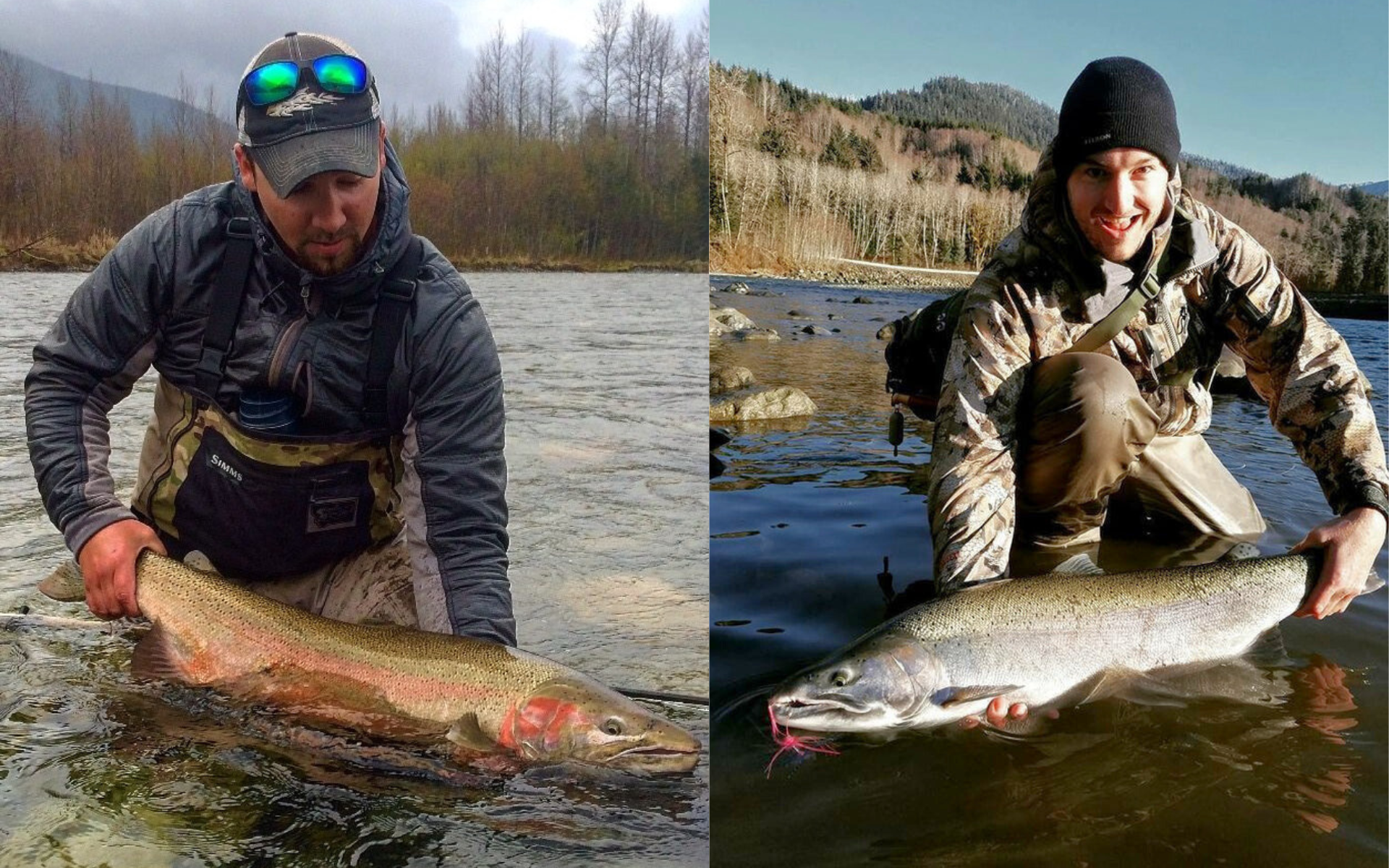


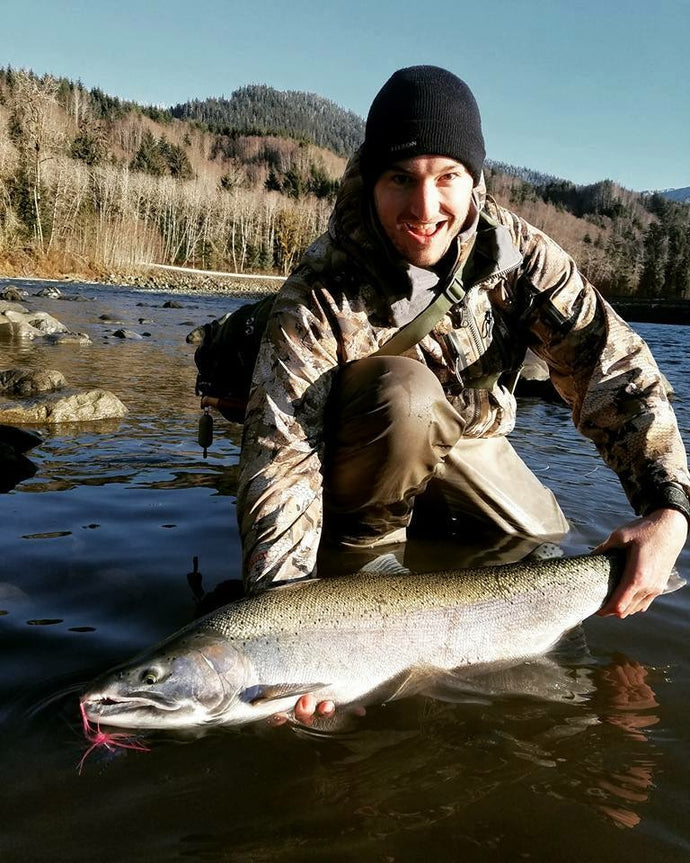
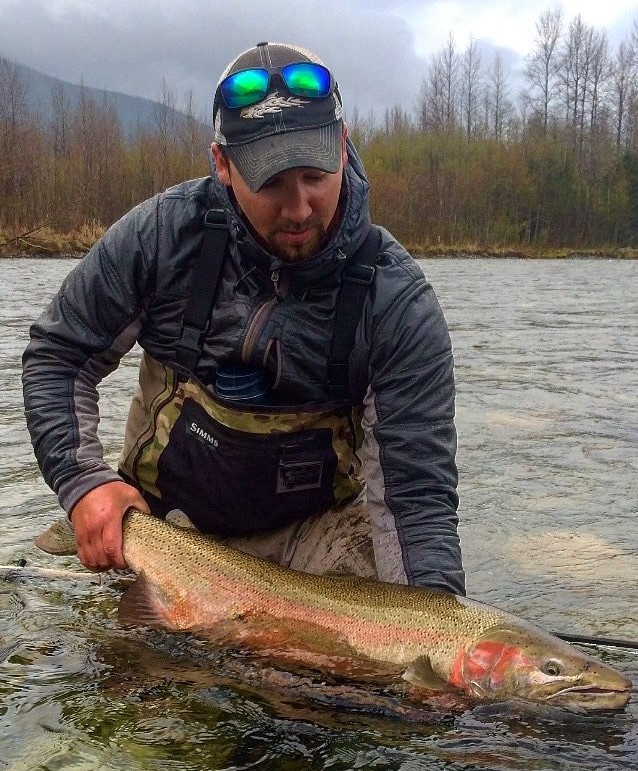






This was a great conversation! Hearing from Ed and Trevor really brought the challenges of managing fisheries to life. Its frustrating to see regulations that seem to create more problems than they solve, like condensing anglers and potentially encouraging poaching. The idea of limited entry fishing is interesting, though I can see why it wouldnt sit well with everyone. It really highlights the need for better education and more dialogue between managers and experienced anglers like them. Its encouraging to hear them talk about the beauty of the rivers and the importance of conservation, especially when it comes to keeping things wild and diverse. The passion for the sport and the environment really comes through.
… [Trackback]
[…] Informations on that Topic: wetflyswing.com/in-the-bucket-20-steelhead-stewards-of-the-pacific-northwest-with-trevor-covich-and-ed-fuhrken-of-waters-west-fly-fishing-outfitters/ […]
… [Trackback]
[…] Find More Information here to that Topic: wetflyswing.com/in-the-bucket-20-steelhead-stewards-of-the-pacific-northwest-with-trevor-covich-and-ed-fuhrken-of-waters-west-fly-fishing-outfitters/ […]
… [Trackback]
[…] Information on that Topic: wetflyswing.com/in-the-bucket-20-steelhead-stewards-of-the-pacific-northwest-with-trevor-covich-and-ed-fuhrken-of-waters-west-fly-fishing-outfitters/ […]
… [Trackback]
[…] Read More to that Topic: wetflyswing.com/in-the-bucket-20-steelhead-stewards-of-the-pacific-northwest-with-trevor-covich-and-ed-fuhrken-of-waters-west-fly-fishing-outfitters/ […]
… [Trackback]
[…] Read More Info here on that Topic: wetflyswing.com/in-the-bucket-20-steelhead-stewards-of-the-pacific-northwest-with-trevor-covich-and-ed-fuhrken-of-waters-west-fly-fishing-outfitters/ […]