Get ready for an exciting episode as we take another dive into Henry’s Fork – an angler’s paradise. Mike Lawson, founder of Henry’s Fork Anglers and a fly fishing author, is back on the podcast for the second time to take us on a journey through the vibrant hatches, diverse waters, and hidden gems at Henry’s Fork. We learn the art of matching the hatch and discover the magic behind renowned patterns like the Renegade, Speckled Spinner, Parachute Adams, and more!
Mike shares the secrets of Henry’s Fork, its unique features like spring creeks and tailwaters, and some insights on setting up your fly box. We also get to know the friendly experts at the Henry’s Fork Anglers fly shop. Stay tuned as we highlight the wonders of one of the world’s top fly fishing destinations.
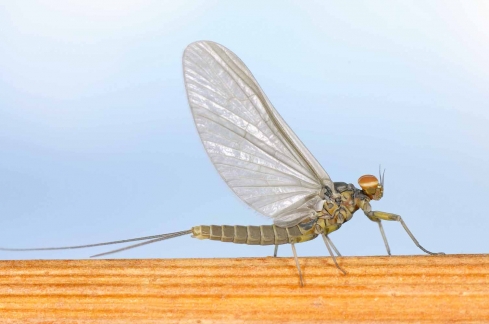
03:45 – The Greendrake hatch typically starts sometime after June 15 at Henry’s Fork.
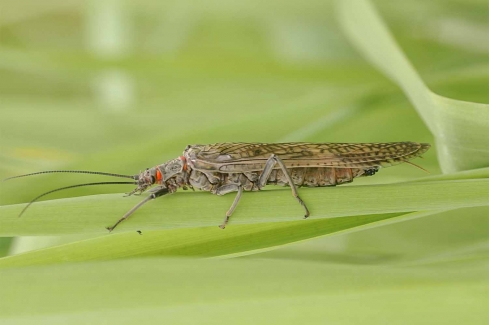
04:45 – They recently had a long winter snow so they anticipate Salmonfly hatch soon. It typically lasts for only 7 to 10 days.
06:20 – From September until October, they have some Blue-winged Olived and occasional Mahogany Dunns from early to late September depending on what the year is like weatherwise.
10:59 – Mike talks about what makes Henry’s Fork special, describing its diversity from spring creeks to tail waters, and more.
13:41 – We talk about the different hatches and the fly that matches.
29:25 – Mike talks about how he sets up his fly boxes.
31:28 – Tricos at Henry’s Fork hatch in July and peaks in August.
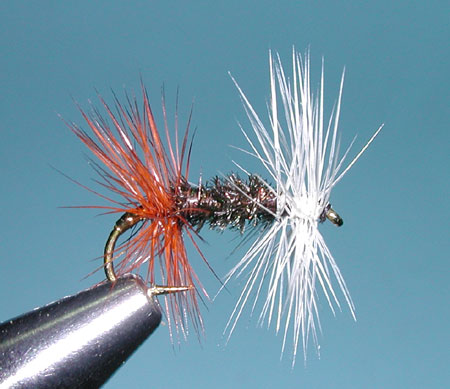
35:20 – We noted the Renegade fly pattern, the insect it imitates, and why it works.
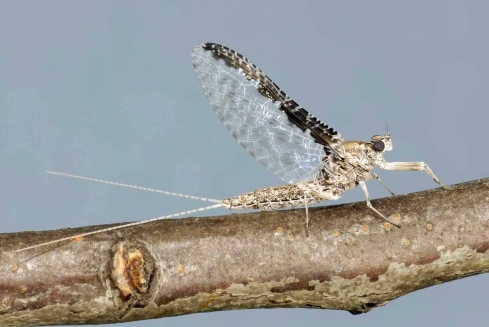
46:50 – We noted the Speckled Spinner fly which matches with Calibates species.
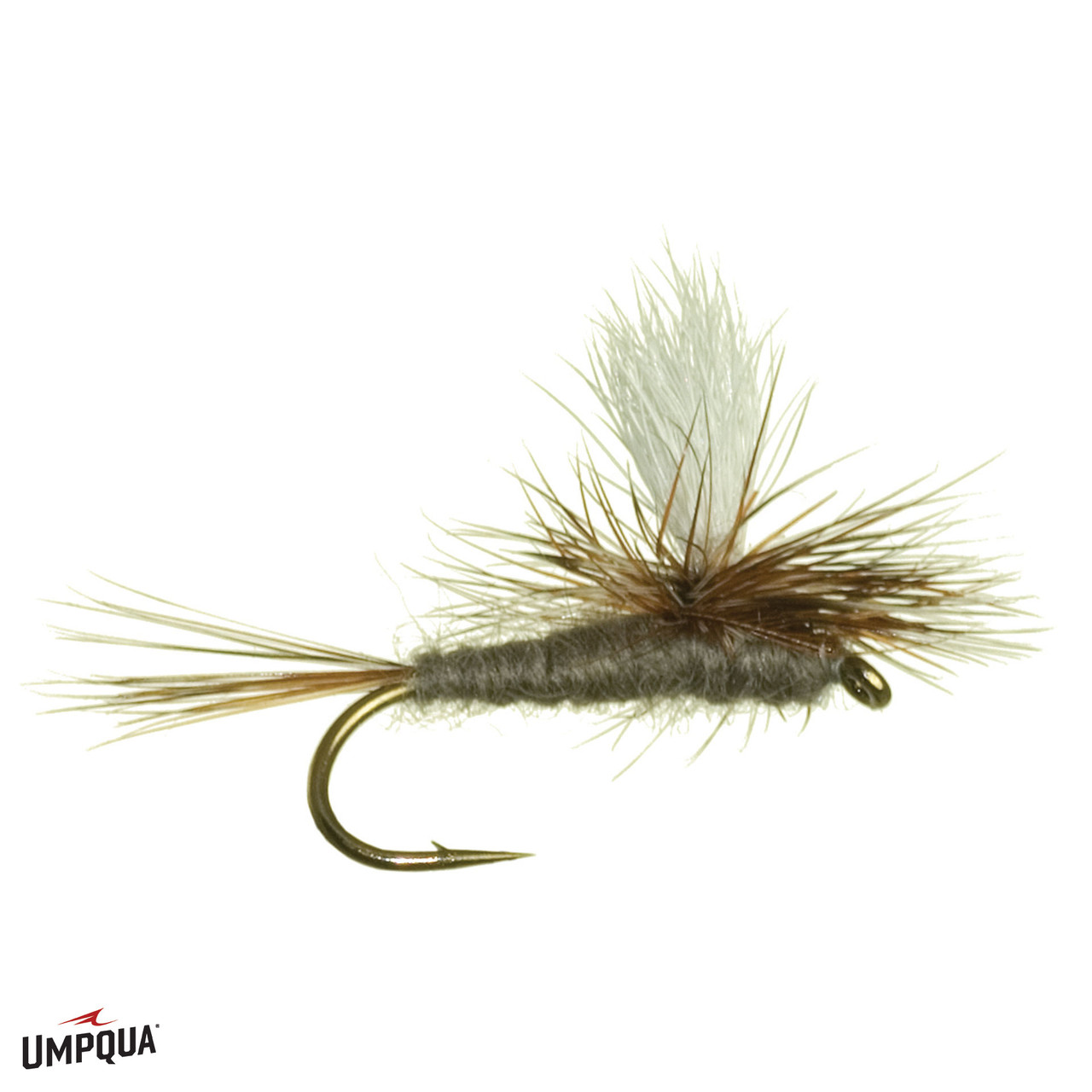
48:40 – Parachute Adams is still one of the best all-around dry flies.
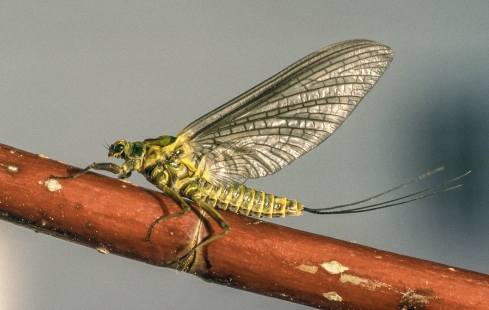
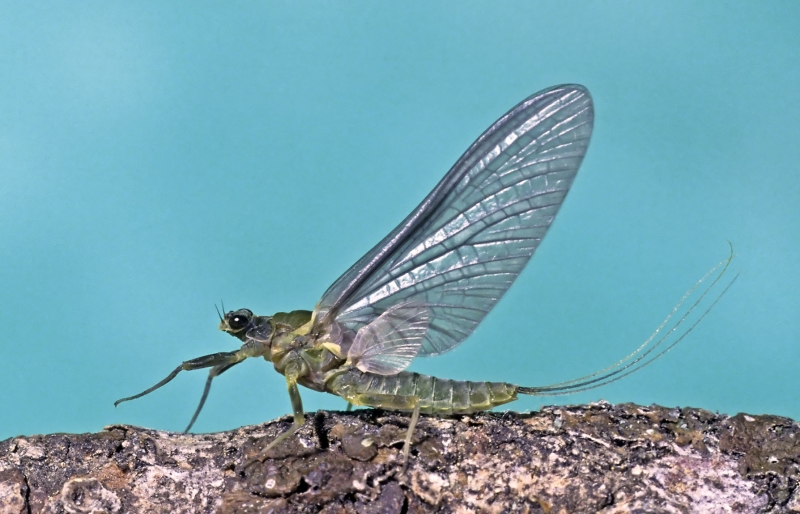
52:25 – Flav Mayfly is one of Mike’s favorite hatches in the Summer.
53:43 – Mike explains when you would use a hackle versus a no-hackle fly.
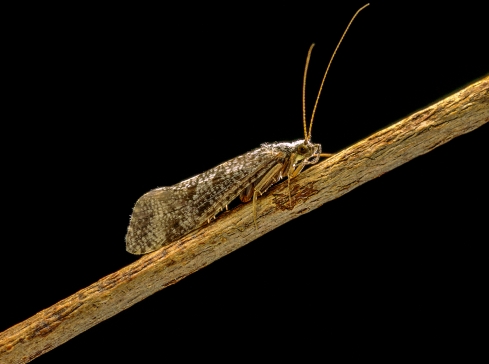
58:30 – We touch on the Spotted Sedges fly.
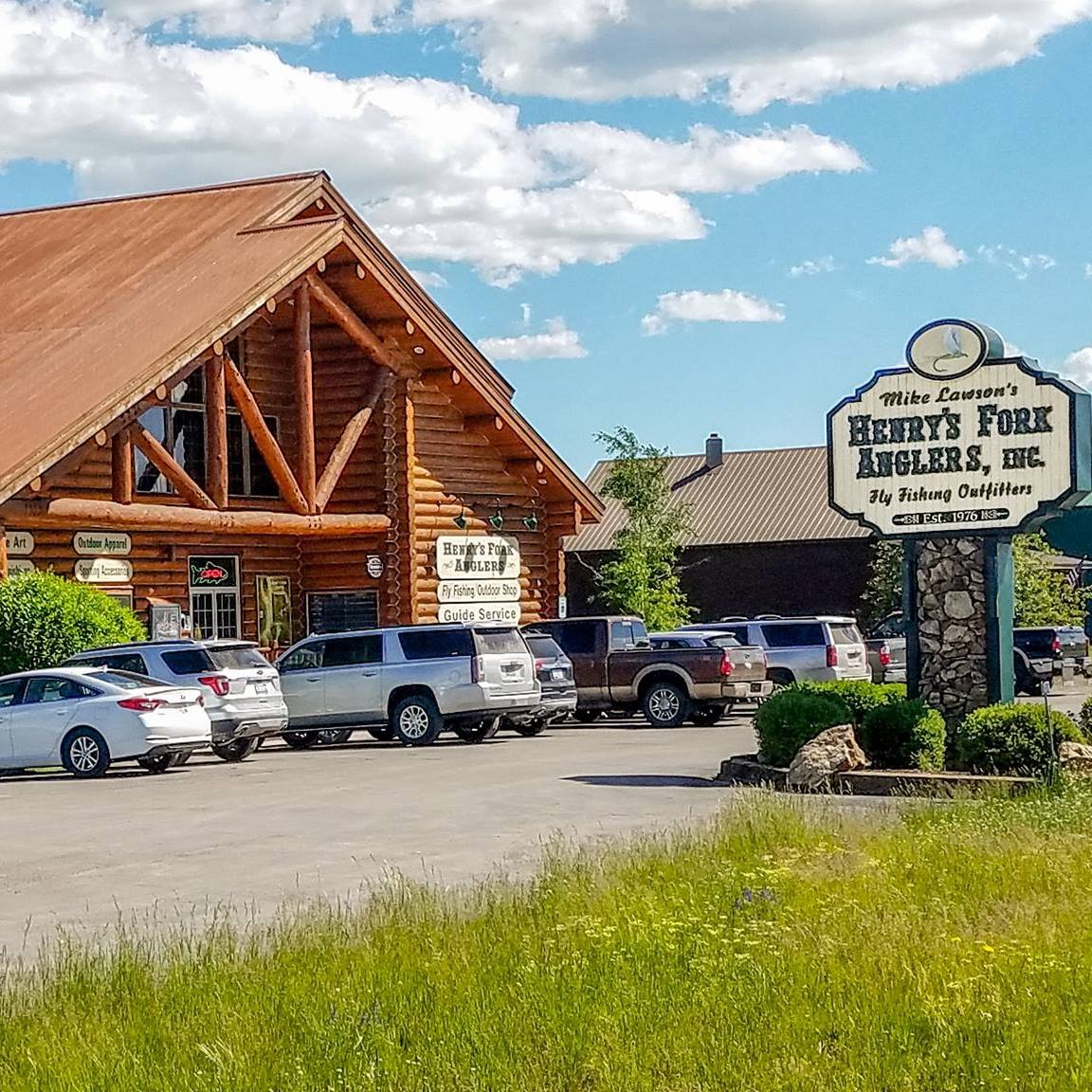
1:04:00 – If you want to visit the Henry’s Fork Anglers fly shop, you can look for Chris or Andy to get some assistance.
Episode Transcript
Dave (2s):
Today on Yellowstone Tetons Traveled podcast.
Mike (6s):
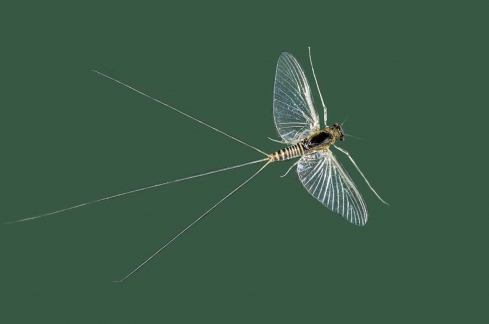
So you usually start out fishing some patterns that represent the Dunns and, and then the spinners come back in large concentrations. And anybody who’s really focused on trios all across the country, cuz they occur on all kinds of different Spring Creek type waters, you can look down the shorelines and see little clouds that look like little fog patches and which are actually spinners.
Dave (37s):
Mike Lawson breaking down the Trico hatch, the hatch chart, Mike’s fly box, and back to the ranch today on Traveled. Welcome to Traveled where it’s all about the journey we are all on in fly fishing and in life. This is our chance to take a deep dive into a specific area around the country so you have a better feel for the people, the resources, and the community that make this part of the country so unique. Before we jump into it with our guest, I wanted to share a little love with our Traveled sponsor. This podcast is powered by Swing Outdoors and the Wetly Swing podcast and Yellowstone Teton territory. You can head over to Wetly Swing dot com slash teton right now. And if you get a chance to visit a hotel lodge, fly shop, anything else going on in eastern Idaho, you support this podcast by checking them out and clicking online this week, Mike Lawson takes us into the hatches of the Henry’s Fork.
Dave (1m 30s):
We find out which are the most prominent hatches out there, which flies you need to match the hatches we’re digging into today. And we get some of Mike’s favorite patterns plus tips on fishing them. We’re going deeper. The first one we had with Mike, we touched on a specific hatch in this one. We’re going deep into all things Henry’s fork. Time to experience the road less Traveled. Let’s go Mike Lawson from henrys fork anglers.com. How you doing Mike?
Mike (2m 1s):
Doing great,
Dave (2m 2s):
Thanks for, thanks for putting this one together. We, we had John, it’s been a while. I look, always look back at these, it’s been over a couple years, I guess Episode one 90. We talked a little about, you know, a little more general and got into the greens rake hatch a little bit today. I was gonna, we’re dig into some more, you know, dries and, and we’re gonna be heading out there actually this summer late, or I guess this fall. So I wanna talk a little about that. But give us an update in the last couple years. I know you, you’ve kind of changed, right? You’re still around the shop, but, but you’ve changed your roles. What, what’s been going on the last couple years?
Mike (2m 36s):
I kind of took the general manager hat off and I’m just more a senior consultant now. But I. I still spend some time up there. I was up there Saturday for, you know, I can’t, it’s hard for me to stay all day anymore cause I don’t have anything. I need to work on a computer and I do that at home.
Dave (2m 57s):
Gotcha, gotcha. So you came up, so occasionally when you get a, you know, when they need you for something big, you’ll come up and still hit the Henry’s Fork?
Mike (3m 5s):
Oh yeah. I’ll say
Dave (3m 6s):
Yeah. Cool. What, what was the, did you have a, did you have a trip last week? You were, you were up there on
Mike (3m 12s):
Well no, I, I haven’t been doing any fishing or guiding or anything. I’ve been doing quite a bit of fishing on my own.
Dave (3m 22s):
Gotcha. Perfect, perfect. Okay, well I, like I said, we are, we are gonna be coming up there kinda later in the season this year. But I was curious to kind of just dig in, you know, now it’s kind of, we’re going into June, it’s gonna be July pretty quick. And we talked about the green Drake hatch and maybe I wanted to dig into a couple other ones, but remind us again on the, on the greens Drake, when’s the, when’s that one typically pop out there on the Henry’s fork?
Mike (3m 47s):
It didn’t usually start sometime after June 15th. I’d say the, the average time when it really gets going is about June 22nd or so. The fish have to have a little time to get accustomed to those big things before they get feeding on ’em too much.
Dave (4m 8s):
Yeah, right, right. Okay. And then, and right now it’s, as we speak, we’re kind of coming up into kind of June’s happening this week. What, what’s going on? What would be typically happening like right now in kind of the June? The June period, other than the, the Green Drake?
Mike (4m 22s):
Well, we’re into more of a normal kind of a situation like we used to, you know, over the past few years, everything’s been early this year we had a big snow pack and a late spring. So right now the water is pretty high, which we’d like it. It’s a little off color, very high. And we’re right in the start of our salmon fly hat. So that’s where everybody’s focusing right now.
Dave (4m 51s):
Oh right, yeah, that’s right. Sand flies. Yeah. And right now it’s, yeah, so late May. And typically, how long will that sandfly hatch go on there?
Mike (4m 59s):
It’s, it’s generally a week or 10 days. It’s not real long, but they have golden stones mixed in with ’em and you can, the salmon flies all hatch in a real concentrated number and the goldens are kind of spread out a little bit. So you can have some pretty good golden stone fishing. Clear through June. Yeah,
Dave (5m 25s):
Through June. That’s right. And, and what is the, I guess when you look at, I mean on the Henry’s fork at least there’s, it’s kind of, that’s what it’s known for, right? Just the technical dry fly fishing. It has everything. Are people coming there? Is it, does it matter Roy, I guess are people coming there to focus on specific hatches out there or is it more just kind of, you know, people are covering like whatever just show up and then whatever’s hatched in is hatched in?
Mike (5m 49s):
Well it’s, there’s no question that we’re busier when we have the big hatches like salmon flies green Drakes and such. But normally people are coming out most of the year to fish cuz there’s usually always something going on.
Dave (6m 4s):
Yeah, that’s right. And what would be, so if you looked at like later in the season, so we’ll, we’ll circle back around to this time digging a little more, but if you’re looking at kind of later September into October and a year like this, when you get I guess more normal year, are you, what would you typically might you find in that later part of the, the summer fall?
Mike (6m 24s):
Well you don’t have as many different species, but you have some good fishing mostly with blue and olives and they get pretty concentrated and so the fish will key into ’em. And you may have some mahogany duns that carry over to the end of September. They’re a little more early September. And then depending on what the year’s, like if it’s, or the weather they’re at the time, if it’s hot and dry then ants and Beatles and that sort of thing still work pretty good.
Dave (6m 57s):
Oh right. And all the, yeah, the terrestrials and stuff. Nice. Okay. So, and like you said, so the the, there’s not Roy, I mean if we were coming there, whether it was June, I mean I guess it is talking about the seasons typically you got kinda late, you got May, June, July, August, September and then when kind of on the other end. So when does it kind of, I guess people are fishing like what, through all the way through into like November or people hitting that year round?
Mike (7m 22s):
Well, there’s not a lot going on after, depends on when it starts getting real cold, you know, usually in around Thanksgiving or so, there’s usually still some stuff going on then just depends on what the weather does. And then things start up again soon as the weather, soon as the snow starts to melt a little bit like in February and especially March, April.
Dave (7m 51s):
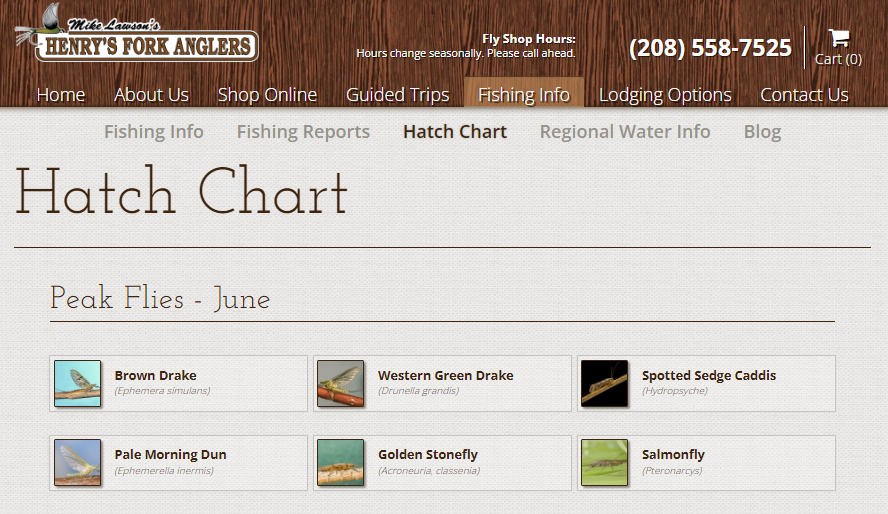
Yeah, yeah. I gotcha. Okay, perfect. So, so let, let’s go, let’s just walk through a few of these. And I know there is, there’s actually a, a cool hatch chart on the Henrys Fork, I believe this is the Yeah, henrys fork anglers.com. Right. And, and so, and I do you know, I mean I guess you probably had a part in this hatch chart is this, did you have, I’m not sure if you know the one I’m talking about on your website there.
Mike (8m 12s):
Oh yeah, I, I, I actually did the hatch charts. Some of the pictures are from John Scheyer in Oregon of the insects. But a lot of those insect pictures are ones that I’ve personally taken too.
Dave (8m 29s):
Oh good, okay. Yeah. Yeah. And this is really, this is really nice cuz you got some photos and you got some, and let’s, let’s remind everybody too that didn’t catch that last episode we did on your, on your book and, and stuff like that. Talk about that, what you have out there. Cause I know you’ve got a couple that would be great resources. Somebody’s hitting the Henry’s fork.
Mike (8m 46s):
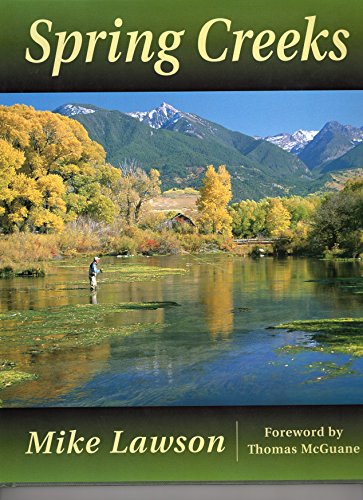
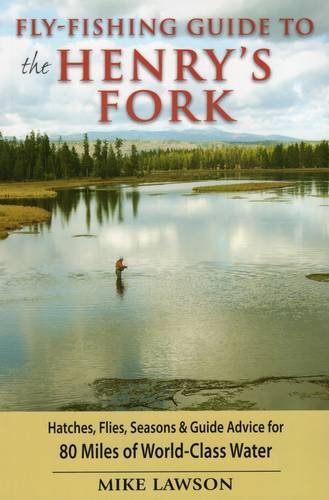
Well, yeah, I had, the first book I did is a big, it’s a hard, well it’s not hard to cover anymore. It’s a, it’s a paperback, it’s was both these books were published by stackpole and the first one, spring Creeks is more of a general how to, and it’s not some anything to really do with where to go. It was just how to fish Spring Creeks, what hatches to expect, how to approach fish, all that sort of thing. Then the second book is more where to where to fish and how to fish there. And that’s specifically focused on the Henry’s Fork and a couple of the smaller tributaries.
Dave (9m 28s):
Yeah, Henry’s Fork. That’s right. Okay. And, and so that’s good. We’ll put a link in the show notes to that at at the henrys fork anglers.com And, and I guess just maybe we’ll keep on that line a little bit for those that maybe missed that last episode we did. As far as what you have going, I, you know, the Henrys Fork anglers, obviously that’s, that’s your shop But I think in the last few years you’ve, you’ve sold that or described but where, where, where that’s come from because you built one of the most well known fly shops, you know, probably, you know, definitely in the west, if not the country.
Mike (9m 58s):
Yeah, well we started it in actually in 1976 and then in 1999 we ended up selling it to Mark Rockefeller from New York. Mark loves to fish, loves to come out here, loves the Henry’s Fork, but is pretty much a, I guess a quiet owner. He doesn’t get involved at all in the ma So anyway, that, we signed a contract in 1999 to stay on for three years, but we’re still pretty much still here. My, my wife and I both.
Dave (10m 35s):
Oh nice, nice. That’s awesome. So yeah, that’s what it was. So you, you planned to, you signed the contracts down for a few years and then you stayed on basically 20 years longer. Now that’s pretty amazing. Like what is it about, and I’ve asked this, we’ve had a number of episodes, like I said, covering some other shops and big names, people around the area. But what is it about the Henry’s Fork and that part of the world that to you that makes it so special?
Mike (10m 60s):
Well, it has so much diversity on the very upper parts to true Spring Creek, then it flows into a reservoir. And so it comes out kind of like a tail water that’s Island Park Reservoir forms a box canyon fast water. Then you get about eight miles of Spring Creek really flat, wide as it flows through Meadows. Then it drops about a thousand feet in the elevation over the next 10 or 12 miles. And so it’s very fast a big canyon with some waterfalls and then it comes back out into another reservoir, which is power generating reservoir, but it doesn’t, they don’t have any water.
Mike (11m 45s):
Right. So that it’s just a flow through hydro and then below there it actually seems to have a benefit to the river because it helps cool the water down and, and the flows are usually pretty manageable compared to some tail waters.
Dave (12m 3s):
Right, right, right. So it’s the diversity. So basically there’s all yeah, from the small spring creeks up to the tail water. You got it, you got it all in this fairly well. How, what is the length there that you just described? How many miles is that total?
Mike (12m 15s):
Well the whole thing from the big springs to where it joins up with the main snake near Rexburg, it’s close to 80 miles.
Dave (12m 25s):
Yeah, 80 miles. Right, right. So there’s tons of water. So when people are coming in to fish it for the first time in their thinking or kind of questioning like where do they start, you know, up high low, what’s your recommendation typically on, on that?
Mike (12m 38s):
Well it depends on their experience and it’s hard cuz you have to visit with the people and kind of see what, where they’re gonna be if they’re really into the, what they’ve read about the river and they’re pretty accomplished Angler, we, we can send them probably into the Harriman Park. But a also, depending on the time of year, it can be really great fishing down on the lower part of the river too. The
Dave (13m 6s):
Lower part. Okay, good. Well let’s maybe take it through and I think this hatch chart is gonna be something that Wilby kind of cool to not only have people take a look at, but just kind of walk through it if you hear on the flies because yeah, I mean you have everything. It seems like you got every single mayfly you can imagine. Plus you got cadis and, and like we said, some of the salmon flies as well. I guess kind of starting with the top of this on the hatch chart, you got the gray rake and we talked about, I guess there June July, which is coming up quick. Is that one, what, what’s the gray rake? Give us a little snippet on that. What, what’s, what’s that one look like? How do you prepare for the gray Drake hatch?
Mike (13m 42s):
Well the gray rake is in the one that I personally know the least about. And that’s the same with about everybody becau by that I mean it’s a little unpredictable. Some years you don’t even hardly get any, the main part of that hatch occurs the further down the river you get the NIMS are swimmers and they like water when it’s flooded, you know, in the spring that’s when they really mature. They have to crawl out to emerge. They’re gonna need grassy exposed areas on the banks and and other structure.
Mike (14m 25s):
And then they all come to the river as spinners all concentrated. So you really don’t have a hatch that you can fish the duns, but it’s a big concentration of spinners they’ll get back on in the mornings. And again, the evenings they’re about a size 10 or 12 and it can be really concentrated when it happens.
Dave (14m 53s):
Okay, yeah. So it can happen. So this whole hatch can happen literally in like a kind of a week’s time then be gone? Is that a possibility?
Mike (15m 1s):
Well no they, that, that’s the peak of it about a week, but there’s usually quite a few around for the next couple of weeks. I’d I’d say three weeks or so.
Dave (15m 12s):
Three weeks or so. And then, and you got some patterns here, which is cool too. You’ve got some name like the, some nymphs, the feather duster nymph you got and then the gray Drake spinner parachute atoms of course and some other, other flies. I guess, does it matter on the pattern on that just just get right size and kind of, I mean I guess the atoms is a pretty generalist fly.
Mike (15m 32s):
Well it can, you know the, the hatch chart and obviously it is hard to go back and edit it and change it. Yeah, flies are, flies are always changing. So the flies recommended on the hatch charger pretty much generic patterns. But then when we get to specific patterns, we do carry some really good gray Drake specific spinners, which is what you need to have. So, and sometimes I like to use a double setup. I’ll use a parachute A so I can really see, and then I’ll drop a spinner off of that about a foot, which are, so you’re both, you’re fishing two dry flies, but the spinner is really difficult to see.
Mike (16m 24s):
So that’s kinda what I like to do.
Dave (16m 27s):
That’s awesome. Yeah, I love that tip. So basically run a, run a Adams kinda your generalist that you could see it really clear and then, and then just have that little tiny, well I guess it’s not tiny though we were saying, you’re saying like 10 or 12, right? For that spinner?
Mike (16m 40s):
Yeah, 10 or 12. It’s just that it’s gonna be the, it’s gonna work best if it’s flush in the surface film. So that makes it a little harder to see even though it’s big.
Dave (16m 51s):
I see. Perfect. All right, let’s, and let’s keep going down to this. I think we’re gonna hit a few of these and because it’s really interesting as I look at these and some of these, I’m not even quite sure I’ve haven’t even heard of these, so, so the next one you have, and again, this isn’t, like you said you probably did this a while back and there’s some updates here, but I’m just like on the Pink Albert, so talk about that. I, I don’t actually know, I’ve never heard of that one. What, what’s the deal with that? Is that still something going on?
Mike (17m 13s):
Yeah, that’s a, it’s a western species of the epos, which is what the quill Gordon was supposed to imitate back east. And our western ones are much lighter and a little more almost pale morning done colored only with more of a kind of rusty pink color. And to be honest, they’re probably the least important mayfly we have on the actual Henry’s fork. But they’re, they’re snake on the south fork of the snake in July, late July, usually
Dave (17m 55s):
Late July. Okay. Yeah, yeah. Perfect. So then that’s what you have, you have the peak of kind of the green as the peak and then on the tail end, June, August you’ve got the lesser peak. So, okay, so the pink Albert’s kind of more, more south fork the snake. So let, let’s stay on the, the Henry’s fork then as we go here. So the Mahogany Dunn, is that one that’s pretty important for the Henry’s fork?
Mike (18m 16s):
Yeah, it really is. It starts showing up in September and it’s a larger fly than we’re used to fishing and that time of year, cuz by then you’re mostly fishing trico and little ants and stuff. and that mahogany done is about a size 16 or 18 and the peak of, it’s probably the first two weeks, September and then a little bit before then. And depending on the weather it’ll go in October.
Dave (18m 49s):
Okay. In October. And, and the, and again some of the fly, you know, this is the, probably the most, maybe the most popular fly ever right. Is the Sawyer, the Sawyer’s pheasant tail nip. Is that still a good pattern to use if you’re Nipping?
Mike (18m 60s):
I think it’s still the best, it’s what I use.
Dave (19m 3s):
Yeah. And then, and then for Dries you’ve got the mahogany done and the parachute. And so does that one have the same as far as your, you could hit the dine and and the spinner for that one?
Mike (19m 15s):
Yeah, the spinners aren’t much of a factor cuz they don’t seem to come on in very strong numbers at any one time. So it’s mostly the duns and, and it doesn’t hatch real heavy. You’ll see ’em coming off but the fish start looking for ’em. But, and that’s important to remember cuz you can find fish feeding on like, for example Trico or little blueing olives. But when they see a mahogany Dunn which is much larger, they, they will take it.
Dave (19m 54s):
Today’s episode is sponsored by Eastern Idaho’s Yellowstone Teton territory. Idaho’s most renowned zone for fly fishing from the Henry’s fork to the south fork of the snake and all the high alpine lakes and streams in between Yellowstone Teton territory provides anglers and other outdoor enthusiasts with all the information they need to plan their next big trip. You can visit Wetly Swing dot com slash teton right now to get the full list of Outfitters lodges, fly shops and all kinds of inspiration to get you started on your next trip to Eastern Idaho. That’s Teton, t e t o n Wetly Swing dot com slash teton.
Dave (20m 35s):
And so this is interesting cuz you know, the dry fire I think for a lot of people is a big struggle, you know, because there’s like, especially here, there’s so much, it’s technical, they’ve seen a lot of bugs. What, what’s your recommendation for somebody coming in there if, you know, I think getting a guide would be probably the, the number one thing to do maybe for at least a day or something. But if they didn’t come in that, how do you explain that on the dryly? How do you get, because we we’re gonna talk about some of the flies and patterns, but what’s the recommendation to find out Roy, what’s going on any given day that you show up or week?
Mike (21m 3s):
Well again, that a lot of that is determined with their expectations and experience level. And if they’re really have done quite a bit of Spring Creek fishing so they understand how to make slack line cast, how to keep drag off the fly, that sort of thing, then you know, we, we’ll steer ’em into the Harriman Park and give them some recommendations on what to use depending on that, whatever the time of the season is. If they’re a little less inclined, we’ll there’s lots of other water that we will send them and we do that with the guiding too.
Mike (21m 48s):
The, the more experience, there’s people that come out just to fish the Herriman Park and focus on that. But there’s, I’d say that the largest percentage of our guide clients it, it’s, that’s not for them cuz they usually, a lot of people that hire guide part one reason they’re doing so is to learn some ex learn how to do it and how to catch fish and not so much on just the experience of fishing and in the Herman Park you gotta have your mind right cuz nobody catches very many fish in there.
Dave (22m 28s):
Oh right. So nobody including, yeah. So anybody that go, even the most experienced, it’s, it’s never gonna be easy to get a bunch of fish.
Mike (22m 35s):
That’s right. Yeah.
Dave (22m 36s):
Yeah. Gotcha. This is cool. So Herman and then Harriman, why, and that is the pla why is that the place for the super? Because everybody knows it is the most, it’s the most challenging and that’s what is kind of the game, that’s what makes it interest, makes it fun.
Mike (22m 49s):
I think I really think the biggest reason is the, just the tradition that’s carried over from, oh, years ago it, nobody knew anything about, that’s back when it was called the railroad ranch. And then some of our riders, especially back in the early seventies, Joe Brooks and, and Ernie Sweer and some of those, they, and, and pretty soon it was showing up in all the national publications and so people focused started showing up in big numbers here and a number of ’em left with didn’t meet their expectations.
Mike (23m 35s):
Cuz like I said, it’s, it’s not a river where you’re gonna find pods of big fish rising, that sort of thing. You really have to hunt for ’em and you have to know how to approach the fish to get in position, have a pattern that’s gonna look like what they’re eating and then you gotta be able to prevent the fly without any drag on it. So you know that there’s a lot of people that don’t really like that and cause you may not catch anything.
Dave (24m 8s):
Yeah, exactly. It’s kind of like the, you know, the analogy on whatever fish is hard to catch. Right. Whether that’s musky or Atlantic salmon, you know, you gotta, you gotta kind of be able to take a little bit of pain Right. For the, for the joy.
Mike (24m 21s):
Yeah. and that, that’s a good analogy. I think as far as your, your attitude, you, you go in just really hoping you get some good shots of fish, you know, you’re hunting for fish and, and you, you can set up on a fish. I’ve spent two or three hours working on the same fish and of course I don’t stand, you don’t stand there and just keep casting because you make a couple of casts to a feeding fish, he’ll stop rising and, but he’ll start again and often he’ll be in a little different spot so you gotta move and Oh right. And it’s all kind of what a lot of people Yeah.
Mike (25m 5s):
Like that, you know.
Dave (25m 6s):
That’s awesome. No, that sounds, sounds fun. I mean yeah, it’s more, it’s not the just come in and start flogging on the water with a bunch of cast. It’s literally finding a fish and, and then targeting that and then sitting there like you might have to sit there for quite a while and you’re just kind of, you know, studying that fish trying to get and then then right you get that take. So that’s the ultimate thing. You’re like, wow, okay. you know what, what would be your tips if somebody’s sitting there, they’re, they’re they got this fish that, you know, maybe they put it down a little bit. Is it just you sit there and just give it amount of time and wait? Is that what it takes?
Mike (25m 40s):
Yeah, you know they, it’s pretty hard to put the fish down for good. you know, they, they’re so used to anglers waiting around and they don’t have any intelligence to associate the Angler with them getting a fly stuck in their mouth. They, they have the intelligence to decide I’m not eating that again cuz it, because you know, it caused me trouble. But they don’t know that the Angler is the reason it happened. And so if they get a little uncomfortable, they feel you, your vibration, the water from waiting, they, they see a few casts that drift over ’em.
Mike (26m 27s):
They’ll either stop feeding for a while or they’ll just move somewhere else and start again. And so if, if you feel like you have your one chance and then you blew it, well sit down and on the bank or, or just if you’re out in the middle of the river and just wait and, and eventually that fish will probably come back, but not always, but he probably will.
Dave (26m 56s):
Probably will. And are you fishing, you know, whatever it takes. So if the dries are on, you’re hitting that or you’re fishing the equal amount nips, is it kind of you’re mixing up to kind of do a little bit of everything there?
Mike (27m 6s):
Well, when I fish nips it’s, it’s, I only do it two ways in the ranch anyway. One is drop it off the bend of a hook with little or no weight off of a dryly but only drop at about four to six inches.
Dave (27m 26s):
Gotcha. So that’s it. So basically that’s the way to do it. It isn’t like you’re gonna be fully just ning, it’s literally you’re hitting dries and that NPS is the trail that’s good the other
Mike (27m 35s):
Time not rising. And but then if I just see a fish sitting there and under the water he is not rising, he’s moving around happy, then I know he is feeding on nims so then I’ll put on a nim for the little weight on with without an indicator or anything and just cast to the fish. and that’s, that’s a lot of fun. I just don’t think that the typical nim fishing methods work very well in there because of all the weeds and the slow water and there aren’t concentrations of fish anywhere. So usually if you just start covering the water with a indicator, something you’re not gonna, probably aren’t gonna do Very good.
Mike (28m 20s):
Yeah.
Dave (28m 20s):
Yeah. So no indicator that’s not a, a key. Okay, perfect. So, and I’m just looking here again at that Mahogany Dunn you mentioned, we talked about the pheasant tail, but the, so the mahogany Dunn parachute, you know, there’s a couple of dry flies. Would there be one you want to add here to a dryly if that hatch was on?
Mike (28m 37s):
I think there are a lot of good patterns. you know, I always like have liked and noles over the years, but there’s some other good flies too to imitate the guns compared guns or, or real good sparkle dunns and then a whole variety of different kinds of mergers. They all can work pretty well. I, I have not found the trout to be over selective on mahogany dunns because they don’t patch in big concentrations. Oh
Dave (29m 11s):
Right, right, right. So that’s it. So they’re not super selective. And on your boxes, what does that look like for your boxes? Do you have a, you know, just on your personal stuff, do you have like a box for every species or do you have all your mayflies in one box? Like how would somebody, you know what I mean? It seems like there’s a lot going on. How do you do it?
Mike (29m 27s):
Well I’ve got lots of different fly boxes. The way I set mine up is, first of all, I have some that are focused just on our Spring Creek fishing. And so those are gonna be sparsely tied mergers, spinners, duns of, of a few different types. And then, then I also split those into kind, I, I don’t have just one box. For example, I’ll have a box to fish the ranch for September and I’ll have some, I’ll have some mahogany duns, lots of different blue wing olives and probably still some Trico and calab.
Mike (30m 14s):
However, I usually put those trico and calibus in another small box. And, and then I ha I, I don’t have one system cuz I’ll have another box just for Drakes. And we get three Drakes here. We get green Drakes Brown Drakes and Gray Drakes and they’re all about a size 10. So obviously I need a larger fly box. And so I don’t really have any one real cool system.
Dave (30m 47s):
Right, right, right. But you gotta, yeah, I see where you’re organizing, I mean I like the monthly or at least a period, right. So you know, if you’re coming in in late in September or October, you could probably have a different set of, you know, a box Right. For those types of flies that you’d expect. Because we’re talking, some of these aren’t just like September, there’s just gonna be a lot of these bugs that might not be there. Right. Some of the may flies.
Mike (31m 7s):
Yeah. Yep.
Dave (31m 8s):
That’s it. That’s it. So, okay, well let, let’s keep going down this, we got a a few, I mean you got a bunch here. We’re not gonna get into it all. But I just wanna touch on like Ricco. Right. you know, so that’s a big one that, you know, people talk about all around the country. Tell us about the Ricco a little bit. What should we be thinking about for trios? Like first talk about when those are there and then and then how you might fish those.
Mike (31m 28s):
Yeah. Trico occur probably the peak month is all through August and they’ll extend into the middle of September as well, probably from the second week of August through the mid mid-September. And they’re a morning may fly and the duns emerge according to air temperature. If, if the weather’s pretty warm like in the, I don’t know, the temperature. I, I have, I have a doctorate book that a guy gave to me just on Trico sofa.
Mike (32m 9s):
Oh wow. you know, they’re, they, it can get a little complex as far as they really get into specific air temperatures and all that, but when the air temperature is right, the, the DUNS will emerge and they actually can mold into spinners in the air. Oh wow. And, and so they’re gonna become a spinner within just a short time after they merge on the same morning. And so you usually start out fishing some patterns that represent the Duns and, and then the spinners come back in large concentrations and anybody who’s really focused on Trico all across the country, cuz they occur on all kinds of different Spring Creek type waters.
Mike (32m 60s):
And you’ll usually, they’ll the spinners Wilby so concentrated before they hit the water that you can look down the shorelines and see little clouds that look like little fog patches and which are actually spinners. Wow.
Dave (33m 16s):
Wow. That is crazy. And these are, and the trios I guess are the one of the smaller right. Are, are they the smallest kind of hatch that you fished throughout the year?
Mike (33m 26s):
As far, yeah, as far as the small, the individual flies and be between trios and then a lot of our blueing olives are about the same size. Fortunately, even though you’re matching our trios with a size 20 or 22 hook, that size hook would be a monster for back in the Midwest or the East coast or their trios are more like 20 fours and 20 sixes.
Dave (33m 55s):
Oh wow. Wow. And why is that? Is that just a different change of the, you know, why are they so much smaller? They’re just a different species or different life history?
Mike (34m 3s):
Yeah, I, it’s a different species than one we have out west, which is a little bigger.
Dave (34m 8s):
Yeah. A little bigger. Gotcha. Okay. And you got, and again you got a bunch of patterns here, you know, all sorts of the c d c, Trico spinner, the Renegade, which is a great classic pattern, the royal wolf is, is the royal wolf one that’s still in your box, that you got some of these old patterns? Is that a, is that still a good one?
Mike (34m 24s):
Yeah, I, I I still use quite a few royal wolfs parachute atoms and renegades, which are all classic patterns and, and I use ’em for a variety of things. you know, the renegade is one that I just use a lot as a, as a dropper I fish it, you can fish renegades a variety of ways, including swinging that works real good. But But I like to just tie it off the bend of a of a fly, that’s a little harder for me to see. And then I can use the Renegade as a, as a visual pattern, which is very easy to see cuz it has, you know, white hackle and brown hackle on it and often the fish will take the Renegade.
Mike (35m 17s):
So it’s just a good all around fly for me.
Dave (35m 21s):
Yeah, that’s awesome. And it says, I’m just looking here online, it says The Renegade and I’ve, I’ve known this fly since I was a a kid and stuff and it says the Renegade was one of Ernest Hemingway’s favorite patterns. I’m not sure if you knew that, but why is it so it’s, it’s kind of unique why, you know, it’s got the peacock body and then it’s got the brown hackle on the very back and then the white hackle. Do you know the, the history there with like on that fly, who kind of, where it came from, why it’s, it’s so different than a lot of dry flies.
Mike (35m 48s):
I I really have never studied it to see who developed it and, and, but it’s a four and a half and it’s, it’s really could look like so many different things in my mind of the fish. And I think it’s also important to realize that that fish, as I alluded to earlier, we, we like to think of them as wily and smart, but honestly they’re not. They’re, they don’t have much intelligence and so you can play on their, their survival instinct is to be selective and just feed on what they know is food.
Mike (36m 34s):
That’s kind of an inherited trait but it’s not a intelligence thing. So therefore if something else comes by that looks like it’s, doesn’t look like anything they’re used to eating, but unless they’re really focusing on one specific insect and often they do the renegade’s a great fly.
Dave (36m 58s):
Yeah, that’s awesome. That’s a great, that’s a great tip. I’m glad we brought that one up. And it looks like, it looks like John Hagan was the person who developed it a, a guide in I guess maybe Liz in Colorado. But
Mike (37m 10s):
Good. Yeah. Okay. But I’m sure that was, that had to been a long time ago cuz I fished them when I was a kid. Oh
Dave (37m 18s):
Wow. Yeah. Yeah, they’ve been around a long time. Exactly. Yeah. That’s really cool. So, and then, then your patterns, it sounds like you have a good mix of some of those old traditional flies work great as well as some of the newer, you know, like, you know, whatever flies with c d C on ’em, stuff like that. Do you, you find yourself having a nice mix of kind of old school and newer flies?
Mike (37m 38s):
Oh yeah, yeah. I do. you know, when you, if we’re still on Trico, I still like the, the hand spinner flush sits flush in the water, but there’s a lot of really great synthetic wing material that you can use. The biggest mistake I see people is they tie the wings really two twofold to they need, the wings need to be really sparse. It’s, it’s a tiny little fly and, and the fish can get selective on ’em. Very selective. And so, and, and so you can’t always get away with trying a renegade or little parachute atoms or something.
Mike (38m 25s):
You’re gonna have to get right down and dirty.
Dave (38m 29s):
Yeah, there you go. And I love that you talked about the yeah, the tying because you know, we actually had an episode that came out on the Catskills. We focused on kind of that area and the Catskill style dries and how they’re different Right. Do what, what’s your take, I’m not sure if you know much on the cat skills, like what makes them But I guess they’re just, they got this unique, it is kind of a sparser type pattern. Do you find yourself, does that resonate with you just when you hear about cat skills, is that something you use out there or is that just kind of an old school thing that’s really not necessary to be thinking about?
Mike (39m 2s):
No, me, for me personally, I, I’ve have a lot of admiration to the developers of a lot of those cat skill patterns because they, they’re tied much sparser than, and, and it seemed like in the west, big bulky flies sorta were first developed when we started, you know, realizing the fly fishing we have out west. Cause as you know, in America it started on those streams in the Catskills and the Adirondack Mountains there. And, and they’re kind of a mix.
Mike (39m 43s):
They’re not, most of ’em aren’t true Spring creeks, but they have a lot of flat water. They get fish pretty heavy. And, and so having a pattern that’s sparse, that isn’t, isn’t tied so full is very similar to what we like to do here. So we stock some of the old Catskill patterns in our stores still to this day. There
Dave (40m 9s):
You go. Yeah. And that’s, that’s what it is. So they’re more, yeah, you’ve got this technical, I mean, compared to some of the places in the way, like we just said, you know, we were talking, we had an episode on West Slope cutthroat trout fishing. Right. And that’s like a totally different thing, not a not as technical. Right. You could probably throw out any fly to some of those West slope cuties and, and they probably take it. But we’re not talking about cutthroat here, right? Or or are we talking about what are the species, remind us again on the species here on the Henry’s fork.
Mike (40m 35s):
Well, we don’t have a lot of cutthroats anymore. Originally it was a cutthroat river. Totally. and that was the only trout in it. It was, it had, these are all Yellowstone Cutthroats here. And you know, i I think the, between the introduction and rainbow trout and some of the irrigation practices and stuff, the cutthroats are a lot more delicate as far as their different environmental requirements than rainbows and browns. So rainbows quickly displace the cutthroats both with competition and also they interbreed.
Mike (41m 18s):
So they start making hybrids instead of pure cutthroat. And then, you know, more recently on the lower river we have brown trout as well as rainbows. But then if you keep going downstream on the lower Henry’s fork, the very lower part, then you start picking up a few cutthroats again. And, and that, you know, the cutthroat trout. I, I think that a lot of people sort of have a misconception about, about the cutthroat. There’s a Spring creek that I fish now and again it’s a little small one that eventually ends up in the south fork of the snake and it has rain, well hardly any rainbows, but lots of browns and cutthroat.
Mike (42m 12s):
And in my opinion, the cutthroat are a lot harder to catch than the Browns are and they can get really selective.
Dave (42m 21s):
Right, right. So they are, so the Yellowstone cutthroat are probably different than the West slope cutthroat quite a bit as far as their behavior?
Mike (42m 27s):
Well, yeah, it, well I don’t know if the, if it’s the species of fish or the habitat they’re in because most, most, see we don’t have West Slope cutthroat here, but where they do have them, you know, we have ’em up in north Idaho and, and Northern Montana and all that and, and, but they’re usually living in streams that are a little faster, that are more Freestone type streams. One of the great ones in Idaho is the St. Joe River. And, and it, it’s just, they’ll be long sections of quiet water and then riffs and all kinds of diversity and that seems to be what they like.
Dave (43m 14s):
Yeah, amazing. Yeah, we just, actually you’re right on because we just did an episode on the St. Joe and we dug into it and that’s exactly it. It was like, you know, we’re talking to, you know, our guest did it. He, you know, he is basically saying, hey, yeah, it’s, it’s, this is pretty easy. Just come on up here. There’s lots of room. you know. So I’m guessing that St. Joe is a quite a bit different experience than the, the Henry’s fork, right?
Mike (43m 36s):
Well, yeah, because I, I don’t think it’s as well known to, to traveling anglers and then they don’t, you know, it hasn’t been publicized a lot, but it’s a great river, but it’s a little harder to get specific information on where to go, what, what flies to use. and that there, it’s a little more trial and error I think. But it’s a beautiful river. It’s one of the most beautiful trout streams I’ve ever fished. Unfortunately, it’s, it’s gonna be about nine hours for me to get there, so I’ve only fished it a couple times.
Mike (44m 16s):
Oh
Dave (44m 16s):
Wow. Yeah, nine hour. And are you now, are you down south of, or where, where are you at? Like where’s your home based now?
Mike (44m 23s):
Well, my home where I live is on, I live right on the Henry’s Fork about three miles downstream from the town of St. Anthony. And that’s about 40 miles downstream from, from the Herriman Park where our shop is.
Dave (44m 42s):
Right, right. But you’re on the Henry amazing, you’re on the Henry story then. Yeah. and that part of the, the St Joe we’re talking about, I was looking at too, because on the map, you know, if you’re coming over from Spokane heading on your way to Montana, you know, it’s, it’s kind of there, but you just have to kind of take a right turn and drop down into the forest service land kinda off the right, get off the main highway or whatever. But
Mike (45m 2s):
Yeah. And for us live here in this part of the world right in the corner of Idaho, next to Yellowstone Park, most of the middle of Idaho is all primitive area, no roads or anything. So for me to get to the St. Joe, the quickest way is to get on the freeway and go clear up nor yeah, way up there going over the past not, I don’t know, usually it’s thinking of the Montana towns, I don’t remember where I turn off, but it’s usually not too far from St. Regis up in, in Montana.
Dave (45m 42s):
Right, right. Yeah, it’s pretty cool. We’ve been doing this, we’ve been not only doing a bunch of episodes in kind of eastern Idaho, but we’ve really been hitting tons of stuff in western Montana, that northern part of and into Canada too, you know, up into Canada because you get into those places, which obviously there’s a border between countries, but you know, it’s all similar basins and yeah, the thing you find out is just, you know, like there’s just so much like the St. Joe’s a good example, one of those rivers that a lot of people don’t know about, but you could probably spend your life fishing that one. Right.
Mike (46m 11s):
Yeah, I’ve, I haven’t fished But I had time to fish all those rivers. I’ve, I’ve wanted to to fish the, a lot of those streams in southern Alberta and, and, and southern British Columbia for trout. Most of those fish are, are West Slope Cutthroats in those streams too? But I just haven’t had a chance to do a lot of it. My main fishing up in the northern part of our state, it’s been on the St. Joe and also on Kelly Creek. Yeah,
Dave (46m 44s):
Kelly Creek. Okay, well let’s, let’s jump, I’m looking back here. Another one that I don’t know that much about is the speckled spinner for the Henderson. Is that a, a important one to know?
Mike (46m 54s):
It really is. It’s, it matches up with calta species and it’s about a size 16. And it occurs in usually about the same time as Trico. They come off, you know, if you have a great day in late August, you would have trico fishing from as soon as you get on the water, usually until nine o’clock or so. And then by 10, between 10 and noon, depending, again, depending on air temperature is, that’s when you get the calab. And they’re not common on most rivers, they are more common on lakes.
Mike (47m 38s):
But some of our Spring Creek waters, like the Henry’s Fork and Silver Creek and, and some, a few others have some pretty good ES emergencies. It’s again, they, they seem to hatch very sporadically and maybe at, at a lot of ’em at night. Cuz we never see the DUNS much. It’s all spinners. Gotcha.
Dave (48m 3s):
So it’s all spinners for this one too. So if you, if you’re picking patterns you’d want to have, I guess, yeah, there’s a couple here at Calab, the cripple, the partridge spinner. So is that kind of Yeah, those would cover you any other fly, another fly you throw out there? Hackle Stacker, that’s another one.
Mike (48m 19s):
No, that’s mostly it. If there are duns on the water, then the fish aren’t very selective at all. And you can generally use a size 16 parachute atoms or something like that.
Dave (48m 32s):
Oh yeah, yeah. Is the parachute atoms still one of those flies? you know, if you had to pick the generalist dryly, is that the, the great, is that the best one or is there a few that are kinda like the, the atoms?
Mike (48m 43s):
That’s a good question. I, I think it would be the nu if I could only pick one general overall dry fly that would work on all of our different types of water. I, that’s probably what I’d pick is parachute atoms in a variety of different sizes. Yeah,
Dave (49m 1s):
Parachute. And, and that’s mainly because, I mean, again, that’s one of those ones that’s so unique, just the parachute style, right? Because you think parachute atoms, I guess there’s other parachutes out there, but why is the atoms, is it just because of that black and white and gray that’s just the general colors?
Mike (49m 16s):
Well, I, yeah, I think so. I think they, that the is is just a terrific dryly pattern and I think it was developed into a parachute mainly to get a little lower profile and, and get better visibility.
Dave (49m 38s):
Today’s episode is sponsored by Trestle, who has earned an exceptional reputation over the past few years in the fly fishing industry, due to the popularity of their telescopic fly rod roof racks and statement making artist series apparel lines. Their latest release for 2023 is the Geri Universal Bike Rack Packing system. A brand new way to transport your fly fishing and outdoor gear. The ion will give any modern bike the ability to bring 30 pounds of gear with its front and rear articulated racks. Whether you ride a full suspension mountain bike, an e-bike, or even a carbon fiber road bike, the ion will get you and your fishing gear further, faster and have much more fun along the way.
Dave (50m 22s):
I can tell you this has been a big struggle for me. I’ve been riding my bike both road bikes and mountain bikes and had lots of issues over the years packing my gear, whether that’s crappy storage on the back or a trailer that’s just too big and bulky. So I’m excited to share this packing system, which is gonna make it way more convenient and accessible to get out to the places you need to go. You can learn more about how Trestle is transforming the way you access your favorite water backcountry hunting zones and camping spots. Head over to wef fly Swing dot com slash Trestle right now and be the first on the water and the farthest upstream and away from the crowds. That’s Trestle, T R X S T L e Trestle live your pursuit suit.
Dave (51m 6s):
So if you’re thinking parachute, what about the parachute versus the regular atoms? When would you be using one or the, I guess you said it kind of getting down in the water, but what, what, what’s that look like?
Mike (51m 15s):
Well, I anymore, I rarely fish in atoms and it used to be one of the main flies that I would fish. So obviously I think on this river, I think the main reason a parachute atoms would be my preference over the regular atoms is just because of the profile that a parachute has in the water. I would use a regular atoms if, if I’m fishing riff water or faster water But I, think the parachutes a little better suited most of the time.
Dave (51m 51s):
Yep. And is the parachute, what is that? Is that imitating potentially the spinner and the done and kind of the like all sorts of different parts of the life history
Mike (52m 1s):
That Yeah, that’s what I think. I think where, where it puts the, the hook and the body right in the surface film then it could look like a spinner, it could look like in a merger, it could look like a little done coming off it, it could be a number of things. Perfect,
Dave (52m 17s):
Perfect. All right, we’re gonna hit on a few more of these before we get out here, but we’ll, we’ll hit this, make this quick, but let’s hit on some big ones. So let’s just go down Is the Flav, is that, is that an important one?
Mike (52m 27s):
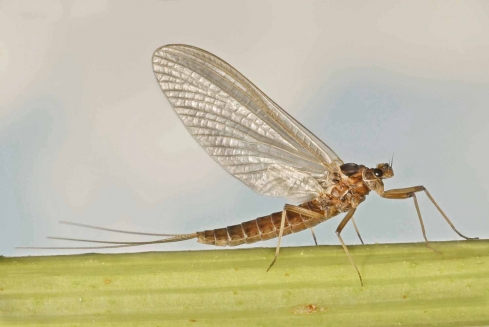
It’s a really important, may fly on pretty much all the Henry’s fork both up in the Herman Park and down on the Lower River. It, it’s probably my favorite personally my favorite hatch during the summer months. It’s a larger mayfly, very close relative of the Green Drake, same coloration. And it’ll be about a size 14, most of them, sometimes they’re a little smaller sixteens. They come off right after the green drags do or right during, sometimes late June, early July.
Mike (53m 9s):
Perfect,
Dave (53m 10s):
Perfect. That’s it. And then fly patterns again, there’s a few here. Any, any other fly, any flies you’d throw out there as a good, maybe a good dry imitation or, and or nymph?
Mike (53m 20s):
Well I really like fishing the Knowles for when the flas are on either no hackle or a, a paradigm probably for me Work desk.
Dave (53m 33s):
That’s right. The no hackle. And what is the no hackle again, is that one of those things where it’s when you want to get it down into the surface sort of thing or when, when would you use the no hackle versus an hackle fly?
Mike (53m 43s):
Yeah, I, I definitely think that the reason the no hackle works so well is because it, you know, in the fly bin it looks like a done beautiful may fly done, but when you’re actually fishing it, usually soon as you start fishing it, the wings will start shredding and, and splitting the individual fibers are split up and the fly fly will sit low in the surface film. And so I honestly think most of the fish that feed on no hackles actually think it’s an either an merger or a, or some sort of a cripple.
Dave (54m 19s):
Right. That’s it. That’s it. And, and on the merger, is that, are you kind of getting down the weeds on that? Like saying, okay, this is like actually fishing something even further below the surface, like so not quite the nymph not quite the done, but is there something in the middle you might also fish?
Mike (54m 35s):
Well I, you know, you have to have a little bit of understanding of the surface film, which is called the meniscus. And it actually is a, if you look in a glass of water, you can see that there’s a little concentration forming a, a little film of the, with what it is, is compressed molecules. And so that surface tension sometimes we refer to it, it can be a little bit of a barrier to an emerging mayfly or cataly. But then once they get get on the out and they emerge, then they can use it to ride on the water on the surface of the right surface tension.
Dave (55m 21s):
Yeah, that’s it. So the flies are coming up. So basically just the short, the snippet of the life history. So they’re, the may flies are coming out, they’re coming up from the nip and swimming their way up, but they get either caught on their way up or, or I guess maybe they don’t do that, but, but once they kind of pop out, they, they’re they’re in the film kind of riding the film a little bit.
Mike (55m 40s):
Yeah, and they’re, and and to be honest, most of the may flies that we have, the NIMS don’t really swim. We, we have a few types that can swim like BEUs and, and the gray rakes es, those are all swimming nims. But for the most, most of our important ones that we call the ni group crawlers, which encompass Dun Green, Drakes flas and what Brown I guess. No, not Brown. Drakes Mahogany does, that’s what I was trying to get to. Those, all the Nims just, they’re, they actually, when you watch ’em in an aquarium, they look confused.
Mike (56m 28s):
Like they don’t know what’s happening because they, the internal body starts to fill with some gas and then that the crawlers just end up at the surface whether they want to or not. And so they then they’re usually stuck in the surface, under the surface or just against, but it’s, it all happens right at the surface. I don’t, I don’t usually fish emerges down under the surface very far. They’re easily right in the surface film.
Dave (57m 6s):
Yeah, right in the surface film. Okay. And so we talked, we, you know, brown Drake, Western Green Drake, those are similar timing. It, it looks like kind of maybe talk about this and we talked about the green Drake before. In general, are those all pretty similar in in that timing when they’re emerging or in on the surface?
Mike (57m 23s):
Yeah, we’ve got three big Drakes on the river. Two of them emerge in the Herriman Park, but in different parts because they’re completely different. Mayflies actually all three of the Drakes are not even closely related other than they’re all Mayflies Brown, Drakes the NIMS are in, they, they bur and they can swim, they burrow so they, they’re in the real slow sections, the water where there is lot smaller gravel and sediment and then Gray Drakes they like wherever they can swim and Green Drakes, they’re just about everywhere.
Dave (58m 10s):
They’re everywhere. And that’s the one, we’ll, we’ll put a link in the show and that episode we did where we cover, we specifically went into the green Drake hit on that. Pretty good. So, so good. Well tho those are the Drakes and as I, as I kind of go down here, you know, one, we haven’t talked Cadis a lot and Cadis are, maybe let’s touch on this. The spotted S is, how’s that one look on the, on the Henry’s fork?
Mike (58m 31s):
Well, the cadis are, are really important on the Henry’s fork, maybe not as much so as they used to be because the water quality or the habitat has declined a little bit for ’em. You start getting silt buildup and that’s the big enemy of all Spring Creeks is eventually they fill, gets silted in. and that what that does is it fills in the little interstitial spaces between the rocks and that’s the, the spotted sedge is actually the family is hydro psyche and they’re a maker so that they don’t have a little case.
Mike (59m 14s):
They’re makers and, and that kind of clean habitat to, anyway, that’s kind of a quickie on Right, on that fly.
Dave (59m 26s):
Right, right. And some of the patterns you have here. We’ve got Lawson’s, we got the Partridge Cadis merger, you got the electric Cadis and the X Cadis. Right. The Xca is another Roy popular name you hear about. Right.
Mike (59m 38s):
Yeah.
Dave (59m 38s):
And that’s basically just a big Elk care looks, well it’s not a big Elk care, but it’s a, it’s, it’s a
Mike (59m 45s):
Like an elk. Yeah. That’s Craig Matthew’s pattern. But most of the fish you’re going catch using emerging, emerging cadis. And you need, we, it’s kind of a variation of what Gary LaFontaine developed with Antron. We time lot sparser put a little partridge wing on him. Usually I almost always dropped the, the can merger about six inches below a a, a dry fly, like a parachute cadis or an A care cadis. But you can catch fish swinging the fly.
Mike (1h 0m 28s):
Really pretty, pretty well using these same kind of patterns. Gotcha.
Dave (1h 0m 32s):
Yeah. Yeah. So that, so that’s the, I guess that’s it. I mean these are cast, so you’re gonna be fishing this differently. You’re not gonna be, how’s that look? So I mean, are you fishing more, like you’re saying more of this kind of emerges and, and just occasionally you’ll get the cadis on the surface using some big dryly.
Mike (1h 0m 48s):
Yeah, the, the ca flies, especially the, these species and, and most others, they don’t waste a lot of time at the surface. Like Mayfly nis, they, they just pop right out, especially if it’s a sunny day and just sort of keep going. And it’s almost like they can fly directly out of the water. So a lot of times the adult’s not as important as the emerge.
Dave (1h 1m 19s):
Right. and that, especially because the life history is different. Right. Where the cadis, once they fly out, they’re well how, talk about that a little bit just for those that wouldn’t know. So you’ve got the done, you’ve been talking a lot, mayfly is done spinners, but what about the cadis? How are they, when are you hitting those? Are you hitting those when they’re emerging and flying off or when they’re kind of back laying their eggs?
Mike (1h 1m 39s):
Well you got, you, you have both as opportunities to fish cadis flies, but you need to realize that they don’t, they’re not a nph, they’re a larva like a worm. And so are important to realize they’re a couple things that the NIMS are swimmers and they’re, another commonality with them is they’re usually small, you know, size I’d say eighteens maybe a little smaller or a little larger. Blue and olive type two tails. And they, they’re really extremely important.
Mike (1h 2m 20s):
They’re multi brood mayflies. So you get the same hatch in the spring and march and April as you do in late September, October.
Dave (1h 2m 31s):
Wow. Yeah. That’s cool. So that’s it. That’s the unique Do do any other of the mayflies have that multi brood hatch process?
Mike (1h 2m 39s):
Some do But. I’m not sure which ones other than these little blueing olives beta is, is the family of ’em and they’re, there’s a lot of different kinds of ’em though. But here we mainly have just two, two important ones. Yeah.
Dave (1h 2m 57s):
Yeah. Gotcha. Okay. And so, and so some of the flies, what would be a couple of dries that you would, you would use for the imitate the blooming do?
Mike (1h 3m 5s):
Well I use the same type of flies as other main flies. Just time, the proper size and grayish olive body, the cdc, the mergers work really well. Little, little, no hackles. Sometimes I’ll just use a little parachute atoms or a little similar fly and then I’ll drop a pheasant tail nymph, unweighted about six inches below the, the top fly. and that can be very effective.
Dave (1h 3m 39s):
There you go. There you go. So it rides and that’s a good tip today. It sounds like a lot of that you could do, you could fish a little dry or just a dry fly and then trail it with a little six inches, a little tiny nph with not, not much weight.
Mike (1h 3m 51s):
Yep. Perfect.
Dave (1h 3m 52s):
Perfect. The shop right now, if somebody was coming in, they were gonna stop by the shop, who would they be running into there? Are you, are you there throughout the day or part of the day?
Mike (1h 4m 1s):
It depends with me. I get up and I don’t know which specific days I was up there Saturday cuz it was busy. And I usually am there from the morning about eight o’clock till about one or two on days when I am there. But who you would normally be looking for, of course we have some very good seasonal employees that, that we see ’em every summer. But then our full-time employees, my son Chris is the manager and Andy Jenkins is the assistant manager. And so one of them Wilby in the shop virtually all the time.
Dave (1h 4m 41s):
Good. So Chris or Andy. So if they can’t catch you, they likely will probably catch Chris or Andy in the shop and they could pick their brain a little bit.
Mike (1h 4m 49s):
Right. They’ll find one or the other. And these, you don’t wanna sell these shop guys short either because what we do is we work ’em on a four day week. So they have three days off to fish and that’s all they do. So usually if someone walks in the shop, you, you’re probably gonna be running into somebody a little more knowledgeable about exactly what’s going on at the time you’re there. Then if you get a hold of one of our managers and they only have one or two days a week to go fishing.
Dave (1h 5m 25s):
Gotcha. So that’s the key. Yeah. So stopping by the shop if, if nothing else, if you can’t stop, I mean I, I definitely wanna Swing by and check in, but even calling Right, you can give a call and just get an update on what’s happened if they’re, if you’re heading out there.
Mike (1h 5m 38s):
Yeah. And, and make sure to use our website too. We’ve got all kinds of links on there for water conditions on the various rivers and the hatches as you mentioned, and, and all kinds of very helpful information. That’s
Dave (1h 5m 57s):
Right, yeah, regional. Yeah. You do have a good, a nice regional water info, snow pack levels. And like you said, so this year you’re expecting a pretty, a pretty good season. There’ll be plenty of water this year.
Mike (1h 6m 8s):
Yeah, we’re, we’re excited because we haven’t had that luxury in the last few years. So we had about 120% of snow pack and then we’ve, we’ve also had a, a good spring and so everything seems to be right on track for a great year.
Dave (1h 6m 31s):
Great, great, great. Cool. Mike, well I guess one random one before we get outta here. What if we were coming into that area, what, is there a restaurant or something you’d recommend for food to stop by? Or what, what’s your recommendation typically there?
Mike (1h 6m 43s):
Yeah, there’s some, some real good options. One would be, of course the one I’d promote the most if it’s lunch, we have a deli upstairs with fantastic sandwiches. They Oh, nice. They also have some breakfast items as breakfast burrito or breakfast sandwich. Perfect. So that’s great for lunches or breakfast for a sit down meal. I like the trout hunter that’s right across the street. And then another one that’s pretty good is Ponds Lodge, which is about six miles north of us, but there’s, there’s a number of good restaurants in this area.
Dave (1h 7m 24s):
Gotcha. So Ponds Lodge, like P O N D S ponds?
Mike (1h 7m 29s):
That’s that’s correct. Yep.
Dave (1h 7m 30s):
Ponds Lodge. Perfect. Okay, good. And, and we talked a little bit about your book. Is there another resource book or anything? We talked about Craig, we had him on a while back as well, that can take this conversation further. I mean, we we’re talking a little bit of entymology, you know what I mean? But it’s more on the surface. If somebody wants to go deep on the aquatic insects of that area, what, what, where do you point them? Would your book cover? Is there something else?
Mike (1h 7m 54s):
Well, I’ve tried to cover the more recent information. Some of these mayflies have by the scientists have been reclassified and so we call ’em something else, but they’re the same main flies. And so even to just look at the hatches, I think Switzer and Richard’s book published, I think in 1972, a selective trout is still, that’s still a classic and will pretty much, you can learn everything you probably need to know about flies. And then Cata flies by Gary LaFontaine.
Mike (1h 8m 36s):
It’s still pretty much the Bible on cata flies. And those are the two main ones then, then you can get a little more generic probably for, there’s nothing all that big going on with stone flies, for example. There’s not a whole book about stone flies like mayflies and Cata flies. But some of these other writers, like Dave Hughes has done a great job. John Scheyer there, there’s a, a number of other books on on so he can get the specifics on the hatches.
Dave (1h 9m 13s):
That’s right, that’s right. Perfect. Awesome. This will give us some information. So we’re gonna be putting this together in probably the next month or so. Yeah. Anything else you wanna leave us with here, Mike? This has been another great one as far as, you know, person coming in there, say, let’s just say they’re coming in in late September, October. Any rec, what, what do you tell somebody? Any other words of advice for that person?
Mike (1h 9m 38s):
Well, yeah, you’re gonna fish different, we’re gonna recommend you fish different parts of the river according to the season because it’s, it’s can be a little bit tough in the Herriman Park in the middle of the summer sometimes and when it’s hot and dry, but it’s, it’s very good in the fall, very dependable. So that would definitely be a good option. But it’s not the only option. The the Lower river down below Ashton down to where I live it, it’s fantastic fishing in the fall and the access is very good. The hatches are good.
Mike (1h 10m 18s):
So that’s another option that I think’s really worthwhile. Perfect.
Dave (1h 10m 24s):
Awesome, Mike. Well this has been a great one. Again, I appreciate you for doing this. We’ll send everybody out to henrys fork anglers.com and hopefully yeah, hopefully we’ll get some people out your way and I’m hoping to connect as well and see maybe meet you in person this year. So appreciate all your time today.
Mike (1h 10m 40s):
Okay, thanks.
Dave (1h 10m 42s):
That was Mike Lawson on Traveled part of the Wetly Swing podcast and Swing Outdoors. This podcast is supported by Eastern Idaho’s Yellowstone Teton territory. You can support this podcast in eastern Idaho by heading over to Wetly Swing dot com slash teton. That’s T E T O N T E T O N. And let any of the brands companies there know that you found them through this podcast. Don’t forget to check back with me. If you have a area of the country you’d like us to check into, send me an email at anytime. Dave Wetly wing.com. Reminder, we’ve got our big Euro school trip coming up this year and we’re gonna be jumping into this part of the country.
Dave (1h 11m 24s):
We’re gonna be fishing it not only this year and this trip is actually sold out, but we’re gonna be swinging back next year for another one. So if you’re interested, go to Wetly Swing dot com slash Euro school to get your name in. I’ll follow up with some information for next year’s trip. Okay, let’s take a peak, one quick peak at one of those brands over there. Let’s take a quick peak, Wetly Swing Wetly Swing dot com slash teton and that is gonna redirect over to yellowstone teton.org. In the front page we get a bunch of Snow a rabbit, we got a map, Rexburg, Idaho Falls, upcoming events.
Dave (1h 12m 7s):
Here we go. Oh, this is cool. So actually some of these events have already passed. I will still make note because there is a cool women’s Fly Fishing 1 0 1. I’m gonna take a quick look at all events. This is a real easy way. You can go take a look at what’s going on. Take a look at the events calendar. Let’s go over to, let’s go over to travel, let’s go over to travel tools to travel guides. Let’s go take a look at travel guides, see if we got going here, if we’re heading over here. Travel guides. Here we go. So we’ve got a bunch of travel guides, we’ve got the Adventure travel guide, we got the Rodeo Fair Off Road Hunting and Fishing, snowmobile Guide, arts and Culture.
Dave (1h 12m 50s):
Let’s just click on, let’s click on the adventure. I’m curious to see what the big moose, what the big moose is gonna give us here. So adventure guide, let’s take a look at the adventure guide. So we got this big Teton Valley and the, the hot springs. It’s basically a summer of some of the, or a summary of some of the cool places. Idaho Falls, and then it breaks down by area. So there we go. So we got Miller drift boats and Ashton, we’ve got highlighting the Eastern Idaho, getting here. Here we go. Here we go on the ground.
Dave (1h 13m 30s):
So we got rental cars, airport scenic drives. Here you go. Hit the road, hit the open road. Scenic in historic drives. This is, this is some good stuff. Fort Henry, historic Byway, 97 miles. There you go. Got a quote here, the mantra, it’s the journey, not the destination. Rings true for an eastern Idaho adventure. All right. January, February, March, April. We’re looking at the calendar soon. We got a whole bunch of months here. And then we got rodeos, counties and fairs. We’ve got baseball. This thing is packed. Thing is packed.
Dave (1h 14m 10s):
It’s like the infinite scroll. This thing just keeps going and going and going. This is a, this is a great resource. Okay, so tons of resources and then, then at the end it’s got a little bit of a, what is this? A summary of lodging facilities. There we go. And it’s broken down by price. Very cool. Buttermilk Island Park. So it’s got everything. So basically it’s got everything listed. Then we wrap it up. Leave no trace. Cool. All right. So that is it. That is the, that is the Adventure Guide, the Visitors Guide for Adventure.
Dave (1h 14m 55s):
Okay. We will take another look next time at another guide and I think we will dig into, maybe we’ll see what the Fly Fishing and Hunting guide has. And other than that, until we get to the next trip on the road, less Traveled. I appreciate you for supporting Yellowstone Teton in this podcast and checking in with us today. Talk to you soon.
In this episode, we had the pleasure of chatting with Mike Lawson, who shared extensive knowledge of the Henry’s Fork. The conversation revolved around a range of topics like hatches and fishing spots. If you want to dig into more hatches at Henry’s Fork, you can visit HenrysForkAnglers.com, where you can find charts with all stuff Henry’s Fork angling made easy for you.
Mike’s co-authored two books with Stackpole, focusing on spring creeks and providing a valuable fly-fishing guide specifically to Henry’s Fork. We talked about the effectiveness and appropriate usage of various fly patterns. For those planning a visit, we recommend stopping by the Henry’s Fork Anglers fly shop. Overall, this podcast episode provided a ton of information about the fly-fishing opportunities at Henry’s Fork, allowing us to gain a deeper understanding and make the most of our angling adventures out there.