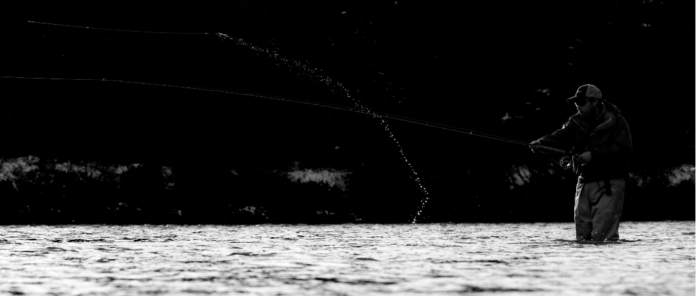
Charles St. Pierre from Northwest Spey Casting is here to teach us how to up our Spey game today. This is loaded with a ton of great tips and it’s just too much to put in writing. He breaks it down step by step that you can simply imagine how it works, plus the recommended gear, flies, and everything Spey fishing.
We hear about the story of where he was during the Mount St. Helens eruption and how it affected the fisheries in Northwest Washington. Charles also takes us to the Olympic Peninsula rivers, his favorite waters to fish.
Click below and listen to the Podcast about Spey Casting Lessons with Charles St. Pierre:
13:30 – For winter and early spring fishing is Skagit sink tip. For late summer, it’s Scandi and early fall presentations
27:35 – Charles explains the angle change in Spey casting
30:15 – Charles breaks down the double Spey in 3 movements:
Lift – to bring the fly from downstream up close to the caster within a rod’s length.
Reposition – cross your right arms, where your right arm now becomes your upstream hand. Uncross your arms to develop the D-loop and swing your rod tip back down to the downstream side at a slightly rising angle.
Then make the forward cast from there.
35:30 – Tip: If you want to develop a good forward cast, you have to develop a good back cast
47:40 – Charle’s favorite way to fish is with a floating line with a long leader, and with either a wet or a dry fly
56:55 – Charles loves fishing the Olympic Peninsula rivers
58:45 – The glaciers in the Olympic Peninsula are almost all gone
59:00 – Winter fishing starts in Olympic Peninsula around Thanksgiving in November
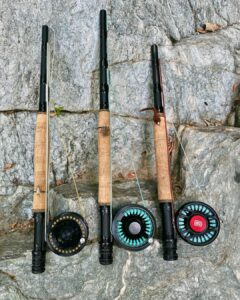
1:05:18 – For lines, Charles uses a Rio mid-belly and some Next Cast and Boss for long lines of 60 feet or more – they work well with 15 to 16-foot rods. For leaders, generally match the length of the rod.
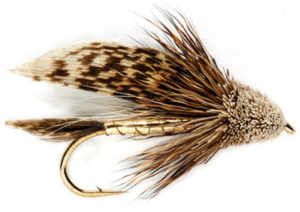
1:08:30 – Charles took fly tying class from Alec Jackson. He learned to tie Skunk Spade and Sock River Grub. His favorite fly for steelhead is a Muddler.
1:15:45 – Charles ties Hobo Spey, Foxy Dog, and custom flies for clients.
1:19:00 – Dave McNeese talked about making a book about his fly fishing life
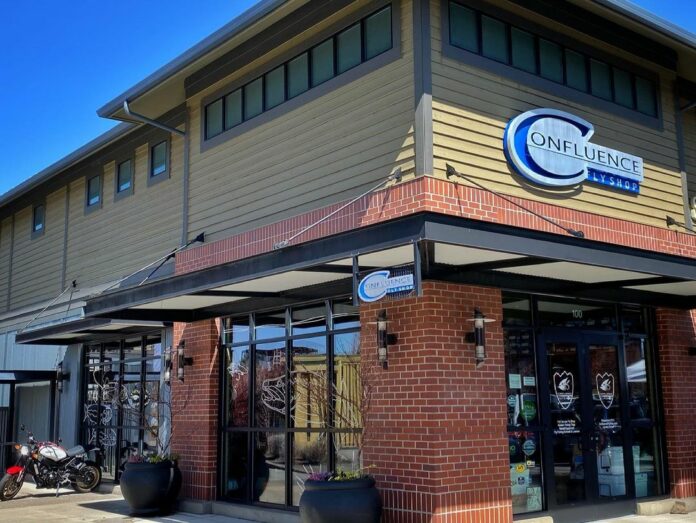
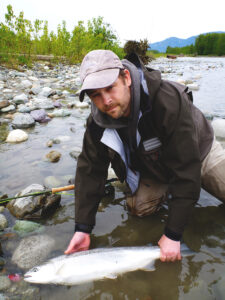
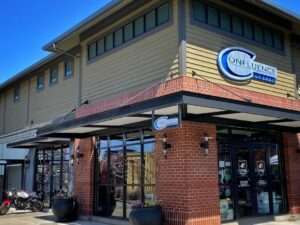
Scott Willison, owner and founder of the Confluence Fly Shop, takes us into the Skagit River to target bull trout, cutthroat, coho, and steelhead. We find out how Scott started the fly shop and how fishing on the Skagit River has evolved over the years.
Scott shares his rod, line, and reel setup, his go-to flies, and the best times in a year to target each species in the Skagit. We also dig into some resources to learn more about fishing steelhead, bull trout, cutthroat, and salmon.
Click below and listen to the Podcast about Skagit River with Scott Willison:
24:50 – The Skagit hosts all 5 species of Pacific salmon. The pink salmon in the Skagit can be nothing short of Alaska quality. Coho fishery is pretty outstanding as well – October and November are Scott’s favorite months to fish for Coho.
32:00 – Skagit used to be a huge chum salmon fishery but now you almost can’t find chums in there
32:55 – The ever-present species that seems to thrive in the Skagit and Sock is the bull trout. Skagit is one of the only places in the world that has anadromous bull trout.
34:15 – Skagit typically opens at the beginning of June and will remain open through the 31st of January
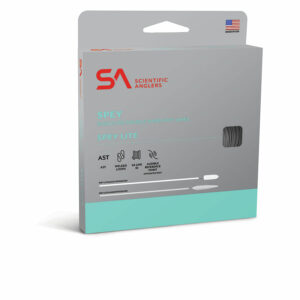
40:50 – Scott uses an 11 and 1/2 foot 4 wt Sage 1 rod with a 240-grain Scientific Angler Skagit Lite
Photo by Scientific Anglers
42:25 – One of the species worth noting in the Skagit is the sea-run cutthroat, also known as coastal cutthroat
48:30 – Scott tells us his go-to flies
53:44 – We talk about the difference between hooking on a coho, bull trout, and cutthroat
1:06:00 – You can harvest bull trout in Skagit River that are over 20 inches
1:07:00 – The Confluence website is a great resource if you want to learn more about bull trout, coho, cutthroat, and a lot of other species in Skagit. Scott does some pretty extensive newsletter and blog posts writing there.
05:40 – Tess had a degree in Agricultural Science but decided to work for a fly shop, The Feathered Hook. She became a guide there and now she’s a partner at the lodge.
09:45 – Springtime is the best time to fish for brown in Central, PA. There are a lot of different insects that hatch during that time.
21:25 – Tip 1: Keep putting consistent drifts over that fish in a way that’s safely not going to spook them. Tip 2: Don’t mend over the fish unless you know you’re not going to move that fly. If you have drag, let it drag through. That’s going to disrupt that fish’s feeding behavior more so than mending over them and moving the fly that looks unnatural.
Peter Murry and Gary Huey share the 7 Leave No Trace Principles to explore the outdoors sustainably and how we can all be a solution to conservation.
We discover what they have going on to keep your natural areas clean and diverse, which auto manufacturer is leading the way in conservation, and what you can do today even if you’re just camping at a local park.
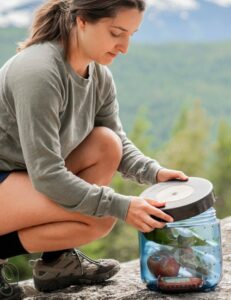
How can we be more responsible outdoors and how do BearVault canisters help us to leave no trace? Listen to this episode to find out.
Click below and listen to the Podcast about Leave No Trace with Gary Huey and Peter Murry:
(Read the Full Transcript at the bottom of this Blog Post)
Sponsors and Podcast Updates
Leave No Trace Show Notes with Gary Huey and Peter Murry
4:05 – Gary’s first backpacking trip during a study-away program was when he first learned about Leave No Trace.
5:00 – Peter grew up fly fishing in the upper Midwest. He went to a school up in the Driftless Region where there are phenomenal areas for fly fishing, mountain biking, and climbing. He studied in South Africa for a year where he joined a mountain club. That’s where he had his first true introduction to the organization.
9:57 – Peter emphasizes that the 7 Leave No Trace Principles are more like a framework than direct guidelines. These principles are meant to be adaptable and flexible depending on the activity. That general guideline of being aware and present is what they strive for when applying that to outdoor spaces.
The 7 Principles of Leave No Trace
Plan ahead and prepare. – Gary says it’s the principle of all principles.
Travel and camp on durable surfaces.
Dispose waste properly.
Leave what you find for the next person to enjoy.
Minimize campfire impacts.
Respect wildlife – Rule of thumb: Put your hand out straight with your thumb up. If the thumb completely covers the animal, you’re at a safe distance.
Be considerate of others. Recognize that everyone has the right to be outdoors in their own unique ways.
16:12 – Gary talks about poop as a big problem, especially in the backcountry areas. Peter recommends packing poop depending on where you’re at because different ecosystems have different abilities to process human waste.
When in doubt, use a WAG (Waste Alleviation and Gelling) bag, but recognize that what you do in the Pacific Northwest is not necessarily what you’re gonna do in the Southwest.
18:17 – Gary recommends some brands of WAG bags such as Restop and The WAG Bag (now known as Cleanwaste).
19:15 – Peter shares how lnt.org got started. Leave No Trace as a concept has been around for quite some time. It was originally a guideline developed by National Park Service and a group of land managers in the ’60s. It was then adapted and adjusted into a full-blown conservation-minded organization in 1994.
20:53 – Gary explains how tossing food even as small as apple cores if you’re in a thick wooded forest can disrupt wildlife. It takes time for these food wastes to break down. He suggests to just pack them out instead of just tossing them on the ground.
21:58 – Peter mentions the slogan “A fed bear is a dead bear”, emphasizing that even a small amount of food left in the wildlife can attract squirrels and other small animals which then can attract large animals. It’s important to not feed animals in the wild. Animal interaction can have detrimental effects on the ecosystem.
23:23 – Peter talks about the science and research behind Leave No Trace. Before they put out any education and information, it goes through a very rigorous process and has been vetted by a committee with representatives from the five major national land managers as well as university professors who do research on human interaction in the outdoors.
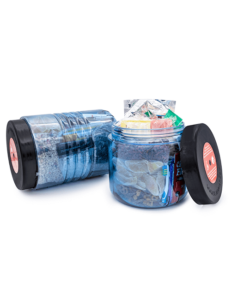
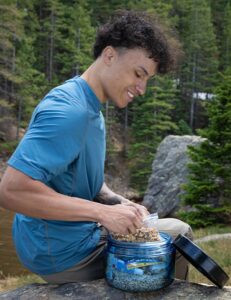
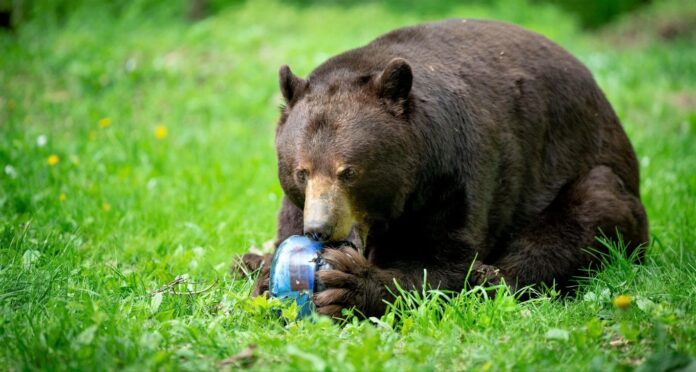
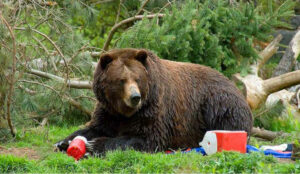
25:10 – Gary recommends using bear canisters, such as the ones from BearVault, as it is becoming a requirement now.
29:01 – The Leave No Trace principles were originally developed for hiking and backcountry, but they’re now adapting the LNT ethics to the backyard and the everyday users like those having a picnic in the local park and quick day hike in a somewhat urban park.
30:47 – Peter encourages everyone to check them out on their social media accounts and follow their website for updates on their programs. Gary encourages everyone to volunteer and participate even on social media if they cannot go to their events. Scroll below for their social media links. 👇🏻
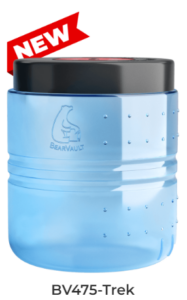
33:00 – As a minimalist packer who also loves dehydrated food, Peter recommends the BV425-Sprint BearVault canister which is perfect for quick 1-2 day outdoor trips. Gary likes the medium size one which is the BV450-Jaunt.
38:13 – Peter doesn’t leave without a good pair of polarized sunglasses. His current favorite is the Ferg sunglasses from Costa. Another one is an inflatable pillow from Big Agnes, one of their great partners in Leave No Trace.
39:42 – Peter recommends diving into local non-profit organizations that are doing important work on conservation on a smaller level.
42:00 – Gary talks about Subaru, one of their biggest partners. The car company has a Zero Landfill Initiative wherein they try to get a few national parks to go zero landfill. Subaru also sponsors their travels to be able to go around the country and educate more people.
43:00 – Peter talks about the Outdoor Retailer (OR) event which is one of the staple gatherings in the industry. It’s got a little bit of everything. A lot of those are general apparel outdoor groups. If you’re a gear junkie, there’s no better place for sure.
45:00 – Peter mentions other brands and organizations that support the conservation work they are doing, such as Fjallraven and Big Agnes. He also encourages everyone to be mindful of where these brands are doing and putting their money.
47:25 – Gary shares their upcoming activities in the summer and next year.
48:26 – Peter encourages everyone to check out their membership plan in their website to access resources and other information about the organization.
Jeff Liskay is back on the show to break down steelhead and spey fishing with a focus on the Steelhead Alley area of the Great Lakes. We find out which spey line he loves and when to use a skagit vs a scandi line.
We chat about what the Steelhead School trip would look like and how Jeff and the team are dedicated to checking off our wish list once we get there.
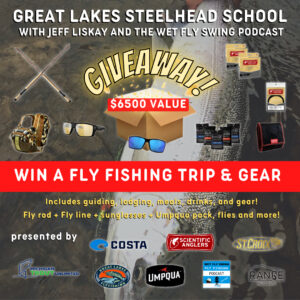
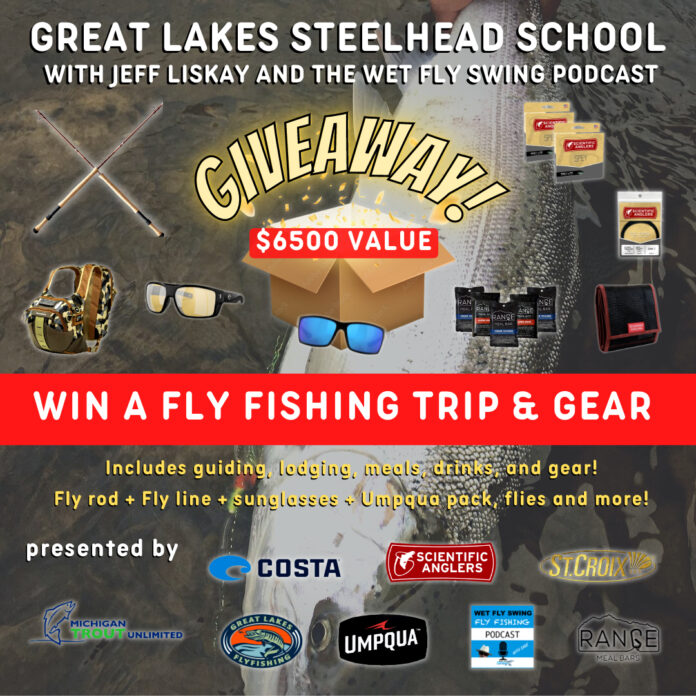
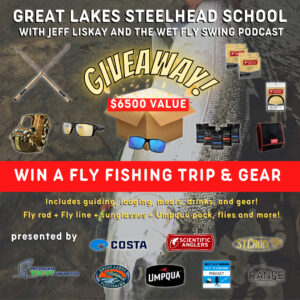
We have launched the Steelhead School Giveaway and you have a chance to win an all-expense paid trip to Steelhead Alley to up your spey game and chase steelhead with Jeff Liskay. Refine your spey casting and hook some chrome at the Steelhead School!
07:50 – For rods, if you have a 10 to 10 1/2 foot switch rod, all the way up to 12 foot is fine. But Jeff recommends and uses 11 to 11 1/2 foot, 5 to 7 wt switch rod.
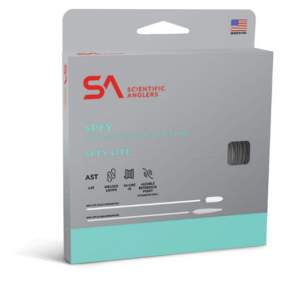
10:15 – Jeff talks about the line, leader, and tippet setup. He recommends the spey lite integrated skagit line by Scientific Anglers.
14:20 – Jeff explains why early December is the best time to fish his home water
26:40 – “The most critical part of the rod would be matching the line”. Jeff explains why.
28:40 – Jeff explains the “scandoid theory” using a scandi line and how it’s different from the skagit line
30:20 – Jim Bartschi currently runs Scott Fly Rod. Jeff’s go-to rod is an 11 foot 5 wt Scott Rod.
31:45 – Jeff’s normal routine is a 330 grain skagit head Scientific Angler spey lite on an 11 foot 5 wt, 10-foot sink tip, and runs usually 3 tips.
34:55 – The Western river that we’ll be fishing is the Vermillion River
40:15 – Jeff describes what our house cabin would look like for the Steelhead School trip
We have launched the Steelhead School giveaway and you have a chance to win an all expenses paid trip to steelhead alley to up your spey game and get into some steelhead!
We are also offering 6 slots if you want to pay in advance and go on the trip. You can send me an email to dave@wetflyswing.com and in the subject line add “steelhead School”.
You can also get 1 of the 6 paid spots by clicking the button below:
I’m excited to get on the water with you this year!
If you want to learn more about the trip you can listen to the podcast that Jeff Liskay and I put together here:
Timing: December 4th to the 8th – You will arrive on the 4th and have 4 days and nights at the river cabin. You can fish Sunday through Thursday if you have time.
Where: We are fishing Steelhead Alley rivers and streams. You will fly into Cleveland airport and one of our guides will pick you up there.
Food: All meals and drinks are covered by our catering service. If you have special dietary requirements please let us know up front and we can acomodate.
Daily: Plan on fishing Sunday if you wish and then we will have the school presentation Sunday night. Jeff Liskay will get you dialed in and verify what you need to work on that night. Monday through Wednesday will be on the water. We will tie flies and talk fishing each night.
Gear: We will be using shorter switch style rods in the 10.5 foot to 12 foot range. Jeff will have over 300 spey lines and rods to use. If you are brand new to spey we have you covered. If you are a pro spey caster Jeff and his team will also be able to up your game. We have one of the best instructors in the country so this is going to be a huge trip!
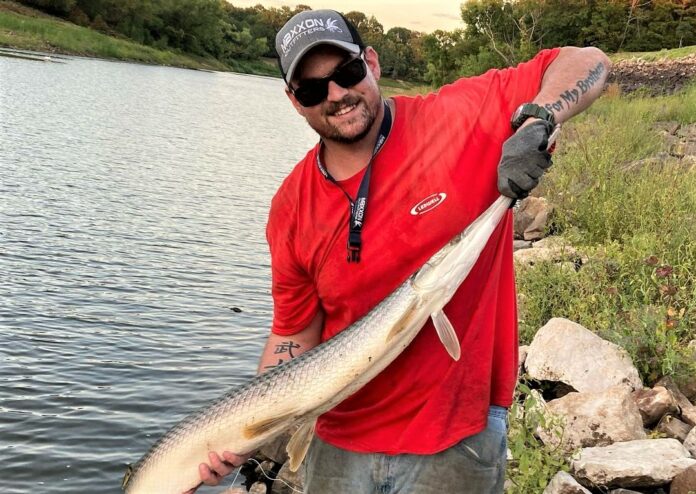
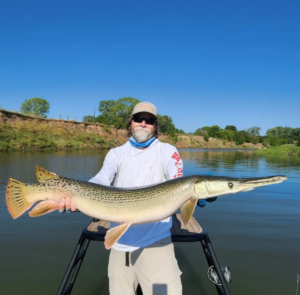
Jon Morris from Working Class Fishing Podcast breaks down gar fishing, tying with brushes and fly fur. We find out what gear you need, the best fly line to use, and how rope is used to hook the fish.
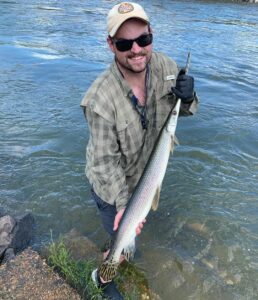
Jon connects us with the gar guru – state record holder for biggest longnose and alligator gar on the fly, who’s also Jon’s mentor. Do you know who he is?
We also learn about gar’s history, how they are threatened today, and why they need our protection.
Click below and listen to the Podcast about Gar on the Fly with Jon Morris:
(Read the Full Transcript at the bottom of this Blog Post)
Sponsors and Podcast Updates
Gar on the Fly Show Notes with Jon Morris
03:20 – Jon was in the army and used to go on combat tours in Afghanistan
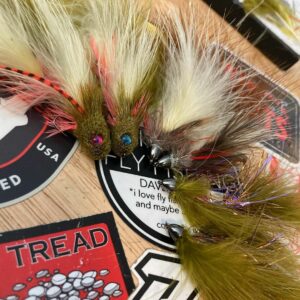
07:45 – Jon focuses on tying streamer and predator flies
09:15 – There are 4 or 5 species of gar in North America
10:00 – “Gars are members of the family Lepisosteidae, which are the only surviving members of the Ginglymodi, an ancient holosteian group of ray-finned fish, which first appeared during the Triassic, over 240 million years ago.” – Wikipedia
14:00 – You need a 12 wt rod if you want to catch alligator gars
15:30 – The best time to fish for gar is when it’s too hot outside for you. Gars like calm and clean waters.
18:50 – As per Willife.CA.gov, gar are not found in California
20:30 – Gar typically spawn in May and don’t eat much during that time
22:50 – “If you break a gar off with that leader because you didn’t tie the right knot or you didn’t use the right tippet, you’re going to kill that fish”
27:00 – If Jon can only use one line for gar, it would be intermediate or floating. For rod, it would be a 12 wt.
27:45 – For leader down to the tippet, it depends on the size of the fly – but usually he runs a foot and a half of 50 pound with a perfection loop. Loop to loop or you can nail knot it.
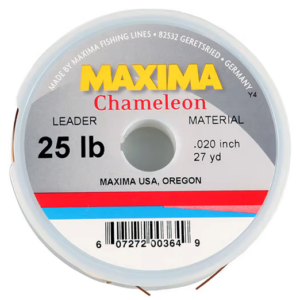
29:20 – Jon uses a Maxima Chameleon for tippet. He also talks about the fast ach tippet
Photo by FlyFishingUSA.com
32:40 – Jon’s buddy, Ryan has been working on a gar fly called, Garmageddon. Ryan holds the state record for gar on the fly for alligator and longnose gar. Ryan is a gar nerd – his Instagram is @professor_rivers.
44:55 – The key to a good gar fly is how sparse you can make your materials, for 3 reasons: 1 – it casts a lot better, 2 – it hooks up better, 3 – removal of the fly from the mouth
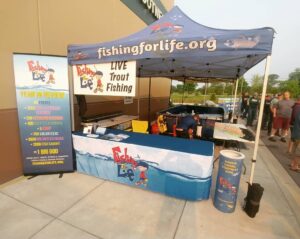
Fishing for Life founder Tom Goodrich shares a powerful story of how God called him to build an organization that teaches fishing to the next generation after 22 years in the military.
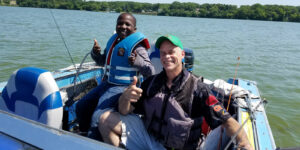
With over 500 volunteers, they organize over 80 events a year to serve the youth, families, veterans & communities through fishing and outdoor programs.
Tom tells us how the military shaped his way of thinking and how his passion for fishing, love for the children & veterans, and obedience to God led him to where he is today.
Click below and listen to the Podcast about Fishing for Life with Tom Goodrich:
(Read the Full Transcript at the bottom of this Blog Post)
Sponsors and Podcast Updates
Fishing for Life Show Notes with Tom Goodrich
03:00 – Tom grew up in Brainerd Minnesota. Al and Ron Lindner are from Brainerd too – they founded In-Fisherman. Tom’s brother married Ron Lindner’s daughter when Tom was only 16. Ron taught Tom how to fish.
04:50 – Tom spent 22 years in the military. He decided to create an organization that engages kids to fishing and outdoor activities. They’ve been running for almost 18 years now and have expanded their programs.
08:30 – At 17 years old, Tom was getting into trouble and was given a choice by the court to either join the army or go to jail. This was around 1983 or 1984.
09:50 – Tom became a Non-Commission Officer in the army and started leading men in combat. Then spent the last 6 years in Special Operations.
14:25 – Tom is at an event as we speak called, CAST – Community And Sheriff’s Department Together
16:40 – They do 85 events a year
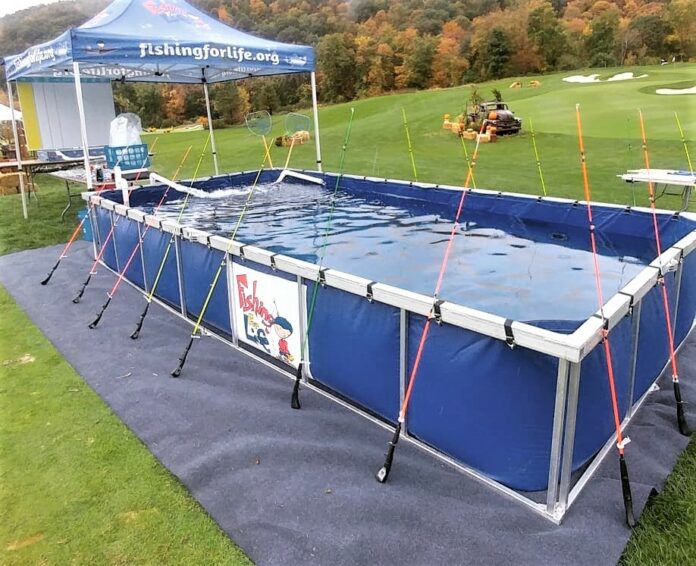
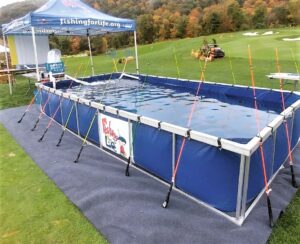
17:10 – They have 4 mobile trout ponds – Tom talks about how they set it up
23:20 – I connected with Tom through Kris from LakeLady Rods. Tom explains the diversity of people that participates and volunteers in their program and how Jana Olson (the lucky girl who won the LakeLady giveaway) helps in the events.
30:55 – Tom tells the story of when a wealthy guy from New York donated 20 sets of brand new rods and reels
33:00 – They teach disabled kids how to fly fishing
37:40 – They have a program called, NextGEN Mentorship Program where they teach kids who have a military dads who either died or incapable because of the wars
42:50 – They partnered with the group called, School of Fish
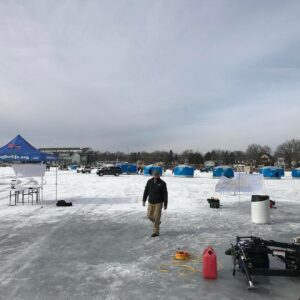
47:30 – They have an event called, Holes for Heroes where they fish on ice lakes.
48:55 – Tom wrote 50 short stories about the military
50:00 – Tom tells us what it’s like to be in combat as a military and lead men
JP Ross, founder of JP Ross Fly Rods, shares his story of how he built a fly rod company that has now been around for over 20 years. JP shares some great advice on life and business – the things he learned the hard way and the things that keep him going.
We chat about his podcast, In the Seam – the inspiration behind it, his unique style of podcasting, and the goal as it goes.
We also learn more about Trout Power – an organization dedicated to protect, restore and enhance heritage brook trout populations in the Adirondacks and throughout New York.
Click below and listen to the Podcast about JP Ross Fly Rods with JP Ross:
1:11:55 – JP tells us his top favorite movies: Blues Brothers, Smoke in the Bandit, Indiana Jones, Daniel Craig’s 007, Guardians of the Galaxy, On Golden Pond
Sarah Leichnetz and Grant Breidenbach from Bear Vault are here to share their best tips on staying safe while in the backcountry.
We find out why many parks are now requiring bear canisters as opposed to the old hanging your food up in the trees.
This one has a ton of bear stories that we can learn from. Like I always say, be the guy with an epic backcountry trip and not the guy who has to hike down early because of improper food storage. BearVault keeps adventure going!
Click below and listen to the Podcast about Bear Vault with Sarah Leichnetz and Grant Breidenbach: