Home Blog Page 52

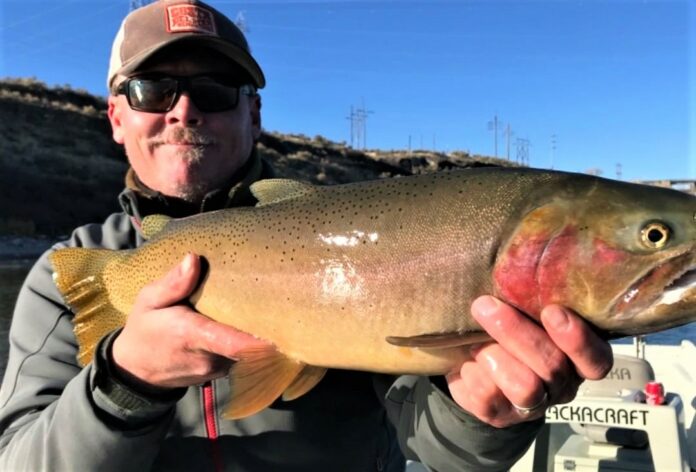
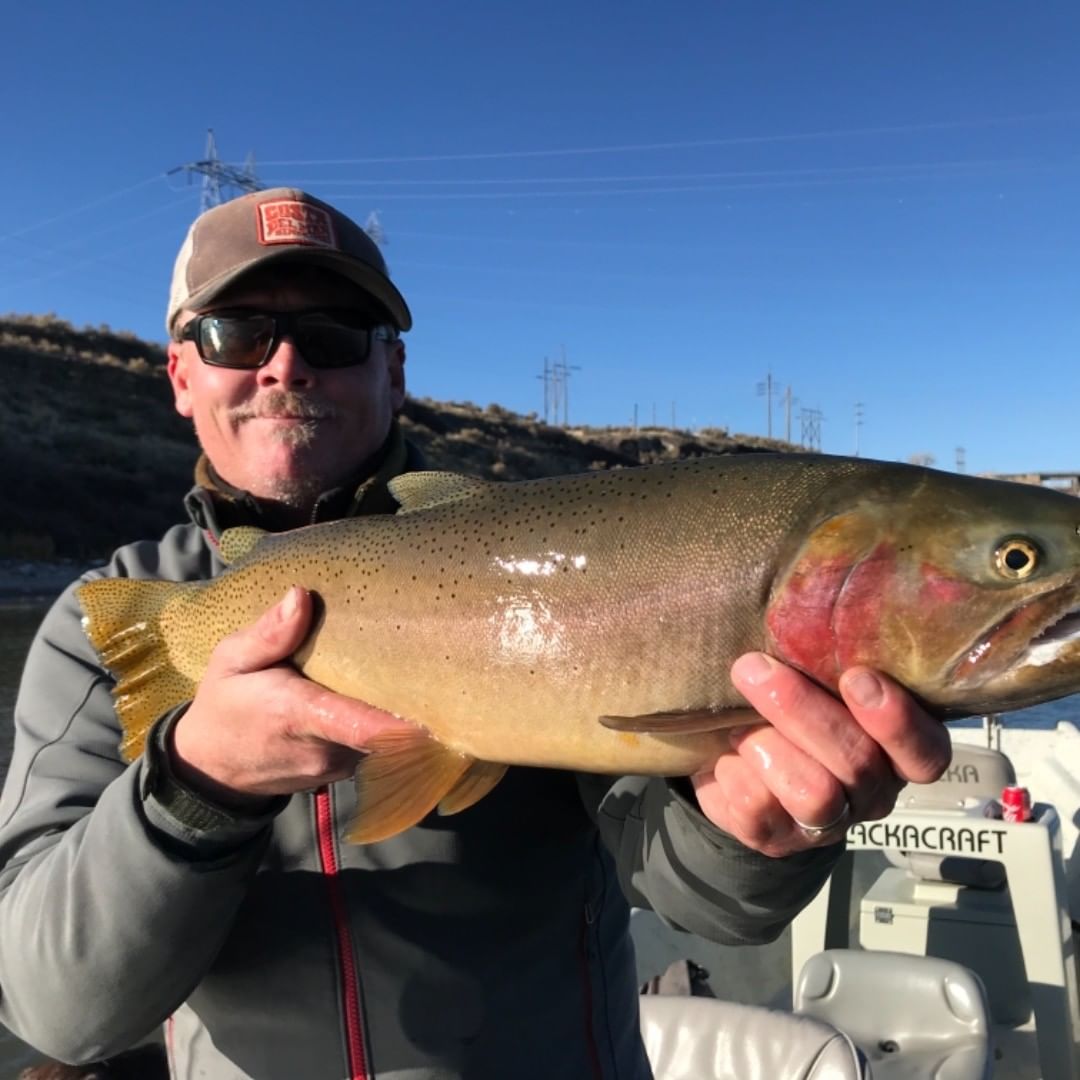
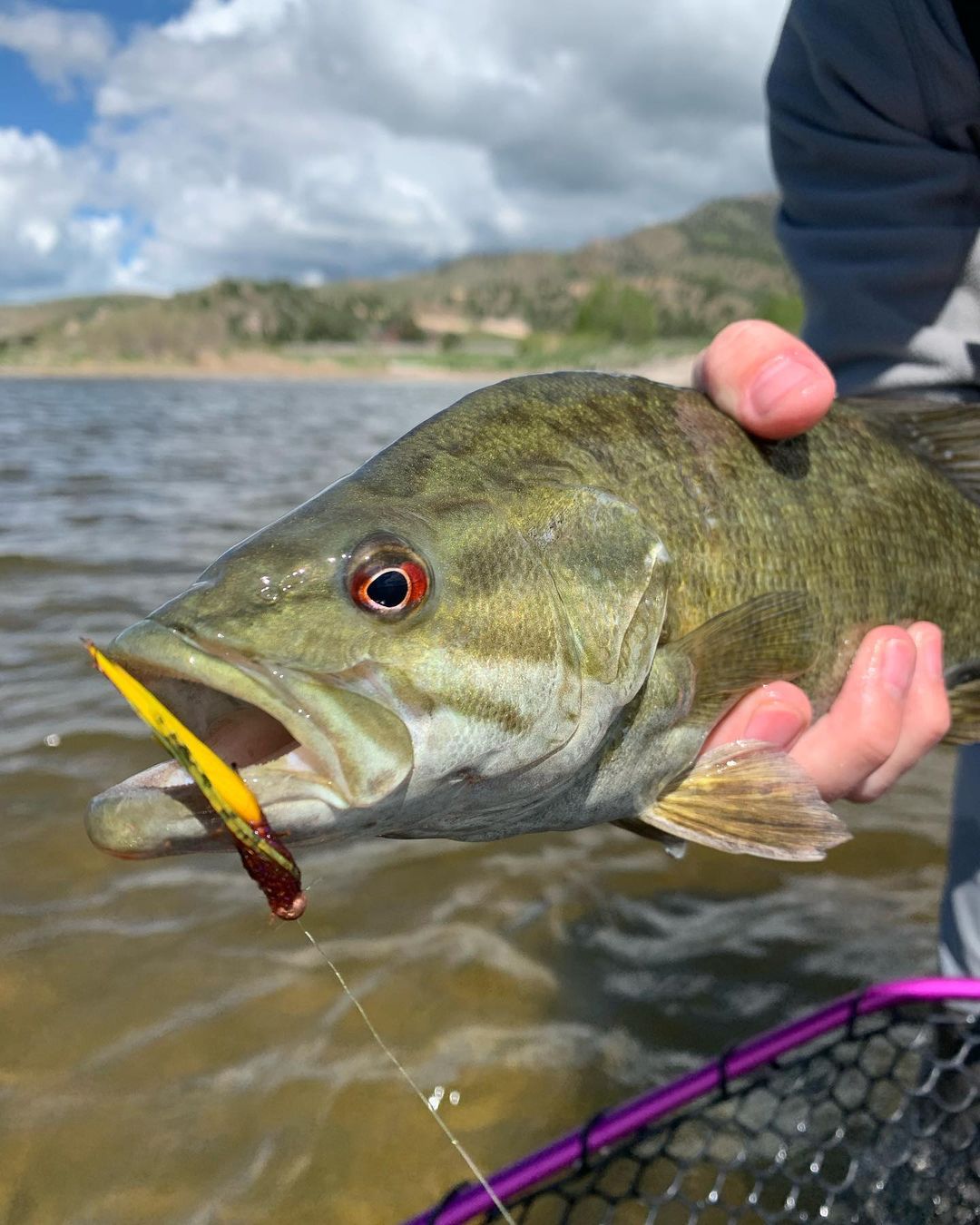
Traveled #5 – Snake River Fly Fishing with Larry Larsen – Smallmouth Bass, Giant Rainbow Trout

snake river fly

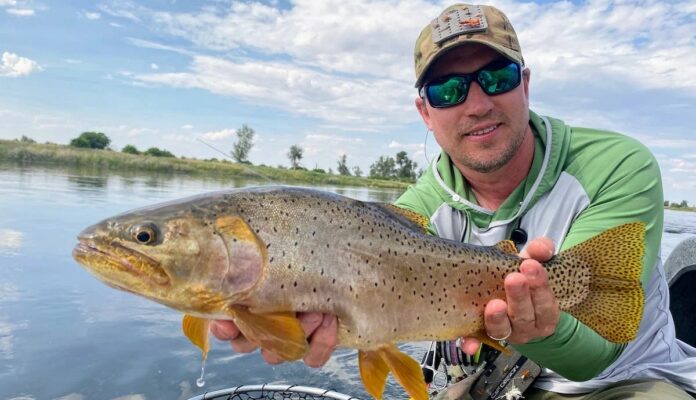
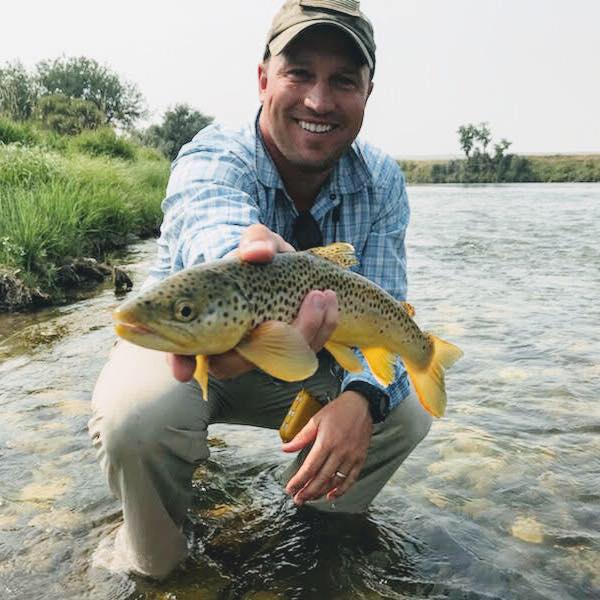
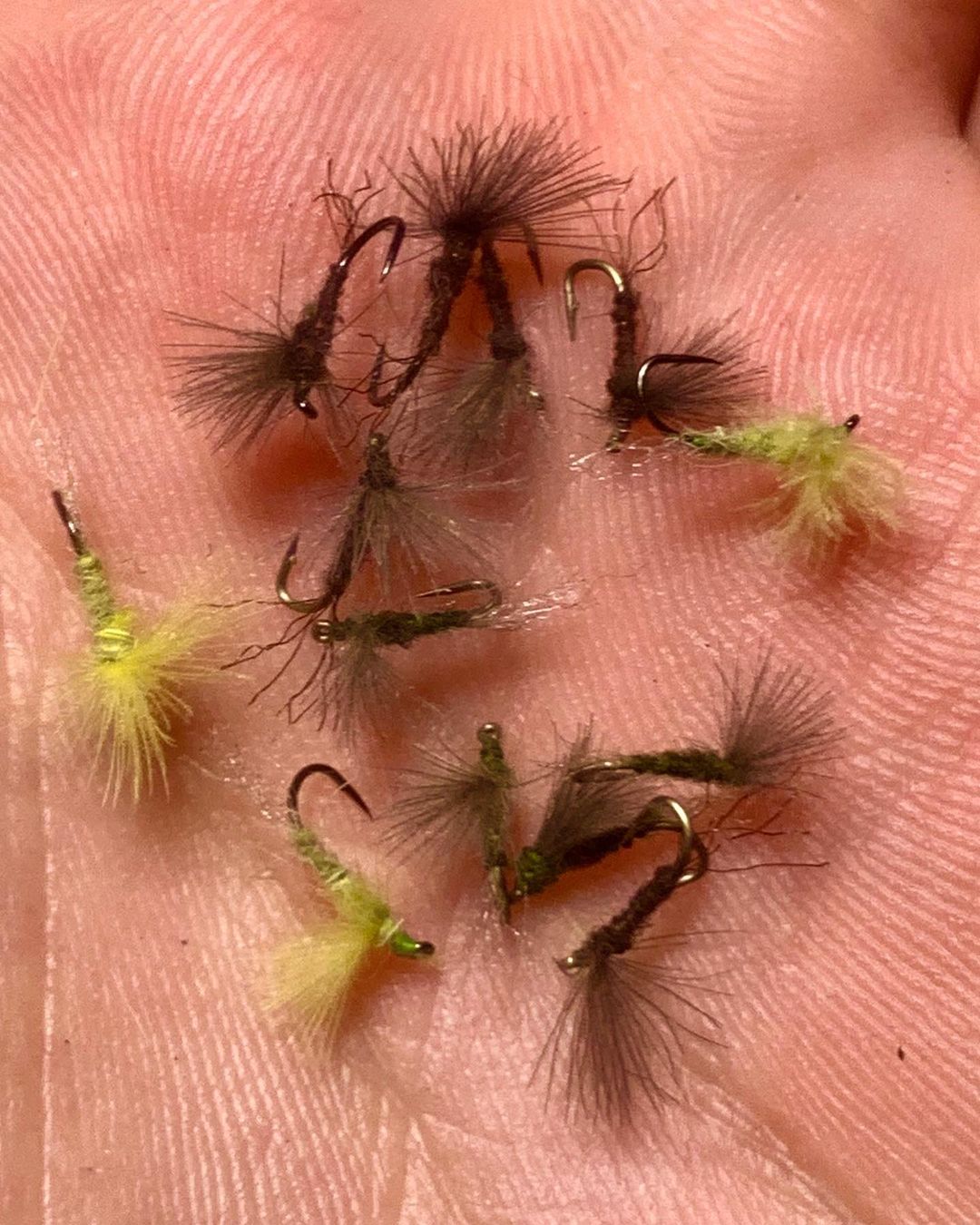
Larry Larsen from Snake River Fly is here to break out some good stuff. We got a little inside look into a really cool tailwater fishery that is not quite as well known as the section upstream. He’s got some really amazing fly-tying materials that we talked about and what I call a cult following around fly-tying, material, and just some amazing fishing. We also talk about their YouTube channel and what they have going at the fly shop.

Time to experience the road less traveled. Let’s jump into the Basalt Canyon of the Snake River and find if bass, carp, or big giant trout are the biggest traction. Here we go…


Snake River Fly Fishing with Larry Larsen. Hit play below!

apple podcasts

Find the show:  iTunes | Stitcher | Overcast

Subscribe on Android

Subscribe on Apple Podcasts

Subscribe via RSS

(Read the Full Transcript at the bottom of this Blog Post)


Sponsors and Podcast Updates


snake river fly

Show Notes with Larry Larsen

07:30 – We just had Jon Stiehl from Trout Hunter recently in episode 3 of our Traveled Series.

11:50 – The Mayor of the town of American Falls, also a fly fisherman, pushed for catch and release, artificial only season.

15:50 – Larry tells the story of how the fly shop came to be.

21:55 – We talk about where they find steelhead from where they are.

snake river fly

34:30 – We talk about how they get ready for the smallmouth season.

snake river fly

39:00 – We talk about what they use for boats.

40:30 – As far as tailwaters, Larry considers the Madison River the best.

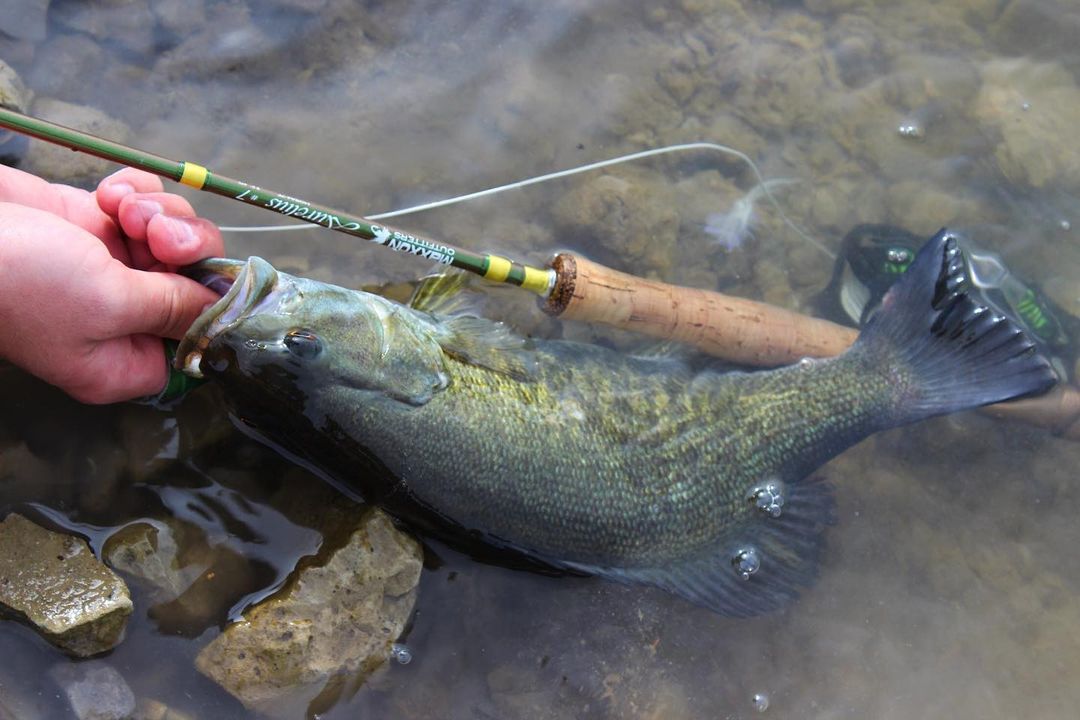
49:00 – Larry recommends a 6 or 7 wt fly rod for smallmouth.

snake river fly

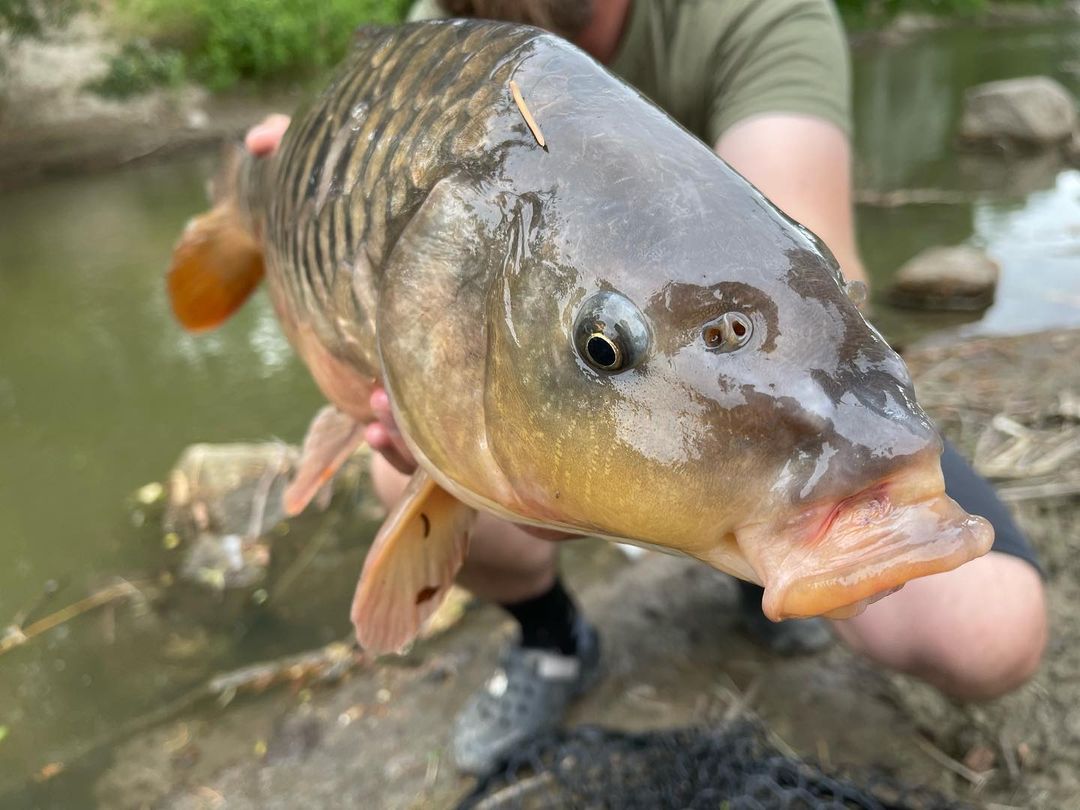
54:45 – We dig into carp fishing with Brandon Morrison.

snake river fly

59:10 – Tip: When fishing for carp, do not blind cast. Observe the water and watch where they rise.

1:01:00 – They have a YouTube channel, Snake River Fly. Check them out right now! Brandon mentioned the video they just did, the Baby JJ.


You can find Snake River Fly on Instagram @snakeriverfly

Check out their website at SnakeRiverFly.com

YouTube at Snake River Fly

snake river fly


Videos Noted in the Show


Related Podcast Episodes

Read the Full Transript Below

Episode Transcript
Larry (3s): And I started just cutting fibers off of the stem of Maribu into a big jug. And then I threw some of our solar flash, which is a straight ice dub into it. And I blended it. And I remember calling Brandon, I said, you gotta get down to the shop now. And so that started zero G, where we were doing a lot more Malibu full length to a little bit of flash. Dave (31s): Larry Larson, on the beginning of zero G, we were traveling to Pocatello and the Snake River today on Traveled. Welcome to Traveled where it’s all about the journey we are all on and fly fishing in life. This is our chance to take a deep dive into a specific area around the country so you have a better feel for the people, the resources, and the community that make this part of the country so unique. Before we jump into it this week, I wanna share some love with our Traveled sponsor. This podcast is powered by our swing outdoors and the Wetly Swing podcast. Head over to wetly swing.com/teton right now. If you get a chance and you can check out all the hotels, lodges businesses that you can support and support this podcast in one easy click this week. Dave (1m 14s): Larry Larson from Snake river fly.com is here, and he’s here to break out some good stuff. Here we’ve got a, a little insider look into a really cool Tailwater fishery that not quite as well known as the section upstream. He’s got some really amazing fly time materials that we talk about and what I call a cult falling around flight tieing materials and, and just some amazing fishing time to experience the road less traveled. Let’s jump into the Basal Canyon of the Snake River and find out if bass carp or big giant trout are the biggest traction. Here we go. Larry Larson from Snake River fly.com. How you doing Larry? Larry (1m 54s): Doing good, Dave. Thanks for having us on. Appreciate Dave (1m 57s): It. Yeah. Yeah. Thanks for coming on here. We like most of our episodes now, we listen to our, well, we listen to our listeners and most of our guests come from them now. And we’ve had a, a few people that have reached out to us and said, Hey, you gotta get Larry on the podcast. And, and so that’s why we’re here. You got a good following of your own. Right. So that’s always a good thing. Larry (2m 17s): Yeah, I agree, man. It’s, you know, we have to love our customers for sure. Dave (2m 21s): Exactly. Well, you’re in a Kuri. We’ve been talking a lot. It’s been good because the Snake River has been a hot topic as of late. We’re gonna be heading out there later this year heading over to like the South Fork, but I think you’re in a little different section, so we’re gonna talk about that. Maybe we will dig in, I’m not quite sure all the areas you guys cover at your fly shop, but you guys have a quite a bit going. So let’s, before we jump into the shop and kind of where you guys are fishing, let’s just take it back to yourself how you first got into fly fishing, and then we’ll jump into the fly shop. Larry (2m 49s): Sure, you bet. Yeah, well, well, you know, I grew up in Idaho Falls, which is, is basically just downstream of the confluence of the Henry’s Fork and the, the South Fork of the Snake in O Idaho Falls. And, and I lived there and, and started fishing at a pretty young age, tying flies at a really, you know, pretty much, I think I tied flies before I maybe even casted a fly rod. We had a McRay shop in my house. My mom was the MCM lady in Idaho Falls and the ceramic shop. And, you know, turns out having a craft shop in your basement was pretty good for, you know, free if you will, flight tire materials. Larry (3m 30s): But, you know, we grew up on the South Fork, it was 25 minutes to the east, and then Henry’s Fork, which was only in, you know, 30 minutes up to the lower Henry spo or you know, 75 miles or so up to Island Park where the ranch in the box and all that kinda stuff are. So lived in Idaho Falls until the early nineties and came to Pello to go to school, met a redheaded girl from Twin Falls, Idaho, and we’ve been here ever since. There you go. So like little Pella of town. And you know what’s funny, our fishery down here was kind of unknown to me because, you know, I guided up on the South Fork for a bunch of years, you know, maybe 20, I don’t know, harder, hard to remember, you’re right. Larry (4m 18s): But, so I would spend my fishing seasons up there, you know, and, and lived right here. So I think in 2008, our first kid was born and in 2010, I, I quit guiding up on the south fort of the Snake and came home and gosh, finally started getting to fish around, you know, my hometown. And, and it’s pretty funny. I remember one of the first times I fished over on the Snake, or Buddy Carter Andrews, you know, of Fish and fam, he used to be our head guy at the lodge, Palisades Creek fished with me and he goes, now where do you live in location to this river? And I’m like, seat up on that hill, that’s my house. Larry (4m 59s): He’s like, you’re an idiot. You know, like, well, Carter man, I’ve been on, I’ve been living in a trailer on the South Fork for, you know, 20 years. So anyway, our fishery down in this neck of the woods, the main snake after the confluence of the Henry’s and the South Fork becomes known as the main snake. And it, you know, takes on some different characteristics. It’s a little flatter, not as steep agriculture driven, so you gotta pay attention to, to, you know, there’s times of the year when it’s really big and then there’s times of the year when it’s, it’s really small and it comes south of IOL falls and makes a turn to the west about 15 miles, I guess, north of Pocatello. Larry (5m 45s): So we’re located in Pocatello in Old Town, and we have a 4,500 square foot retail area, you know, on Main Street, which is pretty cool. There you Dave (5m 57s): Go on on Main Street and this is the Snake River fly. Larry (5m 59s): Yeah, yeah. This is the shop. And so, you know, while I was guiding, I was packaging and doing some materials and, and you know, selling some flies to the lodge and stuff like that. We even had a short stint in, I think 2008, got involved with the boat builder and opened a little shop in Swan Valley and that didn’t end up going well. He wasn’t real responsible with funding and stuff like that. So anyway, but we’ve always kind of been in the game of producing or coming up with some new fly time materials, you know, as a tire. Oh, gotcha. As a tire, you always, you can really can’t create anything new unless you got something new to do it with. Larry (6m 45s): But it was a good testing ground where we live now, so kind of fallen into this fishery that is less known, doesn’t have, you know, maybe the glory, the romance of the Henry’s fork in the south floor definitely doesn’t have the amount of fish per mile, but the quality of the fishing and, and the lack of crowds is a bonus and we have some really quality fish associated with this lower river. Dave (7m 15s): That’s the good summary. And, and this is one of those things where, I mean, I definitely didn’t plan this. That’s what’s cool about this. It seems like we’ve just been working our way up from the headwaters, the Henry’s fork and, you know, and down river. And this just happened to fall in line. We just had, you know, trout hunter on John Steele, he told the story of the Henry’s Fork. Right. And I mean, it’s a pretty, it’s it’s amazing that you’re here because I didn’t even, like I said, didn’t plan this, but it’s the perfect fit because he took us through that part of the region. And now you’re here to talk about basically the next section and what is, so where does the South Fork, and for those that didn’t hear that episode, where does the South Fork and the Henry’s Fork, where do they, what town are they near? Were they the confluence? Larry (7m 54s): So they really kind of come together right in a little community called Manan, Idaho, which is just downstream, which would be west of the highway between Rigby, Idaho and Rexburg Idaho. Dave (8m 9s): Oh, Rexburg, Larry (8m 10s): Yeah. Yeah. And they join and it’s kind, you know, we’re not familiar with southeastern Idaho. It’s kind of unique, you know, if you look on the, the US map, you see a big smiley face in the middle of Idaho and, and we’re kind of at left bottom of that smiley face. And that, that big smiley face is created by, you know, the Snake River. And it’s where it comes together. There’s a lot of ancient hotspots. So you have a lot of buttes, which are dormant volcanoes, and they kind of, they kind of draw a straight line up to Yellowstone. And when it hits that Manan area right there, it flattens out a lot. Larry (8m 50s): There’s a very large cottonwood forest, I think, think, gosh, don’t quote me on this, but it’s the second or the first and largest living organism in the North America because of all the cotton woods that are connected together down there. So it’s a huge cottonwood canopy down there. It’s really, it’s really cool. All right. And, but the river does flatten and turn a little bit more industrial at Manan, and it has some spring influence because of those hotspots. Runs to the west a bit and then starts running south through the town of Idaho Falls. Dave (9m 27s): Right. Through Idaho Falls. That’s right. And so good. And then it comes down through Idaho Falls and pretty much follows Yeah. The, the highway, right? 15 Yeah. Headed down until into where you go into the American Falls Reservoir. Right, which is just west of Pocatello. Larry (9m 40s): Yeah, exactly. You know, there’s a town called Blackfoot, Idaho, in between Idaho Falls and Pocatello, which is about 50 miles and, and just south of that along the Fort Hall reservation, it kind of peels off a little bit and, and goes into that really large shallow reservoir that’s pretty much designed, you know, a hundred percent to, to grow potatoes. Dave (10m 6s): Hmm, that’s right. We’re still on Potato Co. I mean, pretty much that’s Idaho, right? It’s all potato Larry (10m 10s): Country is, yeah. Yep, yep. So you know, that whole river all through there is, you know, big barley and, and more recently and, but traditionally all potato country. Dave (10m 21s): There you go. So, and where is the section? I mean, what are, if you just say the reach that you guys are fishing mostly, what is that area? Larry (10m 28s): Well, the famous, well, I can’t say famous, but the stretch is probably most popular in the last, you know, half dozen years or so, has been below American Falls where it definitely turns west. And in American Falls is where the dam is for that large reservoir. And what happens over there is during the summer months, it may run as high as 25,000 cubic feet per second. It’s basically used for irrigation down there and it holds fish, but it’s really hard to fish at that level. Larry (11m 9s): And then what happens is, as the harvest season ends over here, the growing season ends and maybe mid-October, that 25,000 will eventually trickle down to less than a thousand cubic feet Dave (11m 24s): Percent. Oh wow. Larry (11m 25s): Very cool. So early on, I would say, you know, 10 years ago I was fortunate enough to have somebody take me down there, but what would happen is our general fishing season would end October 31st, and so you’d only have two weeks to go down there and maybe fish this amazing tailwater that was finally small enough to, to fly fish. And a really great thing happened seven or eight years ago, the mayor of the town of American Falls was also a fly fisherman. Oh, cool. And, and he had been a school teacher and he had taught fly fishing and fly time at the high school. Larry (12m 6s): And when he became mayor, he pushed for a catch and release artificial only season from October or from October 31st or November 1st through until the next Memorial Day. And that opened up that fishery in the winter and made it accessible. Dave (12m 25s): Right. So now you have the, even in the winter when it’s, I’m not sure what it’s like there. I know in Victor it was like 10 degrees. What, what’s it looking like there today? Larry (12m 33s): You know, we’re finally starting to see just a little bit of reprieve from this beautiful long winter. Yeah, it’s probably 35 here today. Dave (12m 42s): Oh, nice, Larry (12m 42s): Nice. You know, we saw some sun we’re getting down to 15 at night. Yeah. Or so. Gotcha, Dave (12m 47s): Gotcha. So basically that’s it. So this is, is this your typical Tailwater where throughout the whole winter you’ve got the temperatures just right, you can fish the whole season all winter, Larry (12m 56s): Pretty dang good. I mean, in the coldest months when we start seeing sub-zero stuff, you know, we start getting some surface ice and stuff like that. And you know, I’m sure if you fished, you’re talking Victor, you know, you know about ice and the guides and, and how many fly rods break and really cold weather. So, you know, we’ll get a couple weeks of where not many folks are fishing, but you can count on an angler group or some anglers down there pretty much, you know, every day of the year now. Dave (13m 25s): Nice. Yeah, this is good. Well, we’re gonna dig more into, I wanna dig into the, the, you know, what you guys do on kind of the daily fishing out there, but I wanna go back to that boat builder. I’m always interested, you know, with the boats, we had a season we did on drift boats. What was that? Take us back. It sounds like you had some sort of a business around boat building or how, how’d Larry (13m 42s): That? No, not so I, I was involved with the person, I won’t say his name because there’s probably legal issues, but it was a company that had built foam boats in the mid two thousands that was from that area. And he built foam boats with Linex or Bedliner. Dave (14m 6s): Oh, and by foam you mean just like a plastic, like what what do you mean? Like foam? Like, Larry (14m 11s): So there’s a really, imagine the foam, you know, like the chrome covered foam that you would put on a house for insulation, that type of thing under siding, this was a really high grade marine grade foam. And so what you would do is you could cut the parts out of the boat and then you could basically glue them together with spray foam and then he would cover them with Linex, you know, and it’s long enough now you say, you know, the company was Freestone and they really actually had a product, some of the other guides that I guided with for a long time, we enjoyed the boat. I mean, it, it, it really, it was pretty innovative and it, it was a wide boat with a rounded shine and you, that was the problem. Larry (14m 57s): It wasn’t so good. It Dave (14m 59s): Wasn’t, I, I saw some guy talking about, I think it was from somewhere in Montana, but they were, they were down on the aluminum boats. They’re like, Hey man, you gotta have a boat up here. You can beat up No, no aluminum. Right. It’s gotta be all the fiberglass. Larry (15m 11s): Right, right. Yeah, I definitely have friends over on the Missouri and stuff and it’s, you know, they still, Gary Wayne is a cousin of my wive’s that has Montana Fly Goods in Helena and Big Sky Expeditions. And you know, I asked ’em when I first started fishing over there, I’m like, why are you guys running aluminum? They’re like, you’ll see. But anyway, but the boat never ended up being that durable and, you know, doing business is tough. You got, you gotta answer all your commitments and I’ll just leave it at that. Dave (15m 42s): Yeah. Gotcha. Nice. So, so that’s it. And then, so tell me about the Fly Shop. So maybe, you know, when did this idea of the fly shop come to be? Larry (15m 51s): Well, it’s more, it was, it was kind of a funny long story is, is I was kind of doing a little bit like a lot of folks are now, you know, while I was guiding, you know, I was doing in the off season, I would tie some commercial stuff for lodges and, and my deal as a guide, I was always more of a fly tire I guess if I described myself than a real hardcore guide. And you know, and I guided with some of the best I’ve met and they were better at, at rowing the boat and getting in position and all that kinda stuff. And probably better anglers. But I understood the flies a lot better and I always tried to bring, you know, my own stuff to, from the hobby background, you know, tried to time my own stuff and do my own thing. Larry (16m 40s): And so that, that worked pretty well, a pretty good following. You know, we used to guide the one flag contest at a Jackson hole and that really accentuated, you know, the need to have flies that everybody wasn’t throwing, you know, any pressure fishery for sure. And most of ’em are pressured nowadays. Fish get to see that stuff. And so that’s where it spawned from. And so the fly shop, you know, when I did quit guiding, I ha I actually opened a small shop behind my house, you know, and converted a pole barn and put a little deal in it and, and whatnot. I was selling some materials and whatnot, but the opportunity to buy this shop came up 20, probably 2014. Larry (17m 29s): But we hung out for a little bit and waited until it was right. And we bought in the fall of 2016 and the first thing we knew was that our community down here isn’t known for fly fishing. Like, you know, even Victor nowadays, or Bozeman or, or Sun Valley. And so we knew that, that we needed to sell tying materials and we probably needed to do it online and we needed to stand out. So we really just kinda went down that path of the lot of stuff I down I’d already done, done laminated foams because it tied better CHS and already made plenty of, you know, weird doubling dubbing blends. Larry (18m 11s): And the thing that I took from the old macay shop was, there was a product out there that, that we carried at our house, the, the Macay yarn that was like a hundred percent polypropylene and then maybe even treated with stuff that, that was like pretty flammable. And so it made, when you combed it out, it made this awesome synthetic wing. And so, you know, as a, as a, I guided on rivers that had a lot of storm flies and so we started using that as a wing material and you know, and there’s a couple companies out there commercially that, that we source it too as well. But that kind of started it. Larry (18m 51s): And so when, when we got this big shop, we, you know, started blending our own dubbings and, and I had already sourced, you know, like the leather for our bowl whip worm, which was a real nice soft leather that was dyed all the way through. And, and so that started bringing us some more traffic, some more business, some more, you know, clout I guess if you will with tires cuz they’re pretty critical people and you know, and anyway, so now we’re at the point that I think we have, I don’t know, we’d have to ask Brandon 20, 25 products online, couple on Amazon. There Dave (19m 30s): You go. Larry (19m 31s): We have a retail, full retail shop, you know, with all the standard stuff, flies, rods, all that stuff, teach some classes and that kind of stuff. But we’re probably most proud and always moving on, on, on the tying aspect, the material aspect. Dave (19m 47s): Yeah. So the materials, that’s awesome. And that is a nice little different spin on it. You guys have your own unique stuff and I know Brandon, you know, the, the person, I can’t remember exactly who it was that, that I talked to last, but they definitely gave a shout out to Brandon too and said, Hey, he’s, I think, is Brandon into, is it, is it the carp or what, what’s Brandon’s specialty? Larry (20m 6s): Brandon loves fishing. The carp man. Yeah, carp, you know, it’s amazing. So when I met Brandon, I’ve taught a class at ISU through our outdoor program through the PE department, I don’t know, for almost two decades now. A pretty good little program, you know, and they can take that aspect of it to work towards their outdoor recreation degree. But Brandon took my fly time class, a beginning flight time class and I remember watching the, watching him in the back, you know, and I’d be like, man, this guy’s, he already knows how to tie this fly. And anyway, towards the end of the course he says, one day he says, you mind if I just tie some stuff that I’m like using to go fish tomorrow? Larry (20m 49s): I was like, no, you bet. You know, you’ve already got an A, you’re doing great. And I go back and he is doing, you know, this was shoot seven, eight years ago and he is whipping up these complex twists and you know, articulated stuff and I’m like, Ooh, that’s right up my alley. And, and then he showed me some of his bucktail stuff and I’m like, you need to come down to the shop and talk to me. And anyway, that’s how we stumbled into, there you go. And he’s just a fantastic dude, you know, he is half my age, but he’s got his dad’s my age and you know, they’ve been fishing since he was a little dude and Ty flies, in fact he used to tie flies up on the Salmon River when he was in sixth and seventh grade and saw him to the North Fork shop for steelhead and stuff. Larry (21m 34s): Oh yeah, that’s, but he’s right. He’s just a super good dude and, and you know, he’s starting to learn to fish. Dave (21m 39s): Yeah. That’s it. So, and this is just this, this is just my own curiosity. I always love hearing a steelhead factory. So how far are you guys from, from where you’re at? Where do you have to go to get to some steelhead? I know, I know the runs haven’t been great overall in the Northwest, but you got a little bit of a drive, Larry (21m 55s): Right? You know, I mean we have two opportunities, well kind of really three, I guess we’re in southeastern Idaho. So if you look at the map, like I said, we’re kind of there in the, the smiley face. But if you go, we’re about, I don’t know, an hour north of the border above Salt Lake. And so to go get to Steelhead, your closest is gonna be C Idaho, which is, you know, probably about 60, 70 miles downstream from the beginning of the Salmon River in Stanley or you know, had a red Dave (22m 29s): Fish. Oh, stand, okay. Larry (22m 30s): Yeah. But, but we do, we have still had to come all the way inland and come up to Salmon River, which is the longest Undammed River I think in the US Dave (22m 38s): Oh right. So they come up the salmon. That’s right. Nice. Larry (22m 41s): Yeah. And so they come 900 miles, but our numbers are looking better this year. We good. Got a customer in right before we did the podcast this evening that just got back from the Clearwater, which is way north in the state and they, they hooked some fish in the last four or five days. So, and then there’s some fish as well on the, on the lower snake. Dave (23m 3s): The lower snake. So do you guys consider yourself where you are? You’re still, I mean it’s just, you’re below the confluence so this is still, yeah, I mean obviously this is Eastern Idaho, this is still all upper Sta. I mean what is the, if you look at the snake, like what is the next zone? Do you go downstream where things change? Well, Larry (23m 19s): And so we kind of skipped that zone we talked about below the dam below there it goes down into Mendoki. You got about 30 miles of river that really kind of resembles a large prairie lake, but it’s moving and that’s, you know, really our smallmouth habitat. Dave (23m 37s): Oh, okay. Is this like east of Twin Falls or in that area? Larry (23m 39s): Yeah, it would be east of Twin Falls. You know, I think you lose the, the river somewhere around Burley, it kind of burley little turn and you don’t see it for a while. Yeah. But we also fish that water in between, you know, up above our large reservoir, American Falls. We fish that in between Blackfoot if you will, I guess. And, and I, Idaho Falls and you know, and there’s a couple sections in there. Like I said, you’re not seeing numbers per mile like you’re seeing on the Henry SP and South Park, but there is an opportunity down there to get some quality fish. Dave (24m 18s): Quality fish and some big trout. Right. You guys have some big trout in there. We Larry (24m 23s): Do anything kind of associated with that reservoir for some reason really produces big fish. I mean so you know, a three year fish and a lot of river systems might be, you know, three, three and a half, four pounds. They might be five to six pounds here. You know, typically below American Falls. Damn For sure. Just cuz they’re concentrated down there. But it’s a really good sampling of the overall area. You know, if 16 inches is your bottom end and you know, 28 inches is Dave (25m 1s): Possible. All right. Wow. So 20. Yeah. These are, and these are rainbows, these are just fish that are basically just lots of food because of the lake system or Larry (25m 8s): Yeah, yeah. You know, we have a lot of agriculture influence so everything kind of grows big around here. Deer have big antlers and, and you know, I mean you’ll see cata flying around that look to be fourteens, but when you look at the, the larva like, you know, some of the free living catalyst, they look to be almost tens, you know, so it really does, it produces pretty good sized stuff. Our midges are still standard. Dave (25m 36s): Cool. Yeah, this is great. Now I knew this was gonna be a good one because there’s like, you know the, the topics, right? We got big trout, we’ve got small mouth, we’ve got carp. Maybe we can just go through a quick little kind of year in review of what you guys do. Are you fishing pretty much year round? Maybe we can just start right now it’s, we’re going into, you know, it’s March. What’s it look like right now and over the next few months now? Larry (25m 58s): Well, you know, given some better weather of course, yeah. You know, I’m, I’m 50 so I don’t go out when it’s real but, but right now we’re starting to trickle into some rainbow spawning time. Midge fishing’s still really good through our area. We’ve, I have warmed up enough to where the surface ice and stuff like that’s kind of, kind of receded and stuff, you know, and we, and we’ll fish small stuff, it’s moving slow this time of year. We’ll fish midges leeches, but we’re really trickling into eggs and worms soon as we start getting some water temps up in that upper thirties, slow swinging. You know, swinging is pretty popular nowadays cuz it is a pretty big river down there, you know, so swing in shallow small streamers and stuff like that and then that’ll kind of go into a river bump up and we, you know, we’ll start seeing some flow coming outta there. Larry (26m 54s): Maybe it’ll get up to two or 3000, which is about when you can put drip boats on it and that’ll roll until about Memorial Day during that time. We’ll we’ll be looking for spawning rainbows fish eating some streamers and the small mouth will really start defending their, they’ll start staging up pre spawn, get pretty active and then start bedding in May in early June. And then, gosh, we’re lucky and the river doesn’t get too big then we start throwing a few poppers and stuff at ’em in July. Larry (27m 35s): Slows down quite a bit after that on the small mouth. The trout of course have always been kind of going during that same time. I’ve talked about a really going, gosh, what do you think Brandon? What are we active carp feeding? What tip do we need Another week? 3 (27m 51s): Another week for sure. But I mean it’s definitely going on Larry (27m 55s): And so there’s a lot of fish down there that are spawning. We’ll start seeing spawning fish from now until, gosh memorial day maybe. And you know, we don’t really necessarily really focus and target ’em, but you just have a lot more fish activity. You know, the carp thing will go really good up until June. And then what we start doing late summer is we kind of get a little period where the agriculture water is really pushing the river’s, you know, pretty big and whatnot like that and fish will kind of clamp up and then we’ll kind of wait a little bit for fish to be looking for cold water, you know, by a year, like last year that we had pretty low snow pack early on, there’s so many springs that pour out down below that that you’ll start seeing fish going to cooler water, you know. Larry (28m 48s): Gotcha. Almost all the way in October. Dave (28m 50s): And this is in like the below American Falls section? Larry (28m 53s): Yep. Yeah, I’m just pretty much talking just about Dave (28m 55s): That’s above Lake Walcott. Larry (28m 57s): Yeah. Yeah. I mean, you know, we probably need another two hours if we start expanding, but yeah. Yeah, Dave (29m 2s): Let’s stay in that, let’s stay in the range. We’ll stay in the range close closest for sure. Yeah, Larry (29m 6s): Good. You know, and then, and then we’ll start seeing some pretty good activity in that cold water stuff until, until it starts cooling down, then you get a pretty good little period of small mouth getting ready for winter. There’s low and lethargic and whatnot. But the carp definitely start packing on pounds and I mean we’ve had some days carp fishing down on these big basalt flats that, you know, it’s 200 yards of two foot deep clear water with carp tipping up on them and, and you can weight it cuz it’s basalt and it’s pretty fun. Dave (29m 44s): Nice. Larry (29m 44s): And there are a few browns in the system, you know? Oh yeah. So we’ll get a little activity down there, you know, going into October. Okay. And then November goes straight to Tailwater fishery, you know, small stuff, nipping all that stuff. Some of the best fishing comes after that water drop in October up until it gets real cold. Dave (30m 5s): Gotcha. Well there’s, you know, again, more, more good questions coming up here. But you know, let’s go to the swing. I don’t wanna miss that one again here. But what does that look like? You know, you’re talking about Swing and flies is kind of just like trout space stuff or what are you using? And this is in that same area swinging for trout. Larry (30m 21s): Yeah. Right now. I mean, one of our good customers did some swinging today swinging soft tackles, you know, swinging. They’re swinging and it’s an odd fishery. You don’t really match the hatch so much down there as you try to just show ’em a food source, that type thing. But he was swinging, what was he swinging? March brown soft tackles fourteens and there’s no March browns down there. Right. You know? Yeah. But and that was with probably what, a five or six Brandon? Yeah, yep. Trouts Bay. Yeah. So, you know, we’ll swing anything down there. There’s, it’s broad water, it’s slow. It’s a great place actually to learn how to throw a two-hander. We’ve had couple different, I think clinics down there with Klaus from Loop. Larry (31m 5s): Oh Dave (31m 5s): Yeah, yeah. Larry (31m 5s): Klaus with he’s Dave (31m 7s): Awesome. Oh yeah, Klaus is, Klaus is Larry (31m 9s): Awesome. He’s a dandy for sure. Yeah, Dave (31m 12s): He’s, he’s one of the good guys. Yeah. Larry (31m 13s): Gosh, if it wasn’t for him, I think I had a broke my two hand and half, three times. Oh Dave (31m 18s): Yeah. Yeah. He’s with what, what’s his, what’s his Bri is, he’s with Loop, right? Larry (31m 22s): I think Loop, yeah, yeah, yeah. But he’s awesome. And so that, we’ll go do that small stuff in the fall right when it stops, you know, I’ll swing some bigger stuff for sure. Even up into some Gallup stuff, you know, some monkeys and stuff like that when the, when the big fish. Dave (31m 39s): Oh yeah. So you’re swinging some bigger stuff. Larry (31m 41s): Yep. You bet. It’s a great place to swing. It’s a good place to learn how to swing. Cuz if, if you’ve been in the West or, well not just the west, but southeastern Idaho, northern Utah, we have a lot of basalt canyons, shallow canyons. And what that river is down there is basically running down one of those basalt canyons. So you have a lot of flat stuff on top, and then you’ll have a curvas, if you will, of sometimes it’s five feet deep, you know, as far as you could cast, but moving pretty slow. Maybe it’s, you know, maybe you’re only, you know, even though it’s five feet deep and, and you gotta throw a 40 footer to get across it, you might not ever hang up with a dry line and a, and a small clouder or Dave (32m 31s): Something. Oh. Because these are like slots, they’re, the fish are holding in down in Larry (32m 34s): Slot. Yeah, yeah, totally. So, so it’s really actually set up great for swinging and I think we, we haven’t really messed with it too much, but in the summer months when that water starts getting up into that 10,000, there’s a lot of inside turns, gravel bars you could get on and really take advantage of the swing doing that. We just haven’t had the time to really mess with it yet. Dave (32m 55s): Sure. So yeah, some of those areas where the water, you hit the turn and it’s slow, just the right flow, not too fast and, and you’re just swinging, just downstreaming across, just kinda like swinging for steelhead sort of thing. Larry (33m 6s): Totally. Yeah, totally. A hundred percent. You know, and we, we have a lot of leeches. There used to be a really large population of perch. There’s still quite a few of them, but, but there’s still a lot of golden shiners stuff like that and a lot of crayfish. So pretty, you know, a lot of the stuff that you would swing works great. Dave (33m 27s): Today’s episode is sponsored by Eastern Idaho’s Yellowstone Teton territory. Idaho’s most renowned zone for fly fishing from the Henry’s Fork, the South Fork of the Snake, and all the high alpine lakes and streams in between Yellowstone Teton territory provides anglers and other outdoor enthusiasts with all the information they need to plan their next big trip. You can visit wetly swing.com/teton right now to get the full list of outfitters lodges, fly shops and all kinds of inspiration to get you started on your next trip to Eastern Idaho. That’s Teton, t e t o n wetly swing.com/teton. Dave (34m 8s): Well, let’s dig into, let’s dig into bass a little bit. And we’re talking smallmouth, right? That’s, that’s the focus here for you guys, Larry (34m 15s): Right? Yep. Dave (34m 16s): Yeah. So we’ve done, you know, a number of episodes actually a lot in the Midwest. We’ve had a lot of smallmouth episodes talking about all that over there, and we haven’t done a ton out here, so this’ll be good to talk, you know, hear about how you guys do it. So let’s just dig into that. When does, so you just mentioned it, but when does that, when do you start getting ready for smallmouth? Larry (34m 33s): You know, we’re kinda starting to gear up now. It’s all weather dependent and seasonal, but, you know, last year, I think third week of March, Brandon and I had a pretty dang good day. You know, fishing real low and slow and, and we’ll typically fish six, seven weights. I think that both of us are fishing sa titan, you know, short tip and we’ll fish some weighted bugs and we just crawl ’em back, moving slow, covering ground. You get a lot of ledges down here because of that basalt. And if you know where those ledges are, you can do pretty good. Larry (35m 13s): But as Western as we’ve had to kinda learn how to catch ’em, you know, it’s a whole, it’s like your first time tarping fishing when you, you feel like an idiot and you just want to get off the boat because you’ve been trout setting all day. It’s taken us quite a while to learn to slow it down and, and make sure we strip set Dave (35m 32s): ’em all right. So that’s the biggest thing. Larry (35m 34s): Yeah. So we’ll really start getting going. Hopefully if the weather breaks, looks like we’re in for at least another couple weeks of, of, of snow, thank goodness. But you know, by, by April we’ll be down chasing some pre spawn fish and we’ll start putting boats in down there as soon as the water gets, you know, up above 3000. So it’s a little easier to float it. You got a three mile stretch and then another access down another couple miles below that gets a little gnarly. There’s a couple waterfalls and stuff, but that’s plenty of water to, to have all the fun you ever want to have. And you know, then we’ll go until it really starts getting big. Larry (36m 15s): Memorial Day is kind of usually when you can count on that river getting big, but when it gets that big 2,500 or so on that top half mile, it’s a four bay and you literally can, you know, row a drip boat upstream a little bit and straight across and you can take out at the same boat ramp. Oh wow. And when it gets like that, and then the water’s pushed all the way up into like vegetation is when it really gets fun. Oh, no kidding. And and that’s when you get a lot of those fish that are, you know, right up there tucked under the bank, under the brush and, you know, a, a good shiny clauser, that kind of thing. Larry (36m 57s): Very visual and a lot of fun until the water gets hot and they slow Dave (37m 4s): Down. Okay. And that happens what, in July? Larry (37m 8s): Yeah, typically in July. You know, we’re just barely figuring it out too. I mean, you know, the folks that you’ve been talking to, we try to follow those guys over there as well in the Midwest is this is a kind of a only a decade long thing for us, you know, so we’re learning a little bit as we Dave (37m 24s): Go. That’s pretty cool. Yeah, it’s, it’s cool how it goes, you know, around the country when, you know, because we kind of talk to everybody right. All around the country and it goes back and forth, right. It’s like, it’s like the Kelly Goff thing, you know, I mean, starting the Midwest and then I just talked to John Bond and he was over, he’s in Norway now right? At Lodge, but he talked about how he was, you know, I mean he’s in your area just right up there too, right? And, and every, everybody’s influence in everybody. And so it’s not like, Hey, you know, anybody’s hi, it doesn’t seem like anybody’s really hiding things anymore. Do you guys feel like it’s just kind of an open venue? You, you know what I mean? Like learned from everybody? Larry (37m 56s): Yeah. You know, I mean I learned a long time guiding, you know, on the South Fork that it’s like you don’t have to keep it a secret because it’s gonna change tomorrow or the next day, right? So if you just had that like, oh my God, you guys wouldn’t believe how the expat has crushed them all day long today, for me it’s okay to tell the other guides and stuff that, because it’ll probably changed tomorrow. Right. That’s kind of the way that we feel about that stuff. We definitely don’t like to, you know, hotspot or anything like that. But yeah. You know, the worst is, is the person that calls and you know, asks how the fishing is below the dam and by the time you’re done, he is like, well how far far should my dropper be and where should I stand? Larry (38m 37s): Right. And that takes the fun out of it. Yeah, yeah, yeah. You know, geez, you at least I think that’s why half of us do this stuff, I know is because of the learning curve. But so yeah. You know, I think five years from now if we had the same conversation, I, I could probably tell you that we really understand how to catch small mouth now, but right now Yep. We’re just glad we’re getting them. Dave (38m 59s): Yeah, you’re doing it. What, and what are you guys doing for boats? What are your boats out there now? Larry (39m 4s): You know, we do a variety of stuff. I have a clock low Pro 16. Yep. Yeah, it’s like my second one and, and it’s just a really great boat for our area, but I also have a Crest liner 16 foot flat bottom with a, with a 60 jet on it. Dave (39m 21s): Hmm. Oh, there you go. Yeah. So you can run a jet in that section too. Larry (39m 24s): You can, you know, like I said, that top five miles, there’s a, there’s a, about six miles, seven miles down it goes, there’s a one waterfall called Duck Falls. You kind of skirt that at high water. But then the next one’s called Angel Falls and some really good boaters better than me in the past to of, so boats and stuff in there. So we just avoid it, you know. And then if you go to Massa Rocks, which is the state park, just down below that from there down to Lake Walcott, it’s pretty flat water. Okay. But, but yeah, the sleds work good in a lot of that stuff like that. You definitely wanna have experience, you know, with a motorboat Dave (40m 3s): With a motor. Exactly. Wow. And so, yeah, like you said there, there’s not, I mean the difference down here is that you don’t have quite the fish per mile, but it sounds like you have plenty of big fish and, and maybe not as much pressure. So it seems like maybe in a lot of ways it might even be better than fishing some of that upper water because Right, Larry (40m 20s): Right. It can Dave (40m 21s): Get little crazy. Larry (40m 23s): Yeah, I mean, I fished a lot of Tailwaters, you know, Henry’s Fork, south Fork being two big ones, worked on the Missouri when I was in college, been to the San Juan, fished the Madison quite a bit, you know, I mean as far as Tailwaters go, don’t quote me, but this might be the best one there is. Hmm. I mean, as far as quality fish, I mean they’re, we’re talking big fish in general over here and you know, it’s on one of the biggest rivers in the country. Dave (40m 51s): Right. Yeah. It’s not the snake. It doesn’t, it’s it’s the Snake River you guys called you. Is it just the snake when people ask you where you’re fishing? Larry (40m 58s): Yeah, just the snake at that point, you know, and, and once you get over to Haggar, twin Falls area, I mean that’s where most of the rainbow trout for the world are raised. Dave (41m 7s): Oh they are. Larry (41m 8s): You know, if you think about that, you know, oh wow, there’s a double combo there. You’ve got amazing fish habitat and a big river. Dave (41m 16s): That’s right. Larry (41m 17s): But like I said, it’s, we’re still trying to crack the code too. There’s places I haven’t even fished that are 40 miles away that I haven’t even been into yet. Dave (41m 25s): Right, right, right. Are you guys in, are there a few other fly shops around in town and through that section along the highway out there? Larry (41m 32s): Not really, you know, really we’re the only pro shop in Pello and then 50 miles North I, Idaho Falls. You got one of the best ever, you know, Jimmy’s all season anglers. Dave (41m 43s): Oh yeah, that’s Jimmy’s, okay. Larry (41m 44s): Yeah, that’s, that’s these, anyway, yeah, I’m a little, I’m a little biased, but Jimmy Shop’s amazing, but really nothing. There’s the new shop that I think has opened up, down in Twin Falls, but nothing in American Falls or stuff like that. So we probably are your closest, you know, source or whatnot for fishing that stretch. Dave (42m 5s): You got it. Okay. Well let’s, let’s hear about some of the, you, you mentioned the flight tying stuff. So maybe take us into the shop and talk a little bit about that. So are you guys tying, I mean, do you have everything for whatever weather bass or poppers? You kind of covered all Larry (42m 19s): We do. You know, we’re always changing, but gosh, I think if I had to start at, you know, we started at the beginning of some of our products, I talked about the McRay yarn and you know, talked about the two millimeter foam that we, that we’ve been laminating for years with felt product. But gosh, it goes from there, it goes to a lot of body wraps. We Dave (42m 44s): Oh right. Body wraps. Yep. Larry (42m 45s): You know, body wraps weren’t really a thing. I remember tying at the Wasatch Expo gas price 10 years ago and there’s a little company called Goat Headgear that did spikes for boots, but they also had this wacky stuff from like Joanne’s fabric that was Tinsel Hackle. Right. That was like polar Chanel. And I think at that demo I tied with just, just that stuff. I was sitting with Gary Barnes Froms fly and we just started screwing around with it. And so that kind of perked our interest and I think we have 40 colors now. Dave (43m 21s): Oh wow. And this is the body wrap, Larry (43m 23s): This is the body wrap, the hydro hackle and you know, and it’s, it’s pretty popular now. There’s three or four other companies that are definitely doing it. And it’s the same thing. What Dave (43m 32s): Would it be used for? What, what, what sort of patterns would, would you be using the body wrap? Larry (43m 35s): So what we really like it for is like, let’s say you’re tying a bugger or you know, you’re tying a peanut or something like that. You versus putting down shail and then wrapping hackle or slopping, you know, this is a one wrap deal. It has the fiber sticking out of it plus the core. And so we do, we do a S R F hydro bugger that that fishes great. And we use it in the substitute for that kind of thing instead of using, you know, a body and then a fiber to Palmer through it. This is a one-stop shop and like, so I think we have 40 colors or something. Larry (44m 17s): We do a lot of other stuff. We ripple ice fiber is a fantastic material carried by hairline. We accidentally stumbled onto it, I don’t know, half a dozen years ago we ordered the wrong product and it showed up and it was more like five inches long and a little stiffer than Ripple ice fiber. And we were bummed when we got it, but then we started tying clouds with it and now we have I think 16 colors of it, you know, so that’s a pretty cool one too. And then I remember one night when I was, I remember seeing a mebo dubbing out there, I can’t recall who it was from. Larry (45m 1s): It might even, it may have been fly fishing. Right. And, and it was just a little teeny bit of mebo with like, you know, some ice. And I was like, well that is not what you really want. So I remember sitting in the shop one night, I was all by myself and I started just cutting fibers off of the stem Malibu into a big jug. And then I threw some of our solar flash, which is a straight ice dub into it. And I blended it and I remember calling Brandon, I said, you gotta get down to the shop now. And so that started zero G, where we were doing a lot more Malibu full length to a little bit of flash. Larry (45m 45s): And that’s probably, is that our number one seller Better crinkles on, we sell ’em both. But nowadays we’re really working on a lot of different stuff. Brandon and these guys have really been into the Musky and they’ve been trying to drive me around and, and trying to get me a Musky. So, you know, we have a new fiber we’re gonna launch in the next two couple weeks Fish with, which is really similar to a slinky fiber, but we’re gonna sell it for less and we got it in a zillion colors and Wow. We also make a dubbing that has some, it’s like a seal sub long seal sub that has some acrylic fibers in it that we call Grease Leach dubbing. Larry (46m 27s): We have a lot of leaches around here, so we do a lot of different leach stuff. Dave (46m 32s): Right. Do you guys do the Stillwater? Is that, is that popular around there lakes and all that? Larry (46m 36s): Yeah, we do have, we have some really awesome Stillwater all the way around us, but like I said, even that, even that Snake River, we kind of jokingly call it moving Stillwater. Dave (46m 47s): Yeah, it is kind of right during the Larry (46m 48s): Right. Yeah. Yeah. So Leaches work really well. We have a ton of Mohairs. We tried to do our own hooks. We, we finally got some decent ones, but then we just partnered up recently with Matsu, M A S U and their hooks are fantastic. And so we’ve been about two months, three months into the Matsu Hook and, and really enjoying their products, so. Dave (47m 12s): Nice, nice. Yeah, you guys have a lot going. So I mean, how many Mat sounds like, like a lot of your stuff is your own stuff. Do you guys have, is it a majority of the materials you guys have your own kind of creations? Larry (47m 23s): Yeah, I would say probably a 50 50 in our shop. We, we definitely love our friends hairline and, and you know, we carry a lot of semper stuff as well. But yeah. You know, if we can, if we can source it, absolutely we do Dave (47m 36s): It Nice. So that’s it. And pretty much, I mean, yeah, it sounds like bass, you know, trout, I mean you guys are, what do you think when you look at throughout the year? Yeah, it sounds like you get fired with everything, but is there one time of year that you really get excited for? Is that a hard one to, to say? Larry (47m 53s): Yeah, definitely. For sure. I mean, if I’m talking just our river down here, I mean obviously, I mean, if we’re talking Henry’s Fork in South Fork, we’re really blessed to live where we do. It’s, it’s an hour trip that two of the best rivers, you know, arguably out there. But in our area, you know, myself, I really like that pre spawn small mouth, which is coming up, you know, I really like that because they’re aggressive, they’re not pinned on a bed and, and it’s tough. It’s not super easy, you know, but gosh, a five pound small mouth, you know, kind of makes that 26 inch brown trout look a little wooy Dave (48m 34s): Does it Roy? Larry (48m 35s): They’re tough man. Yeah, they’re tough. Really tough and, and, and I appreciate it all. But yeah, I’m, I’m a fair weather guy nowadays, so, hey, Dave (48m 43s): There you go. Larry (48m 44s): I like fishing, you know, from Dave (48m 45s): Weather’s getting better. Larry (48m 47s): Yep. When the weather’s better. Yeah, Dave (48m 49s): That’s, no, that’s awesome. And, and what does that look like? If we were gonna get somebody prepared for that, what should they be thinking about? Like as far as flies? What would you give ’em if they’re getting ready the next, you know, this month, what should they have in their box? Larry (49m 0s): Well, you know, they definitely should, should have, you know, a six or seven weight with, and probably a dry line and having a short sink, fairly aggressive, three or above. And they should look at having, you know, if, if chau flies that are just out there and available a near enough sculpin in a couple different colors would be good. Clouser in white, white and charr perch colored would be great. Our crinkles on klauser buggers in two or three different sizes. Everything roughly size four, we don’t go really crazy big. And then some specialized stuff if they want, there’s some really amazing bass bugs out there. Larry (49m 44s): We personally do the tube sock sculpting, which is a synthetic rabbit that Brandon came up with. It’s amazing. Got tarpon on that one too. And then the bass beetle, the, that I came up with, it’s kind of a traditional, if you will, hardware, bass beetle, you know, so it’s got rubber legs out both sides on the back, synthetic two-toned body with synthetic rabbit. Those work really good. You definitely want something with clouds or eyes and you’re gonna crawl, you’re gonna crawl it and keep a tight line Dave (50m 20s): Crawl. And so what is that? So if we’re on the water, you come to an area, you know, what does that look like? It sounds like you’re, you’re on the basalt, so you’re finding slots where you think fish are holding, but also you said once the water gets higher, they’re, they’re spreading out into the vegetation. Larry (50m 34s): Right, right. You know, so if you, you know, maybe streamer fish, the Madison Streamer fish, the South work Henrys Fork or, or the Missouri, and you’re casting a flight into the bank in destruction. Right. You know, allowing that thing to sink as much as you can without snagging up, you know, and then varying your retrieve as it comes off the small amount around here, they like to eat it on the drop, you know, so you really don’t necessarily get that trout tug is the drug thing. Your fly might just disappear or you just feel a little bit of something weird. But as you’re moving along those ledges, you can see that ledge and so you have a pretty good idea of where it’s gonna happen. Dave (51m 17s): Right. Yeah. They’re, they’re in, they’re down in, so these fish are down in the, just like the trout will be, they’re down in these slots. Larry (51m 23s): Yep. Setting off those ledges, you know, think about a staircase. Yeah. You know, from from bank to center on a both sides. Dave (51m 30s): Right. So you’re just dropping the fly, you’re basically just kinda sliding it off the ledge and just Right in their wheelhouse, just they’re just sitting Larry (51m 37s): There. Exactly. Exactly. Those aren’t push points, you know? Dave (51m 41s): That’s cool. That’s cool. Yeah, it’s interesting. Again, I think back to the episodes, you know, George Cook, we had on, he was talking about Chinook fishing up on the connect talk and stuff, and he was, he called it the pillow water. He was like, you know, you gotta go to the pillow water. Right. Not, not in the deep right now. I mean, is it, is it pillow water there? It seems like it’s a little bit slower. Yeah, Larry (51m 58s): Yeah. Totally. Yeah. Totally makes sense. You know what I mean? I mean, if you were a fish, where would you be? Dave (52m 3s): Yeah, right. Exactly. Yeah. You’re not gonna be in the tank, you’re gonna be in the soft, whatever, Larry (52m 8s): Sitting out getting a sunburn, you know, or, or, or hiding from food. But no, there’s so much to learn, you know, that’s the cool part. Dave (52m 17s): Yeah. Good, good. So, okay, so we got some flies here. We got the, the gear is, like you said, the sink three or five or something like that is good enough just to get down. You don’t need to be dredging the bottom for small mouth. Larry (52m 28s): No, no. I mean, typically they’re gonna be a little bit more structure oriented, you know, I mean, I’m not saying that you couldn’t just swing it out into the, the abyss, you know, definitely catch fish, but, but you’re gonna have a lot more fun, you know, trying to pick ’em off. Dave (52m 41s): Yeah. Pick ’em off. And then as it spreads out into the vegetation, is it a similar thing, like you said, just casting towards the bank into the weeds and just kind of letting it stay above and, and doing your strip or whatever? Larry (52m 51s): For sure. You know, the better the cast usually the better the bass. Dave (52m 54s): Okay, good. And are you doing any swinging for smallmouth? Larry (52m 58s): You know, we, we’ve caught fish doing that, but, but we haven’t targeted ’em that way yet. But I bet you would be really good on some of the, some of the places that we have down here, you could probably really pick up some numbers. Yeah. Dave (53m 9s): That, that was the one thing John Bond, I, I noted, he said in that episode, he was talking about how with his dreamer stuff, you know, he started doing, I, I think his fly was like the dragon. I think one of his flies is the dragon. He was talking about how Yeah. He was just, you know, casting it out and then putting a bend in it and letting the, the current basically swing the fly across fast. Sure. You know what I mean? Instead of doing the, the casting and stripping, like everybody does, you hear everybody do, he was like, Hey, this is, this just worked for me. And that’s what he does. But again, right. There’s all sorts of ways to do it. There’s no, that’s the cool thing. Larry (53m 39s): Yeah. You don’t have to do it like everybody else is doing it, you know? I mean, you just don’t. 4 (53m 44s): Yeah. Dave (53m 45s): Nice. Well, I mean, you got Brandon there, so I, I don’t wanna leave the carp on the table. Maybe we could, do you wanna just talk carp a little bit as we kind of start to think about wrapping this up here? Larry (53m 55s): Yeah, I’d love to. Is it cool if we just kind of Yeah. Pass it Dave (53m 58s): Over to him? Yeah, bring Brandon in here. Let, let’s, let’s, we might actually do a follow up episode because we probably won’t be able to do it justice here, but yeah, let’s get Brandon on here. Larry (54m 6s): Yeah. He can get into it. Cool. Well, hey man, appreciate it. I’m gonna turn you over to Brandon. Dave (54m 11s): Yeah, thanks Larry. You Larry (54m 13s): Bet, Dave. Dave (54m 13s): All 4 (54m 14s): Right. What’s going on, my man? Dave (54m 15s): Hey man, this is good. This is, this is like, wasn’t planning, you know, I didn’t know how this was gonna go. Again, this is why the, the podcast is great because we’re getting two for the price of one. Yep. 4 (54m 24s): I love Dave (54m 24s): It. Nice. So, so, yeah. And you know, you obviously know the carp, so let’s, let’s dig into it real quick. Maybe first we’re not gonna go deep into all your background. I think maybe we’ll hold, we’ll get you back on for another episode. But you, Ben, we heard a little bit there about your story. Let’s just dig into carp. So talk about that. If somebody’s thinking about carp, what time, when should they be thinking about this? Again, just remind us there. 4 (54m 44s): Well, I mean, like the beauty about Carpenter neck of the woods is, I mean, you could do it 365 if you really wanted to, but the big thing probably starting like end of May, June rolls around water temps are, are big on that. I don’t have an exact water temp. I mean, you definitely want it things to warm up, but cool thing, you know, they call ’em the what, the bonefish of the west tarp, all that kind of stuff. You know, once those flats start heating up, those fish will start getting moving. But we have a, like a weird thing, like Memorial Weekend, we have the, the Johnny Boyd Carp Tournament that goes on, on Blackfoot Reservoir every year. Right. It’s great cause it’s fun, but the hard part about it is those fish are usually like mid, like right in the middle of the spawn. 4 (55m 28s): And if there’s one fish on the planet that you can’t catch during the spawn, like legitimately it’s a Dave (55m 33s): Carp. Oh it is. And when is that? When’s the spawn? 4 (55m 35s): It generally, like for us it’s in that May, June, like early June, pretty much all of May timeframe. Okay. They’re heavy into it, but they can spawn up to twice, like twice a year. Part of the reason we can’t get rid of them, which is okay. But really if a guy were to come out like in our neck of the woods, like mid-June, through most of July, you have some really awesome opportunities, whether you’re fishing, you know, Blackfoot, you know, the American Falls reservoir below American Falls Dam. And then even, you know, later in the year, you kinda get some, some dirty water in that August timeframe. But September and October can be really good too, you know, if, if Okay. 4 (56m 15s): Weather permits. Dave (56m 16s): Yeah. Yeah. And, and what is your, just talk a little bit briefly about kind of maybe some flies and gear. What are you using for him there? 4 (56m 22s): You know, fish a, a lot of leeches similar, you know, Carper are very opportunistic. They’re gonna take every opportunity that a tr to bass, a stur, you know, whatever’s living there, whatever the food is, they’re gonna eat it too. And so, like Larry touched on, we have a lot of leeches, a lot of CRA ads, you know, honestly, a tan mop fly, we’ll catch more carp than you know what to do with whether you, Dave (56m 45s): Okay. There, you, 4 (56m 45s): You go dab in it. I mean it flat out fish. Dave (56m 49s): Perfect. Love it. Love it. The off fly. Okay. And, and so why is in the carp? I mean they just, so they’re out there in the same areas throughout the year that you’re gonna find the, the rainbows and the and the bass. 4 (56m 60s): Yeah, I mean just I guess if we’re just talking American Falls in river and the reservoir in itself, I mean, you could be fishing an indicator set up down there with a balanced leach under it, and every cast you make, I mean every hookup, it could be a rainbow, it could be a sucker, it could be a chub. Oh wow. Fish harp. I mean, you don’t know. It’s, it’s endless. They’re all hanging out in the same thing because when that water gets low, like this time of year it aquarium affects. But even in the summer months, when you do have all that water, you know, they’ll spread out a little bit, but they’re all hanging in the same stuff, eating same things. But the cool thing is when you know that flow gets up to that eight, 10,000 plus a lot of the flats that are dry for most of the year, you get that kind of somewhat saltwater experience. 4 (57m 44s): A lot of site fishing, dabbing fish stocking, fish casting, you know, distance. You, you get a good, good feel for all of it. Dave (57m 52s): Oh, right, right, right. So same thing, just like the bass. So as the water spreads out now these fish are out there kind of like on the flats. 4 (57m 59s): Yep. The carp in the bale, you know, they’ll hang in similar areas. The trout will definitely in the summer months, it gets harder to catch those trout and that’s why we kind of switch gears and really start targeting the bass and the carp down there. Dave (58m 11s): Perfect. So that’s the perfect transition. So when things warm up, it’s like, all right, put the, the trout on the back burner until the fall and then just go for a carp 4 (58m 19s): And yeah, got the seven and the eight weights broke out and you’re ready to rock and roll. Dave (58m 22s): Oh, sounds great. And are you guys doing this, is this you’re just kind of a walk in waiting or are you still doing the boat thing? 4 (58m 28s): You know, definitely utilizing the boats. It’s cool in the aspect of a lot of the flats that are down there, like there’s a couple flats down on the lower section of the river, I guess in that top three miles where you’ll go rolling in and you could park the boat and hop out and you have a a hundred to 200 yards of knee deep water that’s, I mean, perfect sandy bottom, not squishy, you’re not gonna sink into it that you could, you know, site fish carp and then cast out into the deep rocky pockets and there’s small mouth on the other side of you. So it’s, it’s pretty cool that way. Dave (59m 1s): Nice. What’s one of your, like again, you know, somebody’s kinda new to the carp and they’re going out there, what, what would be a tip you’d give somebody if they’re kind of hidden out and they haven’t really done it? Much of it, 4 (59m 10s): You know, definitely my biggest tip with that is the thing with carp is blind casting forum is, is never a good idea. You can, you can spend all day just casting into the abyss so Dave (59m 23s): I can pumpkin fish and stuff like 4 (59m 24s): That. Exactly. So taking the time to, you know, when you say you got a tip or you, you’ve seen fish there before, sit on the bank, take you know, 10, 15 minutes to just sit there and just watch you see a fish roll, you see a tail, maybe some nervous water and just kind of absorb all that information. Cuz a lot of it is, you know, site fishing, you know, I’d say, you know, 65% of the fish that I actually hook up with in catch are within a rod length of me. You know. Dave (59m 52s): Wow. 4 (59m 52s): It’s very up close and personal and so taking the time, taking it slow and you might spend all day and only catch six fish, but all of those fish were, I mean, right underneath your rod tip when you did Dave (1h 0m 3s): It. Oh wow. So if you, if you’re out there, you’re sitting back for 10 minutes or whatever and you see some stuff going on, you, you see a carp, you make your cast, let’s say take us there, what, what does that look like? Like, 4 (1h 0m 13s): You know, like say let’s talk, you know that that the pipeline boat ramp for instance, you walk out, there’s the, you know, a pretty good little flat right there. You can walk out on it, it’s got a whole bunch of different stuff. You’re, you’re walking up that deal, you got cattails on one side of you on the bank side and it’s deep water on the other side. You could have fish cruising either way. And I mean I’ve been walking that, you know, taking itty bitty little steps really slow working it up, just waiting, watching and next thing you know, you got fish on either side of you, you can either make your cast out to the bigger fish that’s there or maybe you got the, the six pound fish that’s, you know, tucked in the cattails and if you hook him, you know, who knows if you’re gonna land cause he’s gonna get buried in all of it. Dave (1h 0m 53s): Oh 4 (1h 0m 53s): Right. Just mayhem. Dave (1h 0m 55s): Yeah. So you make that ca and what would be a fly, what would be one fly for carp that you’d be be tossing out there? 4 (1h 0m 60s): You know, I just did, I mean, I guess just one little shout out to like our YouTube channel here. Yeah. Oh yeah, s Snake River Fly. You can look that up. I just did a tutorial a couple weeks ago on the baby jj Oh perfect. Special is, you know, a streamer pattern that was born here in Idaho and there’s probably been more trout bass car caught on that thing than anything else. Great. Pretty great. Just a yellow rubber legs, brown and yellow Malibu streamer. And when I, I first found that, fished it a ton and then just sized the whole platform down just into a carp snack in a sense. And I, I catch a ton of fish on that through the port n through, I mean, anywhere that there’s carp and there’s crowd ads, they, they eat it up pretty good. Dave (1h 1m 44s): So the baby jj. Yeah, I’m glad you mentioned that cause I wanted to talk about resources. So that’s, so you guys have a lot of the stuff we’ve talked about, some patterns you have over there. 4 (1h 1m 52s): Yep. I was gonna say like patterns in shop and then, you know, like Larry touched and when we talked about, you know, materials that we’re doing here, a lot of our stuff on YouTube is, you know, based around our materials, whether it’s, you know, new patterns or you know, putting our materials into classic patterns just with a new vision that shows everybody how to use ’em, work with ’em and that kind of stuff. And we got probably a hundred, I think a little over a hundred tutorials right now. So Dave (1h 2m 21s): Right on. And is the baby jj, what does that describe that pattern a little bit? What, what is that thing? So 4 (1h 2m 25s): I mean it’s super simple. It’s like number 10, number eight, real short shank cook, real heavy wire with a wide gap. The one that I tied, one has a tungsten bead, but anytime you’re fishing for carp, you wanna make sure you got the same pattern in unweighted, a lightweight and a heavyweight at least two or three of each. Cuz you never know your situation. It’s got a like brown mabu tail, olive body and then two little rubber legs coming out each side and yellow. Dave (1h 2m 53s): There you 4 (1h 2m 54s): Go. And it’s, we cut a ton of fish on that. Dave (1h 2m 56s): Right, right. So it’s kind of a, yeah, it’s like a, it’s a, I mean like a lot of these patterns, right, it could look like a leech or a bugger or something like that, but it’s 4 (1h 3m 3s): Guess and that’s kind of the thing like not even just in carp flies, but a lot of our patterns, you know, at least in my box I like having flies that cover a lot of bases instead of very specific. Dave (1h 3m 15s): Right. So that fly, could you also catch small mouth on that fly, 4 (1h 3m 18s): Been there down that Dave (1h 3m 20s): Small mouth tr even trap, right? 4 (1h 3m 22s): I mean my cart box is always with me even in the cold months and I mean it’s, it’s equated for a lot of the traffic I caught to, you know, those tight Dave (1h 3m 29s): Spots. What, what makes a good carp fly? 4 (1h 3m 32s): You know, the biggest thing, I wouldn’t say it’s just one thing. Like I just touched having flies and various weights Dave (1h 3m 41s): Is gonna, oh, weights right 4 (1h 3m 42s): Is huge. You know, cause I mean you could have fish that are, you know, let’s say here’s a situation, you got a a flat that’s got five foot of water over it, it’s a hundred yards long. You’re gonna have fish that are tailing and feeding on the bottom and maybe you got a little bit of current, so you need a fly that’s got some weight that’s gonna get down a little bit quicker and get in their feed zone. Also, you’re gonna have fish that are cruising, you know, and they might be halfway down in the column or they might be up top and you might have fish that are super spooky. So having a, you know, if you had just like a black and red, like semi sill leach, you got the j the baby jj, all of those, you know, backstabbers, classic cart bugs like that in various weights and whatnot and colors that match your forage, it’s just gonna make you that much more successful just because you never know where those fish are gonna be hanging. 4 (1h 4m 34s): You know? I mean we even have situations, you know, later in the year on the reservoir like August and September where we’re catching ’em on, you know, mid-size trenoble ants cuz they’re feeding on stuff on the surface, all the algae scum and stuff. Dave (1h 4m 45s): Right, right, right. Cool. And then, and when you see that carp, you make that cast, what, what, what’s your first action after you, you drop the fly near it, 4 (1h 4m 54s): You know where it is. So visual, it, it kind of depends on, you know, clarity, whatnot. But I mean, making the cast, you got, you know, your average dinner plate size, you know, feed pocket in front of ’em, their eyesight isn’t the best. It’s a lot of feel and it’s a lot of scent, you know, based feed. And that’s one of the reasons it’s so hard to catch carp, you know, on All right. Synthetic Dave (1h 5m 16s): Fries. So they’re not, their site isn’t as good as a bass or a trout? 4 (1h 5m 19s): Nope. You know, bass are very visual feeders. So are trout, we were trout, we’d have dinner plate sized eyeballs on the side of our heads and we could see everything. Carp on the other hand rely very heavily on, you know, lateral line. And then, you know, they’re there. Watch some, some dude they like the carp scientist, I think is what they called him mean. Some dude over in England and apparent like, I guess the science behind it at carp pad, more or less taste buds from the tip of their nose to their, all the way up their face to their pec fins. So I mean, they’re very keyed in on, you know, scent, all of that movement, that kind of jazz, like the vibration. Gotcha. And that’s why one of the reasons they’re so spooky too is they can, you Dave (1h 6m 2s): Know, they can feel it all. So you gotta, so you gotta be subtle, you gotta make a good cast to drop in there so you don’t spook it. But then don’t wanna wa yeah, 4 (1h 6m 9s): Why you want to have some unweighted or mid weighted flies too, because I mean, you could have a pot of fish and they, if you spook one and there’s 10 on the flat within, you know, their range, they’re gonna let everybody know that you’re, you’re creeping around and, and trying to stick ’em in the That’s cool. Dave (1h 6m 23s): That’s right. So you’re out there, you’re just in stealth mode. I mean, that’s it. 4 (1h 6m 26s): Yep. It’s, it’s really fun that way. Dave (1h 6m 29s): Nice. All right, well I think, yeah, like I said, maybe we’ll leave more of the carp. Talk to our next one if we can put something together with you. So yeah, I guess looking ahead, I mean, Larry mentioned this, but I guess if you look, you guys look out the next few months into the summer, are you getting excited? I mean, what is it for you? What’s the one? Is it, is it carp for you? Is that the one species? 4 (1h 6m 47s): Yeah, carp is definitely, you know, I, I love catching trout. I grew up in Pocatello, born and raised here my whole life and you know, fished it all in our neck of the woods and like the trout thing’s always exciting, the steelhead thing, you know, that’s going on right now, like, oh, that’s really cool. But the carp thing probably for the last 10 years is where I’m really starting to get Jones. As we creep into that end of April, into May, things start warming up. That’s when it gets real exciting. So. Dave (1h 7m 16s): Perfect. So Larry, you’ve, how long have you been working there in the shop? 4 (1h 7m 20s): I think I’ve been down here, I mean, pretty much since the beginning. I mean like, I think 2016 is when they opened, when Larry opened this location. And I, you know, met him through I s u started time wise, you know, for the shop kind of part-time. Started doing a few things and then, I mean, pretty much since the, the very beginning of all of it. So I, 20 16, 20 17 been involved with Dave (1h 7m 45s): It. Yeah, you’ve been going and has there been, I mean, have you, what is, you know, has there been something you’ve really learned from Larry or has this kind of been a back and forth from both of you guys? 4 (1h 7m 53s): Tons that I’ve learned from Larry and like, just like fishing, fly tieing, all of that. But it’s been really fun to be able to kind of bounce off, you know, we, we both have the, the, you know, the creative mindset where we’re not real satisfied with, you know, one bug or, you know, we’ll tie one fly and then I’ll, you know, we’ll take it out and fish it and then both of us will tinker on it and then it, you know, the final product. So it, it’s pretty cool that way. Dave (1h 8m 17s): Perfect. All right, Brandon. Well, and give us a heads up. What, what your last name and we didn’t catch that. Morrison Morrison, Brandon Morrison. Okay, perfect. Perfect. Well, we’ll I’ll send everybody out, like we said at the start. We’ll, we’ll head over to, well you can give us a shout out what, where’s the best place to go if we want to learn more and dig deeper into this. 4 (1h 8m 35s): You know, I mean, snake river fly.com, I mean, we got a, we got a ton of stuff on there. Materials, you know, tons of blog stuff. Our YouTube channel, which you can find just by searching Snake River Fly. And then also like our Instagram page also just snake overfly, you know, if you guys are messaging us on any of those, you’re either gonna be talking to me or Larry, but I mean, we’re usually back to you within, you know, a couple hours. So. Dave (1h 8m 57s): Perfect. And tell us as we get out here that part of, you know, Idaho, what, why is it such a cool place to live? I mean, there’s a lot of amazing, obviously the resources and stuff like that, but what, what do you love about living out in that part of the world? 4 (1h 9m 9s): You know, I’ve had, you know, a lot of opportunities. You know, I’ve got a bunch of family down in like Phoenix, done the carp thing down, super cool. My wife’s got a ton of family in Nebraska, been over there fishing and whatnot. But I think the thing that I love about, you know, our southeast Idaho just in general is it’s growing just fast enough. It’s not, you know, too crazy big like some of our neighboring cities, but like the hub aspect of, you know, Pocatello where I hop on the interstate in any direction, I drive an hour, hour and a half, I Dave (1h 9m 39s): Can, you’re there 4 (1h 9m 40s): The West’s best. Dave (1h 9m 42s): That’s right. Yeah. It’s not quite, and I guess the neighboring days will be like Boise, right? Boise’s one that’s definitely growing fast. 4 (1h 9m 47s): Yep. I mean they’re growing big, but I, it’s just really cool to have, you know, still kind of the quiet town aspect of it with, you know, a ton of awesome outdoor resource. So if you love being outside, whether it’s hunting, fishing, hiking, biking, you name it, it’s Dave (1h 10m 2s): Not it all. And how far do you have to go west before you leave Eastern Idaho, would you say? 4 (1h 10m 10s): I would say Dave (1h 10m 10s): Twin Falls. Is that still? 4 (1h 10m 12s): Yeah, probably say Twin Falls is when you Dave (1h 10m 14s): Start kind Central. Yeah. Twin Falls is now you’re, you’re on the west side of the state, so pretty much everything east of Yeah. And that’s what we talked about today. I mean, we talked about American Falls down to, you know, essentially Twin Falls. I mean, we didn’t dig into all that, but you guys could probably fish all that river right. All the way down there. 4 (1h 10m 29s): Yep, yep. And I mean, we have, that’s one thing too that’s kind of cool about it, you know, like Larry said, born and raised Idle falls, that kind of stuff. Me here in Pocatello this whole time. And I mean even like just branching out, there’s so much packed into our little neck of the woods that we’ve only kind of taken the top off of a few things. You know, some of the more well known stuff around like the Hagerman area and whatnot, you know, I guess that direction fishing wise. So, I mean, it’s endless. It’s, it’s really cool. Snake is very big. Dave (1h 10m 59s): It’s a cool area. Yeah, it was just, well we were up, I mean, craters of the moon, right? It’s just north of you guys across that we were, last time we went through there, we stopped and camped the night up there and I mean, yeah, it’s a, it’s amazing, right? It’s all, I mean, build on volcanic right activity, the whole, the whole thing. 4 (1h 11m 12s): It’s crazy cool. And I, I mean you could even get into like the, the Bonneville flood. The Missoula flood. I mean there’s Dave (1h 11m 18s): Oh yeah, that ripped right through there, didn’t 4 (1h 11m 20s): It? Yep. And like, I guess one li one thing, like if you ever put a boat in at Massacre Rocks and you drive, you know, motor upstream towards Eagle Rock, you can actually see the sediment lines in the cliff walls through one of those sections from the Oh wow. And the Missoula flood like, Dave (1h 11m 36s): Like hundreds of feet up. 4 (1h 11m 37s): Yep. It’s, it’s super cool in that aspect. I mean even like just that the geology and the history aspect of it too. Yeah. There’s Dave (1h 11m 44s): Just nice, nice. Well that’s good. Well maybe we’ll dig in more on the, the, some of the other stuff you guys have going on. The next one I have lots of other questions for you, but I think we’ll leave it there Brandon. And definitely wanna thank you for your time today and let Larry know, you know, we appreciate him as well and we’ll be in touch. So thanks again for all the time. 4 (1h 12m 1s): Nope, it sounds awesome. We really appreciate the opportunity to be able to chat with you. My man, Dave (1h 12m 6s): Snake River, fly on travel, part of the Wetly Swing podcast and Swing Outdoors. This podcast is supported by Eastern Idaho’s Yellowstone Teton territory. You can support this podcast in eastern Idaho by heading over to wetly swing.com/teton right now. And you can let check out some of the brands and companies that are on that website and you can let them know you found them through this website. Don’t forget to check in with me. If you have an area you’d like us to follow up with around the country, if you’d like us to dig deep into a specific part, maybe something you’re planning on heading out to, maybe an area, you can send me a message anytime, dave@wetlyswing.com. And just put school in the subject line. Dave (1h 12m 47s): We just closed the Stillwater giveaway last week, but you can grab a slot if you want to check out right now, see if we have anything available. My guess is we’re probably getting close to wrapping this thing up. Wetly swing.com/trips, T R i ps to find out if you can jump on, just enter your name and email and we’ll follow up with you as soon as we get that. All right, I’m gonna run on and get on to the next one. I hope you enjoyed this episode of travel and I hope you have a chance to head to Eastern Idaho and check in with all the great companies fishing shops and, and just the great area that this, that makes this part of the world so unique. Excited to see you on travel. Have a great day.
         

WFS 428 – Wade Out There Podcast with Jason Shemchuk – Fly Fishing, Art, A-10 Warthog, Utah

wade out there

In this episode, we had the pleasure of chatting with Jason Shemchuk, the host of the Wade Out There podcast. Jason’s story is an inspiring one, as he has led a life full of adventure and exploration. From being an Air Force fighter pilot to starting his own podcast and painting, Jason has always been driven to pursue his passions and live life to the fullest.

During our conversation, we delved into why Jason started his podcast and how his experiences in the Air Force have shaped his outlook on life. We also discovered some surprising similarities between our own journey and Jason’s. If you’re looking for an inspiring story that will leave you feeling motivated to chase your own dreams, be sure to tune in to our latest podcast episode with Jason Shemchuk!


Wade Out There with Jason Shemchuk. Hit play below!

apple podcasts

Find the show:  iTunes | Stitcher | Overcast

Subscribe on Android

Subscribe on Apple Podcasts

Subscribe via RSS

(Read the Full Transcript at the bottom of this Blog Post)

Sponsors and Podcast Updates

wade out there

Wade Out There Show Notes with Jason Shemchuk

3:11 – Jason shares how and why he started his blog and the WadeOutThere Fly Fishing Podcast after he stopped flying for the Air Force. He joined the Air Force when he was 18.

4:45 – After leaving the Air Force, he also started painting again and selling his art online.

wade out there
Resting Brownie – Original Watercolor (Photo via: https://wadeoutthere.com/product/resting-brownie-original-watercolor/)

7:22 – He has been running his podcast for over two years now. Talking with guests in his podcast helped him progress in his fly fishing journey.

9:31 – I ask him about his journey working in the Air Force flying A-10s for 14 years. His interest in flying airplanes started when he was a kid.

wade out there
“An A-10 over central Germany in February 2000.” (Photo via: https://www.businessinsider.com/air-force-retiring-a10-amid-dobuts-about-close-air-support-2023-2)

14:36 – He breaks down the build and purpose of the A-10s.

16:45 – I mention our 400th episode with Beau Beasley and his book on Project Healing Waters to be released soon.

18:06 – Jason gives his take on post-traumatic stress disorder (PTSD) among veterans. He believes that being part of a community regardless if it’s related to fly fishing or not is important and helpful.

24:28 – He now flies commercially while working on his podcast and art.

25:18 – He and his family moved to Utah from Kansas City, Missouri about a year and a half ago.

29:50 – I mention the book The War of Art by Steven Pressfield which we both love and ask him to choose one to go pro fully among art, podcast, and writing.

wade out there
Photo via: https://www.amazon.com/War-Art-Through-Creative-Battles/dp/0446691437

31:43 – He talks about his journey in the Air Force and painting and the value of hard work and struggles.

37:00 – We mention other novels by Steven Pressfield such as Gates of Fire and The Legend of Bagger Vance.

wade out there
Photo via: https://www.amazon.com/Gates-Fire-Novel-Battle-Thermopylae/dp/0553580531

38:00 – He talks about fly fishing in the rivers in Utah. He lives near the Weber River.

wade out there
Photo via: https://weberriveradventures.com/2018/01/17/how-to-prepare-for-a-successful-float-trip-on-the-weber-river/

40:00 – I ask him about his fly fishing style.

41:33 – His go-to local fly shop is Angler’s Den in Roy, Utah and Fish Heads Fly Shop in Heber City, Utah.

42:43 – Jason describes his art. He’s a watercolor artist and will be switching to oils soon. His latest series is the Trout Expression which is 18×24 in size.

wade out there
Brown Trout Expression (Photo via: https://wadeoutthere.com/product-category/original-paintings/)

47:48 – He shares what he learned from A.D. Maddox whom he considers his art mentor. A.D. is a fly fishing artist who uses oil as a medium. She guested in Jason’s podcast in episode 30.

50:54 – He talks about his aspirations and plans for the Wade Out There podcast.

54:00 – He mentions our interview with Domenick Swentosky in episode 305. He influenced Jason with the blog he was writing.

55:12 – We do the two-minute drill. I first ask him about his go-to rod in terms of weight and length.

58:20 – He shares the next fly fishing big trip he will be going on.

59:50 – I mention our episode with Wade Fellin about the Big Hole Lodge.

1:00:08 – He talks a bit about the last time he went fly fishing in Montana.

1:00:02 – He tells his go-to fly which is the orange scud.

wade out there
Photo via: https://wadeoutthere.com/the-orange-scud-theory/

1:03:25 – He gives advice to those who are thinking about starting a podcast.

1:04:20 – He mentions Pat Flynn of the Smart Passive Income Podcast who was very helpful for him in starting his podcast. He was also my first mentor when I started.

1:05:22 – He tells about the warthog.


You can find Jason on Instagram @WadeOutThereFlyGuy

Facebook at WadeOutThere

Visit his website at WadeOutThere.com.

wade out there


Related Podcast Episodes

WFS 384 – Deer Hair Bugs with Joe Jackson – Sgt. Bass Fisher, PHWFF, Farming

WFS 305 – Winter Fishing for Trout with Domenick Swentosky from Troutbitten

WFS 398 – Big Hole Lodge with Wade Fellin – Fly Fishing Montana, Hopper Box, Yellow Sally


wade out there

Wade Out There Conclusion with Jason Shemchuk

Our conversation with Jason was a fascinating exploration of his life story and the inspiration behind his podcast. As a former Air Force fighter pilot, Jason’s experiences shaped his perspective on life and given him a unique appreciation for the beauty of life’s struggles.

We were honored to have the opportunity to connect with Jason and discover the many things we have in common. We look forward to seeing where his journey takes him next, as he transitions to oil painting and continues to share his love of the outdoors with the world.


WFS 427 – Caddis Hatches with Craig Mathews – 1% for the Planet, Yvon Chouinard, Yellowstone

caddis hatches

Looking to up your game on caddis hatches? We have Craig Mathews to share his expertise on caddis flies and their history today on the Swing!

Craig also shares some incredible stories from his time as a police officer and his adventures around Yellowstone, including how he co-founded 1% for the Planet with Patagonia founder Yvon Chouinard.

Caddis Hatches with Craig Mathews. Hit play below!

apple podcasts

Find the show:  iTunes | Stitcher | Overcast

Subscribe on Android

Subscribe on Apple Podcasts

Subscribe via RSS

(Read the Full Transcript at the bottom of this Blog Post)


Sponsors and Podcast Updates

Caddis Hatches

Caddis Hatches Show Notes with Craig Mathews

1:02 – We just finished the big stillwater school giveaway, and we’ll be announcing the winner soon. We’re headed up to Northern Lights Lodge in Northern BC. If you want to join us for some insane stillwater fishing and epic wilderness lodge experience, head here to grab a slot.

3:47 – Craig has been fly fishing for 68 years, starting in Michigan, where he grew up. He moved to Yellowstone, where he worked as a police chief, and started his fly fishing business, Blue Ribbon Flies, in 1979.

Craig Mathews
Photo via https://www.craigmathewsyellowstone.com

6:29 – Blue Ribbon Flies began as a wholesale fly-tying company that employed disabled fly tiers and grew to over 40 tiers, including federal prisoners. They tied for big brands like L.L. Bean and Orvis and local fly shops.

9:04 – Craig worked as a guide and outfitter while running the business. After retiring as a police chief, he opened a retail store and gave the wholesale business to the fly tyers. He sold Blue Ribbon Flies in 2014 after 35 years.

10:27 – Craig tells us how he met Patagonia founder Yvon Chouinard. We’ve done several Patagonia episodes in the past. Check out one with Ted Manning here:
WFS 345 – Patagonia the Company with Ted Manning – Conservation, Home Planet, Yvon Chouinard

12:00 – Craig shares the inspiring story of co-founding 1% for the Planet with Yvon Chouinard, which celebrated its 20th anniversary in 2022.

20:25 – Craig authored several books, including Fly Patterns of Yellowstone with John Juracek, in the 80s and early 90s. He also wrote Fly Fishing Yellowstone Hatches in 1992, which guides anglers on the major insect hatches in and around Yellowstone and the Mountain West.

caddis hatches
Photo via https://yellowstonenationalpark.com

21:20 – His book Simple Fly Fishing was revised a few years ago. It sold over 30,000 copies and supports conservation efforts.

Craig Mathews

22:08 – Craig also wrote the Western Fly Fishing Strategy in the mid-90s, which he considers his most significant work. He also wrote the Yellowstone Fly Fishing Guide, revised three years ago and published by Lyons Press. We had Nick Lyons on the show before.

23:31 – Craig continues to tie flies and donate them to conservation causes. He and his wife were on the founding board of the Yellowstone Park Foundation for nine years, now known as Yellowstone Forever.

caddis hatches

25:16 – Craig discusses his upcoming book about pheasant tails that he co-wrote with Yvon, which features about 30 patterns. He also shares insights about caddis hatches and other insect emergences in the Yellowstone region.

52:24 – Craig recommends Gary LaFontaine’s book Caddisflies as the best book on caddis. He also shares stories about Gary and their collaboration.

caddis hatches
Photo via https://www.amazon.com

56:40 – Craig talks about how his fly shop, Blue Ribbon Flies, was a hub for fly fishermen where he met many people. He also mentions that Jack Gartside had a room in the shop’s basement.

1:00:24 – Craig mentioned that he is writing a book about his adventures at Yellowstone and shared stories about his friendship with the Gypsy Jokers and Hells Angels.

1:17:49 – We hear stories about his long friendship with Yvon and how he has inspired him and others in the industry.

caddis hatches


You can find Craig on Instagram @craigmathewsyellowstone

Visit his website at craigmathewsyellowstone.com


Caddis Hatches Resources Noted in the Show

Fly Patterns of Yellowstone

caddis hatches

Fly Fishing Yellowstone Hatches

caddis hatches
Photo via https://yellowstonenationalpark.com

Simple Fly Fishing


Related Podcast Episodes

WFS 345 – Patagonia the Company with Ted Manning – Conservation, Home Planet, Yvon Chouinard

WFS 202 – Nick Lyons on Great Fly Fishing Books – Lyons Press Publishing, Tom McGuane, Ted Leeson

Caddis Hatches Conclusion with Craig Mathews

Craig Mathews shares his passion for fly fishing and conservation. We talked about his early days fishing, founding Blue Ribbon Flies, co-founding 1% for the Planet, and writing numerous books.


Littoral Zone #3: How to Approach New Lakes with Phil Rowley – Stillwater Fly Fishing

new lakes

Today we got Phil Rowley to get you prepared for approaching new lakes on your next trip. He shares his expertise and provides invaluable tips and techniques for anglers looking to tackle unfamiliar waters.

According to Phil, the key to success all starts with meticulous planning and preparation. In this blog post, we’ll dive deeper into Phil’s advice and explore how it can help you improve your fishing game.


New Lakes with Phil Rowley. Hit play below!

apple podcasts

Find the show:  iTunes | Stitcher | Overcast

Subscribe on Android

Subscribe on Apple Podcasts

Subscribe via RSS

(Read the Full Transcript at the bottom of this Blog Post)


Sponsors and Podcast Updates


new lakes

New Lakes Show Notes with Phil Rowley

5:54 – Phil tells about that time in 2007 when he participated in the Canadian Fly Fishing championship with a team and they won the gold medal. He had never fished the venue lake before that.

8:24 – The framework of success starts with planning and preparation. Skeet Reese, a world-class bass angler, said that proper preparation prevents poor performance. Talk to friends, colleagues, or guides in local fly shops that have fished the lake before. You can also check online forums and social media. Phil recommends a private Facebook group called Stillwaters.

Photo via: https://www.facebook.com/skeetreesefishing

11:33 – Hi gives tips on using Google maps when looking at the lake. This provides a 3D graphic that shows the low-lying and mountainous areas. When fly fishing lakes, it’s best to go to areas that are 20 feet deep or less. With this, you can be assured that sunlight penetrates up to the bottom of the lake. This stimulates plant growth in the area where fish feed from.

new lakes
Hebgen Lake on Google maps in terrain view

13:31 – Another advantage of fishing in shallow waters less than 20 feet deep is you’ll have a lot of presentation options and techniques.

15:43 – He talks about navigating the lake using Google Earth view.

17:01 – He also recommends using a bathymetric or underwater contour map. His go-to website for a host of different bathymetric maps is AnglersAtlas.com. You can print the map and bring it with you.

20:11 – When the contour lines in the bathymetric map are compact and tight together, that indicates a rapid change in depth.

Example of a bathymetric map (Photo via:https://education.nationalgeographic.org/resource/bathymetry/)

21:26 – We dig into the preparation of equipment and gear. Typically when Phil gets on the water, he likes to have a minimum of two to three rods. Look for a fly line that is capable of throwing indicators and long leaders.

24:07 – He mentions the drogue. It is an underwater parachute that slows and controls the drift of the boat. This controls your boat and enables you to focus on your presentation. He also recommends other must-haves such as a sounder, polarized sunglasses, thermometer, throat pump, vial, and nets.

new lakes
Photo via: https://www.boatingmag.com/how-to-use-drogues-and-sea-anchors/

27:55 – Make it a habit to have an aquarium net with you. You can use it to get a sample along the shoreline or catch something with it.

28:40 – Make sure that all your accessories are topped up too like your swivels for your indicator rigs, tippets, and nippers. Make sure also that you have binoculars.

Nippers designed to clip easily to hats, waders, bags, etc. (Photo via: https://lidrig.com/products/fishing-line-nippers-magnetic-hat-clip)

30:23 – Bring a notebook or your smartphone with you to make notes about your adventure such as the location, weather, the food sources that you pumped from a fish, the hatches, and the equipment you used among others. This is because you could probably return to the same lake one day and use your notes as a reference so as not to start all over again.

31:36 – When you get to the shore, pay attention to what you see and hear. Slow down and look. Spend about 10 to 20 minutes on the shore. Listen for moving fish, birds, those kinds of things.

36:59 – When you’re already out on the water, go slowly and look around. Give the sounder a few minutes to settle and adjust after you put it into the water, then check the temperature. Phil ideally looks for water temperature for trout at 50-65 degrees Fahrenheit. If you’re fishing for other species, make sure you’re familiar with the temperature ranges.

38:10 – Pay attention to bird activity, especially when they are flying low to the water. That’s a sign that they are feeding on something emerging from the water.

39:19 – When out on the water, look for the factors that provide trout with comfort, protection, and food. Phil talked more about these in the Littoral Zone #1 episode.

41:12 – Lakes go through distinct seasons. Here he talks about thermocline.

44:46 – Phil’s favorite spots when it comes to structure are drop-offs, little channels, and troughs. The seam between the light and the dark water is a great place to prospect and drift along or anchor.

45:46 – Your sounder is critical because it helps find these subtle differences in depth that don’t show up on a bathymetric map or Google Earth. Phil uses the Humminbird Helix 7.

new lakes
Photo via: https://humminbird.johnsonoutdoors.com/us/shop/fish-finders/helix/helix-7-chirp-gps-g4n

48:26 – Phil digs into the food factors. A throat pump, used correctly and properly, can be invaluable because it tells you what prey the trout are feeding on. You want to get samples from the trout’s esophagus, not its stomach.

50:50 – He gives a step-by-step process of how to properly use a throat pump so as not to be more invasive than necessary.

new lakes
Container where you put the samples you got using a throat pump (Photo via: https://www.facebook.com/PhilBriansstillwaterflyfishingstore/)

54:31 – Cover as much water as you can until you find fish or have some consistent success. He walks us through how to do that vertically and horizontally.

59:15 – We dig into navigating your fly through the water. Trout are sight feeders, so they can be easily attracted by the movement of the fly. Letting your fly still is also very important because the trout then has that opportunity to pounce on your fly when it takes a break.

1:01:19 – Droppers are a great tool to use. It will allow you to fish different depths, pattern types, colors, and two flies.

1:04:03 – He talks about fly patterns. He breaks his flies into three basic categories: suggestive flies, imitative flies, and attractive flies.

1:04:19 – He talks about the purpose of suggestive flies and mentions some examples.

new lakes
Balanced minnow, an example of a suggestive fly (Photo via: https://www.stillwaterflyfishingstore.com/products/balanced-minnow)

1:05:21 – He talks about imitative flies. The most imitative ones are chironomids.

1:06:13 – He has an analogy that he follows called the DRP which means Depth, Retrieve, and Pattern. Phil believes that presentation is much better than the pattern itself.

1:08:02 – He gives a tip on changing fly patterns. He has a little day box with a magnet where he puts his flies on and lets them dry out so he can see his fly progression.

1:08:39 – He digs into attractor patterns or attractive flies.

1:10:33 – He summarizes the steps and tips on approaching a new lake.

1:14:19 – If you want to learn more about Stillwater fly fishing, check out Phil’s book, The Orvis Guide to Stillwater Trout Fishing.


You can find Phil on Instagram @PhilRowleyFlyFishing.

Facebook at Phil Rowley Fly Fishing

YouTube @PhilRowleyFlyFishing

Visit his website at StillWaterFlyFishingStore.com and

FlyCraftAngling.com

new lakes


new lakes


Resources Noted in the Show

Photo via: https://www.stillwaterflyfishingstore.com/collections/books-dvds/products/orvis-guide-to-stillwater-trout-fishing

Related Podcast Episodes

Littoral Zone #1 with Phil Rowley – Finding Fish on Stillwaters, Fly Fishing Tips and Tricks


Littoral Zone #2 with Phil Rowley and Brian Chan – Stillwater Fly Fishing Tips and Tricks


new lakes

New Lakes Conclusion with Phil Rowley

This episode on approaching a new lake was a treasure trove of tips and techniques that every angler can benefit from. By emphasizing the importance of preparation and planning, Phil highlighted the need for anglers to take their time and be intentional with their approach.

Additionally, his philosophy of constantly learning while on the water is a reminder that no matter how experienced we are, there is always room for growth and improvement. So the next time you’re on the water, remember Phil’s words and take advantage of every opportunity to learn and grow as an angler.


Enter to Win the Stillwater School Trip and Gear Pack

Click here to Enter to Win $5500 in the Trip and Gear Pack


WFS 425 – Northern Lights Lodge with Curtis Royer and Phil Rowley – Stillwater School, Bull Trout, Bears

northern lights lodge

Curtis Royer from the Northern Lights Lodge is here today to talk about the upcoming Stillwater School on May 2023. We’re also joined by the Stillwater Master, Phil Rowley as we break down the steps to join, what to expect, and what to prepare for before you get there.

What makes this place so special and why should you be excited about it? We dig into it and answer most of the FAQs.

Enter the Giveaway here:  https://www.wetflyswing.com/giveaway


Northern Lights Lodge with Curtis Royer and Phil Rowley. Hit play below!

apple podcasts

Find the show:  iTunes | Stitcher | Overcast

Subscribe on Android

Subscribe on Apple Podcasts

Subscribe via RSS

(Read the Full Transcript at the bottom of this Blog Post)

Sponsors and Podcast Updates

northern lights lodge

Show Notes with Curtis Royer and Phil Rowley

05:45 – Skeed Borkowski was on the podcast in episode 397.

08:45 – Their program starts mid-May. They have an upcoming Stillwater School this May 2023. Check out their website to see what they have going.

20:45 – We noted that drone shot video of a Stillwater rainbow chasing a Chernobyl fly which they got on a first take.

28:10 – Curtis breaks down the steps in getting to the lodge from the US.

34:20 – Curtis tells the story of when they caught 48 lake trout in one day.
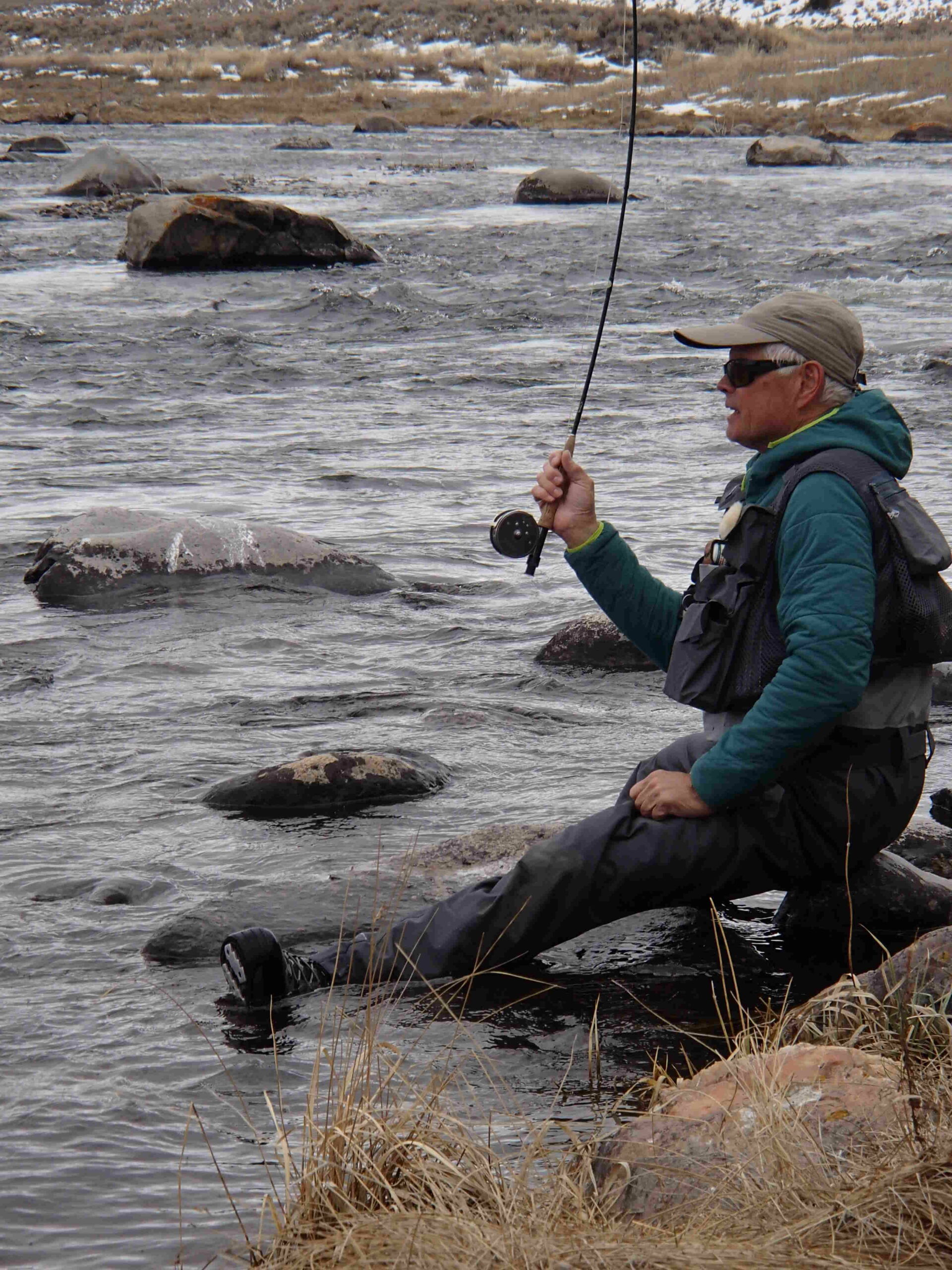
43:30 – They run their programs almost exclusively with pontoon boats.

northern lights lodge

49:50 – We talk about the things to remember when encountering a bear out there.

northern lights lodge

55:30 – Quennell Lake is the deepest freshwater lake in North America.

1:01:00 – Phil mentioned The Cruiser pontoon boat by Outcast.

1:11:00 – Bull trout fishing starts mid-August and goes on till mid-October.

northern lights lodge

1:12:20 – Curtis tells the story of his most memorable bull trout experience.

northern lights lodge


You can find Northern Lights Lodge on Instagram @northernlightslodgebc

Visit their website at NLLodge.com

northern lights lodge


Videos Noted in the Show


Related Podcast Episodes

WFS 397 – Bull Trout Fly Fishing with Skeed Borkowski – Rainbow Trout, Northern Lights Lodge, Skeena Basin


WFS 424 – Euro Nymphing with the French Fly Fisherman – Farmington, Hendricksons, Sulfur Hatch

French Fly Fisherman

The French Fly Fisherman Antoine is here to take us to Euro nymphing. We find out how to present your fly more effectively and how to identify big fish, and we touch on many of the Farmington river hatches today.
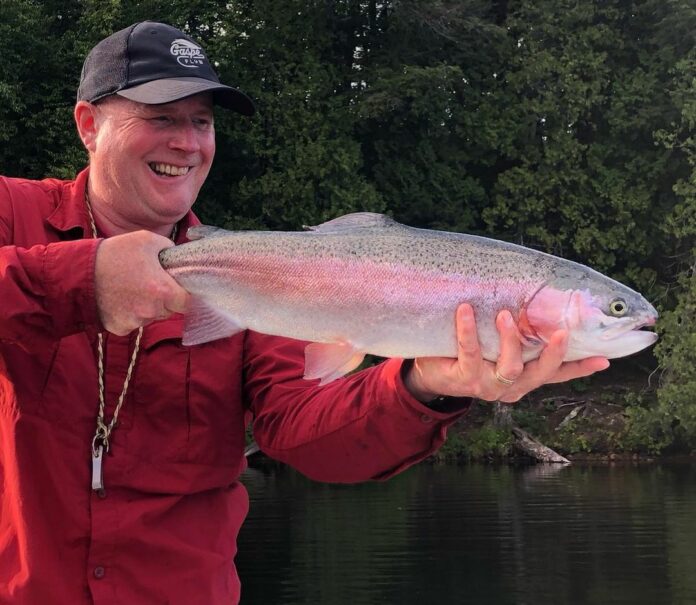
We also find out why Antoine traded his ski boots for a fishing rod. Antoine also shares his tips on guiding and teaching beginners, including those who are not confident with their fly casting.

French Fly Fisherman with Antoine Bissieux. Hit play below!

apple podcasts

Find the show:  iTunes | Stitcher | Overcast

Subscribe on Android

Subscribe on Apple Podcasts

Subscribe via RSS

(Read the Full Transcript at the bottom of this Blog Post)


Sponsors and Podcast Updates


French Fly Fisherman
Photo via https://www.facebook.com/antoine.bissieux

French Fly Fisherman Show Notes with Antoine Bissieux

4:00 –  Antoine worked with Kyle Leard and Pete Kutzer at the Orvis Fly Fishing School for several years before moving to Connecticut with his wife. He became a guide on the Farmington River, where he shares his expertise in Euro nymphing and identifying big fish.

French Fly Fisherman
Photo via https://www.facebook.com/OrvisDarien/

08:47 – Antoine started skiing competitively at age 12 in the Alps until he was 16. Later, he met an American woman in Paris at 21, and they eventually settled in New York for 15 years before moving to Vermont. 

9:44 – Antoine had to quit skiing after breaking his back and having 20 screws put in it. He continued to ski until his doctor advised him to stop to avoid being confined to a wheelchair. He now channels his passion into fly fishing, fly tying, and building automatic watches.

Antoine Bissieux
Photo via https://www.facebook.com/antoine.bissieux

11:45 Antoine tells us the story of how he got into Orvis School. We did several episodes on Orvis before. We had an episode with Perk Perkins and also with Tom Rosenbauer.

14:35 – Antoine discusses the year-round fishing opportunities at the Farmington River, a tailwater fishery known for its excellent brown trout population. He said late spring is considered the best time to fish there.

19:16 Antoine delves into Euro nymphing, sharing tips and techniques especially useful for those interested in learning competition tactics.

22:01 – Antoine shares insights on the equipment he uses for fly fishing, including his preference for high-end gear and his practice of building his own leader. He uses a Scientific Angler competitive line like the SA Mastery Euro Tactical Mono Nymph Fly Line.

Photo via https://mossycreekflyfishing.com/

24:00 – Antoine uses a Hardy 9’9″ 2wt rod for Euro nymphing and a longer 11 and 1/2 rod for go-all conditions. He also uses his Hardy 9’9″ 2wt rod for low-water conditions in the summer when fish may be more easily spooked.

28:32 – Antoine shares his approach to building leaders, using Devaux, a French brand, for most leaders and combining it with Orvis’s tippet. He also notes that for beginners, he starts with thicker leaders to help them get a feel for casting.

38:05 – Antoine shares with us how the fishing conditions at the Farmington River vary throughout the year. He also talks about Euro Nymphing in different conditions at the Farmington River.
French Fly Fisherman

42:40 – Antoine shares that the Farmington River has a healthy population of big fish, with 20-inch brown trout and wild fish being a common catch.

47:49 – Antoine shares some valuable insights on identifying trophy-sized fish and techniques for presenting your fly effectively to increase your chances of catching them. He also talks about his approach to guiding visitors who may not have great fly-casting skills. He said he uses a lot of CDC.

French Fly Fisherman
Photo via https://www.instagram.com/the_frenchflyfisherman/

59:06 – We discussed the hatches on the Farmington River, particularly the Hendrickson hatch, which used to be a major event but has become less stable due to changes in water flow. They also have the glimmer hatch, caddis, blue-winged olives, and winter caddis.

1:05:45 – The Farmington River has a major Isonychia hatch that starts in June and goes until mid-November.

1:07:38 – We then talked about fly shops around the Farmington River. Of course, there’s Orvis and also UpCountry

French Fly Fisherman
Photo via https://www.instagram.com/bissieux

1:09: 36 – Antoine discussed a new product called SwimWell ™ Oxygenated Fish Recovery Spray, which sprays oxygen onto fish to aid in their recovery. The product is set to be showcased at an upcoming fishing show in Denver.

1:12:08 – Antoine shared that if he had to choose just one fly, it would be a size 16 Perdigon. And if he could choose one river to return to before he dies, it would be the river in the eastern part of the Pyrenees.


You can connect with Antoine via Facebook at Antoine Bissieux.

Instagram at @the_frenchflyfisherman

Visit his website at The French Fly Fisherman


French Fly Fisherman

Related Podcast Episodes

WFS 225 – Orvis Fly Fishing with Perk Perkins – Saltwater, Bass, Travel, Family

Orvis Fly Fishing with Tom Rosenbauer – Podcasting, Battenkill River (WFS 063)

French Fly Fisherman

French Fly Fisherman Conclusion with Antoine Bissieux

We enjoyed learning from French Fly Fisherman Antoine Bissieux about Euro nymphing and effective fly presentation. He shared his passion for fishing, his experience in guiding beginners, and his tips on identifying trophy-sized fish. We also learned about the different hatches at the Farmington River throughout the year


Traveled #4: East Idaho Fly Tying and Fly Fishing Expo with Bruce Staples – House of Harrop, Yellowstone Teton

fly fishing expo

Bruce Staples takes us on a journey inside the Fly Tying and Fly Fishing Expo. We find and hear about some of the histories of the people who made this event unique. Bruce breaks down the list of the fly fishing icons that will be there, what you can expect, and why you should be there this year.

We also hear about the great Teton Dam story, how it came to be, and why it got destroyed. Bruce was on the podcast for the first time at WFS 269 so it’s great to check back with him. Here we go…


Fly Fishing Expo with Bruce Staples. Hit play below!

apple podcasts

Find the show:  iTunes | Stitcher | Overcast

Subscribe on Android

Subscribe on Apple Podcasts

Subscribe via RSS

(Read the Full Transcript at the bottom of this Blog Post)


Sponsors and Podcast Updates


fly fishing expo

Show Notes with Bruce Staples

03:00 – We just did an episode with Jon Stiehl from Trout Hunter where we talked mostly about the Henry’s Fork river.

3:45 – We had Bruce on the podcast for the first time in episode 269.

07:00 – The first Fly Fishing Expo they did was in 1994 at a local hotel.

16:40 – We talk about the House of Harrop.

18:10 – Mike Lawson was on the podcast in episode 190.

20:10 – Bruce mentioned Doug Gibson from Three River Ranch and a bunch of other names who will be at the Fly Fishing Expo this year.

fly fishing expo

24:30 – Steven Fernandez is one of the top fly tyers in the country.

fly fishing expo

30:40 – Dan Bailey promoted Montana so much that it became a well-known fly-fishing destination.

fly fishing expo

38:30 – Bruce tells the story of how the Teton Dam came to be in the 60s and how it got destroyed in the 70s.

43:15 – We talk about the Banquet at the Fly Fishing Expo.

45:00 – You can check out what they have going at SRCexpo.com

58:20 – Bruce’s rod of choice is a 9-foot 6 wt. His top fly is a Dry Muddler.

1:00:00 – Tip: Watch the water. Observe and stay undercover.


You can find SRCExpo on Instagram @snakerivercutthroats

Visit their website at SnakeRiverCutthroats.org

fly fishing expo


Related Podcast Episodes

Read the Full Transcript Below

Episode Transcript
Dave (2s): Coming up next on the Wet Fly Swing podcast, Bruce (5s): We have a very significant fly tieing culture in this area. It’s almost like it’s been part of, you know, it, it’s an outdoor thing. You know, like I say, we’ve had several families locally be famous Fly tieing, Stan Yama and his family supplied flies. You know, this is before the days of, of House of Har, even Dave (29s): Bruce Staples on the culture of fly tying. We were traveling to the East Idaho Flyting and Fly Fishing Expo today on travel. Today’s episode is sponsored by Eastern Idaho’s Yellowstone Teton territory. Idaho’s most renowned zone for fly fishing. From the Henry’s Fork to the South Fork of the Snake, and all the high Alpine lakes and streams in between Yellowstone Teton territory provides anglers and other outdoor enthusiasts with all the information they need to plan their next big trip. You can visit wetly swing.com/teton right now to get the full list of Outfitters Lodges, fly shops, and all kinds of inspiration to get you started on your next trip to Eastern Idaho. Dave (1m 11s): That’s Teton, T e t o n, wet fly swing.com/teton. Welcome to Travel, where it’s all about the journey we are all on in fly fishing and in life. This is our chance to take a deep dive into a specific area around the country so you have a better feel for the people, the resources, and the community that make this part of the country so unique. The Flight Tiny Expo is just around the corner. You can head over to the Snake river cutthroats.org g website, or you can head directly to wet fly swing.com/expo to get more information on the fly Ang and Fly Fishing Expo right now. So, at the end, we’re gonna give you a little reminder of how to connect here, but if you want to check it out right now, wetly swinging.com/x P o. Dave (2m 1s): And this week, Bruce Staples takes us on the journey inside the Fly Tang and Fly Fishing Expo. We find out and hear about some of the history of the people who made this event so unique over the years. We find out who’s gonna be there this year, what you can expect if you’re planning on heading there. And if you don’t know about it yet, we’re gonna take a deep dive so you understand what it’s all about and hear it from the Mansel. Bruce was one of the lead guys. He’s been there since the beginning. It’s gonna be good to dig back into this with Bruce today on the show. Time to experience the Road Less Traveled, Jimmy’s all season anglers, Doug Gibson, Mike Lawson, and the great Teton Canyon Dam story. Dave (2m 43s): This is a very interesting one. The Teton Dam. Here we go, Bruce Staples right now. Let’s do it. How you doing, Bruce? Bruce (2m 53s): Well, pretty good for cold weather. Dave (2m 56s): Yeah, you guys, you guys getting hit pretty good up there? Bruce (2m 58s): Yeah, we’ve had some terrifically cold weather. Kind of reminds us of back in the 1980s and all, but a lot of snow. Of course, we’ll be fishing in it come springtime. Dave (3m 10s): So you’re getting quite a bit of snow. What, what’s cold up there for you right now? Bruce (3m 13s): Well, the coldest we’ve had was about a week or two ago, was 30 below in town. Oh, wow. You know, wow is right. You don’t wanna go outside and, you know, it puts a kai bus on fishing. And so what you do is you, you build a nice fire and sit there in tie flies, or you do some writing, you know, that kind of stuff. Dave (3m 32s): Yeah, that’s right. And, and remind us again, what, what town are you in? Bruce (3m 36s): We’re in Idaho Falls. Idaho. Dave (3m 38s): Yeah. You’re in Idaho Falls. Awesome. So you are in, I didn’t realize it got that cold, or it was that cold, but this is awesome. We did an episode recently with, with John from the Trout Hunter, and, and he was talking about, I’m trying to think now, he was digging into that whole, the Henry’s Fork, right. And that whole area and describing how unique the town is, right. How it’s, it’s very narrowly defined, right? Bruce (4m 2s): Yeah. Island Park must’ve been, Dave (4m 5s): Yeah, that’s Island Park, right? Bruce (4m 6s): Yeah, Dave (4m 7s): Yeah, yeah, exactly. Yeah, I guess that’s the thing. So you’re in Idaho Falls, Bruce (4m 11s): Which is kinda, this is south of Island Park by about 75 80 miles. Dave (4m 16s): Oh, okay. Yeah, yeah. Got it. I gotta get my geography right on here. So, so good. So you’re, yeah. And you’re down south, Bruce (4m 23s): Well, relatively, Dave (4m 26s): Yeah. So basically we, and we had you on, like I said, back in episode 2 69. It was over, over a year ago. We talked about the Yellowstone, you broke that down. We’ll have a link in the show notes to that. But today we’re gonna dig into the Eastern Idaho flight tying and fly fishing expo that you’re kind of in charge of helping get rolling here again. So, so give us an update. I guess let’s start there. So end of 2021, kind of this last year or so, what’s been, what’s been new? Give us an update. Bruce (4m 56s): Well, the, the big thing that’s new is we’ve moved from a local hotel in town to New Mountain America Event Center, south of town, this brand new facility in all, all ways, electronic, you know, construction and everything. We’ve moved down there to do the show, and mainly what’s what’s happening is, is yeah, it’s costing us a little bit more, but there, there’s staff down there do a lot of the things that have been rather stressful for us, moving things around and everything. They have a, they have a well trained staff down there, and they have, you know, the facilities and equipment and everything to put on the show. Bruce (5m 40s): And so we decided, heck, let’s move down there. It’s just a better newer facility. And there’s a few hotels around. The one disadvantage, of course, is, is not a connected hotel. So guests can’t walk from their hotel room, you know, over to the show or to a restaurant, something they’re, you know, half a mile away are the closest ones. But that shouldn’t matter all that much. But we’re seeing terrific, terrific interest in the area in this show. Dave (6m 11s): And remind us again, what, where was the, so the previous show, so it’s been a couple years, right? Since Covid kind of knocked you guys off. This is the first time you’re back. Bruce (6m 18s): Yeah, the last exo was 2019. And just because of, you know, local, I’ll say politics and things, you know, hey, no get togethers greater than a hundred people, things like that. We said we better cancel. And that went on for three years. Well, as you well know, you know, COVID wasn’t a one year thing that we still have, I’ll call it a dirty burning tail end, but it’s still around, but not with the intensity that used to be. And so we just decided, hey, let’s go ahead and put it on, and we get support from the community to do it. So here we are. Dave (6m 52s): Yeah. So we’re going, and this is not a new event. I mean, this is something that, this is the 27th year now. Bruce (6m 58s): Yeah, the first one we did was in 1990 fours in a local hotel. It was a one day show with a evening banquet and maybe a couple dozen fly tires and a few local commercial vendors and a workshop or two. And just over the years, the interest in the show increased so much into what it is today. And you can see details, like I say, on our website, www src expo.com, which we are still developing, by the way. You know, you’re not done until you right to the event. So it’s a developing website and everything. Bruce (7m 38s): But we have enough particulars on, on the, on the website that you can see that, hey, this is quite the show with respect to what it offers the public. Dave (7m 48s): Yeah. Let’s dig into that because I mean, I know these flight tieing and shows, I mean, there’s a number of ’em around the year, around the country from, you know, like Fisk’s, big fly fishing show. You’ve got the Texas show and some of these things, and you got a lot of these different, like Flight tieing expos as well. And so let’s talk about that. So somebody who’s listening who isn’t familiar with this, what could they expect out of, out of this event? Bruce (8m 11s): Well, yeah. For the public, and of course we have free public admission. We don’t charge admission. Oh, Dave (8m 17s): Cool. Yep. Bruce (8m 18s): And you know, it’s important because here we are, we have right out there, the event center calls itself a hero arena, which is the main floor, which by the way, when they wrap up what we’re doing, they’ll refix everything on there. And we have a minor league hockey team that plays in there. Yeah. But that, that’s right. They, you know, they just, Dave (8m 40s): Who’s that? What’s the team? What’s the name of the minor league team? Bruce (8m 43s): It’s called the Spud Kings. Dave (8m 44s): Oh, the Spud Kings. There you go. Bruce (8m 46s): Yeah. What it would be coming from Idaho, you know? Dave (8m 49s): Yeah. Spud Kings Hockey. I love that. I love Bruce (8m 51s): That. But anyways, yeah, what we offer the public is, okay, you, you got the free entrance, you know, the free admission. And both days, the Friday and the Saturday, March 24th and 25th, the show opens at eight 30 in the morning. And the flatting demos are central, you know, to the public on the hero arena and around the edges. We have commercial vendors, as a matter of fact, we have close to 50 vendors, right as it stands right now. And this is all, you know, essentially the, the show that’s open to the public free of charge. They can go around and talk to the vendors, talk to the tires. We have places where they can, they can do daytime raffles. Bruce (9m 35s): And you know, we have merchandise for sale and everything. And rather than to charge ’em for coming in, you know, hey, spend your money when, when you get inside. Dave (9m 43s): Right. That’s great. So basically this, it’s free and you can jump in and there’s gonna be ti is this the situation where there will be just a bunch of great flight tires and people can go around and just watch these. Bruce (9m 53s): There’ll be as many as 45 fly tires, you know, in operation. Time flies out there on the floor at a time. What’s going on is on Friday there will be three, three hour tying demo sessions starting at eight 30 in the morning, and at six 30 at night. And on Saturday there will be two sessions starting at eight 30 and ending at five, at five in the evening. And you know, there’s, there’s icon tires coming in there. Local people, people from, actually, we have people from around the country, you know, places like Florida and Minnesota, you know, and then the West coast and everything. But you know, you gotta figure the reason for the interest in local fly tieing and fly fishing opportunities. Bruce (10m 42s): Idaho Falls is the southwest hub of the greater Yellowstone area Southwest hub. That means, you know, waters like the Henry’s Fork, you know, he talked to, you said, think it was John Steel was who you, you knows. Yeah. And you’ve got the South Fork, each of the Snake River, you’ve got the Teton River Silver Creeks, 120 miles away, Henry’s Lake, Madison River, you know, you’ve got, and then you’ve got the waters and Yellowstone Park, You know, and, and the southwest corner of the park is probably, if you’re interested in not just playing fishing and fly fishing, but if you’re interested in solitude and scenery and everything, the southwest corner of Yellowstone Park is phenomenal for all that. Bruce (11m 27s): So I, Idaho Falls is a hub, you know, the, the Idaho Falls Municipal Airport. You walk into the airport, say, and watch people coming in, you know, people deep planting, say from May into maybe 1st of October, see how many people are carrying gear bags in rod cases, right? Dave (11m 45s): Yeah. Bruce (11m 46s): Right. Yeah. They’re coming here to enjoy, you know, the fishing, but then they patronize, you know, the restaurants, the hotels in specialty shops, et cetera, et cetera. It goes on and on. Dave (11m 56s): Yeah, yeah. That’s right. Idaho Falls is definitely one of the hotspots, right? I mean, Bruce (12m 1s): Yeah. It’s like, you know, on the north side you’ve got Bozeman, you know, and then, you know, so on, you know, so on like that, you know, when we’re the Southwest corner, whereas they’re in the north side of the very, Dave (12m 12s): That’s right. How is, this is just kind of an interesting question. I don’t know Idaho falls quite as well, but you look at, you know, Boise is the other big, it seems like, you know, Boise, Idaho Falls, and Idaho. How are those two cities different? Bruce (12m 26s): Well, Boise, Boise is becoming a metropolitan area. That’s about three quarters of million people living over there. And of course you’ve got, you know, there’s fishing over there, but you better be willing to, you know, share the waters with so many other people. Yeah. And they don’t have the quality that we have here. I mean, look, here’s Yellowstone Park sitting right. 75 miles away, you know, terrific fishing. Then you’ve got the Silver Creeks and the places in Montana and, and southeast Iowa, south and Boise. It’s a little different over there. You have, you have more reservoirs. Of course, you have, you know, you have some rivers and everything, but they’re not the same quality as what we have here. Bruce (13m 10s): You know, you can actually Henrys fork up against any water around, you know? Dave (13m 15s): Yeah, that’s right. That’s right. We’ll, we’ll put a link out to that episode with John and the trout hunter. He, Roy went deep into the hatches and gave us the perspective on why the Henry’s Fork is such, you know, is such a destination. And it probably is, you know, this is well as anyway, is is the hatches, right? It’s hard to find a Spring Creek Bruce (13m 31s): Spring. It’s the hatches and it’s just, it’s just the quality of the area, you know, island Park is, it’s a beautiful place. You know, Truett’s being loved to death now with a number of people up there and everything. But the natural beauty of fishing, say a place like Herman Yeah. You know, the, her state park reach, you know, is, it’s almost distracting. You know, it’s like you wanna stop and enjoy, you know, often the distance of the southeast here’s, here’s the Grand Teton range sticking up, you know? Right. You go north and here’s the centennial range, continental divide, that sort of thing. And of course, John at there, at Trout Howard, he’s sitting almost within a stones stro of, you know, some of the most beautiful country in the West. Dave (14m 16s): Yeah. They’re right there. So, so what is the trout hunter describe that, that lodge, that area. I mean, it’s kind of right there along Bruce (14m 23s): Well, that’s, yeah, that’s in what they call last chance. It’s just that long skinny town you’re talking about along highway Dave (14m 31s): Because of bars. He, he described it. He, he said it’s because of the bars. That’s why it’s a long skinny town. They built the town around the bars, Bruce (14m 39s): By the way, tr Hunters in, there’s a, there’s a great bar restaurant in there besides the Fly shop. Yeah. John and, oh, what’s his name there? His Dave (14m 50s): Part, yeah, John. Right, right. And his counterpart. Bruce (14m 52s): But anyways, then of course, one of the things that they really promote and have is House of Har. Yeah. House of Work Wise and artwork, and, you know, that kinda thing. But this, of course, there’s other places up there too. And you’ve gotta realize that just around this, the southwest corner of the park, you have other wonderful places like Three Rivers Ranch, you know, its down there at where Warm River and Robeson Creek and, and the Henry Schwart come together, you know, it’s just to say on, just on the edge of Island Park down near services, same area as, as Harriman, maybe more so in the Lower Henry’s fork than Harriman, but more than Trout Hunter. Bruce (15m 40s): But yeah, Idaho Falls is, you know, often the distance from that 70 miles away. But we’ve got a good highway, highway 20 that goes up there from Idaho Falls. And during fishing seasons and during the hatches that John was talking about, you’re gonna find a significant part of the traffic heading up to Island Park, coming from Idaho Falls is meaningful to people up there, you know. Yeah. And of course, trot Hunter’s not the only shop up there across the street. You got Henry Anglers, you know, Mike Lawson’s, Henry for Anglers, and, you know, essentially the Lawson family, you know, started that shop back in the, I think it was the mid seventies. Dave (16m 21s): Yeah. And you mentioned the House of Har, so that’s, John mentioned Renee Har up, and he actually, in that episode, he got pretty emotional about, you know, just talking about him. I think the impact of, of Har, do you know a little bit about Renee Har and that is he, I mean, it sounds like he was a pretty foundational person out there. Bruce (16m 40s): He’s a foundational person with respect to the house of Har, you know, Dave (16m 45s): And what is the house of Har up Bruce (16m 46s): House of Har is Rene and Bonnie Har, they’re family with Shane, their son, and Leslie, their daughter. The four of them were all fly tires. And of course they’ve had a, they now have an international reputation, but they started out tying commercially, tying their flies. And of course, Renee grew up down in the valley and town called St. Anthony and got to know the Henry’s fork. He lived not too far from the river itself, you know, almost, oh, not casting distance, but quite close. And I guess he’d always been interested in fly fishing. He started a lot of the business, essentially, as I understand it, back in the late sixties. Bruce (17m 29s): And the quality of his flies is just unsurpassable. And they became something that people associated so much with the Herman State Park reach of the Henry’s Fork, that the two were almost synonymous with each other. You know, you wanted to fish, you fished har flies and all in that area. And of course, you know, his, his reputation has grown over the years, or I should say their reputations have grown over the years. And that, you know, they became, they, they become essentially figureheads and, and the same thing for Mike Lawson. Dave (18m 7s): Yeah, Mike Lawson too. Yeah. There’s two. Yeah. And we’ll put a link out to Mike Lawson’s episode we had where he talked about one of the big hatches out there. And so here’s the big question that, that I have on with harps. So is Renee going to be at the expo? Bruce (18m 21s): I don’t know. The last expo we had, 2019. He wasn’t there, but his wife, Bonnie and his daughter Leslie, were there, you know, walking around talking to people. In fact, Leslie’s participated before doing workshops and, you know, tying in the demo. She’s done that in the past. I don’t know if they’re gonna be down there. We’ve asked them, come on down. Especially because this is gonna be in a new facility Right. Then, you know, it just depends on their schedules and everything. But yeah, I think, you know, just the interest in seeing this new facilities, I hope it brings them down. I wanna see Renee, I consider him a friend, you know, friend from a distance, you know, he’s in St. Bruce (19m 4s): Anthony. And of course then during the fishing season, he’s up there in, you know, at last chance. And of course being associated with Trout Hunter. And he has a, he has a summer home up there. He and Bonnie have a summer home, you know, so they spend essentially the summers up there, and they’ve done that for decades, you know? Yeah, Dave (19m 21s): That’s right. Nice. Well, I’m glad we, we dug into that a little bit because I think shedding some light on some of the people that are gonna be at the event is, is, yeah. A big part of it. Who else, you know, talk about some of the other people that are gonna be there. Is there any, any other names that we would know of or local people that are of interest? Bruce (19m 39s): Yeah. With respect to local people. You heard me say a few words about Three Rivers Ranch that sits down at the confluence of Warm River and Robinson Creek with the Henry Schwar. And it’s been there for, you know, decades and decades. It’s owned by the Allen family. Lo Lonnie Allen’s the owner now, you know, through, through the years it’s passed on down to her. But her chief guide, and probably not just guide, but knowledgeable person about the Henry Schork drainage is a fellow by the name of Doug Gibson. And Doug has guided in the area, Andre not talking, just, you know, just say the Henry’s Fork, but he guides on the Teton River. Bruce (20m 23s): He’s guided in Yellowstone Park and everything. And the head of Knowledge this fellow has is unbelievable what comes to the Henry’s Fork drainage, you know, I’m not talking just the river itself, I’m talking about the drainage, but he’ll be part of the show too, representing Three Rivers Ranch. And I, I don’t know if I’ll have a, a commercial booth down there. That’s, you know, that’s kind of, of outside my, my scope of work right now. But if you’re talking about local people, Doug is probably, you know, he’s kind of a low-key Auks guy, very gentlemanly patient, just a heck of a nice guy. Everybody who knows Doug loves him, but he is one local person, of Dave (21m 7s): Course. What’s he gonna be tying, do you think? He, does he have a specialty? Bruce (21m 11s): He specializes like the HARs, you know, he is a, mostly a specialist in trout flies. And of course he has his own twist to him, just like the HARs do, just like Mike Lawson does. But, you know, he is, he’ll, he’ll be down there tying flies and, and all, and there’s just a wonderful person. But another, I’m trying to think of some other local people. Of course, Jimmy’s All Seasons Angler, you know? Oh yeah. Principal Fly Shop in Idaho Falls, they’ll be represented down there. Okay. Jimmy Gauss. And he’ll bring in a few people a tie in his booth, you know, a few people from, you know, some of his commercial suppliers. Bruce (21m 54s): But Jimmy will be there, of course. And you know, he is, he is a wonderful shop in Idaho Falls. It’s probably one of the best shops in the, in the country. You know, it’s right up there with, you know, the shops you’ve heard about. Dave (22m 9s): Oh, yeah, no, that’s one definitely. Jimmy’s we’ve heard about. Yeah, Jimmy’s is out there for sure. Bruce (22m 13s): Yeah, you’ve heard that. So Jimmy will be there. And then Clra has a distribution center Oh, really? Here in I falls. Dave (22m 22s): Okay. Bruce (22m 23s): And the manager, of course is John Stenerson. And then he’s a multi-talented guy. Sure. You know, he pushes clack of craft boats, but he has one heck of a creative fly tire. You know, he has, he has contracts with JD Flies and a few other people, you know, contracts are flies to him, but John will be there. He’s part of, he’s part of the expo too, as a matter of fact. He’s doing the, the destination programs, you know, Hey, where do I go? You know, this kind of thing. Another fellow that’s well known in the industry is, is a fellow by the name of Todd Lanning. He, man, he manages shops, you know, anywheres from the South Fork Lodge, Henry’s Fork Anglers for a while, but Todd will be there, time flies. Bruce (23m 6s): He’ll also be doing, as I understand, he’ll be doing a program on fishing in, you know, say the Henry Fork drainage. I’m not sure the details yet, but details will be on the, on our website, www src expo.com. Dave (23m 23s): Perfect. Bruce (23m 24s): But you know, just to name a few of these people. Dave (23m 26s): Yeah, no, that’s amazing. I think all those people and names or, that’s exciting. I mean, I would love to sit, that’s the cool thing about the expos. I’m not quite sure. I haven’t been to this one. That’s why we have you here chatting about it. But I think in the past, the expos I’ve been to, it’s fun because you just, you just walk around and you’ll find somebody and you’ll sit down and just watch ’em, tie flies. And it could be, you know, from Renee Har up to Jimmy’s. All right. It could be some of these people. And everybody has their own style. Is that kind of how it is? People just walk around and you get a look at all these great tires. Bruce (23m 53s): Yeah. You can walk around and watch these guys. Now I’ve just targeted the local guys. Any, you know, people from, I don’t know, I think maybe John Steele may be there, or maybe his partner Rich Pay. I’m, I’m not sure. We’ll just have to see. But I’m talking local guys. If you wanna talk about people coming in, we can talk about some Dave (24m 11s): Yeah. Give us a rundown to outside, because we are focusing kind of on Eastern Idaho here, and that’s where the event is. But yeah, talk about some of the, maybe other names we’d know of that are coming from outside of east of Idaho. Bruce (24m 21s): Sure. There’s, you know, when you talk fly Time icon people, for example, Steven Fernandez, have you heard you’ve heard that name before? Dave (24m 32s): Actually, I haven’t. Steven Fernandez? No, I don’t, I mean, I mean, I probably heard it, but I’m not sure who he, yeah, tell me about Bruce (24m 37s): Him. He’s out of, he’s out of the Los Angeles area, and he is probably, in a technical sense, one of the top fly tires in this country, if not the entire world. Dave (24m 48s): Oh, Bruce (24m 49s): Wow. Okay. Everything he produces is absolutely perfect, you know, and, you know, and, but he, he comes to the X where he does a workshop on his techniques, which vary any, anywhere from trout flies to streamers, to patterns for, you know, say all sorts of insects and all. Dave (25m 7s): Oh yeah, I know Steve. I’m just thinking about Yeah, you know Steven. Yeah. I’ve seen him at some of the other expos. Yeah. He’s been at some of the other ones. Yeah. He makes beautiful flies. Bruce (25m 14s): Oh yeah. He goes to the other expos. Right. Another person that you’ve probably heard of is Marvin Nty. Dave (25m 21s): Nty. Yeah, I Bruce (25m 22s): Have, he’s out of Baron, Wyoming. You know, it sounds like a cowboy town or something like that, but Yep. His Atlantic salmon flies are superb. Gotcha. Dave (25m 30s): And so are these people gonna be, are you, do you have a segment here where it’s like a special segment for some of these tires where they’re doing sessions? Bruce (25m 38s): We have, we have fly tieing theaters, you know, you know, if these people want to get involved in them. Of course. Another one’s Bob Jacqueline. I know we’ve heard that before. Dave (25m 48s): Oh, talked Bob will be, yeah, Bob will be there. Yeah. We talked to Bob on last week, so that’s awesome. Bruce (25m 53s): Yeah. You know, he, he’s essentially a local being West Yellowstone, but you’re talking about, you know, the other people, another person that has a wonderful reputation for conservation of all this Ang is Jay Buckner out of Jackson Hole. We’ve heard that name, yeah. Before. Oh, yeah. Our auctioneer is gonna be Will Godfrey and everybody in the fly tieing field that wants to have an auction knows who Will Godfrey is. That’s for sure. You know? Yeah. He’s probably the best oral auctioneer in the, Dave (26m 26s): Oh, this is the guy. So he is doing the, how do you do it? You’re talking about doing the Auctioneer? What’s that called? When they do the Fast, the Fast Talk. Bruce (26m 33s): Okay. We, like I said, what I mentioned during the days, you know, our fly time demos and the vendors show and the workshops or anything go on, but Rewind to show up Saturday evening with our auction and banquet. And of course Will is featured there when at pretty much the end of the banquet we have our live auction. And he’s the one that essentially runs it. And he, he does it all over the country and everybody calls him Will Godfrey to be the auctioneer, just because he knows the industry so well, you Dave (27m 5s): Know. Oh, right. So he goes around to every, and he’s the, I’m, I’m not sure. I, I wish I could find a clip of him. That’d be pretty funny to watch. Bruce (27m 12s): Oh, yeah. Doing him, doing his work, you know, being an auctioneer. That’d be terrific. Dave (27m 17s): Yeah. Yeah. Yeah. That’s awesome. We Bruce (27m 19s): Have, coming from Colorado, we have Al Rit, he’s the latest music award winner. Dave (27m 24s): Oh, music award winner. Now what’s the, what’s going on there? Bruce (27m 26s): Yeah, the music award is given out by the Federation or Fly Fishers International. And what they feel is a fly tire that is contributed, created, and contributed significantly to the fly time, art, whatever you want to call it. You know, I’m gonna, I have, I was the recipient of this back in 20, 20, 21, but yeah, I I’ve got that, you know, that award, but Dave (27m 59s): What is the mu you mentioned the music, what did you say? Music? Music, Bruce (28m 2s): Yeah. It’s named after what used to be a shop owner down in the, in California, I guess it would’ve been Visalia, California, that back in the right up to the sixties was, was famous as a, as a National Fly Tire and supplier Fly Tire materials. Dave (28m 21s): Oh, so music is at the, that’s actually his last name. Bruce (28m 24s): Yeah. B U S Z E K, Wayne Buzz Music. Dave (28m 29s): Oh, music, okay. I thought you said music. Gotcha. Music, Bruce (28m 31s): Yeah. So we have about six music with us here. And that’s, that’s exceptional for these shows. Dave (28m 37s): Yeah. And I’m looking at it now. I’m looking at the whole list from 22. You got, yeah, Gary Boger, you got, you, you in 2015. Bruce (28m 45s): That was in 20 2001. Steven Fernandez. Got it. In 2012. Marvin, Ty got it in 1995. Dave (28m 53s): Bob Jacqueline. Yep. All the way back to 1970. So how does it go? Oh, that’s right, because FFI has been going on for long time. Bruce (28m 60s): Well, used to be fff, now it’s ffi, you know, Dave (29m 3s): Ffi. Yeah. So 1970 was the first one. Do you remember Ed Strickland? Bruce (29m 7s): I remember the name. I never met him. He was very active jazz before I got into the, what was the fff then? Yeah, Dave (29m 13s): That’s right. Yeah, it’s a whole list. Okay, cool. So we’ll, we’ll put a link out to that Fly Fishers International as well. The other, yeah, Bruce (29m 21s): The other music winners we have are the husband and wife music recipients, Alan Gretchen Beatty. Dave (29m 26s): Hmm, okay. They’ll be there as well. Bruce (29m 28s): We also have John. Yeah, from Bo, they’re over in Boise. Then we have John Vanderhoof coming from Long Beach, California. He’s another music winner. Yeah. And you know, this is pretty unusual for a, I’ll say it’s not well compared to some of the shows where they are in metropolitan areas. Our backcountry show. I say backcountry show because we have, you know, in this part of the greater Yellowstone area, maybe a couple hundred thousand people at the most. Whereas, you know, you go up to the Northwest Fly Tires show and there’s about 2 million people. You know, you go back to Jersey and you got half the people in the world, you know, et cetera, et cetera. Yeah. But the thing is, the thing that draws people here is we’ve got the water. Dave (30m 7s): Yeah. You got the water, Bruce (30m 8s): We’ve got the places to fish. Dave (30m 10s): It’s interesting. Do you feel like, it seems like when I, and this I think is changing, but when you look at the West in the States, you know, Montana always, you know, always sticks out Colorado sticks out Wyoming, you know, to a lesser extent. But you got all these states surrounding Idaho, and it just seems like Idaho all has been under the radar, like as far as, but well, it seems like that’s changing because you’ve got, I mean, obviously the Henry’s fork is right there, but what, what’s your take on that? Does it feel like you’ve been under the radar? Bruce (30m 35s): Well, the reason, you know, when you think of fly fishing in the West right away, Montana is a place that comes to mind personal. And that goes back to the days of Dan Bailey. He did some, Dan Bailey did so much to promote, you know, back in late 1930s, he did so much to promote the area back east. You know, he originated in, I think it was Brooklyn, New York or somewhere in New York City, came out and fell in love with the country and was there you go, established in Livingston. But he had a whole network of people back. I Dave (31m 6s): Think the story was, I think the story was his, he was driving out his car broke down. Did you ever hear that story? Bruce (31m 14s): I hadn’t heard that, but I wouldn’t be surprised. But anyways, yeah. You know, on top of it, he was a fly fisher. And of course, comparing the fly fishing back there, which is not all that bad in places, but compared to what we have in the greater Yellowstone area, there’s really no, no comparison. Yeah. And he, he established in Livingston, and right away he started promoting the area is any good businessman would do. Yep. You know, then on top of him, you had the people like Bud Lilly. Yeah. And it goes on to, to the Craig Matthews and the Bob Jacqueline’s of this world, you know, people like that. And Idaho kinda lagged a little bit behind. We didn’t have a Dan Bailey personality, but now just because people have become aware of the water that we have down here in the southwest portion of the greater Yellowstone area, we’re playing catch up. Dave (32m 6s): Yeah. Bruce (32m 7s): And the same thing is happening to a certain extent in Jackson Hole, where, you know, their fishing goes way back to the days of Bob Carmichael back about the same time as, as Bailey came out. You know, Carmichael’s been here that long. But, you know, you didn’t have the infrastructure back in, in, in Idaho in those days, and even in Wyoming. Whereas in Montana you had, you know, the railroad was promoting things. Dave (32m 35s): Oh, Bruce (32m 35s): Right, yeah. You didn’t just didn’t have the infrastructure and Yeah. And, and, you know, going into the quality areas and all Idaho, you know, it’s like people sure they knew about the Henry s Fork and Island Park, you know, for a long time. But some of these other places like the Teton River and the South Fork reaching the Snake River, there weren’t good roads going to the more railroads. No. Dave (33m 0s): Yeah. Yeah. That’s it. So it’s definitely on the map now, obviously. I mean, it’s, oh Bruce (33m 4s): Yeah. Oh Dave (33m 5s): Yeah. And, and if people don’t know about it, then we’re putting it more on the map now because, and you guys are as well with the expo. So let, let’s, so you mentioned a, a number of people on the expo and what’s going on there? Let’s, let’s talk a little more. Anything else we wanna shed light on as far as what people can expect on the expo? The event itself? Bruce (33m 22s): Yeah. We have fee-based workshops we do on, and again, these are described on our website. We have fee-based workshops by people like Steven Fernandez and Jay Buckner, you know, people like that are doing these, these workshops. And, you know, especially fly tying workshops or entomology. We have some casting workshops where people like Bob Jacqueline will be doing casting, of course Bob will be out there tying flies too, you know, he’s got a heck of reputation for creativity. But the, the feed, the fee-based workshops are something that’s, you know, specialty oriented. Bruce (34m 4s): We also have destination programs that John Stenerson is, you know, organizing for us too. And they’ll be, they’ll be there during the daytime in, you know, the event center. They won’t be on the main floor. They’ll be in one of the extension areas. So the destination programs are like, Hey, where do I go fish? Or if I’m up here at a certain time of year, where do I fish? You know, what can I expect for services? How do I get away from the crowds? You know, these, this kind of thing. Which fortunately, we have a lot of waters around here that are off the beaten path of equality. I did a book back in 2017 called Fly Fishing the Greater Yellowstone Back Country. Bruce (34m 48s): You know, it’s, it’s, it was put out by Stackpole books. And we have programs that are kinda like, what’s in the contents of that book, you know, place, Hey, you wanna get away from the crowd? Try this place, try that place this time of year. Yeah. Use you this, do that and everything. So some of the destination programs will be oriented in that manner. Dave (35m 10s): Gotcha. Bruce (35m 12s): And of course, we have a youth program and a ladies program at the expo. And again, these are being described on our website, so, you know, it’s, it’s a gala event from the standpoint that there’s something there for everybody in the fly fishing world. Dave (35m 27s): Right. Right. So you cover, so if somebody’s maybe a beginner or a super expert, you, you, there’s gonna be something there that people can enjoy Bruce (35m 36s): To out. Yeah. You know, the super expert is the guy that wants say, you know, there’s a specific hatch going on at a certain time, or when, when should I be up at Harriman State Park? You know? Yep. When should I be in Teton Valley, et cetera, like that. These are the kind of things, the information that we’ll be dispensing in our show. Dave (35m 53s): And like Bob Jacqueline, you know, it’d be fun to sit down and just kind of watch Bob Tie. Right. Somebody, a famous person like that, Bruce (35m 59s): We’ll watch him tie and watch that guy cast. I’ve fished with Bob a number of times and I just envy the guy. Gosh, how do you do that? Right. You know, he’s, he’s not a big guy or anything, and he just exemplifies, you don’t have to be a big powerful guy at a cast fire. You gotta have a, you know, it’s like a golf swing. You gotta have your timing down. You know, he’s just an example of that. Dave (36m 20s): Right, right. So his cast is just, it’s like, it’s a, it’s nice to watch. It’s Bruce (36m 24s): A good, well, it’s, yeah. What you’re watching is something, you know, that has an international reputation. You might say. Dave (36m 33s): Today’s episode is sponsored by Eastern Idaho’s Yellowstone Teton territory. Idaho’s most renowned zone for fly fishing. From the Henry’s Fork to the South Fork of the Snake, and all the high Alpine lakes and streams in between Yellowstone Teton territory provides anglers and other outdoor enthusiasts with all the information they need to plan their next big trip. You can visit wetly swing.com/teton right now to get the full list of Outfitters Lodges, fly shops, and all kinds of inspiration to get you started on your next trip to Eastern Idaho. That’s Teton, T e t o n, wetly swing.com/teton. Dave (37m 14s): Well, let’s take it back. We, we’ve kind of dug in a little bit on, you know, what people can expect. What is the history, take us back to 94, I think, when it started. How did you know, how did it start? Were you there when this thing got going? What, how did the idea come to be? Bruce (37m 26s): Yeah, I was there. Okay. What I did was, I called a meeting in the local club about, Dave (37m 33s): Is that the TU club? The same Tu club? Bruce (37m 35s): Yeah, that’s the Snake River Cutthroats, you know, that Snake River Cutthroats has been around since 1972. Oh, wow. And yeah, it was started an afro, excuse me, go Dave (37m 46s): Ahead. Oh no, I was gonna say that’s pretty, yeah. It goes back to almost like, I don’t know when the Federation of Fly Fishers, but you’re That’s quite a while ago. Bruce (37m 52s): Yeah. You’re talking 50 years. The Federation goes back to 65 and Tu goes back to 59, you know, dates like that. Yep. But the reason for its formation was to fight the Teton Dam. Mm. You know, everybody knows, I think, you know, Teton Dam is Dave (38m 7s): No, no. Give us, give us the Teton real quick. Let’s hear that Teton Dam story, because we talked to, we actually had the Henry’s Fork, a foundation Brandon was on and talked about some of the, the, you know, issues there. And I mentioned in the episode, I asked him, I said, well, what are the major issues? Are dams something you’re thinking about? And it seems like dams are not a focus right now for them that because water quality and quantity is the bigger thing. But it sounds like dams, dams are important out there, or there is a big story. Bruce (38m 33s): They’re important to the agriculture around here, but I think we’re pretty much saturated. Putting in a large dam like, you know, would be extremely difficult. But, you know, what happened was a bunch of farmers up in Madison and Fremont counties claim that they needed more water, you know, and everything. And so they talked to the politicians and they got the dam in, and they, you know, they did some pre-study on it, you know. Dave (39m 0s): Well, what year was this? What year was this, Bruce? Bruce (39m 2s): This would’ve been starting in the sixties. Dave (39m 5s): Oh, wow. Yeah, a long time Bruce (39m 6s): Ago. Sixties, way back then. Yeah. But when the geologists got to work, looking at the feasibility of, say the country rock and everything, said, this isn’t gonna work, that rock, rock is too fractured. Well, the sponsor of the farmers was make it work. Dave (39m 24s): Hmm. Bruce (39m 25s): And the farm, the geo us Gs told ’em, this is enough, not enough grout in face of the earth to fill all the cracks there. Well, we’re gonna build that dam. We need it. So they did, they started building the dam on the Teton Canyon. Oh, wow. Remember? Yeah. I remember floating that canyon a couple times while the dam was in construction. It was just beautiful, beautiful place. Smaller version of the South fork reach of the Snake Rivers Canyon. But they put the dam together, they got, it essentially continued. But while they were doing that downstream, here’s all these water shooting out of the walls of the canyon below the dam. You know, it’s like the droughts just tell ’em, Hey, this isn’t gonna work. Bruce (40m 6s): Well, the problem was the water got in into the starters seeping underneath the dam and into it. And then Wow. Dave (40m 12s): So they built the dam. So they literally built the dam. Bruce (40m 15s): Yeah. They built a dam was complete, you know, I’m talking about a big structure, 300 feet tall, you know, the reservoir is gonna be 17, 18 miles long and deep enough that they, they were considering making an lake trout fishery. Anyways, one morning in early July 19 or June, 1976, that dam went out. You know, it just, the water just versed through it. And, you know, it’s a historic Dave (40m 40s): Blew the dam. Bruce (40m 41s): Yeah. Just, just destroyed the dam, you know, just breached the dam. And of course, all the water that was stored, the reservoir was close to being full, just went out into the valley. Well, you know, it was almost like an, I told you so thing, you know, the geologist stolen, it’s not gonna work. And it didn’t. Dave (40m 59s): No, it didn’t. Bruce (40m 60s): But, you know, for a while it kind of ruined the fishing on the Teton River, but it’s come back significantly in the Canyon, of course, up in the valley, Teton River is a beautiful meadow stream up in Teton Valley, up above around towns of Victor and Drs. You know, course the fishing industry up there wasn’t damaged, but now the canyon waters come off, they’d be pretty darn good. Not quite what it used to be, but good enough where there’s a clientele of people that, you know, like the Henry Fork Anglers and some of the other local guiding operations, they, they run trips on, on the Lower Teton and of course of Teton up in the basin. But that was a kind of a local disaster. Dave (41m 42s): Wow. Where was that, Dan? What was the closest town to where that was built? Bruce (41m 46s): The closest town to would be a little place called New Dave (41m 49s): Dale. Oh yeah, new Dale. I see that. Yeah. New Dale right there at the, Bruce (41m 51s): Yeah, it’s Highway 30 State Highway 33 goes up there. Yeah. New Dale was kind of, I kind of, I guess because it was a little bit higher up in elevation, it was spared from the flood. But the towns in the valley down below, sugar City, Rexburg, you know, Teton City, all those places, they, they got hammered by the flood. Right. That happened there, but it was, it’s kind of a historic thing in this part of the state. Dave (42m 15s): Yeah, that is crazy. So, so basically they had to take out, so the dam is, there is no dam at Yeah, Bruce (42m 21s): There’s, there’s, there’s a remnant. You’re up there and you see this big Dave (42m 24s): Oh, right, still there. Bruce (42m 26s): Yeah. On one side of one side of the canyon, there’s a remnant there. Dave (42m 29s): Oh, yeah. Is that by, that’s over where like fourth Street crosses, it looks like. I see it, Bruce (42m 34s): Yeah. Yeah. But wow, it’s, it’s kind of all in the past now, of course, floating through the canyon, one of the experts on floating that, or on fishing, that river of course is Doug Gibson, the fellow I mentioned, you know, at Three Rivers Ranch. Dave (42m 48s): Oh, right. Bruce (42m 49s): But anyways, so much for the Teton Dam, but there’s been, you know, there’s been attempts to revive it, but, you know, no way. Yeah. That’s not gonna happen. You know, Dave (43m 2s): That’s it. Wow. And I forgot where we were going. I’m glad we took that tangent down on Teton. I can’t remember my, our train of thought. We Bruce (43m 9s): Were wrapping up pretty much with the expo, what was going on in the daytime activities. And of course, the big nighttime event will be the, the banquet. Dave (43m 20s): Oh, the banquet. Is that on Saturday night? Bruce (43m 22s): Yeah, Saturday night. And of course, it’ll feature our live auction. We have also a silent auction quality items, you know, the live auction figures, you know, it features things like trips, artwork, hold, I’m trying to think of other thing, you know? Yeah. High quality fishing, you know, fly fishing equipment. Dave (43m 42s): Yeah. So basically everybody, anybody that goes to Is this something where if you attend, you can attend the banquet to as well? Bruce (43m 49s): Yeah. You have to buy banquet tickets, of course, you know, to get in and something, we’re pretty much limited to a little over 300, whereas in the past, at the Shiloh, when we were down at the Shiloh, and we had as many as just under 400, but we’re pretty limited now, so there’s gonna be a rush on getting tickets. You know, a lot of people come just to watch Will Godfrey in action. Dave (44m 10s): Right, right, right. Well, this episode is gonna go live probably right before the event. When, when, where would somebody go if they want to get a banquet ticket? Bruce (44m 19s): Right now they are for sale down at Jimmy’s All Seasons Angler. Dave (44m 24s): And how long do you think they’re gonna be right now? We’re, we’re just so folks know, it’s, it’s mid-February, but the, the, this is gonna happen in March 24th. Bruce (44m 32s): Well, I will, I’m willing to bet that we sell out and it’ll happen maybe, maybe a week or so before Dave (44m 39s): Oh, before Bruce (44m 40s): The event itself. Yeah, because already we’ve, we’ve sold maybe a third of what’s available, and they’ve only been available since last Saturday. Dave (44m 48s): Okay, good. I’m just thinking, I think what we’ll do then, I’m just thinking, talking to my future self, because we’re gonna schedule this out. So we’ll try to get this out here mid-March, so people will still have time when they’re listening now to actually get a banquet. Bruce (44m 60s): That’d be good. You know, about mid-March or something like that. But by then, I suspect that we will probably have, I’m guessing, but maybe two-thirds of the banquet tickets sold something. Dave (45m 12s): Yeah. Good, good. So there’ll still be some time. All right. So that’s, so the banquet, and we talked about everything else going on here. Well, I guess we were on the history a little bit on when you talked about the dam. So, so take us back. So 94, Bruce (45m 24s): That was the first one. Dave (45m 25s): Yeah. Where did that idea come, like, so you’re sitting there in 92 or 90 or whatever it who, where did the idea pop out? Bruce (45m 33s): Well, the idea popped out just because of the quality of the water we have around here. And then we have a very significant fly tie culture in this area. It’s almost like it’s been part of, you know, it, it’s an outdoor thing, you know, like I say, you know, hey, being part of the greater Yellowstone area, you’ve got an outdoor culture here, and part of it’s fly fishing, and part of fly fishing is fly tank. And we’ve had several families locally be famous for fly tank. Stan Maura and his family supplied flies. You know, this is before the days of, of Haah Har even, you know, Marcella Oswald in, in Idaho Falls, her trout fly is extremely famous. Bruce (46m 19s): But, you know, we had local families, the Ros family, so many families that, that were into fly fishing around here. And bing lemke, of course, he’s kind of our patron scene of fly tires. He passed away in 91, but he had an international reputation for creativity and quality of fly fishing. Of course, a lot of what he targeted was the, the last chance area up at Herriman State Park, you know, all the water in the park and the water around the park. And he became very famous for that, where we’ve had, you know, people like, like these folks that, you know, have been famous and passed on their skills and everything to other people. Bruce (47m 2s): And I could see this growing from the standpoint of, Hey, you know, it’s not a lot of people around here, but look at the quality of what, what we have, Dave (47m 12s): You Bruce (47m 13s): Know, let’s capture. Yeah. There were a bunch of people in the club and decided let’s try, give it a try, try the expo. And it’s grown ever since Dave (47m 21s): Then. How was that first, do you remember the first event? Pretty well, Bruce (47m 25s): Vaguely. It was in a hotel called the West Bank here in Idaho. Dave (47m 28s): Falls. Falls, yeah. Bruce (47m 30s): And we had a few dozen fly tires, and we had a banquet that night. And I can remember the hotel told us that if you have a hundred people in here, we won’t charge you for the banquet. What they did is, you know, if, if the banquet brought enough people in and the event brought enough people in, they’d wanna host it because it made money from, and as I remember the banquet, we had something like 110 people that we just barely made there go. Yep. But it grew, you know, the show just grew from there to what it is today over the years, just because of essentially the, the homegrown culture, you know, fly fishing culture that we have here. Yeah. And then the interest from outside the area, of course, a lot of that interest was because of the waters we got around here, because of the presence of the Henry’s Fork, the presence of the te Dave (48m 18s): And the South Fork, the snake, right. South Fork, the snake Bruce (48m 20s): Is, yeah, it’s really, it’s really the Snake River, but locally, it’s South Fork. Dave (48m 24s): South Fork, Bruce (48m 24s): Yeah. Forked the North Fork, you Dave (48m 26s): Know? Yeah. And the Henry’s Fork is the North Fork, right? Bruce (48m 28s): Yeah, exactly. Dave (48m 29s): Yeah. The North Fork. Exactly. Perfect. And, and so this is, this is cool, and you know, we dug into a lot on who, you know, what’s gonna be there. We didn’t talk a lot on the vendors. Can you describe just a few of those? Bruce (48m 41s): Yeah, the vendors, they, they’ll vary anywheres from, you know, essentially things like apparel, you know, shirts, waiters, et cetera, you name it, artwork, there’s gonna be some people that are offering artwork. Okay. Of course, with respect to, you know, fly fishing equipment, there’ll be vendors of that. But one of the big ones is gonna be fly tying equipment. We have several vendors like Poppy coming out of Orino area, and some of the local vendors, well of course say Moonlet Industries down here in Pocot Moon Dave (49m 18s): Places. Bruce (49m 18s): Yeah. People like that will be there touting their wares. So to that’s say Dave (49m 23s): That’s right, that’s right. Bruce (49m 24s): You know, with respect to flight time and a lot of the fly time materials, you know, it’s, it’s home spun stuff. As a matter of fact, another vendor called out of Cholo, Arizona, what’s his name? John Rome will be, he’s, he’s the Arizona Semial and Diamond Braid guy. He’ll be here and, you know, just like I say, local, you know, a lot of the local people besides the vendors itself, I think they’ll be conservation oriented organizations will be to get, be represented. I don’t wanna say any names cuz they could be wrong, but that will be, they’ll be specified on our website. Bruce (50m 7s): You know, the, like I say, I keep on reporting. Dave (50m 9s): Yeah. So the website, yeah. Bruce (50m 11s): Sr cxo.com. Dave (50m 12s): Yeah. So by the time this goes live, you probably will have an updated vendor list people can take a look Bruce (50m 17s): At. Exactly. Yeah. But right now we have, I think it’s just under 50 vendors, I think we’re pretty much, pretty much full considering what we have available at the center, you Dave (50m 28s): Know? That’s right, that’s right. And who’s behind the scenes of you? Obviously you’re behind the scenes. Who else is there helping to, you know, what’s this like setting up an event like this? Has it taken Bruce (50m 36s): The whole team? It’s, it’s time consuming and I’m lucky with a Sora. I’ve got, I can sit down on my computer and I can organize a fly time demos. I have a fellow helping me by the name of Hal Gordon, which is very much Dave (50m 48s): Experienced. Oh yeah, Hal, he, he does the, he was doing the, the, the one out in Oregon, Bruce (50m 53s): The Albany Show. Yeah, yeah. He’s moved to St. Anthony, Idaho. He’s come back to his roots. Dave (50m 59s): Oh, no kidding. Oh, he’s back Bruce (50m 60s): There. Yeah, he’s no longer in the Oregon area. He’s in St. Anthony, Idaho right now. He’s out there shoveling snow, I’m sure. But he’s working with me on the flight demos. John Stenson, like I say, is doing the, the destination programs. The workshop chairs a fellow by the name of Jeff Armstrong, and our boss is fellow by the name of Scott Long, and Rory, Rory Cullen works with him. These are all local guys that are, you know, putting their time into making this expo work. And they have been involved for, you know, for decades. Bruce (51m 40s): Dave Pace, who apparently didn’t make it with us today. Yeah. He’s essentially our, our engineer, he works with AutoCAD, you know, to design the floor layout and make sure that it agrees with what the event center has available and Oh yeah. You know, it just goes on and Dave (51m 56s): On. We gotcha. Well, give us a shout out to Dave since he didn’t make this one here. Now is Dave, what’s his fly? Is he into the fly fishing and Tang? Bruce (52m 4s): Oh yeah. Everybody is a fly fisher that I’ve talked about. Dave just retired from the Idaho National Lab. He, I’m not sure exactly what his engineering specialty was, but he’s an expert with AutoCAD and he’s designed, you know, the, he’s put together the floor design and okayed it with the event center and all, of course, Scott and Roy, these, the oversee things, the financial stuff. And we have people like Ross Carroll that’s doing the, the, oh the auctions, you know, the silent auctions and the raffles and you know, there’s people doing various things. We have a lovely person doing, say a lot of the artwork and things of pins. Bruce (52m 48s): Her name is Gail Dial, she’s a professor of, of art. I’m not sure exactly what field and state university, you know, so just goes on and on. People like that, that are donating their time to, you know, a subject they love. Dave (53m 3s): Yeah. Yeah. That’s awesome. Okay, good. Well I feel like we’ve, we’ve kind of dug in here a bit. Anything else we’re missing as far as the event? It sounds like we, we’ve given people a good perspective of what it looks like. Bruce (53m 15s): Well, I’d say just watch the website. I know there’s interest in this show around the country. There’s, people would love to be here, but you know, Idaho falls in the relatives sense, you know, compared to the municipal areas is a little bit isolated and out of the way. And of course it’s still winter. Yeah. We have road closures around and thing. Right. As you well know, you know, nationally we have some airline problems too. Hopefully they’ll be solved and things will be better. You know, the flow the show is taking place right after the, I guess it’s the vernal equinox, something around the 20th of March, you know, and we’re just hoping that things improve here cuz it’s been a cold winter, right? Dave (53m 53s): So it’s been, yeah, it’s been a cold one so far and lots of snow. Bruce (53m 56s): Yeah. But the big thing is, is if anybody’s out there is interested, watch our website, you know, it’s still a work in progress. It has to be for any event like this, you know, people are deciding, yeah, I’m gonna come, I’m gonna, I’m want to be a vendor, I want to do this, you know, you know, I have flight tires, I’ve decided, yeah, I can fit it into my schedule. And of course I’ll be cancellations too. But unfortunately Wayne New Wallen, one of our better flight tires in the face of the earth is making it. He’s got a few medical issues that have involved in, they’re solvable, but he’s, he’s to the point where he’s got a tender, you know, things like that. But yeah, just watch that website and like I say, it’ll develop as we go on, you know, as we approach the show. Dave (54m 38s): How are you getting people, you know, out there finding people to attend the event? What’s your, I mean, other than doing this, you gotta getting this out on the podcast. What else are you guys doing? Bruce (54m 48s): Well, we’re also putting not only on our website, src expo.com, we’re also putting the activities on Instagram and Facebook and, you know, things, electronics have pretty much taken over from the hard copy. Anything. We do put posters around the country, but so many people are watching what’s going on, you know, on, on the worldwide web. So to say that, you know, things have changed and so we’ve gotta promote this thing electronically as well as by hard copy. And it’s like electronically, it’s taken over. You go, man, here we are. What are we doing right now? Yeah, Dave (55m 26s): He’s, yeah. Yeah. This Bruce (55m 27s): Exactly what talking, this is an example. Yep. And so we’re concentrating as much as we can on our website, on Instagram and on Facebook. Dave (55m 36s): Yep. Exactly. Yeah. We’ll give a shout out to Christie who’s behind the scenes and helping to set a lot of this Bruce (55m 42s): Stuff up. Dave (55m 42s): Christie. Yeah, yeah. Yeah. And she’s, she’s got a, a good mind for this stuff and I think this is part of it, right? I think a big part of it is like, any of this stuff is like cross promotional things, right? The more Sure. Kind of cool brands and groups. And you guys obviously are affiliated with TR and Limit, so I’m sure they’re probably doing some stuff as well to get the word out. Bruce (56m 0s): Tr and Limit is, is, is doing quite a bit. And of course they, they reap some of the benefits of what we do. You know, the money make we make from a show goes into conservation and education. Dave (56m 11s): Yeah, that’s right. So everything, if somebody attends this and spends money on this event, it’s all going into Trout Unlimited or is that pretty much? Bruce (56m 20s): Well, T Trout Unlimited, Henry’s Work Foundation, Teton Land Trust, and we have a, the club has a grant system, you know, if you want money, you, you, you know, you describe what you’re gonna do and then we’ll sit down and decide how much you’re gonna get, you know, this kind of thing. It’s a grant. Yeah. Like I said, grant system, but the money comes mainly from what we do at the expo. And over the years, the club has donated hundreds of thousands of dollars to conservation and education. There you go. And all this, most of this comes from the expo. Dave (56m 49s): That’s awesome. So there’s a huge bonus for attending. So anybody that goes there is gonna be going to help. Bruce (56m 54s): Hey, if you like fly fishing, here’s a way to help out, keep the quality that we have out here now. Dave (56m 59s): Yeah, I love that. Yeah. And we kind of do the same thing with the podcast whenever we do our events, you know, not quite the, the scale there, but we always try to find a conservation group. That’s why the Henry’s Fork Foundation for the trip we’re doing this fall was kind of our focus, so, Bruce (57m 14s): Yeah. Right. Philly. So, Dave (57m 16s): Yeah. Good. Okay. Well I think we’re good there, Bruce. Maybe I just have a, like a quick little two minute drill to take us outta here. Is that, that sound good to you? Okay. Okay. So the first one is, we mentioned a lot of places in you in Idaho Falls. What, is there one restaurant you would recommend that people, if they’re crossing through Idaho, they should stop and, and have a, have some food? Bruce (57m 36s): Well, I guess my response would be to, that would be what’s your specialty? What’s your prefer? Dave (57m 41s): Yeah, let’s say, let’s say, yeah, that’s a, that’s a tough one. Let’s just say, let’s say Mexican food. Bruce (57m 46s): We’ve got wonderful Mexican restaurants here in this town. There’s several of ’em. Chenga down in, you know, in, down in Old Town Idaho Falls. So Chenga pga. Yeah. Dave (57m 58s): Oh, Chenga. Gotcha. Bruce (57m 59s): Yeah. And then downtown on the south side there, we have a place called, well, let’s see, I’m trying to think of what the name of that actually is. Dave (58m 8s): We’ll throw up PGA in there. That’ll be good. We got one of those, so that’s Bruce (58m 11s): Great. Yeah. That’s, that’s okay if that answers that questions. Dave (58m 14s): Yeah, it does. That’s fine. It does. And then you, you wrote the book on kinda hitting the back country in Yellowstone. What is your, what’s your rod of choice for the back country? What wait and length? Bruce (58m 22s): Well, ask me where I’m gonna fish. Yeah. Dave (58m 26s): Let’s Bruce (58m 26s): See. In a general sense, a a six weight, and frankly I’d prefer dry flies, you know, so a weight forward, dry line, you know, something Dave (58m 35s): Six weight nine, six weight, nine foot six weight. Bruce (58m 37s): Yeah. Something like, you know, something like that that, of course when I fish smaller streams, which I really enjoy, I scale down to even as low as a two weight. As soon as I find this larger fish in that small stream, I’ll go back up to a four or five weight. Dave (58m 52s): Okay. That’s it. If you had to, if you only could have one rod for the rest of your life, one weight, what would it be? Bruce (58m 58s): It would probably be a six, Dave (58m 60s): Yeah, six weight. Okay. Perfect. What is, so you’re in the backcountry, what’s one fly you? If you can only have one, you’d be fishing. Bruce (59m 8s): If you told me, Dave, you can only use one fly the rest of your life. Just this one pattern. I would call it a dry muddler. Dave (59m 16s): There you go. Dry muddler. Wow. And I’m not even sure what that one looks like. I’m gonna have to put a link in the show notes. Bruce (59m 22s): It’s a muddler minnow that can be fished either dry or wet. Dry. It imitates like a stone fly or a grasshopper wet. It can imitate a lot of different things. Dave (59m 31s): Oh, perfect. So essentially it’s just a muddler with gre grease up or something like that, or, Bruce (59m 35s): Yeah, if you want it on the surface, you know, just, you know, just go ahead and dress it so it floats and it’ll float real well because of the deer hair, you know, in the construction of the fly. Dave (59m 46s): Okay, perfect. And we’ll take it out here with one tip. So if somebody is in the backcountry fishing and they’re, they’re, they wanna find some of those fish, what do you tell somebody if it’s their first time out in the backcountry Yellowstone? Bruce (59m 57s): Watch what’s going on in the water. Hmm. Observe, observe, you know, go ahead and, you know, walk the stream and observe, look where the fish are gonna be. You know, it’s almost, it’s almost like living in a house. They, the living room is this, you know, the dining room is that, you know, these kind of things. They stay undercover until it’s time to feed. Then they go out into the areas where the food is available. You know, watch what happens first if you, it just increases your chances of success. But watch the water. And I betcha John Steele will tell you the same thing Dave (1h 0m 32s): He did. Yeah, exactly. The trout hunter. I love the trout hunter because you, you, you know, a lot of people have heard of them, but that’s the whole idea is like, right, we’re hunting trout, we’re looking for heads, we’re looking for fish. Yeah. We’re, it’s not just, it’s not just jump up to that hole that you caught a fish on yesterday and throw your cast. It’s more like actually not the fish you want. Good. Yeah. All right Bruce, well we’ll send everybody out to src expo.com to find out more on this event. And this will be going live, you know, a couple weeks before. So hopefully we’ll send a few more people your way and Yeah, if, if it works out for me, I’d love to get up there as well. So we’ll hope to see you there in, in Idaho. Bruce (1h 1m 7s): Oh, I’ll be there. I won’t be tying flies. I’ll be putting out brush fires and Yeah. You know, rekindling friendships and giving advice, that sort of thing, you know? That’s right. You’ll have to, to make the show a success, you know? Dave (1h 1m 19s): Yeah. What, tell us that. What would you be tying if you were tying at the event, what would be the fly? What would be the first one? Bruce (1h 1m 24s): I would probably be tying just because of what’s, you know, in the area. I’d be tying trout flies, you know, we mentioned that dry muddler and some of the specialty may flies. I do some of the specialty streamers. I wouldn’t do Atlantic salmon flies because I’d probably put a lot of people to sleek. Right. Dave (1h 1m 41s): Yeah. Yeah. That’s right. Awesome, Bruce. Well thanks for the time and appreciate you shedding light on everything you have going at the event. Bruce (1h 1m 48s): Okay, Dave, I hope I’ve done a good job for you, Dave (1h 1m 52s): Bruce Staples on travel, part of the Wetly Swing podcast and Swing Outdoors. This podcast was supported by Eastern Idaho’s Yellowstone Teton territory. You can support this podcast and eastern Idaho by heading over to wetly swing.com/teton. That’s T e t o n. And if you get a chance to support any of the companies at that website, you’ll be supporting this podcast at the same time. Don’t forget to check out the expo right now, wetly swinging.com/expo to find out more information on everything we talked about today. And you can connect with me anytime, dave@wetlyswing.com. If you got a show topic ID or just want to connect or we haven’t said hi in a while, let’s do it. Dave (1h 2m 38s): I am gonna roll on outta here. The road less traveled for me. I gotta, I gotta figure out that journey. I’ve got, I’ve got a road ahead of me. I’m gonna be traveling right now, but I think I’m gonna be getting on it with the family. We are definitely gonna be making a swing multiple times throughout this part of the country. We were just there, it’s been a couple years, so it’s gonna be exciting to get back through here and, and travel our way into Idaho, into eastern Idaho and connect with some of the people that we’ve been, we’ve been connecting with over, over the last couple months here. So I’m excited to keep sharing this journey with you. Hope you have a chance to connect and if I don’t talk to you before then, have a great trip on your next adventure. Dave (1h 3m 24s): The road less traveled.
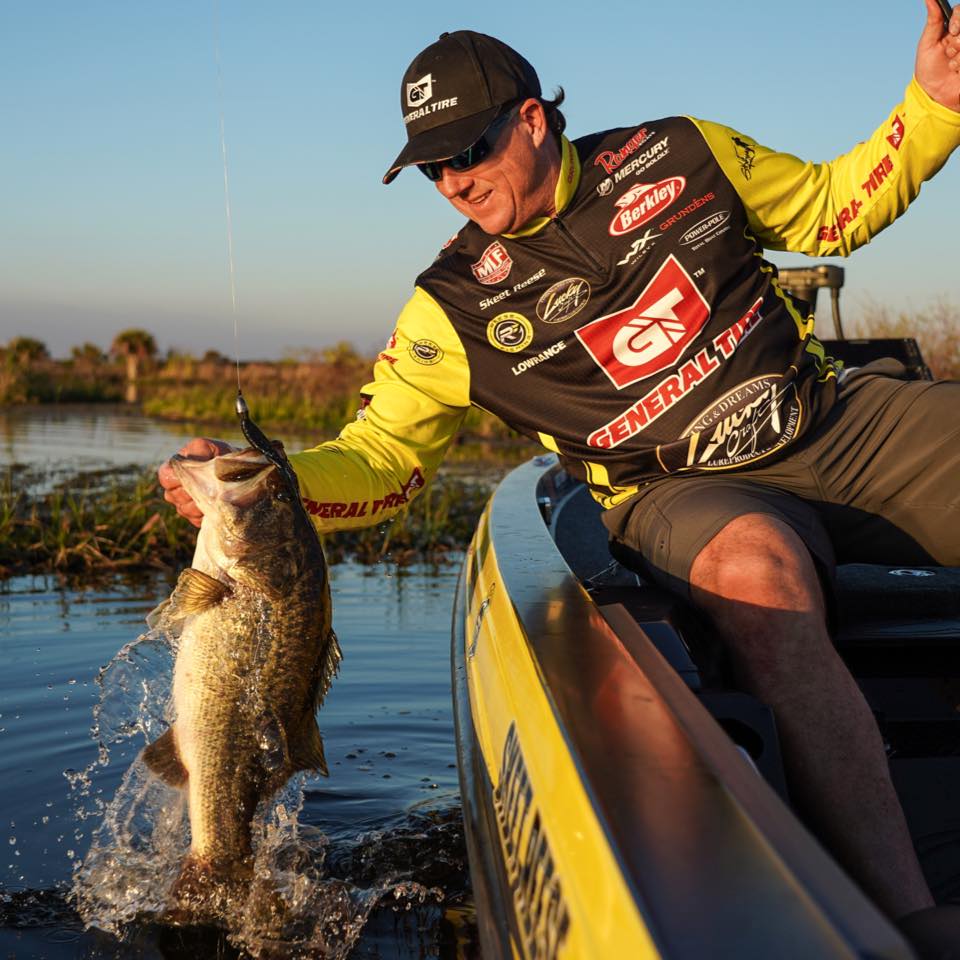
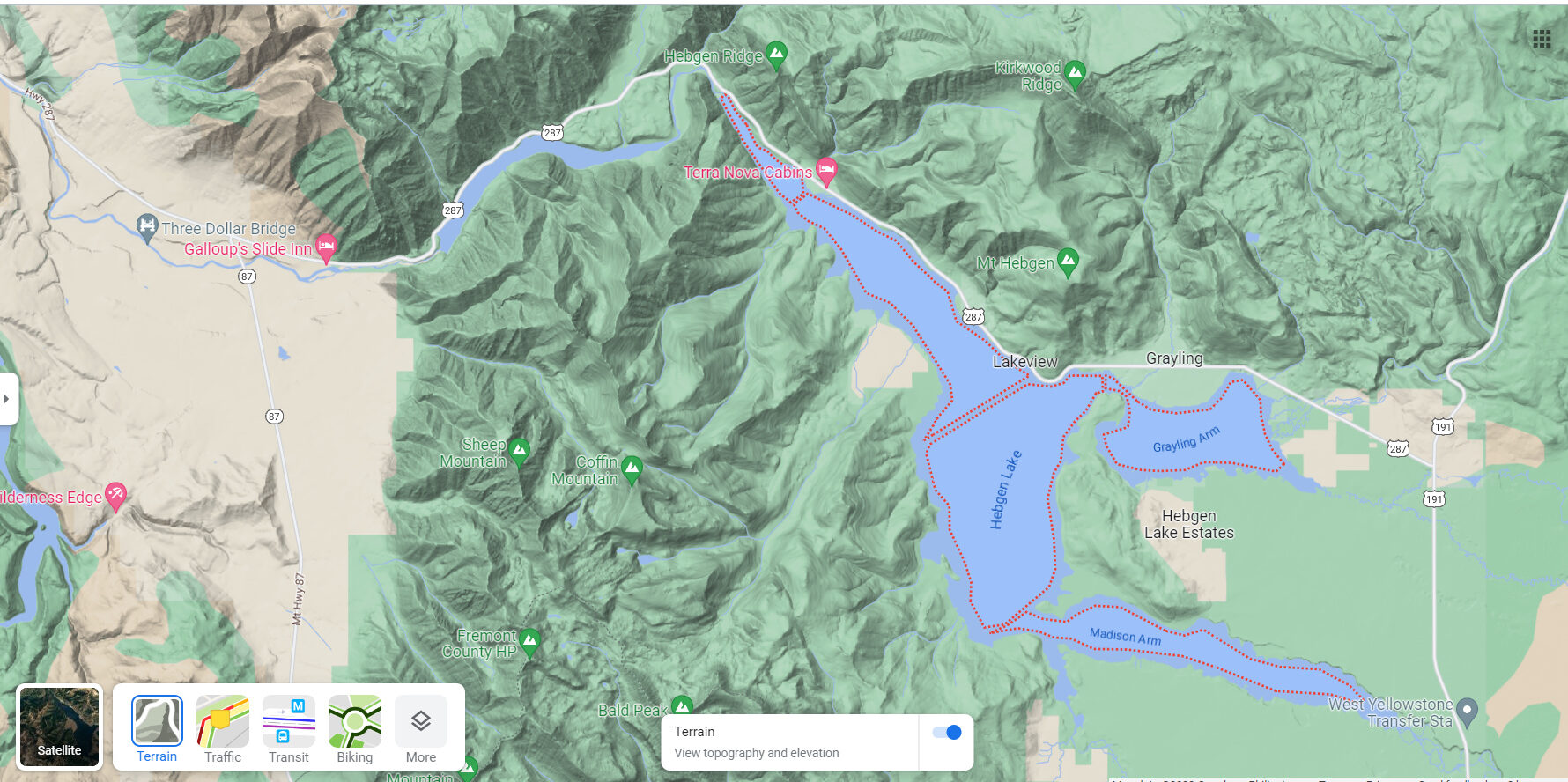
         

WFS 422 – Top Umpqua Flies with Brent Bauer – New Products, Patterns, Hippie Stomper

umpqua flies

Brent Bauer of Umpqua Feather Merchants is here to talk about the top Umpqua flies and products they have in their line.

We hear about how a fly makes it through the Umpqua cut list, the process, some funny stories, and some of their most popular flies. A man who has been at Umpqua since back in the day, here we go with Brent Bauer.


Umpqua Flies with Brent Bauer. Hit play below!

apple podcasts

Find the show:  iTunes | Stitcher | Overcast

Subscribe on Android

Subscribe on Apple Podcasts

Subscribe via RSS

(Read the Full Transcript at the bottom of this Blog Post)

Sponsors and Podcast Updates

umpqua flies

Umpqua Flies Show Notes with Brent Bauer

3:07 – I mention episode 303 with Russ Miller about how Umpqua Feather Merchants came to be.

3:37 – Brent talks about how he got into fly fishing. He grew up in Oregon on the Coast Fork Willamette River.

Photo via: https://www.instagram.com/coastfork/

5:23 – Their family moved to Southern California when he was in high school.

8:04 – He shared how he got connected with Umpqua. His first professional gig in fly fishing was in Westbank Anglers in Houston, Texas in ’97, then he got into Umpqua in the early 2000s as a dealer support manager.

12:29 – He takes us back to the downturn back then at the company.

16:25 – He shares his second favorite job at Umpqua and the challenges they deal with working in the company.

18:56 – They are the first company that introduced the taper leader. They are also the largest seller of fly fishing hooks in the US.

20:41 – He tells the categories of their products which are flies, hooks, leaders, tippet, streamside, fly tying, and bags. Currently, Brent is the Director of Product Management. He handles all new product designs and development in all categories.

25:05 – He walks us through the process of deciding on which fly designs go in their catalog. He and Jeff Fryhover, their President, have been members of their fly committee for over two decades now.

umpqua flies
Umpqua founder Dennis Black (left) with current President and CEO Jeff Fryhover (Photo via: https://www.umpqua.com/stories/50-years-a-river-runs-through-it-the-90s/)

29:20 – He talks about their collaboration process with their fly tyers.

31:32 – We talk a bit about travel. He already has been to Alphonse in Seychelles.

33:00 – He shares their top-selling categories. One of the products he mentions is the hippie stomper.

umpqua flies
Photo via: https://www.umpqua.com/hippie-stomper/

34:52 – I ask him if they keep track of their top products every year. They do extremely well in dry flies in general. They’re the hardest flies to tie.

35:34 – He mentions the stimulator by one of their signature tyers, Randall Kauffman.

umpqua flies
Photo via: https://www.umpqua.com/stimulator-kaufmanns/

36:16 – He mentions other trending categories at Umpqua.

38:03 – He shares how they name their flies.

38:55 – He gives us a rundown of their bestselling flies. Among them are the chubby chernobyl, elk caddies, and hippie stomper.

umpqua flies
Photo via: https://www.umpqua.com/chubby-chernobyl/

39:20 – We dig into the hippie stomper. He recommends a red size 14 hippie stomper. He says it’s a deadly fly.

umpqua flies
Photo via: https://www.umpqua.com/hippie-stomper/

40:25 – I ask him to compare the hippie stomper with the missing link which he says is a fantastic fly.

umpqua flies
Photo via: https://www.umpqua.com/missing-link-honey-ant/

41:28 – He talks about their collaboration with Andrew Grillos, the signature tyer of the hippie stomper and the mini hippie stomper which they launched a couple of years ago. We had Andrew in the podcast in episode 339.

45:04 – He gives us their top nymphs. One of them is the zebra midge tungsten which he says is a killer.

umpqua flies
Photo via: https://www.umpqua.com/zebra-midge-tungsten/

51:01 – He talks about what sets Umpqua apart from the other companies. He mentions their signature fly designer program and the late Dave Whitlock who was their first signature fly designer.

52:38 – He also says that the other aspect of their success is the relationships created in Thailand, Sri Lanka, and India by the late Dennis Black, Umpqua founder.

umpqua flies
Photo via: https://www.umpqua.com/stories/50-years-the-explosion-the-80s/

55:45 – I ask him why they placed their production in Sri Lanka. They have hundreds of tyers in each of their factories in the abovementioned countries.

57:44 – He shares the challenges they encountered having their production process in those countries.

umpqua flies
Factory tying (Photo via: https://www.umpqua.com/stories/50-years-the-explosion-the-80s/)

59:10 – We dig into the categories they look at to consider certain flies in their top list.

1:03:22 – We do the two-minute drill.

1:04:31 – He gives advice to those who are new to getting into the game.

1:06:40 – He shares what’s next for them in product development. He also mentions some products that they just launched.


You can find Umpqua on Instagram @UmpquaFeatherMerchants

and Facebook at Umpqua Feather Merchants.

Visit their website at Umpqua.com.

umpqua flies


Related Podcast Episodes

WFS 303 – Umpqua Feather Merchants with Russ Miller + Euro Nymphing Bonus

WFS 339 – The Hippie Stomper Fly with Andrew Grillos – Fly Tying, Stroke, Passion


Umpqua Flies Conclusion with Brent Bauer

It was a pleasure having Brent Bauer, Director of Product Management at Umpqua Feather Merchants, on the podcast to discuss their process of collaborating with signature fly tyers, and the creative process of naming the flies.

Brent shared his insights into the company’s top flies, as well as the importance of credibility and genuinity in the fly fishing industry. We’d like to thank Brent for his time and expertise, and for providing us with such a great discussion. We hope this podcast episode has provided you with a better understanding of the company, their process, and the uniqueness of their products.

What’s your favorite Umpqua fly pattern or tyer?


WFS 421 – The Anglers Academy with John Hudgens – Henry’s Fork, Bolivia, Dry fly Fishing

anglers academy

John Hudgens is here to talk about The Anglers Academy and his long history around fly fishing, education, and travel. We get a little bit of the history of the Henry’s Fork area, learn how to cast to a rising fish correctly, and find out what the parachute cast is all about. Plus, John’s 5 dry fly tips for success.

John also takes us to Bolivia and tells us why that place is his favorite fly-fishing destination. How can Anglers Academy help you develop your casting ability and make you a better angler? John breaks it all down today!


Anglers Academy with John Hudgens. Hit play below!

apple podcasts

Find the show:  iTunes | Stitcher | Overcast

Subscribe on Android

Subscribe on Apple Podcasts

Subscribe via RSS

(Read the Full Transcript at the bottom of this Blog Post)

Sponsors and Podcast Updates

anglers academy

Show Notes with John Hudgens

04:00 – John got a job in Bob Jacklin’s fly shop when he was 15 years old.

11:45 – John tells us about what they have going at the Anglers Academy.

14:00 – John and his wife used to work for Yellowdog Fly Fishing in Bozeman, Montana.

15:30 – I noted Jim Klug who was on the podcast in episode 87.

16:00 – “It’s hard to beat Bolivia. The fishing that exists there for Golden Dorado”

20:20 – Most people travel to Brazil for peacock bass.

22:40 – We noted the Untamed Angling and talk about the good stuff they do out there.

31:00 – Los Roques is one of John’s favorite fly fishing destinations but getting there can be quite risky especially when you arrive in Caracas.

42:00 – They teach fishing while the fishing is good. We talk about when and how they do their classes. Bob Jacklin and some other great anglers are instructors in the academy.

45:45 – John talks about Henry’s Fork fishing in May and June.

48:40 – We had Mike Lawson in episode 190 where he talked about the Green Drake hatch.

52:55 – John talks about how they teach casting mechanics.

54:00 – We had Bruce Chard on in episode 408, talking about keeping the cast low.

56:00 – He talks about how to do a parachute cast.

1:04:20 – Step 1: Get that drift correctly. Step 2: Look at your fly to know what’s happening.

1:06:30 – John tells us what’s coming up next for the Anglers Academy and how you can sign up for their classes.


You can find Anglers Academy on Instagram @theanglersacademy

Visit their website at TheAnglersAcademy.com

anglers academy


Related Podcast Episodes

WFS 227 – Montana Fly Fishing at West Yellowstone with Justin Spence from Big Sky Anglers

         
Support Our Podcast Sponsors         
Support Our Podcast Sponsors       
Support Our Podcast Sponsors         

Support Our Podcast Sponsors

         
Support Our Podcast Sponsors         

POPULAR ARTICLES