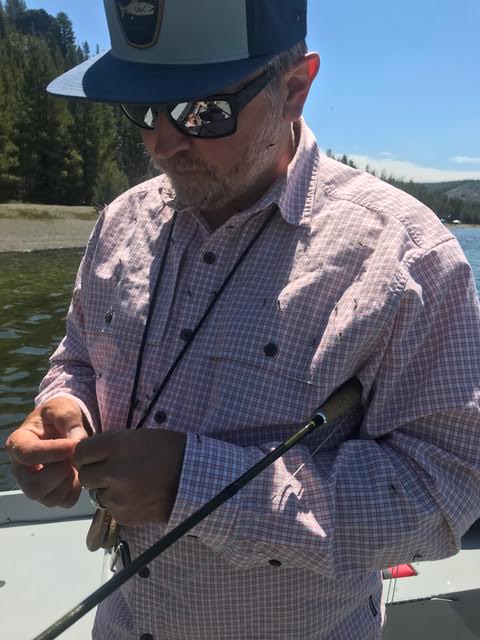
1:06 – Mike’s first memory of fishing is watching his dad fly fish in a lake in Central Utah.
5:08 – He tells us the interesting story of how he made a career out of fly fishing.
16:15 – He walks us through his guiding services for those who are interested to do stillwater fishing in Henry’s Lake.
17:18 – He tells us how fishing at Hebgen Lake is different from that at Henry’s Lake.
19:50 – He mentions other fishing opportunities in the area such as the Island Park Reservoir, Hebgen, Quake Lake, and Elk Lake.
20:30 – He talks about the regulation changes in Henry’s Lake.
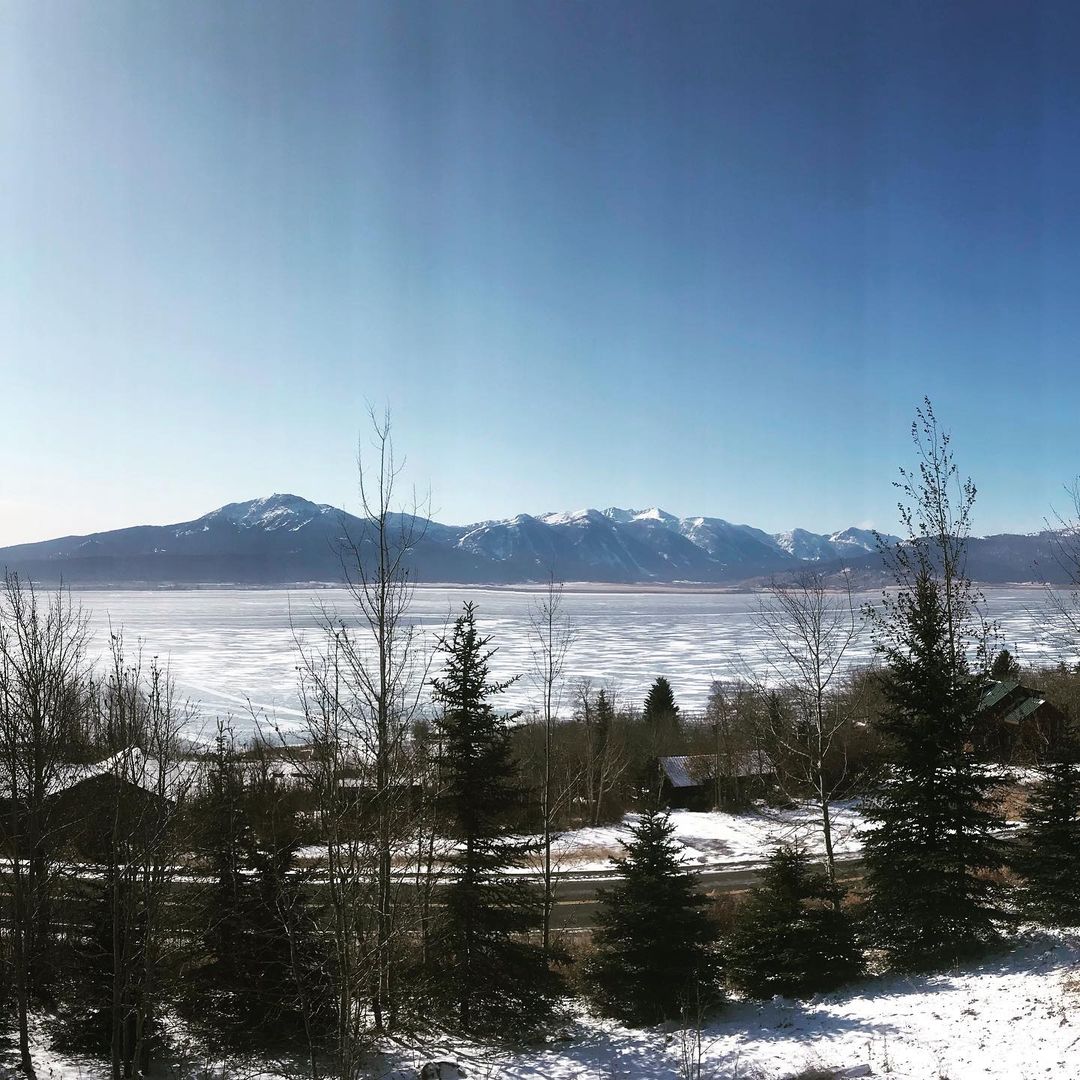
21:30 – He describes ice-off fishing in Idaho in April and May. He says that indicator fishing is great at that time of the year.
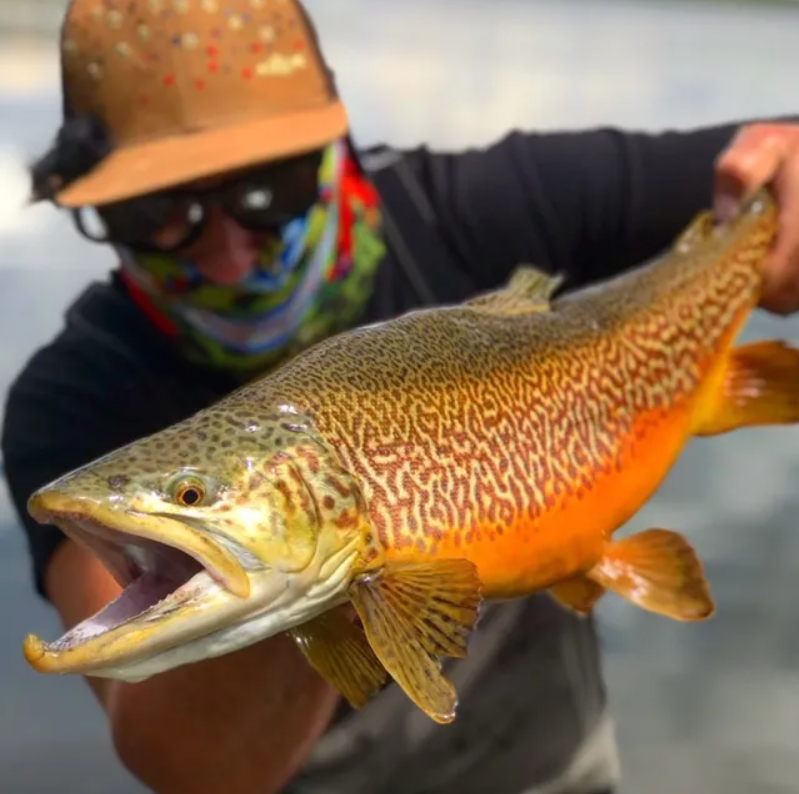
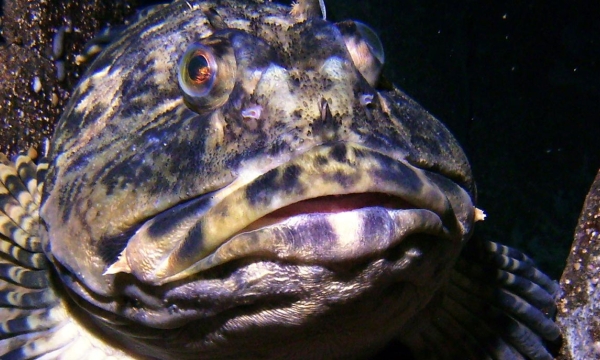
23:38 – Growing up, he used to ice fish in Scofield Reservoir in Central Utah. That’s where he saw the biggest tiger trout he had ever seen.
26:25 – Their fishing season in Island Park kicks off in the Memorial Weekend.
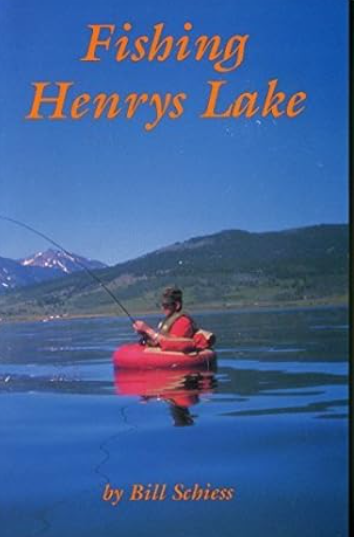
27:45 – He talks about Bill Schiess, an advocate of their fly shop and author of the book Fishing Henrys Lake.
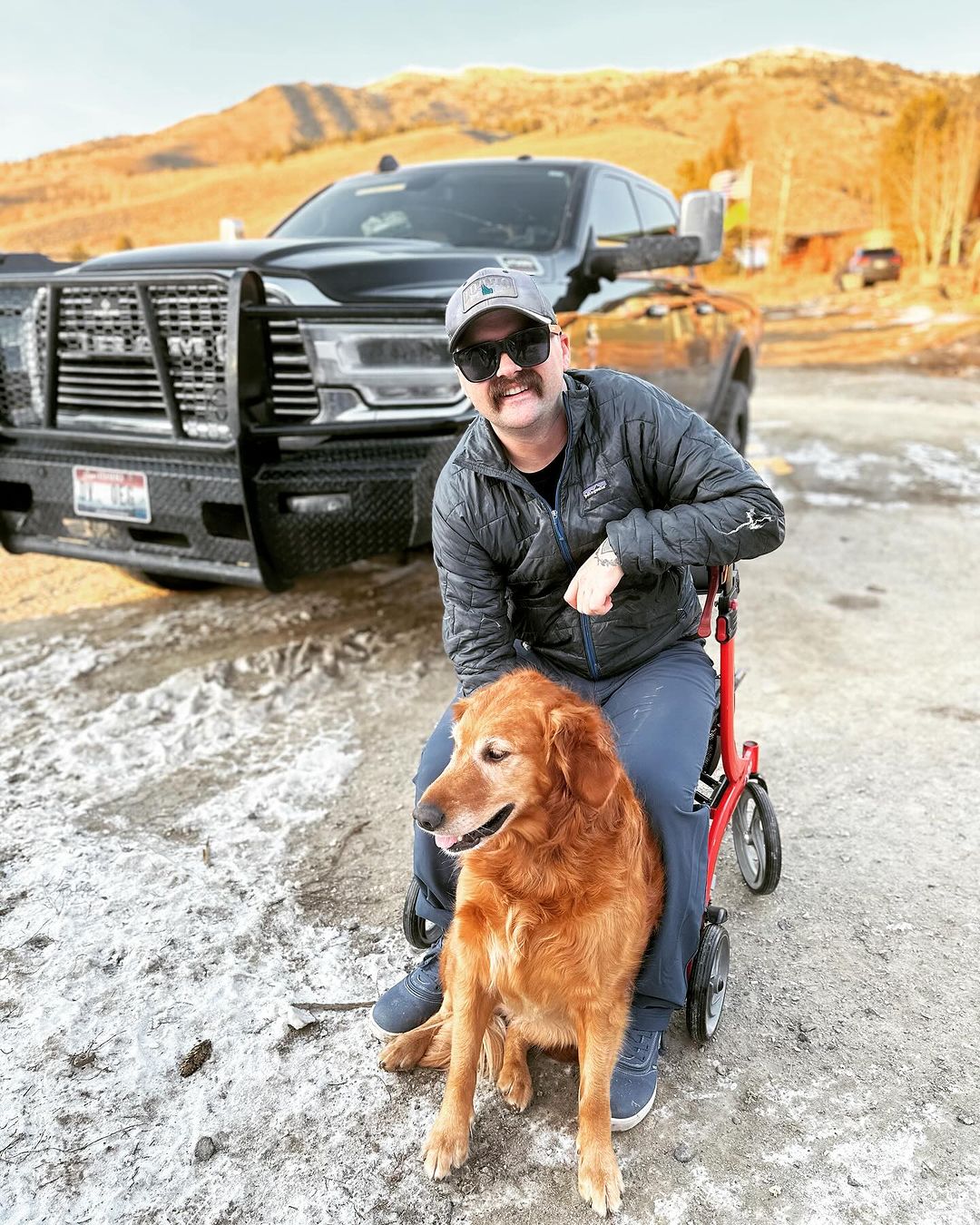
30:12 – He talks about his son Patrick who came back from the army with Amyotrophic lateral sclerosis (ALS) due to a traumatic brain injury. He’s now doing meaningful work for veterans.
33:15 – His son now found his passion for fly fishing. He is their best-reviewed fishing guide.
36:00 – He tells us his gear setup for stillwater fishing in Hebgen and Henrys Lake. He carries five reels with him when stillwater fishing.
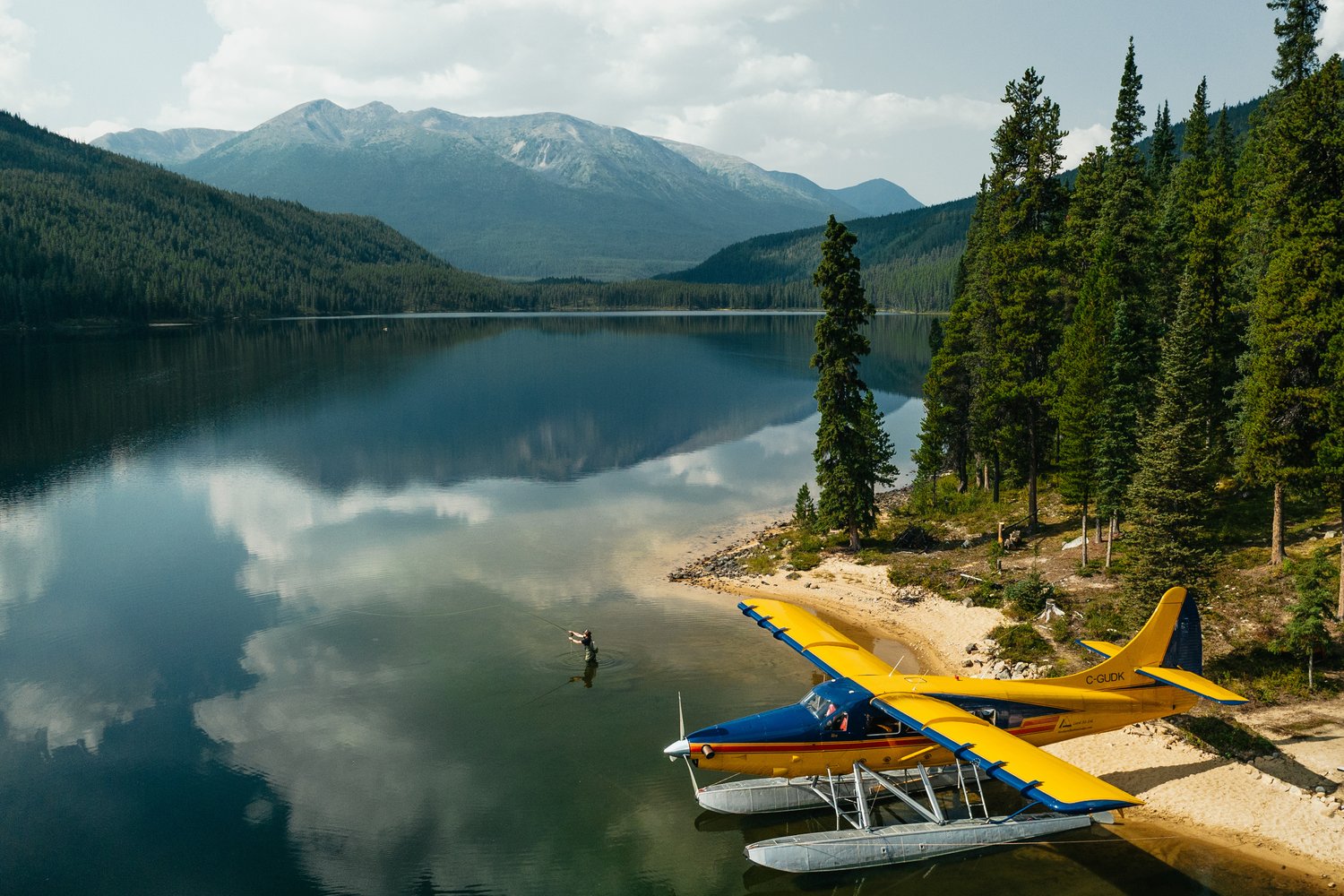
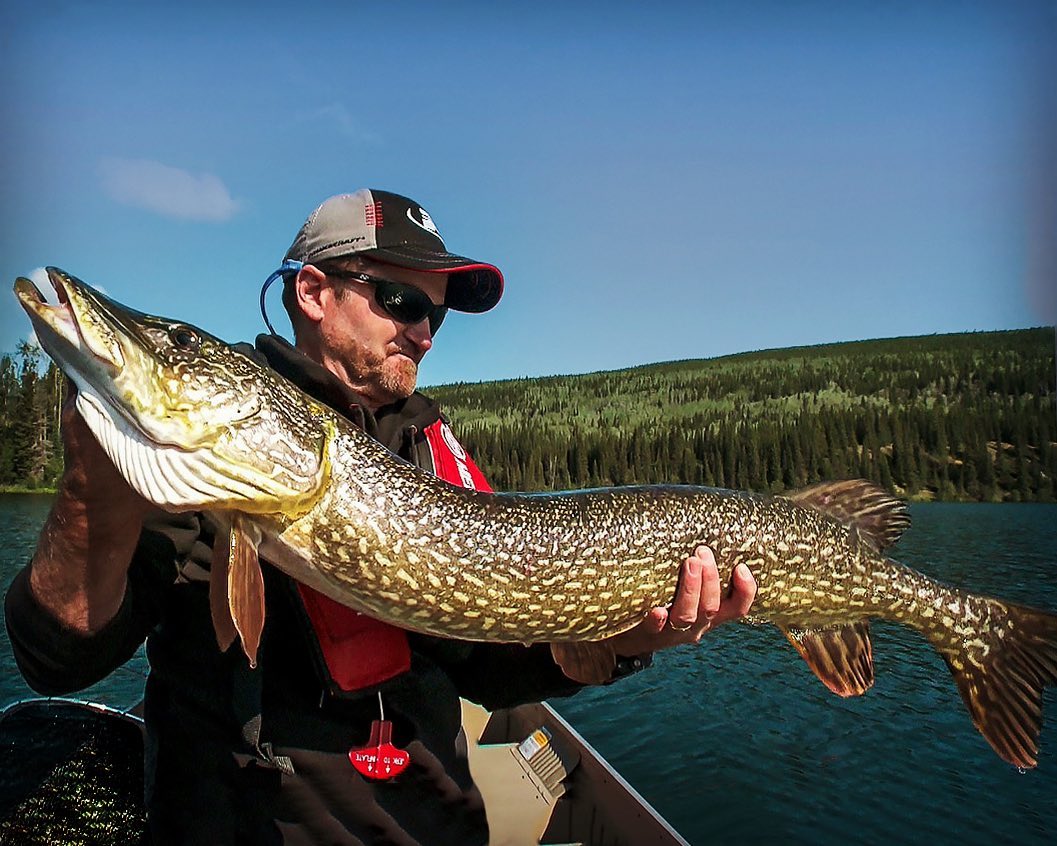
44:10 – He talks about his trip to Labrador where they fished for northern pike.
45:38 – He gives us some insider tips for those wanting to do a fishing trip in Island Park, Idaho.
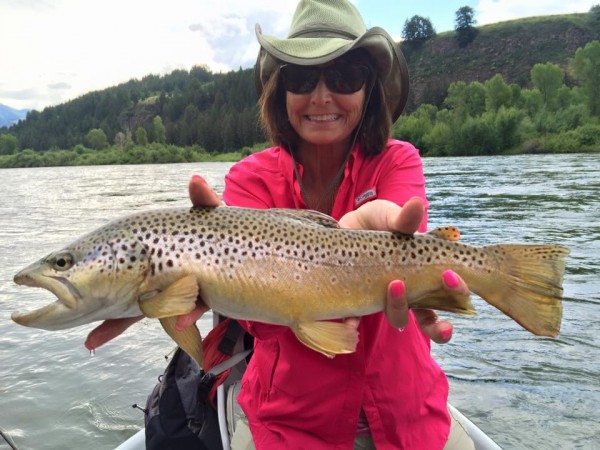
53:12 – He mentions the species you can fish in Hebgen and Henrys Lake.
57:50 – He mentions the other activities you can do in their area aside from fly fishing.
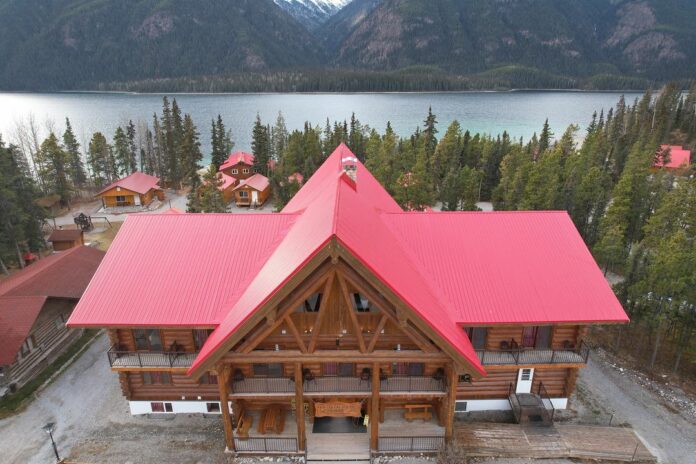
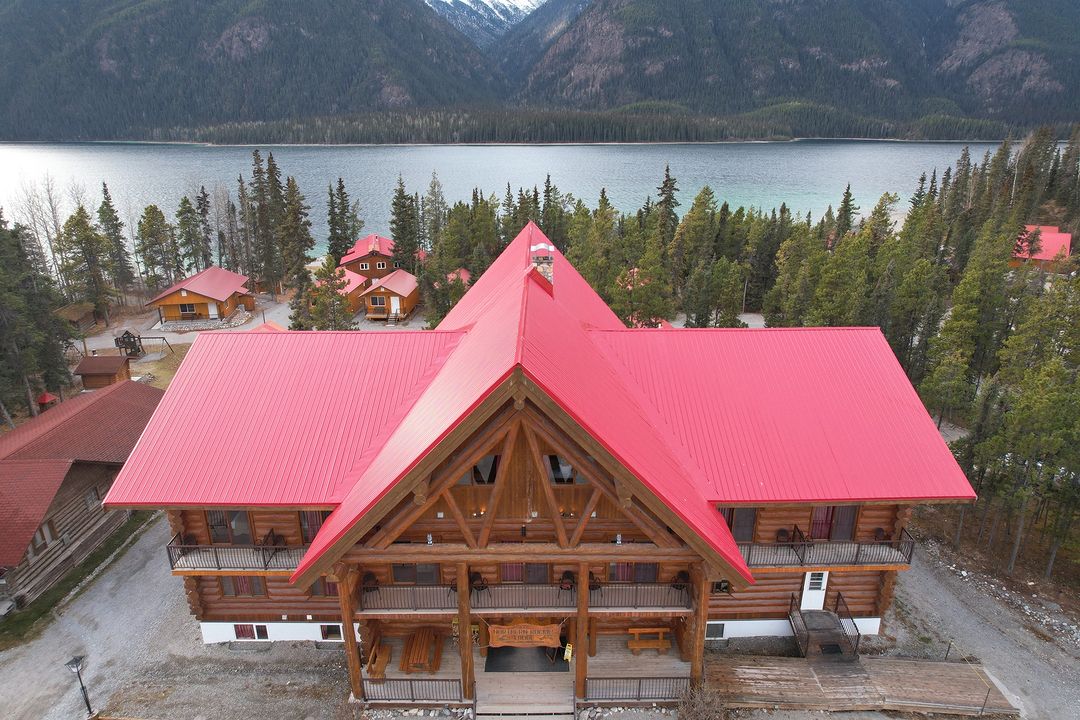
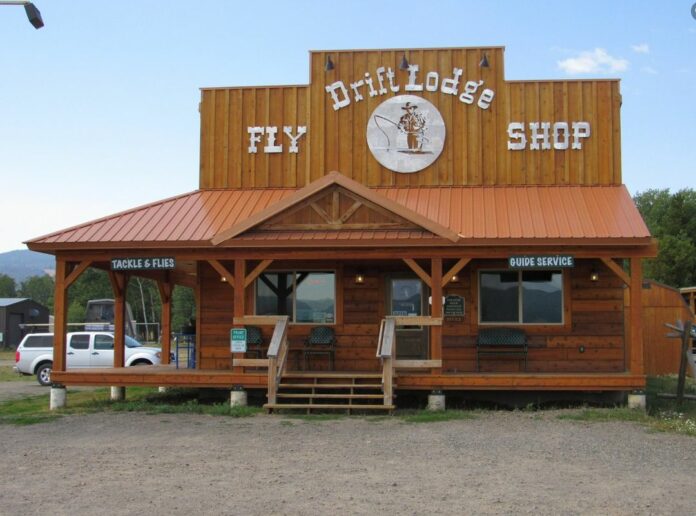
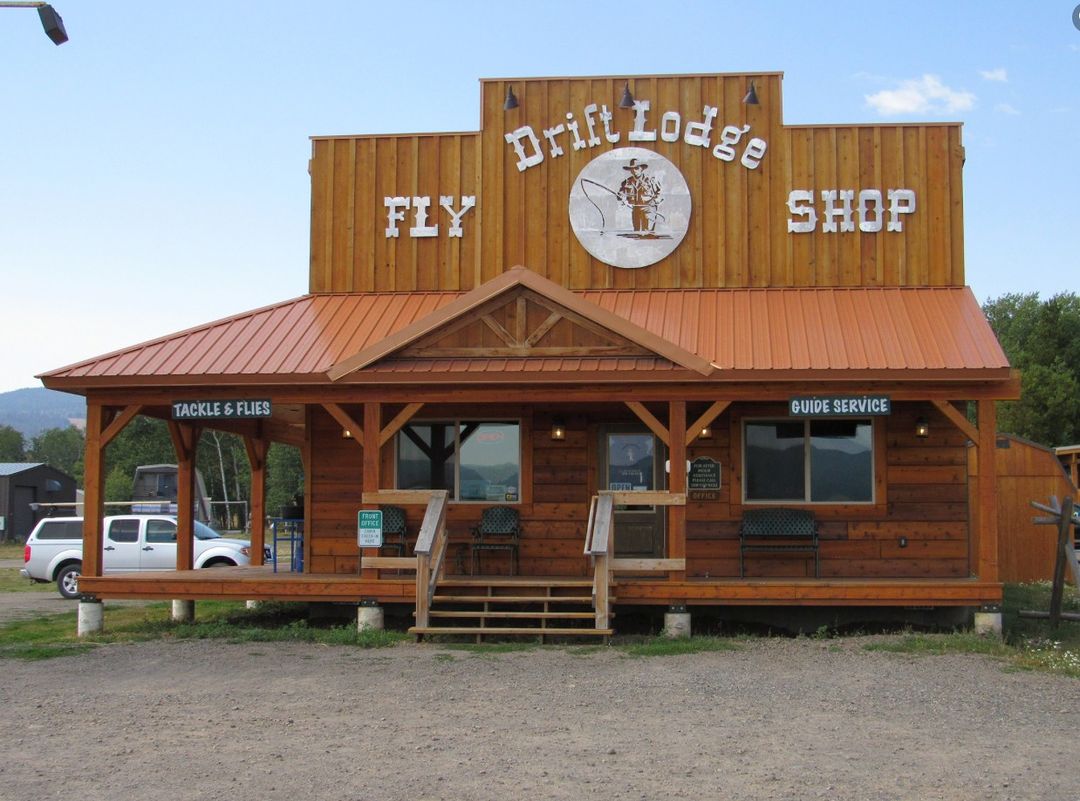
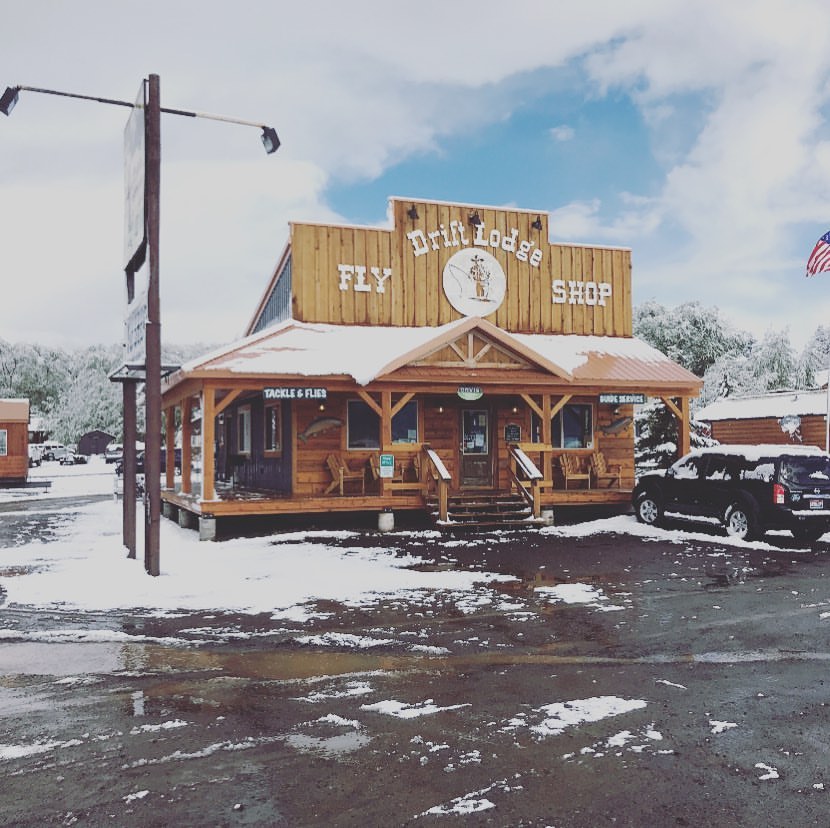
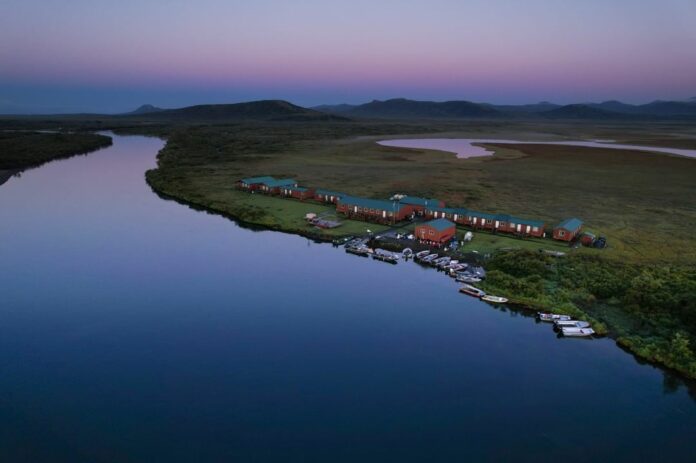
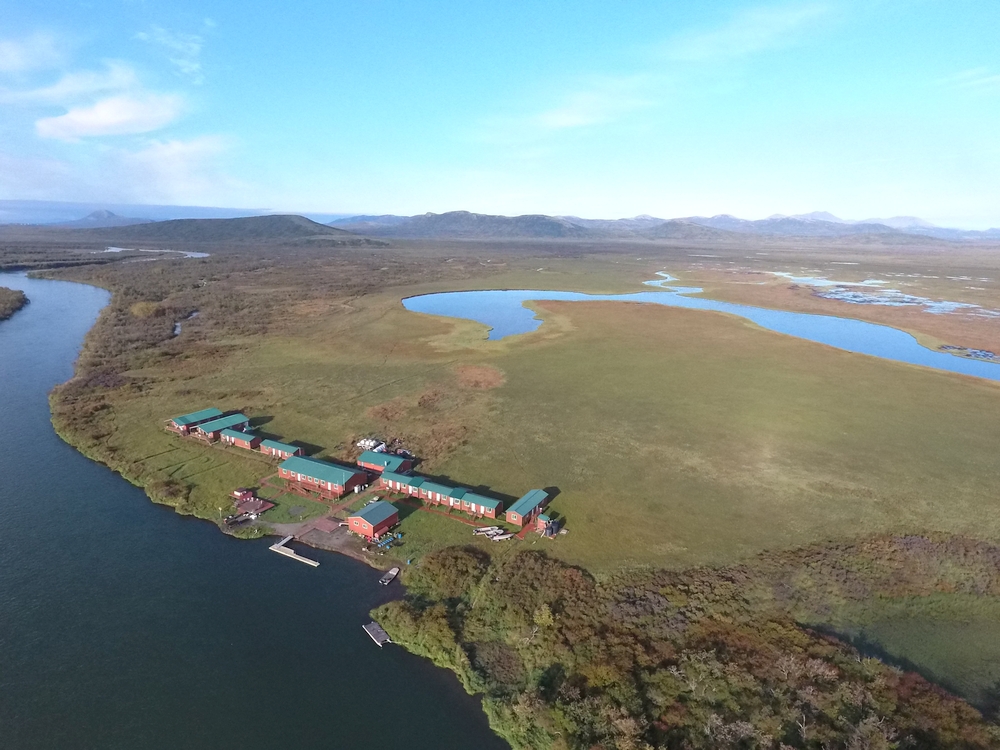
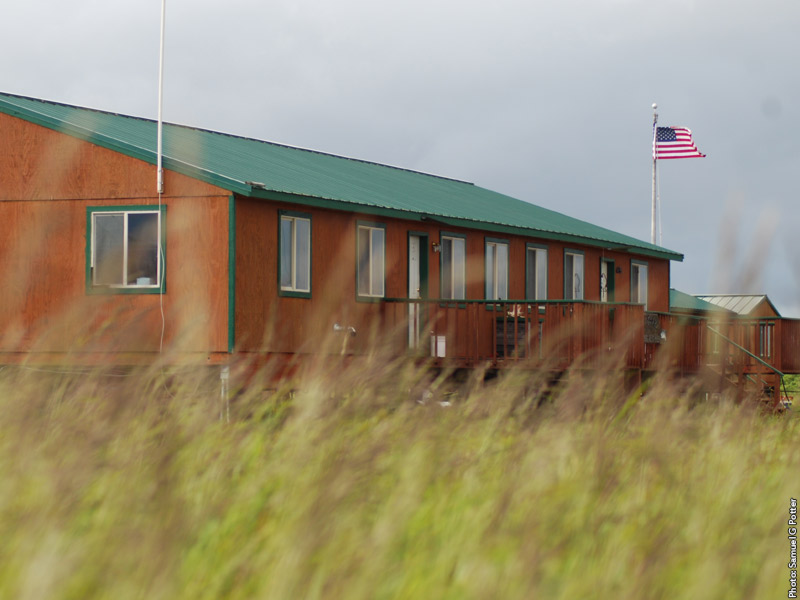
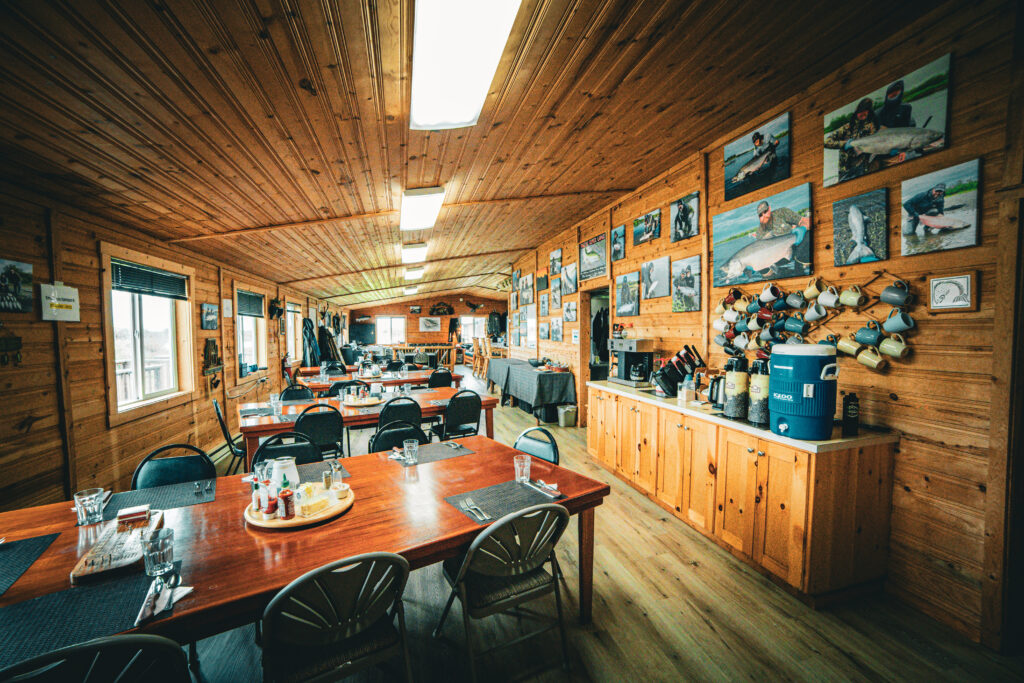
1:00:00 – He tells us more about their facilities in the Drift Lodge & Fly Shop.
Episode Transcript
Dave (2s):
Welcome to Traveled where we take a journey to a specific region. So, you discover what makes this part of the world so unique. Before, we get rolling with our guests. this week, I wanted to share the love with our Traveled sponsor. This podcast is powered by Swing Outdoors, the Wet Fly Swing podcast and Yellowstone Teton territory. Please head over to wetly Swing dot com slash teton to connect with the great brands that make up this amazing region of the country. Let’s do it. Let’s jump in and find out where that road less Traveled is gonna lead us today. How, you doing Mike? Good.
Mike (37s):
How are you doing today?
Dave (39s):
Good. Good. Thanks for putting some time aside today to talk. We’re back to the Stillwater, the Stillwater game. We’ve got, we’re just talking off air. Phil Rolly, you know him well. He’s been up there fishing with you, fishing some of your stillwaters. We’ve got him on doing a webinar series on the podcast as well now. But I wanna talk everything, steel water, kind of your shop, the Drift Lodge. But before we get there, take it back to fly fishing really quick. How’d you get into it? What’s your first memory?
Mike (1m 7s):
Oh, my first memory is standing next to my dad on some smaller lakes in central Utah and watching him fly fish and me with a spinning rod and bubble. And then once he felt that I was old enough and able to start waiting, I was out there with him. And. I mean this started probably at six years old.
Dave (1m 31s):
Right. So from the very beginning you, was this in, were you fishing streams and lakes? you know, was your dad into both of those things? We
Mike (1m 39s):
Were doing, both my dad would let me go out on the streams with him once he felt that I could follow and keep up with him. But you know, it, the standard fishing story is I always got to fish everything. Second, I had to follow him up. So always catching more fish.
Dave (1m 56s):
Right. When did that change with your dad? Did you, did you, when did you start fishing ahead of him?
Mike (2m 2s):
Probably when I was about nine or 10. And I remember a specific day we were on the Strawberry River below the lake and I happened to catch two just beautiful tanks behind him and he decided that maybe I had picked up and kind of started knowing what I was doing. He still caught more fish, but I got two huge,
Dave (2m 29s):
Yeah. That’s awesome. So you started picking up some fish. What was, so central Utah? What’s the nearest town there? And are there a lot of, a lot of lakes out there? Well,
Mike (2m 39s):
I grew up in a little farming community called Spring Land that’s located between price and helper out in the coal mine fields. It’s about six steam miles southeast of Provo.
Dave (2m 51s):
Mm.
Mike (2m 51s):
Okay. So Manti Mountains, large Stillwater bodies that we fished would be Scofield Strawberry Electric Lake, and then smaller ones such as Farron, Joe’s Valley, Miller’s Flat Duck, Fort It, you know, a lot like this area, you could wake up and go somewhere different every day of the week.
Dave (3m 11s):
Yeah, that’s what I was gonna say. So are the lakes, the Stillwater opportunities where you grew up similar to where you are now?
Mike (3m 18s):
I probably have a few more options up here, but you know, they’re close, they’re a little bit closer. Everything. There was probably an hour, hour and a half ride in all directions. Where here I get to do it in a half an hour. Wow.
Dave (3m 34s):
So you guys, so as a kid, so six years old, you’re out there fishing. What was your dad? What, what did he do for work?
Mike (3m 41s):
My dad was a school teacher, principal and educator. I also spent a lot of time with, he’s my great uncle. He’s my dad’s first uncle who was the sheriff down there who was very, very avid fly fisherman. And he was always looking for partners and I was the right age that he could come and kidnap me and take me with him.
Dave (4m 7s):
Oh, nice.
Mike (4m 7s):
So he, he’s my, I mean, my dad is the first, but my uncle Abby was my hero.
Dave (4m 14s):
Oh wow. Yeah. So your uncle was just as much into fishing, fly fishing, Stillwater, everything. Oh,
Mike (4m 20s):
Yeah. And I would feel for him to be able to come up here and walk in my fly shop right now.
Dave (4m 27s):
Yeah. He would be, would he be pretty proud walking in there? Yes.
Mike (4m 30s):
Yeah.
Dave (4m 31s):
That’s amazing.
Mike (4m 32s):
He was the joker, the antagonist. He, you know, once he retired, he just lived for fishing.
Dave (4m 41s):
Right. Yeah. It’s, it reminds me of a little bit of my growing up. My dad had a, a small fly shop and I remember there was a, a few sheriffs that would come in, you know, and hang out in the fly shop even during, I think it was on their breaks, you know what I mean? They were big fly fishers and, and yeah, I always thought that was cool. you know, it’s like everybody, there’s all these people that are love fly fishing and they have all these different jobs, you know, sheriff, teacher, like, you name it and we’re all in it for the same thing. Right. Did you, you know, how did you go from, you know, that young kid, when did you start to know, you know, this was gonna be something you wanted to make a, a career out of?
Mike (5m 17s):
Oh, that probably didn’t happen until upper twenties 30. I had, you know, we had created a group of college friends that would make an annual trip up this way, sort of. We’d go over and fish on the beaver head and the big hole Jefferson. And one day I, we were saying a little campground and one of the lodge owners came down and asked us, go help move a piano. We moved the piano, they all left and I stayed and just about bought the place.
Dave (5m 52s):
No kidding. Where was this at?
Mike (5m 54s):
Just outside of Dillon.
Dave (5m 55s):
Oh, Dillon. So you sat down there and you just were like, had this whole place and you’re just thinking like, wow, I could actually handle this.
Mike (6m 2s):
Yeah. and we had made friends. I mean, I’d made friends out on the river with, you know, guides in the evening just talking and fishing through and you know, it’s when I decided that, hey, this is something else that I can do. I’ve got an accounting degree. Hmm. I’m not a desk person and I can’t sit at a desk and kind the light bulb came on.
Dave (6m 30s):
Wow. And that was your first little taste of realizing this might be possible. So the drift lodge, was that like the next step? How did you come into that? I’m not sure if that you came into that or if that was already there.
Mike (6m 42s):
The core of the business, the main lodge and six of the cabins were here. It was known at that time as the Lazy Trout. The main lodge was a restaurant. I’d been looking, nothing looked good. I was very, very fortunate to meet a great lady that I’m now married to. We came up here and our first away date was to come up here and look at this place.
Dave (7m 10s):
Nice.
Mike (7m 11s):
And couldn’t Swing it at that time with the owners and the way they had it listed. But I just put it in my favorites list. And every once in a while I go look at the website and one day it disappeared and I got, I was involved in real estate at that time and I got on and found it as a bank owned property. And my support from my wife is amazing. And she just says, we’ll make it work. She says, it’s not exactly what you want, but we’ll turn it into something. and we started running the cabins and I decided, okay, I’m gonna open up my own fly shop.
Mike (7m 54s):
Just as a hot little hobby shop. I opened, it’s actually in our house, probably no more than 150 square feet of area. It wasn’t very big. and we just grew and exploded.
Dave (8m 9s):
Wow. And what year was this?
Mike (8m 11s):
So when we first moved up here, it was 2011. I opened up the fly shop in 13.
Dave (8m 18s):
Yeah, 13. So over 10 years now. Yeah.
Mike (8m 21s):
And then we built our new shop in building, this is our sixth year.
Dave (8m 27s):
Sixth year in the new place. Yeah, man. So it sounds like it’s going on year over 10 years, somewhere in there. What’s the, now looking back at 10 years, how does it all look from where you are now? Does it, was it the right decision? Oh
Mike (8m 38s):
Yeah. Neither one of us would trade it. you know, we haven’t had a lot of time to talk. But honestly, this, I went through a health scare five years ago. Major one. Yep. And this fly shop saved my life. It allowed me to come down here and get outta my own mind, get the health issues and set ’em aside temporarily and do something that I enjoyed.
Dave (9m 3s):
Right. It kind of goes back to that thing. I can’t remember who I was listening to last that talked about this, but you know, life is too short to do something, you know, do a, well, I know who it was, it was Yvonne Chenard, who I had on the podcast recently, you know, the founder of Patagonia. And he said that, he said, you know, it’s, it’s too short to be doing something that you don’t love. Yeah. So go find something that you love. And That’s right.
Mike (9m 25s):
You know, my wife actually came down here, put clothes signs up on the door. It was, well, I’m just barely over five years from that diagnosis. And yes, it was winter and we had recently purchased a house up on Henry’s Lake and I said, no, I’m gonna go down and open up, I’ll go out on social media, let people know I’m around. I said, it’s gonna give me something to do. Whether it’s reorganizing, cleaning, you know where we’re going.
Dave (9m 59s):
That’s great. And now you’re kind of there, I mean, you are known as, you know, you’re a Stillwater. Would you say you’re like a Stillwater focused fly shop? Is that, or do you kind of cover all sorts of things?
Mike (10m 8s):
We cover all sorts of things. you know, as far as Idaho fishing and stuff, yes. We have our rivers and streams. We have the outlet straight across the highway. Henry’s Lake outlet, straight across the highway from us. Henry’s Fork down the road, Madison just up the road, Yellowstone Park, and all the rivers in Yellowstone Park. Now that is the one place that I do guide on the rivers and streams.
Dave (10m 34s):
Oh, okay. So you guide in the park?
Mike (10m 36s):
Yes.
Dave (10m 37s):
Wow, that’s awesome. Gosh. So you got, you got all, did you have to get access to that? Or did that come when you purchased, I guess it wasn’t a shop when you got there. Yeah,
Mike (10m 45s):
Yeah. I had to get access to that. Yellowstone Park has a lot of different, different rules and guidelines that made it a lot easier to be able to get into the outfitting business. you know, Idaho is tough.
Dave (10m 58s):
Yeah, it is.
Mike (10m 59s):
Permits are few and far between. You have the old guard and they don’t wanna let anybody in. So I’ve just kinda worked my in and found my own niche now, you know, I, I wanna say I do a lot of close work with three of Rivers Ranch and Lonnie Allen. She’s became a amazing friend and advocate and it’s made living up here and working up here in this industry a joy.
Dave (11m 35s):
Wow. That sounds like a great, a great person. you know, a group to know. And I don’t, I know we’ve talked about Three Rivers Ranch maybe. Maybe give us a little snippet on that. What the Three Rivers Ranch, is this some of the private waters or who are they and what do they do there?
Mike (11m 47s):
Well, she’s got a lodge down in Warm River, Idaho, right at the Confluent. So the Robinson Creek Warm River. And the Henry’s fort, the ranch has been there. Her grandfather started it since early sixties, I’m gonna say.
Dave (12m 3s):
Oh wow.
Mike (12m 5s):
Lonnie was the first orifice authorized outfitter.
Dave (12m 8s):
Amazing. So
Mike (12m 9s):
They’ve got a deep, deep outfitting fishing history in this area. And we’ve just, you meet certain people, you know, and found that she’s one of those people that understand that you’re better as a whole than biting the sis, you know?
Dave (12m 29s):
Yeah, that’s right. I was just thinking that as you were talking about, you know, the, the old guard and stuff, And I mean I understand it, right? I mean these, there’s businesses, people are holding onto these things, but I was just thinking like, hey, you know, it is kind of the rising tide kind of raises all, you know, boats sort of thing that that idea being that you know, you help this person and then you know they’re gonna help you. Sounds like that’s kind of what you guys have going with Three Rivers.
Mike (12m 53s):
Oh yeah. And a lot of the shops and outfitters on the Montana side are the same way. It’s very common to see them come walking in my shop and say hi. And I feel very comfortable going down to theirs and sharing information. And so yeah, it is, you know, exactly. How did you phrase it? Rising Tide.
Dave (13m 15s):
Yeah, the rising tide. I can’t remember the quote. I say this enough that I should probably have the exact quote, but it’s, yeah, the rising tide lifts all ships, I think. Yeah.
Mike (13m 23s):
You know, and when I first got in, I went over and talked to Kelly Gallup and he helped me with vendors and suppliers and so it’s such a great community up here.
Dave (13m 36s):
Yeah, it sounds like. and we were up there and we’re gonna be going back up there. That’s the cool thing about this conversation here is that, you know, we talked, Phil Roy is a good friend of yours and, and ours and you know, we’re gonna be going back there. I know he spent a ton of time out there. We’re putting together a, you know, one of our schools clinics we’re not quite sure what it’s going to, you know, look like. Exactly. But it’s gonna be us fishing out there and probably with you and Phil and some people. So, yeah. And it’s just a cool area. And I mean, I think. What is it about that area? Do you think, I’ve asked this before, but what is it that, you know, what sticks out? Why is it so unique? I mean obviously it’s got all these great waters, but other than that, what is it?
Mike (14m 12s):
I’m gonna say the proximity to Yellowstone, the era, all the national parks Teton, it’s just, to me it’s a spiritual atmosphere that’s more than just fishing and knowing the history. I’m a, I would like to say that if there was reincarnation, and I’ve had these moments that I swear I was a mountain man in the past, you know, I’ll get the area I’ve been here.
Dave (14m 41s):
Oh
Mike (14m 42s):
Right. Yeah. And this area has such a rich history of stuff like that, that it just sends my mind into places that I like to go.
Dave (14m 52s):
Yeah, that’s, I mean I think that’s probably, you know, for those that been to Yellowstone or that area, it’s just this really, I don’t know what Yeah, it’s all the volcanic in the history, right? You have all that geology going on, but then you have all the, the history of the people you know, that have lived there over time. Yeah. you know, and I’m sure you’re getting some of that right?
Mike (15m 11s):
Oh yeah. And you know, I’ve worked heavily in the tourism boards in the area. I’ve got made connections with a lot of the local indigenous tribe, different tribes. And the people will come around and they’ve educated me on their ancestry in the area. And you know, I can go sit up on the fire hole. I’ve got a couple spots that I’ll just sit down and watch the fish roll out in the river and be happy. I don’t even have to fish. I use fishing as an excuse to get there.
Dave (15m 47s):
Exactly. Yeah. I think that’s what we’re all kind of, well I think you, you kind of have that whole thing, right? You start fishing and you want to catch more fish and bigger fish, but eventually, yeah, it’s not even about the fish. Well, it’s everything else. The travel and the, the places. The self
Mike (16m 1s):
Fulfillment.
Dave (16m 2s):
Yeah. Nice. Well you mentioned Henry’s Lake and there’s all these lakes that are in that area. I wanna just touch on that a little bit. ’cause we’re gonna be fishing some of those areas and I, my thoughts are, I think we might fish some private waters. I think we might fish Henry’s. I mean, what maybe talk about, and you got Hebgen Lake there, you know, if somebody’s coming in, let’s just take it to your shop. They come in, you know, during the peak time, I guess it’s when it’s not super snowy out there, you know, what do you tell somebody? They say, Hey, I wanna fish still water. What’s the, how do you start ’em off?
Mike (16m 32s):
My basic question is, what’s their preferred style of fishing? Still water. you know, are they an indicator guy? Are they a stripping and retrieve or you know, are they a surface? Do they want go catch the golfers? And then I try to point ’em to where I know their best opportunity’s gonna be.
Dave (16m 54s):
Okay, what? What if they’re kind of kinda new to Stillwater. They’ve done a lot of stream fishing, but they don’t know the area at all. Haven’t done a lot of still water.
Mike (17m 1s):
Again, it depends on the year and the time. you know, Henry’s Lake is a traditional trophy Trout lake. It can humiliate the best of us.
Dave (17m 12s):
Yep. You’ve been skunked at Henry’s.
Mike (17m 13s):
Oh yeah. I don’t know anybody that’s fished up here that hasn’t at different times.
Dave (17m 18s):
Yeah. Is Henry’s a lot different than Hebgen as far as the how difficult it can be? Yes.
Mike (17m 24s):
Yeah. I think Hebgen Iss a lot more forgiving. It’s a little more expansive like with a little more, you know, with the canyons and the different inlets and everything’s. So, you know, it’s just getting to understand where the fish are at in there. But there are more fish, I think it’s just, you’re not gonna catch big fish like Henry’s.
Dave (17m 49s):
Okay. But
Mike (17m 51s):
I also have been told by Montana fishing game that, you know, they’ve shocked that lake and came up with multiple brown trout that would’ve set the Montana State record.
Dave (18m 3s):
And this is in Hebgen? Yeah.
Mike (18m 5s):
Oh
Dave (18m 5s):
Right. And Hebgen is a little bit bigger. Right. It’s kind of a different looking lake.
Mike (18m 10s):
Yeah, it’s, it’s a manmade reservoir in Lake. It’s got some deep, you know, it’s way deeper. you know, Henry’s lake’s a shallow lake, 20 foot max, 22 foot max, little warmer water, lot more aquatic bug life and options. I think, you know, the Henry’s Lake fish typically only have a lifespan of four to five years and fish and game. And anybody I talk to that seems to know anything, it’s basically the Henry’s Lake fish eat themselves to death.
Dave (18m 46s):
Oh, right.
Mike (18m 48s):
A Yellowstone cut throat and Yellowstone Lake, which we didn’t even talk about earlier, has a general lifespan of around 14 years.
Dave (18m 59s):
Oh wow. Holy cow. And Yellowstone’s just to the a ways to the east right from there.
Mike (19m 6s):
Yeah. We can be out on Yellowstone Lake in about an hour and a half. That’s even South Park.
Dave (19m 11s):
Gotcha. Yeah. So you got, because you’re right there on the Yeah. I mean you got the three Montana, Idaho, Wyoming. Right. You’re kind of right in the middle. Yeah. Right in the middle of that. What, what’s the town you’re in? We’re
Mike (19m 20s):
In Island Park. We’re on the north end of Island Park proper. you know the longest Main street in America.
Dave (19m 28s):
That’s right. This is Island Park. We’ve talked about this ’cause we have done a few episodes. This is the one where it’s the, the city is literally like
Mike (19m 34s):
500 feet on each side of the highway.
Dave (19m 36s):
And and what, how long is it? Ten five miles or something like that. 38
Mike (19m 40s):
Miles.
Dave (19m 41s):
Yeah. You got this interesting. Love the story. So we’ll put links to those episodes we’ve had on that where the, I, we’ve talked about the story there, but, so yeah, you’re, you’re easily accessible to these Lakes Hab, you know, what are the other ones that would be out there that are big ones that people would maybe know, know of?
Mike (19m 54s):
Well, island Parker Reservoir on the Idaho side. And then, you know, we mentioned Haken, but you’ve got Quake Lake, which offers opportunities way different than any of the other lakes that we have. And then you’ve got lots of smaller lakes like Wade Cliff hidden, oh, I didn’t mention Elk Lake earlier. All of ’em right there within not much more than a half an hour to get there along numerous Alpine Lakes. you know, they’re so small, we try to not hotspot ’em.
Dave (20m 28s):
Yeah, sure. When you’re, you know, looking at Henry’s Lake, when you’re thinking about fishing, that what’s, you know, how are you getting ready for that? What’s the, the timing on that? Are you getting out there early? Is it always busy out there?
Mike (20m 42s):
Yes. Now we’ve gone through some regulation changes in the last few years. Henry’s Lake used to close on January one and then reopen on the Saturday before Memorial Day. so we, I get to sit at my house and look at the lake and wish I was fishing now two years ago. We’ve opened it up two year round fishing. But on February 15th through that Saturday of Memorial again, it’s just catch and release. Oh, nice. But it’s started to present a tremendous ice off opportunity for the fly fishermen.
Dave (21m 18s):
Right. So this is the first time it’s been, when is ice off? Typically
Mike (21m 22s):
Into April, 1st of May. We had our latest ice off and the, well since I’ve been up here this past year, they didn’t come off till the middle of May.
Dave (21m 31s):
Yeah. What does that look like? Describe ice off if you’re out there. What, how would you set up for that? Or what, what is that exactly?
Mike (21m 37s):
As far as fishing?
Dave (21m 38s):
Yeah. Yeah. Well
Mike (21m 40s):
It’s either or. I’m a s strip and retrieve guy, but, you know, eds small leaches egg patterns not, you know, it’s when the rainbows and cutthroats wanna asman and they go back to their traditional areas in the mouths of the inlet soar and the case of Henry’s Lake where they were planted, but indicator fishing sprayed at that time of year also.
Dave (22m 5s):
Okay. Gotcha. So basically what’s going on is you got this lake, which completely freezes up. You can, could you like drive a car across it sort of thing
Mike (22m 12s):
In the winter? Yeah. We will see snowmobiles and you’ll see guys taking razors out pulling, I’ve seen a few ice fishermen that have their camp trailers set up with the holes in the bottoms of ’em. Oh yeah. And on skis and dragging them out and staying a couple of days out on the ice. But, you know, it’s a whole different world in the winter. We’ve actually started with the extension of the season, started toying with tying jigs. you know, you can still ice fish and fly fish and artificial and just winters can get long. so we gotta find things to do.
Dave (22m 51s):
Yeah, exactly. And so when it comes and then the ice eventually comes off, like you’re saying, is that a opportunity when you could be out there? What is that like? What’s that transition looking like? It’s all
Mike (23m 0s):
Shore fish. It’s all shore fishing. Access is kind like I said, it’s, it’s concentrated. So you can go out there and be shoulder to shoulder some days at, at the, around the, the boat ramps and the docks. But you can catch some great fish.
Dave (23m 16s):
Yeah. ’cause people are literally out there able to keep, well I guess it’s catch and release until after Memorial Day. Yeah. Yeah. So people are going out there, but that’s what had the ice is coming off. So people and the fish are coming in to areas where they could start spawning essentially. ’cause this is their spawning time. Right. Yeah.
Mike (23m 31s):
And plus with the ice, you know, you get a lot of food that freezes into the ice. And I learned growing up in my early stages, we used to go fish Scofield Reservoir in Central Utah. you know, we’d just go throw our leeches and bugs out on the edge of the ice and then pull it off and just let it sink. And you just watch for the little subtle movement of your line. And it was a lot of fun. And, and the same theories and practices can be used here.
Dave (24m 5s):
Yeah. And Schofield is, I’m just looking at it here. So it’s like I said, isn’t there a, is there a Schofield also in southern Idaho?
Mike (24m 13s):
No,
Dave (24m 13s):
Maybe that’s the one I, I guess this is the one I was thinking about the Schofield there. And that’s a pretty decent sized reservoir. Yes.
Mike (24m 18s):
Well, and that hold some really good fish. And it’s one of the, I saw the biggest tiger trout that I’ve ever seen come outta there.
Dave (24m 27s):
Oh wow. Tiger trout. And how big,
Mike (24m 30s):
I’m gonna say this one was probably around 12 pounds.
Dave (24m 33s):
And the tiger, I always forget these, what’s the mix?
Mike (24m 36s):
That’s your brown and brook? I don’t like Utah was the first division, you know, part of division, their wildlife department that came up with the tiger trout. And they actually planted ’em in some of the small reservoirs that I talked about earlier. And fall fishing. We’d just go elk hunting and bring our fly rods and then walk around the edges of the reservoir and target those tigers. And you know, they’re such an aggressive fish. It’s a blast.
Dave (25m 9s):
Oh wow. Yeah, you were right. It’s, it’s a mix between a female brown trout and a male brook trout, so Wow. Yeah, tiger trout. So they look what and what do they look like? They look kind of like, they have both, that’s just like a mix.
Mike (25m 21s):
Yeah. They don’t have the spots, but they’ve got the wavy little marks on their body. So, which is where they come up with the tiger name on ’em.
Dave (25m 32s):
Yeah, that’s right. Yeah. They don’t have the, quite the, necessarily the brook trout that really bright. Well, no, they can, they can’t, that’s the thing. I guess depending on, on the fish, they can’t have those colorations. They’re really bright.
Mike (25m 43s):
Yeah. They do get the color. The orange coloration.
Dave (25m 46s):
Yeah, the orange
Mike (25m 47s):
In the fall. They’re, it’s a beautiful fish. They generally don’t have the marking like on the front of the fins, like the brook trout. Oh
Dave (25m 57s):
Yeah. God. Yeah. I’m looking at photos now of, I’ll put a link to this in the show notes. It’s a, a fly lord’s tiger trout post. And it’s really cool. They got a bunch of great photos of tiger trout.
Mike (26m 10s):
I’m waiting for Idaho to find a place for ’em.
Dave (26m 12s):
Yeah, there’s none in, are there none in Idaho right now?
Mike (26m 15s):
I think there are in some of the lakes further south, but nothing anywhere close and around us right now.
Dave (26m 23s):
Gotcha. So going back to Henry, so you have, you know, this ice off after that, what’s the next step? When are you, when are people really getting fired up to get out there and, and on the water in their boats and stuff?
Mike (26m 34s):
Memorial weekend, our arch season really kicks off Memorial weekend once the ice goes off, you know, the fish are still very active. They’re feeding, you know, we have some long winters up here.
Dave (26m 46s):
What, as far as that, you’re gonna see a mix of anglers out there kind of guy gear fishing, fly fishing, both. Is that a good mix?
Mike (26m 53s):
Oh yeah. Yeah. And I’m not afraid to say I support the spin fishermen and the hardware guys. and we talked a little bit earlier about how I grew up fishing with my dad and next to him, but before he would let me do that, I was sitting on the shore with my grandparents bait fishing. And I would give anything to go back and have some of those moments back. I, you know, it’s the early days. I don’t know anybody who doesn’t start fishing that way.
Dave (27m 22s):
Exactly. No, I think that, I feel like we’re, we’re going back to that, you know, I feel like from, just from my experience, you know, you had fly fishing has changed a lot, you know, and it’s evolving and I think that that’s, people are more feeling like that. It’s not really about the fly, like we said at the start, it’s about the just being out there. It doesn’t really matter what you’re doing.
Mike (27m 42s):
Right. And you know, I’ve got a, the person who wrote the book on Henry’s Lake is a mentor and advocate of my shop. His name’s Bill. She, and, you know, Bill’s 80 now, and he talks about his transition, you know, how he went from a tackle guy, spin guy to a fly guy to a fly snob and how many opportunities that he missed being able to fish with his father because all he wanted to do was fly fish. And now he’s developed what he calls a snap, crackle pop shoulder.
Mike (28m 24s):
And he’s turning to other, back to other methods cycle of the fishermen. you know, you, you may be able to take the style of the fishing away, but you’re still not gonna stop the fishermen.
Dave (28m 36s):
No, that’s well put. Yeah. That’s really what it comes. It’s not, it’s not, again, it’s not fly fishermen, it’s really just fishermen. Right. Yeah. That’s cool. Yeah, I I’ve seen the, it’s hard, you know, part of that is hard when you see some of your, you know, your, your dad and other people as they get older. you know, my dad had the same thing. He’s slowly got out of it. And then one day I was asking him about fishing and he’s like, you know, I don’t fish anymore. And he was almost kind of a little bit angry about it, you know, kind of because it was, I didn’t realize it though. Right. It had just happened that, I guess it seems like it happens fast, but I think it happens slowly. Right. Have you seen that? Oh,
Mike (29m 10s):
Well my dad’s, my dad’s 84.
Dave (29m 12s):
Yeah, same. Same. Right.
Mike (29m 14s):
I still have him, you know, have him, he doesn’t go out on his own anymore. About the only times I get him out is when I can get him up outta Utah and up here and get him on the boat and, you know, he’s not, we’re not waiting, we’re not going up and down the streams because he can’t, but it’s never gonna take that smile off his face when he gets out on that water and gets a fish shot.
Dave (29m 37s):
Right. God, that’s it. Yeah. You didn’t, that’s exactly what I was doing. Just getting him out on the boat. That was the time we do ours is a little bit different. I probably should have done more of the Stillwater. In fact, I probably still can. That might be the thing to do here is ’cause we did a lot of boat trips and river trips and Deschutes and, and there was whitewater involved. So I kind of got to a certain point where it wasn’t, you know, I was a little bit worried, you know, about getting ’em Wet and things like that. But no, I think Stillwater is, is a good thing for Yeah, like you said, no matter what age you are, you can get out there on a lake and fish with the spin rod or whatever, you know you need to do.
Mike (30m 9s):
Right. And you know, I’ve got a son who’s handicapped now. He’s got a LS you know, and last time I had him out was on the, you know, we loaded him in the boat and trolled flies for him.
Dave (30m 23s):
Yeah. I’m, I’m glad you brought that up, Mike. I wanted to touch on that. And you know, I, one thing I was, I mean we’ve had a number of episodes with different groups around the country. I’m trying to think the last one we had, I think it was heroes mending on the fly up in Canada. And, but there’s a bunch of these groups out there that are doing stuff around fly fishing, helping people that are coming back from the war and PTSD and talk about that a little bit, just so we understand, for those that don’t know, you know, what has fly fishing and just fishing in general been for, you know, like for your son?
Mike (30m 53s):
So Patrick, he pretty much grew up in the city, you know, in the south Jordan Central, well, along the Wasatch front, he’s an adrenaline junkie, skateboarder, motorcycle guy. And he went into the army. We moved him up here as a high school senior. We took him from a high school class of 2000 to 35. Wow. As a senior. God
Dave (31m 22s):
Geez. Did he like that or was that a bad not a good thing for him
Mike (31m 25s):
At first, no. But as it all went on, he goes, it’s the greatest thing we ever did for, and he came back out of the army with a disability from traumatic brain injury. He started fishing and has made it his life’s ambition. He goes, it, it puts him sort of like, you know, we’ve talked about in that place of being happy and relaxed and now he’s got a dream. All he wants to do is help others. It’s not about him. He wants his meaning of life is to help others.
Mike (32m 7s):
so we will coming up this summer spring, be having an outing for veterans with him hosting here.
Dave (32m 17s):
Oh wow.
Mike (32m 18s):
We haven’t got the specifics or anything worked out on that. But, you know, that’s his wish. And guess who gets his wish.
Dave (32m 27s):
Wow. That’s gotta be pretty, pretty powerful for you. I mean, what a, an event, is that something that, you know, how do you even plan that? Is is do you have groups? Is this a, are there groups that can help, you know, organize this?
Mike (32m 39s):
I’ve worked with wounded warriors, warriors of Field Healing Waters, just all of ’em. And the military network is unbelievable how these guys band together help each other. so we will organize through there. May do, do our own little independent thing.
Dave (33m 5s):
Sure. But the idea is to get everybody out on the water, like we said, you know, earlier, get on the water and just think about something else other than hopefully
Mike (33m 12s):
They can learn what he learned. Yeah.
Dave (33m 14s):
So when he’s on the water, he’s loving, is it fly fishing? Is that what he can do? Yeah.
Mike (33m 18s):
Yes. Oh, he’s all fly fishing. He may be a little bit on that snobby side that we’ve talked about. The only way, I mean, growing up, he didn’t get the experiences that I did. He is a stepson. Oh right. Yeah. So he came into my life and the fishing later on and he grabbed that fly rod and got out there and he found his place. He became a great guide for me. you know, I, he’s such a person, person. He wasn’t my most knowledgeable guide, but guess who was my best reviewed guide.
Dave (33m 58s):
Oh really?
Mike (33m 59s):
Yeah. He just knew how to talk to people and what a good read of everybody. And he got a, just a general joy for life. You see it from those guys that are adrenaline junkies. you know, they just wanna have fun. Yeah.
Dave (34m 19s):
And it sounds like he has that skill, that guide skill that you can’t really teach necessarily. Right. Just being the, the people person knowing, you know, that whole thing. It sounds like he loves that. Oh
Mike (34m 28s):
Yeah. you know, and we, we talked about Lonnie Allen and Three Rivers Ranch a little earlier, and I sent him down there to their guide school on the staff down there. Every time I go down there, where’s Patrick? They have him forgot him. So yeah, he makes people laugh and, and just a good kid.
Dave (34m 49s):
Yeah. I can’t, I, it’ll be fun. Hopefully when I get out there and we meet up and I can get a chance to meet ’em. That’d be, that’d be awesome. And everybody who’s down there, I think we’re gonna have a small little group. So, and also maybe there’s a chance we could help, you know, with the event or, you know, we can talk more about that. But no, I think this is good. So I think when we come down there, you know, we’re gonna be probably keeping it open as far as which lakes, you know, we fish
Mike (35m 12s):
Right now. Yes. It’s still, still to be determined, but you know, the, the primary goal is, is to make sure that we stay within the guiding rules and regulations and the private lakes are probably our best opportunity to get time. One-on-one.
Dave (35m 31s):
That’s right. Private lakes. So that’s exactly what we’re gonna do. So we’re gonna find some of those private lakes, do our school session there. Have you and Phil really dig into that.
Mike (35m 41s):
And then once we get that in, then we’ll take you and set you out on Henriks Lake or Island Reservoir and let them fish and practice all these techniques that we’ve hopefully instilled in them.
Dave (35m 58s):
Yep. What does that look like when you kinda look at steel water, you know, if you had to break out a list of things that you know are, you know, we’re getting ready to fish hebgen or Henry’s, you know, as far as gear, all that stuff. What are you telling somebody? Is there heading out? Is there a starting point? Well,
Mike (36m 13s):
Gear wise, you know, hep can, I’ll fish with a five weight rod prefer six Henry’s, like I won’t fish with less than a six weight rod. And then you obviously a floating line and set up for indicator fishing. And then I’ve, you know, when you start getting into your subsurface, into your strip and retrieve and the variation of all the lines, you know, and I change those by where I find the fish and what depth I wanna get to. So I’m carrying five reels with me. you know? Yes. I’m a geek. Yes. Probably a little overboard.
Mike (36m 55s):
Yes, we can get you on probably one line, but you gotta be a little bit more patient and count down a little bit longer. The other thing with Stillwater fishing is, you know, the finesse isn’t necessarily required quite like fishing a stream in your dry fly, but distance it, you know, the, the better you can get your casting distances down, greater your odds go up of catching a fish on every cast.
Dave (37m 26s):
It does. So, and what is that? Is that just a factor of the, you’re in a boat and the further away you’re not spooking the fish? Or why the further,
Mike (37m 34s):
I think you just cover more water.
Dave (37m 35s):
Just more water. Okay.
Mike (37m 37s):
More distal I think. I think Bill says every 10 or 15 feet that you can cast increases your odds by somewhere from 15 to 20% per cast. He’s gone into this, he’s got his, I should know this by heart. Yeah. you know, he’ll talk to you and you know, so it is a little bit different game.
Dave (38m 2s):
Yeah. Would it be a, a long cast for you or anybody out there? you know, like what would be, what are you shooting for on some of these?
Mike (38m 10s):
Well, you’re standard fisherman. You’re really not gonna see someone throwing a full line. You get these old guys out here and they brag about throwing a full line. But you know, if you can hit that 50, 60 foot range,
Dave (38m 25s):
Yeah, that’s pretty good. Yeah. 50, 60 feet compared to say 30, which, you know, you, you’re going twice as far
Mike (38m 31s):
Is about all you’re doing on a standard river and stream and you know, but if you’re fishing surface still water, like over on hebgen and stuff, you know, you don’t quite need that distance. You, you’re gonna be more qua concerned about presentation and not spooking that fish off.
Dave (38m 49s):
Oh, so hebgen Iss a little more on presentation or that’s a bigger part of it.
Mike (38m 54s):
Yeah. If you want the golfers and the top water action.
Dave (38m 58s):
Right, right. So on Henry’s you’re thinking, you know, you make that 50, 60 foot long cast and you know, are you fi how, talk about that. How are you first finding the fish? you know, if you don’t know kind of where they are in the lake
Mike (39m 10s):
Inlet and the channels and shelves as the year goes on, they’ll transition out and into the deeper water temperatures go up, fish go down.
Dave (39m 19s):
Gotcha. So you and you’re, once they transfer, transition out sometime, when is that? Like in July sometime or there’s a transition? Yeah,
Mike (39m 26s):
Mid-July they’ll start and fishing will, you know, a lot of people don’t wanna follow ’em. So yes, the pressure will drop, but it’s sure. Still there.
Dave (39m 35s):
Right. So you have to just what, just get a heavier sinking line and just now go deeper.
Mike (39m 40s):
Yep. Or a longer leader on your indicator.
Dave (39m 43s):
What’s your str kind of, you talked about, you know, the cast and retrieve. What would that look like if you’re out there? I guess there’s a big difference between fishing when they’re deeper versus in the shallow or near the inlets.
Mike (39m 52s):
Correct. And that’s where you adjust your line by the sink. Right. you know, from a slow intermediate hover line, half inch per second sink line all the way to a seven inch per second sink if you’re fishing in 15 feet of water.
Dave (40m 8s):
Okay. So the deeper 15 feet of water, seven inches per second, you might cast out there and let it sink for what, 10, 15, 20 seconds longer?
Mike (40m 16s):
Yeah, just a countdown. So if it’s a, to make the math easy, let’s just say six inches per second and you want to get it 14 feet, 28 seconds.
Dave (40m 25s):
Yeah. That’s it. Phil, you’ve probably heard this, I’m not even sure you know where this came from originally, but Phil talks about the DRP, the depth retrieve pattern. Yes. Is that the same sort of, the way you look at it? Do you feel that’s Oh yeah.
Mike (40m 38s):
You know, and Phil, people think Phil is indicator guy all but he
Dave (40m 46s):
Only,
Mike (40m 47s):
Yeah, he’s not.
Dave (40m 48s):
No. So Phil does every, yeah. I mean he fishes everything streams. Right. He fills all over the place.
Mike (40m 53s):
Oh yeah. One of the best things that happened to me is meeting up with Phil on getting these opportunities to go and learn. And any anybody can learn, still keep learning. It doesn’t matter how long you fish.
Dave (41m 8s):
How do you originally meet Phil? Do you remember that? How did the that happen?
Mike (41m 12s):
Yeah, I did an episode with the new Fly Fisher.
Dave (41m 15s):
Oh, there you go. Yeah. Was that Colin or who was on the trip? Mark? Oh, it was Mark. Mark Melnick. Right.
Mike (41m 21s):
Yeah. And that was when Phil caught his 12 pound hybrid.
Dave (41m 26s):
Oh, what did he catch out there? This is on, where was this at?
Mike (41m 28s):
12 pound Hybrid on Henry’s Lake.
Dave (41m 30s):
Oh really? Hybrid. So this was a hybrid rainbow cut.
Mike (41m 34s):
Yes. He went completely gaga on film.
Dave (41m 36s):
Did he? What’d he do?
Mike (41m 38s):
He just knew what he had and to get it in the boat and you know, to see the excite, the legitimate excitement of someone who’s fished that much to get a fish like that was Yeah. It doesn’t go away.
Dave (41m 52s):
Is that out there? Is that on? That’s on the New Fly Fisher channel. Yeah. Yeah. I wanna try to track that down. I would love to watch that.
Mike (41m 58s):
So it’s Drift Lodge Henry’s Lake.
Dave (42m 1s):
Okay. It would be, if we wanna find it with Drift Lodge, Henry’s Lake New Fly Fisher.
Mike (42m 5s):
Yeah. And I also did another episode with, it’ll be Drift Lodge, DIY. That was with Mark. But we did do a short segment on Henry’s lake fishing with Al Merrick. I don’t know if you recognize that.
Dave (42m 19s):
Oh yeah, I do know that name.
Mike (42m 21s):
Hall of Fame surfer. Oh. Who happens to be one of my neighbors. And you know, he, mark got to go into depth with him on how he got to fly fishing and what it has meant to him and it’s, yeah. Oh
Dave (42m 37s):
Wow. So that was on. So Mark, yeah, Mark’s been up there a few times. Mark Melnick and he’s, we’ll put a link, like I said, I think I found it, the Henry’s lake, that one with the big fish. And then, and what was the owl? His connection? You have a, a neighbor who? Al
Mike (42m 49s):
Merrick. Yeah, he’s my neighbor. Hmm. We actually have two hall of fame surfers that live here on the lake. Wow. And it’s just, but he talks about what fishing has meant for him and how it, he’s transitioned from his surfer time to fishing and hunting and became a resident of this area and
Dave (43m 10s):
Yeah. Gosh, so, so you meet Phil with a new fly fisher and, and you guys, I guess, sounds like you hit it off and you’ve done some stuff. Yeah.
Mike (43m 18s):
You know, Phil comes down once a year to do a clinic for a, a group of individuals and help ’em with some fundraising that they do. And, but after that show, you know, he’ll come and hang out with me for a day or two before and after just to go out and actually enjoy fishing.
Dave (43m 41s):
Oh right. Yeah. So you do the event and then you guys hang out and just, just fish. Yeah.
Mike (43m 45s):
And you know how the connections work and everything like that. It’s, you know, I, you, you mentioned Colin. I recently had Colin take me up to his lodge in Labrador. Oh wow. And fish for Big Brooks on the lake that his lodge is located on and yeah, it’s just you learn and expand.
Dave (44m 7s):
Yeah. Labrador would be a good place to get up to. That’s definitely on the bucket list there.
Mike (44m 12s):
It’s on my bucket list to go back now. Yeah.
Dave (44m 15s):
What was that, what was that like up there? What’s the, you know, I mean there’s so much cool stuff. What, what do you really, what’s the, that do you remember most about that trip?
Mike (44m 22s):
The sheer beauty of the area. Again, it’s different. It’s magical. It’s a lot like being around here and, but it’s a different, you know, we were fishing for Big Brooks. We never, we had bad weather so we never really got off of the lake ’cause it’s all, you know, float plane accessed pretty much to everything. But I also got my first real taste catching Northern pike too.
Dave (44m 49s):
Oh, so you guys got some pike fishing?
Mike (44m 51s):
Yes.
Dave (44m 52s):
Oh God. Was that pretty, pretty awesome.
Mike (44m 54s):
Yes. Now I’m looking for waters around here for me to go and get back into catching a few again. It, we talked about the aggressiveness of the tiger trout. The aggressiveness of the pike is even more off the charts and a lot of people don’t like to catch ’em, but,
Dave (45m 15s):
Oh really? Why is that?
Mike (45m 16s):
I don’t know. It’s a different type of fishing and everything has, its, you know, when you can put a 45 inch pike in your hands.
Dave (45m 26s):
Yeah, that would be cool. I think just for me, like the diversity of just a new species all, you know, doesn’t matter what it is. I think that’s kind of an awesome thing, you know, to be, you know, to be doing. But we’re gonna take it outta here in a bit. But you know, going back, circling back, if somebody is, you know, like we’re heading up there, we’re gonna be planning this trip. If somebody else was thinking about, you know, heading up that way, you’ve got all these lakes, what’s your planning tips or what, where does somebody start on, you know, I think you mentioned before like what do you want to do? But there’s so much water, you know, what do you tell somebody if they’re like, oh, I don’t know where to start.
Mike (45m 58s):
I recommend giving a no less than four days of fishing time, number one because you know, our weather patterns can be so volatile up here. The more days that way you’re kind of guaranteed to get a couple good days along with a couple of the other days.
Dave (46m 14s):
Yeah. The other days. And what’s going on right now? Because I know it’s getting colder. It’s nove, it’s almost, we’re getting close to like Thanksgiving. What’s the weather like there right now? What’s going on at Henry’s? Well,
Mike (46m 24s):
I woke up this morning, it was 22 degrees at my house. Henry’s lake up until this morning was still open. There was a little bit of open water out in the middle of the lake this morning, but the edges had froze again. So I don’t expect to see much open water fishing happen after sat this coming Saturday.
Dave (46m 48s):
Yep. So this is it. So we’re wrapping up the season. Yeah. And then this episode will likely go out maybe in January. So by January it’s gonna be pretty snowy there. Yes.
Mike (46m 58s):
We average 144 inches of snow here a year.
Dave (47m 1s):
144 inches. There you go. And you guys, I mean, I’m guessing you’ve seen some changes in snow levels, climate change, stuff like that? Or do you guys always get lots of snow?
Mike (47m 12s):
No, being around the calero with the typically warmer waters and the area, it’s always been a lot of, you know, an area that gets a lot of snow and stays pretty consistent or you know, haven’t experienced drought in the way as a lot of other areas have. However, we are coming out of one.
Dave (47m 33s):
Oh really? Yeah. Oh that’s right. Yeah, because it was, you did have a, you’ve had a couple good, well last year was a big snow year, right?
Mike (47m 40s):
Yes. And it was 135, 140% of average type year. But it was such a cold winter that none of it left. We had no thaw and meltdown and come May one, I still had six foot windrows out in my drywall. Geez,
Dave (47m 59s):
That’s pretty awesome. Yeah. So that’s basically what’s gonna be happening here from here on out until sometime, you know, next spring. So, but you have that window right in may.
Mike (48m 10s):
Don’t let people fool you. Your fly fishing opportunities are still here because as we talked about with the warmer water and your rivers and you get a great little mid hatch, midday, mid hatch during the winter
Dave (48m 26s):
On some of the streams. Yeah. Oh right. Yeah. So we’re talking still water, but yeah, you still, you’ve got all the, we
Mike (48m 32s):
Were talking still water, but this is a year round. You can still get some fly fishing in year round if you were
Dave (48m 38s):
Gotcha. Like the fire hole, right?
Mike (48m 41s):
No park is closed.
Dave (48m 42s):
Oh, park is closed. Okay. In
Mike (48m 43s):
The winter. So, so the Madison outside the park, the Henry’s fort with an exception of through the ranch, for the guys that are willing to make the extra effort and break trail and get down to the river, it’s still here.
Dave (48m 57s):
There you go. And it’s not like you’re necessarily 30, 40 below all winter long sort of thing. There’s, you can get out there, it’s not Oh
Mike (49m 5s):
Yeah. you know, it’s sort of the local secret, you know, dirty little secret. You can still fly fishing in winter.
Dave (49m 12s):
Gotcha. So it’s like you said, the opening, well you have year-round fishing Roy with the lakes, you talked about that February through. But Roy starts getting busy May,
Mike (49m 21s):
May through the middle of July and then September, October, September, October on the Stillwater are my favorite.
Dave (49m 29s):
I was gonna say, what is, so that is September, October. You love that time because how is that different than say July
Mike (49m 35s):
The fish become active again? you know, they, they’ve grown.
Dave (49m 40s):
Oh right. They’re bigger.
Mike (49m 41s):
Yeah. You’ve got bigger fish and they sense that winters come, the long winters coming and they get very active in their feeding patterns and it just creates some great opportunities and usually less pressure.
Dave (49m 58s):
Right. And the weather can still be great. I mean we were over there early October, we were in just in, down in Driggs. And I mean it was, it could have been July. It seemed like, you know, it was that good. The weather was that great.
Mike (50m 9s):
Oh yeah. you know, when you’re looking at temperatures near 60 like we had this year, we didn’t have extremely hot warm days, but we had good consistent, decent weather. Yeah. Bloom. you know, also the, a lot of things are dependent on Henry’s lake in the fall. If we do have a warm summer with a lower water year, you get a very prolific algae blind.
Dave (50m 36s):
Oh you do? When does that happen?
Mike (50m 38s):
Your water temperatures go up. That algae bloom will start coming on in August.
Dave (50m 43s):
Oh. So what and what happens when that happens? Like as far as the fishing
Mike (50m 47s):
Water looks, but typically the fishing’s still good
Dave (50m 50s):
And what’s going on with that? Describe that a little bit. We haven’t really talked much about that. I’m not sure. Just on the, you know, the ology I guess or the lake, what is, what’s happening there
Mike (50m 59s):
Between the plant growth and the, the heat and the water temperature. You just get a really thick algae bloom.
Dave (51m 9s):
Yeah. And it’s just algae, literally just growing on the, just in the lake these giant, there’s lots of algae. Yeah. And is this partly dependent on the sum of inputs? Like say like agriculture, like more that sort of thing that’s helping that? Or is this just a net?
Mike (51m 23s):
Well the good thing is like for Henry’s Lake, we don’t have the agriculture.
Dave (51m 27s):
Oh because you’re above, you’re at the top.
Mike (51m 29s):
Yeah. It’s good to be at the top of the mountain kind of is how I always say it. Especially when like the floods came last year.
Dave (51m 37s):
Oh yeah. God,
Mike (51m 39s):
We got the rain but we didn’t get the floods ’cause Yeah. Worth the top of the mountain. But yeah, when the warmer water years I this year because as we were talking about the temperatures and the milder temperatures and the good water year with a slow runoff water quality stayed really good.
Dave (51m 60s):
Yeah. Water. God, this is awesome. So I mean, and again we’re going back to, you know, Henry’s lake. He, and there’s a bunch of opportunities. you know, we talked about having four days at least it, it sounds like, you know, July, maybe August is one of those times where it gets a little bit more challenging, but then once that lgal bloom goes away, sometimes September when temperatures again change back. Is that how it looks? Yeah.
Mike (52m 20s):
End September for Henry’s a little bit earlier. For Heben.
Dave (52m 24s):
Okay. And I think we’re planning, I don’t think we have the exact dates, but I think we’re either planning early July somewhere in that, or maybe even we could think about a later trip. But it feels like July, you know, getting out there seems like a decent time that early July time.
Mike (52m 38s):
It is. You start getting your damsel hatches and stuff like that, you know the different patterns that are coming on and yeah, it’s, the fish have settled in, moved out, but they’re still at that. But I consider their active stage still building back from the long winter, just opposite of the fall, how we talked about in the fall, they’re getting ready for the long winter, you know, once middle of May, June into July, you know, they’re recovering from that winter.
Dave (53m 11s):
Right. And these, and the species in there in, well Heon you said has browns, but in Henry’s it’s more, Henry’s
Mike (53m 18s):
Has browns and rainbows. Okay. Henry’s lake is a hybrid Yellowstone cutthroat rainbow hybrid.
Dave (53m 25s):
Oh it is. So that those are all hybrid.
Mike (53m 27s):
Most.
Dave (53m 27s):
Yeah, mostly. Yeah.
Mike (53m 29s):
And then you have brook trout and the, there are still a few others swimming around, you know, so you got your purebred cutthroat, which Henry’s lake is the really the only true brood, like for the Yellowstone cutthroat right now with the purest genetics. So you know, they take the, for the hybrids, they take the eggs from the female cutthroat and mix with the rainbow. Yeah.
Dave (53m 56s):
Cut bow. Yeah.
Mike (53m 57s):
Call ’em hybrids. But generally Idaho fishing game is used. The hay spa rainbow. One of our past fisheries, regional fisheries manager and good friend, you know, he called them the junkyard dogs of the rainbows. And that’s what, you know, those hybrids get very aggressive and you’ll get your fight from them and they grow faster, grow faster and bigger.
Dave (54m 21s):
Oh, and that’s the other thing. So those fish grow faster. That’s part of the Henry’s thing is that those fish are growing faster than if you just threw a rainbow or a cuddy in there.
Mike (54m 28s):
Yeah. Your hybrids are gonna be a third larger,
Dave (54m 32s):
Oh, a third larger. Wow. So that 20 inch, that 20 inch whatever nor other fish is probably a hybrid is gonna be like a, a big 24 inch. It could be in that 24 inch range. Yeah.
Mike (54m 43s):
You know, your cutthroat are gonna get 24 to 26 way up to seven, eight pounds. But your hybrids are gonna go, you know, your, your big ones are gonna go 30 to 35. Geez. And up to 16 pounds. Holy
Dave (54m 60s):
Cow. So there’s some 16 pound fish. Have you ever seen what’s the biggest fish you’ve seen in Henry’s,
Mike (55m 5s):
The sixteens,
Dave (55m 7s):
You’ve seen a 16 pounder?
Mike (55m 8s):
Yeah. I’ve got friends that have a couple on their walls and been in a boat when one was caught. We recently just had, well last, not this fall, but last fall, had a new catch and release hybrid record caught and you know, because it was never weighed, the fish and game guys estimated that it was somewhere from the 16 to upper 18 pound class. Wow. And suspected it was more towards the upper end of that
Dave (55m 43s):
Giant fish. And it’s just a matter of, like you said, fast growing and lots of food. That lake just has tons of food.
Mike (55m 49s):
Yep. Tilts, fish eat themselves to death.
Dave (55m 51s):
Wow. I wanna talk a little bit just, you know, I wanna touch on the cabins because I think what we’re gonna be doing up there is meeting up and like you said, starting on some other waters, you know, doing the school session and then letting people go out and fish some of these rivers or these lakes we’re talking about. But, but I did wanna start to take us out just quickly with our, we’ve got this, you know, we’ve got the Stillwater School going, so I’m gonna just give a shout out to that at wetly Swing dot com slash steelwater school is where people can sign up for this and get some more information on what we have going. But, and this is also presented by a Yellowstone Teton territory. So we’ve been working with, you know, the group which you’re affiliated with a little bit. Right. Maybe talk about that because part of this is, I mean I’ve been doing this now, this series over quite a while here just this year and interviewing some of, you know, the famous people from that area.
Dave (56m 42s):
And it’s pretty cool. So what are your thoughts, first of all, what was your experience with the Yellowstone Teton, that group, and then who are other people we haven’t talked about that are kind of famous in that part of the world?
Mike (56m 53s):
Well, Yellowstone Teton is our local regional tourism board. We’re funded through the state and the, we have a 2% bed tax and then they give a portion of that money back to our region to advertise and bring people up here. I have been the president for three years. I just finished my term and we’re here to promote the whole area. So, you know, I don’t, I guess one of the things that I would classify as one of my advantages is I’m not just a fly shop. I know the area I like, you know, everyone has different interests and we can keep you busy every day of the week doing something different.
Mike (57m 36s):
But we can also have you out on the water every day too.
Dave (57m 40s):
Yeah. That’s it. Because there’s a ton of things. That’s what I’ve been learning about the area we’ve had. It’s been pretty interesting ’cause we even did like a hot springs that, you know, there’s all sorts of cool stuff, but there’s lots to do out there. What are the other things other than fly fishing? you know, there’s lots of winter activity, right? Like we were saying, oh,
Mike (57m 55s):
Small bil, this is the snowmobile capital of the world. The number one snowmobile destination is two top mountain where you see all the, what they call the ghost pines, the frosted pine trees. And, and I’m sitting looking at the top of two top mountain right now outta my shop window.
Dave (58m 15s):
Wow.
Mike (58m 16s):
So you have wintertime, snowmobiling, summertime, a TV motorcycle, just lots of sight seeing birding RVs. We have a lot of RV opportunity up here for those people.
Dave (58m 32s):
Oh yeah. So somebody could pull up an RV and there’s plenty of opportunities there to put up the camper for a week.
Mike (58m 38s):
Yeah. Whether it be in a regular RV park, forest Service campground or some of the open camping areas.
Dave (58m 46s):
Right. And then of course you’ve got Yellowstone. I mean, that’s the thing. That’s where you are. You’ve got all this, you know, right. Hundred. I’m not sure if it’s the,
Mike (58m 52s):
Well, I’m 17 miles to the West gate of Yellowstone, so 20 minutes you’re in Yellowstone.
Dave (58m 58s):
Yeah. So you got Yellowstone and then just, and then of course the, obviously the fishing and then hunting too, right? Hunting’s gotta be huge out there. Oh
Mike (59m 5s):
Yeah. Hunting, hunting in the fall is big. We’re still hunting out muzzle loader elk up here. Oh, right. Then the Tetons are just an hour to the south of us. I can see those from my shop too. And all of those waters, the Teton, fall River, south Fort.
Dave (59m 25s):
God, it’s cool. And I, and I will just give one more. So at westly Swing dot com slash teton is a link. It’ll go over to that website and you can see of all this stuff we’re talking about, there’s a ton of companies, you know, fly shops, everything lodges, you name it. And I’m sure, I haven’t even looked, but I’m sure you’re probably on your lodge is probably on that, on that spot somewhere there. Yes. Yeah.
Mike (59m 47s):
Yeah. And as we mentioned, you know, most of our shows that we did with Phil and the new Fly Fisher have been sponsored by Yellowstone Teton. Oh yeah,
Dave (59m 54s):
There you go.
Mike (59m 55s):
And all the other lodges around here. Yep.
Dave (59m 57s):
And so at your lodge, this is, I think we’re gonna be doing this too, right? so we have a small group of people coming there. Talk about that at your lodge. So we’re, we’re gonna have these lakes. Yeah.
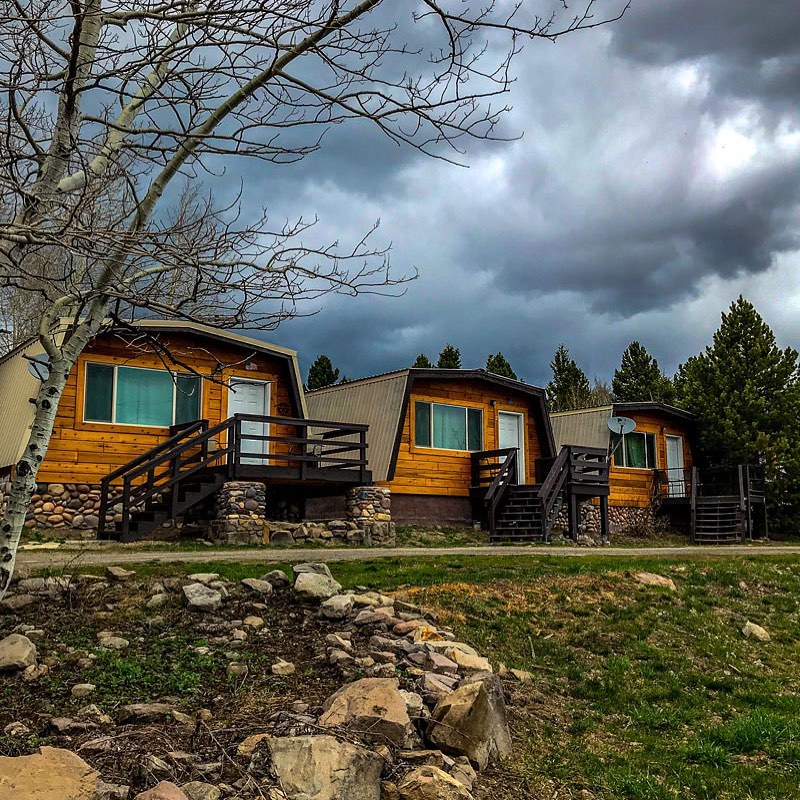
Mike (1h 0m 6s):
I have 15 cabins here. They’ll sleep anywhere from two to 12 people, depending on which one you’re in. We’re very centrally located. Five minutes, you’re over on Henry’s Lake, 20 minutes, you’re on hep. Half an hour, you’re on Quake goes south, 20 minutes, you’re on Island Park Reservoir. As far as the still water stuff goes, you know, it’s really the same distances for Henry’s Fort Madison. And then all, all the waters into Yellowstone Park.
Dave (1h 0m 36s):
Into Yellowstone too. And, and so when we’re at the, the cabins, if we’re staying in, let’s just say we’ve got a cabin there or some, you know, describe that a little bit. What’s that look like? Are we gonna be, I’m not sure. Do you have a lodge? I can’t remember what the plan is on the food. Maybe that’s something we still need to figure out. We
Mike (1h 0m 51s):
Have kitchen at in all of ’em. Okay. So, but I do have the main lodge and as far as general plans for the show, we will take the main lodge and we will bring food in for the group.
Dave (1h 1m 3s):
That’s right. So we’re gonna do everything outta there. So it’s basically all inclusive. We’ll be able to just, that’ll be our place. We’re gonna do the school, do our sessions and, and some of the stuff I’m doing with Phil now will be adding to that, some of these webinars and things. But you know, ultimately I think we want people, all
Mike (1h 1m 17s):
Your off water, all your off water sessions will be done here at the Fly Shopper in the main lodge, and then we’ll take you out and get the rod in hand and hopefully some fish on.
Dave (1h 1m 30s):
Yeah. And you’ll have all the flies and anything we need there at the shop.
Mike (1h 1m 34s):
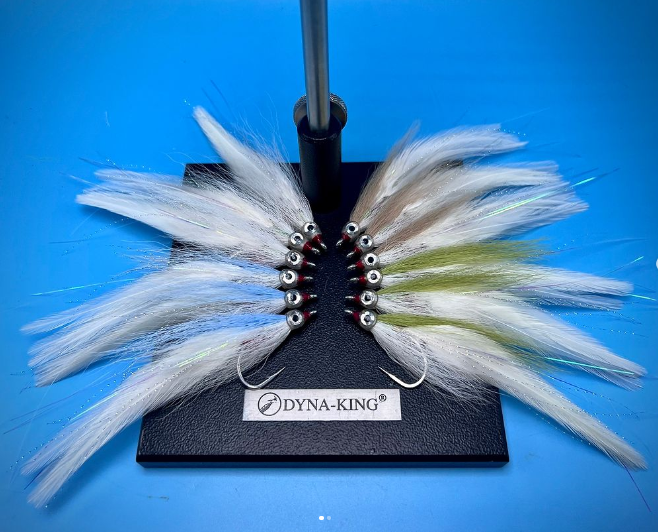
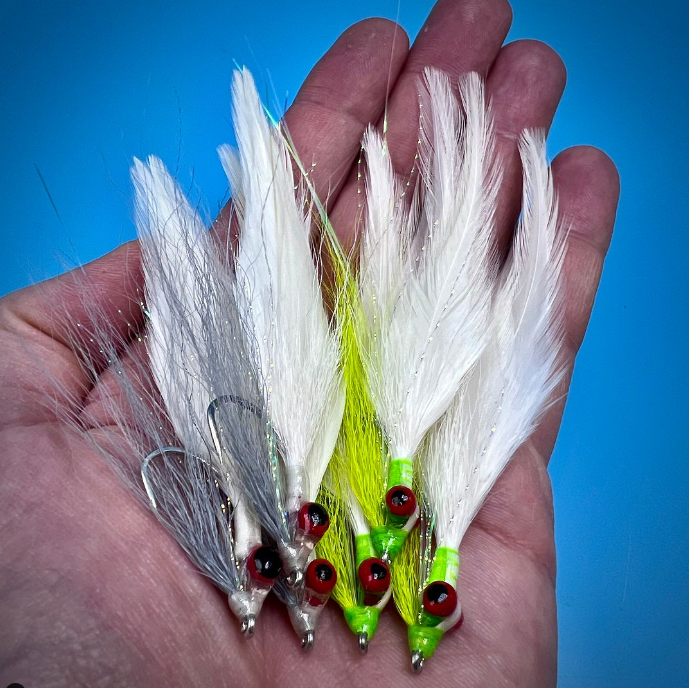
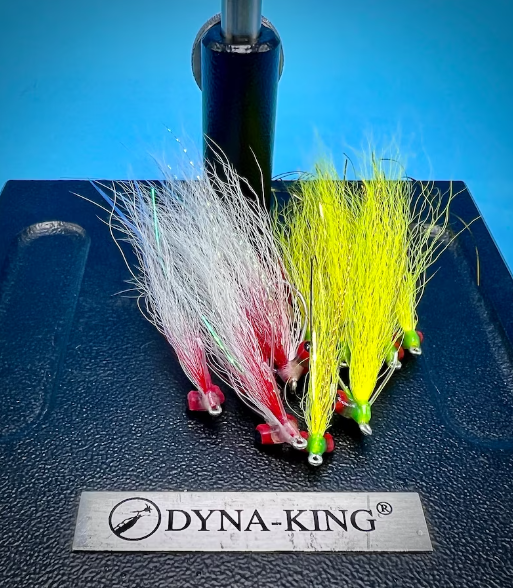
Yeah. And that’s one thing you know we haven’t touched on is I have become the Stillwater shop of the area and I, I know I’ve got a greater selection of Stillwater Flies and Supplies than anyone else. you know, I mentioned Bill, she, yeah. And his, and we carry all of Phil and Brian Chan’s patterns that apply to the area. There’s other guys such as Denny Rickard.
Dave (1h 2m 2s):
Oh yeah, Denny. Right.
Mike (1h 2m 3s):
I, I have lots, you know, some of his stuff and it’s kind of cool, these fly manufacturing companies are starting to catch on and I’m seeing more new steel water stuff coming from them. But, you know, we’ve also got Renee Har up. Oh yeah. It’s from the area, I can tell you. Well, I don’t know, it’s a little cold today and with the ice, I won’t be able to drive up to Henry’s Lake and see him, but I, yesterday he was there. Oh,
Dave (1h 2m 34s):
Renee. Yeah. Yeah.
Mike (1h 2m 35s):
You know, so this area is just deeply loaded, entrenched with, yeah,
Dave (1h 2m 42s):
That’s the picture we’ve been getting, I think. We’ll, we’ll put a link, all the Traveled episodes we’ve had. But yeah, it’s just a, it’s, it’s a great list of people, you know, from a lot of people we haven’t mentioned here either. you know, Mike, you know, up at the lodge, you name it. Right. There’s a bunch of people, but so we’ll have links to, you know, yeah. You’ve
Mike (1h 2m 60s):
Got, you know, in the old history, the Bud Lillys, the Mike Watsons, the, all of that, they’re all deeply.
Dave (1h 3m 9s):
Yeah. It’s a cool history. It’s a cool history. And then, and then you got some of the newer folks coming in
Mike (1h 3m 15s):
Me.
Dave (1h 3m 16s):
Yeah, yeah, exactly. Yeah.
Mike (1h 3m 17s):
Yeah. I, I, you know, I’ve been here for 12 full years and I’m still the new guy on the block.
Dave (1h 3m 23s):
You’re still new, right? Yeah. So Bill, she, I think, I think, we’ll, bill Sheath, how do you pronounce his last name?
Mike (1h 3m 28s):
She,
Dave (1h 3m 28s):
Yeah, she, we’ll, we’ll leave that till maybe the next step. So I’m hopefully gonna get Bill on and we’ll talk to him more on that. But I think, yeah, I think, Mike, this has been great. I think we’ll leave it here. And I’m excited for this trip. I think that, you know, getting on on the water with you and Phil and everybody who’s part of this is gonna be exciting. And you know, the goal is to bring away some lifelong, you know, tools and lessons, right. That you can use in your home water. So we’ll send everybody out to drift lodge.com if they have questions. And yeah, appreciate all your time today.
Mike (1h 3m 56s):
I appreciate your time. Look forward to seeing you here in person.
Dave (1h 4m 2s):
That’s a wrap on travel part of the Wet Fly Swing podcast and Swing Outdoors. This podcast was supported by Eastern Idaho’s Yellowstone Teton territory. You can support this podcast and eastern Idaho by heading over to wetly Swing dot com slash teton right now. And you could let any of the brands know that you found them through this podcast. And click in there and check out all the great brands. We’ve had a number of ’em on this podcast and, and we would love you to find out all the good stuff they have going. You can also check in with me anytime Dave at wetly Swing dot com if you have any questions or feedback, or have an idea of where we should be traveling to next. And one big reminder before we get outta here, the Stillwater School is going right now.
Dave (1h 4m 42s):
If you go to wetly Swing dot com slash Stillwater School, you could find out if we have any slots available for the big trip out to this part of eastern Idaho. Phil Roy is gonna be our guru. He’s gonna be breaking out the Steelwater Magic. And if you wanted to up your game this year, this is your best chance right now. You can check in there or send me an email, like I said, Dave at wetly Swing dot com. And as we roll outta here, I just want to thank you for taking the time today to check out the travel podcast. And I appreciate you for your support and all the listens here. And I hope you have a chance to experience that Road less travel.