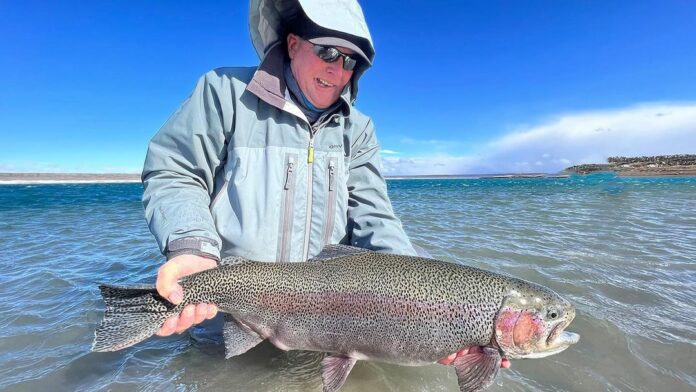
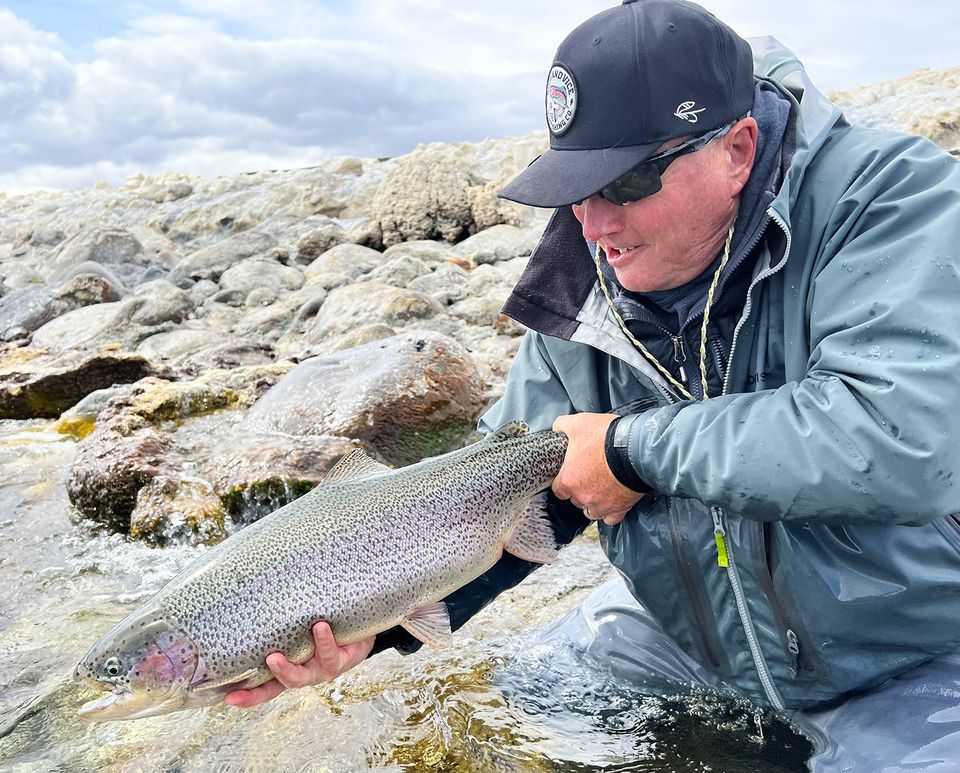
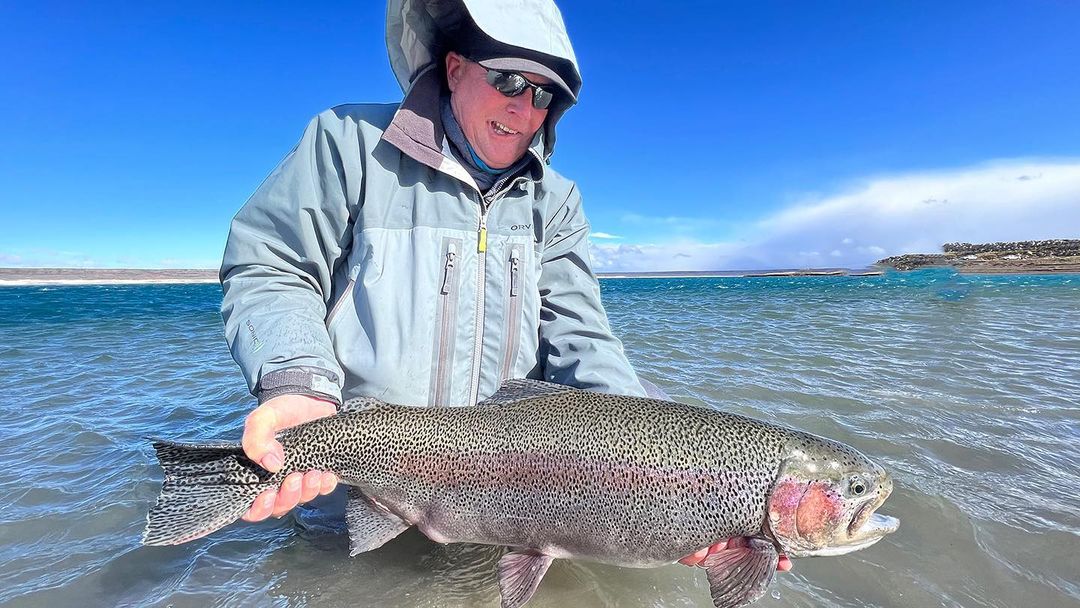
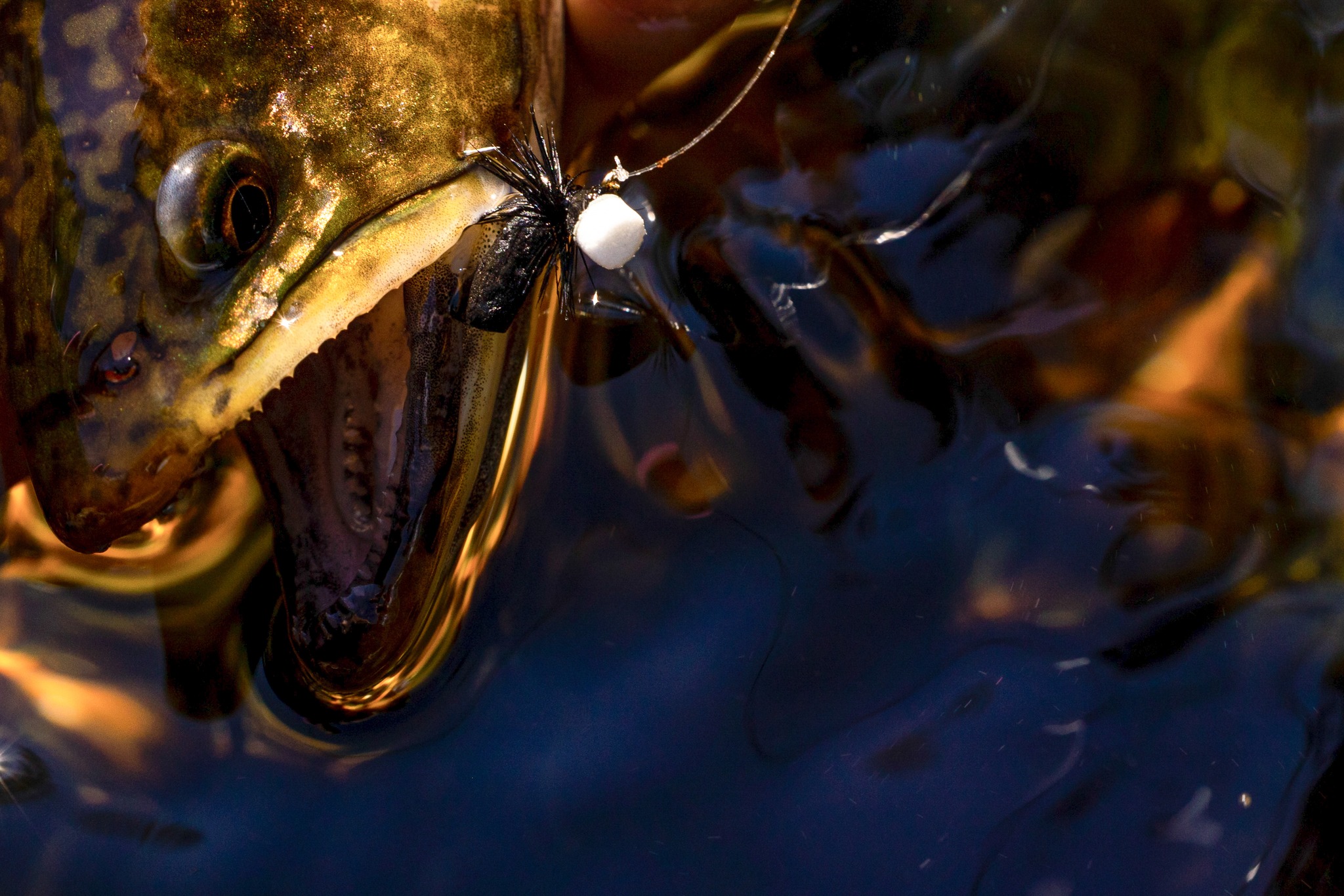
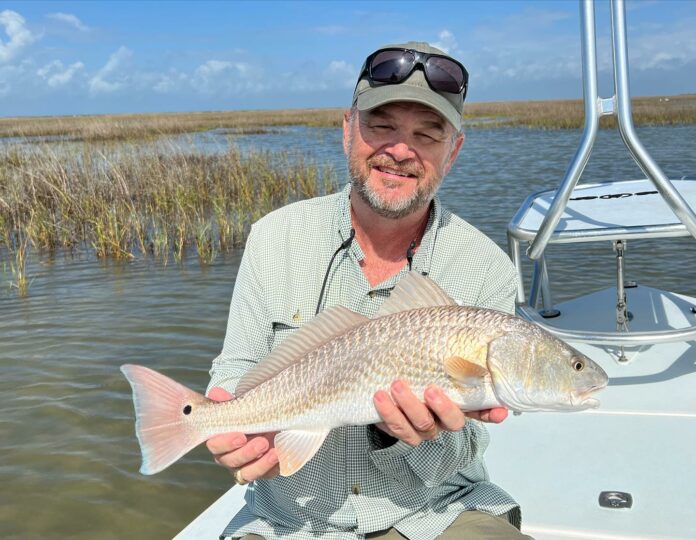
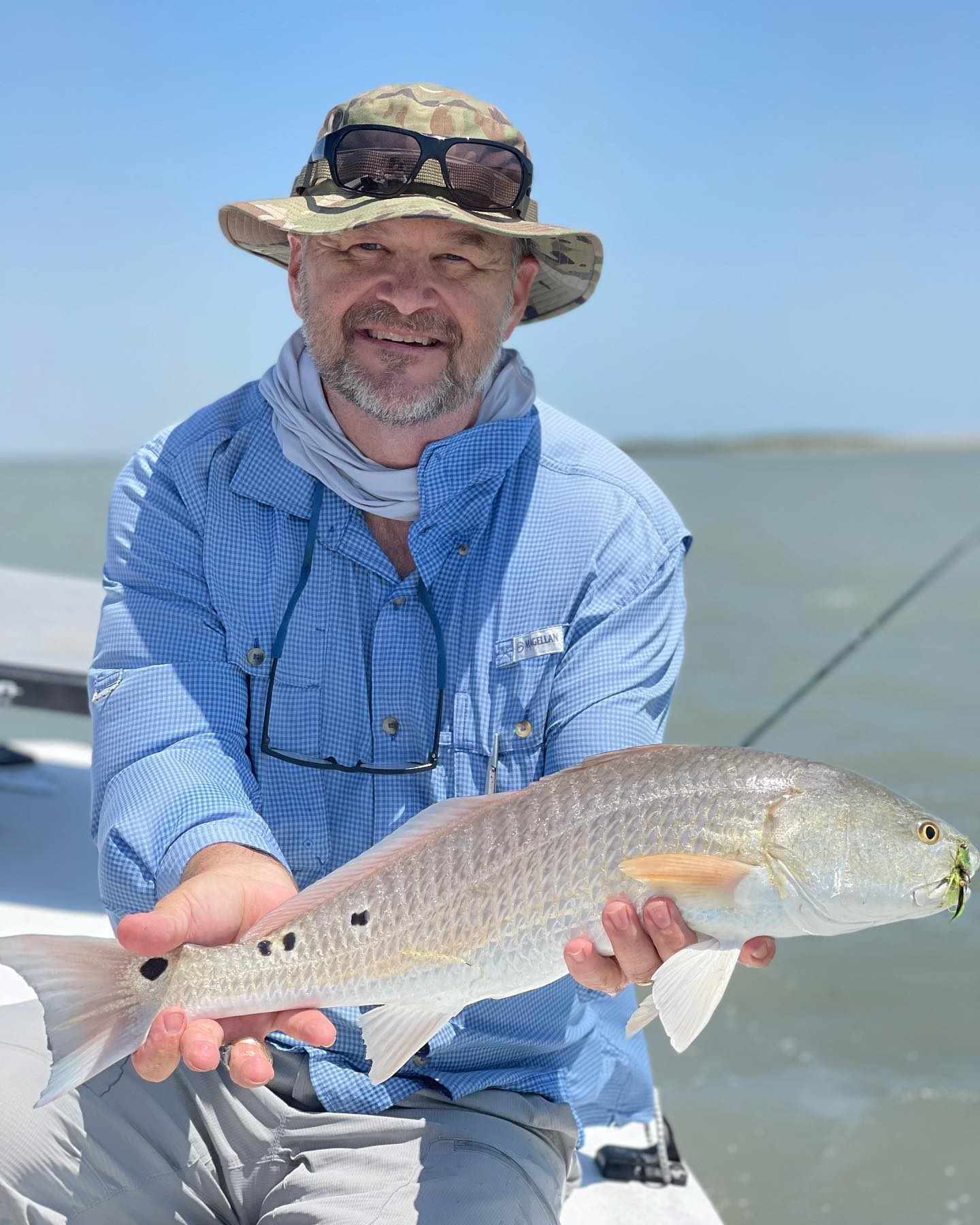
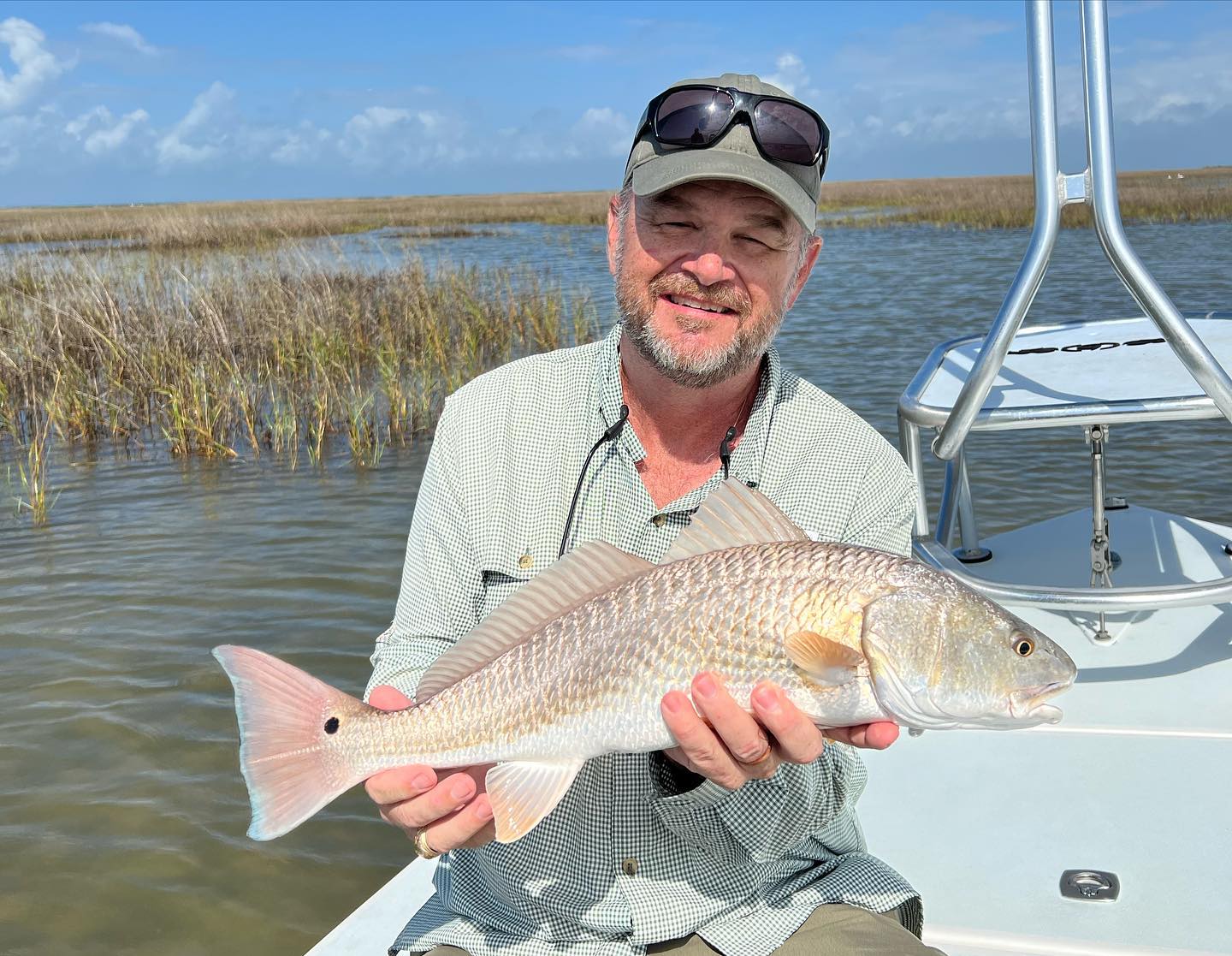
If you listen to today’s episode, you will have a much better chance to hook more and larger fish on your next Stillwater trip.That’s because I’m going to provide a Phil Rowley summary of his top tips for inducing a strike,and I’ll have a little story to share at the end that’s going to reinforce this message.
In today’s short snippet bonus episode, we’re going to hear Phil Rowley’s 8 tips on inducing a fish take. This podcast today comes from episode 640, where Phil was on his Littoral Zone podcast and he shared these exact tips and more.If you want to hear the full-length episode, check out 640. This is going to be a short snippet episode just so youhave a punch just in case you missed that one or you want something a little bit shorter.
(Read the Full Transcript at the bottom of this Blog Post)
Sponsors and Podcast Updates
I’ve been hearing from people out there that that’s potentially what we’re looking for.But before I get into the 8 tips, I want to share a quick story.Phil and I were on the water. I think this was our first time, I believe, first time and only time so far on the water.We were fishing a small lake up in Canada and we were out there at the lodge. It was an amazing lodge. I can’t remember if it was the first day or the second day, but I found myself in the boat with Phil.It was me and Phil, and I’m not sure how the stars all line up. I felt pretty lucky to be out there.
Phil and I put in the boat and we motor across and there is another boat in the group on the lake.We motor across to the mid-lake. There was a little point out there and we went there and we anchored up. When we first we got the indicators set up and we started fishing.It was my first chance to understand basically indicators and how critical that was, to be able to get to the right zone of the fish.We adjusted things a little bit until we found that zone and we started getting fish to take.
Eventually, Phil got one and he brought it in.We did a stomach sample. We pumped the stomach which basically just kind of flushes water there. We looked at what it was eating which were tons of cronomids and we basically said,Hey, here you go. Here’s exactly what they’re eating right now because these were essentially…This is the food they just had eaten.We knew what to put on. We put on that and then we proceeded to get down to the right depth because we were doing that systematically.We used the indicator so all we had to do was cast out there, let it drop down, and sit and we had a ton of action that day.
I just wanted to use this story to reinforce what we’re going to be talking about today which is Phil’s 8 tips on inducing a strike. This is going to be a quick one so we’re going to leave out some things that Phil covered in the episode.Again, you can go to episode 640 if you want to get the full length and hear the details.
Phil Rowley’s Top 8 Tips for Inducing a Strike:
Use Tippet Ring Connections: Replace traditional weather loops with tippet ring connections for a smoother and more reliable line-to-leader connection, especially effective with long leaders in still water.
Rod Positioning: Keep the rod tip low or submerged in the water to maintain direct contact with the fly, which is crucial for detecting subtle strikes.
Master the Hand Twist Retrieve: Use a slow hand twist retrieve to mimic the natural movements of aquatic insects, offering a more natural and enticing presentation.
Vary Your Strip Retrieve: Experiment with different strip retrieves (long, slow pulls or short, quick strips) to match the behavior of various prey species. Adjust the retrieve style to see what works best in different conditions.
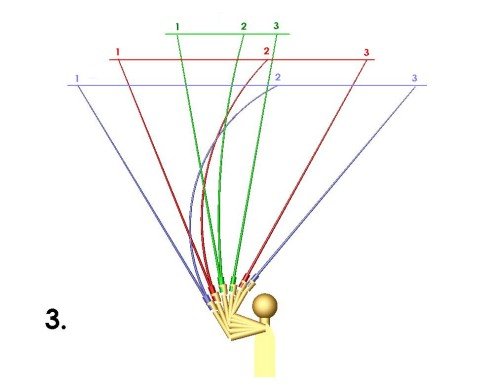
Fan Casting Technique: Cast in a clock-like pattern from the 10 o’clock to 2 o’clock positions to cover a broad area and reach various depths, maximizing your chances of finding fish.
Watch the Fly Line Tip: Observe the tip of your fly line during retrieval for any unusual movements, as these can indicate a subtle strike. React quickly with a hook set.
Use Indicators: Utilize strike indicators to control depth and retrieve speed, especially when fish are less active. Indicators help in detecting subtle bites and keeping the fly at the desired depth.
Lock-Style Fishing Techniques: Use a drogue to control your drift and present your flies to fresh fish in a controlled manner. This technique is especially effective in covering more water.
Bonus Tip:
Wind Drifting: Take advantage of wind-induced currents by wind drifting to move the strike zone and allow your flies to cover more water without dragging to the bottom.
Key Takeaway:
Continuous Learning: Fly fishing is a constant learning process. Regularly refine your techniques, stay open to new methods, and continuously experiment to improve your success on the water.
These tips, inspired by Phil Rowley’s expert advice, are designed to help fly anglers improve their strike rates and enjoy more success on their next stillwater fishing trip.
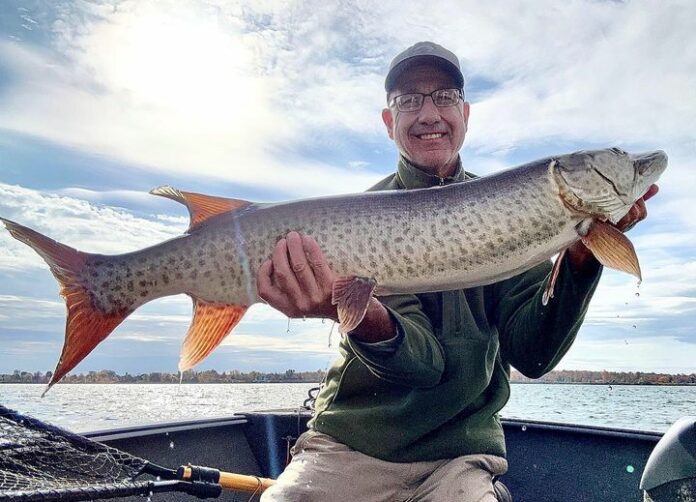
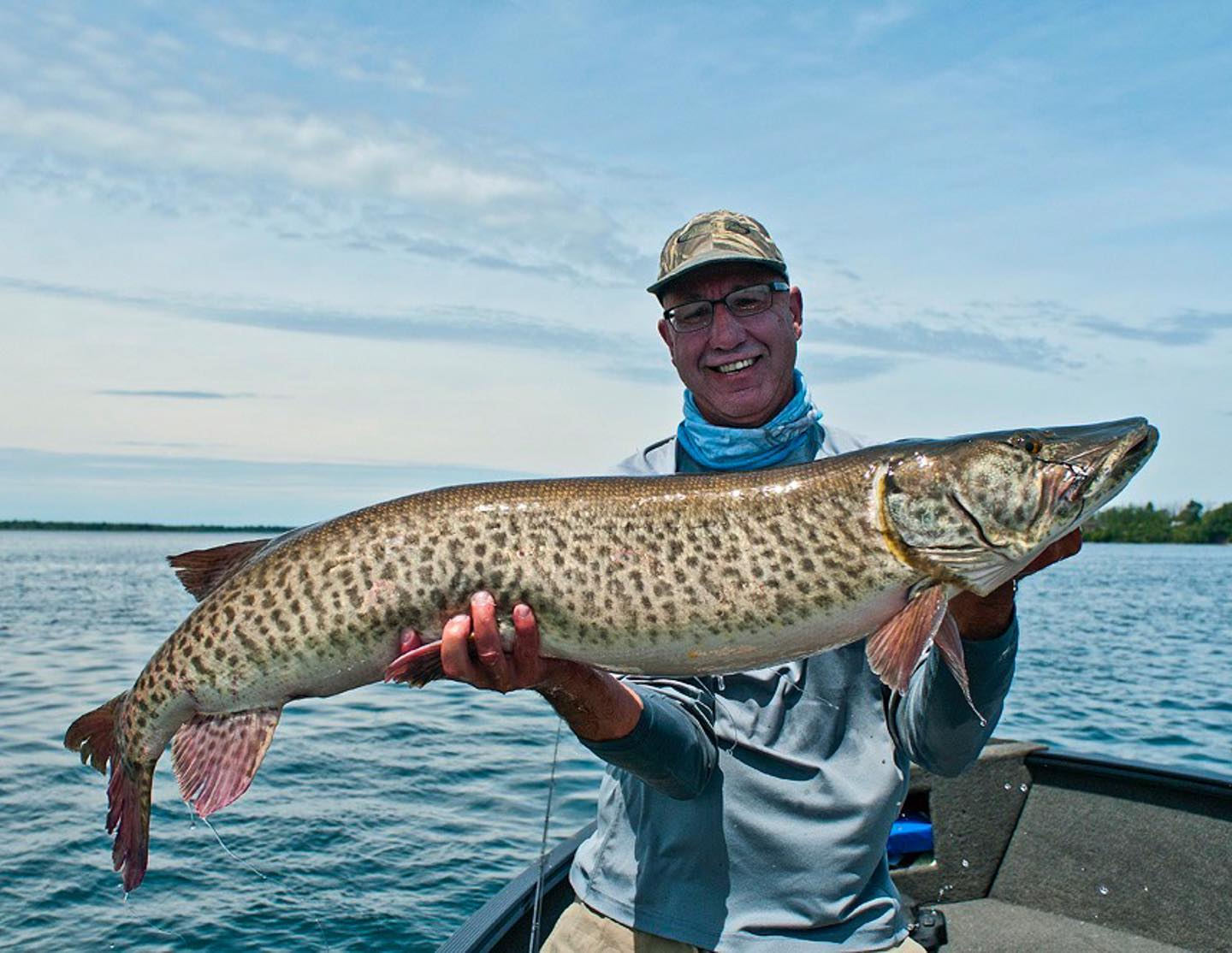
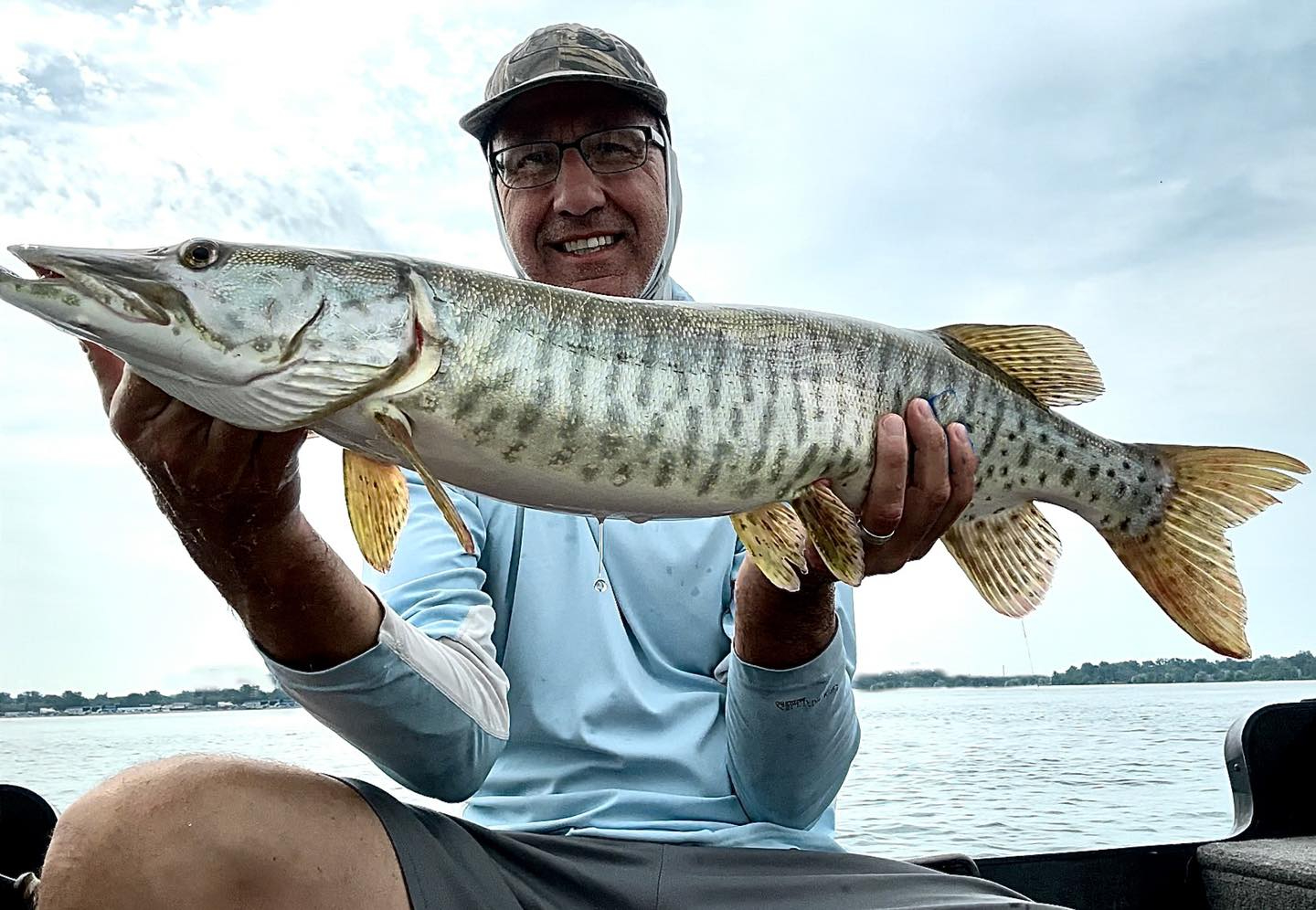
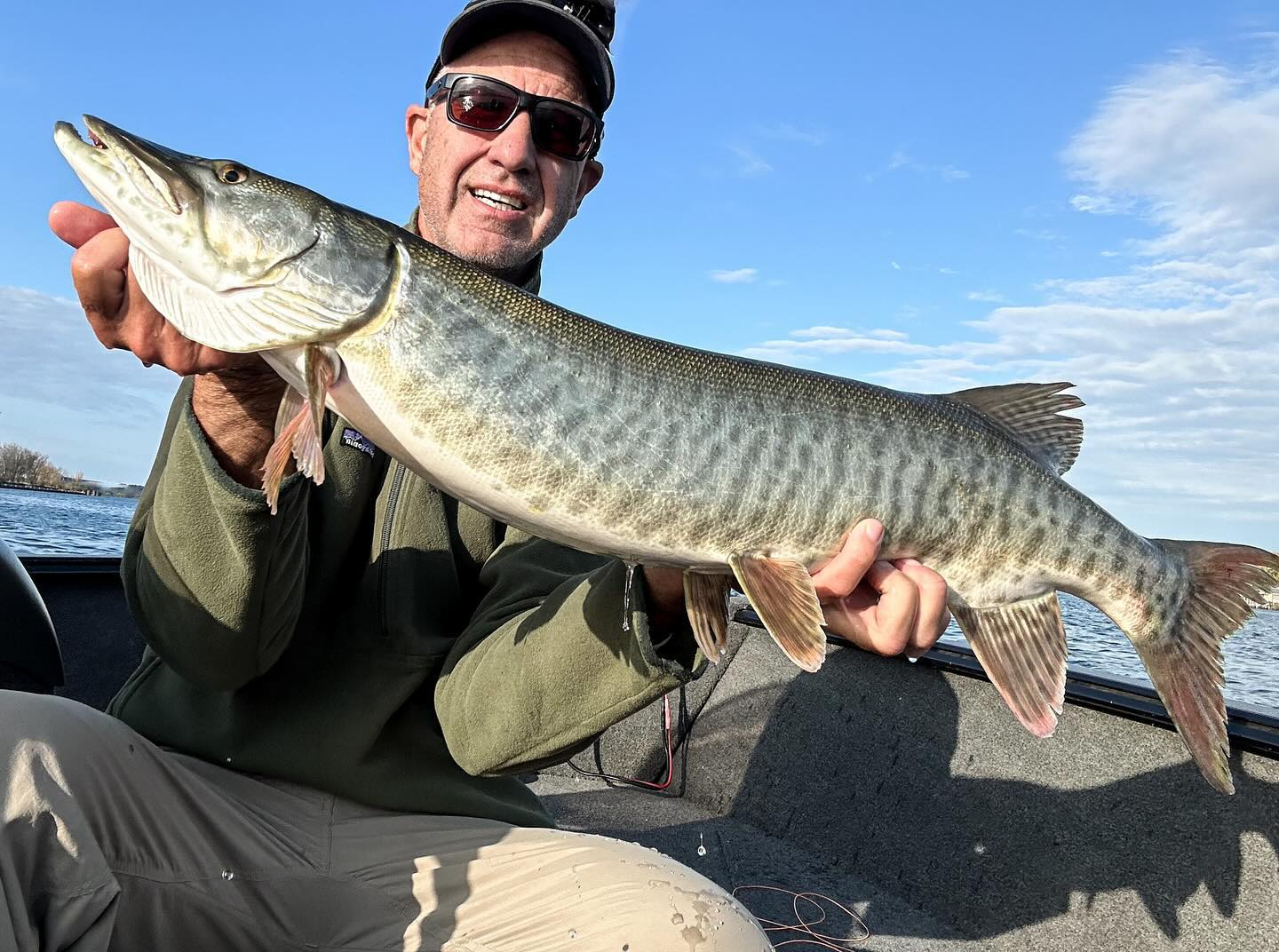
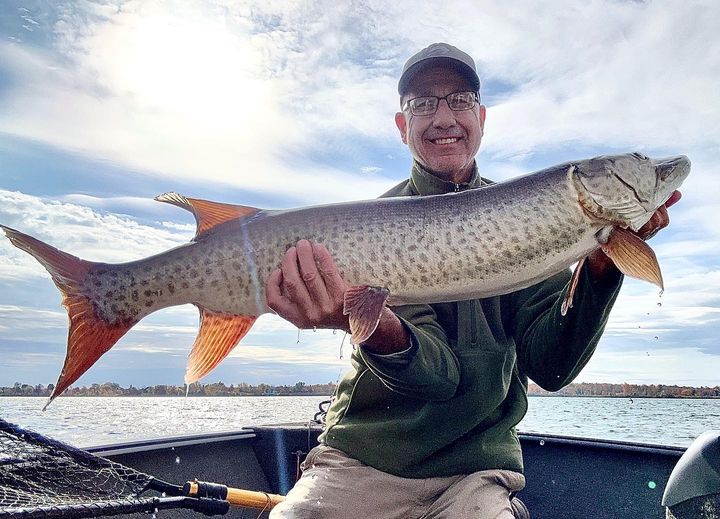
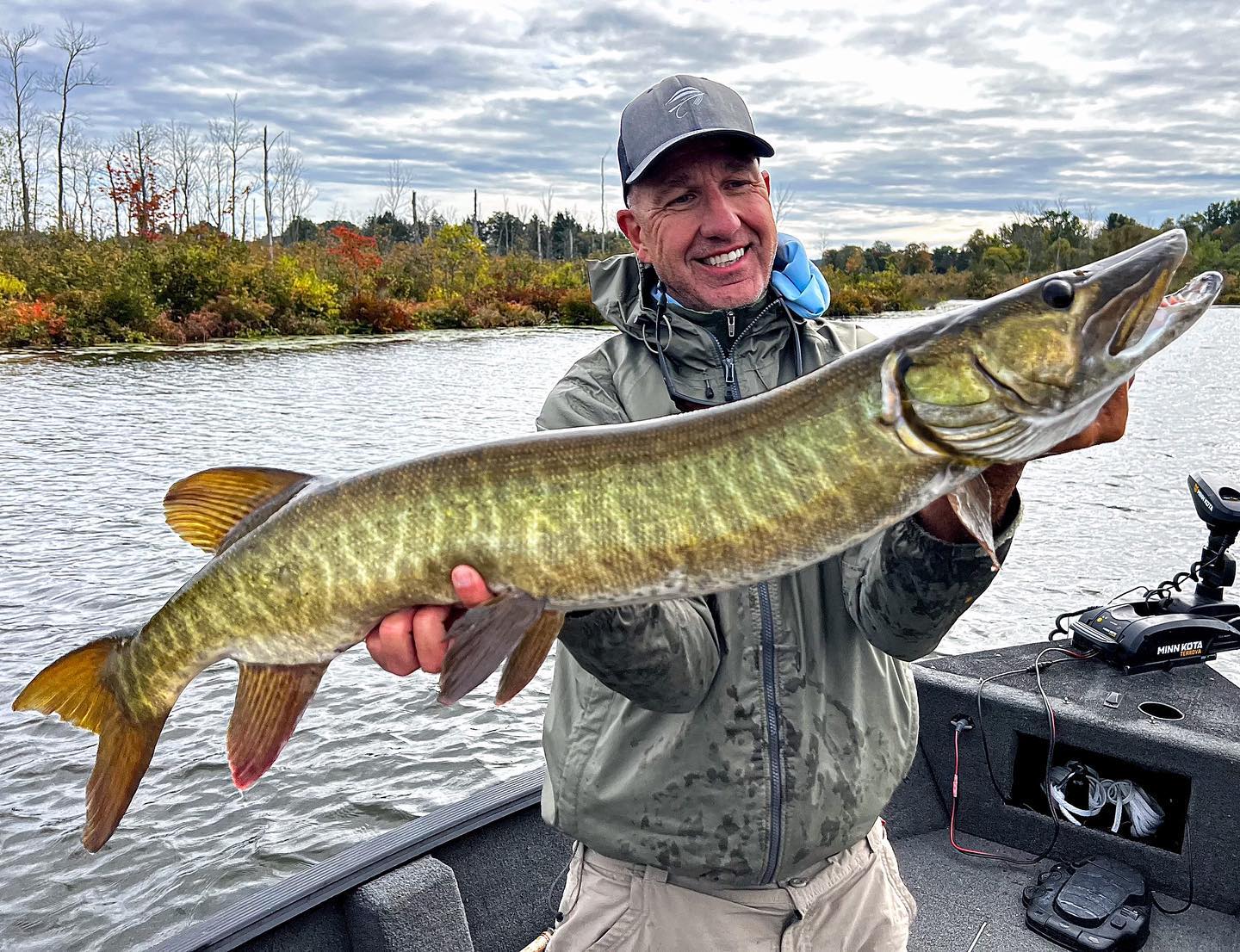
You may have heard of today’s guest from the books and content he’s written about spey and steelhead fishing. But did you know that he also has an amazing book on another hard-to-master species? Today, we’ll walk through the biggest tips from this book so that you might have a better shot at a giant musky this season.
Rick Kustich, author of Hunting Musky with a Fly, is here to share his top tips on landing that elusive musky. You’ll learn how to tease a strike, where most fish occur, and the three key tips to keep the big one on the line. Ready to profile a predator musky style?
Show Notes with Rick Kustich on Hunting Musky with a Fly. Hit play below! 👇🏻
(Read the Full Transcript at the bottom of this Blog Post)
Sponsors and Podcast Updates
Episode Chapters with Rick Kustich on Hunting Musky with a Fly
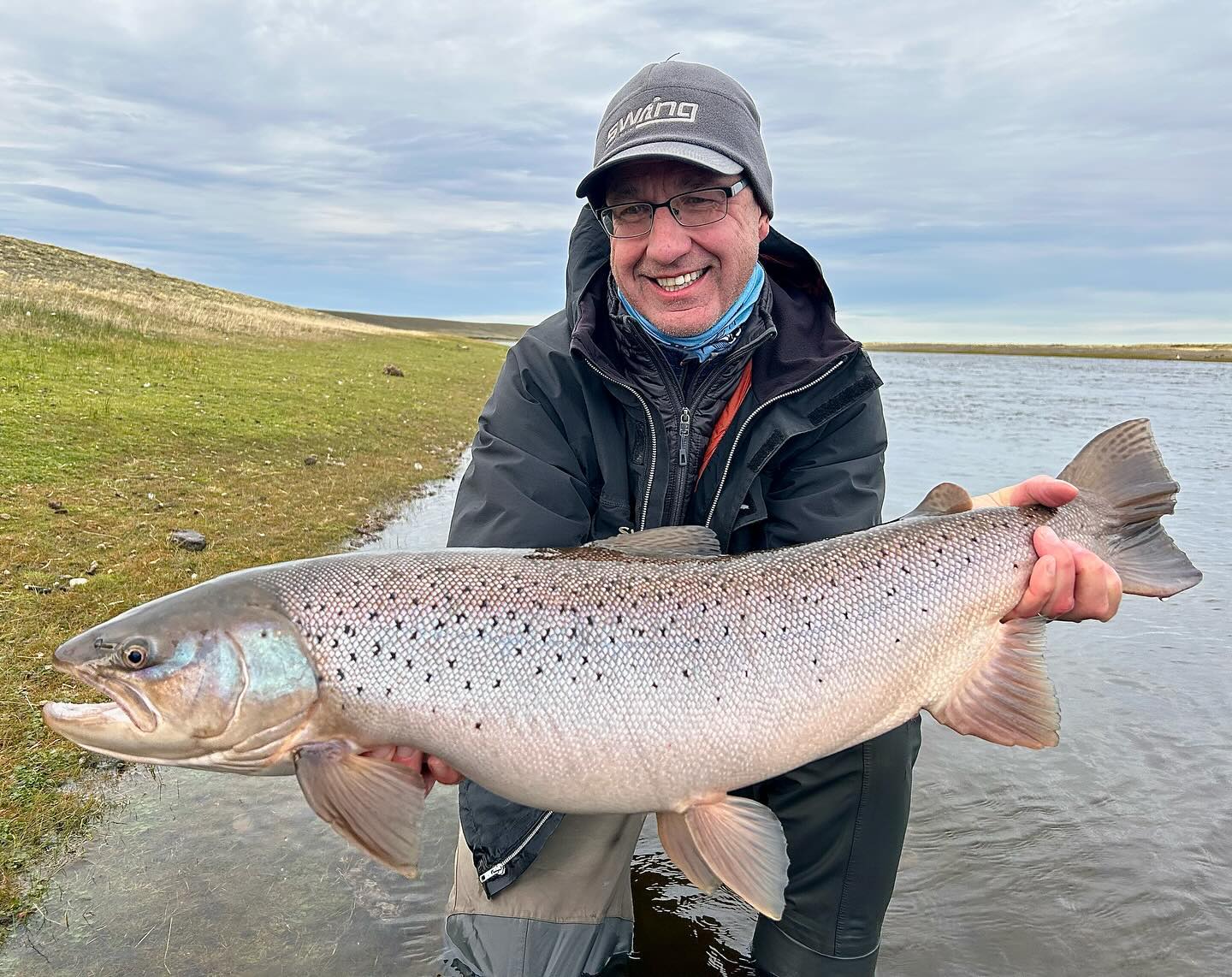
01:31 – It’s been over a year since we had Rick on the podcast, where we talked about spey fishing and steelhead. Rick had a pretty good year with lots of good steelhead and musky fishing. But he did shake things up with a trip to Patagonia in South America to target sea-run brown trout.
Hunting Musky with a Fly
04:35 – Today, we will discuss Rick’s book Hunting Musky with a Fly. It’s a great resource for anyone interested in musky fishing.
You can contact Rick through his website or Instagram for a signed, personalized copy of the book. The book can also be found at various fly shops, bookstores, and, of course, on Amazon.
07:06 – Rick pitched the idea of the book around 2013, but it was turned down because musky fly fishing wasn’t popular yet. By 2017, with more people getting into musky fishing, Rick’s book Hunting Musky with a Fly was finally released.
Why Muskies Are So Hard to Catch
09:06 – Muskies are one of the hardest freshwater fish to catch consistently. They don’t need to feed often and have specific feeding windows during the day.
12:19 – Rick explains that understanding Muskies as apex predators is key. They’re picky eaters, so anglers need to trigger them into striking. He suggests using the figure-eight technique, even when you don’t see a fish following your fly.
18:05 – Rick also mentions that while figure eight is his go-to, you must also read the fish’s behavior. For example, a slow, teasing retrieve can be as effective if the fish seems interested but isn’t taking the bait immediately. Water clarity plays a big role too.
22:12 – New York offers a diverse muskie fishery with different strains, including the Great Lakes strain found in the Niagara River. Muskies are native to this area and have various strains in various locations.
While their original range was in the Northeast and Midwest, they’ve been stocked in many other places, including Nebraska and the western states. Tiger muskies, a hybrid between pike and musky, are also found out west.
Keeping Your Head in the Game
25:57 – Stay focused during those long days when you might not catch any fish. It can be tough, especially if you’re new and questioning everything. But experience teaches you that each cast brings you closer to a catch.
Stay engaged, and keep your energy up. Even when it’s slow, every cast counts, and being ready could lead to the catch of a lifetime.
How to Find the Best Spots for Muskies
28:45 – Muskies usually stick close to food sources, so look for areas with plenty of bait. In big waters like the Niagara River, focus on edges and structures like weed beds and drop-offs.
Look for log jams, overhanging brush, and slower water spots for smaller rivers. Muskies often hang out in these areas to save energy and ambush prey.
Casting for Muskies
41:52 – For big, open water, like deep rivers, you must make long casts to keep your fly down longer. Rick uses a two-handed rod, around 9.5 feet long, with a heavy line for distance and depth.
Use the bottom hand to pull and the top hand to guide for speed.
After retrieving the fly, sweep the rod to get some line out, then use one or two false casts to get it back in the water.
A shorter rod and quick casts help reduce wear on your body and improve efficiency.
51:00 – Rick explains that most fish hit within the first few strips of the fly. For casting, Rick uses a heavy, short-headed line, about 22 to 23 feet long, which helps get the fly deep quickly.
55:12 – Rick says using a back-and-forth retrieve with your fly and making it look vulnerable can trigger strikes. He stresses the importance of strip setting to get a good hook set because muskies have tough mouths.
Conclusion with Rick Kustich on Hunting Musky with a Fly
If you want to up your musky game, check out Rick’s website for his books. If you’re on Spotify, hit the follow button to avoid missing the next episode.
Also, don’t forget to visit wetflyswing.com/pro to join our growing community and get in on upcoming trips
In this episode, Ronan Creane, a renowned fly fishing guide with deep ties to Ireland, is here to talk all about fly fishing New Zealand. Ronan specializes in sight fishing for brown trout and has been a passionate fly angler for decades, following in the footsteps of his father and grandfather.
If you’ve ever dreamt of casting your line in the pristine waters of New Zealand, this episode is a must-listen. Ronan takes us on an in-depth journey through the best fishing spots, the ideal times to visit, and expert tips on sight fishing for those elusive big browns. You’ll also learn why a trip to New Zealand might be more attainable than you think, and how to make the most of your adventure without suffering from jet lag.
Show Notes with Ronan Creane on Fly Fishing New Zealand. Hit play below! 👇🏻
(Read the Full Transcript at the bottom of this Blog Post)
Sponsors and Podcast Updates
Episode Chapters with Ronan Creane on Fly Fishing New Zealand
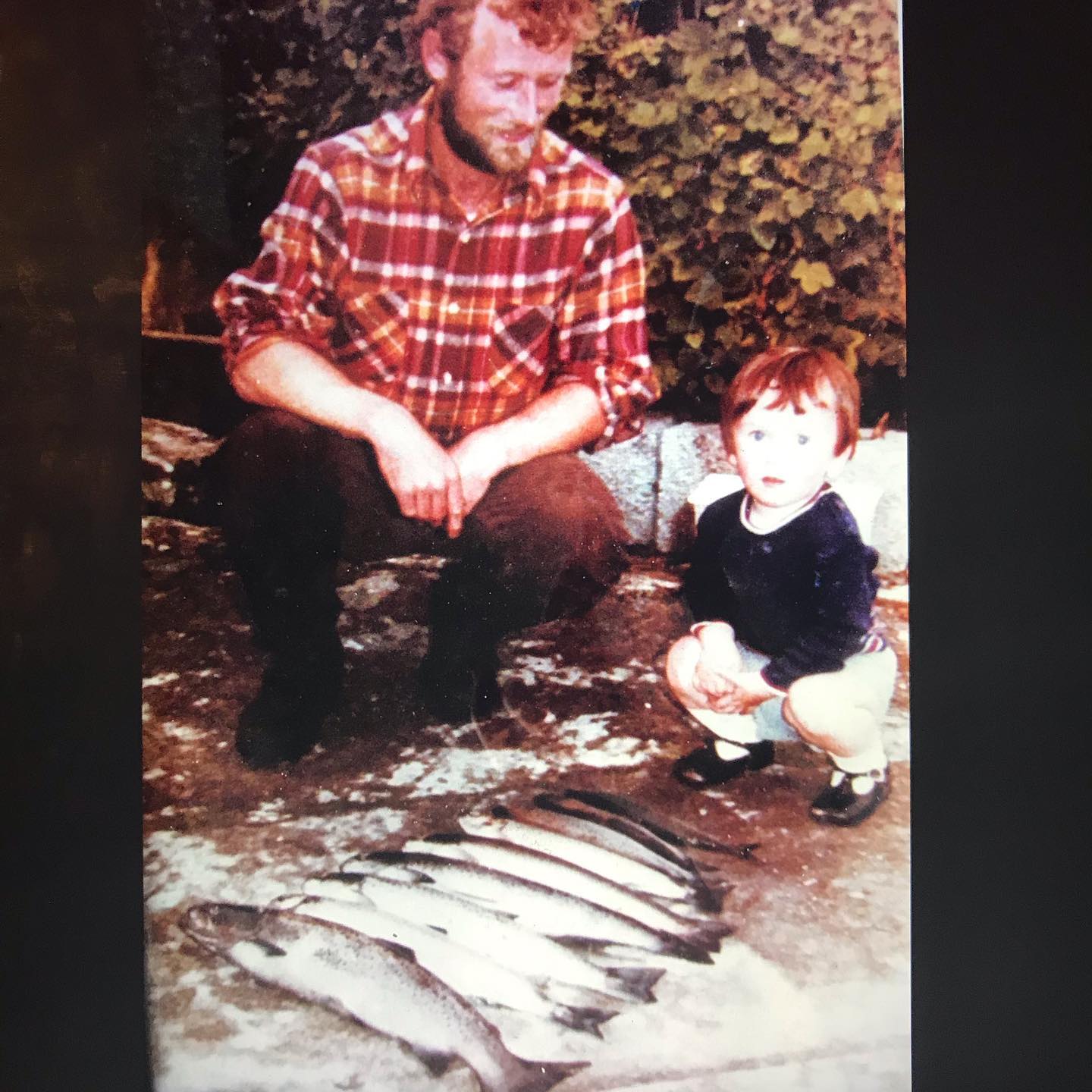
2:04 – Ronan shares his background, explaining he grew up in Ireland and moved to New Zealand at age 24. His earliest fishing memories involve catching tiny trout in a stream near his house using a jam jar and a net. Fly fishing runs in his family, with his father and grandfather being skilled fly fishermen. Although introduced to it gradually, he received his first fly rod at age 12 from his grandfather.
“The inspiration behind my fly fishing! Me and Dad in about 1980. #connemara #irishseatrout #irelandbeforesalmonfarms #ronansflyfishingmissions” (Photo via: https://www.instagram.com/ronan_creane/)
8:21 – He worked as a guide on two iconic salmon and sea trout fisheries in Ireland, starting at age 18. He continued guiding during visits home while exploring fly fishing globally. He highlights the decline of sea trout fishing in Ireland, which began in the late 1980s to early 1990s, coinciding with the rise of salmon farming.
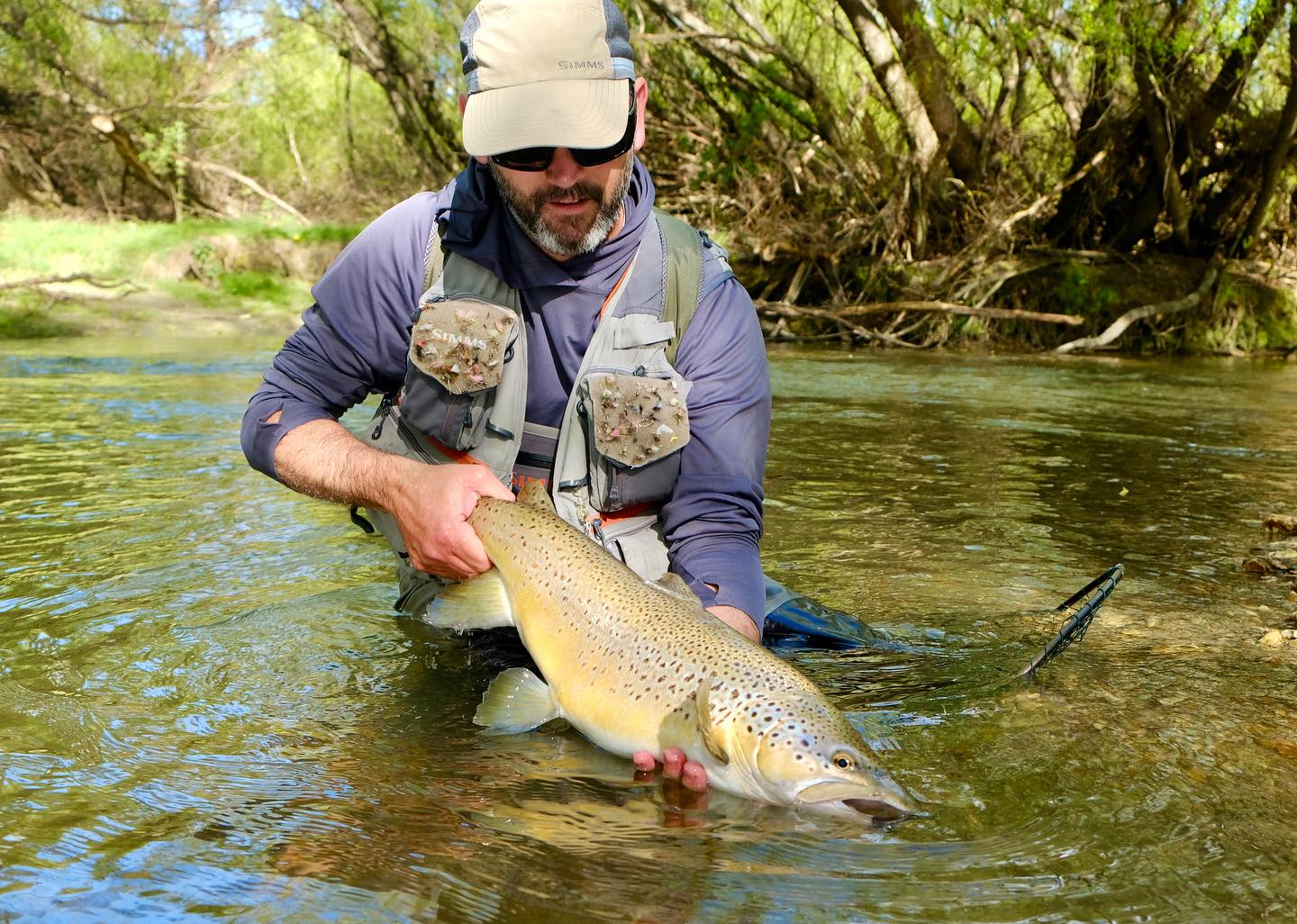
12:28 – We start to dig into fly fishing in New Zealand, specifically in the small town of Alexandra on the South Island. Ronan describes his work as a guide, focusing mainly on brown trout, although rainbow trout are also present in the rivers and lakes he fishes. He emphasizes that his fishing is mostly river-based, but he also enjoys lake fishing due to his background.
The average fish he targets weighs around three to four pounds. He aims for larger fish, typically five to six pounds, and mentions that he and his clients have caught around 20 double-figure fish.
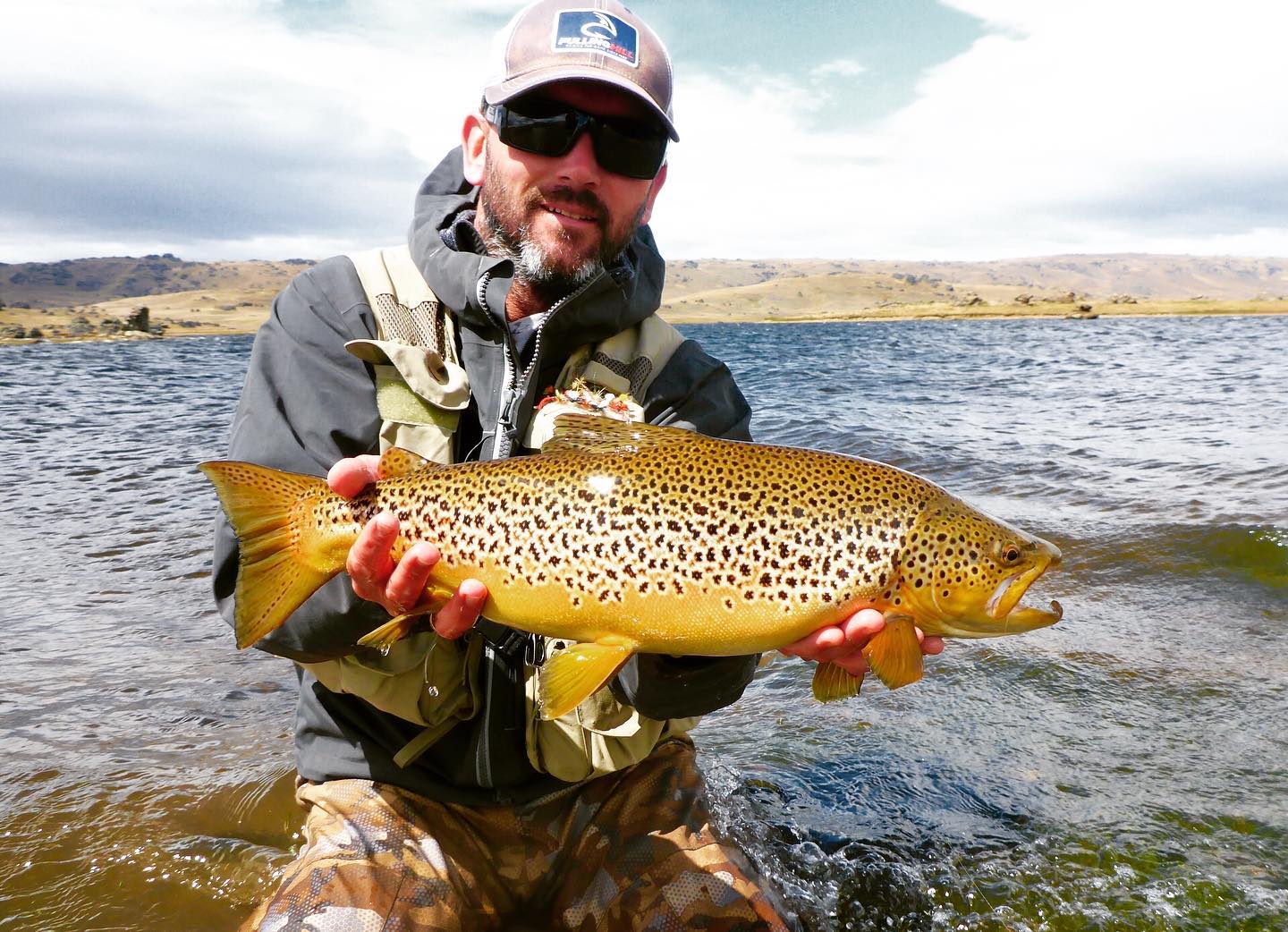
“A great start to the season! My Midnight streamer accounted for some super trout. #fullingmill” (Photo via: https://www.instagram.com/ronan_creane/)
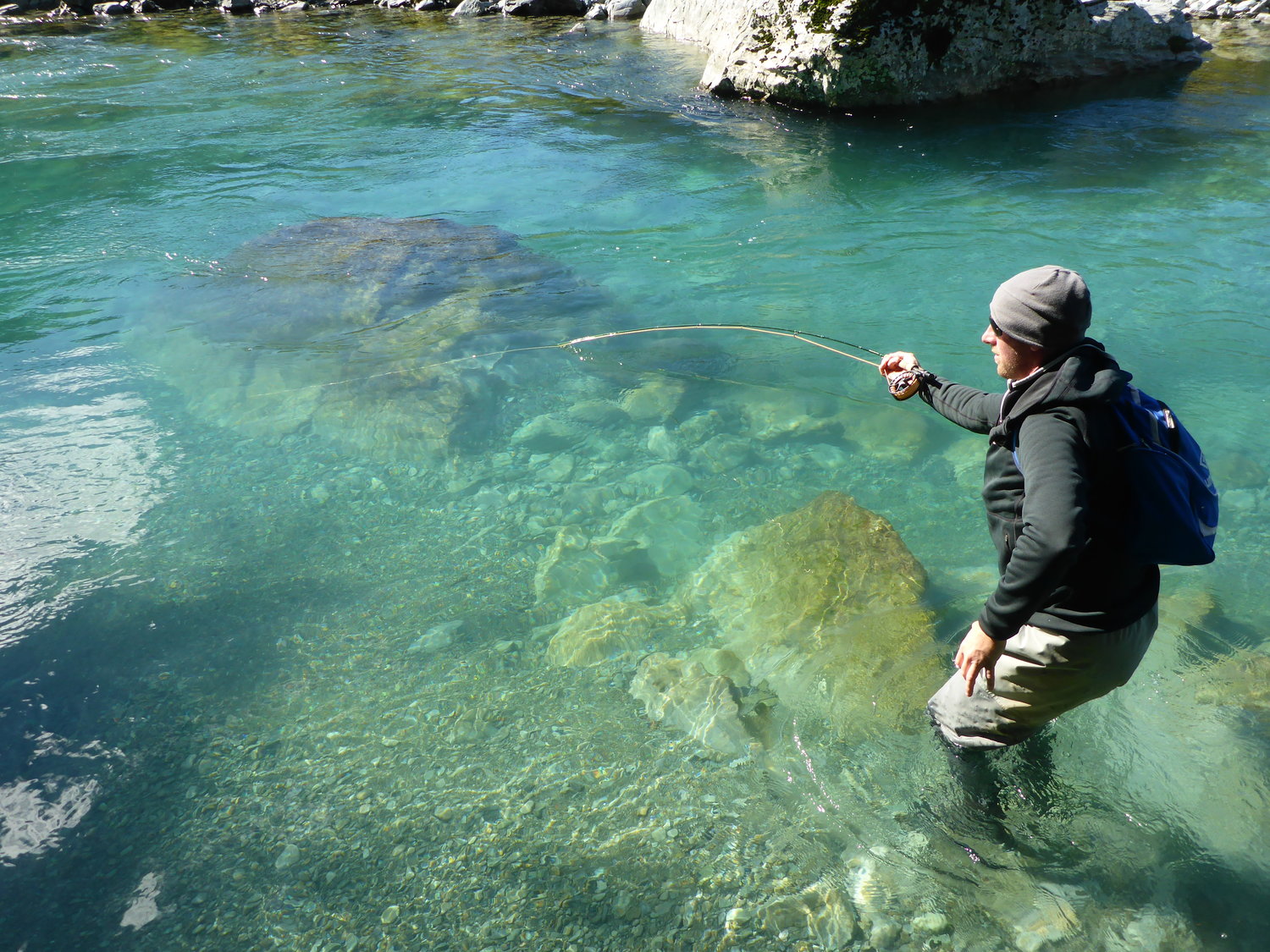
15:11 – We talk about some sight fishing techniques, particularly in rivers. Ronan explains that the ideal scenario is finding a fish “on station,” meaning it’s feeding in one spot, which gives the angler time to plan their approach. He contrasts this with a fish that is cruising, which requires a different, more dynamic strategy. The key to success in New Zealand, according to Ronan, is making the first cast accurately. Multiple attempts can alert the fish, making it harder to catch.
18:30 – Ronan explains his preference for using a dry fly as an indicator since fish can take a dry fly at any time of the year. However, he notes that if a fish is swinging, it’s more likely to take a nymph. He also describes the importance of watching the dry fly for any movement indicating a strike, but he also stresses the value of directly observing the fish’s mouth if visible to catch subtle takes that the dry fly might not indicate.
20:39 – We talk about the fishing opportunities in New Zealand, particularly in the South Island. Ronan elaborates on various regions such as Mackenzie District (known for lakes and rivers), the West Coast (wild and remote), Southland (with numerous rivers), and Otago (where Ronan is based, offering a variety of fishing experiences). He mentions the availability of brown trout and sea trout, noting that sea trout, which migrate to the ocean and return, can grow significantly larger, sometimes up to 15 pounds.
“April is prime time for a regular mayfly hatch down here at the bottom of NZ. Certainly one of the best times of the year. My dad’s pattern, aka my Kiwi Dun is a super pattern for fishing in or on the surface film. This will be my primary dry for the rest of the season – to make the most of the hatch! Available from Fulling Mill. #fullingmill #ronansflyfishingmissions #ronanskiwidun #dryfly #mayfly #dryflynz #otago #clearwater” (Photo via: https://www.instagram.com/ronan_creane/)
23:00 – Ronan has been part of Sexyloops since around 2003, not long after its establishment in 1998. Their collaboration began when Ronan met Paul during the filming of an early fishing movie, leading to friendship and numerous fishing trips together, especially to New Zealand.
24:40 – I ask about the allure of New Zealand as a fishing destination. He highlights the country’s exceptional freedom for anglers, where a single license allows fishing in various public waters. He emphasized the “queen chain” concept, which grants public access to 22 yards of either bank of a river, provided the access point is public.
29:07 – Our conversation shifts to his blog, which he has been writing for about 15 years as part of Sexyloops. The blog includes approximately 350 entries, focusing on his observations of fishing rather than instructional content.
30:21 – We talk about Ronan’s involvement in a TV series called “Pure Fly NZ”, produced by Nick Reygaert. Ronan and his friend Jeff Forsee participated in one episode, showcasing unique fly fishing experiences in New Zealand, which deviated from the typical fishing scenes in the country.
31:25 – For those planning a fishing trip to New Zealand, Ronan explains that the fishing season runs from October to the end of May, with each month offering unique opportunities. While January and February are popular, they can be challenging due to heat and increased angling pressure. Ronan suggests considering earlier months like October to December, which are cooler and less crowded.
33:53 – We go into the fishing trips available on Ronan’s website. He recommends staying as long as possible, ideally a month, and emphasizes the value of starting the trip with a guide for a few days to get a good foundation.
For those planning a trip specifically to catch big brown trout, he clarifies that the definition of “big” varies among anglers, typically considered to be around 5-7 pounds. While these sizes are common, catching a double-figure fish is unrealistic due to the rarity of such large trout. He notes that targeting the biggest fish can sometimes detract from the enjoyment of the fishing itself, turning it more into a hunt.
37:53 – Ronan explains his approach to organizing a seven-day fishing trip, which is popular among his regular clients. For the first three days, they fish locally, exploring medium-sized rivers, small streams, and lakes, including sight fishing on lakes. The remaining four days involve traveling to different locations based on the best fishing conditions at the time, allowing flexibility to adapt to weather and other variables.
“Backcountry New Zealand at its best!” (Photo via: https://www.ronansflyfishingmissions.com/new-gallery/)
40:46 – He mentions that the best mayfly hatches occur in the cooler months, particularly April and October. However, during the summer months of January to February, terrestrial fishing becomes ideal, with cicadas, hoppers, and beetles providing excellent opportunities for dry fly fishing.
43:00 – Ronan shares a story about the time he and Paul Arden of Sexyloops were in the midst of putting together a TV show with the Discovery Channel.
48:40 – If given a chance to travel elsewhere, Ronan would like to visit Paul in Malaysia for fly fishing. He shares his experiences of fishing there, emphasizing that it’s a challenging but rewarding activity suited for seasoned fly fishers who appreciate the sport beyond catching large numbers of fish.
52:15 – Ronan gives some valuable tips on sight fishing for brown trout. He suggests that anglers should practice accurate short-range casting before the trip, as fishing usually occurs within 40 feet. He emphasizes the importance of remaining calm, especially when encountering large trout, which can cause nervousness. He also advises anglers to trust their practiced skills and to focus on casting ahead of the fish rather than directly at it.
“Kevin applies side strain on a feisty rainbow.” (Photo via: https://www.ronansflyfishingmissions.com/new-gallery/)
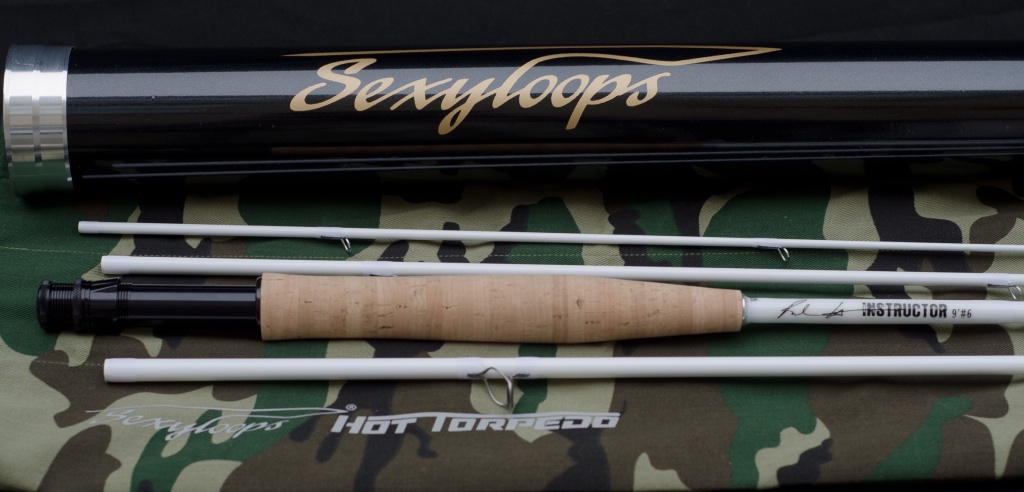
53:12 – Ronan mentions he primarily uses a 6wt rod, specifically the Hot Torpedo, which is designed for New Zealand fishing. For fly lines, he’s not particular about brands as long as the line is correctly weighted to match the rod.
Photo via: https://www.sexyloops.com
56:49 – Ronan recounts a memorable story where his grandfather won a sea trout competition with a large salmon in Ireland. We also talk about his efforts to pass the sport to his kids.
“My granddad. Paddy Creane with a great catch of seatrout from Gowla Lough in 1988. We fished together many times before he passed away in 1999. Everybody loved him! He’d have the craic with you no matter who you were. #irishseatrout #irelandbeforesalmonfarms #connemara #roundstone” (Photo via: https://www.instagram.com/ronan_creane/)
1:00:12 – He also shares a memory about his father visiting and their fishing tradition. His father has visited about ten times, and during each visit, they used to fish every day for 30 days straight.
Conclusion with Ronan Creane on Fly Fishing New Zealand
As we wrap up this episode, we hope you gained valuable insights into sight fishing for brown trout in New Zealand. With Ronan Creane’s expertise and passion, you now have a clearer picture of what makes New Zealand a premier destination for fly fishing.
If New Zealand was on your bucket list, we hope this episode has inspired you to start planning that trip. Remember, the journey might seem long, but the rewards are immense. Thank you for joining us, and we look forward to bringing you more incredible stories and expert advice on our next episode. Tight lines, everyone!
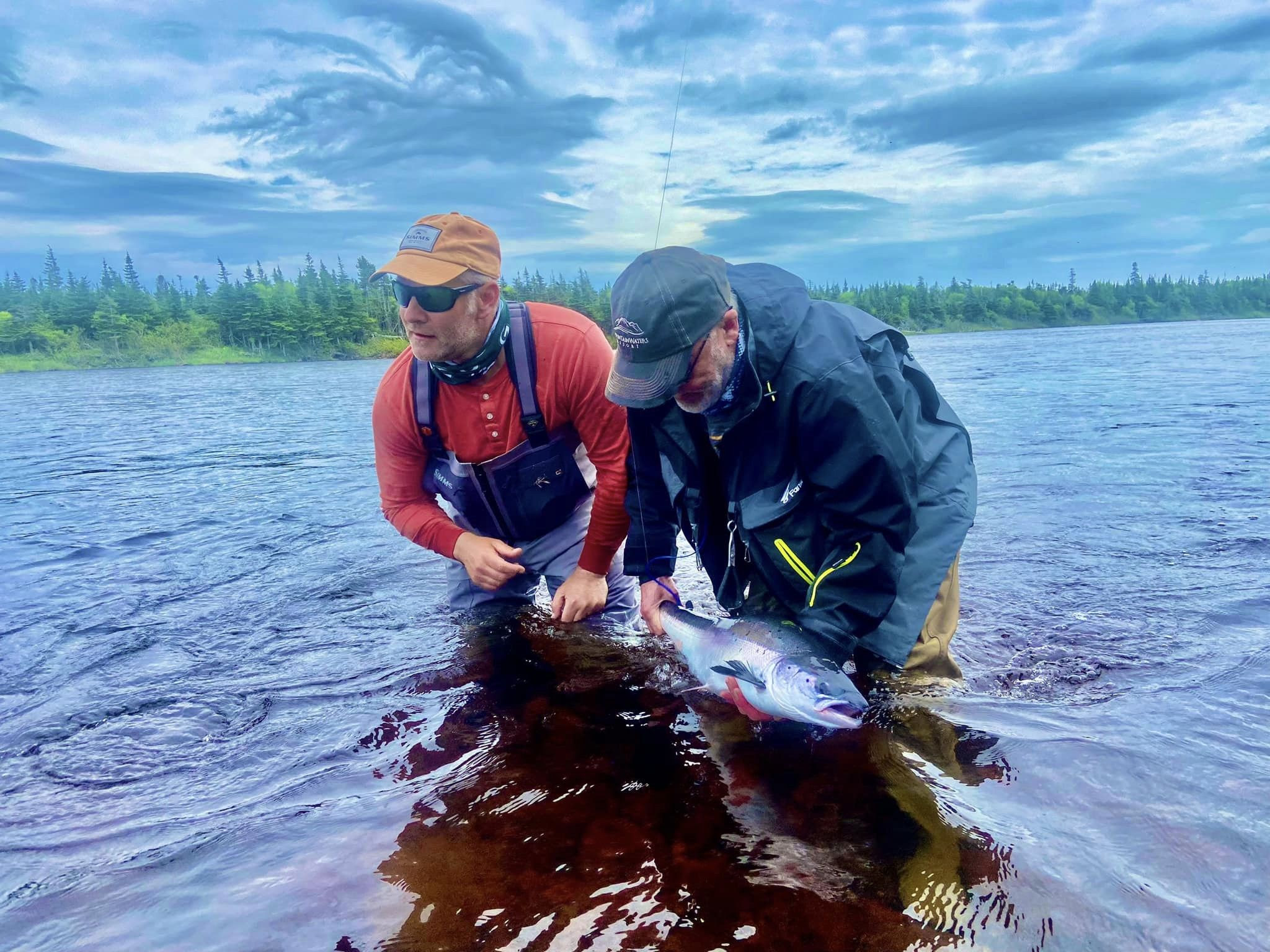
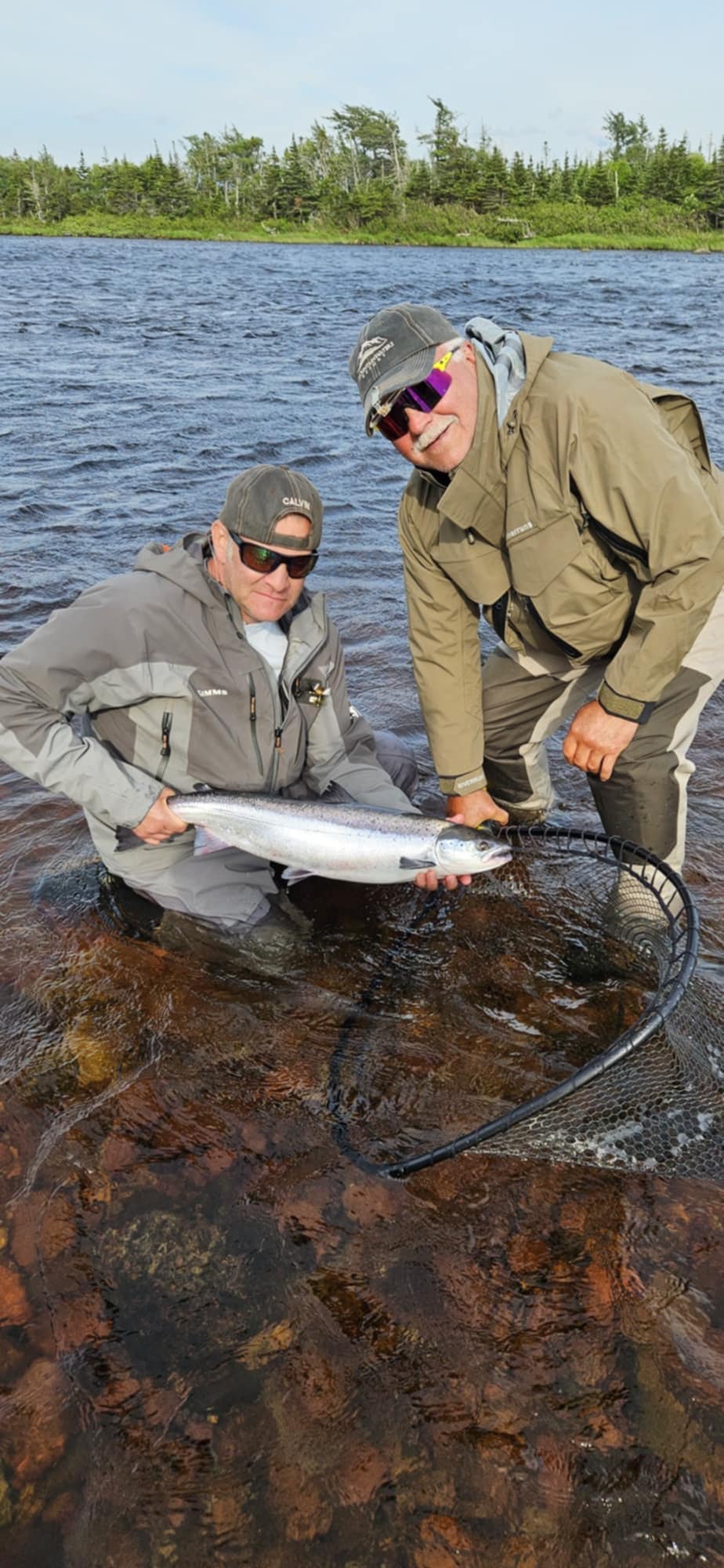
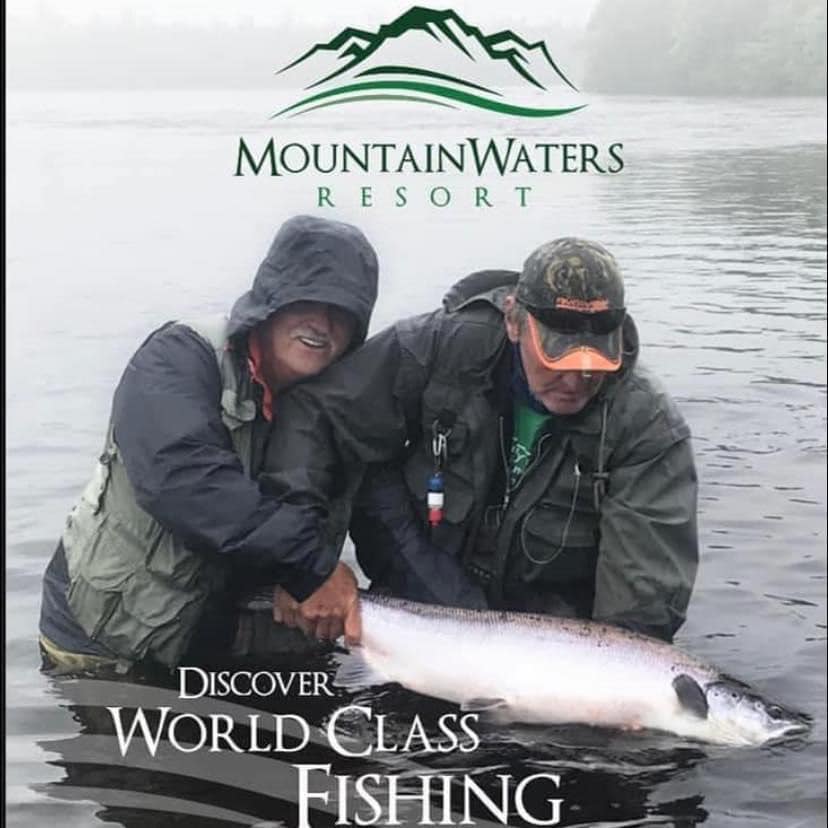
What if I told you there’s a place where you can fish the same waters as Lee Wulff and have a great chance at catching an Atlantic salmon on the fly?
Today, we will dive into the rich history and present-day fly fishing Newfoundland with the head guides from Mountain Waters Resort, Ryan & Les Wentzell and Rod Brophy.
You’ll discover the secrets of fishing the riffle hitch, why you should stay put in the pools instead of stepping down, and even why 4-lb tippet is the go-to at certain times of the year. Plus, learn how to hook a giant Atlantic salmon like Lee Wulff did.
Show Notes with Ryan, Les, and Rod on Fly Fishing Newfoundland. Hit play below! 👇🏻
(Read the Full Transcript at the bottom of this Blog Post)
Sponsors and Podcast Updates
Episode Chapters with Ryan, Les, and Rod on Fly Fishing Newfoundland
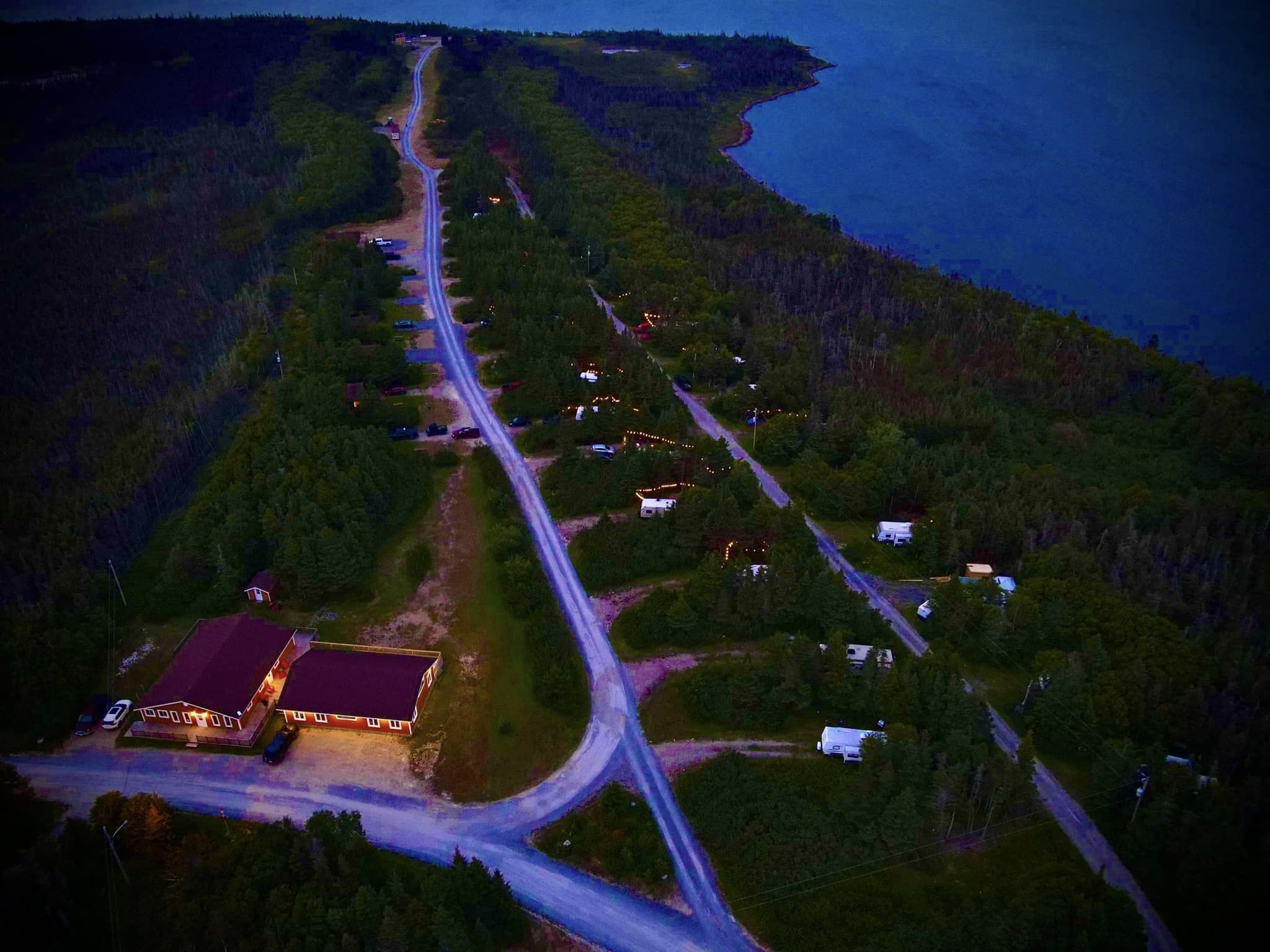
02:35 – Ryan grew up at the lodge, which his parents, Les and Paulette Wentzell, and two other couples purchased. The 170-acre property was originally owned by Lee Wulff.
05:23 – The lodge is in Daniels Arbor, Newfoundland, a small town with a rich fishing history. After nearly 30 years of operation, Ryan took over the lodge in 2019 and has been upgrading it ever since.
The Riffling Hitch
10:05 – Rod uses surface fishing with dry flies, like bombers, all year long. The riffling hitch creates a wake on the water, which makes it easier to spot the fish. This method is better than just using a regular wet fly.
Rod mentioned that even big fish, up to 40 pounds, have been caught using this technique, and it’s essential for consistent success.
20:17 – Les shares that Lee Wulff flew his float plane from New York to Newfoundland in the 1940s. He explored the rivers and set up fishing operations, including at Portland Creek. When a road was built nearby in 1956, Lee moved on to other projects.
28:11 – Rod shared how you can still fish in the spots where Lee Wulff used to catch fish. Many spots are still popular today. The area also offers amazing trout fishing, especially in nearby lakes.
Fly Fishing Newfoundland
30:02 – Ryan explained how people get to their fishing location. Most folks fly into Deer Lake Regional Airport, about two hours from the fishing area.
Once they arrive, Ryan’s team picks them up, and they can start fishing immediately. Some people drive all the way, but that takes longer with a 10-hour ferry ride from Nova Scotia.
32:52 – Most guests focus on Atlantic salmon, but there’s also great brook trout fishing in the area. They can also visit spots like the River of Ponds and see salmon at Hawke’s Bay. Plus, if you’re interested in cod fishing, that’s an option too.
35:04 – Rod says that catching Atlantic salmon is very likely, even for new anglers. He suggests using a 9 ft 9 wt rod and casting at a 45-degree angle across the river. The key is to adjust to the conditions and pay attention to the guide’s tips for a successful catch.
40:46 – Rod advises staying in one spot for at least an hour when fishing for Atlantic salmon. He explained that fish often settle in large pools, and you might be fishing over 25 to 30 fish in one spot.
Ryan shares a cool story about Henry Green, who fished at their place from 1957 to 2022. Henry was a big part of their history; loved salmon fishing and bird watching.
1:00:13 – Ryan highlights all the cool stuff to do in Newfoundland besides fishing. Gros Morne National Park is close by with boat tours and hiking.
The “Hitch”
Did you ever wonder how this business of hitching got started? Who invented the riffling hitch? Unfortunately, the identity of the angler who first hitched a salmon fly is lost in the mists of time. But we do know where it was first used and who let the secret out to the world. The riffling hitch is often called the Portland Creek hitch, and for good reason.
Around 1948, the widely acclaimed American fly angling pioneer, filmmaker, and writer Lee Wulff was fishing on the Northern Peninsula. He was working on contract with the Newfoundland government, assessing the salmon and trout fishing potential of this wild and wonderful region, even more remote and unspoiled in those days. It was a grand and opportune tourism gig for a writer.
Portland Creek, still today a top-notch salmon river, was a favorite of Lee’s. A Portland Creek guide by the name of Arthur Perry (He was a good friend of our Family and spent many hours at our home telling salmon fishing stories. It’s no wonder I love fishing. He showed Lee a technique that the locals had invented and by that time, used almost exclusively. They half hitched the tippet around the head of the fly in addition to the standard clinch knot. The salmon, for reasons mysterious still, loved the riffling presentation.
Naturally, Lee wrote about it, and the cat was out of the bag.
The question remains, why did anyone think to put half hitches behind the eye of a salmon fly? You might guess that it was experimental, a quest for better salmon catching prowess, the tinkering of a master angler. Nice storyline, but no.
Actually, it was out of frugalness and necessity. In those days, good hooks were expensive and not easy to get, and the eyes were not formed of metal but rather heavy gut material tied in place under the body of the fly. After extensive fishing and fighting salmon, the gut loop would eventually fray and fail. The fly would be lost, and likely a salmon, unless you had the fly hitched.
Frugal fishing folk did not fancy losing their precious flies. The hand-tied fly was most likely even a bigger deal than the salmon. So, they figured out a way to not accidentally lose their feather and hair creations, and extend its life beyond the limit of a natural gut eye. They would actually double-hitch it. Today I only use a single hitch. Good job, guys.
Nowadays, the Portland Creek hitch, or riffling hitch, is known in every nook and cranny of the fly fishing world. People are typically impressed when I tell them I’ve fished and live on the home of the hitch; a good conversation starter. It’s also used on many other species and with all sorts of flies, including tubes.
Conclusion with Ryan, Les, and Rod on Fly Fishing Newfoundland
That’s a wrap for today’s episode! If you want to book a trip, check in with Ryan now. Feel free to reach out to me as well if you want to discuss setting up your adventure. We’re excited to help you plan an unforgettable fishing experience.
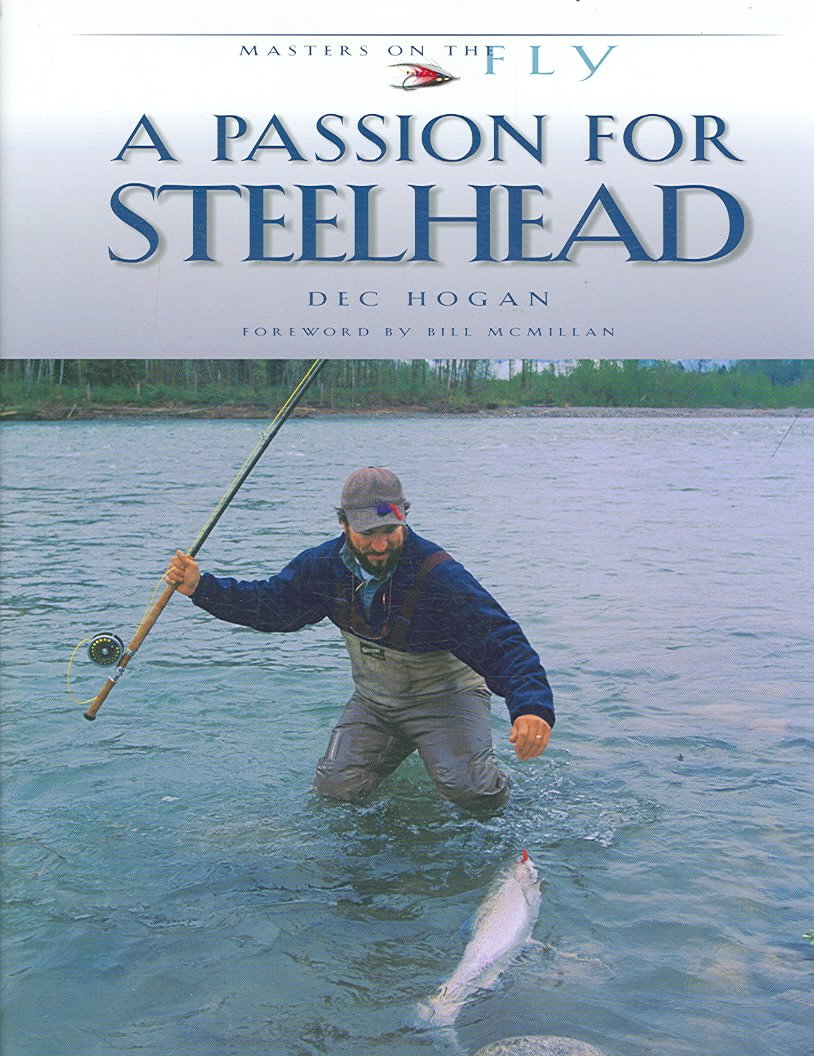
Today’s guest wrote the book referred to as the bible for steelhead fishing. He was one of the guys who created and perfected the Snap T cast, and he’s one of the most respected anglers in the Steelhead game. And today he’s gonna break down the history and some of the best tips for steelhead and spey so you have a better shot at hooking these magical steelhead while on the river this season.
(Read the Full Transcript at the bottom of this Blog Post)
Sponsors and Podcast Updates
Dec Hogan, Author of the book A Passion For Steelhead, guide, and expert spey casting instructor is here to take us back into history books of how Northwest Spey began and how steelhead fishing with the spey rod took off. We’re gonna talk about how to slow down your fly for more success. Today, you understand where the fish are holding and how to present the fly to these fish. And you’re gonna find out what happens if you get a pluck a touch, and you’re gonna understand what the fish are actually doing under the water. You’re always out there and you sometimes feel a little bit of feedback, but what is that fish actually doing? And how do you get that fish to come back to your fly? It’s all on today.
Plus, you’re gonna hear about the crew that created the first Skagit lines deck was there when they were cutting these things up for single handed rods. He tells a story there and how this all kicked off the spay revolution, spay Nation, everything we have going. So it doesn’t get any better than our guest today. Let’s find out how it all came together.
In this episode, we’ll chat with Nick Yardley, the president of Fulling Mill. We dive deep into the fascinating story of how Fulling Mill became a leader in the UK and US markets, sharing insights on their top fly patterns and the meticulous process that ensures only the best end up in your fly box.
We also explore stillwater fishing, with Nick offering expert tips and his favorite flies for targeting brook trout in the Northeast. Additionally, you’ll hear about his passion for the Great Lakes and why this region holds a special place in his heart for salmon and steelhead fishing.
Join us as we uncover these topics and more, giving you the knowledge to enhance your fly fishing adventures this season. Don’t miss out on this insightful conversation with Nick Yardley from Fulling Mill!
Show Notes with Nick Yardley on Fulling Mill. Hit play below! 👇🏻
(Read the Full Transcript at the bottom of this Blog Post)
Sponsors and Podcast Updates
Episode Chapters with Nick Yardley on Fulling Mill
1:38 – Nick shares his personal journey into fly fishing, starting from a young age with course fishing in Yorkshire, England. His interest shifted to fly fishing during a family visit to Dorset, where a gamekeeper introduced him to the sport. This experience led him to sell his match fishing gear and buy his first fly rod, albeit an unsuitable one. However, he later received a more appropriate and cherished split cane fly rod from a relative, which solidified his passion for fly fishing.
4:34 – We talk about his move from Britain to the United States in 1986. Nick explains that he didn’t find the job market in Britain appealing due to high unemployment and general discontent at the time. Seeking adventure, he pursued a path in the US, leveraging his background in climbing.
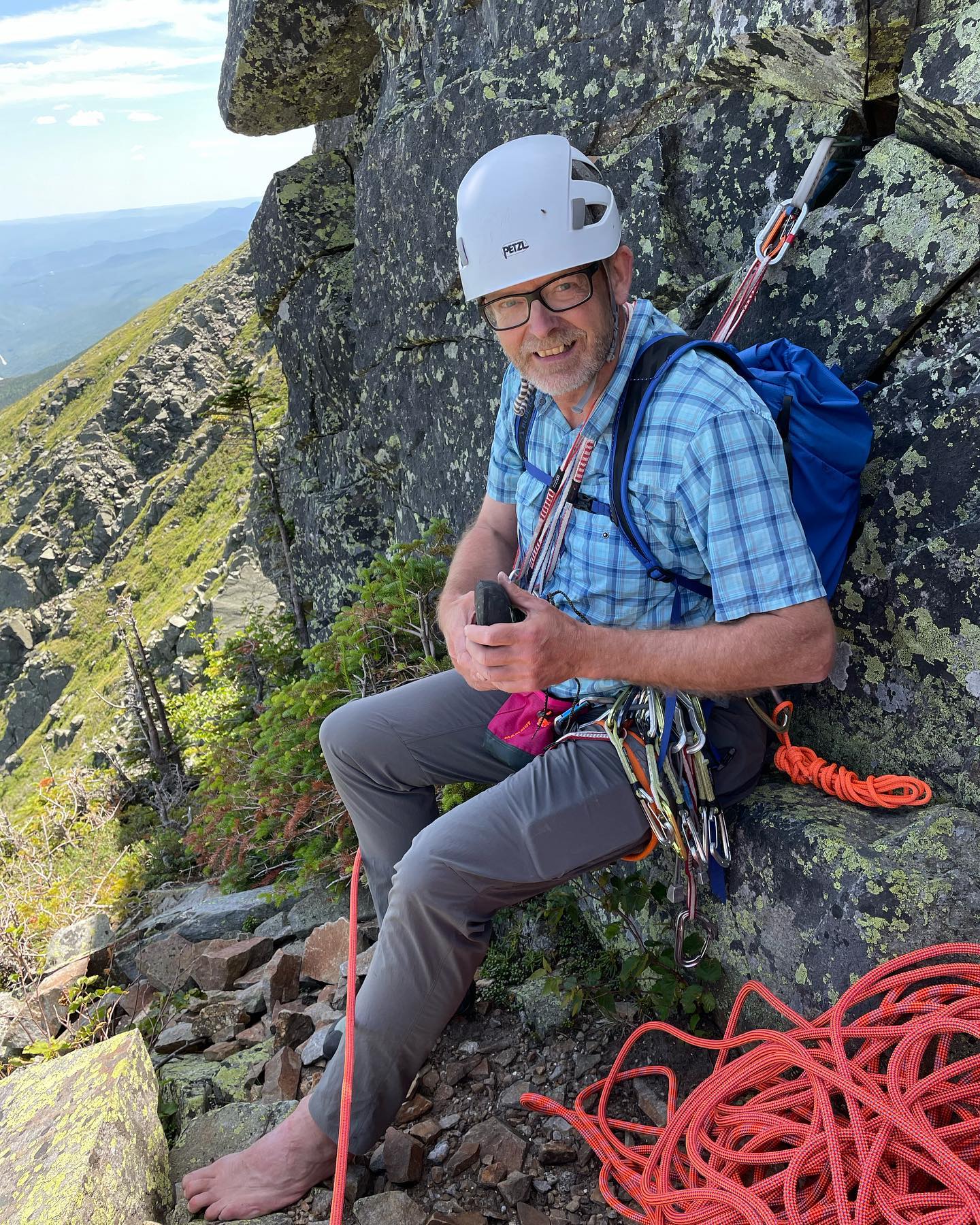
Life in the alpine. There’s not a lot of moderate alpine routes in the area but this has to be one of the very best. A great day up high with @sambrady_adventures on Pinnacle Buttress. #rockclimbing #nhrockclimbing #alpinerock #sunburn #perfectconditions☀️ #mountwashington #swollenfeet #beerthirty (Photo via: https://www.instagram.com/nickjyardley/)
8:22 – We explore the history of Fulling Mill. Its origins date back to the 1930s when Denis Whetham, a British schoolboy, took up fly tying after a rugby accident left him paralyzed. Upon returning to his family home in Kenya, he garnered local interest and even received commercial orders, leading him to pursue fly tying passionately.
Fulling Mill’s flies are now widely available across US fly shops, and in 2023, they introduced a new range of fly tying materials, further solidifying their market presence.
18:00 – Nick mentions that Fulling Mill aims to be a one-stop shop for fly fishing, catering to various needs across different regions, although trout fishing constitutes 80% of their business. He also highlights their innovative approach with Euro nymphing flies, offering different weights for the same fly size and enhancing the consumer experience.
Furthermore, Fulling Mill is planning to introduce a new range of flies for warm water and specific regions by 2025, including patterns for strikers in the northeast and shrimp patterns for the Caribbean and Belize.
22:31 – Nick discusses the process of understanding market needs and providing appropriate products for fly fishing. He says that the strong feedback comes from retail stores and their servicing reps, as different territories have unique demands. He mentions Devin Olsen, a well-known figure in fly fishing who is both a signature fly tier and a shop owner, highlighting how his flies have broad national appeal.
24:18 – We dig into brook trout fishing, focusing on effective flies and ideal locations. Nick recommends using size 14, highly floatable dry flies with foam bodies, mentioning specific types like little chernobyl ants and beetles. He explains that when fishing for brook trout in the White Mountains of New Hampshire during the hot summer months, small black beetles work well due to the cold streams.
31:09 – Nick describes their operation in Kenya as well-established, employing about 215 people who are provided with healthcare and a retirement program, making it a desirable place to work. Most employees are around 40 years old and have been with the company for 15-20 years, showcasing their experience.
33:07 – Nick shares his experiences fishing in the Gaspe region, noting the high quality of public waters and the strong salmon stocks. He also mentions the ease of planning a fishing trip in Quebec using resources like the website saumongaspe.com.
Nick rigging up on the Dartmouth. (Photo via: https://blog.fullingmill.com/gaspe-salmon/)
40:00 – He finds the Great Lakes steelhead fishing to be remarkable, especially on the Salmon River. Nick says that in salmon fishing, traditionally, single-handed rods with streamers were used, but now many anglers are using two-handed rods for swinging. This method is becoming popular on the Salmon River, where it is effective for covering extensive water quickly and efficiently with big rods and classic West Coast salmon flies.
42:14 – For Atlantic salmon in rivers like the Dartmouth, York, and Saint John, Nick typically uses a 12.5ft 7wt rod, which suits most conditions. However, in narrower sections of the York River, he switches to an 11ft switch rod or a 10ft 7wt single-handed rod. For fishing in the Great Lakes, he often uses either the 11ft switch rod or the 12.5ft 7wt rod rod, which are versatile enough to cover most of his needs.
A pod of Salmon on the Dartmouth River. Photo: Joe Klementovich (Photo via: https://blog.fullingmill.com/gaspe-salmon/)
45:27 – He recommends some fly patterns to bring when you’re planning to go on a fishing trip in the Gaspe for Atlantic Salmon.
47:52 – We get into fishing for brook trout in the White Mountains and the types of flies used. For flies, Nick explains that it largely depends on the fishing location and personal preference. He prefers using a dry fly setup, typically starting in July and continuing through August until the waters become too cold.
“It’s small stream season, and trout are happy to be eating dry flies! Pictured here is a brook trout that ate our Quick Site Ant in black. Photo: Joe Klementovich” (Photo via: https://www.facebook.com/FullingMillUSA)
50:30 – Nick expresses a strong desire to fish in Scandinavia, specifically targeting salmon, trout, and grayling, as he has never fished there before. He notes that the salmon fisheries in Scandinavia are collapsing this year, so he would likely wait until they recover. He also mentions other destinations he wants to explore.
58:02 – For stillwater fishing, Nick suggests using a floating crane fly or dry fly crane fly, commonly known as “daddy long legs” in Britain, noting their high effectiveness despite being underutilized in other regions. He also recommends the diawl bach, a classic Welsh fly known for its consistent performance.
58:39 – We get into the random segment where I ask him about his morning drink preference. Nick reveals that he’s a big tea drinker, preferring Yorkshire tea. He explains that a proper cup of tea requires a teapot, boiling water poured over the tea, and some milk. He does not recommend using an old tea bag and warm water since it doesn’t produce a good cup of tea.
1:00:37 – Nick enjoys a mixture of both podcast and music, but he also listens to a lot of audiobooks. He likes listening to The Stranglers, a band he grew up with in Britain.
Our episode with Nick Yardley of Fulling Mill was packed with valuable insights and fascinating stories. We delved into the craftsmanship behind those meticulously tied flies you see in fly shops and uncovered the hottest patterns for targeting trout this season.
We also explored the rise of Fulling Mill in the UK and US markets, the importance of stillwater flies, and Nick’s personal journey from rock climbing to fly fishing, highlighting a shared mentor who has influenced their paths.
Whether you’re a seasoned angler or just starting out, this episode is a great resource that will help you refine your approach and discover new adventures in fly fishing. Be sure to tune in and equip yourself with the knowledge to make the most of your time on the water. Until next time, tight lines and happy fishing!
Today’s episode is special because we’ve got Bill Gammel, the creator of the Five Essentials of Fly Casting, a framework many experts swear by.
Find out how dropping your right foot can improve your timing, discover the most important variable in fly casting, and get the top drill to boost your casting skills.
Let’s get you back on track with better line speed and loop control!
Show Notes with Bill Gammel on The Five Essentials of Fly Casting. Hit play below! 👇🏻
(Read the Full Transcript at the bottom of this Blog Post)
Sponsors and Podcast Updates
Episode Chapters with Bill Gammel on The Five Essentials of Fly Casting
02:08 – Bill started fly fishing at just six or seven years old, catching Bluegill with his older brother and father. His passion for fly fishing continued until college, and he recalls a time he had to switch to conventional tackle for his master’s degree research.
04:40 – Bill still lives in Baytown, the same area where he grew up and where his dad greatly influenced his love for fishing. Though the area isn’t ideal for fly fishing because of the murky water from the Trinity River, Bill and his family found ways to catch fish.
The Five Essentials of Fly Casting
07:18 – Bill talks about how he and his dad learned fly casting together. His dad was a natural athlete with great hand-eye coordination. They used a home video camera to record expert casters like Lefty Kreh and Mel Krieger.
Over time, they noticed common patterns and eventually put together what we now know as the “Five Essentials of Fly Casting.” Bill said they didn’t invent anything new but identified key principles that all great fly casters share.
11:02 – Bill started teaching fly casting lessons as a teenager, but it wasn’t until they were asked to write a booklet for the Federation of Fly Fishers that they fully laid out the essentials.
They spent two years carefully analyzing videos and got input from top tournament casters. Their work was published in the late ’80s and became the foundation for the FFF’s instructor program.
20:03 – One of the most important lessons he learned was to focus on trajectory and to keep your cast more level, not too high.
He also emphasizes that line speed and loop control are the foundations of distance casting. Bill said if you master those two, you’ll be able to cast a full fly line without much trouble.
If you want to improve your casting, Bill recommends checking out Paul Arden’s Sexyloops website. It’s a solid resource with articles, videos, and step-by-step methods to help you learn to cast better.
25:48 – Bill breaks down the Five Essentials of fly casting and explains how they work together. He said he now teaches them in a new order to make more sense. The most important essential is the straight line path of the rod tip, which helps create a clean cast.
31:00 – The arc changes based on how much the rod bends, which can be affected by the length of the line and the amount of power used. A narrow arc is for short casts, and a wider arc is needed for longer casts.
35:04 – Timing and power application are important in fly casting. Bill explains that to get the best cast, your timing needs to be spot on—starting your forward cast just as the line straightens out behind you.
37:32 – He also shares his secret to power: a smooth acceleration to a stop. This means starting slow, adding power in the middle, and then stopping quickly. The stop is key because it lets the rod transfer energy to the line.
Conclusion with Bill Gammel on The Five Essentials of Fly Casting
Today’s takeaway: break down your cast and see how you’re doing using the five essentials of fly casting. Dive into Bill’s videos or any resources that can help you fine-tune your technique.
In this episode of In the Bucket, join Brian Niska as he sits down with fly fishing legends Steve Morrow and Justin Miller. These two heavyweights dive deep into their decades-long experiences, sharing great stories from the wild rivers of the Pacific Northwest to the far reaches of Kamchatka. They talk about the art of guiding, the thrill of the catch, and the camaraderie among anglers. Whether you’re an avid angler or just love a good story, you’re in for a treat today. Okay, let’s get in the bucket!
Show Notes with Steve and Justin. Hit play below! 👇🏻
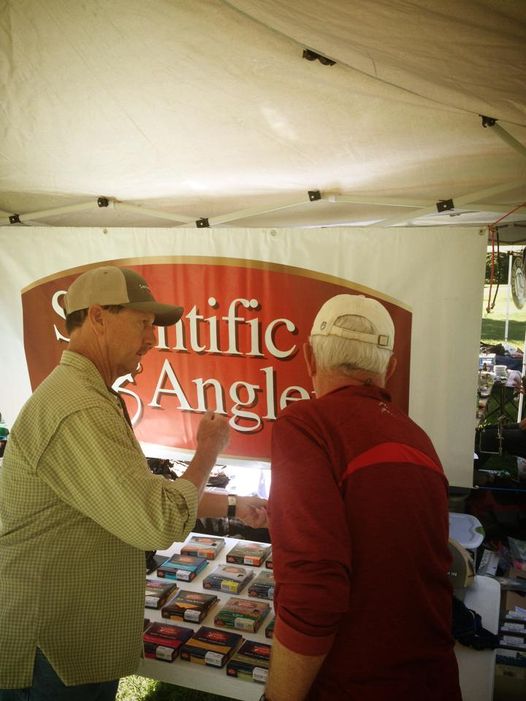
In this episode, Bruce Richards, Scientific Anglers’ guru and a master of fly casting, shares his six-step method to perfect your fly cast. Whether you struggle with tailing loops, presentation in windy conditions, or fishing with dry flies, his expertise offers simple and effective solutions.
We also dive into the fascinating history of Scientific Anglers, one of the premier fly line companies. Bruce explains how fly lines have evolved over time, becoming heavier and more specialized. You’ll learn which rod is best for beginners and the key actions to look for in a fly rod. But that’s not all—he reveals the number one cause of poor fly casts and provides tips on analyzing your cast for continuous improvement. Tune in for an episode packed with practical advice and expert wisdom from Bruce Richards, a true icon in the fly fishing community.
Show Notes with Bruce Richards on the Six-Step Method to Perfect Your Cast. Hit play below! 👇🏻
(Read the Full Transcript at the bottom of this Blog Post)
Sponsors and Podcast Updates
Episode Chapters with Bruce Richards on the Six-Step Method to Perfect Your Cast
2:24 – Bruce reminisces about his upbringing in Midland, Michigan, where he was indirectly introduced to fly fishing through his father’s best friend, a sales manager at Scientific Anglers. Although Bruce was eager to join fishing trips as a young boy, he was only allowed to participate when he was older. His early exposure to fly fishing laid the foundation for his future career.
3:24 – His professional journey began in a rather unplanned manner. Despite attempts to secure summer jobs at Scientific Anglers, the seasonal nature of the business meant there were no vacancies. After earning a degree in fisheries, Bruce received an unexpected call from a friend at Scientific Anglers, inviting him to apply for a job. He succeeded in securing a position in 1976, marking the start of a long and varied career within the company.
5:30 – He reflects on the significant changes in the fly fishing industry over the years, particularly focusing on the technological advancements since he started in 1976.
9:33 – We discuss the evolution of fly lines and rods over the years. Bruce confirms that lines have become heavier and explains the history behind this trend. He also explains that as these heavier lines became popular, rod designers began developing stiffer rods to match them. This created a cycle where heavier lines required stiffer rods, which in turn required even heavier lines.
13:29 – We dig into the combination of fly rods and lines, emphasizing the flexibility in pairing them. Bruce points out that the action of a rod can be modified by changing the weight of the line used. He suggests that the most logical approach is to select the line first based on the type of fly, the fishing distance, and the environmental conditions, and then choose a rod that can effectively cast that line.
19:52 – Bruce recounts an experience with a Canadian casting student, which led him to develop his six-step method for improving fly casting. Initially, Bruce faced challenges instructing the student remotely but found that examining the top leg of the loop in the cast revealed critical insights. The method involves assessing the loop’s top leg for straightness, understanding the rod tip’s path, analyzing the caster’s actions, and making necessary adjustments.
29:48 – Bruce advises those who have never cast before. He emphasizes the importance of understanding the mechanics, like how loops work, which allows for self-analysis. He mentions that after a lesson, beginners usually show significant improvement. However, he notes that this improvement can be fleeting, similar to learning in other activities like golf. The key to sustained improvement lies in practice and remembering specific feedback, such as not bending the wrist too much.
31:31 – I ask Bruce whether a rigid wrist is necessary for casting, and he explains that the wrist plays a crucial role in controlling the rod’s casting arc. The combination of shoulder, elbow, and wrist movements is essential for an efficient cast, as using only the elbow can be tiring.
He also elaborates on how the flexibility of the rod affects wrist movement. A softer rod requires more wrist action, while a stiffer rod requires less. He also mentions that the weight of the line can change the dynamics; for example, using a heavier line on a stiff rod alters wrist usage.
33:13 – Bruce advises against using heavier rods than necessary unless the casting conditions demand it, such as in saltwater fishing where heavier lines are needed to cast heavy flies despite the fish not requiring such heavy equipment. The wind is another significant factor that complicates casting, making the right choice of rod and line even more critical.
35:16 – We go into step four of his six-step method which is about changing the body movements. Bruce describes a scenario where a wide, sloppy loop with an upward curve indicates a wide casting arc, often due to improper wrist movement. He emphasizes that while beginners might struggle to identify these issues on their own, instructors or more advanced casters can use the six-step method to troubleshoot and correct the cast. By narrowing the casting arc, the rod tip path becomes straighter, leading to a more efficient loop.
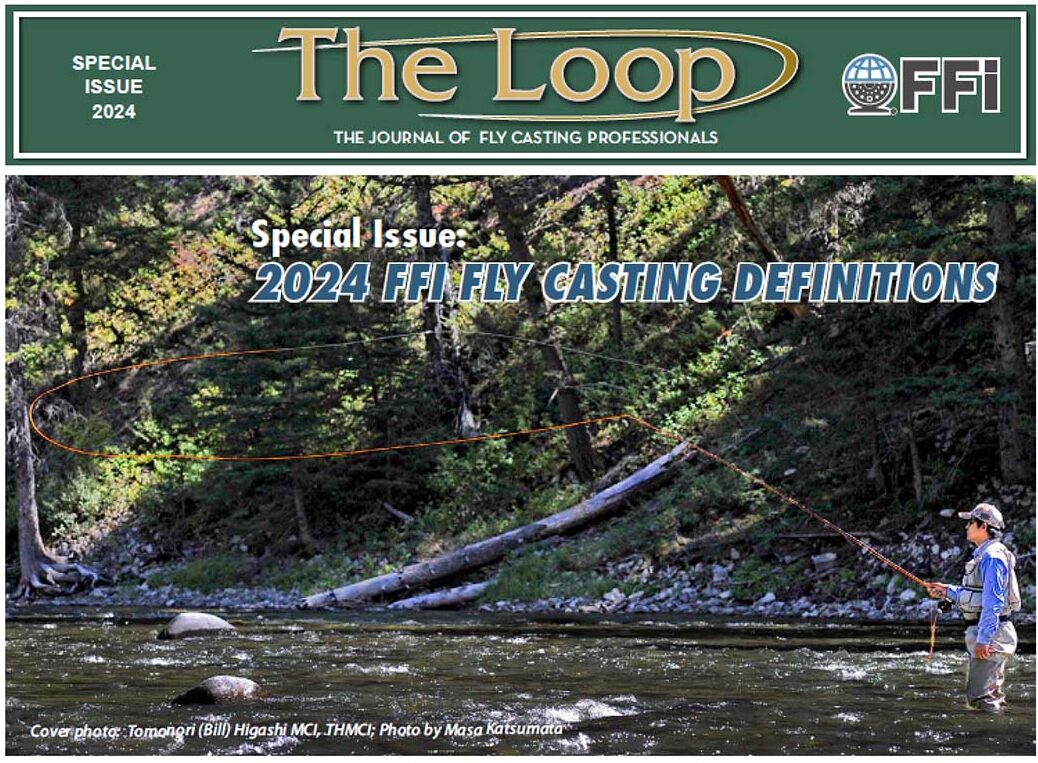
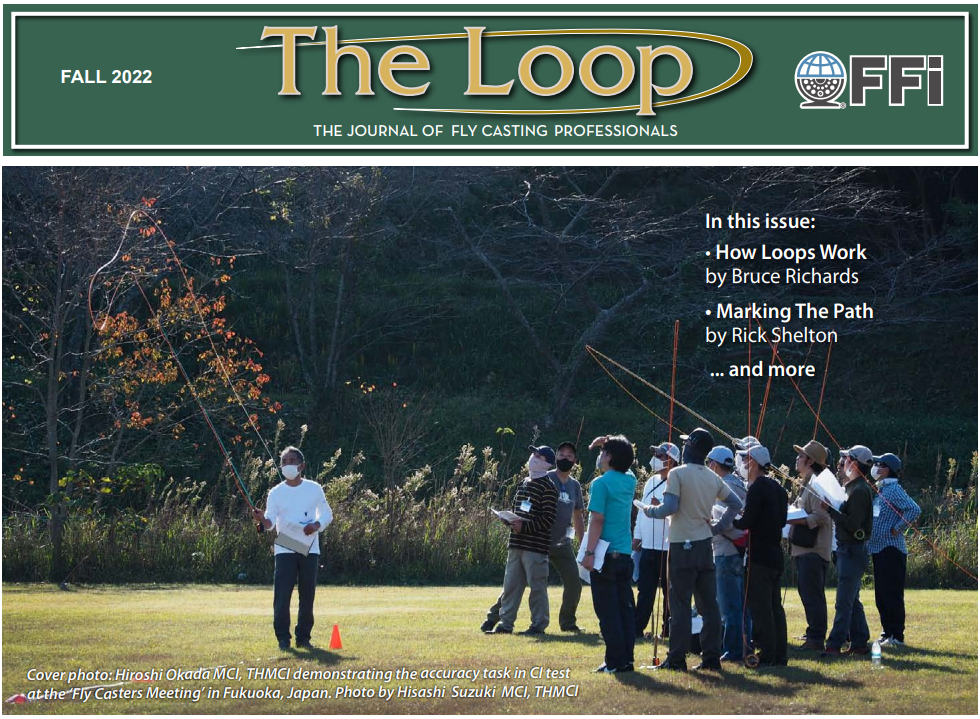
37:30 – Bruce recommends checking out the Fly Fishers International (FFI) website for valuable sources on loops. Specifically, he highlights a journal and newsletter called “The Loop Journal” which is available on the same website.
Photo via: www.flyfishersinternational.org
41:40 – We discuss the origins and development of the FFI certification program, which was initiated in 1990 and completed by 1992. Bruce collaborated with other prominent figures in the field, including Lefty Kreh, Joan Wulff, Gary Borger, and Chico Fernandez, among others to develop the program. The program has since become the leading and most respected certification for fly-casting instructors internationally.
43:03 – We dig into the FFI’s certification process. Many aspiring instructors initially overestimate their casting skills until they undergo the program and realize the areas they need to improve. Bruce mentions that the time it takes to get certified varies; some individuals may take years, while others can achieve certification in about a year with focused effort and mentorship.
47:57 – We talk about what typically causes someone to create a tailing loop during casting. Bruce explains that the issue often arises when an angler tries to cast longer distances, around 60 to 65 feet. At this point, they might apply too much force at the end of their casting stroke. This extra punch causes the rod to bend excessively, leading the rod tip to curve down and create a tailing loop.
He elaborates that instead of adding force at the end of the stroke, the caster should begin accelerating the rod earlier in the casting stroke. This smooth, early acceleration distributes the force more evenly and prevents the tailing loop from forming.
50:54 – We discuss the evolution of sinking lines. Bruce shares his experience, noting that the original sinking lines were made by adding powdered lead to the coating, which was effective but problematic due to lead’s toxicity.
Despite advancements, he also notes that the fundamental chemistry and process of making sinking lines have not drastically changed since the 1980s. Modern lines still use powdered tungsten, varying its amount to control the sinking rate. While design aspects may evolve, the core materials and methods remain similar, reflecting the robustness of the original innovations.
53:49 – We discuss tips and techniques for preparing for a dry fly fishing trip, particularly focusing on casting and presentation. Bruce highlights that the approach varies depending on the fishing environment. For instance, in slick water fishing locations like the Big Horn or Henry’s Fork, it’s crucial to know how to throw slack in the leader. Conversely, in windy conditions, it’s essential to cast straight.
He also emphasizes the importance of making a great cast by placing the fly accurately while managing slack in the leader. He points out that many people throw nice loops but at too high a trajectory, which can be problematic in windy conditions. To address this, he advises adjusting the trajectory of both the front and back cast. By throwing the back cast high, it naturally makes the front cast low, ensuring a better delivery of the fly.
57:42 – I ask him how to maintain fly lines. He explains that contemporary lines, such as those from Scientific Anglers, can last significantly longer than older lines due to improved chemistry. While older lines would typically last 3-5 years before becoming stiff and cracking, he mentions having lines that are still functional after 15 years.
The key factors that can damage fly lines include exposure to excessive heat, sunlight, and solvents. Improper storage, such as leaving gear in a car trunk exposed to the sun, can lead to quicker degradation. Additionally, he emphasizes the importance of cleaning fly lines to maintain their performance. He gives some tips on how to clean them.
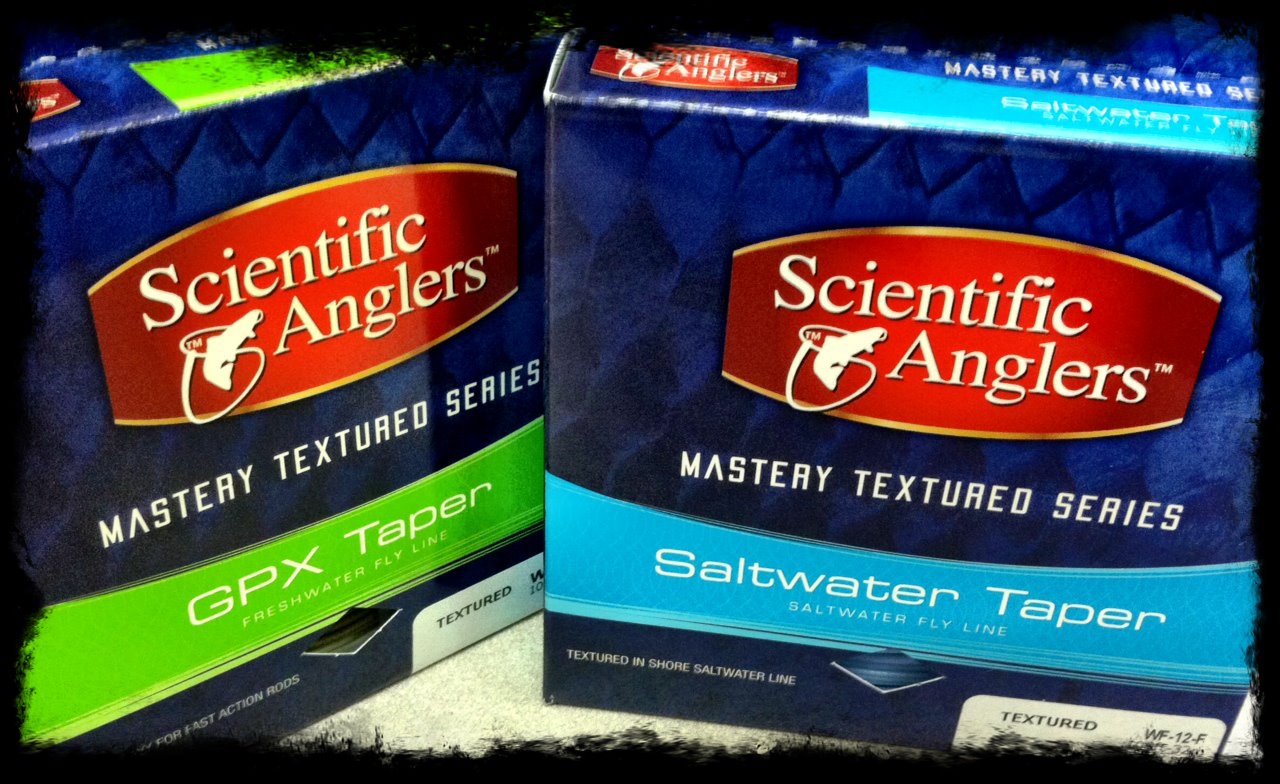
1:02:03 – We go into the evolution and impact of fly lines in the industry. Bruce highlights the significance of the GPX taper, describing it as a game-changer due to its half-size heavy design and innovative coating technology. Despite advances in sinking lines, Bruce notes that their market remains relatively small compared to floating lines.
March 2, 2012 (Photo via: https://www.facebook.com/ScientificAnglersFlyFishing)
1:06:25 – Bruce shares a memorable story about his first day working at Scientific Anglers in January 1976. He recounts receiving a welcoming phone call from Lefty Kreh which made a significant impact on him. This call not only welcomed Bruce to the industry but also marked the beginning of many friendships with the greats of fly fishing, whom he had long admired.
Conclusion with Bruce Richards on the Six-Step Method to Perfect Your Cast
This episode with Bruce Richards is perfect for anyone looking to improve their casting skills. Whether you’re a novice or an experienced angler, his six-step method offers clear and effective solutions to common casting challenges. His insights into the evolution of fly lines and guidance on selecting the right rod are invaluable for enhancing your fishing experience. Don’t miss out on this opportunity to learn from one of the best in the industry—tune in and transform your fly fishing game with expert tips from Bruce Richards.
photo via https://www.instagram.com/p/Cyq48yIPU99/?utm_source=ig_web_copy_link&igsh=MzRlODBiNWFlZA==
In this episode, we explore the journey of Brad Babich, who went from flipping auto parts to owning Togens Fly Shop almost overnight. We learn how he made the leap from corporate life to fly fishing and what sets Togens apart for its customers.
Brad also takes us through the history of the shop, including his weekend trip from British Columbia to Colorado with thousands of products in tow and how he assist guests with the best fly tying materials even from a distance.
Show Notes with Brad Babich on Togens Fly Shop Hit play below! 👇🏻
(Read the Full Transcript at the bottom of this Blog Post)
Sponsors and Podcast Updates
Episode Chapters with Brad Babich on Togens Fly Shop
1:26 – Brad shares how he got into fly fishing. He started young, fishing with his dad using an antique fly rod. He describes his early experiences in Wisconsin and later, in Colorado, where he developed a deeper passion for fly fishing.
4:46 – He then explains how he and his business partner came to own Togens Fly Shop. Initially, Brad worked in sales and marketing, but his partner found Togens for sale. After some quick decisions, they acquired the business and moved it from Canada to Colorado.
7:05 – Brad discusses what sets Togens apart, focusing on their wide range of fly tying materials and fly pattern-specific kits.
photo via https://www.instagram.com/p/Cyq48yIPU99/?utm_source=ig_web_copy_link&igsh=MzRlODBiNWFlZA==
10:28 – He emphasizes the importance of personal customer service. Unlike many e-commerce businesses, Togens maintains a phone line, allowing customers, especially older ones, to place orders directly.
20:00 – Brad discusses the variety of fly tying materials at Togens, like precut anesthetic bags and numerous bead options.
photo via https://www.instagram.com/p/Cyq48yIPU99/?utm_source=ig_web_copy_link&igsh=MzRlODBiNWFlZA==
28:58 – He also talks about expanding their reach by incorporating diverse fly patterns tied by their East Coast representative, Aiden, to cater to different regional fishing needs.
33:45 – Brad discusses the logistics of running an online shop, focusing on shipping challenges. He mentions how Togens Fly Shop works hard to ensure fast and reliable shipping, even though it can sometimes be tough.
photo via https://www.instagram.com/p/Cyq48yIPU99/?utm_source=ig_web_copy_link&igsh=MzRlODBiNWFlZA==
41:32-45:00 Brad discusses the critical role that customer feedback to lead improvements in their product offerings and customer service.
47:18 – 49:38 He then emphasizes that being open to criticism and willing to make changes has been essential to their success.
50:12 – 55:17 Brad recounts his trips that have led to some of the best ideas for new products and services. He values the face-to-face interactions and the chance to hear firsthand what customers love about Togens Fly Shop.
photo via https://www.instagram.com/p/Cyq48yIPU99/?utm_source=ig_web_copy_link&igsh=MzRlODBiNWFlZA==
Conclusion with Brad Babich on Togens Fly Shop
Brad and Dave talked about how Togens Fly Shop stays on top of the ever-changing world of outsourced customer service. As the new owner, Brad explained how he stepped up to tackle the shop’s biggest challenge: keeping customers happy and engaged, even from a distance and how he hand picked the best fly tying materials for their satisfaction.