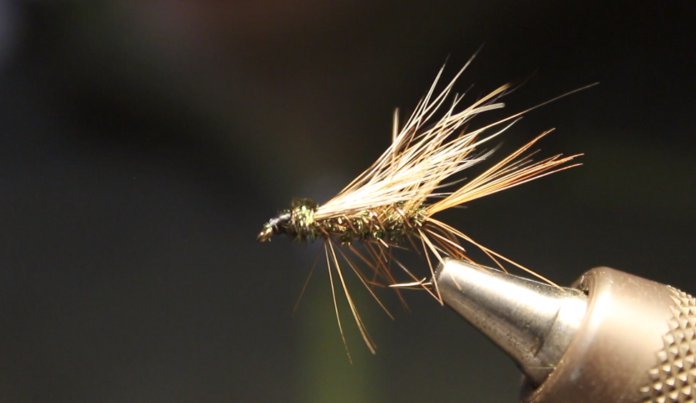
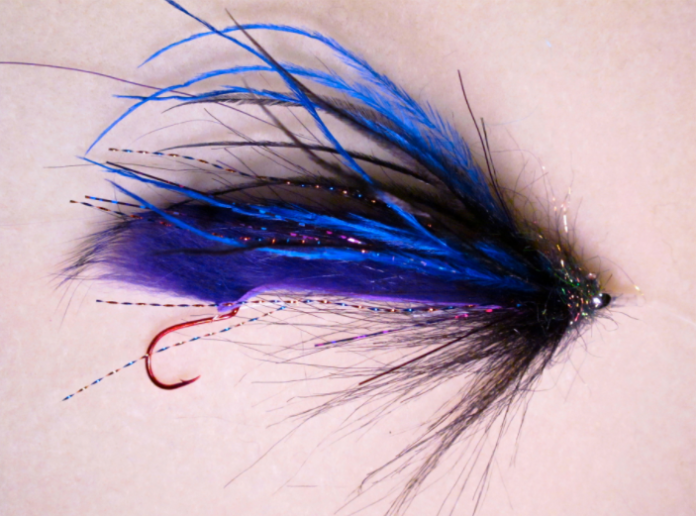
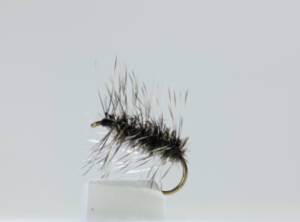
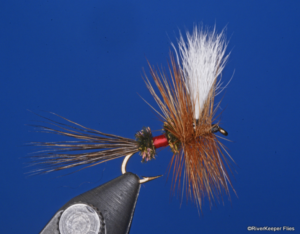
In todays fly tying video I show you how to tie a classic wet fly, the Picket Pin. Click on the link below to watch the video on tying the picket pin.
I also provide a link below to the material list and a great article on the history of this great fly. I received a message from Colin who thought this would be a great pattern to tie and I think he was correct!
This post gives some great background on the Picket Pin Pattern. The fly was named after what they used to call a gopher, a picket pin, because they were standing up straight in the field.
The fly has since moved from gopher material over to mainly squirrel for the wing and tail. In this fly pattern I use brown hackle for the tail.
As the article notes, it is also a great panfish pattern so if you have kids this would be a great one to utilize.
If you would like to get the 30 Fly Tying Tips PDF Quick Guide just click on the button below:
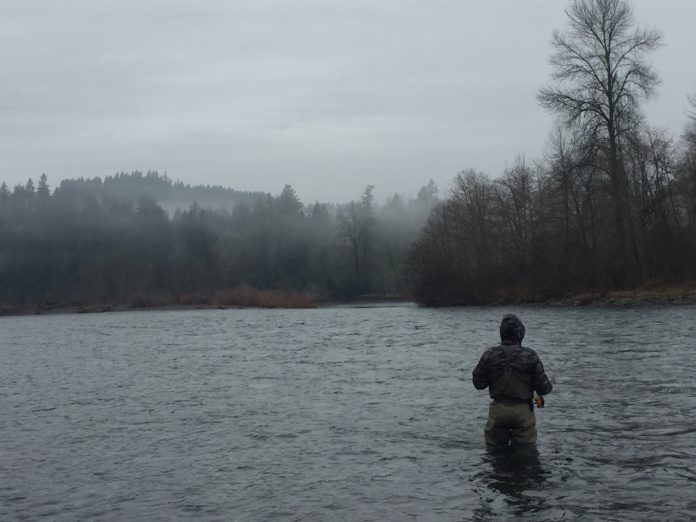
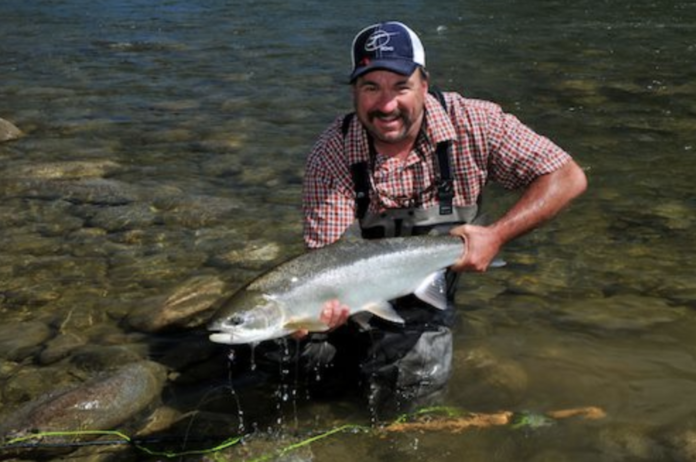
Todays Tip of the Day comes from Jack Mitchell who made a great point when he discussed a great way to find steelhead holding water by focusing your time on the Heads and Tails of runs in certain situations.
In certain situations when you have a long run in front of you it makes sense to focus on the transitional zones and in areas where the majority of fish will be. This will also be your best shot at finding most of the fish.
Focus on what Jack calls the “heads and tails” of the run. These transitional areas are especially important during changing water conditions which we see quite a bit with winter steelhead fishing.
So, instead of fishing a hugely long run that may take hours to fish, just focus on the head of the run and the tail-out of the run.
But, if it’s a short run, go ahead and fish the entire run. Nothing hurt there.
If you enjoyed this steelhead tip and want to see the PDF download of the Top Steelhead Fly Fishing Tips from the Pros just click on the button below:
I provide a quick introduction to the Fly Fishing Podcast Launch here.
Click here to listen to a short summary of the Podcast:
Click on the button to be updated when the Podcast launches
We can all use a little help in our fly fishing journey, there is no question about that.
What is your biggest struggle right now in fly fishing or fly tying?
Chances are that one of my guests will be able to solve that pain point and help you in your journey.
How about some amazing stories from fisherman who have been through it all? Big Fish, lots of fish, every species you can imagine.
I share these stories and a lot of great tips to help out along the way.
Some of the Guest Interviews
Trey Combs will discuss his long and storied history in fly fishing and blow you away with where he has come from and gone in fly fishing.
Jay Nicholas has tied thousands of flies and is well know for his videos and his experience fly fishing for Salmon.
I learned about spey casting watching Simon Gawesworth’s videos. Think you can get a few tips listening to him discuss casting?
Have you ever heard Pete Humphries talk about spey casting or heard or read Dec Hogan’s stuff? information on steelhead fishing?
You will listen to all of these questions and many more when you subscribe or enter your email below.
Season 1 – Steelhead
Season 1 will go deep into steelhead fishing with a sprinkling of other fly fishing and fly tying content. Spey Casting, lines, reading water, fly color, tips and many other topics will be covered.
I’m excited to share some of these episodes with you as we move forward with the show.
Season 2 – (Your feedback will guide the show)
I’ve got some great guests lined up but want to hear back from you. What fly fishing topic would you love to hear about?
I listened to Dec Hogan recently on a fly fishing show and wanted to quickly share that here. Dec breaks down spey lines in a very simple fashion at the link below.
That link above is from the Reno Fly Fishing Shop Podcast. I’m excited to listen to more of the episodes from the crew there.
A brief summary of Dec’s explanation can be broken down in a simple form.
Skagit Lines
Skagit style lines are like a garden hose. Super heavy and thick line on the front of the fly line helps to cast sinking tips and heavy flies.
Scandi Lines
Scandi style lines have weight in the back of the line and then a very fine taper going down to a thin front taper. These are great for swinging light flies on the surface.
Grain Weight
All rods have a specific grain weight that goes with the rod. A typical two handed rod for spey casting might be between 12 feet and 13.5 feet. Find a rod in your budget and then look at the grain weight.
There is a range of grain weights for each rod so if you are unsure just pick a weight in the middle. If it’s a 400 to 500 grain rod, just go with a 450 grain weight.
Practice
The most important thing is to get out on the water and practice. And practice some more. If you have the chance, get a fly casting lesson.
That’s all I had today. I just wanted to make sure to remind myself of this great show. I’ll have Dec on my podcast very soon so looking forward to that.
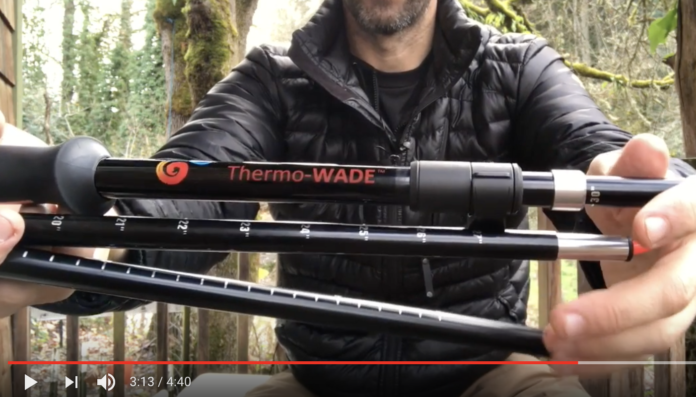
I had a chance to test out the Thermo-wade wading staff and share a quick unboxing video below. Upon first use the staff appears very solid! I have used some of these types of products in the past and know that durability is the key.
I’ll check back later this season to let you know how it all worked out after a full use this season. You can find the Thermo-wade here ==>> Thermo-wade website
I will not promote anything I have not used thoroughly so appreciate that this is just an unboxing video. I will update this post later this season after I have had a chance to use the staff heavily this season.
I’ll be beating it up like I do with my own gear to make sure you can decide whether this type of product is right for you.
Also, this product is from the UK and want to hear back from Thermo-wade to make sure shipping charges are not to high. As of now I don’t see it on Amazon so I am hoping they can clarify where you can easily purchase if interested.
I wanted to say thanks to Thermo-wade for sending the wading staff. Looking forward to providing an update later this year.
If you like this type of gear review content and want more, click on the button below and I’ll send the next one to your inbox.
Steelhead and Salmon Fly Fishing is covered by Jay Nicholas in Episode 003 of the Fly Fishing Podcast. Jaytalked about steelhead fly fishing, fly tying and a bunch of other amazing fly fishing topics.
Jay clarifies the caveman connection and fly tying and talks about another recent book he has out which brings him to about 14 books? Jay also talks about some of the best flies for steelhead and what’s worked for him over the years.
Click below to listen to the Best Flies for Steelhead Podcast with Jay Nicholas
I really enjoyed this interview as I spent a good part of the day with Jay before and after the interview. I met Jack at PacificCityFlyFishing.com who brought a real conversation about some of the challenges with conservation and fly fishing.
Jay is a master at Fly fishing for west coast chinook salmon and fly tying a diverse array of flies. He has over 100 fly tying videos at the Caddis Fly Shops blog and has a separate youtube channel of his own.
I’ll be tying some of Jay’s patterns in the months to come so stay tuned as we get further into the year. You can see most of my videos by clicking here.
Jack Mitchell covers Olympic Peninsula and Klickitat River steelhead fly fishing in Episode 002 of the Fly Fishing Podcast. Jack is one of the biggest names in Washington fly fishing and runs The Evening Hatch Fly Fishing Shop.
Jack gets into a bunch of great tips on fishing for winter steelhead including some of the patterns that have worked well for him, spey casting tips and setting up a balanced outfit.
Jack has almost 30 years of guiding experience so you don’t want to miss any of the nuggets he shares in this episode.
Listen to the Evening Hatch Fly Fishing Shop Podcast with Jack Mitchell below:
(Read the Full Transcript at the bottom of this Blog Post)
Sponsors and Podcast Updates
The Evening Hatch Fly Fishing Shop Show Notes with Jack Mitchell
8:00 – Swinging flies on the Yakima with a seal bugger.
9:42 – Klickitat River fly fishing techniques. Nymphing and swinging flies for steelhead on the Klickitat.
11:00 – The best rod to get started for swinging flies for steelhead is a two handed rod. For winter steelhead a 7-8 weight, 12.5 t0 13.5 foot rod is best to get started.
12:40 – Don’t drag the bottom of the river with your flies. Make sure you are presenting your fly at their face and above.
13:20 – Go through a run twice using two different sink tip lines so you can cover multiple sections of the water column.
I really enjoyed this episode because Jack covers information for the Klickitat River and Olympic Pennisula. These are two places I would love to learn a lot more about. The Klickitat is cool because of it’s diversity and location in the Columbia basin having both summer and winter fish.
The OP is a place I plan on spending more time this year. If you are familiar with the OP leave a comment below on a few tips to making a good trip out there.
Jack also shared a bunch of great tips for anyone interested in steelhead fishing. Some of these tips can be found in the PDF below.
The Evening Hatch Fly Fishing Shop Conclusion with Jack Mitchell
I wanted to say thanks again to Jack for taking the time to do this interview and for your interest in checking it out. I’ll definitely be implementing some of the Tips that Jack shared in this episode.
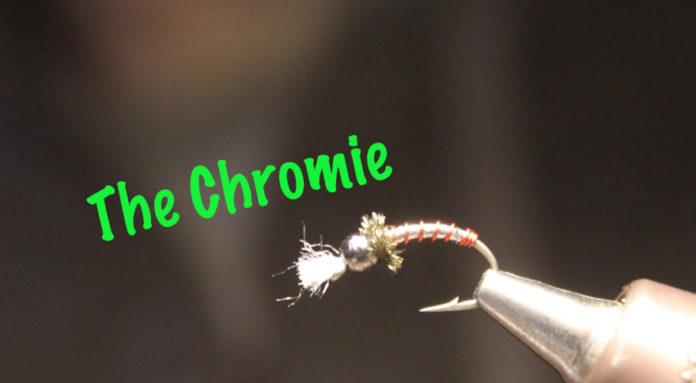
I show you how to tie a Chromie in todays fly tying video. The Chromie is an awesome chironomid pattern developed by Phil Rowley and utilizes red ribbing to simulate hemoglobin as the bug moves through the water.
I had the pleasure of interviewing Phil recently to talk about all things stillwater and fly tying. Click here to watch the interview with Phil ==>> Interview with Phil Rowley
If you would like the 30 Fly Tying Tips PDF Quick Guide just click on the button below to get it:
I was dry fly fishing in Montana a number of years ago on a small trout stream outside of Missoula.
There was this crazy hatch going on and the fish were on it. We were approaching dark so every cast felt critical as we ran out of time.
Myself and another buddy were picking up some nice fish. But Ryan, our newbie to the dry fly was struggling to make the presentation. He was giving it his all but he just seemed to miss the mark or get his fly caught in the tree every time.
It came to a head about 30 minutes before dark after we heard a loud snap behind him. He had obvoiusly lost his fly. After verifying this he completely lost it, he went crazy……
F$#@%*%cking B#^&%!@*&%stards!
He took his rod, turned to the bank and hucked it as hard as he could.
I’m done with fly fishing!
This was pretty extreme but I think we have all been there when fishing dry flies. You either don’t have the right pattern or can’t make the right presentation.
Either way it’s a major downer.
I will provide a few steps and simple tips to get you out dry fly fishing and into a few fish. I’ll minimize some of that stress and help you have a little more success next time.
Your typical gear when fishing dry flies will depend on the size of fly you are using and the fish you are targetting. I will assume you are targetting averaged sized trout for this post. A 8.5′ or 9′ rod with a 4 to 6 weight line will be sufficient for most situations.
With dry flies you’ll be typically using smaller flies so your leader and tippet will conincide with this. Here is a tippet sizing chart from Orvis that breaks it down.
Tippet Sizing chart from Orvis.
For example, with sized 14 through 18’s you’ll be using 5 x tippet. A 9 foot leader will usually be fine for most dry fly situations. In lakes and certain situations when fish are finicky you’ll need to go longer.
You can buy pre made leaders in the store and you’ll just have to tie the leader onto your fly line to get started using a nail knot or loop knot system via perfection loop.
You will also need a little fly floatant along with the rest of your typical fly gear. I’ve been using Gink fly floatant for years and still works great.
The beauty of dry fly fishing is the simplicity. You will be able to see the bugs, see the fish, cast to those fish and see the fish take the fly!
It’s you and the fish. Game time baby!
This is what most people think of when they think of fly fishing. And I can tell you that you’ll be equally humbled and exhilarated over the years while dry fly fishing.
So, where do we go from here?
Ch. 2 – Do Your Research
I’ll get into the bugs in a bit but first want to make sure you have the basic technique down so you can have a foundation for everything I’ll cover today.
When you first see fish rising, take your time and observe them to find out what they are feeding on so you can put together a plan.
Although you can fish dry flies anytime it’s usually best when aquatic insects (I’ll call bugs from here on out) are hatching out of the water, when adults bugs are returning to lay eggs on the water or when terrestrials (hoppers, ants, etc.) are flying into the water.
How do you know what the fish are eating? There are a few tips.
It is common for a larger splash of a fish to coincide with a larger bug on the water. But there is no substitute to taking your time to study what is going on. Can you see bugs floating down on the surface?
Can you tell which way the fish is taking as it pokes it head through.
If you can’t verify what the fish are taking you might try to identify the size and color as best you can and find a fly that closely resembles the insect.
There’s also no replacement for doing your research on the stream before you even go out on the river. Search google for your river + hatch guide to see if you can pull up any information.
As you can see, the local fly shop provides a bunch of great information including types of flies you can use for that month along with time of day when dry fly fishing is best.
Ch. 3 – Positioning and the Fly Cast
If you are brand new to fly fishing you will want to take a quick look at this article which breaks down fly casting in 7 steps —> How to cast a fly rod in 7 steps
After you have identified that fish are feeding you need to determine how best to make a cast without spooking those fish. Easeir said than done!
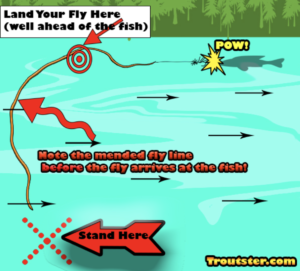
Find a location where you can cast above the spot where a fish is rising and let the current float your fly over the fish.
Troutster gives you a good visual sense of what this looks like here:
From Troutster.com
Try to get as close to the fish without spooking it. If you can decrease the cast you need to make by even a few feet you might find huge benefits to your presentation.
The worst thing you can do is cast directly on top of a fish and spook that fish with your line or leader.
How accurate is your fly cast?
How do you know how close and accurate your cast will be? Practice, Practice and Practice (I feel like I’ve said that before?). With time you will be able to have a feel for your cast and be able to put it in the bulls eye. You can use a false cast to estimate the correct distance of your cast.
So, when you see a rise, pick up and make a couple false casts so you can get a feel if you can make the cast or not. This will also allow you to hone in on your accuracy.
The false cast also allows you to also dry off your fly between casts. Even when using fly floatant your dry fly will get water logged.
A few false casts will dry it off.
Other helpful cast for dry flies include the reach cast. This is a cast that gives you a little more drag free float prior to a current line picking up your fly and moving it.
Phil shows you how to do a reach cast from both sides below:
Ch. 4 – The Fish Take
Once you see a fish take your fly you’ll need to pull up and set the hook. In steelhead fishing there is the idea of bowing to the fish. That does not apply here. You need to pull up and set the hook when you see a fish take the fly.
Not super crazy but fast enough to hook the fish.
Takes can be subtle and sometimes you may need to set your hook when you see a splash especially during low light conditions.
Here are a few tips on setting the hook:
Ch. 5 – Matching the Hatch
Before you get to the river you should have a number of common fly patterns in your box that you have read or been told will work for your particular stream.
Once you get on the river it’s all about trial and error. You need to put on your lab coat and start testing your hypotheses. If fish are feeding on the surface you need to do your best to see if you can verify what bug that is. Then find something similar in your box.
Maybe those fish are taking wet flies just under the surface and not on actual dry flies?
If you see a fish take a bug but don’t see it’s mouth come out of the water it may be taking emerging bugs and not dry flies.
Entomology is the next logical step when you are ready to improve your craft. When you want to get a little closer to nature and the entire process. I’ll get into that next.
Use foam or high visibility materials on a fly to see it better during low light conditions.
When unsure of the exact size of the bug you are matching go a little smaller than you think.
Now to a few of the time tested all around dry fly patterns that you should have in your box.
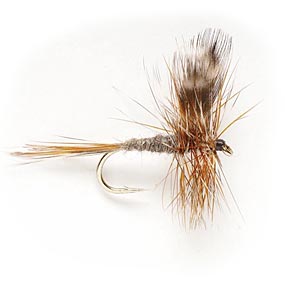
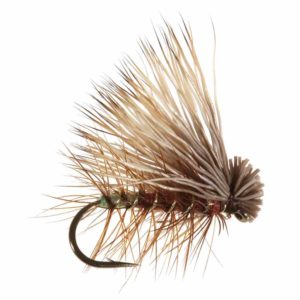
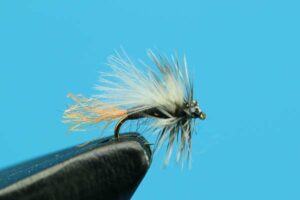
Ch. 6 – 10 best dry fly patterns
The fly pattern you will do well with will depend on the river or stream you are fishing but there are a few patterns that just seem to be all around great flies.
These are kind of the must have dry flies that you should have in your box. You will find that many of these patterns work all around the country.
The amazing thing about dry fly fishing is that you will learn every time you get on the water. The bugs and hatches, the fly casting, the river will all change throughout the year.
The first step is getting a few flies together after doing some research on your stream. The next step is to get out on that stream and do more research.
One of the biggest tips I can give you is to be observant – Don’t be afraid to just sit there and watch the stream flow by.
Are there any bugs coming off? Any fish rising?
While you are there go ahead and make a few casts following the steps I listed above. If you have any questions go ahead and send me an email here.
Finally, if you found this blog post useful please share with one other person who is new to dry fly fishing and needs a few tips!
A short introduction to the Wet Fly Swing Fly Fishing show is presented for episode 001. Season 1 is all about steelhead fly fishing, fly tying and amazing stories from some of the biggest names in fly fishing today.
Thanks for taking a few minutes to listen and provide any feedback you have on what you are interested in. Just leave a comment at the bottom!
In this first episode of the Wet Fly Swing Fly Fishing Podcast I introduce you to the show format and let you hear a little about my story.
I keep in short and sweet in under 10 minutes giving you a taste of what we are going to discuss during the show.
My Short Story
My short story is that I grew about around a fly shop and have been a lifelong fly fisherman and fly tying teacher. I have found a passion for steelhead fishing and talking to experts about fly fishing and tying which is how this show started.
I will be covering steelhead fly fishing for the first season but will get into all things fly fishing as I get more feedback from you on where you would like the show to go next.
Other Topics
Other topics may include trout, stillwater, bass and salt water fly fishing. I’m excited to hear from you and to connect you with all of the guests.
It has been so much fun interviewing and getting to know all of the amazing expert fly fishing pros that I have talked to so far. The stories are what it’s all about for me. The tips and topics that the guests share will help you catch more fish and enjoy your time outdoors even more.
I’m excited to get started and get this going. I’ll be interviewing at least one guest each week and sharing that discussion with you.
New Episodes
Look for new episode every Tuesday morning.
Please reach out to me if you have questions or need further information as we move forward with the show.
I ended up launching the show a little early because, to be honest, I just couldn’t wait to share this with the world.
Click the button below if you would like the Quick Steelhead Tips PDF Guide that I’m working on as part of the guests show notes: