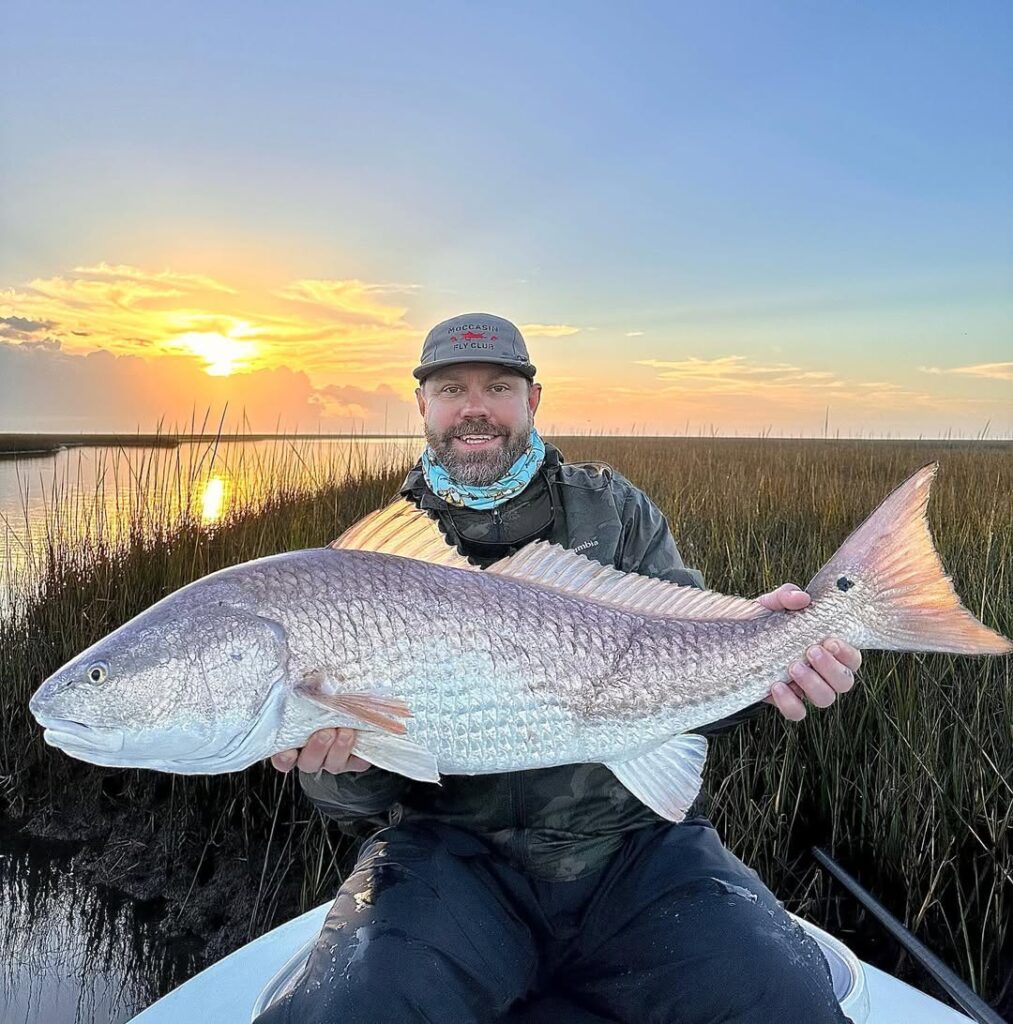
Saltwater Fly Fishing is more than just chasing fish—it’s about immersing yourself in incredible locations, learning new techniques, and building lifelong connections. Today’s episode takes us deep into the marshes of Louisiana and beyond, exploring the magic of redfish, permit, and tarpon with a focus on both adventure and community.
Our guest, John Hunt of Moccasin Fly Club, has built one of the most unique travel-minded fly fishing communities in the world. From hosted trips and conservation efforts to unforgettable cultural experiences, John shares how the journey is just as important as the fish. By the end, you’ll know when to chase bull reds, why the Double Haul Tournament is different, and how it can change the way you see travel.
01:17 – John Hunt shares fishing reports from Colorado and New Mexico, plus how his lodges adapt to summer heat and upcoming hunting season.
02:20 – Insight into the upcoming Double Haul Tournament in Xcalak, Mexico, blending saltwater fly fish with community impact. Check it here.
06:37 – A weeklong experience with training days, three days of competitive fishing, prizes, and sponsor support for local guides.
08:03 – How Moccasin Fly Club lowers costs so anglers can chase permit and tarpon without a $10k+ price tag.
12:23 – John highlights his Louisiana program: three days of guided bull redfish fishing, affordable pricing, and an easy domestic travel plan. Check it out here.
14:58 – Redfish trips help anglers prepare for tarpon, permit, and other saltwater species by teaching heavy rod handling, sight casting, and fish fighting.
16:22 – John breaks down what anglers can expect: casting in wind, tailing fish, adrenaline pressure, and listening to guides.
18:18 – The Louisiana experience includes Cajun food, cultural exploration, and the history of communities shaped by hurricanes. Learn more here.
19:55 – Why 20–30 pound bull redfish return to the marsh after spawning and why late fall/winter is the best time to target them.
23:48 – How hosted trips turn strangers into lifelong fishing friends, with anglers often mixing boats to learn from each other.
26:00 – John walks through a sample Louisiana trip: airport pickup, group dinners, three days of fishing, and easy departure.
34:37 – John explains how Moccasin Fly Club fosters connections that extend beyond trips, building a travel-minded fishing community.
36:47 – John was talking about the Top 3 Tips for Redfish. Ask questions before casting, Don’t rip line out too fast — it spooks fish more than a bad cast and Keep it light and fun — attitude impacts success as much as skill.
50:30 – Why community is key — sharing spots, travel advice, and trust only works when anglers become friends through these trips.
56:56 – John explains how Moccasin supports both hosted and independent travel — helping anglers find guides, DIY fish, or build their own trips.
58:15 – The mission — Moccasin Fly Club lowers barriers to travel, offers affordable programs, and helps more people get on the water.
Episode Transcript
Dave (2s):
Today’s guest is not just mapping out fly fishing trips, he’s creating something much deeper. A place where red fish blow up on the shallow marshes permit tail in turquoise waters and a week on the water turns in a lifetime of new friendships. The mission is simple, catch fish for sure, but also builds something bigger. Community impact and real deal adventures on every trip. By the end of this episode, you’ll know when to chase Bull Reds on the flats, how a simple idea became the double haul, and why your next trip might just be about more than fit. By the end of this one, you’ll know how to chase Bull Reds on the flats, how a simple idea became the double haul experience, and why your next trip might be more than Catch and fish.
Dave (45s):
This is the Web Fly Swing podcast where I show you the best places to travel to for fly fishing, how to find the best resources and tools to prepare for that big trip And what you can do to give back to the fish species we all love. John Hunt is founder of one of the most unique travel minded fly fishing communities Out there, a crew that blends hosted trips, conservation and down to earth vibes under the name Moccasin Fly Club. Whether you’re thinking about your first saltwater trip or just want a better way to travel and fish with some good people, this one’s for you. Here we go. Let’s get into it. John Hunt from moccasin fly club.com. How you doing, John? Good
1 (1m 19s):
Man. Living the dream here in Colorado.
Dave (1m 21s):
Yeah, we’ve had you on now a few times. We’ve talked about your program. We’re gonna dig into another big topic today. We’re gonna get into saltwater, which is huge. We have a lot of people that are interested in saltwater, but I want to get a, an update like right now as we speak, we’re kind of in August, you know what’s going on summertime. Now. Do you, you wanna give us an update of are you out traveling all over the place or is this break time for you?
1 (1m 41s):
No, so yeah, we just, I mean the summer season is gonna go until about August 15th. Just got back last night. We were over at Hook and Hunt at our Lodge in Tilt Colorado and had three days of floating over there. Streamer Bite was awesome and the fishing all over that side, the western slope of Colorado. So the frying pan, the Roaring Fork, the lower Colorado’s getting a little hot towards the end of the day. So one of the days we were on the water at like five in the morning and and floating till 11, taking people up in the evening up to like reservoirs and kind of like higher alpine stuff that’s been going great. Our place down in New Mexico, rot and rifle has been booming right now because it’s kind of like that other side of the bell curve so to speak.
1 (2m 21s):
New Mexico hot is a kind of different type of hot, it’s kinda like Texas and Arizona hot, so some people aren’t trying to be when it’s 110 degrees, but things have been rocking there. A lot of big fish have been getting put in the net in New Mexico, which is awesome. And for us, our next big step is in August we head down to Ack Mexico to start working with the local community heads and the live down there for our big permit and tarpon tournament. That’ll happen September of 2026 called the double hall. I have a a week down there kind of working on the water. We gotta, you know, get some stuff ready for the local community and who we’re donating the money from the tournament to fishing and checking stuff out, talking with the guides, checking out the Lodge, figuring out the food for next year.
1 (3m 6s):
So we’ll be on site for a week kind of dialing stuff in, getting it ready for next September, which will be the, the first time that it happens. And other than that, it’s really just gearing up for our biggest time of year is this August to January, you know, after, after the trout season ends all over the US and people aren’t traveling for summer vacation and going somewhere that they’ve already planned, we start to kick off everything. So October’s real big November. December’s real big in September. We have a couple events here in Colorado that are always big. Plus we have to get both lodges ready for the winter. So, you know, an easy way to tell everybody is that it’s super hot in the summer, so we have everything ready to go to keep people cool. And then obviously it gets real cold in the winter time, so we flip everything around October 1st and get it ready to keep everybody real warm for the winter and it ready for the hunting season that’ll come in.
1 (3m 54s):
So starting like right after Halloween, we move, people are still coming to fish, but we start to house and host a lot of hunters in both locations just to make sure that the transportation’s right and that’s kind of the, the big part of it. But I mean, I hate saying summer’s coming to an end, but you know, within a couple weeks it’s all over and it’s back back to the other grind.
Dave (4m 13s):
That’s amazing to think, you know, because it’s always the summer, everybody wants the summer to keep going, but you know, I guess depending on the summer this could, you know, depending on where you’re at too right, the summer it can be different, different places. But no, that’s a lot. You have a lot going there. I think out of all that double hall tournament is really interesting and I think today maybe if we have a little time, we’ll talk more about that because I think it sounds great you’re putting together this program. Maybe give, give it a highlight on that. How did this come to be and talk about the, it sounds like you’ve got a nonprofit or a charity that you’re donating to. Tell us a little bit more about that.
1 (4m 42s):
Yeah, so a couple years ago there’s a lot of people that want to catch permit and want to catch tarpon, which is, you know, a big, a big demographic of the fly fishing world
Dave (4m 52s):
I would say out in fly fishing, we talk a lot about this, right? The species and permit is one of the hardest. Tarpon seems to be doable. But yeah, those are two species that are on top of many people’s bucket list and permit might be one you go for a long time without catching, right? But, but so yeah, tell us more about this.
1 (5m 9s):
Throughout us doing trips and having this, we’ve been in different places for those two species. We were in Cuba earlier This year for real big tarpon on the flat people go to Florida, we’ve been in Belize, we’ve sent people to Honduras and Mexico obviously has a lot of it as, as well. Two years ago there were a lot of talks about, you know, those trips are usually somewhat pricey and when you’re going someplace, the guides and the lodges that are there are, you know, a direct impact of the financial import of people coming there. And we just started to try to figure out, you know, where we would want to do one and how we could help. And last year we started kind of putting together the crux of it, talking to our partners where we could be, and we’re not donating to a nonprofit so to speak, but we are donating straight to the infrastructure of the town.
1 (5m 54s):
So Ishak is a real small fishing community in southeast Mexico, right on the chat Mall Bay. And it’s just by the Belize border, but there’s not, you know, paved roads, there’s not a lot of other stuff. And our thought was is that we wanna be able to hand a check to the city of Ishak to have it be used for what they wanted to be used for. There was talk about doing it for the schools, there was talks about doing it for certain road improvements or you know, how many streetlights or how many of this we could do. And that’s kind of where we, we started on it, but also it was finding a correct partner to be able to do this so that it’s not the normal price of some sort of of crazy permit tarp and trip. And that’s what’s kind of come to be. So it, it’ll be September of 2026 per angler, there’s five days of fishing.
1 (6m 38s):
So you show up, you get two days of training, right on the first night we have an opening dinner and we randomly select the guides and who’s gonna happen. So it’s a two person team or if you’re a single we can find another single and kind of put you on a team together. There’s a point system obviously on what you catch, whether it’s snook, bonefish, tarpon jack permit, et cetera. So there’s all kinds of different things. There’s prizes that’ll be given out for the biggest permit, the biggest tarpon, the biggest whatever. And then overall as a team, the point aspect. So on night one big opening dinner, you randomly select who you have. So teams and guides are together. Then you have two days of fishing with your guide, that’s gonna be what we call training. Then we have three days, that’s the actual tournament, those three days of the tournament, you know, with your little scorecard that you gotta take a picture with trying to keep everything very transparent, very honest.
1 (7m 23s):
And then the last night there’s a closing dinner where all the prizes get given out. And on top of that we have a big gift bag and thing that’s going to every one of the guides for them to be a part of it. So all of our different corporate sponsors are donating stuff to give to the guides. A lot of the times when you show up in some of these places, those guides don’t have flies that you can use or they may not have line or tip it and you have to bring a lot of the stuff with you, which is, is most of it where you travel around to salt saltwater fish. But for us we wanna be able to give something to the guides that are a big part of it and then also give to that community and that town, city, whatever. And that’s kinda the rundown. So you get five days of fishing, all lodging, all food, the opening dinner, the guiding, everything for 3,500 per angler.
1 (8m 4s):
So usually these events are like $10,000 of $15,000 per team. We come out to be $7,000 per team or 3,500 per angler. Singles can come double anglers or one team can come think. Right now we have, of the 10 solo spots open, we have six left. So we have two teams that are already in it. And those were again, some of the corporate sponsors and the people that we’ve been working with, not only did they want to be part of it, but you know they want to be able to say that, you know, x, x, X brand that I’m not able to say out loud yet one won the first annual double hall we have merch of on the shop, it’s the double hall, it’s a a permit and a tarpon in hammocks hanging in palm trees.
1 (8m 44s):
So there’s a lot of different, you know, stuff we try to put together for it. And then on that closing night when we give out all the prizes, we’re also handing a check over to the city of Ishak or or whichever department we decide to, to do after this week down there. And they’re able to use the funds for whatever, you know, for us it’s more about making sure that they get the money and and having it for what they want to use it for either for us as a business, you know, we’ll figure out how we need to do that. It isn’t necessarily a nonprofit or 5 0 1 C3 because it’s in Mexico. But this is, you know, something for us to try to continue to give back. We take nets down and do a bunch of education in the Brazilian Amazon about fish conservation and trying to help the dolphins not eating all the peacock bass.
1 (9m 25s):
When we go to Argentina we help out with the biological research of tagging and tracking the golden dorados. We didn’t have anything with permanent tarping and and certain things. So we wanted to make sure that we were able to find a way to kind of have some sort of impact, whether it be big or small. And so that was what this double hall has turned out to be and we’re open for. And I mean I think we’re gonna get into other topics about how you start getting into saltwater fishing. If you’ve never salt water fish, obviously you could come down to the double hall and you will catch fish you will catch. So
Dave (9m 59s):
This is the one. So if you were gonna, if you were brand new to saltwater, you’d want it never done it. This could be a tournament that you could actually, you would recommend. I
1 (10m 7s):
Mean yeah the tournament word scares a lot of people. I don’t want it to come off like it’s a tournament. It’s not the Del Brown, it’s not crazy like it’s a hosted week of fishing that also impacts the community and we give back and we’re gonna have a bunch of fun prizes and and awesome stuff.
Dave (10m 20s):
Yeah and you’re having fun. I mean I can imagine if, if I was down there, somebody down there, I mean the tournament just kind of makes, it’s like gamifying, it’s kind of fun but at the end of the day if you didn’t, if you were last place it would still be great. You know, it literally doesn’t matter.
1 (10m 33s):
And I think more because of the pricing is that if you were gonna try to go get your shots at permit and learn what’s up and try to to wrangle the tarping and do whatever you want, unbelievable food and a fun thing. This is a price point that allows it to not be too crazy for you to, to go down there and do it. Also, I think, you know, it’s well known Out there that ish glac is is slightly more forgiving place. I’m not saying that everybody that goes there catches a permit on their first cast by any means, but there is a little bit less pressure, there is a little bit more opportunity to, to take your shots and in September there’s not a ton of other boat traffic around. I, you know, I think we’re gonna talk about the true intro to fly fishing would probably be a different trip in something Louisiana that we’ll talk about.
1 (11m 17s):
But yeah, if you’ve never been somewhere and you want to go check it all out and bring your nine and 10 weight down and and go after some, have a good time. Plus also know that you know, it’s a great price and part of that great price is that it’s going to the community that you’re gonna fish in. We’d love to have you whether or not you win the tournament or not, who knows And, and as everybody says, you know, I’d rather be lucky than good any day of the week. So don’t think you’re not gonna win just because you’ve never done it before.
Dave (11m 42s):
Right. This is awesome. Well I’ve got lots of questions we can kind of table for another time, but I think it’s great because what you’re doing is putting together a really amazing price point, you know, when you think about what you get on this trip. So that’s awesome. So, but let’s, let’s hold that one. I think that might be another episode in itself. I, what we want to talk about today is a little more on the actual like redfish. I don’t know if you would call this intro to saltwater, but I know we have a lot of people are interested in redfish. Let’s talk about that program you guys have down there. Maybe just from the top take us there, like what, describe first off what it’s about. Is this your program you guys do annually? Tell us a little bit more about it.
1 (12m 20s):
Yeah, so we’ve been going down to Louisiana, we go southwest from New Orleans. There’s a bunch of different bayou and places to go. A lot of people talk about the Venice side. We haven’t really done too much there just because we’ve been always trying to get a little bit outside of where that crowd was. But it’s been four years now. We started doing trips down there and it’s grown into, so like this November, December and January I think we have six total trips going down there and our program is five anglers and a host includes ground transportation. You get picked up at the airport, you get driven all the way out into the bayou. It’s about an hour long drive. You’re there for your three days of fishing.
1 (13m 1s):
We have found that three days of fishing allows, if there is one bad weather day or a day that you have to only do half day of fishing because of rain or wind or something. It comes up that way. It includes all the lodging. We do an opening dinner. It doesn’t include drinks in some of the dinners just because we usually eat in a marina. And it also keeps that price point down. So for 2,500 per angler you get three days of fishing, three nights of lodging because it is domestic. We fly in day one, then we fish day two, three and four and the evening of day four everybody usually flies out. Or some of the clients, you know, we head back up to New Orleans and they stay in New Orleans for that night and you can, you know, stay and get some food, hang out in the hotel, go do whatever, see a show, catch a athletic event.
1 (13m 43s):
But we have been doing that one for so long now that it’s kind of like a rinse and repeat for us. We usually have hosts down there for a week. They do two separate groups, three days on the first end, stay in New Orleans, pick up the next group, three days on the next end. And I think what we really talk to people about is that if you want to get to the point that you’re chasing permit tarpon, bonefish, peacock grass in Brazil, golden dorados in in Argentina, if you wanna get to that point, which we kind of base it more around bigger rods standing on a skiff for the first time, sight fishing, working with a captain that’s, you know, kind of telling you sometimes barking, sometimes whatever, you know, getting you in those zones and in those experiences and I, I equated a lot to practice like if you wanna go do something specific in the future, let’s start practicing now and practice where it’s cost effective.
1 (14m 37s):
You’re gonna get a lot of shots. You’re also gonna be able to like practice fighting a 15 pound, 20 pound, 30 pound plus fish. That’s what we really use our red fish trips for. So you’re gonna be casting nine weights, you’re gonna be sight fishing and trying to put it on a fish’s head that’s either tailing or moving in a certain direction. You’re gonna be on the front of the skiff. You’re gonna have to listen to a guy that’s or or woman who’s telling you where to cast and what it looks like and getting into the situation. You’re gonna have to make the cast strip, set it on the fish, fight the fish, get it into the net. Like all of those things. Some people are like, ah yeah you know, I’m gonna go down to wherever and catch this fish.
1 (15m 20s):
And if you’ve never done it before, it takes a little bit of practice and it’s not necessarily that you gotta be able to double haul 60 feet and put it on a dinner plate. It’s more of the fact that you gotta be able to, to get it done in the zone with the adrenaline in the time that’s allotted. Like if you see a fish cruising down the bank from 50 yards away and it’s on your forehand side and it’s a 30 foot cast and there’s no wind, yeah you know, you usually wake up from that dream as opposed to actually doing that in real life. But in real life it could be the fact that it’s gonna be a backhand cast for 25 feet into the wind to a tailing fish that you gotta put it, you know, right next to it because it could be murky water.
1 (16m 1s):
All of those situations are great to work through in the red redfish trip outside of New Orleans because it offers a lot of it too. Like you could see a school rolling through, you can see singles, you can be Out there, you know, working through stuff and and have to kinda like drop and drag a cast. You could have to make a nice double haul cast and that’s what we equate to it. Also, somebody that’s been fishing five and six weights for, you know, over a decade but has never casted a nine weight or had to like sit on the front of a skiff and just sit there for a couple hours waiting for a fish. It’s a lot different than than just blind casting streamers off a boat and all of those things we like to talk to our clients about, you know, if, if you wanna do some of these other trips that we have, this is probably something where we can start you now.
1 (16m 48s):
It won’t cost as much. We know that there are fish, we know that most people are always catching fish and we can go down there and practice, have a great time. Plus it’s, I mean for us in Denver it’s like a two hour domestic flight. It’s not a crazy expensive travel cost. You don’t need a passport. You know, all of these things kind of lump it into the whole, it’s
Dave (17m 8s):
Easier and it’s in a, a cool part of the country, right? If you’ve never been down in that part, like that’s an amazing culturally diverse place to be.
1 (17m 16s):
Well and that’s, I think that that’s the other part for me personally. A lot of it is just the food in general. I, I think in four years and probably close to 20 trips, we’ve only caught one red fish that’s been below the 27 inch limit. And we did keep that so we could have red shell on a, a red fish on a half show, which we don’t really do a lot of ’em, we just put ’em all back. But I mean having, having your charbroiled oysters, having your gumbos, having your four boys having your red beans and rice, like that whole aspect of the culture down there is, you know, alligator bites or all alligator pepperoni pizza and all of this stuff that you get to do while you’re down there.
1 (17m 56s):
Plus, you know, there’s a lot of people that have been to New Orleans and seen Bourbon Street, French Quarter, Trent, other stuff. I mean, you know, we’re in an hour outside of that. We’re in a, a whole different world so to speak. I have a lot of clients that when we get down there they’re like, man, I didn’t even know, you know, one, you’re, you’re still seeing devastation from Hurricane Katrina, which was how years ago plus whatever other hurricane, the shrimp industry, you know, a lot of it looks like kind of like the Forest Gump aspect of the movie with shrimping and, and all of that stuff is really cool to see. And in that place specifically, you know, we’re always talking to our guides about different stuff. We can bring down supplies for them if they need stuff for fishing or if they need parts for a boat or or whatever it’s gonna be.
1 (18m 41s):
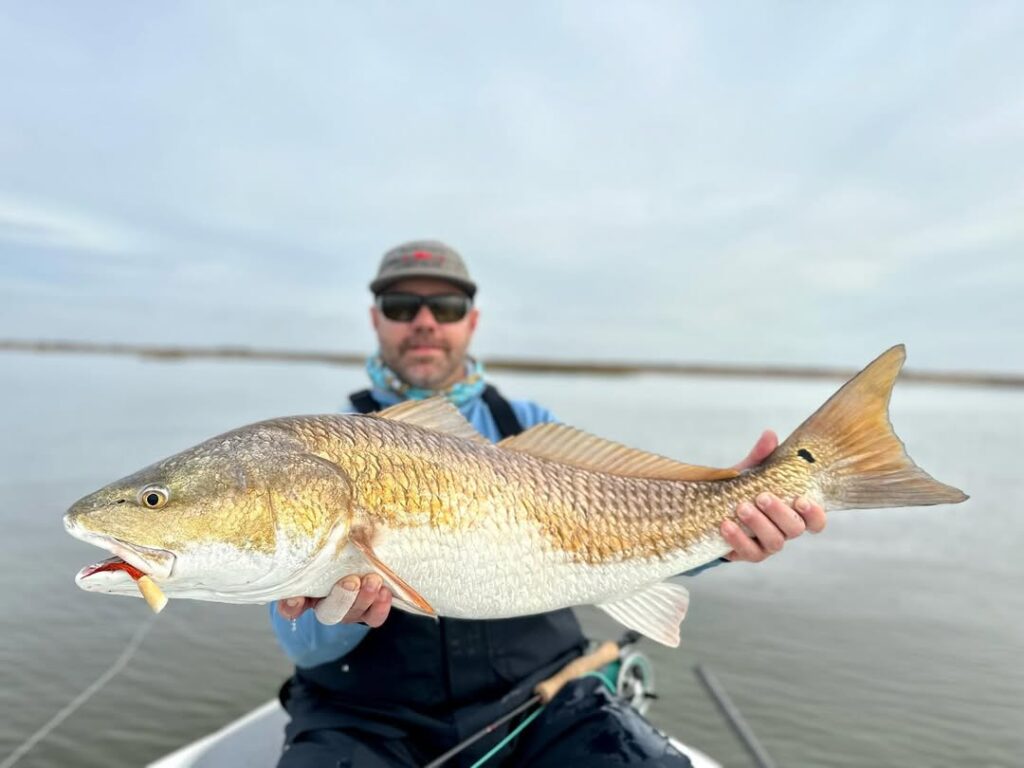
But that, that trip you are correct. It’s, it’s great on the water and it’s great off the water and it’s a, it’s usually a group of five people that are either trying to get to the future of their fly fishing experience with salt or it’s people there that are like, you know what I’ve, I’ve heard and seen and I, I’ve always wanted to feel what this red fish is like. And I, you know, I, a bull in our opinion is 20 pounds plus some, some places go by like 35 inches or 30, like there’s different ways to call it a bull. But at right after the cold snap that happens in October, middle October, et cetera, those big bulls start coming back in from the ocean where they’ve been spawning and they’re up in the marsh and up in the bayou and they’re hungry ’cause they just got done spawning.
1 (19m 34s):
So I mean I’ve seen it often where you may get two or three shots on the same fish and you still catch the fish. It just didn’t see the food the first couple times ’cause it’s eaten other foods. You know, I’ve seen people put a put a fly on a, on a fish’s tail and it turns around and eats it. It’s a, it’s a forgiving type of experience to be in salt and to be able to have that happen. And also the fact that it’s such a big fish. I mean people you want to talk and I mean here in Colorado we talk about inches. So you know, the, in the past week or whatever, you know, 22 inch brown or a 20 inch chunky rainbow, there’s no inches or any, I mean you, you’re talking about a a 16 and 18 pound fish that’s on a nine weight spinning a skiff around in the water while you’re fighting it.
1 (20m 19s):
Those are, those are awesome experiences to see happen. And then afterwards, you know, everybody can go have a beer and eat a softshell crab, poor boy or have shrimp or crawfish or whatever.
Dave (20m 29s):
Sounds amazing. I mean again, you, this is a great intro because you painted, you know, part of what this is, it’s an opportunity to get some action. You know, it’s not gonna be likely like permit where you’re sitting there, you know, not quite that level but, but, and then just the area and then the, the price too. I think you’re smart on doing this because you know you’ve got a price point that’s low enough that more people can do, you know, and it’s a fully guided but let’s talk about, let’s go on timing. So the question is always when to go, you know, and I think that we obviously love to go when you want to get your best shot at it, but what would you say that somebody’s sitting here, we’re talking to you, maybe we got a few people coming with us on this trip. What does that look like? What would you recommend for timing?
1 (21m 8s):
So the, the season technically, you know, a lot of people start October 1st and they go till the end of February. I have been there personally fishing on October 1st in the beginning of October. It’s a little different it and not that it’s, you know, instead of having in three days you may have 25, 30 shots, maybe you have 15, you know, the timing would be like middle of October right after that cold snap happens, you want to be there. And that obviously is super challenging ’cause I mean we’re like, when I’m there this November I’ll be booking, you know, next November’s dates. So we have now, after the, the first couple years we’ve moved, we pretty much go from like the 10th of November to the end of February and we do two different sets of three days, November, December, January and then February we leave open and there’s usually people that kind of fill in as we get closer to it.
1 (21m 59s):
Most of the guides are booked pretty solid. We’re able to kind of work it where I, I mean I have people calling me now asking if they can get onto February because they missed the other dates. But I mean, me personally, I like the November, December, granted I’m, I’m in Colorado so like when I fly from here to New Orleans in November and I get off the airplane and it’s 65, 70 degrees, I feel like I’m in Bermuda. So, so it’s, it’s awesome in that realm. Now I’m wearing, you know, probably bibs and a raincoat. You have to be ready on the water for whatever’s gonna happen. It could be windy, it could be rainy, it could be et cetera. Obviously last year, the year before was the crazy thing where we got snow down there at one point.
1 (22m 41s):
But I would tell you that, that for me to tell you the perfect time, I think anywhere between November 5th and January 20th is probably good. That does put a big kink on the holiday season, you know, in between December 20th and January 5th. Most people aren’t trying to do stuff. So if that is available to you, you may be able to hit a sweet spot at that point. But the timing is that aspect. So we’ll do two different sets of three dates in November. Two different sets of three dates in December and two different sets of three dates in January. And then we usually have a couple dates here or there in February. This past February I was down there with, with a client and we had a blast.
1 (23m 25s):
It was awesome. There wasn’t a ton of boat traffic, we were able to get on fish. And I should also say that, you know, for a lot of people it is flyer die only down there you can do some like cork and pop spin casting. There are people that’ll be throwing live bait that are not necessarily on our trip. But I mean it is open to all aspects of fishing no matter what. A lot of the, a lot of the guides will do whatever. But also a lot of the guides are like, yeah, like I’m trying to be out here with fly fishers 10 pointing fish and catching trophies and that, that’s what we love to do. So I think that’s the timing. So
Dave (24m 1s):
You got decem November, December, so if you’re looking at say December, either early mid-December versus say early, you know, early mid-January, are those pretty much very similar? Is there more wind during any time or what’s the difference between like December, January,
1 (24m 15s):
November may not have, I mean the, the wind is all particular because it’s the Gulf Gulf of America now. Oh right,
Dave (24m 21s):
Yeah, totally.
1 (24m 22s):
The wind is all determined on what it is. I think any, any month, any season, whatever, you’re gonna get wind to try to stay away from the rain. You know, maybe you do December as opposed to January. I would, so, so this December I’ll be there from December 7th until December like 14th or 15th or something like that for, and I’m, I’m on those dates as the host and et cetera. So I’ll be down there for a week and I, you know, if I can pick, sometimes I like going down there earlier just because I like I’m already Jones and so going to November’s great ’cause you usually get on like some first bites. Sometimes those big like 30, 50 fish schools are moving through more like late October, early November.
1 (25m 5s):
I also feel like December and January those fish have been eating a little bit. So they kind of are able to, to swell up and, and put more weight on when they first come back. They’re obviously not as big as they were when they went to Spawn. So they’re eating everything.
Dave (25m 18s):
Are they getting bigger as the season goes on?
1 (25m 20s):
Oh, I mean they’re eating and I mean when I say like a crab, I’m not talking about like those little permit crab flies that you see. I mean they’re eating crabs that are the size of your hand. They’re raw fish. They have a, a crush plate much like other, other fish do. So when a red fish hails that fly, it goes right through their mouth into this little plate. It’s kind of like a little teacup plate that you hold them with your front hand, but it’s two bones that crush and it just crushes up the, the crabs and the shrimp.
Dave (25m 49s):
They’re amazing looking fish, you know that the great thing about them is that they’ve got this, they’re, they’re body morphology is super cool. They got that spot on the back and then their mouth is just, and their head is giant. They just look like, almost like a, I don’t know how you explain ’em, right? They’re just this cool looking fish.
1 (26m 3s):
Yeah, I mean the, the drum family in general, if you haven’t seen Red Drum, the black drum, the whatever, and you bring up great point. I, I will personally say the best thing about them is that they have that soft lip so at least you can, it’s kind of like a permit, right? You can get a hook through it pretty fast. They don’t have like, you know, teeth now the sheep’s head that are down there are a whole different, we’ll talk about redfish, but then we can talk about black drum and sheep’s head and alligator gar and all the other stuff down there that’s possible to catch.
Dave (26m 31s):
So there might be, so that, that’s a great topic because we’ve just been traveling out, we were doing some stuff in Alaska and we were focused on a certain species, but it, we were like, well you know, I’d love to catch some multiple and I know Brandon shout out to Brandon, he caught I think six species on, on that trip and it was awesome, right? So, so here same thing. We have an opportunity, I mean red fish is for sure one thing, but there’s other fish, like how many total species could you potentially hook down there?
1 (26m 56s):
So yeah, so like there’s, there’s red fish in general. So you got the, the red drumm or red fish.
Dave (27m 2s):
Okay, so red drum and red fish, that’s the same species.
1 (27m 5s):
Yeah, same thing. And a lot of people are trying to hit that bull. So it’s a certain weight class you want to get 20 pounds plus there’s also different colors in the, they’re all red fish that are all red drum, but there are some that are brackish and more gold and kind of an amber than there are some that are a little bit more silver and there’s all that different like color to think. And then after the color, everybody talks about the spots like you brought up, you may catch one that has, you know, a heart shaped spot on its tail. Somebody else catches one, but it’s got three or four different little black spots or so, you know, there’s a whole different way of, you want to catch big ones and you want to be able to have the differences in that. The next one that a lot of people talk about after that would be the black drum, same family, but a totally different looking fish.
1 (27m 48s):
In fact it kind of looks like if you’re talking about the red drum as being kind of like a, a pit bull, then you’re talking about a black drum kind of being more like a bulldog Fights, fights different, eats different, can’t really see really slimy, really stinky. The next one after that would be the sheep’s head or the convict fish. And they’re the ones that have the, the two rows of human looking teeth in their mouth. So they’re a little bit harder to catch, but when you do catch ’em and you open their mouth up, they’ve got like two molars in front and two molars right behind it that are are human looking teeth that are kind of crazy. Then the, the, I have, and I’ve been down there a bunch, I have yet to actually hold a sheep’s head.
1 (28m 30s):
So every time I go down there I’m like, I need to catch a couple red fish. And then I’m trying to get some sort of sheepy to just get this done so people stop making fun of me down there. And then the next one after the sheep’s head would be the alligator gar, which is like a dinosaur fish that’s, you know, however many thousands and millions or whatever years old. And the alligator guard down there are prevalent and they’re all over, they’re just a little bit harder to catch. It is a favorite food of the local community. So they, they do get pulled out of the water a lot and eaten, but the alligator gar is a whole different deal again, crazy looking fish. Crazy thing to be able to say that you caught on the fly.
1 (29m 10s):
And then there’s also a sea trout and then the last one, the last one that doesn’t get talked about a lot and is really hard on the fly would be the sharks. So you got black, black, black tip reef sharks, you’ve got a bull shark. Three years ago there was some crazy heavy rain and wind, so we decided to see what we could do on some spinning tackle, catching a shark. But I was able to get a 80 pound bull shark that was a 45 minute experience of craziness and then got to the boat and I was like, I don’t even know like how you take a picture or why you would do this or whatever,
Dave (29m 42s):
You’re not gonna touch that thing.
1 (29m 43s):
Yeah. So that was, that was a whole different deal. How big
Dave (29m 46s):
Was the bull shark? Like how many pounds do you think that was?
1 (29m 49s):
It was 80 pound bull shark. We,
Dave (29m 50s):
Wow, you got a 80 pound bull shark. Yeah, and it bull shark looks kinda like a, a a a a mean, like a, a badass shark, like a great white or
1 (29m 58s):
Something. Yeah, it looks like a, well like a 80 pound bull is not gigantic, but it does, it kinda looks like a baby. Great white. I mean it’s, it’s the gray, gray shark skin on top, white on the bottom. They eat everything. They really love eating the red drums and stuff. So like there’s a whole conversation at the beginning of the trip about, you know, you wanna be really easy in and out of the water and not making a bunch of splashes and all that crazy stuff.
Dave (30m 22s):
Well, so this is great. So you mentioned a few species. Let’s take it back to the timing. So we talked about that. I’m just thinking just roughly if we were putting together a trip for, you know, the next year, maybe we’re looking at early December, what does that look like? Are you, are these set where people come in typically on a certain day on Sunday and they fish? Or is this kind of all over the place? How does that work on the,
1 (30m 40s):
It’s all all over the place just depending on, on how our guides work. So this November we have two groups that’ll go down. Then in December I’ll be down there for a week. This December I’ll be booking next year’s date.
Dave (30m 52s):
Let’s talk about that trip of December just to, to make it easy so we can look at this. So you’re coming down, when are you going to fly in there for that first group on December.
1 (31m 1s):
So we’ll do I fly out on the Sunday the seventh, I pick everybody up, we fish the eighth, ninth and tenths. Then everybody goes back to the airport. I, I stay at a hotel in New Orleans on the 11th, we pick up the next group, we fish the 12th, 13th, and 14th. And on the night of the 14th group two flies out.
Dave (31m 19s):
So people would be coming in to meet, say, you know, if they’re fishing on the eighth, would they be coming to the Lodge on the seventh and hanging Out there for that night? Yeah.
1 (31m 27s):
So everybody flies in on the seventh and we drive out, get into the spot, have dinner, then you’re doing a full day of fishing, 8, 9, 10. And then at on the 10th we start a little early and end at like three 30 or four. We drive back to New Orleans, drop everybody off at the airport. Most of those people get on a plane. Some of those people may take and take an Uber and head out to their hotel or do whatever.
Dave (31m 48s):
And that’s what’s cool too. I think that like we’re finding that with some of the trips we do, that people are adding on days either before or after the three days on the water and which is great, right? Because they could get three days with guides and then stick around and fish more if they want to. Right. Do you find that guys are doing that Occasionally?
1 (32m 4s):
I’ll put it Out there. You know, I have, I have younger kids, so for me I’m, and I I will say this Out there because there are diehard fishing people and then there are diehard travel people and there’s a mix of both. Like I, I even though it’s work, I’m trying to get in to get out, I don’t necessarily have an extra day because then that means that when I get home everybody’s not as happy. But we do have a lot of people that are maybe their kids are, don’t have kids, have kids that are out of the house, do whatever, and they’re like, yeah, I’m gonna stay and fish an extra day. But then there’s also the whole other travel vibe where there’s like, you know, well I, I fished my three days, I’ve gotten it done. Now I want to go see a different part of of this area and, and stay and enjoy whatever. Especially in New Orleans you can see live music, they have professional sports.
1 (32m 48s):
You can go on a foodie tour, you can check out everything. If it was me, you know, I’d be eating beyes and going to see live music because the, the food and the music is is awesome. But you are correct on any of the trips. I mean pretty much anything we do year round, there’s always those conversations. Like if you got a 10 hour layover somewhere, do you want to go out and do something instead of sitting at the airport the whole time? If you get back, you know, like in Brazil we get back super early on a charter flight the last day and that last day is going to the SIGs Tropical Zoo and going to check out some foodie stuff. And then at night you’re flying back to the states. The talk for next December would be is that we’ll figure out whatever dates they are and we got five spots that can be on that or I guess four spots.
Dave (33m 30s):
So what’s the total, if we were putting together some people it would be, what would the total people that could fish there?
1 (33m 35s):
So, and I mean it really goes by boats. So for us we’ve always been able to find three boats is pretty easy. One because we can pick everybody up at the airport if it needed to be four boats, et cetera. I assume that you’re gonna go down and want to catch a bull.
Dave (33m 48s):
Let’s just take that, but kind of talking about this
1 (33m 50s):
Pitfall, which I love. Yeah,
Dave (33m 51s):
Spitball, we spitball. So roughly that December hypothetically. So hypothetically we go down there, say I’m going down there with some other, with a group. There would be me and potentially five other people with three boats,
1 (34m 2s):
Five other people with three boats. If one of our persons is on it, then it’d be four boats. So there’d be you and me plus six others. There’d be four boats total. It would still be the same price.
Dave (34m 14s):
So you have lodging at the Lodge, so you have room for like how many people could stay in actually describe that a little bit what the Lodge looks like.
1 (34m 22s):
Usually we, we go for six because it, it’s easier we can, we would be able to find a place that can hold eight
Dave (34m 29s):
And six is fine. I mean six again, you know, I think that six is a fine number and it would be cool to have you there as well, you know what I mean? Like that would be awesome to fish, you know, and hang out and that sort of stuff.
1 (34m 40s):
As, as the life of a host. Most of my thing is like being in the boat with the people that need to have some more shots and some more help. So, you know, I’m helping out with line management. I’m gonna be able to help you see some fish stuff that you may not be able to see. Don’t think of it as me having to be on a boat because I’m gonna fish and catch fish.
Dave (34m 57s):
No, right. You’re not gonna take, you’re not gonna be like, Hey, it’s my turn. Get outta the way I wanna, it’s more about your clients.
1 (35m 2s):
Yeah. Anybody that hasn’t traveled on a trip like that, that does, when you go on these trips, you wanna be on the boat with the host because the host is gonna sit and you’re gonna get most of the shots and you’re supposed to fish until you kind of catch a fish. So I’m not, I’m not trying to out other places or how they do it, but in the moccasin world we know how it goes. So like if you’ve never done it before, you’re gonna be on the bow first thing in the morning, taking all the shots and learning what’s up. Once you’re frustrated and you wanna throw the rod in the water and punch me,
Dave (35m 29s):
Switch it up, drink, drink a beverage and chill out for a little bit.
1 (35m 32s):
You’re in the hot seat. You don’t go in the penalty box until you wanna put yourself in the penalty box.
Dave (35m 37s):
That’s right.
1 (35m 38s):
That’s would work for, for next year. It’d be, you know, six or eight, it’d probably be three or four boats. We’d get a place together, get everybody Out there you go fish for three days, then you know, do whatever you wanna do after that. Well, what
Dave (35m 48s):
Is the first day on the water? If we were going Out there, let’s just say it’s, we’re talking about again, we’re just hypothetically December 7th, we’re on the water the eighth, what is that first day on the water? Describe that a little bit. What that looks like.
1 (35m 59s):
I mean, a lot of it is, is kind of everybo well guide, feeling out angler and angler feeling out guide, right? Like in my, in my opinion, there’s some easy questions that we always ask. You know, pull some line out so you know, if you’ve never done this before, let’s, let’s get your line stacked, get your world in order and get you ready to go. So you’re gonna get some line out and you’re gonna probably do some practice cast. The guide needs to know what you think 30 feet is and you need to know what the guide thinks 30 feet is. We need to know if you can back cast, if you can, if you can only forward cast, we’re gonna obviously have the normal conversation about what, 9, 10, 11, 12, 1, 2. And if so, say six. What those are like, you gotta start learning how the dials work and if that guide is going to, you know, coach you into a fish while you’re casting, you know, All right, it’s, it’s 30 feet at 11 o’clock, start casting.
1 (36m 47s):
All right, let out a little bit more. That’s perfect. Next one, lay it down, put it to the left. You know, we’re all gonna be doing that while, you know, hopefully people are are also seeing the fish. You can’t see the fish then there’s a whole different conversation and that’s probably the first hour or so is just getting that ready for person number one on the bow. Then we, we go through, we go through our paces until you get a fish on or somebody decides that it’s time to switch, which you and I can do a whole nother episode about boat mates and when to switch and how, whether it’s time, it’s shots, whether it’s, if you catch, there’s a whole, I feel like there’s a whole ted talk that can happen about that travel fishing. Then when person two gets up there, you repeat it all over again.
1 (37m 29s):
This is how far it is. This is what it looks like. This is what you’re gonna do. You’re gonna stand here, always be ready. You know, the, the thing anybody, any captain will tell you is that, you know, while you’re one to blind cast and this looks good and that looks good and I wanna do it while you’re doing that, you’re gonna spook a fish or a fish is gonna come along. You’re not gonna be ready. So you’re paying the money, be ready on the bow when it’s time and talk. Communication and lightheartedness are probably the two biggest things I tell everybody. Like, I’m gonna crack jokes and no matter whether you mess up or do it, we’re all gonna have a good time. If you get too serious and it’s the end of the world, you know, you’re, you’re, you’re messing up your mental well the next, I I played a lot of sports, but I played goalie in lacrosse and I got scored on a lot.
1 (38m 13s):
And the, the, the, the term is always get the next one, right. So we messed this one up, it’s gone, it’s whatever, let’s be ready for the next one and the next one could be the best one anyways. So you’re gonna need a mental time out and you wanna get in the penalty box, sit down, relax, have a beverage, do whatever, let somebody else up there.
Dave (38m 29s):
Don’t dwell on it like, right. I mean I just came off of a trip, you know, we mentioned the Alaska stuff and I was up there and had a a a day that like, is what you’re talking about. It was rough. My, my, the spa cast was rough. I was with Floyd, shout out to Floyd and it was just, it was a tough day. It was almost one of those days where you, you break off the fish, you almost wanna throw your rod in and it was a tough day. The next day I was actually, I was sick too on the trip. I literally was sick. I had like a head cold and I was almost, I was like, man, do I go out tomorrow? Yes
1 (38m 57s):
You
Dave (38m 57s):
Do. Yep. And I did and I went out, I, I made it sick and everything. I’m out on the water and guess what? I caught the best fish of the trip and the best moment. And Floyd came up to me at the end of the day and he said, Dave, you’re doing great. The cast is good. You just had a rough day, you stuck with it. Good. Go for it. Right? Is that same thing with red fish, you’re gonna have those,
1 (39m 15s):
You gotta keep the vibes in the boat, right? If you want the fish. I, you know, dogs can smell fear. I feel like fish can smell anger and if you’re not in a good mood and you’re not doing it right, you gotta be able to laugh at it. I will tell you that, you know, after being on a lot of trips with a lot of different people and I’ve been in plenty of boats with people that I’ve just met the day before or the morning before. And if you can’t keep it light and laugh and have a good and talk a little shit with everybody in the boat and crack some jokes and keep it whatever, it doesn’t feel the same. If it’s all so serious and it’s all the end of the world, kind of like how permit fishing gets, it’s not as fun. And also to me, you know, people go on trips and day one serious day two serious day three serious for me, you know, every day doesn’t have to be serious.
1 (39m 58s):
If you get a good fish, you get a good fish. If you get any fish, it’s better than getting fish. And by the end of it you look back and you’re like, ah man, you know, like I learned so much over the trip. I got better over the trip. I met friends over the trip that it should be a good feeling now, you know, it’s called fishing not catching. So you’re gonna have trips where you don’t get what you want, but it’s still an experience to take away from. But a hundred percent if you’re not, you know, I can sit in a boat and you know, we can gab and talk and have a good time and crack jokes and hopefully a byproduct of that is that it’s a fun day in the boat and we get to catch fish
Dave (40m 30s):
And you get some action, right? We’re gonna have a great time on the water. I could already tell you because our community of listeners, you know, wetly Swing, we have Wetly Swing Pro as well that we were going on these trips with. They’re all on the same lines. Just like what you’re talking about. You know, nobody is super stressed. It’s all about just having a good time, enjoying the whole process. This is gonna be good. So when we’re on the water, let’s take it back to that. So we’re, we’ve got the trip set up day one, we’re getting Out there. Are we driving from now? Is the Lodge the same place you guys stay at or do you mix that up of the lodging where you’re staying and then do you drive
1 (41m 2s):
Lodging? All depends on the trip. We have one place that we use a lot for the six person vibe and that’s pretty much where we’re at for all six trips This year. They’re great to work with. You wake up in the morning, the guides usually show up either at the house most of the time now we just meet ’em at the boat ramp. It’s a 15 minute drive to the marina where we put in. So we wake up, you can make your breakfast, get your lunch ready, whatever drive down in the marina, jump in the boats of the guides and we’re off at the end of the day. We come back into the marina, you can get drinks and food and stuff at the marina. People can hang out or we can go back to the house and do whatever. You’re not driving more than I would say. I don’t think it’s, there’s no traffic down there. But I mean it’s 15 minutes from doorstep.
Dave (41m 43s):
Okay, so we’re all driving and likely people have rental cars because they’re coming down from the airport sort of thing or your, we’ll
1 (41m 48s):
Have rental cars ready to go.
Dave (41m 50s):
Okay, so you literally get your plane ticket to are, are they flying into New Orleans or what’s that look like?
1 (41m 55s):
Yeah, M-S-Y-M-S-Y. Okay. Lewis Armstrong International down in New Orleans, you’ll land there either guides on your flight and you go get the rental car with or host is on the flight and you go get the rental car with the host.
Dave (42m 5s):
Oh. So we’re flying. So you’re, yeah, this is cool. You’re setting up, are you doing all the setup, like the, the flight stuff, like letting people know so you’re all on the same thing?
1 (42m 13s):
I mean depending on where everybody’s coming from, but we don’t book. We have a travel agent in house that’ll do it for you. But usually we don’t book people’s flights. But we’ll send out information though. Group, this is when we’re landing. You wanna be around this time. If you’re there early, hang out at the airport. Our host is usually trying to, like, if there’s people also coming from the same place as the host, we’re trying to get everybody on the same flight. They’ll grab the rental car, usually a minivan or some sort of big van or SUV. They’ll pull up, grab everybody. You’ll start driving down for the New Orleans trip specifically. Once we get down to where we’re going, we make a stop at a grocery store. Everybody can grab all the stuff that they want. We bring that to the house, unpack, get ready, head out to go to the dinner. We have one of our head guide or all of the guys will be at the dinner with us. Everybody talking about the next day shooting the shit, figuring out what’s up, wake up day one, you know, get to action, get in the trenches, everybody’s in the boat rocking out, come back.
1 (43m 0s):
And then on the last day we try to go out like an hour earlier and we’ll get off an hour earlier and you’re already, you know, all your luggage is already in the, the vehicle. We get off, you can change, do whatever. At the marina, we rip an hour back to the airport. I think my flight out is like a 7:00 PM flight and I get into Denver at like 10 ’cause of the hour change. But it’s a two hour flight, so we don’t have an extra night. Did you have to stay there,
Dave (43m 23s):
But you could if you wanted to, right? You could add on a couple of nights and fish more, maybe talk to the guides beforehand and set up a couple extra days, something like that.
1 (43m 29s):
Yeah, and if you want that stuff, I think my thought would be is for next December, if there are people that wanna stay or do something else, then we just gotta figure out having people stay for the lodging, having people stay with the guide. We would have to book all that stuff for you because it is, I mean usually like for right now, today, there are no more dates left with our people, which is five different guides for this whole season. Like if you want to fish in March or April, we can do that. But from October to February, everybody that we have is booked straight through and then next year we’ll figure it out. So you know, if you wanna do four days of study, of three days, then we do, you know, three nights and four days and et cetera, as opposed to whatever it needs to be.
Dave (44m 6s):
I think a part of the cool thing about this is that when you bring in a community of people, you know, like, like you said, like-minded, the hanging out the hang right. Is is part the huge part, like in the evenings hanging, talking about the day, who are the, the guides maybe describe that. Who are the guides that people are gonna be fishing with down there? Maybe talk about one or two of them.
1 (44m 23s):
We’ve worked with a couple different groups. I do have to give a shout out Meredith and, and Colin down there. We’ve worked with them for a long time and we always have a trip that’s set up with them. So Meredith McCord and Colin Huff are good fr they are usually booked up well in advance. So we do have one set of three days every year. That’s usually with Colin and whoever he finds that, that he’s happy with. Our other trips are with Dave Phelps, who’s down there. Another awesome guy that we’ve worked with. He was at the San Juan, we’ve known him for years. Those are our two kind of head guides that we work with back and forth.
Dave (44m 52s):
Okay. And Meredith McCord definitely is a big name I’ve heard of. We haven’t had her on the podcast yet, but I’ve heard her name for sure. I
1 (44m 58s):
Mean, if you need, if we can make that happen for you, if you need to. I, I don’t think that’s a hard thing. She’s unbelievable with what she does and Colin is awesome too. They have their own Lodge that you can stay at there, you can fish there, they do great. And that’s who we run both of our stuff with. And I mean the guides are also, you know, one who is available and has the days open and who isn’t already booked from a previous customer. I will say that’s the one thing is that a lot of people may not be going to this area, but the people that go to that area are repeat customers. I’ve met people that have been going down there for 10 years straight. We have clients that are now on their third trip in, in three years with us to go down there. We do have a lot of clients that, you know, maybe they didn’t go on some international travel thing and they have a buddy and they’re like, yo man, I just need a couple days down in New Orleans to go pull on redfish.
1 (45m 40s):
You know, what dates can we get going? And we set up those custom dates too for them. They don’t have to be on our hosted trip. So I think we have six hosted trips coming up this season, but then we have another three or four that are just custom dates for people to go down there. And that’s kind of how this past February worked. We had a client that called up and was like, I just need to, you know, go down there and get it done and I’d like to have somebody on the boat and not just fish alone. And so we figured that out for ’em. But that’s kind of the, the overall feeling is how it worked. You know, hypothetically if we did eight people in four days of fishing in four nights somewhere, I think we would get it all done. And to your point, my personal opinion is that in the experience of the travel and fishing, you’re gonna be with a professional on the water and obviously nobody can catch fish for you.
1 (46m 24s):
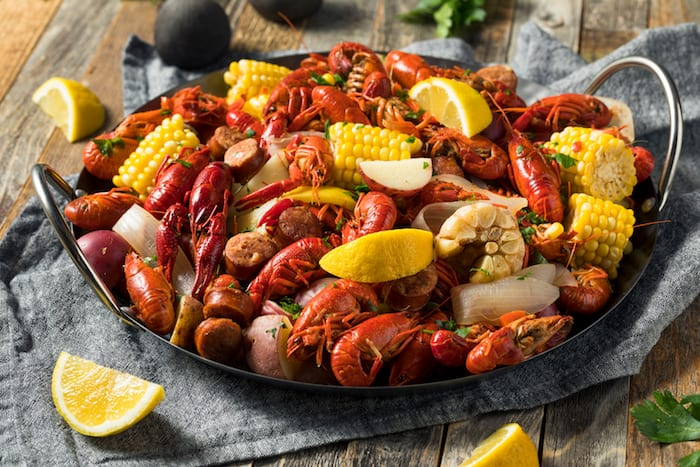
You have to catch your own fish. So that’s how it works on the water. We as a company can only provide so much on the water. All of the off the water stuff we want to, we wanna make sure is the experience when you’re off the water and you’re like, you want to fish with this guy, you fish with that guy, we want to go have dinner. You wanna see this sometimes, like with this trip that we’re talking about for next year, we would a hundred percent have a crawfish boil at the house one of the night, you know, that authentic point, the coolest thing is off the water on day one. You see people kind of meet and interact and then on day two you’re starting to see people mesh and then all of a sudden, day three people are switching boats because Timmy wants to this with John, it’s Roger. All of a sudden you’re like, dude, there’s a text group for life.
Dave (47m 6s):
You just said it, you just said John. That’s exactly what happened on the second Alaska trip we did This year. We, we brought together six people, nobody really knew each other and that’s exactly what happened day one. And we were thinking like we keeping, you know, kind of the part. And then after day two everybody was like, you know what? I wanna, let’s mix this up.
1 (47m 23s):
Those are the best trips where people are like, nah man, I’ll fish with whoever, everybody I’ll go do this. We haven’t fished yet together, let’s go do that. And the coolest thing is end of day three after people mix around, everybody’s stoked for everybody else to catch the fish. And everybody’s like, yo man, check out the fish that he took. This was odd. Like, you should hear this story, let him tell it. And then all of a sudden by day four, the text thread is just a bunch of pictures and everybody’s contact and everybody’s like, oh well you know, we should go fish again on that. And then I think there are local fishing buddies, people that you call to go fish where you live. I have a lot of text groups that are my traveling fishing friends and they’re like, Hey, we’re going on this trip if you wanted to go, we got this going on. Or we’re gonna, you know, take the wives and us and we’re gonna go over here and be at this resort and then fish here.
1 (48m 6s):
And there’s all these people talking about how they’re okay with traveling. And that’s a big part of having a good experience. Like if you’re, if you’re not real big on traveling, there are definitely seasoned travelers that are real used to being on a plane, being in the airport, getting somewhere and et cetera. And you have that group that like your group to Alaska, all of a sudden on the last day when people are flying home, it’s like, yeah, I just landed, man, I wish I was back up there eating a lobster roll steak asking for whatever. And you’re like, me too, that’d be awesome.
Dave (48m 33s):
And ready to go, ready to go for the next year, right?
1 (48m 35s):
Yeah, those are connections that are different, right? ’cause when you’re gonna go fish somewhere, they may have been there or they may know somebody there and it’s like this little, and a lot of it’s how Moccasin started is a, a network of all of these people that will share information and know who to talk to and know who to go fish with and know where to go. And it even gets as simple as like, you know, I’m going up to Spokane and I’m gonna do this. Ah, like I know this one spot that you should go to and you know, I’m not talking about spot burning, giving it up, but I was up there four years ago and this spot was really cool. And you’re like, awesome. Well now bring a rod. And I’m,
Dave (49m 7s):
And that’s the difference too about the, what you’re talking about here. You’re building a basically a community, people that are getting to know each other and the spot burning when you’re in, and we have this in our, in our group, is that it’s not as big of a deal when you trust the people that are in there talking, you know, and it’s like a friend. A
1 (49m 22s):
Thousand percent. Yeah. Well I mean it’s also people that are like, you know, you wanna go catch a fish, go catch a fish if you’re traveling around and have never fished there, that’s the, the information and the beta that you need to be able to even have a, a pseudo easy day going to check that out. But watching that trip go from people riding to the airport, shaking hands and asking everybody where they’re from and et cetera, then they talk about where they’ve been fishing, then they talk about family, then all of a sudden people will switch boats. Then all of a sudden you’re like, we’re all friends now. And that is a, that is a progression that is awesome to see. But I will give a disclaimer that doesn’t happen every trip. So when, when you’re on those trips, enjoy it because it’s unbelievable and it’s the, the top of the mountain.
1 (50m 3s):
There are other trips that are not as cool and that’s where the host and us have to go to work and start making it better.
Dave (50m 9s):
Yeah, you guys are there. No, this is great. Well this has been awesome today. You know, we haven’t really got into tons of the tips and tricks, which is great, but I do wanna take it outta here now with, you know, we call this our today’s top three segment. And today, like we mentioned, we’re gonna, this is gonna be presented by obviously not only Mocks and Fly Club, but Wetly Swing Pro, which is our community where we’re building these trips together and, and people can check that out with Fly Swing Pro. We’re gonna be launching opening that back up here next month. So that’s gonna be awesome to be talking about that. But in today’s top three, I wanna hear some tips, like maybe three tips on redfish. So we’ve been talking, we painted the picture of what this is about. We talked about all the details. Now we’re on the water, we’re getting ready, we got a shot. What are you, what are three things you might be telling that person you’re fishing with to to have ’em have more success Out there?
1 (50m 53s):
So ask questions and communicate. If you can’t see the fish, you don’t know what direction it’s going. You don’t know where the tail is, you haven’t seen it. Ask questions before throwing a bad cast.
Dave (51m 1s):
Okay, so don’t cast, don’t just randomly just make sure you know roughly where that thing is.
1 (51m 7s):
Anybody that’s named Ike Out there, I’m sorry. Don’t act like I know everything. If you don’t know where the fish is, say something. If you don’t know where direction it’s going, say something. Communication can be very easy if it’s, you know, opera preparation prevents piss poor performance. So if I don’t know where the fish is and I ask questions, it’s better. They tell me the guide may get a little chippy. You may say something too, whatever, don’t cast it something that you don’t know. Now if you do cast and you don’t think it’s right, you ripping that line out of the water. It’s spooking the fish more than anything else. If you’ve landed a cast and the fish has not spooked or moved, he doesn’t know you’re there. So relax, don’t rip it out of the water, maybe strip it back a little bit and pull it out.
1 (51m 48s):
Maybe wait to see if it comes to it or if the guide says pull it and cast again, pull it and cast again. So there’s my two of the three ask questions before you’re gonna throw it something. Because if you don’t know what’s up and you make a shitty cast, the guide now thinks that you suck. So the rest of the day changes in communication. If you start asking questions and you can turn around and be like, Hey man, thanks. I didn’t know what was up. You’re saying that it’s left, I looked left five feet, you meant one feet. You gotta get on the same age. So I equated a lot to team sports. If my teammates yelling at me to do something, I don’t know what’s up. Don’t do something that you don’t know. Ask questions. Two, when you don’t think you’ve landed a perfect class, don’t rip it outta the water right away. ’cause that’s usually what it’ll spook a fish is you landing it all nice, doesn’t spook it, but you ripping, you know, 15 feet a line in a fly out of the water is gonna hit that lateral line and make that fish.
1 (52m 38s):
S spook those two. The third one is, you know, chill out, relax, have a good time. Don’t take anything too serious. Some things are good, some things are bad. But you know much like don’t take your issues into work. Don’t keep, don’t keep your issues on the, on the platform, on the bow with you. If something happens, something happens. And if you know that it’s time to take a break, take a break. Don’t keep kicking a dead horse because you can’t make something happen. In my personal experience, I like having a few shots this or that I know real quick if I’m putting it together or not. And if I’m not putting it together, let the other person on the boat try to put it together that may reset everything on the boat. Again, whether I hold a big fish, they hold a big fish or anybody holds any fish, it makes me feel better. So those would be my three is that, you know, you don’t have to necessarily be perfect, but when you’re not perfect, don’t try to correct it so fast.
1 (53m 24s):
’cause that, especially in redfish, they’re usually eating head down in the mud and don’t around them. As soon as they feel something though they know to take off. That’s a big part of it. But the third one of anything is, you know, be kind, be happy and and be ready to help out.
Dave (53m 38s):
That’s awesome. No, these are, those are great. I think high level things to be thinking about because it’s all, yeah, it’s all about staying the right mindset, you know, you don’t wanna be getting that mindset, like you said, we’ve heard that before. You know, we’ve talked about that in the bucket. Brian’s talked about that on this podcast where yeah those people Out there spay fishing for steelhead that have that real negative, you know, I gotta get it, I gotta, they’re the ones that struggle to get ’em, you know, it’s the people that are relaxed and just chilling and the hang, you know, we’ve heard about that too. The hang just, just have that hang mentality where you’re just enjoying the experience and, and a fish is a bonus.
1 (54m 9s):
Yeah, a thousand percent. I mean I don’t know now if you’re downtown in Denver fishing through the middle of the city, maybe it’s not a beautiful place to be. Most of the places that you’re gonna pay to fly to and do all that stuff, I mean every now and then, you know, take your eyes off the water, look around, you know, holy shit, I’m in wherever I’m at, this is cool. I’m with a bunch of people that wanna do the same thing. And I mean, you know, to be real honest, everybody on that boat wants everybody on that boat to catch fish. Whether that happens or not is different, but everybody is there. If you’re on the bow of a boat, everybody on the boat is there to help you get done. So if you act like an, you know, you’re just pissing off the people that are there to
Dave (54m 42s):
Help. Like I said, that’s what’s cool about our wet fly swing community is that nobody, I haven’t seen it yet, that’s what’s great. Not, you know, knock on wood, but everybody is just there. They’re in for the hang. So. So this has been cool John, I think that, you know, we’re definitely lining out what is sounding like an amazing trip. We’re gonna be digging into this more as we go. I think that we’ve got a lot of great topics because we’ve got some guides who I would love to talk to as well to talk more about the trip and you and you’ve got these other trips. So give a shout out before we get outta here. We mentioned at the start, but what do you wanna leave people with? We obviously have the redfish. Anything else coming up here as you look ahead that you think would be a similar experience? Other trips you guys have that you wanna highlight? Again,
1 (55m 18s):
We’ve talked about a lot of them. You know, the Mongolia trip next August is amazing and, and crazy. We have Veloce Patagonia next April, which is another kind of like very budget friendly type of Patagonia trip. We’ve talked about the double hall, which is something totally different. The Brazil, I mean we have like the kind of staples we do every year. My thought would be is that, my shout out would be go to moccasin fly club.com, click on destinations, click on fly fishing. I mean we have boundary water stuff in Minnesota. We have the, we’re in Arkansas, I mean almost anywhere that you want to go Alaska to Argentina, Mongolia, we have people that work with it. You don’t have to just go on a hosted trip with us. We can help you get on the water almost anywhere there way that you want to go for dates that you want to do it.
1 (56m 0s):
And that would be it. You know, we spend a lot of time trying to, you know, make sure the hosted trip is curated correctly, make sure people are getting on Phish. But every year we have hundreds of clients that don’t need to do the hosted thing and go do whatever they wanna do on their own. And that’s awesome too. That helps out our business and it also just gets more people on the water and that, you know, at the end of all of it, the reason why we’re priced the way we are and the reason why we try to do so much is that we just want to get more people on the water having a good time.
Dave (56m 26s):
Love it. I’m on your website now, moccasin fly club.com and it’s cool. Yeah, you have it really well. It’s organized, you know destinations, you got double hall tournament right there on the top header. So when you click destinations it brings down easy everything, right? Argentina, Colorado, Costa Rica, you know everything. A lot of this stuff Florida. So I’m looking down at all this in Hawaii even, right? So Columbia, you guys are all, does it feel like, how do you do all of this? I mean I know you’re not a one man show but it seems like you guys have a a lot going. Does it seem overwhelming to you putting all this together? I mean
1 (56m 56s):
It is a lot in certain times of the year, like we’re talking about, you know, the summertime we get a lot of information that is people looking to go on their own vacations and do stuff. That’s awesome. We have an unbelievable network of people that we work with all over the world. We have a bunch of different services from like, you know, global rescue to travel insurance to our travel agents, whatever. So I mean you are correct, it’s a team but a lot of this has happened over the past, you know, what is it now seven years of helping people out? People want to figure out how to go here, they want to do this one. I mean we have so many options that a lot of ’em we can’t do hosted trips for because I would never be home and people aren’t trying to travel 365 days a year, which is fine, but like when you’re in Europe and you wanna do something or if you’re going and you know a destination like the Seychelles or the Galapagos Islands, those are are different conversations than like Montana and Yellowstone and Idaho or Hawaii.
1 (57m 50s):
A lot of people are just going to Hawaii and want to be able to have a guide and go fish for a day
Dave (57m 54s):
For a day, right?
1 (57m 54s):
Yeah. Captain Kenny and our guys down there are unbelievable and it’s a whole different deal. Then you talk about, you know like we have nine or 10 different places in Florida if you wanted to do that and et cetera. But a lot of people are already traveling so if you’re traveling and you just wanna day on the water, call us up and we can figure that out. If you wanna do a whole trip and wanna do a whole different deal, we can set all that up too. We just had a group a couple months ago that went to Costa Rica and they, some of them fish, some of them went on waterfall tours and checking out alligator stuff and then they all went somewhere else. I mean we can help you imagine and create whatever type of trip you want, but a lot of our easy business is somebody calling me like yeah, you know, my son and I are gonna be over here or I’m here for a, like I want to fish for a day, can I get out of this place?
1 (58m 36s):
And that community vibe of of much like what WEF Fly Swing does is just information and sharing and you also don’t have to book a guide. You could be flying to Seattle and wanna know where to DIY fish. We, we will give you the information and help you out. None of that hurts us either.
Dave (58m 51s):
Gotcha. There you go. So in your, like you said, the contact, there’s a contact form plenty of stuff on the site there so that’s awesome John. Well this has been another fun one. I’m really excited because you know obviously Redfish is huge. We got some people talking about it. So Thanks for the great podcast today and we’ll be in touch on the next one and we’ll talk to you then. Sounds
1 (59m 8s):
Good man. Thanks a lot guys. Have a great one.
Dave (59m 26s):
You can find more from John if you head over to moccasin fly club.com, you can follow him on Instagram as well. Moccasin Fly Club at Moccasin Fly Club. And if you wanna check out this double hall tournament, definitely check in with John. Let know you’re interested. This sounds like an amazing event, really excited to hear how everything goes This year. And also Redfish, if you want us to put this together, we are definitely gonna be working on this. So send me an email dave@wetlyswing.com if you wanna get access for some of our spots through Wetly Swing Pro, this is your best chance to get involved in one of our trips here and and get on this redfish one. Go to wetly swing.com/pro, enter your name and email and I’ll follow up with you on details. We’re gonna be launching Wetly Swing Pro soon for our next cohort and our next cohort goes out.
Dave (1h 0m 7s):
If you wanna be part of it, you gotta sign up to that page to get notified when we go live. Gonna be exciting to jump in and bring some new members in the group. We’re doing this occasionally throughout the year. We’ve got kind of an open closed door policy. This is our way of trying to serve new members that come in. So if you’re interested in this, definitely check it out. Wetly swing.com/pro. We got a big week coming next week. We are getting into and preparing for our Steelhead School. This is our annual school we do to the Ski of Spay Lodge. Of course Brian Ska in the bucket is the man and we’re gonna be putting this together. So if you want to get involved, we’re gonna be doing a giveaway next week, giving away one spot to this amazing location on the Cheena main stem and we’re gonna be giving away some other gear there. So anytime go to web play swing.com/giveaway. You can check out any of our giveaways.
Dave (1h 0m 49s):
Get information there. All right, appreciate you, appreciate you for sticking in all the way and it, I hope you enjoyed this episode. I look forward to catching on the next one. And I hope you have a great afternoon. If it’s evening, I hope you’re having a wonderful evening and if it’s morning, I appreciate you and I hope you can have a good day Out there and check in with us anytime. Would love to hear from you. We’ll talk to you soon.
3 (1h 1m 7s):
Thanks for listening to the Wet Fly Swing for Fishing show. For notes and links from this episode, visit wet fly swing.com.
Saltwater fly fishing offers so much more than just a shot at the “bucket list” species. As John Hunt shared, trips like the Louisiana bull redfish adventure provide one of the best entry points for anglers new to the salt. From casting nine-weights at 20+ pound Saltwater Redfish, to building confidence for bigger species like tarpon and permit, these experiences are both affordable and action-packed. Add in Cajun food, cultural richness, and the community vibe created on hosted trips, and it’s clear why anglers return year after year.
Whether your goal is chasing bull reds in the Louisiana marsh or preparing for international adventures like the Double Haul Tournament in Mexico, John’s insights remind us that saltwater fly fishing is about growth, connection, and the joy of the journey.