In this episode with Drew Baker, we will discuss the fly fishing photography tips. From shoulder surgery rehab to 10 guiding seasons across Rock Creek, the Blackfoot, and the Big Hole, Montana guide and photographer Drew Baker shares how he turned days on the oars into a career behind the lens. In this episode, Drew shows why the best Montana fly fishing photography tips aren’t about megapixels—they’re about telling a real story on the water.
You’ll learn how to capture authentic moments (not just grip-and-grins), build a simple kit that travels well, and plan your shots so you protect fish and still come home with wall-worthy images. We also dig into summer strategy across Montana, when to pivot rivers, and the underrated power of the point-and-shoot in your waders.
02:57 – Drew shared how photography became his focus, noting that breaking into the hunting industry was easier than fly fishing since many fishing content creators were established early, but his passion for photos began with fly fishing.
04:30 – He recounted how rehabbing a shoulder surgery in college led him to daily fly fishing, on the advice of his physical therapist, which eventually turned into guiding in 2015.
06:08 – Drew explained that Philipsburg, Montana, offers access within 90 minutes to major rivers like the Bitterroot, Blackfoot, Clark Fork, Big Hole, and Beaverhead, giving guides flexibility depending on flows and client lodging.
07:19 – He described guiding on the upper 14 miles of Rock Creek, where outfitters without Forest Service permits are restricted, and how this stretch provides prime opportunities close to town.
09:11 – Drew talked about his collaboration with Jeff from Pescador on the Fly, capturing lifestyle product photography and storytelling video while fishing on the Missouri.
10:28 – He discussed filming Happy Hustle masterminds, where entrepreneurs combine survival skills, fishing, and camping with business problem-solving, which has shaped how he organizes his own guiding and photography business.
14;21 – Drew explained that while phones can work for casual anglers, carrying a small point-and-shoot camera can inspire more creativity and story-driven photos.
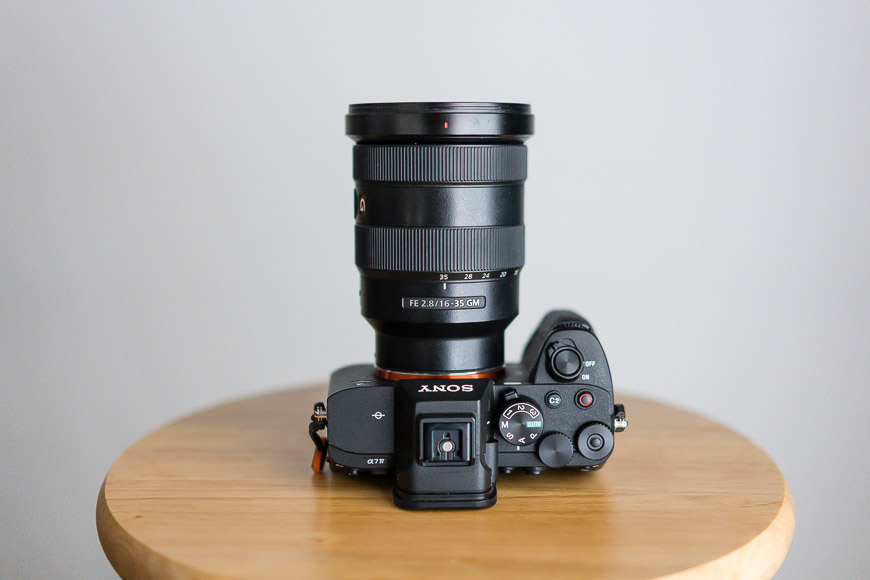
16:19 – He detailed his pro setup: two Sony bodies, one wide-angle lens for scenery and one telephoto for wildlife or tight fishing shots, since swapping lenses mid-float risks water damage.
18:12 – On the Pescador shoot, Drew used his Sony A7 IV, a wide and tight lens, a DJI Pocket 3 gimbal camera for stabilized boat footage, and a drone to capture varied perspectives.
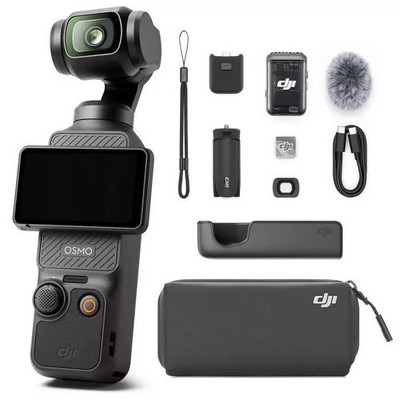
19:58 – He described how gimbals stabilize video, eliminating distracting shake, and why the DJI Pocket 3 has become a game-changer for filming on water.
22:03 – Drew highlighted the DJI Pocket 3’s “creator combo,” which includes a wireless mic with 10-bit float audio, ensuring clear sound even in high wind conditions.
24:31 – He emphasized must-have accessories like a circular polarizer filter to cut water glare, an air puffer to clear droplets before wiping a lens, and a waterproof camera bag to safely store gear but keep it accessible.
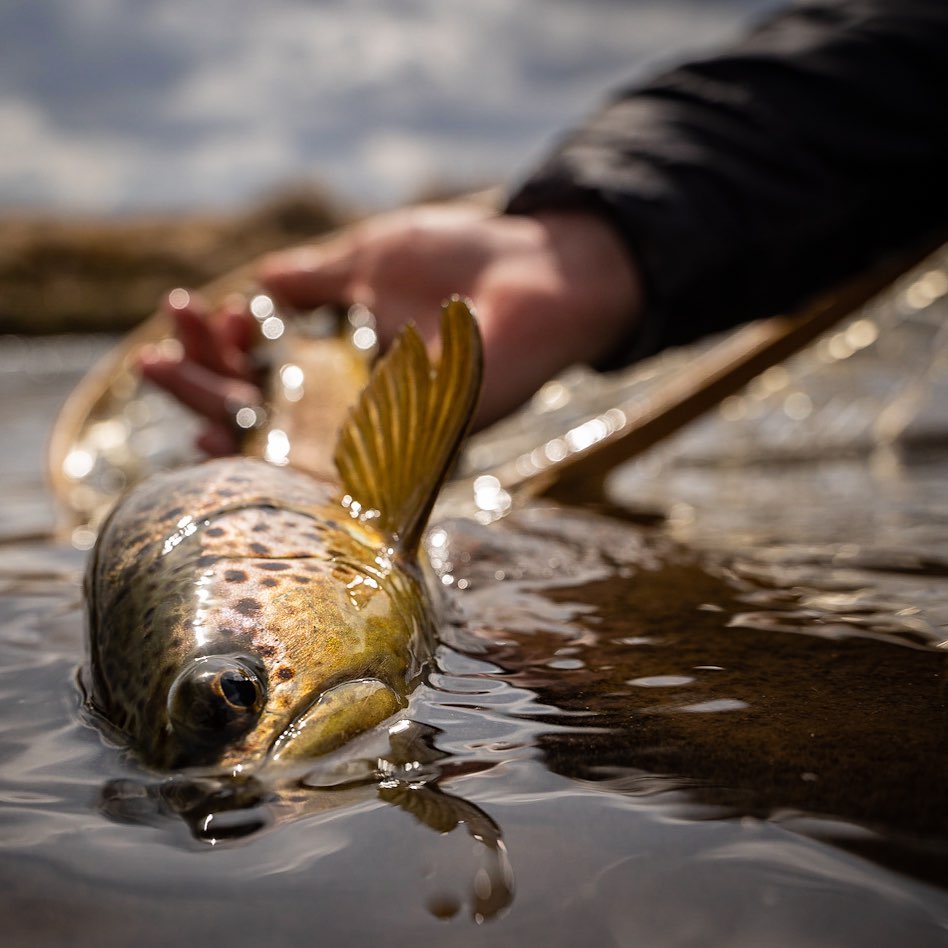
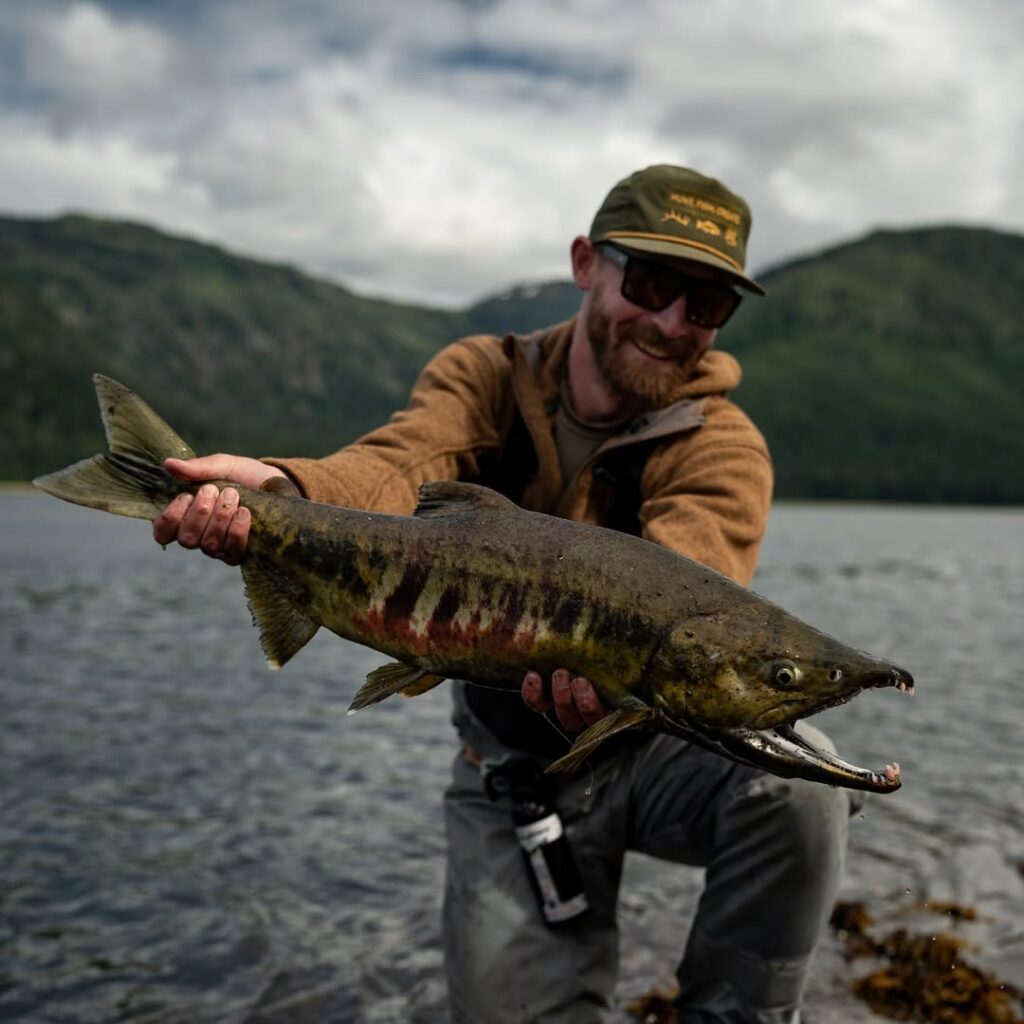
26:46 – Drew encouraged anglers to document the whole story of a day-sunrise, fly selection, facial expressions, net shots, and release rather than just grip-and-grin photos.
31:22- When asked whether photography or video tells a better story, Drew chose photography, explaining that a single strong image can convey a complete narrative.
43:55 – Drew described how he rotates between the Upper Clark Fork, the Blackfoot, and the Big Hole depending on water temps and flows, with each river offering unique opportunities.
47:19 – He noted how “hoot-owl” restrictions (afternoon closures to protect trout in warm water) have become more common in Montana, even recently affecting Rock Creek.
50:08 – Drew recommended planning trips for post-runoff (mid to late June into early July) or in September–October, when water is cooler, flows are stable, and fish are more active.
51:42 – He said dry-dropper rigs are the go-to setup, covering trout feeding on the surface and subsurface, while streamer fishing is reserved for targeting trophy browns.
53:57 – Drew shared that while the chubby Chernobyl is the go-to dry fly, he also uses smaller, lower-profile “Plan B” patterns when fish become selective.
58:06 – He stressed planning your fish photo before lifting the fish, so the process is quick, safe, and effective—protecting trout while still capturing the shot.
59:36 – Drew discussed working with light on water, suggesting backlighting for silhouettes or droplets and using reflected water light to illuminate faces and fish.
1:01:20 – He recommended YouTube as the best free resource for anglers learning photography skills like lighting and framing, since fly fishing-specific tutorials are limited.
1:02:21 – Drew recalled one of his most memorable hunting assignments in the Yukon, filming caribou, moose, and bear hunts in rugged terrain that tested him physically and mentally.
1:05:21 – He shared his fly fishing bucket list, with New Zealand and Iceland topping the list for both giant brown trout and stunning photography opportunities.
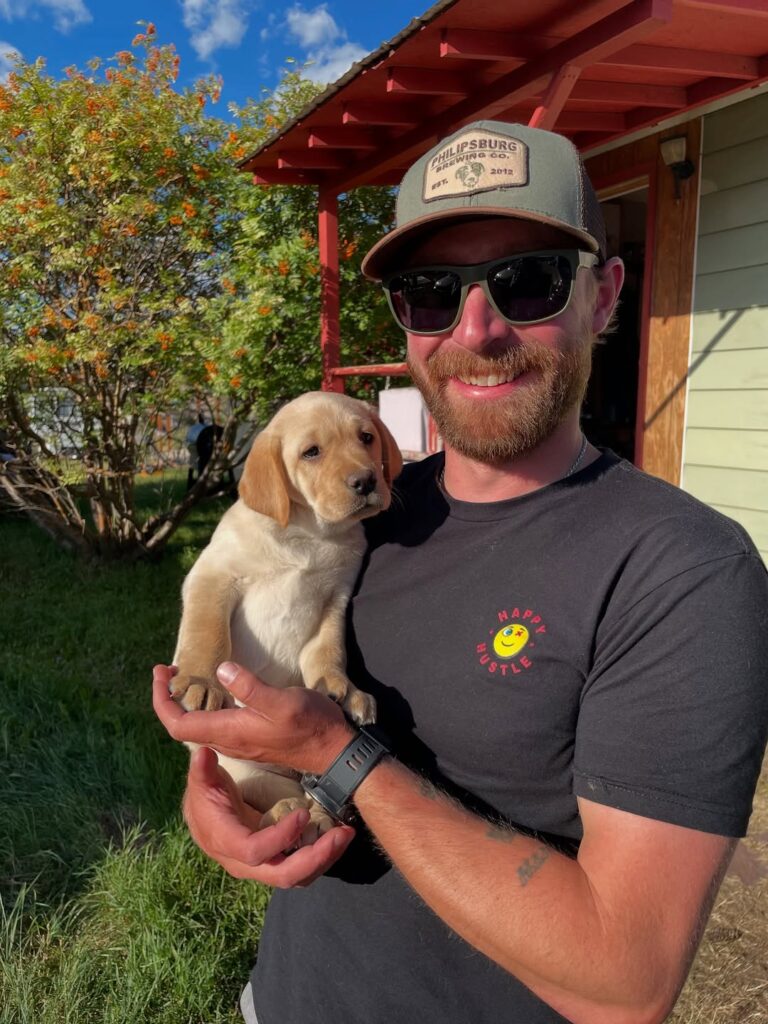
1:06:00 – Drew mentioned his new yellow lab puppy, destined to be both a boat companion and a shed-hunting partner.
Episode Transcript
Dave (2s):
What does it take for a Montana guy to turn a shoulder surgery into a full-time career on the water and then add a camera and photography business into the mix? By the end of this episode, you’ll hear how Drew Baker went from rehab sessions to guiding 10 seasons around Rock Creek, the Blackfoot, and the Big Hole. And also, you’re gonna get his tips for telling the fishing story, not just the grip and grin. This is the Wet Fly Swing podcast where I show you the best places to travel to for fly fishing, how to find the best resources and tools to prepare for that big trip, And what you can do to give back to the fish species we all love. Drew Baker is here to talk about his guiding out of Philipsburg, Montana. We’re gonna find out how he captures the authentic moments of brands like Pescado on the Fly and why a point and shoot in your waiters might be your best investment this year.
Dave (49s):
It’s not all about the phones. Let’s talk more detail about this today. Plus we’re gonna find out how to navigate the summer seasons of Montana and, and how you navigate that as well. Here he is. This is Drew Baker. You can find his work at Drew Baker photo.com or on Instagram at Drew Baker photo. How you doing Drew?
Drew (1m 9s):
Doing good, Dave. How are you?
Dave (1m 11s):
Not too bad. We’re here to jump back into a little bit on a Montana where you guide. I’m also pretty excited about this one because we’re gonna talk about photography and you know, everything you do there. You got some amazing photos, not only in fishing, but a ton on your website. You know, you could check ’em out from hunting as well, which we, I know we have a big chunk. I’m, I’m a little bit of a hunter as well, so, we’ll, we’ll probably talk about that and whatever else comes up today. But maybe, first off, give us a heads up right now as we’re talking. It’s kind of mid-August, we’re like right in the heat of the summer. What, what’s going on for you right now?
Drew (1m 42s):
Right now we’re still kind of grinding with the guiding here. It’s been a pretty wet August so far, so we’re hanging by a thread as far as water temperatures and levels go. But the last few days it’s back to the, you know, regular scheduled August, you know, 90 plus degree days and, and our rivers are tanking and getting pretty warm. So it’s a lot of, you know, meet your clients at five 30 in the morning, drive an hour and a half to find some cold water and you’re back on the road by, you know, one o’clock, two o’clock in the afternoon, just taking care of our fish, rolling with the punches.
Drew (2m 22s):
But yeah, here pretty soon I’m in September, we will start seeing some colder tempts and guide season slows down a bit for me and then I kind of shift gears to a little bit more photography and, and videography based stuff. So yeah, just whatever I can do to play outside. Yeah,
Dave (2m 39s):
That’s your frame. That’s it. I mean it’s, it’s pretty cool because the fall we, we’ve talked about this quite a bit, the fact that, you know, what is the best time of the year? You know, like fishing just outdoors. I mean, the fall seems like it. And so you get into all the hunting, right? Is that, is that more your focus on photography right now? Is it more hunting and kind of some of the fishing? Yeah,
Drew (2m 57s):
It’s, it’s definitely starting to shift gears a little bit to where it’s, let’s say 60 40 hunting. The fly fishing industry has been a little bit tougher not to crack as, as far as professional work, just ’cause it seems like the established, you know, content creators have been like the OGs since social media came out. And with hunting, there’s so many, you know, newer brands and new rifle companies and this and that popping up. It was a lot easier to kind of crack into that. So for the last, I call it five years or better, the main focus definitely was hunting, but I, I fell in love with photography due to fly fishing.
Drew (3m 39s):
So that’s kind of where my heart is. So I’ve just been trying to, to slowly break in and just kind of paying my dues and we’re getting there. That’s
Dave (3m 48s):
Right. You and you’ll get there. That’s the cool thing about it, you know, it’s just like life or business, you know, it’s just, if you stick with it, it’ll happen. Like it’s just a matter of time. That’s the cool thing.
Drew (3m 57s):
Absolutely. Just gotta stay consistent.
Dave (3m 59s):
Yep. Consistent. Well this is cool. So we’re gonna talk a little on that, the photography. I wanna get some tips, like I said, and then, and talk more too on your guiding, ’cause you’re in this really amazing area. We had Jake Hensley on where we chatted about like mostly Rock Creek, which is a place I’ve been to. I haven’t really fished a lot of the bigger rivers. And so I think we’re gonna talk about that today. But before we get in there, let, let’s just maybe circle back real quick on your background. It sounds like you’ve been fly fishing for a little while. Have you been doing this since you were young or did you just get started later in life? I
Drew (4m 30s):
Guess I didn’t really catch, like the bug as they call it, where it took over my life until towards the end of like my college career there. And I was rehabbing a, a shoulder surgery and I was tired of driving, you know, an hour and a half to Missoula, four or five days a week to do physical therapy. And he is like, well, do you fly fish? And I was like, oh, a little bit. He is like, do it every day. And So I, and I couldn’t work. I was operating equipment, you know, before that and the physical therapist just said, you know, hit the river every day and just absolutely consumed my life. And I started guiding right after that and or not right after, but after, you know, I got very comfortable and knowledgeable on the waters and just kind of one of those things.
Drew (5m 15s):
It was, worked out how it was supposed to and that was back, or gosh, around like 2013 and then started guiding and 15. So this is my 10th season outside of Phillipsburg Montana here. And yeah, I love it.
Dave (5m 29s):
That’s some pretty cool stuff from your, your physical trainer, you know, basically, yeah, go out, forget about all the other stuff, just go fly fishing. That’s, that’s pretty awesome.
Drew (5m 38s):
Right,
Dave (5m 39s):
And it worked. Did it work? Did it, so was it a shoulder issue?
Drew (5m 42s):
Yeah, I had two of them fixed and one of ’em, I lived in the gym and that one still is giving me problems. And the one I rehabbed with fly fishing is good as new, even 10 years later. Longer than that it’s doing great. So if anyone needs to rehab a shoulder surgery, definitely hit the river. It’s a good excuse to get out there.
Dave (6m 3s):
Cool. And and did you say, was it, what was the city you’re in?
Drew (6m 7s):
Phillipsburg, Montana.
Dave (6m 8s):
Oh, Phillipsburg. Yep. So you’re, and you’re not far from, you know, kind of all the Missoula and, and the, and all that area. Yeah,
Drew (6m 15s):
Phillipsburg kind of seems to be, it’s not close to anything, but it’s not far from anything. So we’re about an hour and a half from Bitterroot to Blackfoot, the Clark Fork, the big hole the beaver hit, like very located. So every day we have a lot of different options, which is super nice depending on what’s fishing and which direction our clients are coming from. Since it is a smaller town, a lot of our clients fly into say Bozeman or Missoula and it’s, their lodging opportunity is a lot better in those bigger cities obviously. So they stay there. And so we can always like kind of reconnect or meet up at a more convenient place for everybody just to alleviate some of the window time.
Drew (6m 60s):
Just since Phillipsburg is a little bit further away from some of the other places. But during June we have Rock Creek, which is, you know, a 20 minute drive outside of town.
Dave (7m 10s):
Okay, so is Rock Creek from you? What’s the So Phillipsburg Yeah, you’re on the highway, whatever the highway is that goes north. What, what highway? Highway one. Highway
Drew (7m 19s):
One.
Dave (7m 19s):
Yep. And so if you go, do, you just go up Highway one and then you’re right there at Rock Creek,
Drew (7m 23s):
You have to turn off on, I think it’s us 3 48 and then it’s like a 15 minute, 20 minute drive. Just would it be west of town here to get to the top 14 miles of Rock Creek.
Dave (7m 37s):
Oh, I see. Yeah. So you’re, you’re in the upper, that’s the cool thing. You’re kind of the upper watershed and you turn into it
Drew (7m 42s):
Right, which is, is perfect. Just without the Special National Forest permits, we can only guide on the top 14 miles here. It works out awesome. Just so we’re not driving all the way around to the Missoula side to guide.
Dave (7m 57s):
To guide. Right. And I remember that’s the cool thing about doing the, you know, the episode with Jake and, and this One is, it’s bringing back memories of Creek, you know, it’s not huge, I guess it’s big for a creek, but so the 14 miles is, where does that, if you go downstream, where does it end on Rock Creek? I can’t remember how many miles it is from the mouth up.
Drew (8m 13s):
I think it’s 52 miles from the Confluence at the top of Rock Creek down to where it dumps into the Clark Fork right there on I 90. It’s pretty decent.
Dave (8m 23s):
Yeah.
Drew (8m 23s):
Lots of fishy water through that stretch. Nice.
Dave (8m 26s):
Well like you said, I think we’re gonna jump in and talk a little on some of that, the guiding there. But let’s start with, you know, kind of on the photography. ’cause that is a big thing. People obviously are out there every day and you know, I was just out on a trip and you got these phones now full of, you know, pictures that, that, you know, some are good, some are not good, but you are doing this for, you know, like as a pro and I wanna talk about some things there. So first off, maybe we could kick this off with the, the, the Jeff at Pescador on the fly. He’s the person that connected us, I think originally. And, and, and Jeff has been awesome. He’s got, you know, Pesca on the fly, these rods we’ve been talking about his six piece rods, he’s got just super kinda lightweight, these cool rods. But so talk about that first, what is your connection with Jeff and I think, did you do like a photo shoot or something like that on the water?
Drew (9m 11s):
Yeah, So I actually was connected to Jeff through Jake Hensley. So he said he had, you know, like that Guy Day on the Missouri, I think Jake refers to a few times any of your guys’ podcasts there with Jeff and yeah, he just kind of had a vision and had Jake reach out to me and, and met him over on the Missouri and spent a day together and that was kind of our, our first introduction there. But we absolutely hit it off. And then come to find out we have some other connections through’s, some like business mastermind stuff. Jeff is, you know, very into the mastermind stuff, like optimizing your life and all that. Yeah,
Dave (9m 49s):
He is.
Drew (9m 50s):
And So I do a bunch of work for a mastermind company called the Hasi Happy Hustle Club and little did we know we were both in that. Oh
Dave (9m 59s):
Cool. This is awesome. Well, well this’ll be for business, so this segment, you know, our business folks out there, you know, but I’m, I’m a big fan. I feel like the, you know, the Mastermind is something I’ve always actually, I’m not in one right now and for those that don’t know, it’s just basically a meeting of people. It could be anything. It doesn’t have to be business. It could be like-minded people to kind of, you know, learn from each other. Right. And kind of try to meet your goals essentially. Is is that what the Happy Hustler would describe that? Just give us a little minute summary of what that is, what that’s about.
Drew (10m 28s):
Yeah, so it’s kind of a group of men that they meet up at these masterminds and there’s like an online club as well and they just kind of mix business with pleasure. So I’ll film like backcountry masterminds where, you know, 10 guys get together, they learn survival skills, fly fishing. Some of ’em have never camped or like been in the back country or seen a grizzly bear or moose or anything. And then every night there’s like table prompts over lunch and stuff where they talk about business adversaries or problems and everyone kind of workshops it and includes them, all these different spins on business. And yeah, I’m kind of just a fly on the wall and I just listening to the super high performing entrepreneurs has been absolutely game changing for my photography and, and guiding and just how I deal with clients and organize my books and just the, the little things that go a long ways yet it’s been very beneficial for myself and just seeing what these guys come out of it with after, you know, a week in the backcountry camping with no cell phones or anything.
Drew (11m 32s):
It’s truly some life changing events I’ve been able to document. It’s pretty cool.
Dave (11m 37s):
Wow, that’s great. So this is, And it looks like I’m looking at it now, there’s a happy hustle. Hustle. Is it Happy Hustle or Happy Hustler,
Drew (11m 43s):
Happy Hustle.
Dave (11m 44s):
See yeah, there’s a podcast too. Happy Hustle podcast here. Yep. Achieve balance and avoid burnout. So that’s cool. So you’re involved in that on basically taking photography photos of, of the trips and that sounds amazing too, the actually going on, you know, doing the trips and then mixing business with pleasure kinda.
Drew (12m 1s):
Yeah, it’s been been awesome. They do two backcountry ones in Montana and then we head up to Alaska here in a few weeks in September. They do a ski mastermind and they kind of all attract, you know, different types of entrepreneurs, you know, some are really into skiing versus some want to go fish in Alaska or, or they do, I think they’re doing a couples one in Columbia and one in Guatemala and all over the place. So yeah, it’s, it’s been a very cool opportunity.
Dave (12m 32s):
So Cool. I love the, the, the podcast. Of course, you know, I’m high on the podcast here, but it’s great because I, whenever you see a podcast from a brand which they have, like that’s the first thing on Google that searched up. It’s cool because now you can actually listen to the podcast and get a feel for me like, okay, is this something that is in my wheel? It’s something I’m interested in even. Right. And so you can kind of get a take on and then if it is, but of course you guys sounds like a pretty awesome, we’ll table that and maybe we’ll follow up with you on another call to chat more on that, but that’s, that’s awesome. So essentially, yeah, you guys connect with Jeff, you’re doing a trip, you’re taking photos of the trip and then you realize, hey, this happy hustle thing, you guys have this in common and he kind of hit it off and Jeff’s obviously a super cool guy, so that’s probably not hard to do.
Dave (13m 13s):
Right,
Drew (13m 13s):
Right. Yeah, Jeff’s one of the nicest guys ever. He is just kind of the salt of the earth and he has a, this vision and, and it’s cool that he is, he reached out and is kind of bringing me along, you know, to document some of the, the progression of these rods, these building. And we’ve definitely had talks about, you know, getting out on more fishy adventures probably with Jake and it just, everything flowed so seamlessly when we were all together and none of us were in each other’s ways and everyone kind of knew what to do and, and where to be and where to look and this and that. So it was just a pleasure to work with Jeff and Jake and we, we just hit it off and had a blast out on the water. So looking forward to the, to continue that relationship.
Drew (13m 54s):
Yeah.
Dave (13m 54s):
Perfect. Well let’s, let’s talk on the photos. Let’s keep it, maybe start high level on, on this and you know, I always start, like we said, the phone, everybody’s got the phone in their pocket, of course we could take photos, but I’m curious with you, what does it look like? Has that changed now in the pro photography area where you’ve got your DSR and you’re using that equally with a phone or maybe talk about what should somebody be thinking about what’s the gear look like for you and then what would look like, could it look like for just your average fisherman?
Drew (14m 21s):
So I would say we’ll start with the average fisherman. The phone works fine, obviously there, there is a difference in quality once you start getting into, you know, pro level cameras. But just having the camera with you that’s accessible I think is one of the most important things. Whether that’s a little point and shoot or even when I go out and fish for myself, I carry like a Fuji camera from 2001 just to kind of inspire me creatively and the quality’s kind of garbage, but, but it’s just something different And it keeps the camera in my hand. It’s small enough I can stuff in my waders, you know, as a $400 camera so it’s not breaking the bank if it does get wet or,
Dave (15m 2s):
So that’s one of the tips is that yeah, you got your phone in your pocket, like if your average fisherman, but you know, I mean it might be a good idea to have like a point and shoot just to give you a, a different perspective on things and like kind of mix up a little bit.
Drew (15m 15s):
Yeah, I, I think gear can definitely inspire creativity. Some people they think, oh, it’s just a phone, you know, so they don’t pull it out to take the, the pictures or the videos or, or maybe they’ll just get the quick grip and grin or something. But you start intentionally packing around, even if it is an older point in shoot, you kind of start reframing how you think about taking the photos and you can, can really start kind of workshopping your own creativity, approaching fishing and, you know, focusing on telling the whole story rather than just the gripping grin. So that’s where I’d probably start with just kind of your average fisherman. Once you get into like pro level stuff and you start carrying the bigger mirrorless cameras with the mics and cages and stuff, then, then the whole vibe changes and you’re, you’re looking at, you know, much bulkier gear stuff that you really don’t want to drop in the river because it, you know, costs as much as an used pickup.
Dave (16m 12s):
So the, the cameras are still, yeah, I’m not sure. Well maybe just talk about that. What is the, the camera you use there, what’s your main camera, your big camera?
Drew (16m 19s):
For photos I run the Sony a seven four and it’s a good hybrid camera, so it does shoot very good video, which I’ll use professionally. And I, on a boat typically I run two bodies. I’ll run a wide angle lens like a 14 millimeter f 2.8 or like a 18 to 28 tamron lens. Just something a little wider. That seems to work pretty good. If I’m in a boat and then I run another body, which some, depending on if it’s film focused or photo focused, I will run like the A seven S3, which is a video focused Sony camera and I’ll run the Tamron 35 to one 50 F two lens, which is a telephoto.
Drew (17m 3s):
So say we see, you know, an eagle or a good hat coming off, I can really get in there or if I’m filming a dry fly waiting for a eat or a, a bobber to go under or something, it has a little bit more zoom on it. So then I’m, it’s a ton of gear, but I’m kind of covering all my bases rather than trying to swap lens lenses. When you’re out there on the water, whether it’s dusty or rainy or wet, you gotta be real careful swapping lenses so you don’t get moisture dust on your sensors. Yeah,
Dave (17m 30s):
I gotcha. Yeah, there’s a lot going on there. So that’s a good tip is that for you, you want to have the, kinda like the, the fly rod we talked about the other day. I think we had somebody on that was talking about the, the euro nipping rod that he uses for not just euro but for all, he’s got the right line, so he uses it for dry flies kind of everything because he doesn’t wanna have to bring it along three rods when he is out there. And so he’s got this kind of a jack of all trades sort of thing, but well maybe what does it look like? Let’s talk, we mentioned Pescador maybe that would describe a little bit about your, kind of your, how you do it, what did it look like there? Did you bring on out all these cameras where you guys floating in the boat and then talk about the story you were telling there with, with the pescador, I’m not sure if this was like a full day on the water or whatever.
Drew (18m 12s):
Yeah, it, it was, and one when we kind of started, we didn’t know like the exact objectives, so it was like obviously product photos, I’m a big fan of like lifestyle photos to tell a brand story versus just like, you know, the roding the boat. But they all kind of meshed together and then it was like content with the origin story or excuse me, video for the origin story. And then I just shot video to tell the story throughout the day of, of just our day on the water. So it was kind of like four or five different objectives that we didn’t know that we had at the beginning of the day.
Drew (18m 53s):
Oh right. Yeah. And as far as gear goes, I, I just brought the a seven four and a wide and a tight and then I have a little DGI pocket three, which is a, a very handy little video focused camera that’s on a gimbal and you can get a lot of really unique stabilized shots and time lapses and motion lapses and all this stuff that work really well when you’re in a boat because as a wider, I wanna say it’s a 14 millimeter equivalent lens on it, so it’s pretty wide. So filming video in the boat is awesome ’cause it’s stabilized. And then I also brought my drone with us out there and So I just able to kind of throughout the day and, and Jeff’s very well versed, so he, so it’s Jake, so just like the audio bites and everything just kind of flowed naturally to be able to build, you know, a, a cohesive story throughout the day, even though that we didn’t know exactly which direction we were heading with it.
Drew (19m 50s):
Right.
Dave (19m 51s):
And and so the, and you mentioned the gimbal, the gimbal, that is the, the, the anti shake. Describe that again. What is the Gimbal?
Drew (19m 58s):
So a gimbal is like a a three access stabilizer And it has a little lens built on it with a a handle and this thing’s small enough it can fit in your pocket so you definitely have to check it out for, for little quick videos and stuff. This thing is a beast And it shoots the same like color codex as my, you know, $3,000 camera bodies. And I think you can pick this thing up for like 600 bucks now. It’s pretty affordable. Gimbal basically just stabilizes the video footage to get rid of all that shake when you’re, whether you’re walking or panning or following a boat down a river or something, it just gets rid of all that annoying shake that can really, sometimes it works on a video and the added movement’s nice, but still video is usually better.
Mountain Waters Resort (20m 46s):
If you’re looking for a world fly fishing experience, it’s time to check out Mountain Waters Resort. Nestled along Newfoundland’s legendary Portland Creek. This spot has a history that runs as deep as the Atlantic Salmon that call it home once they fly fishing retreat for the great Lee Wolf. Today it’s your turn to step into these historic waters and swing up your salmon this year. You can head over to wetly swing.com/mountain Waters right now and make it happen. That’s wet fly swing.com/mountain Waters. Let’s get out there today,
San Juan Rod Works (21m 19s):
San Juan Rod works started with a simple belief, great fly rods and gear shouldn’t cost a fortune as a family run company. They focus on building high quality fly fishing products that perform on the water without the premium price tag. You can try San Juan Rod works for 30 days risk free right now and if you’re not satisfied send it back for a full refund. You can go to san juan rod works.com. That’s S-A-N-J-U-A-N rod works.com. It is, right, so you can get still video while you’re floating down a river.
Drew (21m 53s):
Yeah, that, that little camera’s been a game changer. So definitely check, look into that or if any of your listeners are looking for a affordable quality little video camera. That thing is,
Dave (22m 3s):
Yeah, what was the video camera again?
Drew (22m 5s):
It’s the DJI pocket three and there’s a little creator combo, so it comes with a lav mic that syncs as soon as you turn it on and it has this new newish technology that’s called 10 bit float. So the audio doesn’t clip like whether it’s super windy or anything, it salvages makes like a backtrack that salvages all your audio. So if you’re outside and it’s crazy windy, you can still get, you know, good voiceover stuff or or quality audio out of it. So yeah, it it’s a, a sweet little setup.
Dave (22m 41s):
So I’m looking at it here. I’m looking at the DJI pocket three Osmo. Is that the right? Yep,
Drew (22m 46s):
The creator combos the one that comes with like the battery handle and the mic.
Dave (22m 52s):
Okay. So and I’m looking at it, it looks like, yeah it looks like a unique thing. It’s got, it’s like a, a long rectangle stretched out with a camera on top. Is that kind of the the device?
Drew (23m 0s):
Yeah. Yep, that’s it.
Dave (23m 1s):
Yeah, that’s unique that, that looks totally different. That does not look like a regular camera.
Drew (23m 6s):
Yeah, DJI is they’re cruising then the like drawing a blank on it but they’re making a lot of really cool stuff.
Dave (23m 12s):
Totally. I see it. Yeah, so this is a good company to follow DGI and then the guy, I see this, the Osmo pocket three, it’s got GI pocket gimbal camera, So I guess it’s got the gimbal and then it’s got, it looks like you put a phone on it. Is that on the front or is that, it’s that maybe that’s part of the camera. It looks like a phone that’s kind of magnetized on the front.
Drew (23m 31s):
Oh yeah, there’s the little screen that’s only like a two inch by one inch little flip out screen on it. And so that way you can still monitor what you’re filming and your audio levels and stuff or else you can actually hook your phone up to it and have a little bigger screen.
Dave (23m 47s):
Gotcha. This is cool. Yeah, so basically it looks like it’s about, it’s under a thousand, like 800 bucks, something like that.
Drew (23m 52s):
Yeah, for the creator combo.
Dave (23m 54s):
So you have this thing and the reason that that’s nice is that as you can see, I mean it’s not that big you can, looks like you can put in your pocket but it’s a high quality camera video kind of Got it. Has it both or mo mostly video?
Drew (24m 4s):
It’s mostly video focused. I don’t think it, your phone would be better for stills. We’ll put it that way for just taking photos. But that thing will take better video and with the stabilization it’ll cross your phone in the video compartment. Sweet.
Dave (24m 18s):
So we got a nice little, little product shout out there. That’s good. And then yeah, what other, maybe staying on that, what other accessories would you say you, maybe you have or people should be thinking about kind of must haves?
Drew (24m 31s):
So out on the water it a polarizer filter, which Whether you have a, the DJI pocket three or say a 24 to 70 on a a Sony A seven four, you want a polarizer filter and that will cut the glare on the water kind of just like polarized shades do. So that’s super crucial when you’re out there. One thing that I think is really important is having one of those little air puffers, if it’s like a little bulb with a stem on it that you can like puff air out of and it’s used to get dust off your camera sensor if you get dirt in there when you’re swapping lenses.
Drew (25m 12s):
But if you get water droplets on your lens, if you go straight for the microfiber cloth to clean your lens, you’ll get smudges. But if you use that little puffer to blow off the end of your lens, then it’s kind of a smudge free situation. So that’s been huge, whether you’re in the, the mountains or anywhere you’re dealing with moisture, that’s been absolute game changer for me. And I, I think just having the right like camera bag set up, whether it’s a a roll top dry bag or I use the Orvis boat bag just ’cause you can kind of organize the dividers in there and I can bring fishing stuff and camera gear And it, you know, waterproof with the right zipper on it.
Drew (25m 55s):
Just having a place to safely store your camera that you can get to it quick I think is super important. So whatever works best, whether you’re wade fishing or in a boat scenario where your gear’s gonna be safe, that’s huge. ’cause if you can’t get to your camera, you know, you see the eagle fly overhead, you’re not gonna dig out your camera to get this the photo. So I think that’s super important.
Dave (26m 17s):
Yeah, that’s great. No, I think that, and we’ve heard about that, the Orvis boat bag for sure. People are loving that. So we’ll get some links out in the show notes where people can take, take a look at this as well, what if, if somebody, let’s, let’s take it to the, you know, the person out there fishing, they’re just gonna be out there. Maybe they have a phone, maybe they got something more, but what are you telling them if they’re alone, how do they get shots? It sounds like maybe the storytelling is a big part of it. Like what is your, you know, we’re all in it for different reasons. Some, you know, sometimes you just want the fish, but I feel like getting that story of the day or whatever you’re talking about is that for you, you mentioned that before, how do you start to think about that story and what, what does that really mean when you’re telling the story?
Drew (26m 56s):
So I I think by focusing on like the whole story rather than the grip and grin.
Dave (27m 4s):
Yeah. Like instead of just the one, you know, you catch this amazing 25 inch brown trout that’s just like has a, maybe has a great, that’s where the podcast comes in, right? Because you catch that and then we’ll we’ll hear the story here, people talking about it, but you could also capture that on video, right? And not just the fish, like the whole thing. So what would that be, let’s just say that you’ve got this big, the, the day ends and in the evening when you land this massive fish is the story just taking some photos along the way, video of, of how the day went, how, you know, how the food was, that sort of stuff or describe that a little bit. I
Drew (27m 36s):
Think it is a lot of that kind of the, you know, the sunrise all the way down to like the tight shots of like the hand selecting, you know, the fly that that brown trout may have eaten to the fish in the net to the release shot, to the high fives kind of building like the emotion maybe of the struggle of a day where you get your butt kicked for three quarters of the day working for that one brown trout. I think really focusing in on like authentic facial expressions and just like how the struggle that we’ve all faced out there when we’re hunting the big fish and, and they’re not around every, you know, little rock or boulder or anything.
Drew (28m 18s):
So I, I think really building that in and finding ways to capture that authentically without the staged like frustration or anything. I think that’s kind of the objective is to just really build emotion into those photos to where it kind of tells the whole story and say it is evening when you catch that brown trout. Like what can you take a picture of to illustrate that you fished all day and you didn’t catch that fish till the evening. So just start reframing how you think about telling the whole story of the day to get to the end product of that fish. I guess you could say.
Dave (28m 55s):
That’s right. Let’s just take it in this day. You’re fishing say this day and you’ve gotta get photos throughout the day. So you’re taking photos, right? Lots of photos, hundreds, maybe thousands of photos and then you’re going back through and grabbing, like you said, maybe that photo that typifies that piece, the fact that it was a struggle all day, right? Maybe it’s the facial expression of somebody that’s, you know, kind of broke off a fish or something like that. Is that kind of where you’re, what you’re talking about here?
Drew (29m 19s):
Yeah, absolutely. Snapped off fish or people even though they don’t know that they’re doing it, they tell a lot what their facial expressions. And so that’s kinda my job is to not really steer how they should be expressing themselves, but just to kind of be the fly on the walls,
Dave (29m 36s):
Right? Like you’re not there. And I heard that from some of your, I think you have a video on your website, I think it’s mostly hunting companies or brands. You’re out there with them and they were saying that’s what they were loving about your style is that you’re just out there that, you know, they almost don’t even know you’re there and you’re, and you’re snapping, you’re part of the group, right? You’re part of the team that’s the hunting group. Yeah,
Drew (29m 54s):
Absolutely. And that, that’s been my goal since day One is, is just to more or less be the fly on the wall. Just especially with client work. I know how special these moments are and I, I know what, you know, some people pay to go on a very big adventure hunt or even a, a fly fishing trip in Montana, So I don’t wanna be there in the way or, or you know, steering my own narrative. I, I kind of just want to always be that fly on the wall and I’m more than happy to, you know, give direction and kind of hop in when I see fits or when it’s appropriate. But outside of that, like I, I don’t want people to really even know I’m there whether it is hunting or fishing.
Dave (30m 34s):
No, I love what you’re talking about with the, the facial expressions and just how you’re trying to capture that. I, I go back to, I’ve been kind of doing some history, like I’m back in this history little segment of myself while kind of watching some stuff out there and you know, some of those photos of Abraham Lincoln are really, you know, I’ve heard people talk about that. Like you can see and probably any president, but you could see the years of the Civil War those few years there of the difference and just a few years of his face going from kind of this like normal kind of young person and then three years later he’s chiseled and his, he’s got those, right, his skin is all changed and, and those photos, they, they snap that and when you look at those you’re like, wow, that’s, that’s the power of the photo.
Dave (31m 14s):
Right. Do you feel like the photo or video, like if this is probably hard to do, but if you had to pick one to tell the story, which one would you go with?
Drew (31m 22s):
Photography a hundred percent.
Dave (31m 23s):
Oh, no kidding. Yeah.
Drew (31m 25s):
Wow. Yeah, I, I think I can, it slows things down I guess for me. And I started as a photographer. Video as everyone knows, has kind of just come into play the last handful of years with social media And it just is seems like such a fast-paced ever evolving thing where I feel like photography, like you said, dating all the way back to Ola has kind of always been this, like you can tell a whole story with, you know, one or two pictures. You don’t need, you know, a half an hour segment to tell that what Abe went through back then. So I, I think with good pictures and, and that, that has taken me and it’s a, a work in progress just like, you know, learning fly fishing, you could, you could do this for a whole lifetime and every time you go out you’re still learning new techniques and stuff.
Drew (32m 15s):
So there’s a lot of parallels to like fly fishing and photography with the evolving and, and honing your craft. But I think photography to me is to tell the story in as few photos as possible is kind of like the objective that like motivates me internally when I go out there.
Dave (32m 30s):
Wow, that’s awesome. Yeah, I think it’s, it’s cool that you’re kinda getting us thinking about a different perspective, right? I think instead of just the taking the photo of the fish, which is, which is great, it’s more of this whole story when you get into, you know, when you’re doing this kind of some of the work, how is this coming out in the, how are people seeing it? Is this where there’s a bunch of different things that may might be a social media post or, or what typically, I don’t know if you wanna talk about some of the hunting stuff or the fishing. What are people seeing where, where are they seeing these photos?
Drew (32m 60s):
I would say mostly social media or like ad campaigns, websites, things like that is mostly where the stuff is getting broadcasted. Some people still want like prints for to hang on their wall or photo books, things like that. But I’d say most of especially the professional side of things definitely lives on the web or social media.
Dave (33m 22s):
That’s right. And maybe we could just take, we were kinda using some examples here and I wanna talk, like you said, we wanna get a little bit into some of the trip stuff too, but let, let’s say you have a new client who’s on the water maybe, maybe it’s something where you’re on a trip with a few people, they’re fishing, you got this group, where do you start? That’s just to say it’s a lodge. Where do you start with them on figuring out what the plan is for like what, what the story’s gonna be? I always go back to, you know, we had John Gear Rock on here before he passed away and I remember him saying that writing obviously different medium, but he was saying that you don’t want your books to be like your uncle’s boring trip to Hawaii story. Like you started here like a of A to Z, right?
Dave (34m 3s):
How do you make it so it’s not boring? How, how do you make your tell your stories or, or you know, describe that process a little bit.
Drew (34m 9s):
I think that kind of just steers us back to like capturing the emotion, whether it is showing up at a lodge. Obviously there’s anticipation over coffee or you know, like excitement on a, a flight across the country or you know, even in the airport, which no one’s really excited in the airport, but you
Dave (34m 29s):
Are excited. I mean you, you’re excited like me. I mean I know I am on the airport. I’m one of those people that kinda loves the travel and so that’s kinda cool. But the last, the one of the last trips we did this summer, you know, we flew into Togiak River Lodge And it was one of those ones where you went to, and I’m sure you’ve done this sort of stuff plenty of times, but you go into Anchorage and then you take a flight, you know, a 20 passenger airplane and then drop onto a gravel runway in the village of Togiak and, and everybody hops out and they’re getting their gear and you could just see it, it’s like, and the river’s there, you could see it now and, and like everybody, I imagine if we would’ve got pictures of those people’s faces, it would’ve been, it probably would’ve told a lot about where, what was going on. Do you think that would be the case?
Drew (35m 10s):
Oh ab absolutely. Yeah. And that’s kind of where I, I like to start too and, and I like to, you know, in those scenarios too, like find movement that’s kind of like steering up the narrative from like point A to point B if that makes sense. So whether you’re like pulling your fly fishing gear or hunting gear out of a, a beaver on a mountain lake and you’re in, you know, the Yukon or something, it’s a movement to show that you’re are here at a new place. It’s not just a stagnant selfie in the plane. So trying to like keep the story moving through the photos and then find like the twinkle in the eye or the subtlety smirk of the old guy who, this is his bucket list trip and he is finally here.
Drew (35m 51s):
You know, there’s those little subtlety things that show themselves some big ways and photos and then just to keep the story moving through the photos I think is how I approach it anyways.
Dave (36m 1s):
And then use the video to kind of add to the photo story or you know, is, is that kinda how you look at the video comes in when you need it and the photos telling the main story?
Drew (36m 11s):
It, it depends on the objective of the project. I would say any more video is just so much more popular that most of the professional work in like the fly fishing or hunting spaces video focused. So the, the video’s like the main story in the photos are the supplement. Right,
Dave (36m 33s):
Okay. Yeah, it’s the opposite. And that makes sense ’cause yeah, video’s so big on all the social media channels and yeah and videos. Do you know, you know, same like a photo, it’s similar, it can tell that story pretty quick. You can get a 32nd clip and people, you know, again this day and age with all the attention issues, you know, you might only have that short time to capture I, I did see this video this, it’s this ad thing, right? Again, how do you get people’s attention online? And it was this thing, it was for, you’ll appreciate this ’cause it was like a business thing. And the thing was for, it was an ad I think on Instagram And it was for, I can’t remember now, it was some business thing but the first two seconds was like two women walking. They were all dressed up, dude it upright and they were walking in the city, you know, but it had had nothing to do with the video that was just like, that was the capture of the moment.
Dave (37m 20s):
And then, and then I’m sure and then they went through a series of, you know, checking the boxes of who you are. And I’m sure for men that probably, you know, a majority of you know, a lot of people are clicking or lit are watching that and then there and then you can figure out, right. So I mean that’s that sort of, I don’t know, that’s almost is that kind of spammy I guess. I don’t know. I guess it works so maybe not.
Drew (37m 40s):
It definitely does work and that’s with short form stuff, I think that flies by And it, it works for some people I think with video just showing up authentically and not like playing on people’s emotions that way. I kind of stay away from most of that. Yeah,
Dave (37m 57s):
That is kind of, that’d be weird in a, a fishing or hunting thing to have some weird thing like that. I
Drew (38m 2s):
Maybe in the right scenario it could work. They could be in waiters walking down the beach or something and you can still get the same attention.
Dave (38m 9s):
Yeah, definitely. Okay, well and I think we passed the, the, I was mentioning earlier on the shot, you know, if you’re alone, so let’s take it back to that. Somebody’s on the water, maybe they have their phone, maybe they have a camera. What are a few tips you’re giving them to, you know, get, kind of get that shot or maybe get a, you know, something different? What, what would you be telling them
Drew (38m 26s):
If you were alone? I would say find ways to set your camera up, which can be a little tricky if you’re waiting. One cool thing I’ll touch back about that pocket three is it has like a follow mode on it. So you can like draw a little box around yourself. Say you want to like fish, you know, 20 yard riffle or something, you can lock it on you via your phone in your pocket, it’s on the bank or from a different far away perspective. And you could fish that whole thing and it’ll like kind of pan along with you. Or if you were to walk back, you know, with the fish and the net to get like pulling the fish outta the water and stuff like it, it’ll follow you around.
Drew (39m 8s):
So that, that’s been huge for just kind of the short form, self filming type stuff. And then I think going into it with a plan, so like where you set your camera up, think about the lights and make sure your camera’s not gonna tip over into the river if there’s wind or just having a little forethought with that. And then just get comfortable with timers and we’re working with a fish that’s, you know, more or less thinking for itself and can flop outta your hands and we gotta take care of them first and foremost above everything. So you really want to have that game plan to like, okay, the camera’s here, I know if I just hit the shutter button, the timer’s gonna count down 3, 2, 1 fishes outta the water picture. Let ’em go.
Drew (39m 48s):
I think yeah, just having like that forethought and the plan of what it’s all gonna look like before it actually happens is super important and just get, get creative with it. Get comfortable with how a tripod works and shooting like top down so you can still get like the intricate shots of you selecting the fly that catches said fish that you’re after and then shoot a bunch, all these cameras, even iPhones, what are they like? You can get ’em up, up to a terabyte now or 256 gig memory card that’ll shoot thousands of photos. Shoot a bunch hits a pain in the butt when you get home ’cause you have to sort through it. But I’ll be darn if I’m gonna miss, you know that one shot that tells this story because I was trying to save memory card space or something.
Pescador on the Fly (40m 37s):
Pescador on the fly offers a full spectrum of fly fishing gear for any angler at any budget. By bringing high performance rods directly to the angler, they eliminate the middleman markup, saving you time and money. The top tiered El Ray series is designed for serious anglers with the el ray G six being the most packable high performance rod on the market. And most anglers who try the G six can’t believe it is a six piece rod. It performs just like a four piece. There’s no difference in performance. Whether you’re fishing local streams or embarking on your next adventure across the world, the G six delivers precision and power wherever you go. You can get 10% off your next order right now if you use the code wet fly swing at checkout, that’s pescador on the fly.com. Use the code wet fly swing for 10% off, never fly without your G six. Discover the L race series and more at pescado on the fly.com.
Fish the Fly Guide Service (41m 27s):
Fish to Fly guide service is passionate about sharing Jackson Hole’s world class fishing from its iconic rivers to hidden backcountry waters. The legendary mutant stone and other fantastic hatches bring explosive top water eats during peak season. Backcountry creeks hold hidden gems where every bend offers something new and wild. Trout rise in untouched waters. Jackson Hole sits in the golden circle for trout home to the headwaters of three major river systems. The snake, the green, and the Yellowstone. Here you can chase native cutthroat trout, big browns, wild rainbows, and even K on the fly. If this is your kind of fishing fish, the fly guide service is ready to take you there. Book your trip right now@fishthefly.com.
Dave (42m 11s):
Bri, on your photos do you find that Yeah out of all the photos you take, you know you take a thousand photos and then you use, you narrow that down to like just a few or 50 or something like that that are the the real high quality ones.
Drew (42m 22s):
Yeah, that’s usually how it goes. I, I think when I went out with Jeff that day, I think I shot from like the put in to takeout. Gosh I probably shot three or 4,000 photos. Oh wow. It, yeah I, I let the shutter rip and I think yeah probably boiled it down to like four or 500 like good photos and then there was like 75 like bangers that, or on social media all over, right? Yeah, I, I’m really, I need to get better about getting like harder on my work I guess just to, to coal my photos more ruthlessly. ’cause I’ll, you know, I’ll shoot 4,000 photos and I, I’ll go through the first colon And it’s like, well I called it down to 2000 that took half, half a day.
Drew (43m 9s):
And then you have to do it, you know, a few more times to get it down to your client deliverables. That’s something I, I don’t know if I’ll ever be good at just ’cause you get attached to like gosh but the water’s kind of dripping off that fish’s lip but a little more in this one. But it depends on what he is using this photo for that could both work and then you’re, you know, sending a thousand photo.
Dave (43m 30s):
Yeah then you still have your 2000. Yeah, no that’s awesome. Well we got a ton here on the photos I think. I’m glad you know, we kinda touched, I feel like we just scratched the surface on this and maybe we’ll talk more, you know, down the line. But let’s jump in real quick on your fishing, some of the areas. So last time we mentioned with Jake, we talked Rock Creek. Let’s, let’s talk about the other rivers maybe you got the, is it the Clark Fork and the Blackfoot? Are those the two other kind of big rivers you’re fishing?
Drew (43m 55s):
Yeah, I spend a fair bit of time on the Upper Clark so it like east of Drummond there. So I, that would be like upper, upper Clark Fork I guess. And then the upper black foot, I’m up there quite a bit and then as of like the last three years I’ve been guiding on the big holes a lot as well.
Dave (44m 16s):
Okay. The big hole and not the big, I always get those confused. The big ho horn and hole. The big yeah. Horn is the one that’s further east right over there. Yeah,
Drew (44m 24s):
That one’s like south of Billings there. Yeah, that one’s a long, long ways away. Long way. Yep.
Dave (44m 31s):
Yeah, so the big hole. Yeah. And we’ve talked about the big hole, so that’s, I mean which one out of those, are you guiding equally on those or there’s, is there one that you’re spending more time on?
Drew (44m 40s):
It really depends on like how the, the water year is shaping up. If the upper Clark Fork is hanging onto water and temperatures. I like there quite a bit. It’s kind of, you know, a sneaker spot because it is far away, it’s closer to me than say Missoula or Butte guides or anything. So you can kind of work through some of the, the guide pressure and the foot traffic and stuff. So that’s a, a very fun place to fish. And when it’s, I, I know Jake touched on it, when it’s on, it’s on, this
Dave (45m 14s):
Is the Clark
Drew (45m 14s):
Fork? Yeah, the like the upper upper stuff closer to Deer Lodge than, you know, Missoula or Drummond. I like it there on when the temperatures and the water levels are right. And then the Upper Blackfoot this year for instance has just been hanging onto water a lot better than the Clark Forks. I’ve spent most of my second half of July and and into August here on the Upper Blackfoot. And then the big hole, I started actually guiding on that a fair bit through like May and June and I think I had a few weeks on it in July there that, that’s kind of been my, if I am with the outfitter, with permits kind of where I’ve enjoyed going the most just ’cause it’s the potential of a, you know, a mega brown trout is there and so really honing in on, on that river, it’s been an absolute blast.
Dave (46m 11s):
Yeah. Well what is the on, so let’s say it was September. It sounds like you transitioned over into more kind of the fall stuff, but are you still fishing out there in the month of September? If
Drew (46m 22s):
The big holes open, I, I have a few days on the books over there if there’s enough water, I know there’s talk about, you know, full closures on it and they did it last year, which is the right thing to do if the water is getting that low. And then if there might be some like middle Clark Fork stuff in there or even lower Blackfoot just every day projecting out a month this time of year gets a little tricky just because if we don’t get any more moisture in August, I, there might be full closures on a lot more rivers. Yeah, yeah, it’s, it’s
Dave (46m 56s):
Tough to tell right now. Right. So you kinda hope for, I mean in the last few years there’s been closures obviously in the last say five years. Has there been any year where there hasn’t been closures or is that pretty much the norm now?
Drew (47m 9s):
It seems like it’s the norm or it’s becoming more and more the norm than it was, you know Yeah, five or 10 years ago. Even with like Rock creeks hoo out right now.
Dave (47m 19s):
Oh it is, right. Right now. Hot Rock Creek is just
Drew (47m 21s):
The upper part And it happened last year as well, which were the first two times where I feel like in my guiding career that I recall it getting hoot out these last two years. And if that’s getting hoot out, that’s, that’s not a good situation just ’cause that is typically way colder water than, you know, the Clark Fork or Bitterroot or Blackfoot or anything. So that is a bit scary that there’s slapping that restriction on, and it’s been del, I wanna say since like mid-July actually that for part of Rock Creek,
Dave (47m 54s):
So on these rivers. So yeah, there’s lots of variation but eventually once, when does the al stuff typically come off? Is that, does that go into September on a bad year? I guess
Drew (48m 3s):
It probably could. I think last year by September we started getting some more consistent moisture around here anyways. Which kind of salvages, you know, the rest of your fall as in terms of water temperatures and the restrictions. Yeah.
Dave (48m 18s):
It’s just kind of tough to, tough to figure.
Drew (48m 21s):
Yeah. And this is the, the hardest part of the year to, you know, put a on anything. ’cause ev every day is so different. It could be, you know, a hundred degrees the next two days. Right.
Dave (48m 31s):
That must be tough with the planning. Like, ’cause like we do some of these trips, we’re planning out a year sometimes, you know, two years in advance, you know, if we came to you and said that again, you know, like, okay, we want to go in 2026, what should we plan? How do people, how would we plan that? What would be your advice there? Do you pick a time and then you don’t plan on necessarily one river, you just say, Hey, we wanna come and fish with you, and we’ll decide depending on the, the situation when we get there. Yeah,
Drew (48m 55s):
I, I would say prepare to be flexible when you show up. I mean, we can build, build out a, a pretty intricate plan as far as what rivers we want to fish. But with the, the weather changing and, and things so rapidly around Montana, you just kind of have to roll with the punches And it usually everyone leaves still, you know, more than stoked that we were on, you know, the Blackfoot over the Clark Fork or, or something. I think just coming into it with a flexible mindset and like willing to adapt and to trust us as guides that are out there every day I think is super important. And, and we’ll just make sure that we’ll go to where the best fishing is, no matter, you know, the window time coming from Phillipsburg here, if that is the situation, and we’ll make sure we get you on some Fitch.
Dave (49m 45s):
And so the, and let’s just, if we did say the Clark Fork, if that was the one we were hitting is, are these are all, we’re gonna be drifting in a drift boat or a raft on, on that river, most
Drew (49m 54s):
Likely a raft come if you came in, you know, what
Dave (49m 58s):
Would be the way, let’s, let’s just say, yeah, we were coming in. Do you typically, is it earlier in the spring? Yeah, because, because you have the spring flow too. Like when, when is the best time do you think to, to roll out there?
Drew (50m 8s):
I I like that, you know, mid to late June is kind of my, in my experience, the safest bet for con or consistent flows into like the first half of July
Dave (50m 18s):
That that’s kind of after runoff, things drop back down, they’re in shape and before it starts heating up. Yeah,
Drew (50m 24s):
Exactly. That’s, that’s kind of the, the bread and butter of the season is that, you know, post runoff pre-summer heat situation is, is definitely, if you can, I’d recommend coming out in those times, but there still are, you know, two, the last two weeks in August, we’ve got rain in the rivers. Were, you know, upper 50 degree temps every day. And, And it provided some incredible fishing in August, which I don’t think a lot of people were expecting just because our runoff this year was pretty minimal compared to years past, even when we get hooed out in August on those years. So I, I don’t think, or I guess I should say there is still great fishing, you know, outside of that little window.
Drew (51m 8s):
September, October, like there is some primetime fall fishing seems like you get some bigger fish to eat and then pre-run off on, especially on, you know, rock Creek up here, you get the squalls and, and a lot of that, you know, pre-run off stuff, there’s a little less traffic on the rivers so it, yeah, there’s, there’s definitely still windows throughout the year where you can have some phenomenal fishing around here.
Dave (51m 33s):
Yeah. Okay. And then are you mixing up the techniques between, you know, dry dropper nymphs streamers or you kinda do a little bit of everything throughout the year?
Drew (51m 42s):
Yeah, I, I would say dry droppers kind of where it’s at. Just targeting, you know, two temperaments of, of fish, the fish that have the energy to eat the dry fly and the fish that you’re gonna eat the nymph. So I think that kind of covers our, our basis, especially with when we have some clients out there just trying to
Dave (52m 3s):
Make it easier.
Drew (52m 4s):
Yeah, exactly. And give us as much opportunity as possible. A lot of clients, you know, the longer I do this and you start getting return clients and they’re like, well we had big fish number, you know, a few years ago, let’s, let’s target the big guy this year and, and they wanna rip some streamers around or do the slop rig or something like that. So we start experimenting with new techniques maybe to the fishermen to see what we can find out there. But I would say traditionally it’s mostly a dry dropper set up, especially with all the big stone flies we get coming off around this part of the state.
Dave (52m 39s):
Cool. You know, I think there’s lots of, that’s the, sounds like that’s the cool thing about the areas. It’s pretty diverse. We were doing an episode on the, actually the other side of the country in the Delaware and guest was talking about the dry dropper still, but there it was more like dry dropper with a technical dry fly and then off the shank, I think he was saying they fished like a little, almost in a merger or something in this film. Right. And so that, and he said that on the takes in a day if you got 10 fish, I think like seven of them would be on the merger or you know, on that fly that’s in the surface. Right, right. Yeah. Do you find that’s the same way it’s not, I mean ’cause the chubby Chernobyl obviously is this great pattern. I feel like the big flies depending on the year, you’re getting lots of takes on the big flies too, not, or what do you think, do you think it’s even split dropper versus the, the main fly?
Drew (53m 22s):
I would say tr typically, yeah, I would say you’re getting most of your eats on the dropper unless you get that day where the fish, or maybe it’s not a whole day but say a a morning or something where the fish are really keyed in. I’m a big fan of a ch Chernobyl that’s like bread and butter around southwest Montana.
Dave (53m 42s):
Yeah, definitely is epic. You would think. And I guess it just keeps working because yeah, it’s just fish, right? They’re just fish. But I mean, what’s your thinking on that because there’s different, like what would be the, if you didn’t use a chubby Chernobyl, what would be another pattern you’d use that might be do a similar thing? That
Drew (53m 57s):
The, the plan B is kind of a new fly that doesn’t have like the big, you know, white fluff on the back. So, and, and every once in a while if you get, you know, somebody that can mend real well and like keep a, a smaller profile fly floating that thing cruses just ’cause I don’t think a lot of people step away from the chubby though. It’s just something a little different that they’re not seeing as often. So I think just kind of throwing a curve ball at the fish can, can make for some really good dry fly days and it’ll still float a pretty sizable dropper, but you definitely have to be on top of the, like the, the back men’s to keep that thing like buoyant.
Drew (54m 38s):
It’s obviously not gonna be as floatable for as long as a chubby,
Dave (54m 43s):
It’s still buoyant.
Drew (54m 44s):
Yeah, that chubby works so good though.
Dave (54m 46s):
Yeah, it does. So I love it. So plan B, that’s a good one for sure. And then do you have to grease up or, you know, put floating on any of your big, the big flies, the big flies you’re doing out there using out there? Yeah,
Drew (54m 58s):
I, I still do. I I just use the, the gel stuff drawing a blank like the loon like gel stuff.
Dave (55m 6s):
Yeah. That quail or whatever the, or is it quail I guess? I don’t know if that’s, I guess that’s gel. Yeah, they’ve got a couple, I know Matt was on here, he was talking about one of their new new, I can’t remember the name of it, but they got, they have a lot of stuff going. It, it really probably doesn’t matter. There’s a few different types and you could even make your own. Right,
Drew (55m 21s):
Right. I haven’t dove that far in into the making my own stuff. Granted it, it would probably be more financially responsible to do so just since we’re out there so often. Right.
Dave (55m 33s):
But time is money too and you gotta, you know, right. Make make the stuff, so,
Drew (55m 37s):
Yeah, exactly. But yeah, I used the loon, the loon stuff and then I started carrying like a, a little old spent, you know, toothbrush where you could use a new one and with, especially with like the Chubbies like kind of fluffing up the, on the back there just so it, they start soaking up water quite a bit after a while so you can dry ’em off and flu ’em up with like a little toothbrush or a little, you know, pocket comb situation and that seems to add a little bit of life to ’em and a a little bit more buoyancy. Yeah,
Dave (56m 5s):
That’s good. Okay, well let’s, let’s take it outta here. This is our Fly Shop Friday segment and you know, today we’re gonna talk about, you know, I’m gonna have, I’m gonna get a few more tips from you that those might be photos and, and maybe phishing as well. But today this One is presented by our Wetly Swing Pro membership, which is where we’re gonna talk. We’ve been talking trips today. We’ve got people in there that are actually not only, you know, building trips together, but also learning. We have a fly casting challenge going right now. We’ve got all sorts of stuff going and September’s a big month. So first wanna give a shout out to that. What is your, you know, just on fly shops, I think you’re a little bit further east of Missoula. Are there any fly shops out there?
Dave (56m 45s):
I remember there used to be one up on Rock Creek. I feel like there was one we used to stop at, maybe down the lower end. But is there, are there any shops nearby you or what’s your home shop?
Drew (56m 53s):
Yeah, we have a shop here in Phillipsburg. It’s called Flint Creek Outdoors. And if you’ve been to Missoula, they, there’s the Blackfoot River Outfitter shop there. So they, they actually own this shop up here in Phillipsburg. So the outfitter, there’s the same, but yeah, it’s, it’s a smaller shop than what you’d traditionally find in Missoula or Billings or anywhere Closeman. But it has everything we need. They have a great fly selection, they have a little coffee shop in there so you can go up and load up on caffeine and bugs before you hit the river.
Dave (57m 27s):
Yeah. Do they have a lot of, are they, they have like tons of fly time materials or, I know there’s shop some shops that have lots of fly time shop, some shops that don’t have as much, they
Drew (57m 34s):
Have quite a few. Yeah, they have a kind of a basement section that’s dedicated to the fly tires of the community here. So they, they seem to keep pretty stock shelves with everything for fly tying. Okay,
Dave (57m 46s):
Perfect. Great. So there’s our fly shop Friday, shout out here and then, and then yeah, just let’s kind of go back, let’s start back on the photography. So somebody, again, they’re out there, they’re going on a trip tomorrow. What are a few things you’re telling them that maybe you haven’t touched on yet that would be some tips that would help them get a better, you know, shot either of the fish or just the experience out there?
Drew (58m 6s):
I would kind of go back to touching on, have a plan, especially when it comes to even your trophy fish photo or, or your grip and grin. Have, have a plan of how you wanna hold the fish. Like are you gonna dip in the water to get the water drops or kind of like see the objective before you take the fish out of the water. Just to be as quick as possible to save our, our fishy pals out there. And then I think just really focus on the story shoot wide, medium and tight. Everything you can just to, you know, build the, the scenery you can shoot, you know, the big landscape photos. You can get the, the mediums of a fishermen casting or a fishermen from a little bit of distance away you can like releasing the fish and you then you can shoot the tights of the flies and the, the fishermen tying the knots or the, you know, the spots on a fish or the water droplets, things like that.
Drew (59m 3s):
And just shoot a bunch, like even if you have to, you know, delete photos off your phone and that’s what you’re carrying out there, like get rid of ’em, make room to, to just go out on the river and just let the, the shutter rip so you can focus on telling that whole story.
Dave (59m 18s):
Just go for it. Okay, perfect. And and what is the, you, we know like light obviously is a huge part of this. What what are some high level lighting things to be thinking about? I mean you obviously you don’t want to necessarily shoot into the sun, right? That’s not ever that great. What, what, what are you telling people now to understand lighting? ’cause that’s a big challenge, right?
Drew (59m 36s):
That is pretty tricky out on the water and depending on where you are in the river and what time of day it is, there’s so many variables. I mean you could catch that giant 25 inch brown trout and you could be out in a pasture with no shade protection. It could be high noon and you still have to, you know, roll the, those punches and, and what mother nature’s giving you there. Or you might be in like a, a canyon at that point in time or it’s almost dark. So you really just have to let the light work for you. And depending on what you wanna shoot, if you want like water droplets or silhouettes, I think you want subjects backlit.
Drew (1h 0m 18s):
So you just get like the light rim around the water droplets or behind the, the fishermen. One thing I noticed, especially with my specific Sony set up, if I have the sun behind me, a my, my shadow might be on the fish or the fishermen, which isn’t gonna work and fish almost reflect back to a camera white unless you like super underexpose the picture. And so it really starts, doesn’t focus a lot on like the finite details of the fish. So just letting the light work for you, given the situation. A lot of times you can use the water to reflect light back up onto a fisherman’s face or a fish and still get away with, you know, not having the bright sun on the fishermen.
Drew (1h 1m 3s):
That’s a, a tricky one just ’cause it That
Dave (1h 1m 5s):
Is a tricky one.
Drew (1h 1m 6s):
Yeah. There’s so many circumstances or situations out there. Yeah.
Dave (1h 1m 10s):
Where would is that just, I mean some of it’s just learning being out there, but is there another place, another resource where people can maybe learn more about photography and lighting and all that stuff?
Drew (1h 1m 20s):
YouTube is where I’ve learned a majority of, of everything I know about pecking a camera. There’s just so many good teachers on there and just, And it, it’s almost overwhelming how much knowledge is on YouTube, but you could search exactly what you were after. Outside of fly fishing, there’s not a lot of like fly fishing, photography focused stuff out there, but you could search like how to deal with lights on a, taking pictures on a river and you’d probably turn up 10 videos that will change how you approach it.
Dave (1h 1m 54s):
Yeah. Search YouTube, find somebody who’s, who’s got a bunch of stuff and then follow them and just, it’s what they call it YouTube university. Right. It’s all there.
Drew (1h 2m 2s):
Yeah. Right.
Dave (1h 2m 3s):
Nice. Okay, well we got a couple random ones for you and then we’ll, we’ll take it outta here. So the hunting I think is interesting. That’s obviously not random, but that’s, it’s pretty cool. It looks like you’ve been on some pretty amazing trips. Do you, is there a, you know, one memorable one that sticks out or have you kind of been out there on these hunting trips for like all sorts of different species?
Drew (1h 2m 21s):
Yeah, I’ve been fortunate enough to, to go to, you know, all over the world. My favorite, well, I’ll put it this way, the one place I would go back to hunting experience myself would be up in the Yukon Territories for Caribou. We flew in on like a series of little planes to get to this little lake, remote lake with a little cabin, like a base camp on it in the middle of nowhere, outside of, I wanna say it was Dawson City. Then we packed in on horses, a handful of miles and I, I filmed a, a moose, a bear and a caribou hunt up there And it was the most like rugged, like kick your butt rain every day, get bucked off horses, dealing with grizzly bears and, and all the joy that they bring.
Drew (1h 3m 11s):
It was the most like physically demanding and mentally challenging camera gear aside. Like it just broke all of us down. But flying home on that trip And it was just like, that was the coolest thing I’ve ever done in my entire life. There
Dave (1h 3m 26s):
You go. And the Yukon is, is that, and that’s the Yukon is actually Canada, right?
Drew (1h 3m 30s):
Yeah. Up in the Yukon territories there. You
Dave (1h 3m 33s):
Forget about it and whenever you hear Yukon, you sometimes I think of, of Alaska because it is right there, right. Depending where Yeah, Dawson city isn’t far from as far as latitude like Fairbanks. So you’re up there pretty far.
Drew (1h 3m 44s):
Yeah. You’re up there away. It, it’s, And it was probably the most beautiful place I’ve ever been in my life. And that’s coming from someone that lives, you know, in the midst of tons of mountain ranges in Montanas.
Dave (1h 3m 55s):
Really what does it look like? So what is the Yukon, how is it different from say all the Montana mountain ranges and or how would you describe that area?
Drew (1h 4m 2s):
It just, it was never ending like you were in the mountain ranges, but it would just never stopped. Where here in southwest Montana we have these like giant valley floors And it, you just see like the one mountain range that kind of frames the horizon. And up there it was just, you kind of cruised around on these like ridges And it would just be like mountain range, mountain range, mountain range with these big valleys cutting through ’em. And it, it just looked like you were above Timberline. So if you could think of like that, you know, Colorado, 14,000 feet, like above timberline alpine stuff, it just was never ending, you know, big avalanche shoots And it, it’s tough to even put into words.
Drew (1h 4m 45s):
I have a ton of pictures on my website. Right.
Dave (1h 4m 49s):
We can look it up. So we can go to your website and look search for what, what would we search? Just Yukon?
Drew (1h 4m 53s):
It should just be in places, photographer or, So I have people, places and wild things and then most of the, the scenery will show up in places there. In
Dave (1h 5m 2s):
Places. Okay. Yeah, you got it all there. So people can check out your stuff and, and go there. Okay, cool. So that’s the, the bucket list honey shirt. Now what about fishing? ’cause you’re, you know, just as much kind of obviously guiding and you’re in that space. Have you, have you thought much about that, some of those other bucket list fly fishing destinations that you might want to go on, you know, sometime in your life?
Drew (1h 5m 21s):
Yeah, I would love to obviously get to New Zealand just ’cause I, I’m a sucker for giant brown trout or Iceland. Those are probably the, the two, hopefully in the next few years I can check off the list and they both just to even go there, fishing aside with the camera in my hand would be, would be all good and well. So, but definitely would love to to go to both of those places I think. Yeah,
Dave (1h 5m 49s):
Those are good. Nice. Right on. Well, and you mentioned, let’s just circle back to that, the puppy you mentioned. What’s the dog you got there? Is this a like a bird dog or just a dog around the house? What, what, what are you looking at?
Drew (1h 5m 59s):
So it’s a little yellow lab puppy, mostly just a, you know, a boat buddy and then she’ll be a shed hunting machine in the spring before guy kicks off, so
Dave (1h 6m 11s):
Oh, shed hunting, right?
Drew (1h 6m 12s):
Yeah, that’s gonna be the main focus is shed hunting and then just good boat dog
Dave (1h 6m 18s):
And boat dog. And have you had her out on the, how old is she?
Drew (1h 6m 21s):
She is nine weeks. I’ve only had her for five days.
Dave (1h 6m 26s):
Oh man, super. So she’s, she’s getting ready to like chew up. You gotta be careful she doesn’t chew up everything in the house, all that stuff.
Drew (1h 6m 32s):
Oh, this morning before we hopped on the phone, it She is, yeah, I definitely have my hands full. She’s a little menace right now, but it’s, it’s all good and fun. I can deal with being tired for a few years I guess,
Dave (1h 6m 45s):
But eventually we can hopefully we’ll be seeing her on the boat if we get up there with you.
Drew (1h 6m 49s):
Oh, absolutely. She’ll be there.
Dave (1h 6m 51s):
Okay, cool. Yeah, I’m just, I’m searching through all your photos on your website and they’re, yeah, they’re pretty epic. And I see the, like we said, the storytelling is cool because not only are they beautiful photos, you know, but you’re starting to just, even though I have no idea where they are, you’re starting to like, you can see the story and you know, like this one I’m looking at here on the beach, it looks like you’re on a beach somewhere. You’ve got a tree that’s kind of mangled. So yeah, this is pretty cool man. Well I think, I think we could leave it there for today and you know, maybe when we follow up with you down the line we could talk more, maybe dig into one of these fishing locations and we can talk more about that. But yeah, drew, this has been a lot of fun today. We’ll send everybody out to Drew Baker photo.com or same thing on Instagram and yeah, I appreciate all your time.
Dave (1h 7m 33s):
Did you feel like we did justice to a little bit of the photos today? Give people a few tips to, to get, you know, have some better success out there.
Drew (1h 7m 41s):
Yeah, absolutely. And if, if anybody is interested there has more camera questions or recommendations or anything, reach out to me on Instagram or send me an email. It’s just, yeah, Drew Baker photo across the boards pretty easy to get ahold of. So more, more than happy if we did miss something or someone has a question more than happy to help anyone out. Okay,
Dave (1h 8m 2s):
Perfect. Yeah, I think that’s great. We’ll send people out there on Instagram and then, like we said, we didn’t dig fully deep into all the, the technical stuff on the fishing, but that’s obviously somebody, if they’re heading to Montana, you’re right there in the, the middle of it and kind of a famous area too, so, so cool Drew. Well thanks again for all your time. We’ll be in touch.
Drew (1h 8m 21s):
Yeah, sounds great Dave. Thank you. I appreciate the opportunity to come on.
Dave (1h 8m 41s):
All right, you can see more of Drew’s photography at Drew Baker photo.com and you can follow him on Instagram, Drew Baker at Drew Baker photo. If you’re curious about his guide trips as well, you can always check in there and see what he, he’s got going. If you want to get a trip lined up and you want to join Wet Fly Swing Pro, this is the best chance to connect with the community. We’ve got all sorts of bonuses there, including our fly casting challenge coming up here. We’ve got a chance for you to get ad free content on the podcast to also not only get that, you can also get, what are we gonna also give out here, we’re gonna give out a little bit of bonus, which is gonna be focused around early content.
Dave (1h 9m 21s):
So if you wanna get some of that as well on the podcast, we’re trying to deliver some of this good stuff. If you’re thinking about Montana, you know where to find me, you know where to find Drew now. And I would wanna appreciate and Thank you for sticking around here this afternoon. If it’s afternoon, if it’s evening, or if it’s morning, wherever you’re in the world. Appreciate you for the support and I will see you and talk on the next episode. See you then.
3 (1h 9m 42s):
Thanks for listening to the Wet Fly Swing Fly fishing show. For notes and links from This episode, visit wet fly swing.com.
From Rock Creek dawn patrols to late-day Blackfoot light, Drew’s approach proves that powerful images come from intention and empathy—being ready, reading the water and the humans, and doing right by the fish.
If you had to pick one tip to try on your very next outing, which would it be: adding a polarizer, planning the fish shot before the lift, or telling your day’s story in three shots (wide, medium, tight)?