We chat with John Hunt of Moccasin Fly Club to talk about some top travel tips for DIY fly fishing, from organizing your gear to navigating rental car challenges in places like Mexico. We also dive into what makes hosted trips worth it, how to break into saltwater fishing, and what a day in the life looks like at their Colorado and New Mexico lodges. Whether you’re a seasoned traveler or planning your first out-of-town fishing trip, this episode is packed with practical advice to help you prepare, travel smarter, and enjoy your time on the water.
John says planning a DIY trip comes down to one thing: being prepared. Below are a few things he recommends before any trip.
John packs light: one rod, one reel, a small fly box, and a good attitude. Whether it’s a quick afternoon session in Spokane or a big trip to Mexico, a little prep makes all the difference.
John keeps it simple: if your trip is focused on fishing, carry on your essential gear. That means rods, reels, and lines stay with you on the plane. The only thing you’ll have to check? Flies, because of TSA rules.
When it comes to mistakes, John says most anglers don’t mess up the rod. They mess up the line. Bring the right fly line for the trip. For example, don’t bring a warm-water line to a cold-weather redfish trip. Match sink rates to what’s recommended (floating, sink tip, intermediate, etc.). Use the right leader size for the species especially picky fish like permit or bonefish. It’s all about presentation. Get the line, leader, and fly right—and your odds go way up.
Tarpon can be tough for DIY anglers. John says you can find juvenile tarpon in some lagoons in Mexico, but most shots require a boat especially for bigger fish. In places like the Florida Keys, heavy shark pressure makes shore-based tarpon fishing tricky.
If you’re going to try it, you’ll need to be dialed in. That means:
Thinking about renting a car in Cancun and driving south to fish? John says skip it. Driving in Mexico (especially rural areas) is not like driving in the U.S. You’ll hit random checkpoints, some legit, some not. And if you don’t speak Spanish, you could end up paying bribes. Add that to rental and insurance fees, and it’s an expensive, stressful gamble.
John’s alternative? Book a chartered transfer with a local transport company. Ride in a van or car with AC, drinks, and a driver who knows the roads. Less stress, fewer surprises, and safer all around. It’s faster, smoother, and probably cheaper once you factor in “checkpoint fees.” If you’re fishing in Mexico, spend your energy on planning your casts, not dodging roadside scams.
John has an upcoming hosted trip to Xcalak in 2026, targeting tarpon, permit, and bonefish. It’s been fully vetted: he’s eaten the food, fished with the guides, and stayed at the lodge.
Wind is always a factor especially in places like Cuba. John’s advice? Practice in the wind before your trip. Face into it, cast with it, cast against it. You won’t always get perfect conditions on the water, so practice the hard stuff now.
Once you’re back home, don’t just toss your gear in a closet. Do a full clean-up. Soak your reels and lines especially after saltwater trips. Clean your fly lines using rubbing alcohol or soap and a paper towel. Remove old leaders. You’ll likely need new ones next time anyway. Good prep after a trip makes the next one easier and helps your gear last longer.
If you’re headed off the beaten path like deep Mexico, Cuba, or the Amazon, safety isn’t just about crime. It’s about distance. Medical help can be hours away. That’s why John uses Global Rescue, a travel service that can extract you by air if something goes wrong.
In Cuba, for example, you’ll see military everywhere, but it’s mostly for control, not danger. In remote Argentina or Brazil, the bigger risk is medical not people. Know where you’re going, have a backup plan, and don’t rely on luck. Being ready makes the trip way more fun.
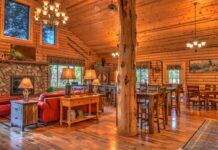
If you’re looking to plan a DIY trip this year, John’s got two prime options lined up:
Want a guide? You can add that. Don’t want a guide? Totally fine. John’s setup is built for both.
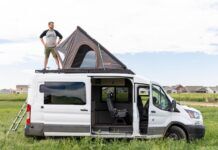
When he’s not hosting fishing trips, John’s soaking up the Colorado mountains with his family in a classic pop-up camper. With two young kids and two dogs, they carve out time each summer to unplug at places like Turquoise Lake near Leadville and Chambers Lake near Fort Collins.
For John, these trips are about more than just fishing. They’re about making time to be outside together. Whether it’s a week on the flats or a few nights in the mountains, the best memories often come from the simplest moments.
Episode Transcript
Dave (2s): Today’s guest has chased tarpon in Cuba, scouted redfish in Louisiana and helped hundreds of anglers plan trips from the Rockies to the flats, all without overcomplicating each trip. In this episode, we get into the intel and what you need to know from how to plan for a DIY trip, the smart way, and how to identify simple mistakes that ruin more trips than anything else. By the end of this episode, you’ll know how to better plan your next trip, how to pack lighter and fish with more confidence no matter where you’re heading this season. This is the Wet Fly Swing podcast where I show you the best places to travel to for fly fishing, how to find the best resources and tools to prepare for that big trip And what you can do to give back to the fish species we all love. Dave (44s): John Hunt, angler, traveler and founder of Moccasin Fly Club joins us to unpack what it takes to build unforgettable DIY and hosted fly fishing trips around the country from the San Juan to Cuba to the remote flats of Mexico. Today you’re gonna hear how he prepares for international trips, why rod choice isn’t nearly as important as your fly line, and key mistakes that even experienced anglers make before they step on the water. Plus John’s gonna share his biggest gear tips and why he keeps a pile of gear in the corner of his office. Here we go, John Hunt from moccasinflyclub.com. Dave (1m 24s): How you doing today, John? Good John (1m 26s): Man. I’m happy that we finally got some sort of end of spring summer type thing happening here in Colorado, so I can’t complain. Dave (1m 32s): Oh, cool, cool. Is that now as we’re talking, it’s, it’s early May. It’s gonna be June, July, so what’s going on? There was some snow, right? Did that clear out? Is it looking like more like summer now? Spring? John (1m 42s): Yeah, we, I mean as of this week we still had a bunch of snow in the mountains. I was over at our lodge in, in silt earlier this week and it was a fun drive there and back through the mountain passes. But here in the, in the front range in Denver, Boulder, et cetera, we got, you know, green grass, trees are blooming a lot of rain. But you know, I can finally say that I think we’re out of the cold, but who knows what next week. Dave (2m 7s): You never know. Yeah, yeah, John (2m 8s): It’s always the same. Dave (2m 9s): You never know. Okay, cool. I’m glad you mentioned the Colorado because we, you know, in the last episode we dug into that you have some awesome places to travel to in Colorado. We talked a little bit about that today. I think we’re gonna get into some DIY maybe talk about traveling abroad. I hear from listeners and people in our wetly swing community that, you know, DIY is big, you know, people love going on trips, but sometimes maybe if they don’t have a ton of money to do like a giant lodge trip, they might wanna maybe get a guide for a day or two and then DIY it. So we’re gonna talk that today, but, but maybe, yeah, just give us an update before we jump into that. Like high level, what’s going on with you as you look out over the summer? Where are you gonna be traveling All over the country, all over the world? How does that look? John (2m 48s): The summer usually keeps me, you know, pretty busy here in the Rockies. Our lodge in Colorado and our, our place down at the San Juan in New Mexico, it’s peak season. So we have a lot of DIY people or clients that, that have guides hired for certain dates. And then we also just have the, the normal tourism and transport that happens for everything. So, I mean, sometimes we have people that are staying with us that will never touch a rod, but wanna get out and go hiking and go see the sites and et cetera. I mean, for myself, I just spent a week in Cuba down in Ena de Laina chasing migratory tarpon and it was extremely eye-opening. It wasn’t DIY but it was a whole new country in the, in a whole new thing of water for me. John (3m 32s): You know, chasing migratory tarpon in two to four feet of water for six or seven days is, is a new experience. You know, it’s much different than the size of the fish and the keys, but it’s also very different than, you know, ocean fishing and, and different things like that. So, I mean, that was kind of the biggest thing that just happened next for me. I will be down at the San Juan coming up in a couple weeks. We’ll make sure everything’s good to go there. We’ll do some fishing, check on the guides, check on everything. And then June and July keep me most, like everybody else that has kids and, and people that are on summer break. We have camping trips in the rocky set up. John (4m 13s): We have people coming in from out of town. We’ll be up in Washington state with the in-laws, which hopefully I’ll be able to get some fishing done while I’m on that one, which is much like you’re talking is DIY stuff and kind of how about going, going into a new place or DIY where you need to do some research, you need to figure out what, what needs to happen locally just in, in regulations and where to go. And then, you know, how big is your network and how much information you can find on, on where, where it would be great to go fish. But the majority of our summer is, you know, just making sure the lodges are, are doing what they need to do, making sure all of the clients that need to get on the water are finding that out. Whether it’s DIY or a guide, wherever they’re gonna be. John (4m 55s): But we spend a lot of June, July in between the Southern Rockies and in New Mexico at the San Juan and into the heart of the Rockies here with our place in silt. And then, you know, hopefully if all goes well I’ll be able to get up to Wyoming for a couple days and you know, that’s, that’s the gist of it. It’s the, the height of trout season. So I don’t want to act like anybody that, you know, won’t go fish for trout as well, whether you travel or not, you’re home water, you gotta, you gotta be in it when you can. So, Dave (5m 23s): Yeah, definitely. No, that’s awesome. And I think, yeah, I love the Cuba. I think we’ll maybe if we have time at the end we’ll talk a little more about that trip. But let’s, let’s just jump right into, you mentioned some of the DIY so how do you frame that If you, do you have, think about a few like tips that apply both, you know, kind of domestically, internationally or how would you break that up for somebody who’s like maybe planning a big trip, like you said DIY, where do you help them start out? John (5m 47s): I think most of it is, you know, your home waters, you take a lot of stuff for granted. You probably know where fish are in the river. You most likely know what you’re gonna throw a hundred percent positive that you probably already have a fishing license. So a lot of the stuff with new waters, whether it’s domestic or international, just comes into the, you know, doing things before you get there. Obviously we wanna support any fisheries in any state that allows us to go fish. So you know, get a fishing license, whether it’s a 1, 2, 5 day if you know you’re gonna be going there a bunch. Obviously the annual is something that helps out the most if possible. But I think there’s a lot of easy things to do leading up to the trip. John (6m 27s): And I know that everybody’s busy and everybody’s got work, but there are simple ways to kind of know before you go, which is, you know, things that we take here in Colorado from like backcountry skiing and whitewater rafting and failing to prepare is preparing to fail. Kind of things like if, If you can start checking out, you know, one, get your fishing license, two, see if there’s a local fly shop around where you’re gonna go DIY, give them a call and ask them what’s going on that time of year. I, you know, you can’t, you can’t know the weather before you go and you most likely aren’t gonna know exactly where fish are. But the more you start to learn what’s happening, if you’re gonna be tying your own flies too, you obviously need time to get that box ready and get stuff tied that will be for that place. John (7m 10s): So you can talk to the local fly shop, you can ask them about flies, you can ask them about, you know, hey I, I’m gonna be with my family and I got a half a day. Is there someplace you would recommend or is it kind of, you know, you go on your own and check stuff out. Most of that, whether it’s here in the US or abroad, is all kind of the same stuff that you just wanna try to be as prepared as possible If you really want to net a fish, you know, put in the time ahead of time to try to net that fish. When you add international into the situation, you’re talking about, you know, other regulations, do you need visas to be able to go there? Do you need to have some sort of certain certificate or do you need to pay some sort of fee to be able to fish? John (7m 50s): How are you gonna get from wherever you’re lodging to where you’re gonna be fishing? Are you gonna bring your own gear? Are there people there that have gear that you may be able to rent or use? There’s a lot of things I think that once you get outside of driving your car or flying with your own gear somewhere that, that new water and, and definitely the, as we say, you know, there’s new water, new state and then there’s new water, new country and in the new water, new state aspect, you may be able to drive and take whatever you want. You just should be doing all the intel as much as possible. I would love to say that while you’re on the water and while you’re trying to fish, there will be people that will talk to you about what’s going on. But I think we’ve all had interactions with other anglers that are positive and negative when you’re in new water and trying to figure out what’s happening. John (8m 33s): But that’s all kind of the, the day and when it comes leading up to it though, I think, you know, get your stuff ready. If everybody where you’re going is gonna be using a two handed spay rod, then that’s probably something you wanna figure out as opposed to trying to use a one-handed ride. Dave (8m 46s): How are you doing that with your, let’s just take the Washington trip. So I mean that’s probably pretty easy because it’s, are you thinking, I guess you’re thinking trout on that trip? Yeah, John (8m 54s): It’ll be trout. So my in-laws are, are from Spokane, which is, is beautiful and has a ton of water around it. There’s a local shop there that I can stop into and usually I just call ’em before I go up there and see what they’re saying. There’s a bunch of different things within about an hour. There’s, you know, certain things right in Spokane that are central to it and maybe 20 minutes from where we stay. And those are trout aspects and I mean, you know, suffice it to say in my personal opinion, any day out on the water, whether you catch fish or not is better than not having a day on the water. So, you know, if I can get three or four hours in the, the late afternoon to go out and wet a line, I’m gonna go do that. If I can get a whole day to kind of plan a trip and go somewhere, then I’m gonna do that. John (9m 38s): Also, I’ll be flying and taking my own gear with me. So I’ll have a rod and reel in box and and et cetera. I usually only pack and bring one rod, one reel, one line and then a fly box net and some other stuff that doesn’t take up a ton of room in the suitcase. Dave (9m 52s): Right. Do you check your stuff or do you carry on? Like how do you do that? ’cause some people say like, man, I don’t check any of my, or I check all my stuff and then other people are like, man I I’m not gonna leave my flies. And how do you do it? John (10m 3s): So I think, I mean flies and everything with a hook you’re gonna have to check just per TSA regulations. When I go to Washington, everything gets checked in a bag with all the stuff for our kids and et cetera makes it really easy. When I go international or I’m going to somewhere that’s specifically for fishing or for work, I’m gonna carry that rod vault on. I’ll usually have, you know, four rods, four reels, backup lines, all my stuff except for the flies will be with me on the flight. Now that’s whether I’m going to Argentina, Cuba, Mongolia, Louisiana. Anywhere that I go that’s gonna be with Moccasin on a trip, I’m gonna carry that on. And it’s a lot like ski boots, you know, you always carry your ski boots on the plane wherever you get. John (10m 44s): You can get a new set of skis, you can get new flies, you can get certain stuff, but you always wanna have that equipment with you. Now if you’re traveling back from Louisiana or Pyramid Lake, they will let you carry on your stuff coming home. If you’re going from outside of the US and you’re coming into the us, Cuba, Mexico, Argentina, et cetera, most of the regulations say that you have to check that stuff coming back. But I have always tried to just take it as a carry on and if they let me carry it on, great and if they don’t let me carry it on, then I check it at that point. But going to a destination, I would always say you want to carry it on if your only priority is fishing. John (11m 24s): You know, in the, the family trip, in our camping trips we’re driving everywhere so you know, I got things packed on the camper and things packed everywhere else so that it’s easy to go. But yeah, I mean with rot and reel for family trips and stuff like that, I just, you know, take the bare minimum, check it through all my stuff. In the other situations I’m taking extra stuff and I mean I’ll have three or four extra lines in case somebody on a trip breaks a line. I’ll have extra rods and reels in case somebody, if somebody did check their luggage and they lost it, then I have a rod and a reel that we can give them for that. Dave (11m 57s): So you’re bringing back up so you’re bringing backups for everybody else. That’s awesome. So, and you’re, yeah, you’re setting these things up obviously. Yeah. I mean this is pretty cool. I think there’s a lot of things. What, what do you see that goes wrong? Let’s see, somebody’s planning a trip, it could be abroad maybe, maybe we just take it abroad a little bit. What are the the biggest things that you can see that could go wrong out there? John (12m 15s): There are some things that aren’t necessarily big that go wrong, but you know, if you’re gonna go somewhere and they’re all using eight, nine weights and you bring a seven, are you under gunned? Probably not. But most of the time it’s, it’s best to bring whatever they’re recommending. There’s a reason why they’re talking about certain rods and reels. I would say the biggest thing that, especially in DIY and also in your first couple trips is line selection. You know, like If you go down to New Orleans and you’re fishing for red fish in November, December and you bring a warm weather line or you don’t bring a cold weather line or a big enough line that doesn’t need to be hot so to speak, that’s gonna change the way that things are fished. That’s gonna change the way the line is in the water. John (12m 57s): Say you’re going somewhere and they’re talking about a sink tip and you just bring a floating line or they’re talking about an intermediate sink and you bring a full sink. There are just different things with, you know, your rod and your reel are great tools, but the most important tool is gonna be line leader, tip it fly and, and all of the stuff that goes into that presentation aspect of how the fish will view what you’re throwing at the fish. You know, If you’re going after peacock bass and you got a 20 pound liter instead of a 30 pound liter and you got a sinking line instead of like, a lot of that’s not gonna change with that species because they’re gonna attack anything and go after it. Now you get into your, you know, permit or bonefish or things that are a little bit more finicky then you know you need to have that 10 foot 16 pound or whatever and you need to have certain things that are tapered and it, it’s all gotta go together. John (13m 50s): And I think it, it comes back to, you know, to catch certain fish, you gotta have a lot of things go right, you gotta check a lot of boxes. So you know with with tarpon you know you can present to a tarpon and it can lean, you can present to a tarpon and it can lean and try to bite it. You can present to a tarpon and it can lean bite and hook it, then you can lose it in the jump. Dave (14m 9s): Right. Well would a tarpon be, that’s one good question Tarpon, ’cause you mentioned it at the start, but are there any DIY opportunities tarpon wise? Yeah, John (14m 17s): I think we have some aspects in Mexico where, I mean you can technically do some DIY tarpon aspects. It’s, it’s hard with the tarpon because being on a boat and being where they are is always gonna be better. There’s not a ton of tarpon that are gonna be like rolling in the surf right next to shore now. And there’s exceptions to all the rules, right? So you may get some shots of tarpon in that aspect. But you know, in the Florida Keys, there’s too many sharks really for some of that. In Mexico you can do some DIY stuff. If you really want to get after like a juvenile tarpon and smaller tarpon, there are some lagoons that you can kind of get into. But you know, you may have to to get a boat or something like that. John (14m 59s): But I think when you talk about biggest mistakes in traveling, line selection is something that’s, it’s almost critical. Like you can throw an eight weight line on a seven weight rod, you can throw a nine weight line on a 10 weight rod. But you gotta have the right line that they’re talking about using, whether that’s floating, intermediate, sinking. I’ve also run into this stuff for like, you know, I show up somewhere, I’ve gone through all my stuff and I go to make my leader and I’m pulling out 30 pound and I need, you know, seven feet to make my section and my, my little spool ends and I got five feet and then the whole rest of the trip I got no 40 pound. And some of that is again, just, you know, instead of, you know, failing to plan, prepare and playing fail. John (15m 42s): Yeah, all that stuff like yeah, you Dave (15m 43s): Could go through all your gear. Yeah, that’s something you could do like start of the trip, like have all your gear lined out and basically like that. Go through your leader, go through everything, check your lines, make sure they’re clean, right? I mean all this, make sure your reels are clean. Just, I mean if you’re doing a trip somewhere like that extra time preparation is what you’re talking about. And then when you’re on the water, you’re not like, oh man, I don’t have this like, you’re ready to go. John (16m 5s): I mean I feel like we, we have a lot of anglers that they book the trip, they know they’re going on the trip, they get down to the trip and when they get back home from the trip, man, you know, I really should have practiced my casting. It was a little bit different. Every shot wasn’t a 10 o’clock forehand, no wind, 30 yard shot. It was crazy. Like the only fish that got caught was on a backhand shot that was like 25 feet. You know, practicing that stuff and if you’re gonna spend the money, but also your time being down there for the fishing, you wanna make sure that you know you got the, the right equipment. You also wanna make sure that you’re available as an angler to do what you need to do. Whether it’s DIY or with a guide or anything. You know, the better you’re into, you know, you get somewhere, you’re going to Montana to go trout fishing and you get there, you got your five weight or your six weight, you got the right line, you got all the tipt, you open up your fly box and you got the right flies, but you only got two of ’em instead of six of ’em. John (17m 1s): Well you know it’s gonna be a long day If you hook anything and gotta make sure you get back those right flies a couple of times. And I think those are things that people run into, but specifically the stuff that’s abroad and in the salt, you know, go outside and even though you don’t really wanna make time for it, have a rod put together, have it already to go. Go out in your street, go out in the driveway, go out to a park, practice casting and don’t practice the perfect cast. Practice all of the hard stuff. Practice your back cast, practice your forward test practice casting over each shoulder in case you got a cast at 12 o’clock Dave (17m 37s): What about the wind? How do you practice with the wind? John (18m 32s): Just go outside, face into the wind, face with the wind, even though it’s a windy day and you see the leaves rustling in the trees. I hate to say it, but Murphy’s Law is gonna say that, you know, it is specifically in Cuba, our first three days in Cuba were like 12 to 20 knot wins and you’re standing on the bow of a boat. You still need to be able to cast it to where you want to cast. It’s not like you’re not gonna take a shot ’cause the wind is there. But can you take the best shot possible? That depends on how much you’ve been practicing and and what you want with it. The other big thing about traveling anywhere when you get home, that bag shouldn’t just be placed in a closet until the next trip. You should clean your lines. John (19m 12s): Even if you’ve washed everything off in the salt and you’ve given it all the right bath and you’ve put it all together, you should still make sure you pull that whole line out and clean it before you put it away. Turn your drags down so that there’s no pressure on the drag. Right? Dave (19m 26s): Yeah. Is that something on the drag? So that’s the, you know that little stuff like that. If you, you should turn your drags down when you’re not using ’em for say an extended period. John (19m 34s): Yeah, when you get back from a trip, I like to do a whole nother soak and clean and granted, you know, you gotta make time to do all of it or get a big Tupperware, put all your reels in it, turn the water on it, let it sit somewhere for a couple days, then pull the line out. I like to use and which people don’t always like, but I usually use some iso alcohol on a paper towel and I just pull the whole line through it. You can use dial soap, you can use whatever you want, pull that whole line through, you’ll be amazed how many dirty lines you’ll have on that paper towel. Then you reel it all back up. Once it’s all ready to go. I take all the leaders off too because wherever I’m going the next time I assume they’re gonna tell us a certain leader that they want Nate, so you don’t have to clip something off at that point. John (20m 14s): I turn the drag all the way down, I put it back and it’s real sock and that goes up on the wall. Now I know that the reel’s been soaked, the line’s been clean, there’s no liter on it and when I grab it off the wall to go on the next trip, I may have to change the line and I don’t have to go through some certain stuff before I change it. Or if I don’t have to change the line, it can go right back into the bag and it’s going on for the next adventure. But there’s a lot of, a lot of preparation to get ready to go on a trip. Yeah. Dave (20m 43s): What about If you were to go to, like, is this okay to do, let’s say you’re going to this, this place in Washington or you know, new Orleans or something, you’re maybe not gonna get a guide, but you’re talking to a guide. Is it okay to call a guide and just pick their brain but maybe not get a trip? Is that, what do you think? John (20m 57s): Yeah, call up a guide and say, hey look man, you know, I’m trying to see what’s up. I’m gonna be here for a day. I don’t think I can hire you as a guide. And he may tell you, look, I’m already booked on that date. Which is, makes the whole conversation really easy or yeah, I mean I’ll be like, hey, you know what, what are you seeing around that time of year? Is there anything special I should be tying or bringing? Is there anything that you know, you feel that you could tell me and be okay with it? Now if they say no and whatever, there’s probably another guide you can call and talk to. I really like local fly shops because the people that work in the fly shops are supposed to help you with that. So I mean that’s the, the whole goal of you. So even if they’re, if they’re an hour away and you call the fly shop, Hey look, I’m gonna go over and fish the paty next weekend and I’m there with my family. John (21m 39s): I only got a couple hours Andy. Yeah, you know, we’ve seen this, this and this. Our guys that have been over there fishing have tried that. You know, you just gotta watch out in case it’s blown out. Make sure you check the weather. If it rains, there’s no reason to do the drive. You know, there’s certain, certain little things you can learn. I have no issues with people calling and talking to guides because a good guide is gonna tell you what they think is okay and then they’re gonna say, Hey look, If you got a lot of trouble, you can’t do it, call me back and you know, we’ll try to get you on the water. I will tell you that you going to DIY fish and then hire a guide is not the right timeline. Do day one with a guide, learn what’s up, see the flies, understand the fishery, and then do your DIY days. If you’re just gonna DIY from the jump, obviously you should be asking people questions about what’s going on. John (22m 22s): Especially if it’s brand new water. Like, you know, I’m, I’m here in Denver. If I was gonna go up to West Yellowstone, I’d be calling, you know, the people in West Yellowstone and ask them questions about the Henry Sport or Yellowstone Park. Hey, what’s going on? What are you guys seeing? I’m gonna be up there for a day. Is there any intel you could gimme? What’s usually happening here? Is there any place that you would recommend that I should go? Is there a certain stretch that’s better for waiting? The worst thing that happens is that you drive somewhere, you put all the stuff in the, in the truck, you go out and you’re driving along the river and there’s all these people fishing and then you see a stretch of a half mile where nobody’s fishing. So you go down there and fish. Well, there could be a reason why all those people were Yeah. Where they were and you’re not there and any of the know before you go stuff can help you out. Dave (23m 7s): Any intel. Yeah. John (23m 8s): You know, you want the best shot at catching the fish, you might as well get as much intel as possible. Now if it’s just about getting away for three hours and wetting the line and having a great time and having a couple beers, then so be it. But if, if you’re really trying to put a fish on the net, Dave (23m 22s): Yeah, I always feel like that’s for me, you know, or probably for a lot of people, the species, getting the the new species is kind of a, a cool thing to think about. You know, main fish. I always feel like you go to a place, right. It’d be cool to catch what is, have you heard, this is interesting, I was kind of gonna think about this because it’s kind of a, I guess it’s kind of a negative story, but it’s the, you ever heard that story down, down the path? That story about the, the guy that disappeared? No fly fishing up near in Belize it’s called, we just, and I know about this because Brian Ska, our kind of steelhead spay host, just interviewed Will Rice, who basically put this podcast season together and, and a story about this guy. It was just near the Mexican border, near in Belize, right in that area. Dave (24m 5s): And it’s really bizarre. This guy’s up there fly fishing on the flats end of the day, just disappears. And nobody, and to this day I don’t think they found out what happened to him. Wow. And it was this, yeah. So it’s this crazy story, but it gets you thinking about like, okay, that’s the very extreme, right. Some guy who knows what happened to him, whether he got, you know, capped by a, a mafia guy or, or maybe just, who knows, maybe just walked off on his own and disappeared into the, you know, but you know, for safety, that’s the extreme stuff. Right. And people, I think salt water, you’re a little unsure anything there when you’re thinking about that. Somebody’s doing the salt, maybe a DIY trip to Belize, Mexico, maybe let’s just take it to Mexico. Are there any other concerns you’re thinking about people should be prepared for it before doing a Mexico trip or is it pretty safe or is it pretty safe down there? John (24m 47s): I will say that as somebody that, that is, I assume I’m considered an avid, avid traveler. Like there’s ways to check certain stuff out. The biggest thing I would tell you that anybody that’s gonna be traveling and we do this for our clients, If you need it, you can contact us, we can help you out. But Global Rescue is an unbelievable service that that can be used in those situations. So, you know, you can check in at the airport before you fly out and put your flight info in. You can check in at the airport when you land, you can check in and let them know where you’re gonna be staying. You can have your phone on you, et cetera. So I mean, we use global entry all over the world and it is there in case you need to be extracted from medical issues. So, you know, if we have somebody on a trip, God forbid they get hurt or get cut or something, we can call over global rescue, get out. John (25m 33s): How does Dave (25m 33s): That work? Does Global Rescue, is that a thing where they come in with like a helicopter and fly out in the middle of nowhere? John (25m 38s): Yeah, they come in, you, you contact Global Rescue, you give ’em the coordinates. They have GPS on your phone. They come in, they pick you up, they take you as fast as they can to wherever they gotta get you. Dave (25m 48s): Wow. And is that a, is that like a service, like a, a monthly service or how does that work? John (25m 52s): I pay an annual fee and we usually tell people same thing. If you’re gonna be traveling a bunch, pay the annual and you’re in. Dave (25m 59s): Oh. So if they’re coming with you, so if people are go on one of your trips, would they be covered with this global rescue? They John (26m 4s): Won’t be covered by mine, but we, we let them know that they should have it so that they can have their own plan. Now I do the family plan, so it’s me and my wife and the two boys and, and et cetera. But Global Rescue, you’ll help out to a certain extent. I don’t know if it’ll help out with the down the path one, you know, if he was in the water and something happened. Yeah. He’s not getting out Dave (26m 21s): Eaten by a shark or something. John (26m 23s): Yeah, yeah. What, whatever. So I think there’s, there’s different aspects of that. But again, before you go somewhere, you can have global rescue. We probably have anywhere from like eight to 20 people a month that we’re signing up. They’re great to work with and, and we have a, a long relationship with them on many aspects because of all of our trips. But I think that, not only that, but just in general a little research. So, you know, I’ve gone to Brazil a bunch of times and people are like, oh, you know, or do you think Sao Paulo Brazil or Manels Brazil is safe? And I’m like, yeah, I mean if, If you go into any bad neighborhood of anywhere in the US Dave (26m 56s): Yeah you’ll find it. Right. John (26m 57s): It’s not safe. If you go into the bad neighborhoods in another country, it’s probably not safe. You know, just recently I was in Cuba and Cuba has a very heavy domestic military presence no matter where you go because everything’s owned by the, the government. So the military kind of runs everything because, well Dave (27m 15s): What’s that look like? Are you just walking down the street like for coffee and there’s like just machine guns on the corner? John (27m 21s): Not machine that’s on the corner, but like at the came way airport, If you walk out of the came way airport and cross the street to go see a NDA or a shop, there’s probably seven or eight dudes in Army fatigues just walking around. They won’t all have guns on them, but I mean they can detain you and, and do whatever if you’re, if you’re acting like an idiot as opposed to checking stuff out. But I mean, everywhere that you go, there are military bases, there are people in fatigues. The military is a huge employment aspect for people in Cuba because it’s a socialistic country and they don’t have a lot of options to make a lot of monies. So that’s a good job to have. Now also I’ve been in like the most remote places of northern Argentina where you’re probably, you know, two hours away from the closest hospital and you’re, you know, on a river and et cetera. John (28m 8s): Like are those unsafe because of humans or are those unsafe because you’re super remote. Like when you’re in the middle of the Amazon in Brazil, if something happens to you, you’re a two hour flight to even get back to Manaus to be somewhere. So I mean safety is, is not only like human caution, but also just environmental caution. Like, you know, you get hurt in the mountains around here, who knows how fast you can get out or whatever. Especially if there’s snow or there’s rain or there’s forces of nature that are keeping people away from it. So I think the, the safety part of it is knowing before you go, things like global rescue are, are unbelievable. That will help with that aspect. Also, we carry an inReach garment satellite phone. John (28m 50s): So as long as my cell phone and the inReach turn on, then it’s a satellite phone. Now the satellite phone coupled with the global rescue means that I could call global rescue if I had to for somebody else or somebody else could call global rescue if they had to for me. And that at least allows like in extreme travels, there’s, you know, being able to, to reach out and touch somebody, being able to have communication when possible is a big thing. So I think when you’re traveling, you know you gotta know where you’re going. Now if we talk about Mexico, right? I’m gonna assume, yeah, we’re talking about the East coast where you would go fish anywhere from like Cancun down to Ishak where there’s permit and tarping and bone and whatever. John (29m 31s): So you’re flying into Cancun. Cancun is a resort town, two and a half hours south of theirs. Tulum Tulum is another resort town. Then you got another two and a half hours, you’re by Ishak and you’re pretty close to where Belize is. And at that point you’re more remote but you still got a cell phone service. Now If you go in the wrong places, I know people that have rented a car in Cancun and been stopped five different times going to Tulum and Act pay off the cops for being stopped ’cause it’s a green go driving a rental car and they know what that is. Now, if you’re in a ground transportation charter type of aspect, whether it’s a taxi, van, bus, you’re most likely not gonna have any run-ins with any of that because it’s somebody that is a Mexican driver, a Mexican car. John (30m 15s): How Dave (30m 15s): Does the rental car, so how does that, that work? So somebody, so you don’t want to get a rental car in, in Mexico on the East coast. John (30m 22s): I advise against them unless you wanna spend more money. So you land in Cancun and you get a rental car, one driving a car in most of South America and Central America is totally different than here in the us you know, there’s, there’s not really speed limits. Sometimes there’s one lanes you gotta pass everybody you gotta honk. I mean, driving a car in Buenos Aires to me sounds almost as horrible as like trying to drive a car in, in Tokyo or, or London or whatever. Like just you don’t doing it. So If you get a rental car in Cancun, then you start driving south and you’re getting into rural aspects, well you have to go through some places where there’s checkpoints. That could be local Pia, it could be federal government, it could be military, it could be none of the above. John (31m 3s): And just people that are doing their own checkpoint because they want to take people’s money. Oh wow. So you get there, you know, they start talking to you in Spanish. If you know Spanish it goes a lot better. If you don’t, it doesn’t. And they usually ask for whatever cash is in your wallet, you gotta pay ’em and then you continue and then you may run into a bunch of those. So you know, a rental car is gonna cost you four or $500 and it could cost you another four or $500 in cash to do that. As opposed to, you could have had a charter thing where you’re drinking water or beers and chitchatting and somebody else is driving and it costs you 250 bucks and nothing else. Dave (31m 38s): Gotcha. So the charter’s just getting like a, getting a on a bus or something like that? John (31m 42s): Well most of the time it’s a, it’s a transport company so you’d be in a van or sometimes if it’s one or two people they’ll throw you in a nicer car. But you’re talking ACS and drinks and you sit in the back. Dave (31m 52s): That sounds better. Yeah. John (31m 53s): It’s still gonna be a bumpy, crazy, you know, 85 mile an hour drive and you’re gonna be on roads that aren’t paved. That’s gonna happen no matter what vehicle you’re in. But limiting the amount of exploitation and extortion is Dave (32m 6s): Right. That’s a, that’s, that’s a priority. Do you guys have places operations in Mexico or Belize or anywhere down there? Yeah. John (32m 13s): Yeah. So we can do, I mean we do everything pretty much in Mexico. We have some inland aspects by see de Mexico, which are are fun but are not salt. What Dave (32m 23s): Are they, if they’re not salt, what are the Mexico places that aren’t salt John (32m 26s): Bass, big inland lakes for large and small mouth bass that are Oh wow. Super fun. But not necessarily like what people want is destination fishing. But yeah, we, you know, you can do Isla hobo like off of where Cancun in between Cancun and Tulum. Once you get down into the Tulum and Maha Wall, Ascension Bay, chat Mall, bay Aspi, Santo Bay, all of that stuff. We have three different places on that side on the East coast that we do. And I mean in, in my personal opinion, it depends on what you’re going for. If you want Tarpon and things like that, you’re gonna be like Maal and Tulum and north of that. And if you’re looking for permit then you’re gonna be, you know, Ishak API santu and, and places like that, Ascension Bay, Chet Mall Bay and a Spear to Santu Bay all have the same kind of environmental aspects that are very prevalent for permit and, and that, that’s just how it works there. John (33m 21s): But I mean, you can choose where you want to be depending on what’s happening. Like if you’re already going to Cancun, we can try to get you to go outta Cancun if you’re gonna be in Tulum, we just had a, a group of people that were in Tulum for a bachelor party and two of the guys were like, yo, we’re down here, we might as well go out fishing. So they did two days fishing. We have a lot of people that go to ISHKA just because we have a unbelievable place, great pricing. You know, you’re probably looking at like $3,300 for a week with everything including Wow. Other than your flight. That’s your, your transportation to and from your fishing, your food, your lodging, everything. That’s amazing. And that those are good places to be. Now you can also go stay at a lot of those places and DIY fish, but you won’t have as many opportunities and shots at Permit or Tarpon. John (34m 4s): You’ll be able to get on bones, you’ll be able to get on a lot of salt water life just right off of the beach. It just, you know, if you’re gonna go out and try to hunt for, for something, you just gotta, you know. Dave (34m 14s): That’s cool. Does that 3,300 cover guides too. John (34m 18s): Yeah, that has everything included for the week. Dave (34m 20s): Wow, that’s amazing. And so that would be for Permit Tarpon? John (34m 24s): Yeah, five days, six nights, 3,300, which you’ll be everything except for your international flight and also your tips and et cetera. But I mean you can fly, you can fly Southwest into Cancun Direct from Denver or other places and then you got like a four hour, five hour drive south to get down to Ishak. You can fly connection through Dallas or Houston or Atlanta or Miami to get into Tulum and then you only got like a two and a half hour flight. But for us from Denver, if we go Denver to Cancun and drive down, it cuts about three hours off of your travel day. Then if we go Denver to Dallas to Tulum and then drive, we work with those things with, with everybody depending on what they’re looking for. John (35m 8s): But I mean Dave (35m 9s): That’s so cool. John (35m 9s): Yeah, you can do, you know, a lot of people will fly points Denver to Cancun. Well Dave (35m 14s): And that can ca I mean that’s not bad. Right. Can you, what do you fly down there for like, like six, 700 bucks. Denver to Cancun. John (35m 19s): So from Denver to Cancun Direct, I think it came out to be like four 80. Oh Dave (35m 23s): Wow. Yeah, that John (35m 24s): Was for this August because I may have to go down there. Now granted this is an announcement that hasn’t been made yet, but yeah, Dave (35m 30s): Let’s hear it. This is the first, we got some new stuff covered. Let’s hear it. Yeah. John (35m 33s): Breaking news. So as of this past week in September of 2026, we will have that ish GAC trip as a hosted trip. And for next year’s pricing, it’ll be five days fishing, six nights lodging in ish Glac permit, Tarpon bonefish 3,400. And that’ll have seven spots on it, either five or seven depending on what we finalize. Dave (35m 58s): Yeah, this sounds perfect. Yeah, this sounds amazing. And the, and the reason, and this is what Will Rice said on that that show down the path, the episode, we’ll put a link in the show notes to that. But he was saying like a big part of it, like yeah you can DIY, everybody can DIY. It’s great and you should, but like you said, getting somebody beforehand, that’s what’s cool about this is that doing this trip that you’re talking about, I mean the experience and the safety is probably gonna be better ’cause you’ve already vetted this stuff. You know, you’re not worried about some, you’re like you said, you’re telling them don’t get a rental car. You know, that’s all set. So pretty much Do you feel like safety is a big reason people are coming to you as well? I think John (36m 32s): Some of it is safety. I will say that overall our belief in Moccasin is more about the experience, right? And obviously safety is part of that experience. But you landing in Cancun and maybe you don’t know that much Spanish and if it’s, I mean, for that trip next September it’ll be me. You know, I, I know Spanish, I can handle that. We’re gonna get in the right car, we’re gonna make sure we have all your luggage, we’re gonna make sure everything’s right. Then you’re gonna be having, you know, water and drinks and stuff and talking with the other anglers. And that starts the experience before you even get to the lodge. We get to the lodge, we’re setting up rods, we’re getting stuff ready, you’re meeting guides. These guides have been fishing for permit and tarpon and bonefish for years. John (37m 14s): I have literally, you know, done the drive, eaten the food, slept in the bed, fish with the guides before you ever get there. It’s all been vetted that this is what it is. If there’s something wrong, not only can you talk to the lodge, but you can talk to me as the host and we fix that. If something doesn’t work, it gets handled. If the food isn’t the right way or If you have allergies or you can’t, you’re lactose intolerant, all of those things are kind of handled and that’s all part of the experience. Then you get out and you do the fishing. The only thing we can’t do is cast and hook a fish and land. Dave (37m 44s): That’s right. You gotta practice, right? Yeah. You gotta practice for the trip. All John (37m 47s): Of the other stuff is, is part of that trip. Now granted, I will say If you wanted to go to Ishak and DIY fish, If you did five days like we’re doing, you’re gonna be, you know, close to three grand already. So what we’re doing is just eliminating a lot of that stuff. Now you gotta bring your own flies, your rods, your own tackle. They don’t provide any of that in Mexico. So there are certain things that lead up to that. I think it’s more important that there are people that want to DIY fish and do it that way. And I’m one of those in certain situations. The other way is that If you’re really trying to take a week outta your year to go catch a tarpon or a permit or a bone fish, let’s make sure that happens for you. Or at least check every one of those boxes up to hooking, fighting and landing a fish that we can. John (38m 32s): So you’re practicing casting, you have all the travel stuff taken care of. We know that you’re gonna be safe with us. Plus we have global rescue, plus we have cell service, plus we have a SAT phone. Plus we know all of the people that you’re gonna be with. I have gone on trips to places that are remote. Like, I mean, when we first started going to New Orleans, I would go down to New Orleans and have to find a guide and go out for a day. And I was staying at a place, had to eat the food, had to check it all out, would go out fishing. And some days are great and some days aren’t. A lot of that is what you’re getting with your hosted travel is that it should be all vetted and it should be a good experience start to finish and it should be safe and enjoyable. It, you should be able to accomplish what you want to. John (39m 13s): I think that all kind of ties together. I will tell you that our trips to Mongolia is a different type of safety than a trip to Alaska. Alaska. You’re worried about animals and bears and things like that about safety. When you go to Mongolia, you’re talking about going halfway across the country right now and and that’s a different type of safety, right? Safety, we’re with good people over there and we know that Dave (39m 36s): We had a recent guest on I’m excited. Well, Brett Stoffel, he’s a survival expert and we awesome. We don’t do these episodes very often, but it’s really good. And he talked about, you know, there’s a lot of misnomers, there’s a lot of misinformation like that, you know, those survival blankets that everybody has, those little things that are really light. He talked about how those things are not good, you know, and like, you know, there’s three things you need, right? Most people are found within 72 hours and it’s really good. So I mean, I will put a link to that one as well. But I feel like, you know, wherever you’re at the preparation you’ve, you said at the start, you know, being prepared, doing your due diligence to make sure and hiring somebody like yourself, other people who have already vetted it is a big part. Dave (41m 43s): So this is exciting. I think, you know, again, talking about these prices, 3400, 3300 for a trip like that sounds amazing. Then also, I think on the next episode we might also be talking about some of the stuff down there for redfish, which is another big one we’re trying to get into. But before we get out here in a little bit here, we got a little bit of time here, but what about other resources, DIY resources, any other tips we’re missing you throw out there for people that are kinda listening here and I’m thinking like, you know, one thing I’ll just give ’em, I’ve heard, I haven’t ever done this, but the ceiling flan takes out a lot of fly rods, especially down on the salt water flats. Is that, have you seen that happen? Any other tips you have? John (42m 15s): I hate to say it, but like breaking rods is, is a part of life if you’re getting out there and and doing it a lot and I mean, Dave (42m 21s): Yeah, how does it happen? How, how does breaking rods happen mostly out there? Do you, you’ve seen a few. I John (42m 26s): Will tell. So in Cuba it was fortunate and unfortunate, but I had a 12 weight. There was a school of tarpon, probably like four or five. They looked to be large, put the fly like right outside the first one. First one swam past it, the other two turned and I think one pushed it up and the other one missed it. Hook went right into the head of probably like a 45 pound tarpon. So that fight was outrageous and when it finally came time to like get it close to the boat, try to land it and get the hook out, that fish took another sprint right under the, the boat. Oh yeah. And I was trying to get around the front as fast as I could. That thing exploded into three pieces. We eventually landed the fish. Dave (43m 6s): Oh you did? With the broken rod. John (43m 8s): I got a, I got a reel on a piece of butt and one eyelid. Dave (43m 12s): Oh wow. What was the rod? What was the rod that blew up? John (43m 14s): It was a 12 weight rod. So Dave (43m 16s): Like what was the brand? Oh, John (43m 18s): It was a, it was a red truck we used. Oh Dave (43m 19s): Yeah, red truck. Yeah, red truck’s. Awesome. Yeah. John (43m 21s): And I already sent pictures to James when we had a good laugh that happens in those situations. Obviously car doors break a ton of rods. Ceiling fans, like when you’re down there in Central or South America and it’s hot, you usually go in and the first thing you’re doing is turning on the AC and turning on the ceiling fan. And then instead of going outside and setting your stuff up, you’re doing your room. You get the rod already and of course you pick it up in the air and the whammo. Dave (43m 46s): Ah, have you ever done that? John (43m 48s): I have not done the ceiling fan of the car door, but I have watched both of those happen probably three or four times or more. God, also, I’ve seen a lot of it, like If you haven’t been on a skiff or a boat before and there’s rods out and people step the wrong way, that’ll kind of snap it. I have not seen a rod break in a rod vault on a car or in a rod tube on a skiff. So I tell a lot of people, you know, rods aren’t cheap, so put ’em in the right spot and then you should be good. But you see that all the time Now, I also will tell you in like the trout world, if you’re stripping enough line and that indicator hits that top eyelet, that is another way to break a rod. ’cause that indicator hits the eyelet and it can get pressure on it or it can bend it. John (44m 31s): And even if the indicator gets stripped into that top eye and then you let it go again, that little tip of that rod is definitely gonna be somewhat damaged in the future. So that, that has happened too. But I think in the DIY world, I think a lot of it is doing the research before you go somewhere. But I will tell you that for me personally, I still call people. I’m not always texting. I mean, you and I text and we email or whatever. Yeah. But a lot of it is like, I like calling around wherever I’m going, I’ll call the hotel that you’re gonna stay at, ask them some questions about who they would recommend. Then I call the people that they recommend I talk to them. Then I’m gonna call somebody that I just found on a Google search that came up first or second call and talk to them. John (45m 11s): And I, I do usually, I mean with all of my travels, like there’s a corner in my office that everybody makes fun of, but it’s like my pile for the next trip. Dave (45m 21s): Oh. So that’s it. So that’s how you do it. So you’ve got a pile going the side of your office, there’s John (45m 24s): A, a pile in my office, that office right now that’s already slowly getting ready for the, so if line the lines that I need, I pull those out, I put them in the pile, the reels, they’ll get there. And Dave (45m 33s): Do you have a list? Are you going off a, like a checklist on your phone or a paper sheet to know like that you’re not missing anything? John (45m 39s): I used to do a checklist and now I have gone full pile style where like things that come in, I’m just throwing them in there. Then after I have like the pile there, about a week to 10 days out, I pull that pile out and I lay it all out. And then I make a list of the stuff that I don’t have. I go through the tip hit, I go through this, I make sure I got the nippers, make sure you got your pliers. I got the right lines to go on the right reels to go on the right rods. Now this pile was just a, you know, menagerie of BS for a month or so beforehand. And there’s people that when they come in my office, they’re like, oh, where are you going next? And I’m like, well that piles for blah, blah blah. And they’re like, oh, well you know, this works well or that works well or you should try this. We have fly tires that send us flies. If those flies are for luck trip, they go in the pile. John (46m 21s): And then from that I’ll pack up my rod vault the way I want it. Everything else will go into my, my bags. Now in that pile, I’ll probably have visas printed flight information in case my phone goes down for some reason. I’ll have my passport. I got, you know, the bug spray, I got a map of whatever’s happening. I got everybody else’s information that I need. And all of that’s in the pile too, just to make sure that, you know, as the day approaches, I’m not spending three or four hours in one day trying to do anything over the course of a month. You know, I got five or 10 minutes put in here, put in there, you know, lip balm, toothpaste, whatever. Gotcha. Dave (46m 58s): Do you have a list? What about for people that are going on the trip with you? Do you have a a list you send them? John (47m 2s): Well, yeah, every time we do a trip, we have a a what to pack list, which is non-fishing. Then we have like a, a fly fishing gear list or a tackle list. Then we have recommended flies. And then we have a whole nother thing that’s like, you know, you can use our fly line sponsor, Mon and Boulder has got this line. Red truck’s got this rod If you want this real, all of that kind of stuff we have that goes out just to the group that’s going on the trip. So they get a list of all of that stuff. And then usually within that, those email communications, there’s always in bold, you know, please go outside and practice your casting before the trip happens, and then please go outside and practice your casting before the trip happens again. And then usually like two days out, I send out an email and all it says is, you got 48 hours. John (47m 45s): It’d be great to go outside and practice your casting, even if it’s for 20 minutes. When you get there and we’re on site, you’re gonna be able to cast a little bit, but nothing’s gonna get you ready for what you have to do. As soon as a a, a fish shows up and adrenaline’s pumping and wins at your back and the guide says is at one, but it’s really at one 30 and he says 20 feet and you don’t see it and blah, blah blah, blah, blah. It’s all different when you’re standing on the bow. So as much as you can be ready or in a better situation on the bow, so be it. And I fell victim to this on the cubit trip. I was super busy and all over the place. I only practiced casting like a week before the trip. I got down there, I got on the boat, I got on the front and I was like, man, I should have practiced more because now I’m throwing an 80 pound tarpon that I really want to catch. John (48m 30s): But is it as good as it could be on my side? You know, the fish is gonna do what the fish is gonna do, but if you’re on top of it, hopefully you check all those boxes and you can hold a 70, 80 pound tarpon if that’s what your goal is. Dave (48m 43s): Nice. Well this has been awesome. I think that, you know, we’ve got a few more things to touch on, but maybe, you know, as far as your trips, you wanna highlight anything else you have coming up here, you know, this year, say If you, as you look out that you’re really excited about John (48m 57s): Yeah, if we stay on the DIY topic, If you know, If you guys are trying to get to Colorado, you can DIY, the frying pan, the Roaring Fork, the lower Colorado, a bunch of reservoirs, a bunch of other salts, all from our place Hook and Hunt, which is in Silt, Colorado outside of Glenwood. And then if you’re looking for real big trout and you wanna really get after it, the San Juan and New Mexico is fish and great every day. And rot and rifle is our place down there. But I mean, on the DIY tip, you know, come on out for, I think it’s 180 a night in Colorado or one 40 a night in New Mexico. You know, you can DIY fish for a whole week. If you wanna do something with a guide, you can do that, but it’s, it’s not a necessity, but any means. But I think on the DIY tip as always, you know, get out there, check out new water or, or have an adventure or you know, one of the best ways to learn how to do a lot of DIY destination stuff is to just go do it for a day, just like we talked about last time. John (49m 49s): Pick a place, call them up, ask them when the best time to go is figure out a date you and a a fishing buddy. Go out there and go fishing and check it out and see what it is. And If you land a new species, the whole thing was worth it. And if not, it’s on your skunk list so you have to go Dave (50m 5s): Fish. It’s still worth it. Exactly. Well, I’ve got a couple of random ones you mentioned at the start. I wanted to touch base as we take it outta here. And, and so I wanna always give a shout out to a few of our wet fi Swing Pro members. So Sean and Raphael have been chatting with them recently about some of the, some of the DIY stuff, so I want to give them a big shout out today. But you mentioned you a camper, so it sounds like, are you guys doing some travel? Do you got a camper that you’re, what’s that look like for your family? John (50m 30s): We have a, a old pop-up camper that we’ve had for a while. My boys are still little, but usually at least once June and July we take the camper somewhere out in the middle of the mountains and set it up and, and rock out for a week. Dave (50m 45s): Is this like a popup, like a trailer pull behind popup? John (50m 48s): Yeah, yeah. Like a, an old school troop popup fabric style. But yeah, so we do, we used to do two in June and two in July. Now we do one in June and one in July. And then we also spend time at the Colorado Lodge and time at the New Mexico Lodge. But this year we’ll have it up by Leadville at Turquoise Lake for a week, which will be a bunch of hiking and just outdoor stuff for the family to do. And then we also have another one up by Fort Collins called Chambers Lake, and then we’ll, we’ll have a week there. My wife is a teacher, so we, we take advantage of the Monday to Thursday, which is a little less crowded, but yeah, a camper and popup and dogs and kids and the whole kind of Rocky Mountain outdoor life for a week. Dave (51m 29s): That sounds awesome. Yeah, no we are, we’re doing the same thing. We’re, we’ve got the popup, we’re gonna be heading out. We’ve got, we’ve actually got the four wheel camper project m popup we’ve been talking about. So we’re nice be actually traveling, doing Alaska thing and kinda doing that. But with the kids, what’s your family kid tip for people that’s, that have families that, you know, maybe young kids out there. Any words of advice there if they haven’t done that before? John (51m 50s): Oh man, Dave (51m 52s): Just expect the madness. Yeah, John (51m 53s): Yeah. Plan for, and granted like, you know, my life is like being organized and planning and trips. Dave (51m 59s): Right. And how old are your kids? John (52m 1s): I got a 5-year-old and a 3-year-old. Dave (52m 3s): Oh wow. Yeah, you’re right. And that’s awesome. Nice. John (52m 5s): So you know, all of that stuff goes out the window. I would add on a little bit of time to any travel stuff. I usually try to find something that’s on the route going anywhere that we can stop and do like, you know, even if it’s just like the Bucky’s gas station on the way up to, to one of the places we Dave (52m 20s): Stopped. Right. Just John (52m 20s): To break. Yeah, spend a little time walk around. I have always been told, and it has worked well. We used to work a lot of driving around like nap time so that they would sleep. If we can do enough stuff at the house and leave later in the day, I can usually get them tired enough that as soon as we pull outta here, the two dogs and the two boys are sleeping for a couple of hours. And that has always been beneficial. The other thing I will say is that sometimes less is more man, like kids have a great imagination. We take some toys, we take some other stuff, but we take zero screens and pads and any of that kind of stuff, so there’s no screen time when we’re out there. A lot of walks. Dave (52m 58s): That’s awesome. So no screen time at all for the, when you’re going with the kids. John (53m 1s): Not on the camping thing, man, like in the car, in the car it’s, you know, a lot of music and games and stuff, but as soon as the camper gets set up it’s, you know, let’s go check this out, let’s walk down there. You ride your bike around the campground, like just keep them doing stuff. And then that also helps out at the end of the day when they gotta go to sleep, they’re usually passed out next to a campfire already asleep for you. Dave (53m 21s): Yeah, that’s right. Awesome. All right John, well I think we can leave it there on until the next one here. We will send everybody out to moccasin fly club.com or moccasin Fly Club on social, YouTube, everything out there. And I think this is cool because you mentioned a trip that I wasn’t even thinking that much about, but I think that one you mentioned with the Mexico is huge. And then I think upcoming we might talk more about some of these other trips, you know, made that redfish stuff. So yeah man, this is exciting. We, we’ll obviously be sending people out your way and maybe talking more about some of this hosted stuff and yeah, thanks for all your time today. I John (53m 52s): Appreciate it guys. Have a good one and go out there and keep ’em tight for me. Dave (53m 56s): If you get a chance today, head over to moccasin fly club.com and check out their DIY friendly launches and resources. If you’re interested in one of these trips, let me know and we can put something together through wetly Swing Community. We’re talking, we’re thinking Redfish, but some of these other locations sound pretty amazing, so check in with me. You can also go dave@wetlyswing.com. If you haven’t yet, subscribe, follow the show really easy. Just click that plus button or follow the show. I wanna give you a heads up that we just launched the giveaway lodge of Palisades Creek. Go to we fly swing.com/giveaway and you’re gonna get a chance to to win one of those big trips to Eastern Idaho. Dave (54m 36s): All right, that’s all I have for you today. Hope you enjoyed this one and If you get a chance tomorrow, CJ’s Real Southern podcast is back. Tune in for that and hope you have a great evening. Hope you have a good morning or a great afternoon wherever you’re in the world. Thanks for stopping in. We’ll talk to you on the next one. Outro (54m 51s): Thanks for listening to the Wet Fly Swing Fly fishing show. For notes and links from this episode, visit wet fly swing.com.
Whether you’re chasing tarpon in Mexico, exploring new trout water in Colorado, or just getting your gear dialed for the next big trip, John’s insights offer a clear path forward. If you’re looking for a vetted, safe, and fun way to travel for fly fishing, John has you covered. And if you’re more of the DIY type, you’ll still walk away with some solid strategies to make your next adventure smoother.