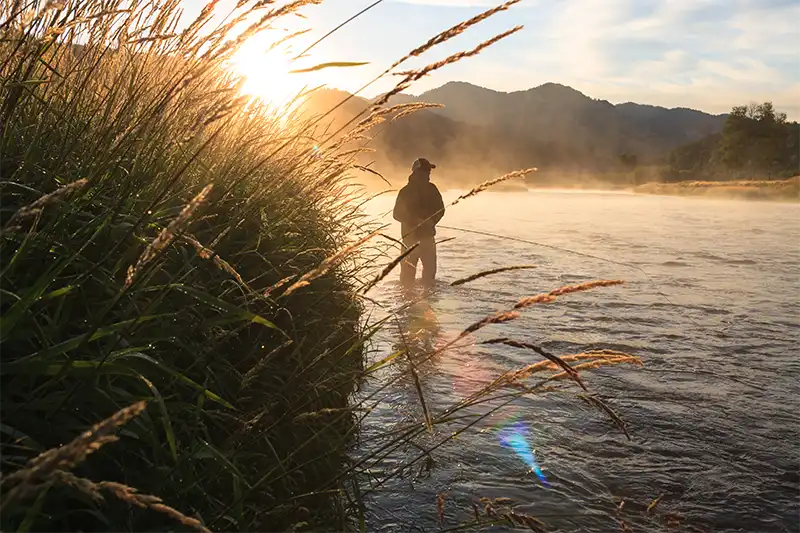
If you’re trying to figure out where you can find giant stoneflies in July, chase technical midge eaters in March, and explore private spring creeks, all while staying in a five-star lodge that’s not priced like Jackson Hole, this episode shows you exactly where that place exists.
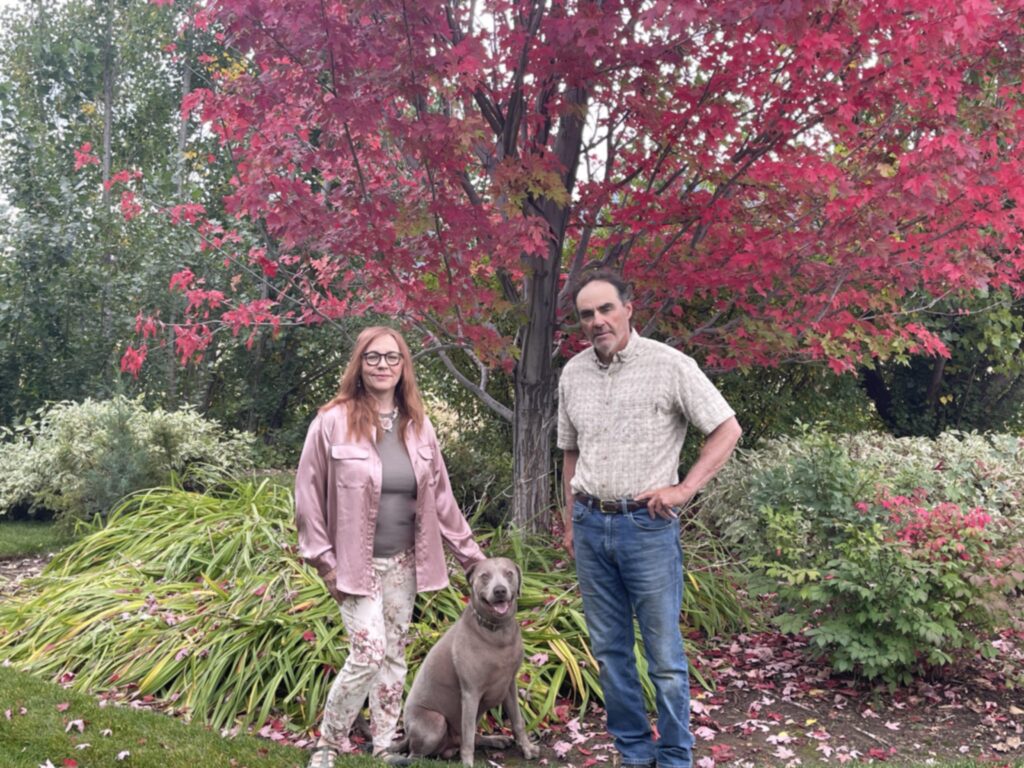
Today we’re heading into Swan Valley, right in the heart of one of the most epic fishing zones in the West, with John and Liz Douville, owners of River Retreat Lodge. We dig into how they ended up buying a lodge in the middle of COVID, why March might actually be one of the best fishing months of the year, and how this area quietly sits at the crossroads of the South Fork, spring creeks, big wildlife, and wide-open country.
John and Liz take us through the long road that led them from Vermont trout streams and guiding days around Jackson Hole to owning a lodge in the middle of Idaho’s Swan Valley.
We dig into why the shoulder seasons matter here, how technical March midge fishing really gets, what makes the stonefly hatch legendary, and how this area delivers world-class fly fishing without the crowds or Jackson-level price tags.
(02:15) Liz walks us through buying River Retreat Lodge in 2020, right in the thick of COVID. With a background in hospitality, accounting, and marketing, she and John jumped into a full remodel, refurnishing, and reopening, only to face massive delays that pushed their opening from April to July.
Despite the challenges, their first season exploded with visitors. Camping was packed, outdoor recreation surged, and the lodge launched alongside a brand-new restaurant operation. It was intense, fast, and unexpected—but it confirmed they were exactly where they needed to be.
(04:18) John’s fly fishing story starts in Vermont near Lake Champlain, where trout water was scarce and required serious effort. Everything changed when he moved West in 1992, landing first in Jackson Hole. Right around the time the movie A River Runs Through It came out.
He guided on the upper Snake near Jackson for several summers, running dozens of trips each year. But guiding alone was not enough to make a living long term. To keep the dream alive, he stepped away from guiding, built houses for years, and worked toward owning a lodge.
Now based in Idaho, he sits right in the middle of it all. The South Fork of the Snake is just minutes away, and decades of exploring creeks, rivers, and back roads have given him deep knowledge of the area. For him, the real draw has always been simple. Being outside, finding new water, and having a piece of the river that feels like it is yours.
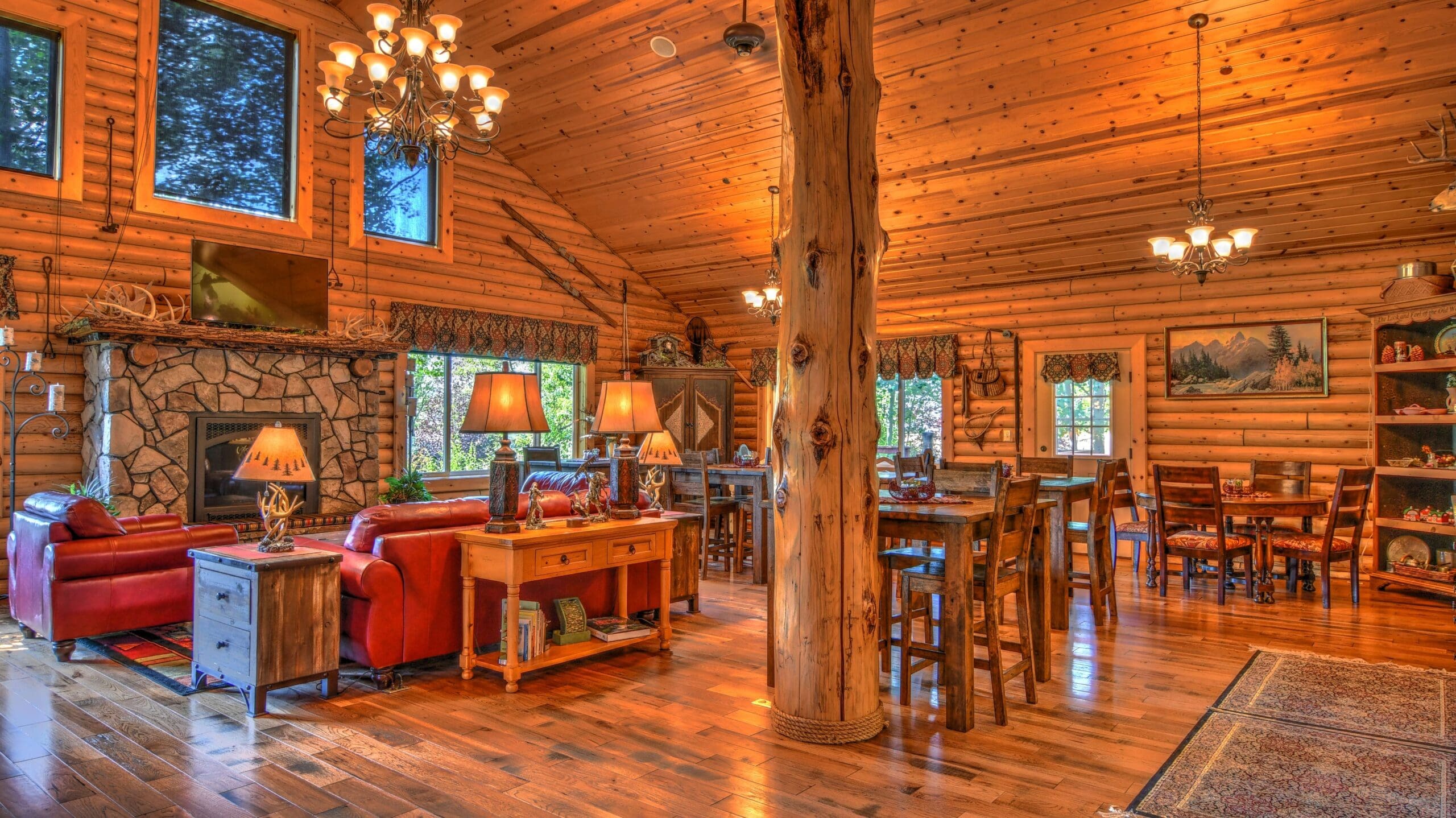
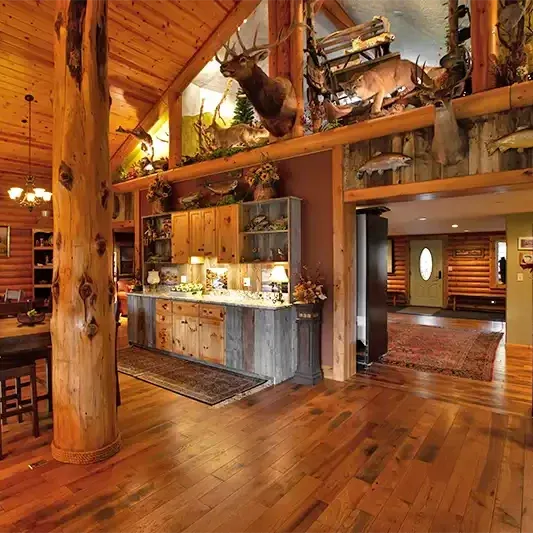
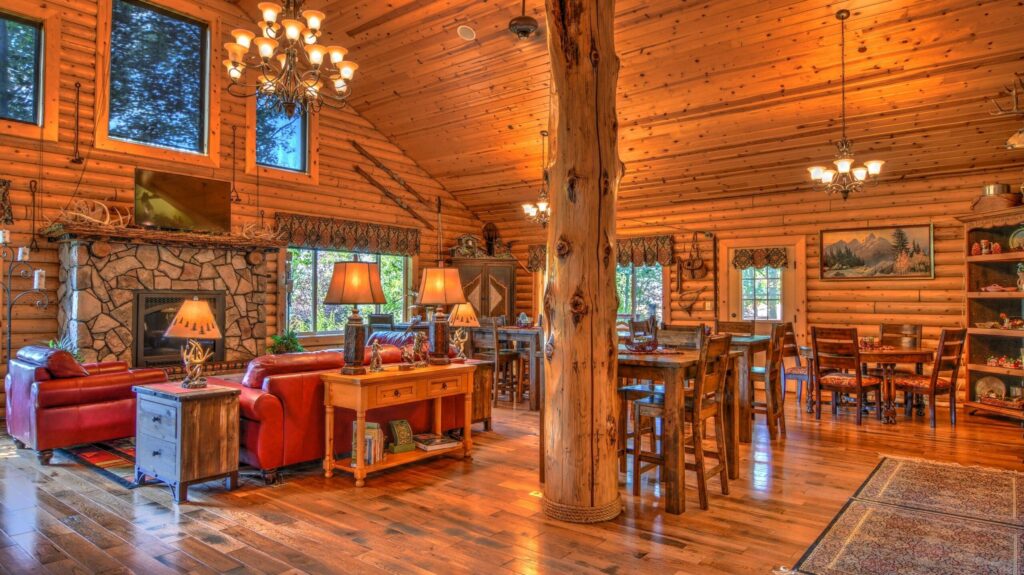
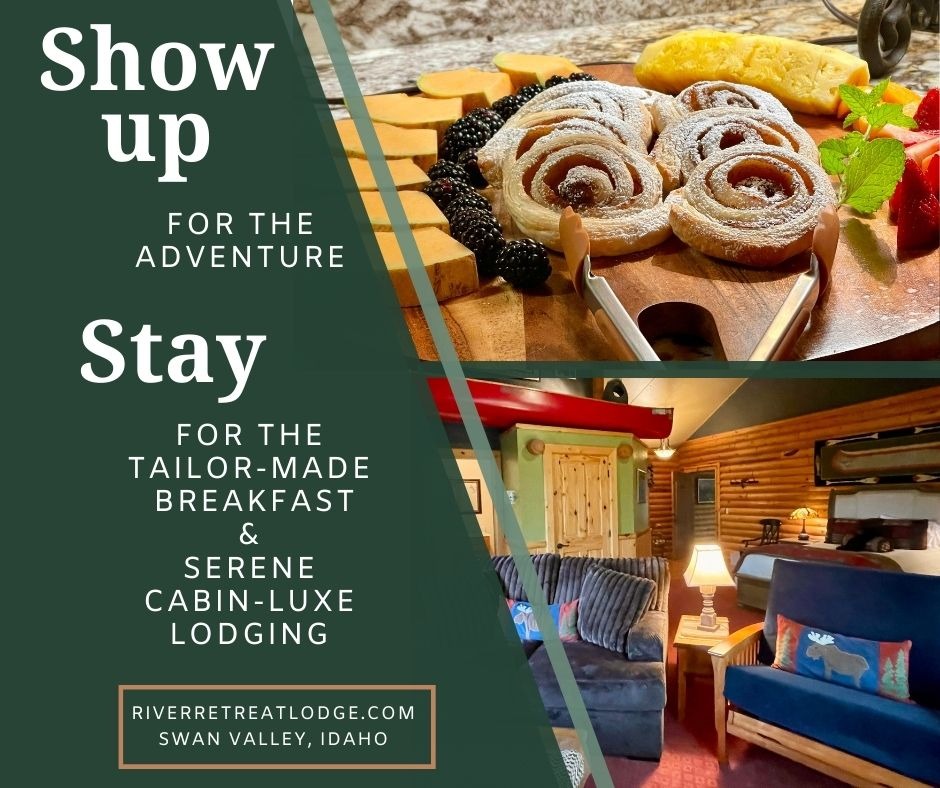
(11:05) River Retreat Lodge sits in Swan Valley, close to the South Fork of the Snake. It is quiet, scenic, and far from crowds. The lodge itself is a log build with a true western feel that never goes out of style. It was built in 2008, and it features:
In total, the lodge can accommodate up to 26 guests, which makes it ideal for families, groups, or hosted fishing trips. And while fly fishing is a big draw, it’s not the only one. Swan Valley brings hikers, bikers, photographers, and bird watchers. Eagles, hawks, falcons, and wide open space are all part of the experience.
The lodge stays open almost all year. They only close part of November so everyone can reset and have Thanksgiving. After that, they’re back open by December with winter activities mixed in.
John fishes whenever conditions allow. If the temps are in the 30s, he is usually out there. Once it drops into the teens or below zero, that is when he takes a break.
Spring is where things really shine.
Flows below the dam stay clean even as water levels rise. Summer flows ramp up slowly, which keeps fishing consistent instead of blowing it out overnight.
Early season fishing is forgiving, while lower summer flows demand technical presentations. Guests staying at the lodge can arrange access, either fishing independently or with John’s local guidance.
(24:39) Fishing runs from March through October. March is better than most people expect, with solid water and active fish.
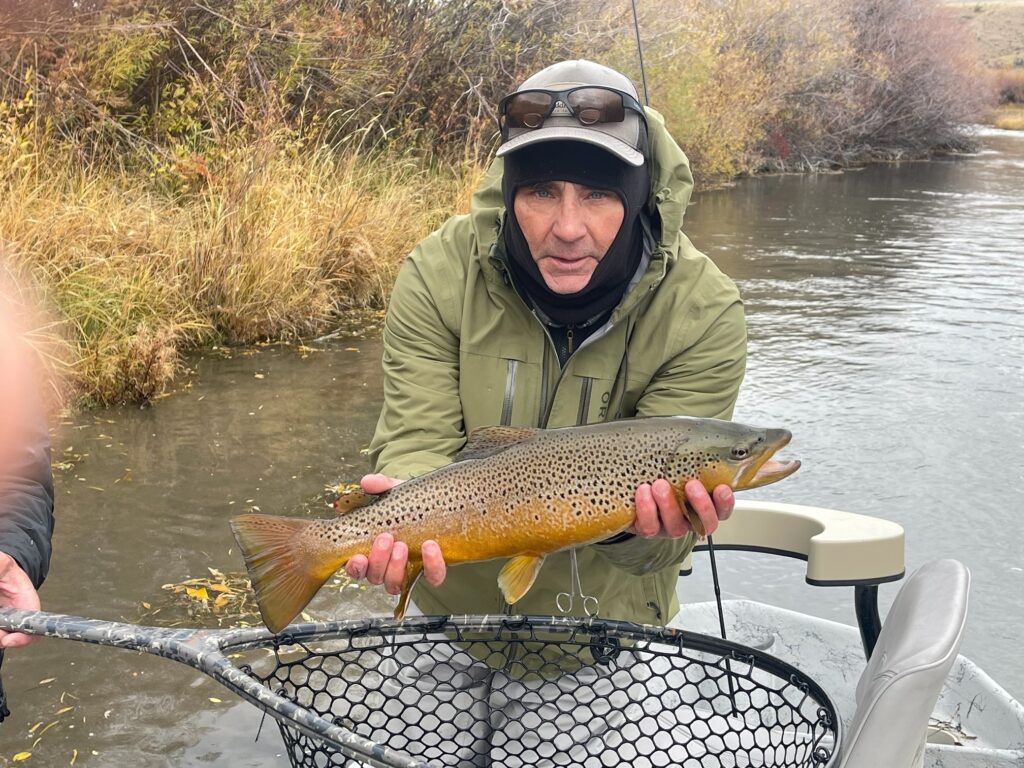
Early season is more nymphing while flows rise. Once water levels settle, fish move up. The peak dry fly window is usually early to mid-July during the big stonefly hatch. After that, summer heat makes things tougher, but cooler nearby creeks still fish well.
(49:33) John makes a key point: River Retreat Lodge delivers a five-star experience at roughly one-third the cost of major South Fork lodges.
Typical rates fall around $200–$250 per person per night for anglers who want comfort, great food, and prime access without luxury-lodge sticker shock.
Breakfast is included, dinners are optional and feature Western cuisine like bison, elk, seafood, and local favorites, and the lodge holds a full liquor license.
Reel Adventure. Pure Relaxation. Curated Dining. Check them out now:
Episode Transcript
WFS 863 Transcript
00:00:00 Dave: If you’re trying to figure out where you can find giant stoneflies in July, chase midge eaters in March, and explore private spring creeks, all while staying in a five star lodge that isn’t priced like Jackson Hole. This episode shows you exactly where that place exists before they ever own the River Retreat Lodge. Liz and John Douville were on two very different paths Liz building a career in hospitality, accounting and marketing, and John spending decades fishing everywhere from Vermont trout water to the small hidden creeks above Jackson. They didn’t know it then, but those early casts, those long days guiding in the upper snake and even buying a lodge in mid Covid would eventually put them right in the center of one of the most epic fishing zones in the West. Hey, I’m Dave, host of the travel podcast series Exploring the Waters the people and places that define the spirit of fly fishing. And today, that story takes us into Swan Valley, a mile from the South Fork, minutes from Palisades Creek, an hour from the Henrys Fork, and surrounded by spring creeks. Raptor habitat. Big game Wildlife range. National parks. In this episode, you’re going to find out how Liz and John came to be owners of this lodge. What makes March Midge fishing so technical? We’re going to get into the stonefly hatch and how that plays out throughout the year, and why you might want to think about getting a day on private water with John. This episode is presented by Visit Idaho and Yellowstone, Teton Territory, home to some of the most storied and scenic trout waters of the American West. All right, let’s get into it. You can find Liz and John at River Retreat Lodge com. How are you both doing?
00:01:33 Liz: Doing great.
00:01:34 Dave: Excellent, awesome. Yeah. This is great to have you on here. We’ve been doing this really cool series, uh, called traveled, uh, you know, on the podcast for a little while here. It’s been awesome because, you know, I’ve been connecting with different lodges and outfitters and guides and kind of everybody in your neck of the woods, and it’s this amazing place because you’re right at the heart, you know, right near the national park and just, you know, all these cool things. But you also have this lodge, the River Retreat lodge we’re going to talk about today and maybe give people some shed some light on what you do out there. But before we get into that, maybe take us back on on the lodge itself and maybe fly fishing. Have you both been doing this a while, or where did you when did you find yourself into the lodge? Uh, arena.
00:02:15 Liz: Um, so I have a hospitality background from quite a while ago. Um, but I’m also involved with accounting and also involved with marketing. So it’s kind of a roundabout thing that I have. And I would say we bought this lodge in twenty twenty right during the middle of Covid.
00:02:32 Dave: Right?
00:02:33 Liz: So it was a bit of a challenge to get going here. Um, yeah. We did a remodel. We did, uh, furnishings. We did the whole gambit here. And it was it was quite a challenge.
00:02:45 Dave: Did you buy it before you knew about Covid or did you already know about Covid and you bought it?
00:02:49 Liz: No. It was. We were in the middle of Covid. We knew about Covid. Um, yeah. We were not expecting to sell our other house so quickly, we did not realize the market had started to take off in our area where we were, and when we sold, we were under the gun because we had like thirty days to close, right?
00:03:07 Dave: Yeah. Oh my gosh. We’ve heard a lot of stories. You know, a lot of them have been people that were either, um, you know, already had something going and then they got hit by Covid. And, you know, we’ve pretty much heard everything. But what was it like for you? You kind of started at, you know, Covid was interesting, right? Because it was oh, it was dead for a while, but then you had a bunch of people that were out. It probably got kind of busy there. What was that like for you? What was the transition?
00:03:30 Liz: So our first year we wanted to open like April first right before the season starts here. Our main season for fishing here is like April through October.
00:03:41 Dave: Okay.
00:03:41 Liz: But we did not get open till July first due to all the delays from Covid. Right. But we saw such an influx of people here. I mean, I’ve never seen so many people camping, so many people around. We had a chef that we started with. We had a great restaurant business going at the same time we opened the lodge. So it was like quite a quite a lot of activity that first year.
00:04:05 Dave: Wow. That’s awesome. And, uh, John, how about you? Did you were you able to get some fishing in during the, uh, the Covid times? What was that like for you? Was it, uh, I guess it sounds like you maybe do a little bit of guiding or talk about what you do out there.
00:04:18 John: Well, we we bought the lodge in two thousand and we moved in. Yeah. Two twenty twenty. And we moved in here. Uh, October twenty six is when we actually moved in. Um, but as far as my, uh, fishing, I grew up in Vermont, where I grew up fishing everything. We were just a mile or two from Lake Champlain, so we had a lot of really good freshwater fishing on the lake. But my favorite thing to do was was trout fishing. And that’s Vermont really lacks.
00:04:57 Dave: Uh oh.
00:04:59 John: For very good trout fishing. I mean, you can fish a piece of nice water back there and not not have any fish in it. So when I moved out here in ninety two, it was, uh, you know, just with the open spaces and all the water out here was, uh, kind of overwhelming. So when I first got here, I knew I was here to stay. And I lived in Jackson for the first, uh, four years. I was here before moving to alpine about forty five minutes away. So, yeah, as far as as that, you know, my first eight or ten years here, I was fishing one hundred, uh, one hundred and fifty days a year or even more. And then, uh, uh, the late nineties to early two thousand, I did guide on the upper snake from Wilson to South Park outside of Jackson, and I did that for about five summers, and I was doing, uh, maybe fifty five to sixty trips a year. But like we spoke about earlier, to make a living doing fly fishing is, yeah, not almost impossible. So I just, uh, and I, I was wanted kind of the whole thing I wanted if I was going to stay in it and do it, I wanted to have the lodge and to be a fishing guide and have the whole thing. So that part, my guiding kind of ended in the early two thousand, and I started building houses, um, just to make a living and make enough money to get to where we could buy this and get started on, you know, the whole dream. And, uh, but as far as the area, um, I would say within an hour or an hour and a half of Jackson. There’s almost no little creeks or streams or anything that I haven’t.
00:06:56 Dave: Oh, right.
00:06:57 John: Gotten into because, you know, you fish a one hundred to one hundred and fifty days a year and.
00:07:03 Dave: You’re seeing it all.
00:07:05 John: You are. And and that’s kind of the draw to the whole thing, not only being outside on a piece of water that’s just yours, uh, is just getting out into new places and, uh, discovering and enjoying as much of it as you can. So, um, my knowledge of the area is pretty vast, and we didn’t move very far from alpine here to the lodge. Maybe forty minutes.
00:07:33 Dave: Okay.
00:07:34 John: Yeah. So we’re we moved, but, you know, we’re still in the same area. So now that I’m over here in Idaho, which now we’re about an hour and ten minutes from Jackson. We’re about thirty minutes from alpine. Thirty to forty minutes from Victor Driggs.
00:07:52 Dave: So right in the middle.
00:07:53 John: Yeah, we’re in the epicenter of, uh, the fly fishing world, for sure. I’m not sure we could be any more centered in the whole thing, but, uh.
00:08:04 Dave: Great.
00:08:05 John: Yeah. So now that I’m over here having the south fork of the snake outside, you know, I’m like. And leave, put my waders on and literally be down there fishing in ten minutes.
00:08:17 Dave: Yeah. And that’s what I want to hear. So I want to hear more about the lodge too and get a description of it. But it sounds like you can, uh, well, you know, walk down to the lodge from where you’re at or walk down to the river.
00:08:27 John: Uh, not walk. It’s, uh, you know, as the crow flies, we’re about a mile from the river.
00:08:34 Dave: Oh, about a mile. Okay.
00:08:35 John: Yeah, within, depending on where you go. I mean, you know, we fish below the dam mostly on the first section here, so it’s just a few minutes. You’re done.
00:08:45 Dave: Just a few minutes. Not a big deal. Well, I think I love what you talk about the story, and I love hearing these stories because I feel like a lot of people in fly fishing, you know, it’s like a way of life, right? Like, it sounds like you change. You did what you had to do, which is amazing, right? You built houses, and then eventually you have the dream. You’ve got this lodge. And so I think that’s pretty amazing to hear that. And then the other thing you mentioned was nineteen ninety two. You know, it sounds like that’s when you kind of got there, which is right just before River Runs through. It came out. We just had, um, John McClain, who was the son of Norman McClain, you know, in the famous movie. And, you know, ninety two, ninety three was crazy because things blew up then, too, right? Two times in history. Were they really blown up? Is ninety two in twenty twenty? Do you remember that at all the ninety three? Did it seem like did you remember that movie? Did you hear about it?
00:09:31 John: Well, I’ve seen the movie many times.
00:09:34 Liz: This.
00:09:34 John: Whole time.
00:09:35 Dave: Yeah, I’ve seen it. I’ve probably seen it like, I’m guessing like a lot, you know what I mean? Like maybe one hundred. It’s a good movie.
00:09:41 John: So it meant more to me. it meant mean something different to anyone who watches it, but it certainly meant a lot to me. Just having a passion for that and then moving here about the same time that came out. And it’s funny, you mentioned the movie because we just had, uh, John Dietsch here.
00:10:01 Dave: Oh, yeah. John. Yeah, he’s been on the podcast. Yep.
00:10:03 John: Yeah. Well, he came here and they’re doing, uh, he spent three days here doing some filming with, uh, another guy. Oh, nice. Tyler. And, uh, so we’re going to have a short minute and a half to two minute video, and we did the filming, uh, about an hour south of here, um, on some private water that, uh, I can go guide on. So that’s kind of. And he’s, he’s given me. Yeah, he’s and he’s probably coming back out probably in March. He’s talking about coming out and possibly running the whole lodge and doing a little bit of our spring fishing because oddly enough, some of our best or even our best fishing here is in the shoulder seasons. It can be in March, first week of April and then October, and then even all the way through November. And nobody’s here.
00:11:05 Dave: Yeah, I’ve heard that. We fished it last time in October. We were out there with Pete Erickson and the crew, and it was. Yeah, it was great. It wasn’t quite as crowded. The flows were still, you know, all was good. Yeah. John Dietsch, he was on um, we talked he was the he was the guy who was the stunt double, right, for Brad Pitt.
00:11:22 John: He did and did all the fishing scenes and, uh, so yeah, it was, you know, he he actually stopped in here last year. Um, um, yeah, he, he might be doing another short film for someone else here up on the Palisades Creek next year, but oh yeah, he stopped in here for a day or two just looking for lodging and. And then that’s how we by chance, got to meet him. So he stayed at our lodge and yeah, he was very impressed with it. Our lodge is it’s six rooms there all have their own. There’s six suites. And the two on the ends are kind of the masters there. Jetted tub, fireplaces and then the four inside ones. Um, they each have a loft with another queen bed. Uh, upstairs. One of the rooms has three beds, so the lodge itself has eleven beds. We also have a cabin so we can.
00:12:23 Dave: Yeah.
00:12:23 John: Sleep. Um, you know, seven people in their own room. Or we can sleep up to as many as, uh, you know, large groups of, you know, twenty six people. That’s amazing. Yeah, yeah. And the lodge is, uh, it’s log, so it’s definitely a.
00:12:39 Dave: Beautiful.
00:12:39 John: Boutique setting. And I don’t know if you’ve seen any of the okay.
00:12:44 Dave: I’ve seen the photos. Yeah, it’s a log. I mean it’s a beautiful not just a log cabin. It’s a yeah, it’s pretty amazing. Is it, is that now you bought that as is or did you do.
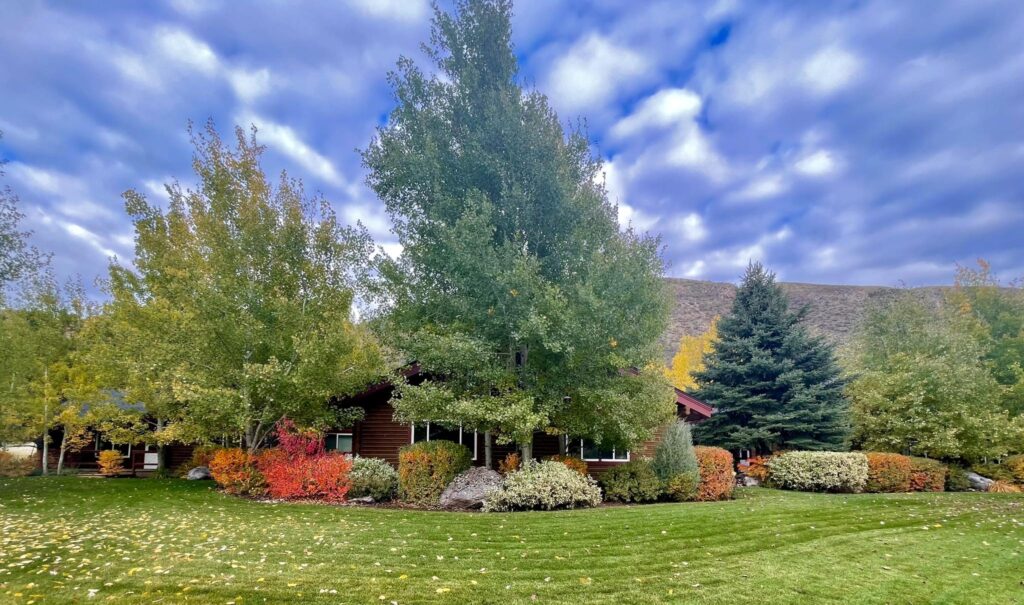
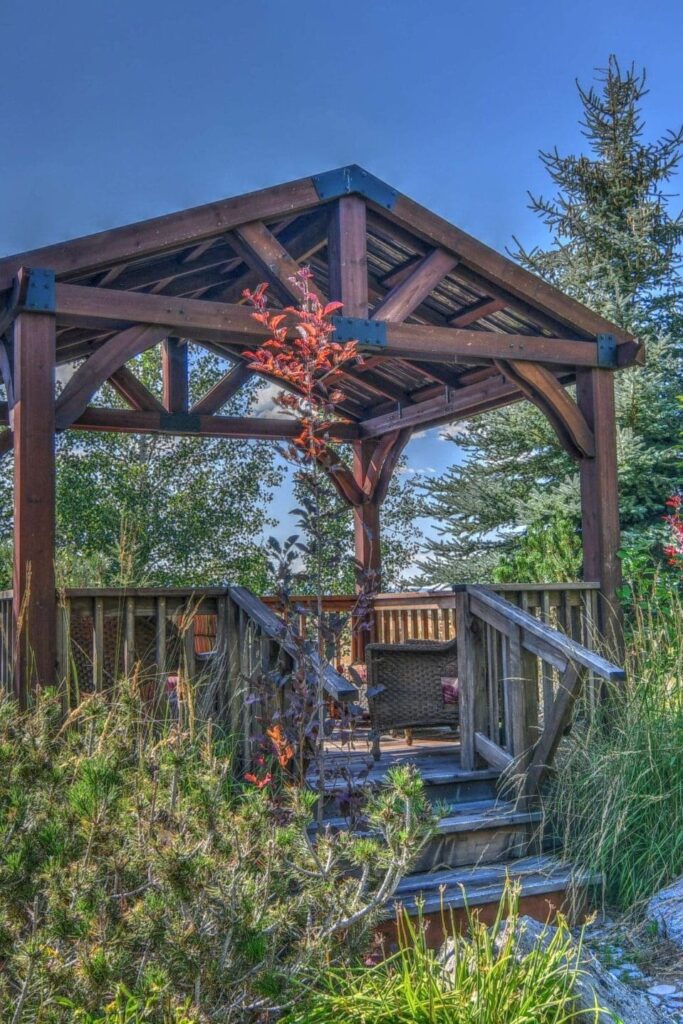
00:12:53 John: So we bought it as is. It was actually built in two thousand and eight. It’s the same year we built the spec home we lived in that we moved out of to come here. So it’s, uh, still somewhat new, but being log, it just kind of has that, you know, authentic Western feeling that, uh, that part of the look and feel doesn’t get outdated. Um, and then the people who built it, they were a landscaper by trade. So we have a beautiful, uh, garden setting around the lodge.
00:13:28 Dave: Did they build it for just was the focus, you know, fly fishing, just all outdoor. I mean, river retreat lodge. I mean, the name, obviously, You know, it’s kind of bigger than just fly fishing, right? Do you get a mix of people coming through there?
00:13:40 Liz: We do. Yes. We get quite a mix of people, people who love to hike up here. We get a lot of hikers, a lot of bikers, and also some photographers who like the birding around here because they are in a Swan Valley is a raptor center. So it has lots of, you know, eagles, hawks, everything you can imagine, peregrine falcons, everything down here.
00:14:00 Dave: Right. So what does that look like for you? Take us through maybe a season or a year. So we’re you know we’re talking now. It’s just before Thanksgiving. And then we’re going to be heading into December. Does the winter come down once it hits. Are you pretty well locked in or are you staying out in the area throughout the whole year?
00:14:17 Liz: So we are actually open all year. Oh, wow. Yeah. We only close, uh, part of the month of November so we can actually have Thanksgiving. We close, we let staff go do their thing. We normally reopen December first. We do Christmas parties, uh, Parties, things like that. We’re working with a local snowmobiler who just started this year.
00:14:38 Dave: Nice.
00:14:39 Liz: And do some rentals with them. And we have great snowmobiling here, just like we have great fishing here. That’s right. It kind of goes hand in hand, right.
00:14:46 Dave: We’ve heard a lot about we haven’t done a snowmobile podcast yet, but I know that I’m interested in it because it looks like a lot of fun. It looks like to me for somebody on the outside of it, I’m not sure if you’ve done much of it, but it looks like it would be kind of scary at times. Like, you got to be careful because you might be able to, you know, almost too much power. Do you do a little bit? Have you ever done the snowmobiling or any of that stuff?
00:15:05 Liz: Oh yeah, we have. We’ve actually done some extensive snowmobiling. Cool, cool. Um, uh, we’ve even gone on overnights. Snowmobiling trips. It’s kind of fun.
00:15:14 Dave: Oh, wow.
00:15:14 Liz: Yeah. Um, I’m not huge on the, uh, tricks and everything that my husband can do with snowmobiling. I like the speed.
00:15:22 Dave: Right, right. Like tricks. Like what? Like flips and stuff like that.
00:15:26 Liz: Uh, no. More like just going up the hills and having some powder behind you. It’s just. Oh, yeah. You know, it’s just like you’re untethered when you’re out there snowmobiling, right?
00:15:35 Dave: Yeah, it looks like fun. I’m gonna definitely have to add that to the list this next year. So yeah. So you have basically all the winter activities. So you’re open throughout the year and people are come there for whatever the fishing, you know, I guess probably slows down a little bit. And are there still people that hop in there and or you see them out there fishing say December, January, February?
00:15:53 John: Well, if it’s warm enough, I’m out there and warm enough would be in the thirties. But you know, when the eyelids start freezing, it gets certainly more challenging. But, uh, I’m still fishing now because it’s still warm enough. But there’s a point there where, you know, we get really low teens and subzero and then. Yeah, so that’s kind of my time off. But then when you start getting after the middle of February, the afternoons start getting warmer. So I would say toward the third week of February, I’m starting to get out there a little bit more. But the month of March I will fish. I fish almost every day the month of March just because, well, our water levels were below the dam here and our. So the call for water downstream in the summer is huge. So once they start opening it up, it’s twelve to fourteen thousand cfs in the summer, but in the spring it’s around eight hundred and fifty cfs, so there’s hardly any. Totally. And then we get huge mid catches all winter, and then they get prolific in the spring. And that’s uh.
00:17:07 Dave: Mm.
00:17:08 John: So the spring is definitely that’s my month to get out there. And so typically a march day would be me going down there when it’s thirty five, thirty seven degrees. And you know, the fish just get really active on the midges.
00:17:24 Dave: Down to the south. And you’re talking the South fork of the snake.
00:17:26 John: South fork of the snake. Yes. And that’s what we’re trying to push our, uh, shoulder seasons because of, you know, it’s it’s good fishing, and we don’t, you know, we just don’t have very many or anyone in here then, so.
00:17:41 Dave: Right.
00:17:41 John: Really the time to come and fish, but certainly there. Uh, yeah. It gets it gets prolific. It ramps up, you know, second, third week in March, even close to the first week of April. Yeah. And it gets really good until they. And then they have to start opening up the water.
00:17:59 Dave: What happens when that when they open up the water and it goes from eight hundred to, you know, twelve thousand. Does the river shut down for a while or are people still. Do they does it sell down? What happens to the fishing then?
00:18:11 John: Well, we’re sheltered below the dam. Oh, right. You don’t get you know, the dam filters out the, uh, the dirty runoff.
00:18:21 Dave: Water.
00:18:22 John: So it’s always clean enough to fish, uh, below the dam, and they don’t open the water up. You know, they’ll do it slowly. You know, a few hundred cfs a couple days a week. Typically it’s Monday when they like to raise it, but then when it starts to get later spring, you know, they’ll, you know, it might come up eight hundred to a thousand cfs a week and then, you know, by second week of July, then it’s kind of at its high point, then, you know, twelve, fourteen thousand. And then that can depend a little bit on how much water the entire area is getting. I mean, the drier it is, the more water they need downstream. So.
00:19:04 Dave: Right.
00:19:05 John: You know, they need water anyways. But yeah, this last year we had a super dry year.
00:19:10 Dave: Oh it was dry. Last year.
00:19:11 John: It was. So it was opened up running hard all summer. And then I mean they they actually took the reservoir down to six percent, which is about as low as they can take it down to. Yeah.
00:19:24 Dave: Almost dry like literally, the reservoir is almost now in the reservoir or is that a are there fishing opportunities in the reservoir?
00:19:31 John: Um, well, you can, but because of the nature of the reservoir and steep banks, I wouldn’t say there’s much fishing banks, but we have a lot of, uh, uh, well, and typically people who fly fish aren’t really out in, like, lake boats, but there’s a lot of, uh.
00:19:47 Dave: Yeah, there’s a.
00:19:48 John: Lot of creeks and streams that run into, uh, the Palisades Reservoir and a lot of them within ten to thirty minutes of here. There’s several, and they run hard all year. So they have good water flow and good hatches, um, all year. So that’s. Yeah, but a lot of the smaller creeks will get low enough where the fish push out in the spring just because of the water comes down, they move out. But there’s three or four around here that are that are really pretty good. And, you know, if you’re able to get out and walk, you know, three, four or five miles to get a little further back. They’re unbelievable. They’re super production productive for, you know, for the most part.
00:20:34 Dave: Right. For those. And are those the Yellowstone cutthroat? Is that the species.
00:20:38 John: These are the Yellowstone or in the Yellowstone drainage. So yes, they’re all Yellowstone cutthroat. Yes.
00:20:45 Dave: Is that the you mentioned the private water, um, that you have. Can you talk about that a little bit? If somebody came in, would they have to just pay a fee to get access and go on a trip or describe how you do that?
00:20:56 John: Well, they can stay with me here at the Lodge. And from here I they can either go with me or I can send them down there. Now, that water down there is the upper part of the salt River, which is high enough where nobody can float it anymore. It’s just it’s the section above the highest point you can put in a drift boat. And they have, uh, quite a bit of Spring Creek. uh, water in there. So you have these little spring creeks, which is its own little own little animal as far as fly fishing goes, which can be really challenging. And then the upper part of the salt River right there. And in the spring when the water levels are up, there’s a lot of fish in there. That fish is really good until, uh, till about the middle of July. And there’s they’re mostly cutties in there, but there’s, uh, browns and even brook trout in there. But it’s so for a while in the spring until middle of July, it’s really good. It’s definitely a five star little fishery. And then as it goes down, there’s still fish that stay in there all summer. But then it gets, you know, gets a little bit more challenging. So someone with not much experience in the spring can go in there and you know they’re going to be able to catch fish. And then as the water goes down, then it becomes more challenging. And of course the water is lower. The fish are. They’re just more sensitive to the line on the water, and they can see it. So you can still catch fish, but then it becomes a, you know, you need to be a better fisherman at that point.
00:22:36 Dave: Yeah. Well, that’s what it’s known for. I think we hear, you know, the Henry’s Fork. We’ve talked quite a bit about that. You know, it’s just how technical it is. And you know, you got to be you got to have another level right, of fishing. But I think this is interesting because I, you know, there’s a lot of opportunities up here, you know, and I wanted to, you know, if people are listening, what do you do. You do, you do. People come in for days. Is it typically a week or do you kind of like if somebody was trying to plan something, you know, what would you say would be a good plan? Is it better to stick around there for a couple of days or you know, what sort of operation?
00:23:06 John: Well, it makes a good base camp here just because it is close enough to the Henry’s Fork, the South Fork right here, and you can get into the upper snake of Salt River, the Grays River. So within an hour and a half of here, getting up early and going out and doing something you can’t, you’d have to stay here all summer to fish everything.
00:23:27 Liz: I mean, we’ll get some people here that, um, like to fish a few days. They like to run over to Jackson just for a day to see what’s going on there. They like to hop over to Grand Teton, which is really only about an hour and twenty minutes from here. Um, you know, go check out the Tetons, what’s going on there? And then they’re back here again for another day of fishing, whether it be walk in or whatever. And then they like to hike right up, you know, beyond our lodge at Palisades Creek.
00:23:53 Dave: Oh, right. Right, right. Gotcha. Yeah. It’s. Yeah, you’re kind of right. Like we said at the start, you’re kind of in the middle of it. So there’s a bunch of opportunities. So it sounds like, you know, the fishing would be, you know, like you said, probably march through October. Is there a time in there that you think would be, you know, for especially for dry flies, is there something there, you know, that you like, you think is maybe the popular time when people are coming there. What is the most popular time.
00:24:16 John: Yeah. You’d have, you’d have to. You definitely have to include the month of March. March. Then the water starts to come up, and then, uh, September. Yeah, I mean, September. You’d have to include November two. But if you’re talking like dry flies, uh, the private water I have down here is good until middle of July.
00:24:39 Dave: Okay.
00:24:40 John: But out here on the snake River, the south fork of the snake, when people typically come here to start fishing, which would be, you know, people really start like the toward the end of May, then June. July. Yeah. Uh, in the spring, it’s a lot of nymphing until the fish kind of get stabilized because the water just keeps ramping up and up, and then once it gets up there and then it’s more consistent, and then they just become more active on the surface. Now last year out here on the South Fork, it ramped up to I would say. that July tenth to the twentieth was kind of the peak of our dry fly. You know, where you’re able to use, uh, really big fall patterns. And, uh, because it didn’t that time period didn’t matter whether you knew how to cast or mend or that was just kind of peaked out. So no matter who went out there, they were catching a lot of fish. But our our giant stonefly hatch, um, which starts down on the Henry’s Fork, um, it’s all kind of based off water temperature. But the last thing to hatch is the last hatch of the giant stoneflies is right out here below the dam, right next to the house. Because the water coming out of the dam is the coolest. And so the hatch just kind of works its way up the South Fork and kind of peeks out. You know, about the time I just mentioned sometime in, you know, first part to middle of July and then then the fishing can get, you know, some of the fish during that hatch can get seventy or eighty percent of their food source in just a few weeks. Uh, for the year. And so, you know, and then, uh, you get into the dog days of summer when it’s super hot, and then and then the river becomes more challenging. Yeah.
00:26:40 Dave: That’s the toughest time.
00:26:41 John: Yeah. All the rivers around here kind of peak out and do their own thing with the fish really well, and they just get tougher. I mean, the fish don’t like the heat either.
00:26:50 Dave: Um, right.
00:26:51 John: Yeah. So as far as the peak time, it depends on if they’re wanting to fish the south fork of the snake. I mean, it fishes good. Uh, June to through July typically kind of peaks out in the middle of July. Okay. And then there are other Small creeks around here that stay cooler. Um, yeah. So we can depend on, you know, there’s always fish to catch, right? Depending on when someone wants to come out.
00:27:23 Dave: There’s a place where every bend in the river feels like it’s been waiting for you. Where the air smells of sage and pine and trout rise beneath the shadows of the Tetons. That place is visit Idaho’s Yellowstone Teton territory, the heartbeat of fly fishing in the west, from the legendary Henrys Fork to the winding South Fork of the snake. This is where big fish and bigger stories live. You’ll find endless waters welcoming towns and locals who still wave as you drive by, with drift boat in tow. This is your starting point for world class fly fishing, year round recreation, and wild country that stays with you long after you’ve packed up your gear. Check it out right now. That’s wet fly. Visit Idaho for yourself and support this podcast while you go. If somebody was coming in and they were, you know, wanted to get a guide to go on the South Fork. Do you have a connection? How does that work? Do you have connections to that?
00:28:18 Speaker 4: Well, we work with.
00:28:19 John: three other, uh, fly shops that have, uh, guides. Yeah, they have guides. And, you know, so we’re, we’re able to pretty much get people on the water now. The only thing that I would suggest is people making their trips as early as they can, because once the super busy part of summer gets here, um, occasionally we have someone come in here wanting to stay and wanting a guide, and everyone can be booked up.
00:28:48 Dave: Is it better to like, if somebody wanted to come and fish the stone fly hatch or something like that? Would it be better to book that, you know, like now or like way ahead of time to save?
00:28:58 John: Well, I would say, yeah. Yeah. The sooner you can because this I mean, the whole area around here is I mean, that’s the world famous stonefly hatch.
00:29:07 Dave: It is. Why is that hatch? Because I know we have a little. We have a stonefly hatch. That’s pretty decent, but what is it about the stonefly hatch out there? That’s. So. Is it just the sheer numbers of bugs?
00:29:17 John: The sheer. The sheer numbers of bugs, the size of the bug. The main.
00:29:20 Dave: These are the giant. Are these the giant stone?
00:29:22 John: These are the giant stone flies. So you’re actually. I mean, you’re using a foam pattern. Yeah, yeah, it’s to your your bugs, your flies to almost two inches long, inch and a half to two inches long, as opposed to most of the spring fishing I do or we’re down on number twenty and twenty two.
00:29:41 Dave: Right. So you still do the small stuff because even, you know myself, I’m thinking the small stuff. The older I get, the more it’s harder to fish, the really small. How do you what’s your tip on that if you’re fishing twenty and twenty twos? You just have really good glasses.
00:29:55 John: Well, I, I had a lens replacement a few years.
00:29:58 Dave: Wow. Nice.
00:29:59 John: Yeah. Basically they put contacts in the back of your eye.
00:30:04 Dave: And.
00:30:05 John: You know, I’m not reaching for.
00:30:07 Dave: So you don’t even need glasses. Are you out there without glasses? You can see perfectly.
00:30:10 John: Well when it gets down to a twenty four. I have sunglasses that have a tiny little cheater on the bottom. Sure. Um, the whole thing is, um, not having good light is going to make it hard to find that eyelid. I don’t care how good your eyes are. If it’s a number twenty two, you’re having to go to at least six to get it in there. And so. Yeah.
00:30:33 Dave: Yeah, but you like that stuff. It sounds like you’re okay trying to go to the mall and you can and obviously smaller a lot of times works. It might be the only thing that works. Right.
00:30:41 John: Well, in the spring it is when it’s all made fishing here the month of March and it’s and they can be any different type of nymph. Uh, a lot of nights they’re taking Emergers six inches under the surface or two inches under, or sometimes they’re taking mergers on the surface and then they’re taking they’re taking duns or they’re taking spinners. And it can be challenging because there’s there can be thousands, tens of thousands of flies on the water. And they have to, you know, you’re basically throwing the same thing. So what I’ve learned over the years, I tie my own flies and I tie flies that look a tiny little bit different to the fish’s viewpoint because they’re looking up. And so just over the years, I’ve figured out little tricks down here to, uh, because you’re casting on the water, there’s thousands of other flies. Why are they going to take the fly? You have. So a lot of that is me just going to a lot of frustrating nights down there. Um, yeah. There’s nothing like you think. You have the right fly on and, uh, you have all these giant trout coming up feeding, and you’re still not catching any fish, and that still happens. But, you know, I mean, some nights you see flies all over the water, but they’re they’re taking emergers or they’re or they’re taking a spinner and you have to be able to. Yeah, you have to be able to identify that. And you, you know, the whole thing. Is it. The whole thing is a visual thing. I’m not an entomologist. I fish with people who could identify six hundred flies. And then a year ago, I had one older guy tell me, you know, it’s it’s all about what you can see. Um, you just have to look and figure out what they’re feeding on. You don’t I mean, you know, that’s a whole thing in itself, being an entomologist, but, uh.
00:32:45 Speaker 5: Yeah.
00:32:46 John: Yeah. So, yeah, I enjoy fishing smaller flies, uh, because primarily when it starts to get ramped up in the spring, it’s, um, it’s on the surface, they’re taking stuff off therapists. So you’re able to get that visual. And that’s what everybody likes. Fly fishing is watching that fish come out and open his mouth and take your fly and roll back down. Um, so the the drug is the tug, but.
00:33:13 Dave: Yeah. Yeah. Well, we, we had, uh, we had, uh, Bob Lindquist on, uh, and he was talking about the Delaware River, which is sounds like near closer to where you grew up. Maybe, uh, but he was talking about fishing the under hatch, you know, like kind of that idea of, you know, the flies aren’t necessarily right on the surface, but, you know, I guess it’s more of that emerger maybe that emerging bug, but is that something you do out there, or do you fish mostly. Do you ever fish emergers or patterns just under the surface?
00:33:38 John: Yeah, all the time. And especially in the spring with, uh, with these midges, because a lot of nights that you can just see a light disturbance on the top of the water and it’s actually a fish down, you know, six or eight inches or two inches, and then you just gotta I usually in that case we’ll put in the merger and there’s several different mergers that I’ll use.
00:34:03 Dave: Like a soft tackle sort of thing, or more like a.
00:34:06 John: Yes, but in different colors, because mergers aren’t always black. A lot of times they’re gray here and kind of an in-between gray and a black. But I like to put it behind a bigger fly and just drop it off the back so that I can control how far the fly sinks or. Yeah, its depth.
00:34:25 Speaker 5: Its depth.
00:34:27 John: Yeah. And then, uh, but, you know, we we haven’t talked a lot about our fall, uh, fishing and that’s, you know, I just did, um.
00:34:36 Speaker 5: Yeah.
00:34:37 Dave: You just had. Right. We’re coming out of the fall, so you’re probably.
00:34:39 Speaker 5: Yeah, I’m.
00:34:40 John: Still in it. I mean, I, I’ve gone down a couple times to fish. Uh, uh, the browns they spawn here in the fall. And so if you know where to go, I mean, that can be prolific as well. Just as good or better than the, the spring fishing. because in the spring it’s mostly cooties and rainbows because they’re moving up into these areas to spawn. And then in the fall, it’s mostly browns off an egg pattern, like a chartreuse. But then when I found that when I was putting on an orange egg, that the the cutthroat and rainbows were more apt to take it. Um, my. Believe it or not, the color of the egg was definitely having an impact on, uh, what type of trout I was.
00:35:27 Speaker 5: Really.
00:35:28 John: I don’t catch a lot of browns up here, so I was after Brown, so I just left a chartreuse on and then a couple of hours of fishing each day. I definitely got my fix.
00:35:40 Speaker 5: I.
00:35:41 John: You know.
00:35:42 Dave: Those those browns are sitting behind the spawning rainbow and that is it kind of like that or.
00:35:48 Speaker 4: Uh, no.
00:35:48 John: These the, the browns are the ones that are in their spawning in the fall.
00:35:52 Speaker 5: Oh right.
00:35:52 Dave: Yeah. Yeah.
00:35:53 Speaker 5: Browns.
00:35:53 John: But yeah, it’s the cooties and the cooties and rainbows that were in there picking up their eggs.
00:36:00 Speaker 5: Oh. So they’re.
00:36:00 Dave: Yeah, they’re hanging behind the browns, right?
00:36:03 John: Yeah. And they’re, you know, typically in water that’s deep up to your waist. And, you know, they’re kind of looking for water that’s moving. But it also is not moving very fast. And the type of gravel and they’re very picky with, uh, so when you find these areas over the years and get into them, you can almost you can almost put it on your calendar that that’s where you go next year. Um, so there’s definitely an advantage of, uh, living in an area like this and just, uh, and hitting all the high points. It’s kind of like living next to a ski mountain, right?
00:36:44 Speaker 5: Same thing.
00:36:45 John: Yeah.
00:36:45 Speaker 5: Getting, uh. Yeah.
00:36:46 John: You know, when it snows, a foot of snow, then. Well, that’s when you go ski for two days, right?
00:36:51 Dave: That’s when you wait for it. No, this is cool. Well, take us back on. I want to get like a, you know, a year in review again, thinking about where you’re at. So if you take it now we’re, you know in November holiday season. So December first who’s coming in. What’s typical. What are the activities out there December first say December January. What are people doing. Is it mostly maybe talk about that a little bit.
00:37:10 Speaker 4: Well yeah. Go ahead. Well I would.
00:37:12 Liz: Say from December first through December fifteenth we get a lot of locals in here. We have, you know, just a lot of local activities from tree lightings to different, uh, we have a little parade of Christmas parade down here. And a lot of the local towns here have different activities.
00:37:27 Speaker 5: From like, you’re talking.
00:37:29 Dave: About Swan, Swan Valley. Is that the closest valley?
00:37:31 Liz: Yeah.
00:37:32 Speaker 5: Yeah.
00:37:33 Liz: And then, uh, as we get towards Christmas, it’s more the holiday thing where people are just here to do the holidays and then they’ll take some. If we have good snow, they’ll go over to the ski resort. They’ll go over to Targhee.
00:37:43 Dave: Oh, Targhee.
00:37:44 Speaker 5: Right.
00:37:44 Liz: Or Jackson Hole ski resort, or we have a smaller family ski resort that’s within an hour. That’s Kelly Canyon. Okay, we’re on the way to Idaho Falls.
00:37:53 Speaker 5: Gotcha.
00:37:54 Liz: So there’s a lot to do here for holiday, you know. And then the snowmobiling, of course, starts, too, as soon as we get a good snowfall.
00:38:00 Dave: And then when doesn’t that take you through the, like, January? February? Yeah. There’s probably. Is there a cross country skiing and stuff like that too out there?
00:38:08 Liz: Yeah. So we actually have a little cross country ski trail right below the dam here that they maintain in the winter. Um, and then over in alpine, they have a little extensive, uh, cross trail over there that they also do around the Palisades Dam or about around the Palisades Reservoir.
00:38:24 Speaker 5: Yeah. Gotcha.
00:38:25 Liz: So there’s some there’s just so much to do here, both in the summer and in the winter. It’s just incredible.
00:38:30 Speaker 5: Yeah.
00:38:31 Dave: And what are the. As you take it through into the spring, you’ll say you get into March. We talked about that. The fishing march, April, May. If you’re not fly fishing what else are people doing I guess hiking and checking out the park, things like that.
00:38:42 Liz: Yeah. We have a lot of outdoor water activities on the reservoir here. So they do paddle boarding. They do. There’s lessons out here. There’s rentals of speedboats, every kind of boat you can imagine. Canoe.
00:38:54 Speaker 5: Oh, right. Yeah.
00:38:55 Dave: So the Palisades Lake is a huge reservoir, right?
00:38:57 Liz: Yes it is, it’s really large. Um, it is cold in the spring. Of course, in the summer it gets a little bit better, but we have quite an extensive boat crew that here likes to go out and do some things from the area. Yeah. And a little boat club down here. It’s just a beautiful reservoir. Oh, cool. Um, a lot of camping too.
00:39:15 Speaker 5: And lots of camping.
00:39:16 Dave: Yeah. So people come and camping and do you see many canoes out there floating around?
00:39:21 Liz: Oh, we do actually. So, um, we see just about everything from jet skis, canoes, uh, motorboats, uh, drift boats.
00:39:29 Speaker 5: Right.
00:39:29 John: All the put ins at the lake are full in the summer. Are our. Yeah. The reservoir here gets an incredible volume of people.
00:39:39 Speaker 5: Right that.
00:39:40 John: Get out there. But also when you talk about what’s to do in the spring, when the, when the parks open up, when people want to come here and see wildlife.
00:39:49 Speaker 5: Yeah.
00:39:50 John: This spring is the best time.
00:39:51 Speaker 5: Because it is.
00:39:52 John: Into the dog days of summer, when it’s ninety degrees. If you’re not, if you’re not in the park at six o’clock, by eight o’clock, it’s already warm. And the animals are there. They’re in the shade.
00:40:04 Speaker 5: So. Oh, right.
00:40:05 John: You know, we encourage people.
00:40:07 Speaker 5: Yeah.
00:40:08 John: And that goes, uh, you know, and, uh, when they, when they open it, uh, until maybe sometime early part of July then, but it’s in the winter is even the better time to see the wildlife because everything is so much snow in the backcountry. Everything, not everything, but a lot of animals come down into the different feed grounds and, uh, come in to get, uh, like, around our house here, I have a fence that encloses our backyard because this is a winter range for deer. And out around here, we literally have.
00:40:44 Liz: Hundreds of each.
00:40:45 Speaker 5: Oh, yeah.
00:40:45 Dave: You have elk right in the backyard.
00:40:47 John: There’s probably a few. There could be as many as a thousand deer in the valley roaming around here in the Swan Valley. And then we have maybe, uh, one hundred and fifty to two hundred head of elk that, um, that are starting to come in the valley. More in the winter.
00:41:03 Speaker 5: Right.
00:41:04 Dave: I guess there’s that too. Right. You have. I’m sure there’s plenty of hunting out in that area too, right?
00:41:08 John: We have huge hunting here. Yes. And that’s something I’ve, uh, I used to do a lot more of than I do now, but we have a lot of big game hunting, and, yeah, there’s, uh, a lot of there’s. We have good waterfowl out here on, uh, the river and the in the fall. Um, you know, we don’t have, uh, really the habitat for ducks and geese here, but. So it’s mostly they’re mostly just traveling through. So you get them in waves in the fall is when they’re, you know, when the weather’s bad to the north of here, then it, you know, it pushes them down. So.
00:41:47 Speaker 5: Right.
00:41:47 John: And then there are some a couple places around here. People wanted to come pheasant hunting. There’s some of that here too.
00:41:54 Speaker 5: So exactly.
00:41:55 John: But plenty of bird hunting.
00:41:57 Speaker 5: Yeah.
00:41:57 Dave: That’s that’s cool. How far is it from, like, Teton National Park is closer, right? How far is it to get to Teton and then up to Yellowstone?
00:42:05 John: Well, it’s about an hour and ten minutes to Jackson. But if you take the back way up by the Moose Wilson Road, that goes, uh, up by the Jackson Hole ski area, you know, you’re probably looking at less than an hour and a half to the moose entrance into Teton Park.
00:42:26 Speaker 5: Yeah.
00:42:27 Dave: That’s right. So you could do a. Yeah, make a if you’re staying there, make a day of it or, you know, do a, you could circle through the park, hang out and then come back down through.
00:42:36 John: Yeah. And you know a lot of the groups we get Will I mean they’ll hike for a day. They’ll go to the park for a day. A lot of people like the a lot of people will go up to Jackson Hole for a day. Uh, and they’ll fish for a couple days. So, you know, not everybody comes here and, you know, wants to fish for five days. They might come here and fish for two, and then they’re they’re out doing other activities.
00:42:59 Speaker 5: Yeah.
00:42:59 Dave: I think that’s what’s cool about it is that yeah, it fly fishing. Of course, a lot of us love fly fishing, but there’s a lot of other activities. It’d be fun to mix it in, you know, with, uh, the park and, you know, like you said, everything else you have going.
00:43:10 Speaker 4: Yeah, we have a lot of.
00:43:11 John: Trailheads within a few miles of the house. So the Palisades Creek trailhead, which is just over two miles away, there’s two beautiful lakes to walk up to there, the lower lakes four point four miles. And, and it’s another three or three and a half to the upper lake, but that follows the Palisades Creek all the way up, goes up through a beautiful canyon. And that’s that is one of the busiest trailheads in in the state of Idaho, because Idaho does not have a national park.
00:43:42 Speaker 5: Oh it.
00:43:42 Dave: Doesn’t. Right. Well, that’s the interesting thing. Yeah. You have, you have, uh, like we were saying, the Yellowstone, Teton Territory, it’s kind of the Idaho, but, yeah, the national parks are just on the other side of the border, right. In Wyoming.
00:43:52 John: Yes. And they. So those. Yeah, a lot of people who stay here will they’re definitely close enough even to do the loop up through Yellowstone and go all the way up through West Yellowstone and then come back down through Island Park and then get back down to here. That’s a long day for people. But, you know, ten or twelve hours, uh.
00:44:14 Speaker 5: That’s doable.
00:44:14 John: People get it in. Yes.
00:44:15 Speaker 5: Oh, yeah.
00:44:16 Dave: So, yeah, I just want to want to circle back around with what we’ve kind of covered here. We’re going to do a little random segment as we take it out here today. And and I want to get a few John I want to get a few more, uh, fishing tips out of you before we get out of here. But let’s hear more about the I want to talk about the area. So we’ve been chatting about this. There’s this. You know, a lot to do around there. You know, Swan Valley, Idaho Falls. What is that like? You know, as far as the do you know, a little bit of the history of that area, have you or either of you kind of history buffs or what’s your take on kind of just that general area?
00:44:47 Liz: Yeah. So Swan Valley, I know a little bit of the history here and some of the older families that have been here since the eighteen hundreds.
00:44:54 Speaker 5: Yeah.
00:44:54 Liz: And they their generations just keep going and going here.
00:44:57 Speaker 5: Right.
00:44:58 Liz: Um, uh, even where we were here originally, when the first owners, um, built this, there was a little trapper’s cabin on here.
00:45:06 Speaker 5: Oh, wow.
00:45:07 Liz: Uh, on the property that they kept a little portion of the trapper’s cabin in the lodge. So it’s kind of interesting to know that, you know, the history goes back to pioneer days and. Yeah, um, you know, to when you had even the Native Americans down here, the Blackfoot or.
00:45:23 Speaker 5: Oh, wow.
00:45:23 Liz: You know, another tribe. Yeah. I mean, the Teton Sioux, all kinds of different tribes came down into the area. Um, and this was actually back probably early nineteen hundreds, a big wetlands at that time.
00:45:35 Speaker 5: Oh, yeah.
00:45:37 Liz: Um, and, you know, we kind of that’s kind of gone away a little bit with our climate and everything, but, um, and the, the growth that we’ve got around here, but I don’t think it’s inhibited anything because it’s just still beautiful country here. Yeah. Uh, in Swan Valley.
00:45:51 Speaker 5: Right.
00:45:51 Dave: It’s not like it’s not, uh, you wouldn’t say overpopulated, right? It’s still there’s still lots of, you know, your Swan Valley is not a giant town, right?
00:45:59 Liz: Right. Correct. It’s a very small, small little area.
00:46:02 Speaker 5: Yeah. Probably.
00:46:04 Liz: Okay. In the summer, it really gently grows because of the fishing.
00:46:08 Speaker 5: Well, what.
00:46:08 Dave: Is the population of in the winter time of Swan Valley?
00:46:11 Liz: I think we’re only at, like, five hundred people.
00:46:13 Speaker 5: Yeah, yeah, it’s five. And then Idaho Falls.
00:46:16 Dave: Which is the big town. Big city, right. Or the.
00:46:18 Speaker 5: Bigger.
00:46:19 Dave: Out there and it’s probably, I’m guessing probably a hundred thousand, few hundred thousand, something like that.
00:46:24 Liz: Yeah. And then I mean, there’s the Idaho Falls, Blackfoot and um, Pocatello area. It’s a huge.
00:46:31 Dave: You know, center.
00:46:32 Liz: Here where we get so many people from. We get people here in our lodge from Pocatello. Who’ll drive three and a half, four hours just to come stay with us or come eat dinner.
00:46:39 Dave: Right. So that’s Pocatello. Yeah, Pocatello is down south. That’s about three hours from you.
00:46:43 Speaker 4: Yeah.
00:46:43 Dave: Mhm. Correct. Yeah. That’d be great. Yeah a three hour. Nice drive out to the you know the river retreat. Right. That’s what’s cool about it because you’re within distance from some of those bigger towns that people can make it. Then people that are traveling across the country, like you said, it’s an easy spot to kind of stage and kind of cover this all everything we’ve been talking about today.
00:47:03 Liz: Yeah. And I would also say that we’re not probably at the higher price range, you know, of lodging like you would find over in Jackson or. Right, or, you know, touristy area. Yeah. We try to keep our rates at a decent rate but still be competitive here. Um, and still so you can, you can go out and do all the things you like to do. So it’s not so cost prohibitive that you can’t.
00:47:24 Speaker 4: Yeah, right.
00:47:25 Liz: You can’t have a good time.
00:47:26 Speaker 4: Yeah.
00:47:27 Dave: And it sounds like you got a pretty good situation where if you had a family, some kids and stuff like that, you could maybe, you know, get a cabin or how does that work? Is there plenty of room for that sort of thing?
00:47:37 Liz: Um, yeah. We have well, we only have one cabin. The other one, all the other suites are in the lodge. Yeah. Um, but we rent out the whole lodge to families.
00:47:45 Dave: Oh, okay.
00:47:45 Liz: Um, we try to keep, um, because we get a lot of, I would say the major part of our group that we get in here is between, you know, thirty five to sixty five or seventy even. We get a lot quite a few older folks here in the fall, um, who are excellent fly fishermen.
00:48:03 Speaker 4: There you go. Yeah.
00:48:04 Liz: Um, but we try to keep our, our kid level, like, from twelve and up. Anything?
00:48:08 Speaker 4: Yeah.
00:48:09 Liz: You know, when we have different groups, different people here in the lodge, just individuals. But when we have a group, we allow whatever they want to bring in.
00:48:16 Dave: Okay. And do you at the lodge, do you do, um, uh, like dining food, all that stuff or.
00:48:22 Speaker 4: Yeah.
00:48:22 Liz: Um, breakfast, lunch and dinner. We can do lunch on the go. Um, we don’t normally do lunch in the dining room, but we’ll sure send it out with you. And then we do have a dinner at night and then breakfast in the morning.
00:48:33 Dave: Oh, cool. Yeah. So that’s part of the lodging. If you get a night there, you kind of get the dinner. And how does that work?
00:48:38 Speaker 4: Yeah.
00:48:39 Liz: So breakfast is normally included with the rate. And then dinner is separate because we do different dinners each night. I see you know, and it’s more of like what. You only get one or two choices with dinner. Aha. Um, but it’s some fantastic choices. We try to do seafood, we try to do something that’s typical of the West here, whether it be bison or buffalo or, uh, elk meat. We just, you know, we try to really cater to people’s tastes to know, you know, what are you wanting to try?
00:49:06 Dave: That’s great.
00:49:07 Speaker 4: That’s great.
00:49:07 Liz: And then in the lodge, I would say that most people don’t know. We have a little panorama of like a mount in the lodge in our great room. So it looks kind of like a Cabela’s.
00:49:16 Dave: Oh, right.
00:49:17 Liz: It does when you’re dining. So most people don’t know that and don’t see it till they come in and turn around and they go, oh my gosh. And then we have all the types of fish also up on the walls.
00:49:26 Dave: Oh you do. So you have a bunch of different amounts of fish and wildlife.
00:49:29 Liz: Oh yeah.
00:49:30 Speaker 4: We do.
00:49:31 Dave: Oh. That’s awesome. That’s really cool.
00:49:32 Speaker 4: Yeah.
00:49:33 John: And we’re we do maintain a five star rating. We have other really big famous lodges in the area, and we’re, you know, we’re at a at a price point because that’s. We should talk about that. We’re we’re really, uh, at a third of the cost.
00:49:51 Speaker 4: Per.
00:49:52 John: Person at that. These other lodges are. Now, we’re not on the water, but we do have a five star rating. And everything here is beautiful. So that’s one thing we really need to push is that, uh, for a lot of people who fly fish.
00:50:10 Speaker 4: Yeah.
00:50:11 John: Can not, you know, a lot of people can’t stay a thousand dollars a day per person to stay somewhere. And we’re offering a five star setting at, you know, one third of the price. So we’re trying to get into that market of people. Certainly. We’re always going to get the super high end people. But you know, we’re talking about the average person, right?
00:50:35 Dave: So you could get into something for like two hundred dollars, two hundred and fifty dollars for a night at your place. Is that kind of a typical average rate?
00:50:43 Speaker 4: Yeah.
00:50:44 John: Per person, you know? Uh, yeah. Yeah, we can get into something like that. And, you know, then we would have people. Not everyone eats here. Uh, we can get a package and sales.
00:50:58 Dave: But if they did that, would they? Also, if somebody came in, could they? You mentioned the guiding. Could they get on the water with you to the private? Would that be a separate kind of guided day on the water kind of fee there.
00:51:08 John: Yes. So anybody can uh, in this club that I belong to, we don’t have just that ranch. There’s one hundred miles of creeks and rivers in the west that, um, that I have access, right?
00:51:25 Dave: That isn’t hammered. Isn’t as hammered as some of the other areas.
00:51:28 Speaker 4: Oh, some.
00:51:28 John: Of it doesn’t get fished at all. The only the only thing with that is, I mean, a lot of it would be, uh, it’s further away. I mean, it would almost. Yeah, it would be a little bit more of a mission to get to. But for somebody who really likes that kind of thing, then we could even go do a camp out on those properties. Um, but there’s lots of access there. But, uh, yeah, I guess the point I’m trying to make is we we are trying to get into the market of fly fishermen that these other lodges kind of price themselves out.
00:52:03 Dave: Yeah. No, I get it. I think we, you know, in fact, we have a community in our, our wet fly swing pro community. And we talk about that. You know, there’s definitely, you know, people that have plenty of money, but there’s a lot of people that yeah, can’t afford really expensive Lodge and all this stuff. And they’re trying to find ways to put together a trip, kind of like a DIY trip. But I could see this working really well for them, where maybe, you know, because there’s camping in your area, somebody could come up and maybe stay there for a night or two, and then go out and explore some other areas in camp, or maybe.
00:52:29 Speaker 4: Bring your own or bring your own boat.
00:52:31 John: And then you do your own float.
00:52:33 Speaker 4: Exactly.
00:52:34 John: There’s companies around here that do all the different shuttles.
00:52:37 Speaker 4: There’s. Right.
00:52:38 John: There’s really five major sections here on the South Fork of the snake. But for somebody who would come and do that and want to take a day to go fish on the private water. But once again, the earlier they make their trip, then the earlier than the easier it is to get everything planned ahead of time.
00:52:56 Dave: Yeah, you don’t want to wait till last minute on that, but that’s what I would love. I would take the drift boat and I would probably go, you know, get a guide trip for maybe the first day. Right. Gets to learn it a little bit, maybe save a day for you on the water, you know, one of those private waters and then and then maybe have a few days on your own and float in the river right with you.
00:53:14 Speaker 4: Absolutely.
00:53:15 John: And that’s really what I would promote somebody to do. I mean, even when I go somewhere For several days. I like to use a local guide for one day in the area, and then getting out and doing my own thing after that.
00:53:32 Dave: That’s cool. It’s cool. You’re in a really amazing place because you’re in the South Fork. You know, like you said, there’s these different sections. We’ve talked about them on other podcasts, but you know, and there’s like you said, there’s some other lodges, you know, they I think, um, you’ve got the, uh, the Palisades not too far from you. You got, uh, Palisades Creek, you got, uh, the Jimmy Kimmel Lodge, right. Which is down there somewhere in Oliver South Fork. The South Fork Lodge is down there. So you’ve got, you know, definitely some of these bigger lodges. But the cool thing is, like you said, is that you can get the experience without the big price tag if you need that. And I think opportunities are really important for, you know, a diversity of for everybody.
00:54:08 John: Yeah, we will customize the dinners here for groups. And we do have our we do have a liquor license here. So yeah. So we’re able to take.
00:54:18 Speaker 4: Care.
00:54:18 John: Of.
00:54:19 Speaker 4: It’s.
00:54:19 Liz: Kind of fun. Do the Buffalo Trace whiskey dots at night when they come in.
00:54:23 Speaker 4: There you go.
00:54:25 Dave: That sounds perfect. That sounds perfect. Yeah, I know, I know, a number of our listeners are love some of the spirits and, you know, that sort of stuff. So it’s good. Yeah. Um. Well, perfect. I think we could probably leave it there. I think this has been definitely a great chat on, um, you know, where where people can head. Well, let me, um, just let me get John before we hop out of here. One more, you know, fishing tip. What would be your. We’re coming there to fish in in March. You know, I’m going to be there. What would be your big tip for me to have more success on the water during March?
00:54:54 John: Well, their biggest tip would be coming to stay with me. And then I can come and I can direct.
00:55:01 Speaker 4: You where to go. Uh. That’s good.
00:55:03 John: I can’t guide you on that water, but I can. I can go down and fish with you in those areas.
00:55:08 Speaker 4: There you go.
00:55:08 John: But you really need to get a surplus of midges.
00:55:12 Dave: For midges.
00:55:13 Speaker 4: That’s the key.
00:55:14 John: Thing. You’re going to want different types of emergers.
00:55:18 Speaker 4: Uh, yeah.
00:55:19 John: You know, and then you’re going to want, you know, you want you’re going to want duns and spinners and everything. So you just and that’s and that’s, that’s going to be it. You coming March. Yeah. Other than throwing a streamer occasionally you’re all mages. So you’re not going to need a lot of you’re going to need one giant box of flies and they’re going to be mages. And then so that’s kind of what you’re going to be at. And you will also, uh, if you have snowshoes, bring them. If you don’t, we’ll bring yours because I typically you can walk into these for the most part. There’s sometimes there’s a boot path, but a lot of times there’s not.
00:55:59 Speaker 4: No shoes, no.
00:56:00 John: Snowshoes.
00:56:00 Dave: That’s something we didn’t even talk about snowshoeing. Right? I mean, there’s a whole thing you could do right there.
00:56:04 Liz: Yeah, we do that.
00:56:05 Speaker 4: Yeah.
00:56:06 John: It’s certainly a lot of people do go up Palisades Creek. And in the winter, um, that trail gets used by Snowshoers as well as exciting.
00:56:17 Dave: Well, I’m glad we were able to do this. I think we can send everybody out to River retreat if they have questions for you. Uh, and, yeah, this is, uh, we’re definitely going to be heading out there. There’s lots of cool stuff coming back. I know, um, not sure if you heard, but team USA, the competition is going to be back in, uh, in that area next year. And that’ll be the men’s. I don’t know if you heard also the women’s and the, uh, the well, the kids, they won the World Championships there this year.
00:56:43 Speaker 4: Oh, wow.
00:56:43 Dave: So we have two of the basically team USA, you know, competition fly fishing is kind of on top of the the world now. And they’ve been fishing that area. I think they’re staying in Idaho Falls. So. So yeah that’s exciting too. But um but yeah, thanks for all your time. And, uh, we’ll stay in touch with you.
00:56:58 Liz: Sounds great. Thanks for having us.
00:57:00 Speaker 4: Thank you.
00:57:02 Dave: If those conversations hit the spot, if you’re interested in getting out here, maybe finding a little location in the winter. Uh, maybe in the spring or summer. Check in with them. River retreat Lodge com. It’s best place to go if you want to get access and find out more about trips we’re doing. You can go to Wet Fly Swing Pro. Ask me. Check in with me there anytime and I would love to hear from you. Uh, I just want to give you a heads up. We’ve got some good stuff coming up on the podcast. Looking ahead, um, as we, uh, as we kick off the new year, it’s pretty amazing. We’re we’re already in twenty twenty six. Uh, next week we got in the bucket coming back, so stay tuned for that. In the bucket is always good. Phil Roy will be here to launch into that next week. And I’m gonna leave it there for today because we’re heading out on the road right now as we speak, uh, heading out in the camper, uh, winter time. But it’s going to be a good one. So I want to thank you for tuning in today, and I hope you get a chance to explore new waters and experience that road less traveled.
If this episode got you thinking about chasing March midges, timing the stonefly hatch, or building a trip that mixes fly fishing with hiking, wildlife, and quiet water, River Retreat Lodge is a great place to start.
John and Liz can help you plan everything from shoulder-season fishing to private water access, guided days, or a full lodge stay for your group—without the Jackson Hole price tag.