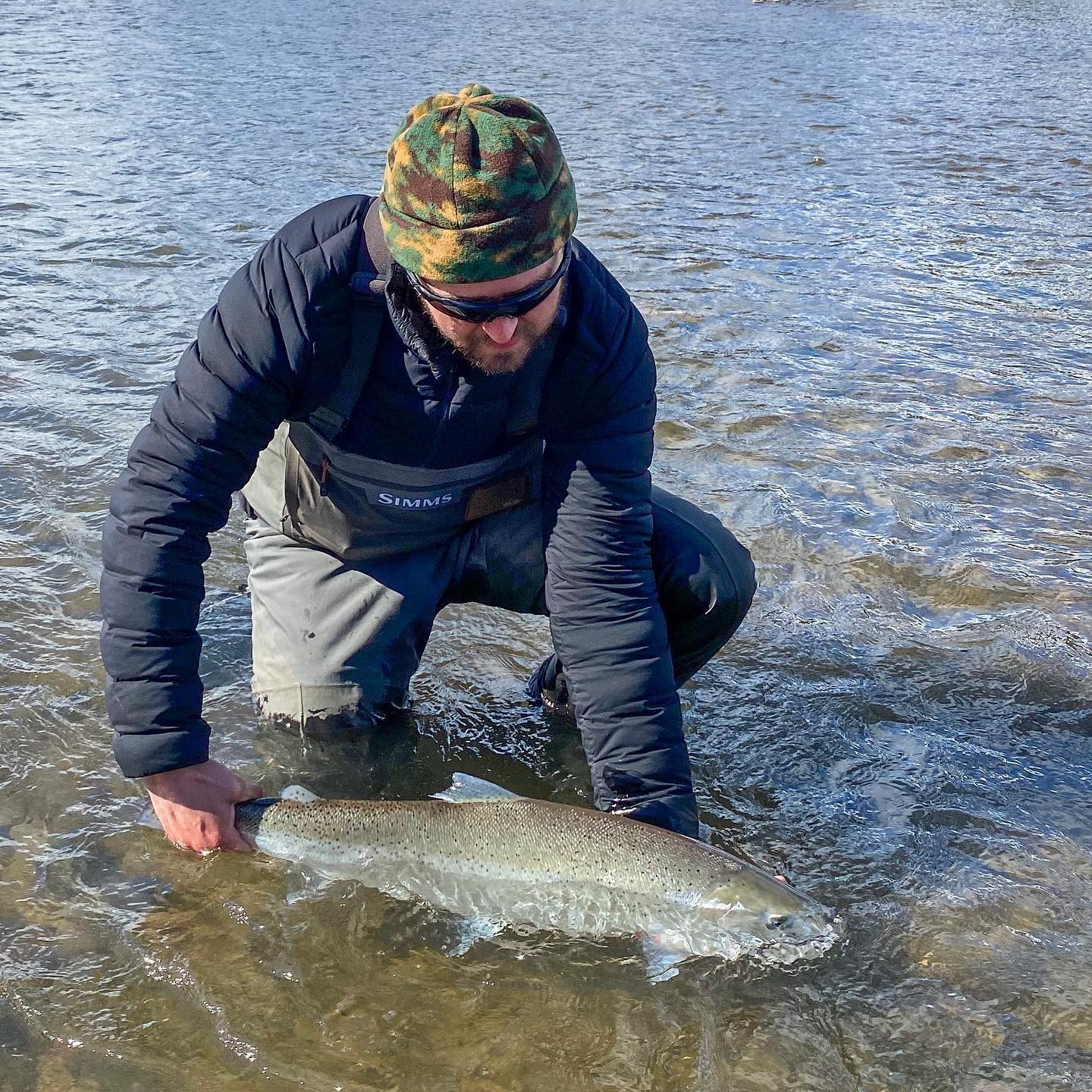
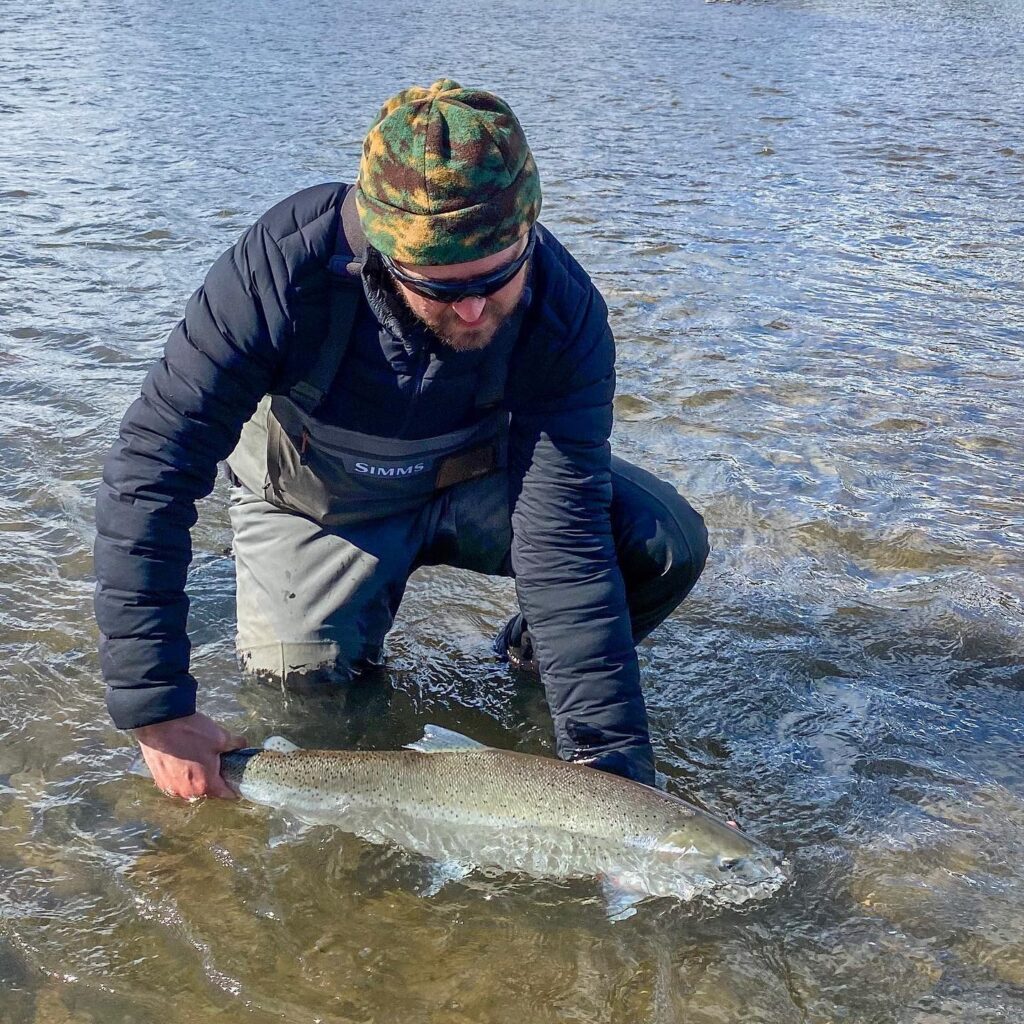
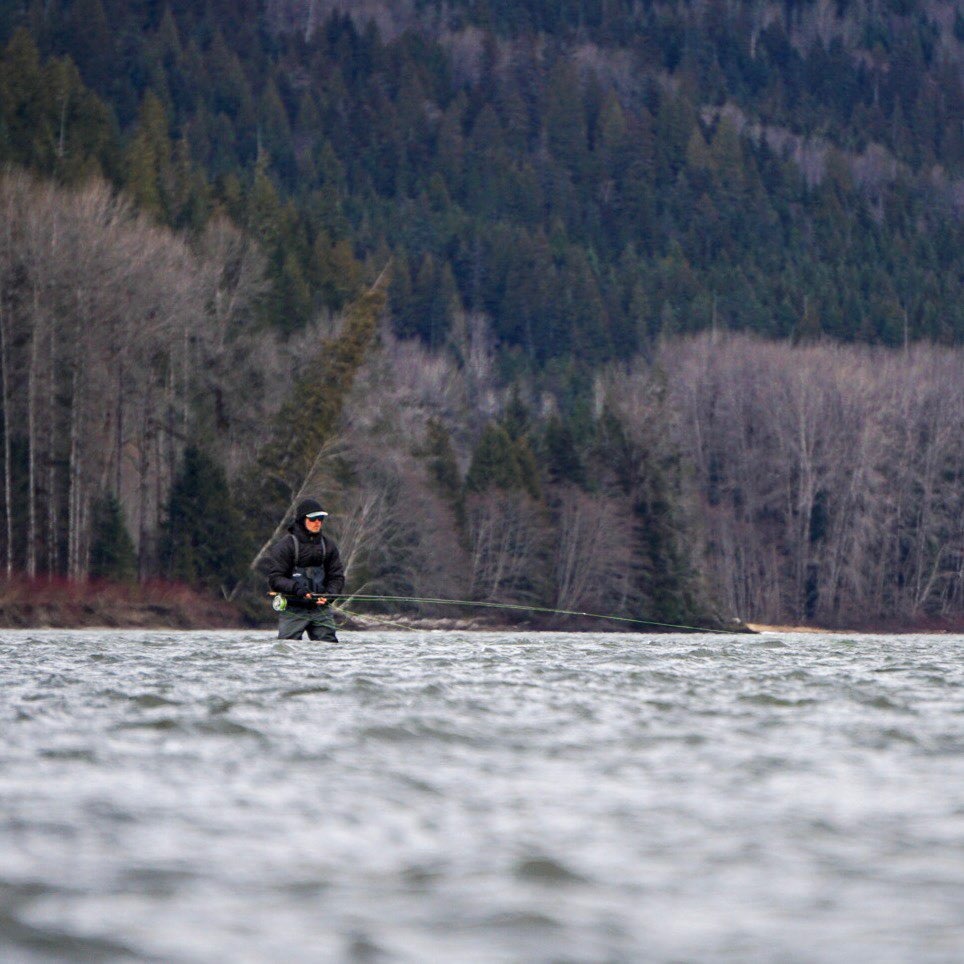
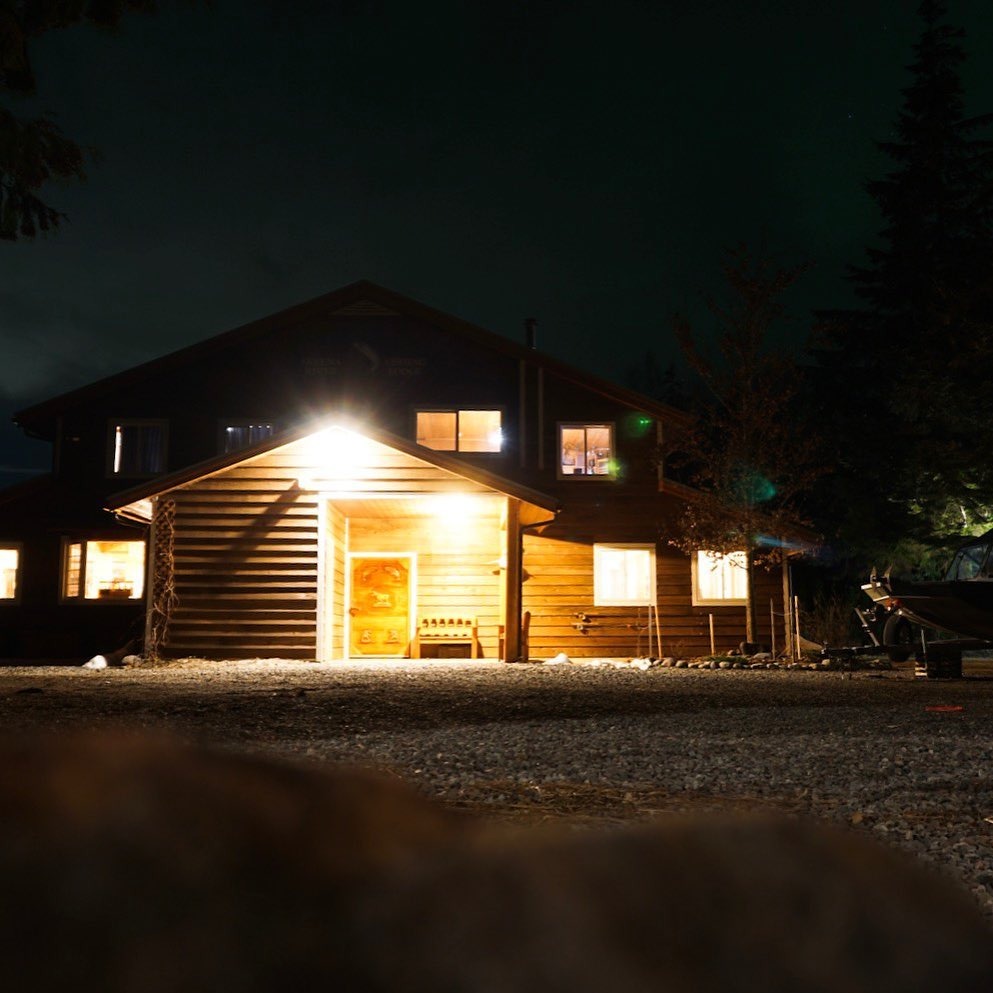
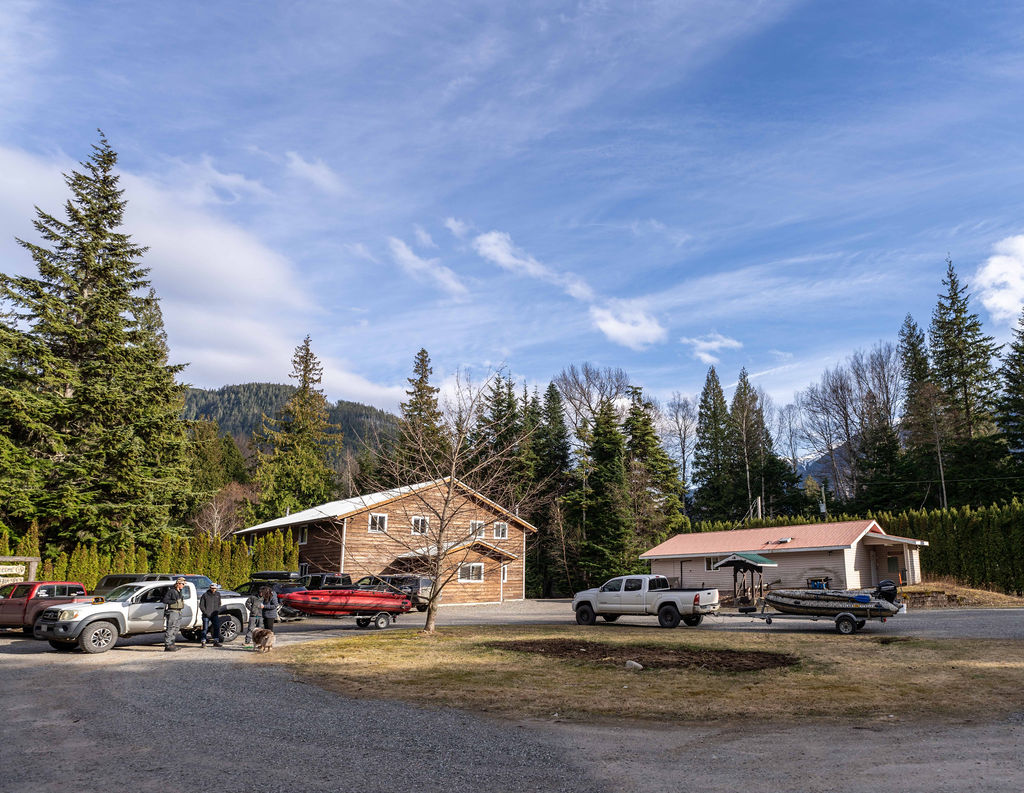
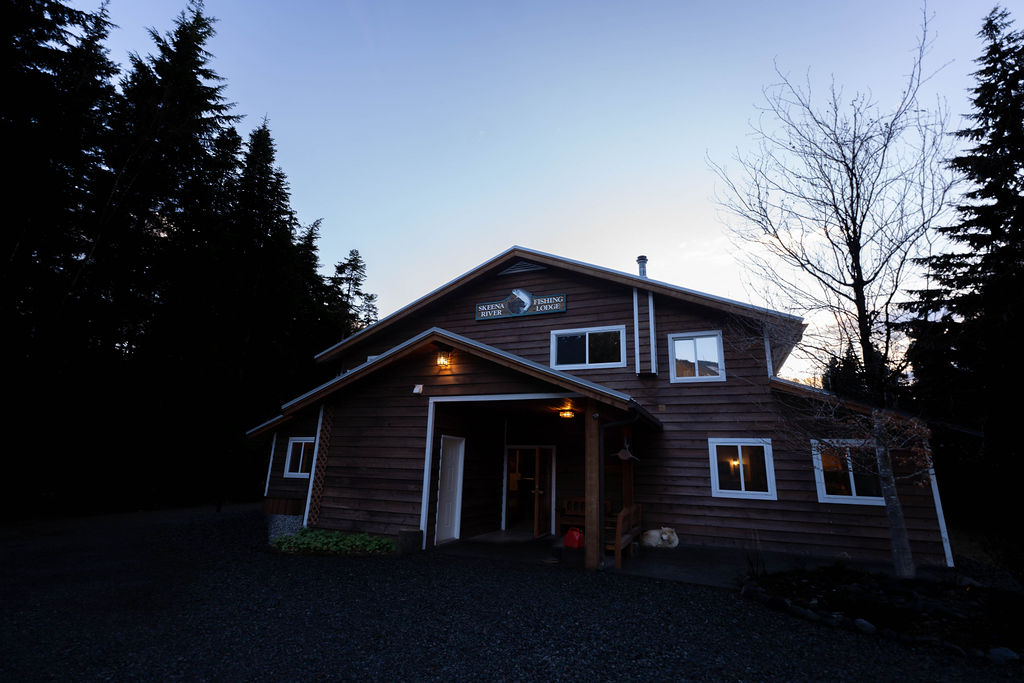
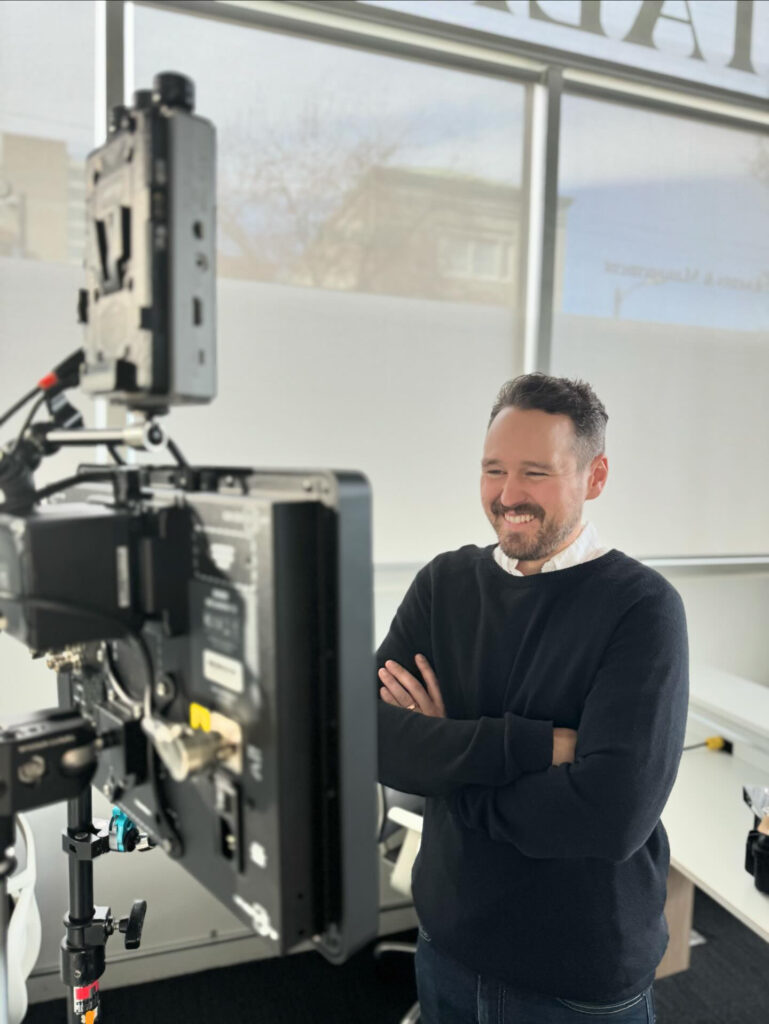
Steelhead fishing on the Skeena has become a new backcountry for Riley Leboe. After years chasing podiums as a professional skier, he discovered a different rhythm on the water. One that carried the same adrenaline and spirit of exploration, but with a reward that felt deeper.
From his first chum salmon in Squamish to documenting Skeena Spey Lodge with Brian Niska, Riley has followed the pull of steelhead north. On today’s episode, we trace his journey from filming ski lines to capturing the drama of swinging flies, and why the chase for steelhead keeps calling him back.
Riley grew up in Vernon, BC, skiing at Silver Star. He and his friends focused on freestyle skiing. At 18, his friend TJ Schiller even won the U.S. Open, and their crew began competing at bigger events.
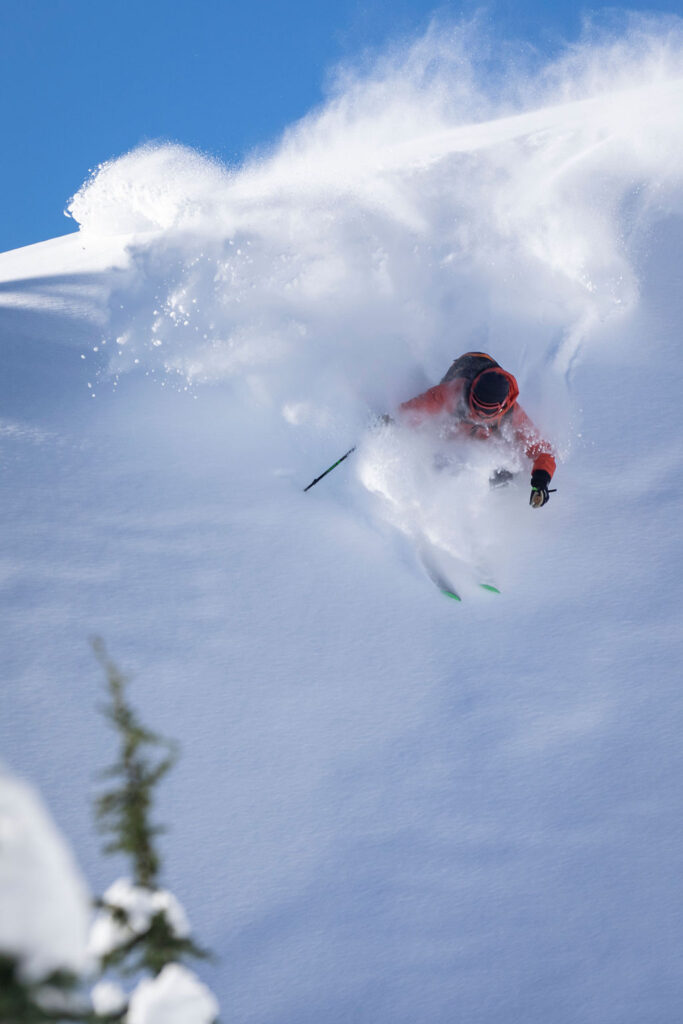
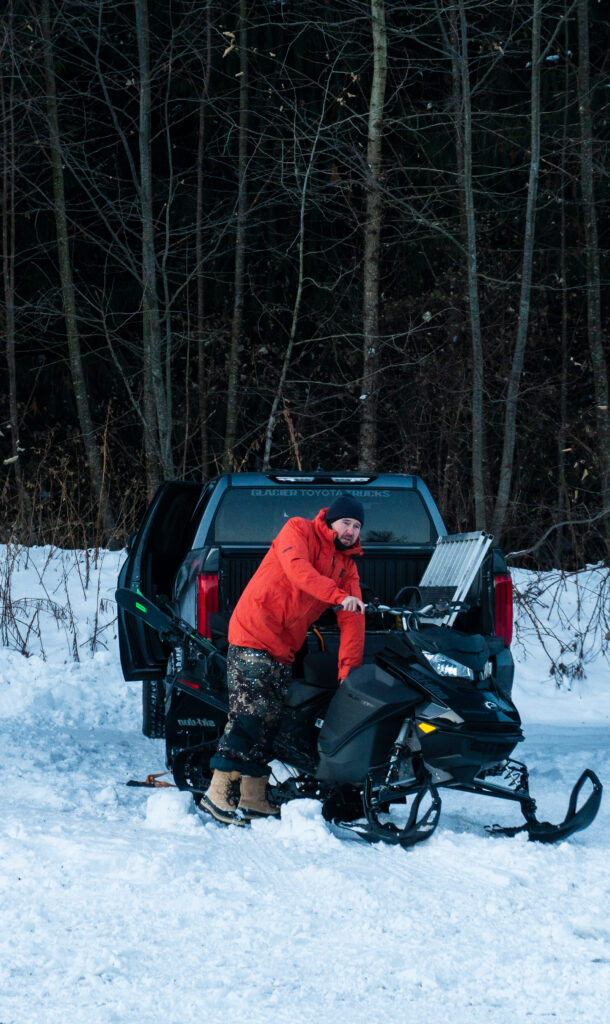
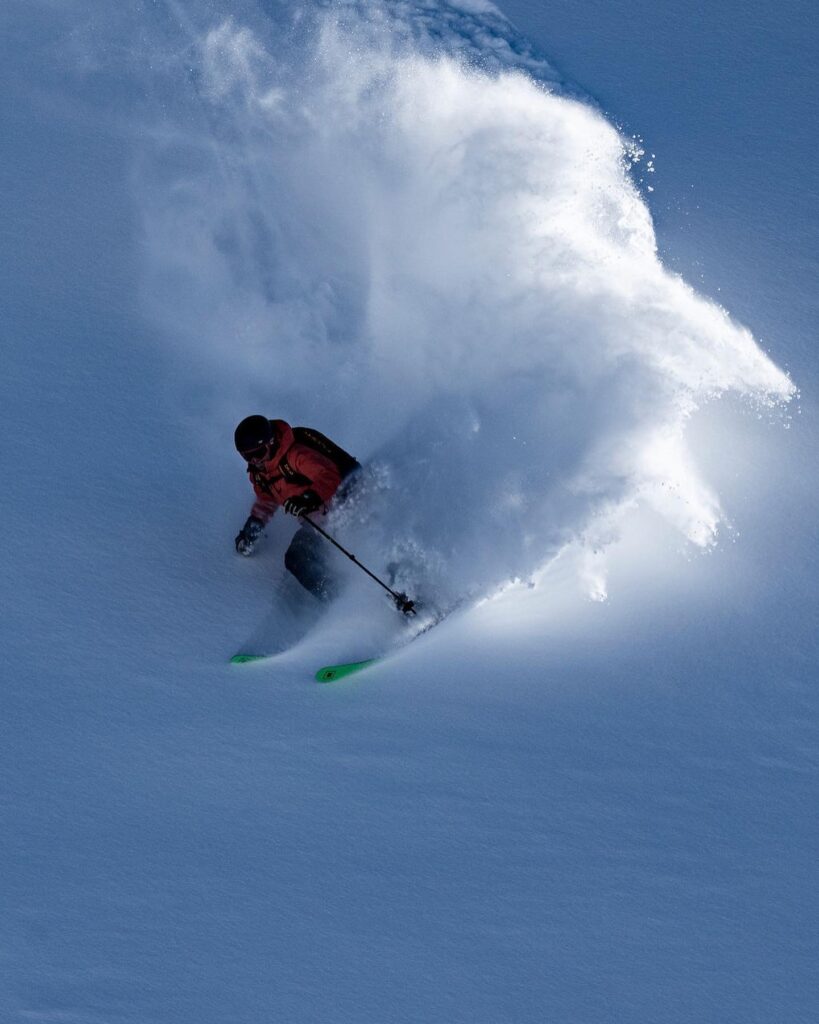
Riley competed in slopestyle and halfpipe before moving to Squamish after high school for better terrain. There, he bought a snowmobile and shifted to backcountry skiing. He worked with film crews, spending winters filming segments that were released each fall.
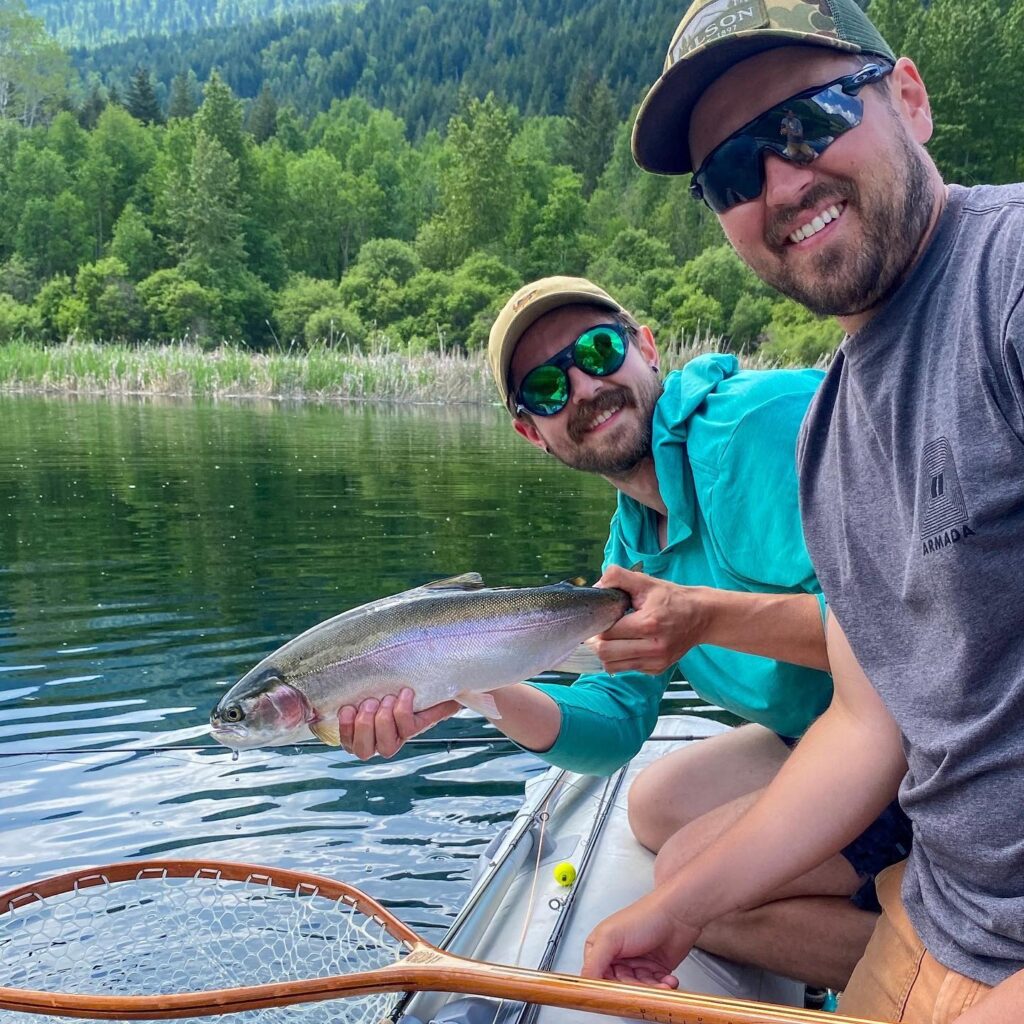
Riley recently moved back to the Okanagan after living in Squamish for 17–18 years. He didn’t fish much there growing up, but now he says he’s exploring the area with fresh eyes, finding good bull trout fishing and checking out remote spots by boat.
Riley didn’t get serious about fishing until after moving to Squamish. One fall, his cousin came down during a big chum run and took him out on the river near his house. Hooking into those massive salmon lit a spark.
Soon, he was exploring rivers the same way he used to explore mountains. On down days from skiing, he’d head into the valley to explore new waters. He eventually picked up a spey rod, which opened up more water and made fishing around tight casting spaces much easier.
Riley grew up watching Warren Miller films and even had his autobiography signed as a kid. Later, he filmed for a few Warren Miller movies himself, which he says felt like a full-circle moment.
His film career grew through partnerships with ski brands and production companies, where sponsors helped secure spots in films. Out in the backcountry, he worked closely with filmers and photographers in avalanche terrain.
After catching more salmon, Riley set his sights on steelhead. He learned the hard way at first, grinding it out and figuring things step by step. Reading books about the Skeena and watching YouTube videos inspired him to head north.
Since he had already done ski projects around Terrace, he started pitching film ideas that mixed skiing, steelhead fishing, and the local community. That led to his first trip to Skeena Spey, where he connected with Brian Niska and the crew while filming with Fishing BC. He teamed up with pro skier Kye Petersen and Feet Banks, making the trip a mix of fishing, skiing, and storytelling.
Riley talked about the pressure of filming a steelhead trip on the Skeena. With only three days to fish, the odds felt tough—spring steelheading depends on rain, snowmelt, and a lot of luck. But they got lucky right away and hooked a fish on the first day. That took the stress off. From there, they picked up a few more fish and captured the whole vibe of fishing massive runs surrounded by glaciers, avalanches, and snow-covered peaks. Riley said there’s just something special about the main stem of the Skeena compared to its tributaries, like the Bulkley and Kispiox.
Riley said filming steelhead fishing feels a lot like filming skiing in that both depend on conditions you can’t control. For skiing, you need good snow. For steelhead, you need the right water levels.
He still spends days in the mountains, but now spends more time behind the camera, which saves his body from the wear and tear of professional skiing. What drew him to steelhead was that same adrenaline and sense of exploration, but without avalanche risk. Landing a fish on the Skeena is never guaranteed, but when it happens, it feels like a win for the whole crew.
Riley’s film on the Skeena ran about 10 minutes, which is now the normal length for fishing and ski films online. He worked with Brandon Kelly, a close friend and cinematographer from Fishing BC, to capture the story.
Instead of staging much, they documented the trip as it happened—showing the lodge, the guides, and the community around it. The team used a Red Komodo 6K camera, plus underwater shots and drone footage, to highlight the size and feel of the river.
Riley shared that he and filmmaker Chase White went up to Skeena Spey Lodge last spring for a project with Extra Tough. They filmed a short piece about Jared Martin, a guide who moved north with his partner Nicole to chase the steelhead guiding life.
The film shows Jared’s jump from the south coast to the Skeena and what it’s like to take on that opportunity. The video will be released this October. Stay tuned for that!
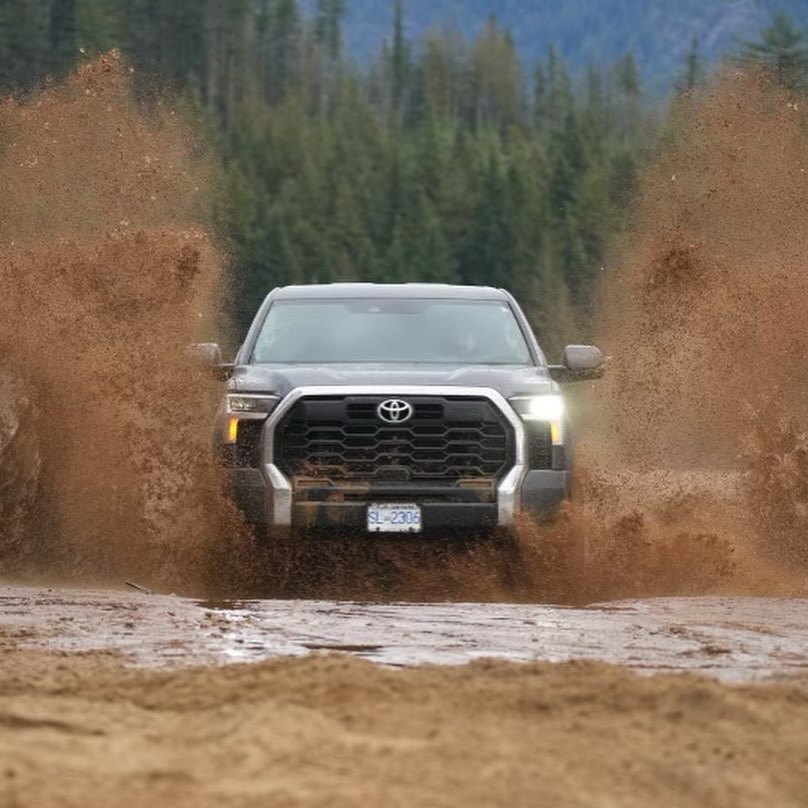
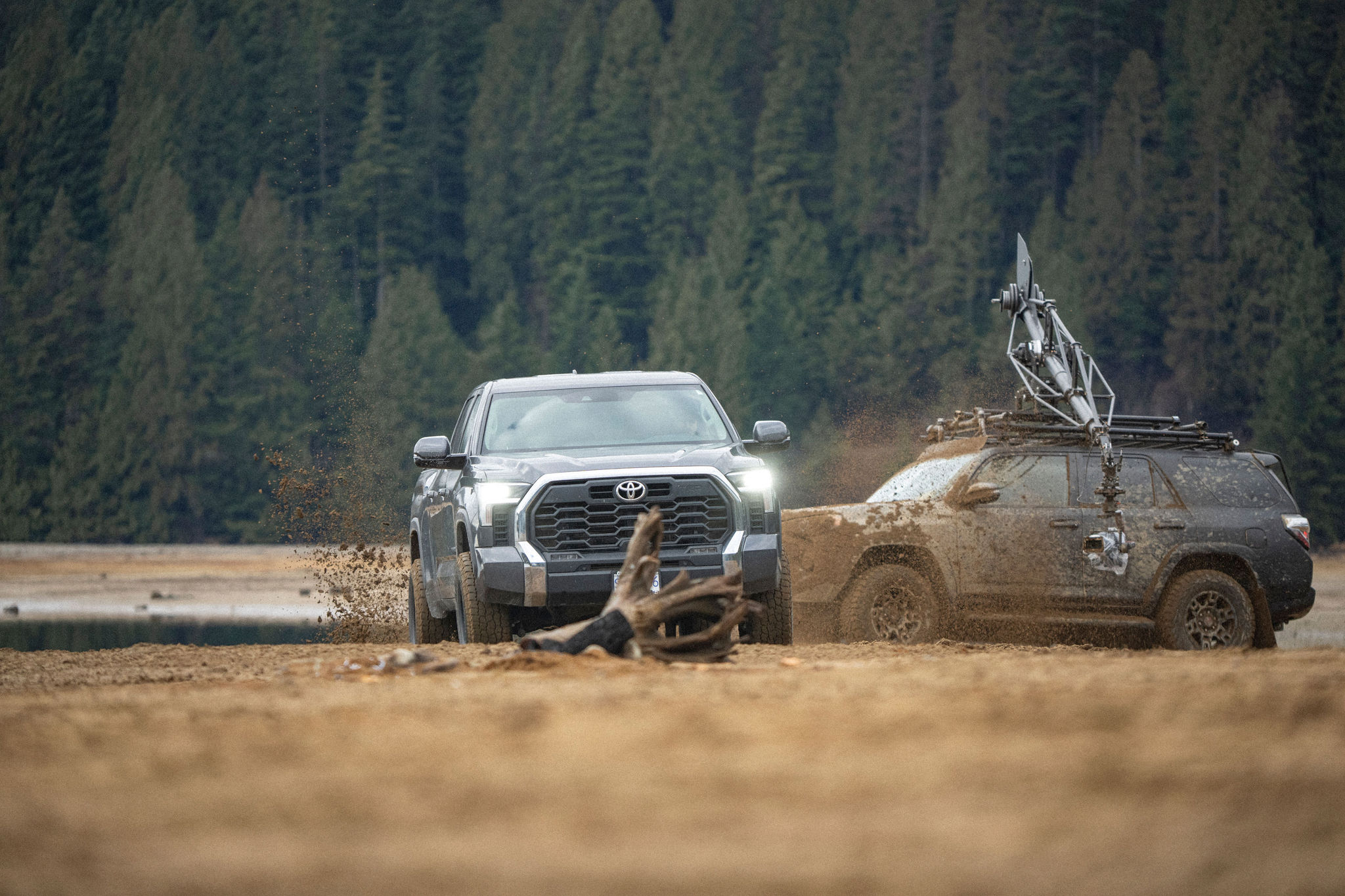
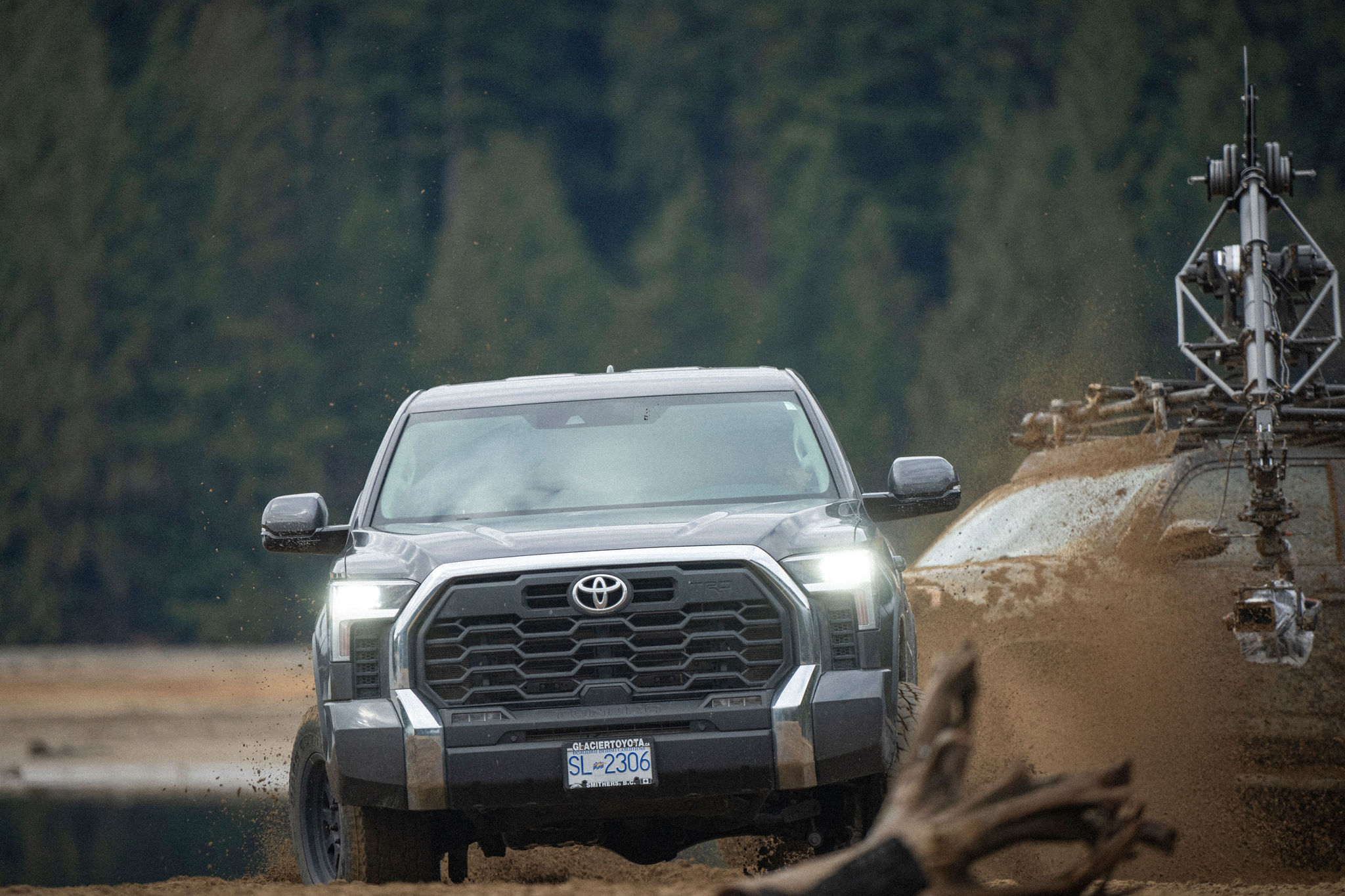
We also talked about the potential new project with Toyota and Riley. Riley has worked with Toyota for about seven or eight years. He said projects like this bring people and brands together with a common goal, and it sets the stage for more trips and films down the road.
Episode Transcript
Dave (2s):
Herbert Hoover once said, time spent fishing is not deducted from a man’s lifespan for Riley Leboe. That rings especially true. After years chasing winners as a professional skier, often in Avalanche train, he discovered a new rhythm on the water. One that gave him the same adrenaline and sense of exploration, but with a different kind of reward. Steelhead Rivers like the S Skiena became his new backcountry. On today’s episode, we follow Riley’s path from filming ski lines to capturing the drama of swinging flies and why the pole of a steelhead keeps drawing him north from his first chum salmon in Squamish to documenting s Skiena Spay with Brian Niska Riley shows how fishing isn’t just a pastime, it’s a lifetime. This is the Wet Fly Swing podcast where I show you the best places to travel to for fly fishing, how to find the best resources and tools to prepare for that big trip, And what you can do to give back to the fish species we all love.
Dave (52s):
Today I’m joined by Riley Lebo, professional skier turn filmmaker, and now Steelhead Angler who shares his story from moving from the Squamish area to the Okanagan. And now swinging flies anytime he gets on the Chena and beyond. All right, let’s get into it. Here he is. You can find Ri lebo@wellwornmedia.com. How you doing Riley?
Riley (1m 13s):
I’m doing well, Dave, how about yourself?
Dave (1m 15s):
Not too bad. Not too bad. Yeah. I’m looking forward to this chat today because I’m always excited to talk steelhead fishing. You’ve got a, a cool connection. We’ve connected through Brian Ska, the Ski of Spay Lodge, you know, and what Brian has going Out there. It’s pretty awesome because right now as we speak, we’re launching a giveaway for this year. This is our kind of becoming our annual, you know, kind of steelhead school event giveaway. And that’s gonna be awesome because Brian’s in one of those places, those magical places for steelhead. There’s only a few places that are kind of the top places and it’s one of them, but you’ve got a connection obviously up there in Canada. So we’re gonna talk about that today. And your filmmaking, you got a long history at well-Worn Media where you do some of your filmmaking, not only skiing, which is where you were a, we can talk about that today, a professional there, but also now into some of the fly fishing films.
Dave (2m 6s):
So first off, give us an update right now as we talk. You know, it’s mid-August when this goes live. It’ll be mid-September, but what are you up to this time of year?
Riley (2m 14s):
Yeah, right now I recently moved to the Okanagan, so I was based in Squamish for 17, 18 years. So the last couple months here we’ve decided to move back to the interior of BC where I grew up. And so yeah, it’s been kind of unloading some boxes and moving into a new house, which has been great. Been it, but sneaking out for a couple days of fishing around here. And you know, funny enough, I didn’t, I didn’t really fish that much when I was growing up in this area. And although we don’t necessarily have, you know, access to a bunch of steelhead fishing around around the interior, but it’s, you know, really known for some amazing lake fishing.
Riley (2m 56s):
And the bull trout fishing in some of the rivers around here is super good. So I’m kind of coming back to the Okanagan here with fresh eyes and Wow. And ripping the, ripping the boat up a couple little remote rivers and starting to kind of explore and get the lay of the land around here. So that’s been my summer here so far.
Dave (3m 12s):
That’s amazing. Yeah. And what city is that in?
Riley (3m 15s):
So I’m in Vernon, which is Oh yeah, Vernon biggest city, kind of close to that would be Kelowna. They’ve got an international airport there. But Vernon’s, yeah, Vernon’s just outside of that kind of right in between Kelowna and Kalos. So yeah, we’re in a pretty good fishing hub around here actually. Right.
Dave (3m 31s):
Gotcha. Okay. So yeah, you’re up there. And I don’t think I’ve traveled because if you’re heading up through, we talked about this a little bit off air, but yeah, if I was heading up to Can or up to Alaska, Kelowna and Vernon’s a little bit off a little bit west or a little bit east, right, of the main track, where, where would you be going if you were heading up from Kelowna, Vernon and then up north? What eventually would be the destination up there?
Riley (3m 52s):
Yeah, I guess, well you’ve for like say if we were heading up to Skiena Spay, we’d leave Cologne and Vernon and drive through Camloops and then you’d eventually kind of the middle of the province you hit Prince George, which is kind of like the main city before you get to the north. So yeah, we’re about, I don’t know, probably 10 hours away from Smithers and then probably 12 from Terrace, so that’s not bad. Yeah, BC’s a pretty big, big province, so a bit of a jaunt to get up there. But you know, any excuse to get up to go see Brian and the the gang at Skiena space, well worth the drive, that’s for sure. Yeah,
Dave (4m 24s):
Definitely. No, that’s what we’re gonna chat on today is just that everything Brian has going up there and it’s gonna be great. But maybe take us back real quick. ’cause I know in the Bucket podcast, which Brian hosts kind of in our network, you guys talked, you were on a podcast earlier, I think it was maybe one of his first that he did. So we got a little bit of your background there. But take us back, like you have a background and professional kind of skiing and all that. Talk about how that transitioned, maybe first, what you were doing there and then how you transitioned into to like fly fishing.
Riley (4m 53s):
Yeah, yeah, you bet. So yeah, I grew up in Vernon and we’ve got a great little family mountain here, silver star. And that was just kind of what me and my friends loved doing. We, you know, loved skiing and it was freestyle skiing at that time and this was really when what you’d call new school skiing was starting and that was kind of the tricks in the parks and you know, similar to when snowboarding was coming up as well. So that’s the kind of stuff that we were really doing. And we were just, you know, a bunch of kind of punk kids from small town BC here who loved doing it. And eventually we, we started going to some bigger competitions and realized like, hey, our team’s actually, you know, our crew here is pretty solid and you know, a couple friends, my one buddy TJ Schiller, who’s he, he ended up winning the US Open when we were I think 18.
Riley (5m 42s):
And that was our first major event where we got to like put our skills to the test against, you know, the rest of the best in the world. And he ended up winning it. And that was kind of like a real eye-opening thing for us. Like, oh, maybe we have like a chance to become professional skiers, like our idols, like so many of these guys that we looked up to. And it just kind of continued that on that trajectory and started, you know, competing. I competed in slopestyle and halfpipe for quite a while and that brought me out to out to Squamish because the mountains are just so much bigger and the terrain parks and the access to better skiing was just so much better on the coast. So right after high school I moved Out there and that’s where I guess my ski career took a bit of a turn from some of my friends who they stayed on the competition track, but I ended up buying a snowmobile and really like venturing out into the back country.
Riley (6m 36s):
I was fortunate enough to when I, on a cat skiing trip, a filming trip, mony powder cats, which is just in the mony is not too far from Vernon here. And it like changed my whole perspective on like how I wanted to be skiing in the mountains and it’s like, ah, maybe I don’t want to be on these, you know, hard pack resorts and landing and on these firm landings and big jumps and stuff. I’d rather be skiing and powder. So yeah, bought a snowmobile and moved out west and started working with, you know, film production companies in the ski world. And I would, I put my whole season towards, at that time would be putting out a segment at the end of the year. You’d kind of film all winter long and in quite the contrast to our social media era where like everything is so instant.
Riley (7m 21s):
Yeah. Nothing would be seen until, you know, we, we’d ski and film all year long and then nothing would really be seen until the following September when all the steam movies would start coming out. So it was like Right. A lot of anticipation.
Dave (7m 35s):
Right. Was this during that time when, and again, I’m not a huge skier or snowboarder, but I I know the name Warren Miller ’cause all my buddies back in the day used to talk. Was he kind of before or after your time when you were doing this? I
Riley (7m 46s):
Would say he was definitely, you know, a pioneer of that whole yeah. Ski filming and really, he still brought it to the mainstream like no one has really ever done before. And yeah, I got to meet Warren a couple times. He signed a, his autobiography for me when I was a kid. Oh, wow. And then he had moved away from the filmmaking side, but I did film for Warren Miller for a couple of their films as well, so.
Dave (8m 8s):
Oh, no kidding. So he was an old school, old timer, like a yeah, like you said, a kind of a founding father sort of thing of that industry or the filming. Yeah,
Riley (8m 16s):
Absolutely. And just brought it to the masses. I, you know, remember being a kid and their film tour would come around and the whole city would go down and watch, you know, the Wow Warren Miller movie at the, at the theater. So yeah, it was, it was cool to get some shots in the Worm Miller movies myself there, so it was kind of a yeah, yeah, full circle moment there.
Dave (8m 34s):
Right. Wow. So basically, yeah. And, and that transition into the filming, that was where you’re Out there, you’re kind of doing the backcountry stuff and how did that happen? Again, you connected with somebody Out there. Describe that. How’d you get into the filming portion?
Riley (8m 46s):
Yeah, I guess it was a, a couple steps, you know, as you’re kind of building your career, you end up, you know, you work with a bunch of various ski brands and things like that and they, they would align with, with these production companies essentially as a way of marketing and marketing their athletes and their skis. So essentially be a partnership between, you know, myself, the production company and some of my sponsors. And that would kind of allocate my spot in the films and provide me the access to, you know, the filmers and photographers that are Out there working every day. So that I developed, yeah, some great relationships and really, you know, close friends that, you know, you, when you’re out in the mountains, you’re working with these people, you know, day in and day out and you know, in quite, you know, risky terrain.
Riley (9m 30s):
You’re Out there in avalanche terrain and big mountains. So having a good team and a good crew to work with, you know, you become really close with these people, you know, when you’re Out there making decisions together on what you’re gonna ski and how you’re gonna do it safely and you know, that’s, you become, you know, really close with these groups and, you know, you build those relationships and, you know, those tend to become the people that you work with, you know, over and over again.
Dave (9m 53s):
Yeah, okay. So it kind of sounds like it was a, a slow buildup into a point where I may maybe describe that a little bit because before we get into the fly fishing, I want to hear, you know, a little more like you were full on. Was that a, a bulk of what you were doing, basically skiing some crazy terrain and then also filming at the same time doing some other stuff? Or talk about what was keeping you busy with your time those days?
Riley (10m 14s):
Yeah, yeah. I was essentially, I was an athlete. I was, you know, back country, you know, big mountain skier, free skier is really what I would call it. And yeah, you’d spend every half decent, you know, day out in the mountains, whether we were, you know, sled skiing around the Whistler area or, you know, trips to Japan or you know, south America in the summer when it’s their winter down there. I got to for a bunch of years, got to chase winter around for 365 days a year. So yeah, that was, that was the bulk of my time for sure.
Dave (10m 48s):
Okay. And then when did the, the steelhead, it sounds like you, you obviously you grew up in the area in BC it’s famous for its fishing, you know, and hunting. But when did that change the, when was the transfer, like into the spay and all that stuff?
Riley (11m 1s):
Yeah, it was quite late I think most, you know, compared to some people just ’cause I was so hyperfocused on skiing that like, that was, you know, to do it at that level you kind of have to be that’s you, you’re all in and right. But when I’d moved to Squamish, you know, September, October would roll around and the salmon would just start coming up the Squamish River, which was, you know, steps away from my house. And my cousin came down one year and during that time, who’s he? He was, you know, the one who really got me into fishing. And he is like, well, let’s go fish for some salmon here. Like, why, why aren’t, you know, we’re sitting around on a rainy day in Squamish, like, let’s go down to the river. And it was a big chum run that year and it was like the most fun i’d I’d ever had, like hooking into these massive chum just like screaming, you know, our knuckles are bleeding by the end of the day.
Riley (11m 51s):
It was just comical. And I was, was like, wow, this is like right here at my doorstep. And this was so much fun. So that was kind of a big eye-opening thing just ’cause it was this like, you know, I don’t know, big shot of adrenaline and super fun seeing these, you know, crazy looking chum salmon and you know, that set the spark back in my mind there. Like I, I’d fished as a kid on the lakes and stuff, which was great. We’d go out camping lots and, you know, catch a nice two or three pound rainbow and throw it on the barbecue there. And it was just a great, great part of camping and stuff. But yeah, it really didn’t start sticking until I moved to Squamish and then I started just exploring. I had, you know, explored so much of the mountains in that valley in, you know, in that whole sea of sky area, but I’d never explored the river valleys.
Riley (12m 37s):
And suddenly I found like exactly what I love about backcountry skiing, this exploration aspect and finding what’s around the corner. And suddenly that just transitioned into what I could do fishing. So any down day or any like day that wasn’t gonna be super good in the mountains, I was just down in the valley checking out spots on the river. And yeah, I think it followed a similar, similar path that a lot of people have where, you know, you, I got a single hand and then, then I found out about spay fishing and realizing, you know, how, how that could help, especially around there some of the, you know, the casting space that you have is pretty limited. So when I got a spay rod in my hand, I was like, oh, I can see how this is gonna really, really change the game for me around here.
Riley (13m 22s):
And the ability to cover water and things like that, you know, changed how I looked at the river for sure.
Dave (13m 27s):
Right. So you get the spay and then when did the connection to the Skeena spay in Brian’s lodge, when did all that happen?
Riley (13m 35s):
I guess it was just a bit of a progression, you know, as, as I started catching more, more salmon, then I was like, okay, well I’ve better start trying for trying to find a couple steelhead in the winter here. And that was like a lot of do it yourself, just grinding away, learning the wrong way and figuring it out. And eventually you, you hook one and you’re like, okay, I can see what it’s about now. Yeah. And then at that time, you know, I just digging into reading books on the skiena, watching every YouTube video that I could find and, and so that was kind of just inevitable little before I start thinking about the transition up there. And I had done a couple ski projects up there before, so I was familiar.
Riley (14m 18s):
I liked the skiing and terrace and it also just happens to kind of coincide with when the steelhead runs happening. So I started kind of putting every effort and I could to make projects that might bring me up to Terrace. And then that’s kind of what ended up happening with my first trip up there to see Brian at Skiena Spay there. I’d been working and doing some production work for Fishing bc, which is the fishing tourism in British Columbia. And they do some amazing films. And I put together kind of this idea about going up north and showing kind of the, the two sides showing some skiing, showing some steelhead fishing, and then also kind of combining the uniqueness of the little community and terrace there.
Riley (14m 60s):
And that ended up lining up and we went up there with Buddy Kai Peterson, who’s another professional skier and feet banks, the two other guys you you’ll hear on the other in the Bucket podcast. And that was my first chance to get up there and visit Brian and the Oh nice. The rest of the crew at Skiena Space. So, so that was that being a pretty incredible trip? Yeah.
Dave (15m 23s):
Fish Hound Expeditions offers world class fly fishing right off Alaska’s incredible road system for monster rainbow trout to feisty arctic grayling. You’ll chase big species in the stunning landscape. Whether you’re a seasoned angler or just starting out their expert guides, ensure an unforgettable adventure. Book your trip today before spots fill up and experience Alaska’s diversity like never before. Check ’em out right now. That’s fish hound expeditions.com. Grand Teton Fly Fishing is a premier guide service and fly shop that has access to some of the most coveted rivers and lakes in western Wyoming. Their simple goal is to share their valued resource and have you experience a native cutthroat trout rising to a single dry fly in the shadows of the Tetons.
Dave (16m 6s):
You can check out Grand Teton right now at Grand teton fly fishing.com. Let them know you heard of them through this podcast. Did you have any action with steelhead Out there?
Riley (16m 19s):
Yeah, yeah, we actually, we got really lucky. It was, you know, it’s always, you know, a little nerve wracking trying to make a film around steelhead fishing because Right. Especially in the spring, you know, on a big river like the Chena, it’s like, okay, well we’ve got three, maybe three, I think we had three days to try and hook a fish and you know, and something especially steelhead fishing in the spring, it can be so dependent on how much rain you get in the mountains or what, you know, everything’s so dictated by nature, things that are outta your hands. So trying to go and film that, you know, is always a little nerve wracking. But we, we found a couple fish and we found a fish on our first day, which after that happened, that was like a big stress reliever.
Riley (17m 4s):
Yeah. And you know, it’s all about the experience and stuff and you know, steelhead fish is tough, so think people would understand if you don’t end up getting one on camera. But to get that first one on camera definitely took the stress off on the trip We have run. That’s awesome. Kinda like breathe a little side relief. So, but we ended up, yeah, we hooked, we were hooking a few fish that trip, so it was, it was great. And that was my first chance to really fish on the S skiena. I’d fished some of the tributaries before in the spring. Okay. And in the fall. But there’s something just so unique about that main stems skiena. It’s just so, yeah.
Dave (17m 35s):
Such
Riley (17m 35s):
A big piece of water and you’re fishing these massive runs and they just go on forever and you’re right in the valley, these massive snow covered peaks. There’s big glaciers hanging off that you can see where the avalanches have been running down Oh wow. Down from the mountaintops down in the valley. It’s, yeah, it’s the, just the whole experience is, it’s has this kind of like intensity to it. It’s pretty cool.
Dave (17m 57s):
Right. That’s awesome. And so in the trips you fished previously before that you were like up in the upper, what were you hitting there on the Scena?
Riley (18m 5s):
So yeah, it went up a couple falls before that and we were fishing on the, on the bulky and yeah. Fishing the kiss and just yeah, sure. Some of the stuff up there that’s great in the fall.
Dave (18m 15s):
Yeah. Gotcha. Okay. Yeah. And that is what, you know, is unique about the main stem skiing. And I, when Brian was first on the podcast when we did it here, it was a really pretty epic episode because he just, you could just hear how different it was and he’s really good at explaining the technique and how you’re fishing for these migrating fish. They’re not necessarily holding, it’s a different thing. Right. And, and so it’s just, it’s cool and now that we, you know, we’ve done this and you know, and then also the chance to get a, a giant fish. I mean that, that’s the thing, the scheme’s known for some of these really big steelhead. So I think everybody that goes up there, they always, you don’t need many, but if you got that shot at one big fish. Right. What, what was that first one that you guys got into? Was it a average fish or do you remember the size or the whole moment?
Riley (18m 58s):
Yeah, it was pretty, you know, good, good quality for sure. Kai hooked it at the end of the first day on what we were calling, I think the shames run. It was kind of, you could see the ski hill from the run. So it was really kind of a cool tie in there. But just at the end of this nice tail out below this spill and yeah, he weighted way Out there and got a couple casts in and then yeah, hooked up. I don’t, it would’ve been, yeah, 12 pound fish for sure. Oh
Dave (19m 22s):
Yeah. 12 pound boxes.
Riley (19m 23s):
Yeah. Nice fish was. Yeah, nice fish for sure. And yeah, that’s the thing, the quality of the fish up there, you’re not gonna hook a bunch of them, but the ones that you do, you know, they’re you, they’re fish to remember for sure.
Dave (19m 34s):
Right. Is that movie you guys did there on that? Where could people find that? Is that Out there still? Yeah,
Riley (19m 40s):
That one’s on be on the Phish BC YouTube channel. Okay. Or on their Instagram as well. So if you go on Phish bc Yeah, we did that one. That one was in partnership with Toyota BC as well. So that was a fun one to put together for those guys.
Dave (19m 56s):
Oh, cool. So we can find that. We’ll put, try to find a link to that and put in the show notes here. And so yeah, we’re, and we’re like we said, we’re kind of, we’ve got this event we’re kicking off here, which is gonna be fun to have, you know, to choose a winner. That’s always kind of exciting. And then to kind of play on the trip. What is it, so, you know, you talked about exploring, you know, the, and I think Brian hits on this, the, the skiing, the snowboarding versus the steelhead when you are filming, is it, you know, say harder, you know, you talked about catching the steelhead. Is it harder to film that steelhead trip or to film some of the skiing stuff? And do you still, are you still doing some of the skiing? Is that still taking up a lot of your time?
Riley (20m 31s):
Well, I’ve kind of moved into the background as an athlete, still do quite a bit in the skiing space as far as making different ski films and some, you know, branded content for, you know, different partners that I still work with, different clients. And so yeah, I still get quite a few good days in the mountains myself, but it’s nice not, you know, putting the body through as much work anymore. You know, I, I beat up on my body for a bunch of years there, so it’s kind of nice being behind the lens a little bit more on more of the creative side. So yeah, I still get lots of time in the mountains. But yeah, as far as the difference between, you know, filming, skiing and filming steelhead fishing, you know, they’re kind of similar actually.
Riley (21m 14s):
Hmm. They’re both challenging. A lot of different variables have to line up for it to work out for you. And I think there’s similar variables all the time. Like I was saying about the weather and the conditions, you know, like water levels have to be correct or have to be good enough where in skiing, you know, the snow quality has to be good enough. Same thing, obviously. I’d say one thing that I really enjoy about steelhead fishing is that I get that same kind of adrenaline rush and the enjoyment of the exploration that I did in my back country skiing career. But it removes a lot of the, you know, the, some of the inherent risk with back country skiing, like avalanche terrain and things like that.
Riley (21m 55s):
I, so I still got that really, you know, awesome enjoyment out of the exploration without having to kinda live in avalanche terrain the whole time, so. Right. That was a nice little, what really drew me to steelhead fishing, but, but yeah, they’re both challenging things to shoot ’cause you know, it’s, there’s not very many of ’em. And then if you do hook one, there’s never any guarantee, especially big fish on the S scena that they’re gonna stay on the end of your line. So it’s kinda, yeah, it’s fun though, but not like anything, you know, big, big challenge and big rewards. Yeah. So when you do, so they’re both are win the net then the Yeah, no, everyone’s just so excited. It’s such a team effort too. You know, it’s steelhead fishing, it’s anyone on the, in the group hooks one that’s a fish for everyone.
Riley (22m 36s):
Yeah. You know, it’s, yeah, it’s just, it, I’d say it’s almost as good to watch your buddy land one as it is to
Dave (22m 42s):
Right, right. Almost, almost as good. Not, not, not totally. Yeah, I hear you. Yeah. Well what about the, so the avalanches is interesting ’cause I mean there is danger, obviously some in steelhead fishing, you know, floating rivers, you’re in that, but I mean the avalanches, have you seen, you must over your career seen and probably even had some people die right around. Is that something that you had to be a part of and have you ever been close?
Riley (23m 6s):
Yeah, yeah, I had a couple close calls for sure where I’ve been fortunate a co a couple times that I ended up back up on my feet. You know, that’s the thing, if you’re, if you can ski out of them and you can ski out them, similar to swimming in a river, if you can point it downstream at a 45 degree angle and, and make it out of the flow. ’cause that’s really what it is. It’s a layer of snow that moves on a, on a unstable layer and it just turns that whole mountain face into a river. And so you need to keep your momentum up so you can ski outta the thing. So I’ve had a couple close calls, but I’ve been fortunate to ski out of them. But yeah, I’ve got, you know, several friends who weren’t so, so lucky, so. Oh wow.
Riley (23m 46s):
Yeah, that’s definitely, you know, that was part of my decision to maybe move away from so much backcountry skiing as I, you know, there’s a couple close friends who I really looked up to and were very knowledgeable people in the mountains, you know, who did pass away and it’s, you know, that stuff starts to, starts to weigh on you a little bit for sure.
Dave (24m 6s):
Yeah, definitely. Wow. What about the, you know, it’s one of the other things we hear a lot about, and we talk a lot about with steelhead too, is that these runs are up and down, but we’ve been seeing some downturns and some of the runs around, you know, the whole Pacific rim. But some of it is partly just probably climate change, right? Changing climate affecting rivers and snow pack and water. Did that also affect, have you seen that in the, your, you know, let’s say last 10 years or so, changes that affected skiing? Or is that something where it’s just you don’t notice it as much?
Riley (24m 35s):
No, it, it affects us. Yeah. Big time. Winters just seem a lot less predictable and I think, yeah, it’s just, yeah, less stable. It seems like I, I don’t know the, we’ve been having these couple, you know, handful of years. We have these crazy arctic outflows in February and we have lots of warmups in January and I don’t know, just, yeah, it does seem to be a little bit more unpredictable. I don’t know if this is just my short term memory, but I, I think, you know, I remember it being a little bit more consistent. You know, I look back 15 years ago or something like that. But yeah, it’s all contributing for sure.
Dave (25m 13s):
Yeah, you never know, right? It’s all over the board. You might have a, a warm snap in the middle of the winter or whatever it is, but it’s just kind of inconsistent. That’s kind of similar to, yeah, the flow is the same thing with the, the river flows. But, well, let’s jump into a little bit on behind the lens, you know, because I think it’s really interesting on the film. I mean, we all love a good, you know, fly fishing film, the tour is Out there, all that stuff. What is it? So that film, maybe we could take it there, the one you made at the Chena, you know, with Brian and everything. How did you think about that as you were preparing for, and I’m guessing, was this a pretty short, like how, how long was this film?
Riley (25m 46s):
It’s 10 minutes long. Yeah,
Dave (25m 48s):
Yeah. 10 minutes. So, yeah, so it’s kind of, I mean, short, but this is typical for these days. I mean, a lot of the, the film, same with the, the skiing industry too, right? I mean, a 10 minute film is like your normal length film sort of thing. And is that kind of, how is it very similar?
Riley (26m 2s):
Yeah, for sure. A lot of the, a lot of the stuff that we’d release online, you know, that 10 minutes is, is is a bit of like a longer form content now. There’s still the odd 40 minute ski film that gets put Out there. But you know, a lot of the stuff that people are watching is kind of in that 10 minute range for sure.
Dave (26m 17s):
Yeah. And on that film, how did you set up for that to, you know, there’s this whole thing behind making, right? There’s probably hours and hours behind everything, but what was your first thinking when you were thinking about putting that together? Where do you start on that film and, you know, how’d you bring it all together? Well,
Riley (26m 30s):
That, that one, you know, we had, I had, it was Brandon Kelly who’s a close friend and amazing cinematographer. And he’s done so much of the fishing BC stuff with Matt Jennings at Fishing BC there that it was, it was kind of taking a, a formula that, you know, we’d used before and just applying it to the Cheena in a bit of a bigger way. A lot of the fishing BC stuff was a little bit shorter form, like three minutes. So we knew we wanted to tell a little bit more of a bigger story. And you know, that one, surprisingly for being, you know, the fishing being challenged to catch a steelhead in that area, you know, Brian’s whole lodge and all the guides and everyone there just fully set us up for success.
Riley (27m 16s):
So it was from a filmmaking side, it was, you know, a lot of just going and covering what actually happened. It had a, you know, it was just a real authentic documentation of the trip. So it was, yeah, you get the, you get the real feel of the lodge there and the people at the lodge and the community and carists and you know, ’cause we’re just going Out there and, and experiencing it for the kind of the first time for a lot of us. So that was kind of the approach there to just kind of let it unfold as it did
Dave (27m 44s):
Basically run the film and just capture as much as you could as you were going. What was the, talk about that on the cameras a little bit. I’m not sure what sort of, you know, camera or, you know, video you run there. What’d you run for that one? Mostly
Riley (27m 57s):
That one was a Red Komodo, which is a nice compact size, you know, six K camera. So really good quality camera. And then, yeah, we had some underwater shots and drone footage just kind of cover the basis to really show how, you know, vast the Sche net is, and you know, just kind of give that perspective so you can kind of place yourself there when you’re watching the film.
Dave (28m 18s):
Okay. Yeah. And did you guys go there for, was it a, you said three days, so you kind of arrived night one at the lodge and, and we’ve been there, you know, we’ve talked about this, but it’s a pretty, it’s a cool unique looking lodge, right? It’s right on the banks of a, like a side channel of the Skeena. It’s right there, it’s got the A-Frame cabin and everything. Did you guys arrive there and then kind of get dinner that first night and get ready for the first day of coming up?
Riley (28m 42s):
Yeah, yeah, totally. We rolled in and you know, that just kind of builds the anticipation. You, you know, you have this long drive up, but you’re just like, you’re talking about all the what ifs and what could happen and then you actually get there and you know, you kind of get some of the reports on, yeah, we’ve been hooking a couple here and there’s some, you know, I think this is gonna work good for tomorrow and here’s kind of our plan. And that just all kind of builds the excitement and the anticipation. So that first night’s always super fun. And then just to, you know, get to know Brian and the rest of the crew there. It was, you know, a really nice way to, to get into the trip.
Dave (29m 16s):
Right. Kick it off. And then you guys jumped into the jet sleds and then did you all go out to one kind of fish together or how many people were actually fishing? There was the three of you, you tell us about the crew again there.
Riley (29m 27s):
Yeah, yeah. It was three of us. So it was me, me, kai, and feet. And yeah. I had done maybe the most amount of steel head fishing Kai was had recently just like, just gone into it and gone, you know, totally head firstt and that’s all he could really think about was, was steelhead fishing, which yeah. Is still how he is to this day. And then Feet, feet was coming in as someone who’s Ud never, never caught steelhead himself. So we, we had a good range of, of experiences there. Right.
Dave (29m 57s):
And didn’t he have a moment there where he, I think you caught it on video. He had this fish on, he maybe take us to that moment. So you captured this whole thing, I think, right? Or or at least part of the, the one where feet had a fish on?
Riley (30m 9s):
Yeah, yeah, we did when it was, it’s kind of fun in the, in the video, you know, it’s just, you know, Brandon’s literally sprinting down the beach through, you know Yeah. Knee deep snow and feet’s got a fish on Oh wow. And fights it the whole way we get it to the bank and, and it just came unbuttoned right at the bank. Oh. It was, you could kind of see a little bit of oh, a defeat or disappointment in his eyes, but then it was kind of this realization like, well, I got the, that’s the full experience
Dave (30m 41s):
He did. It was though, when you watch that video, you could see, ’cause you guys captured it, I mean, you could see feet, his face, you know, when it goes away. There’s just that moment of like, we’ve all been there, we’ve all had that moment where the fish gets away and you’re almost willing to jump in the water to try to like, you know, grab the fish and, and you just
Riley (30m 58s):
Don’t get
Dave (30m 58s):
It. Exactly. You know what I mean? And when it comes down to it, well, you know, you’re missing, you know, a photo, right. A photo, maybe some other whatever, but, so it’s not that big of a deal, but in the moment it’s like everything, you know, you’re like, oh my God, that’s a ru I’m not gonna forget about that. Or even worse that, you know, some of those things where you get a fish that’s even screaming going out and you never even see it and it’s just gone. You’re like, oh my God, what was that fish? Right. Was it a 30 pound fish? Exactly. Or was it a, you know, so that’s cool. You get, and that’s what I think is awesome about the video is that, you know, you capture those moments, right. Everybody, you can kind of be there. Is that, do you have any moments on that video, you know, that 10 minute movie that you kind of remember that people should kind of, you know, there some of those other memories that you guys hit there?
Riley (31m 38s):
Yeah, I think that’s a great one. And, and I think just the, you know, I guess the message there is that steelhead fishing as crazy. It it as it is, you know, it’s kind of for everybody, it’s, and it’s, you know, it’s a social thing, especially up there. You’re working as a team and you’re, you know, just taking in the surroundings. You know, steelhead fishing could take you to such incredible places. Fishing in general just takes you out into these incredible spots. So I think that’s kind of what we, you know, dwelled on at the, at the end of it is like, you know, to just get a chance to go get one of those, just connect with one of those fish, you know, that’s like puts you in these incredible places. You meet these incredible people and end up in these awesome communities.
Riley (32m 19s):
And you know, it’s all driven by steelhead, but you know, oftentimes it’s not the fish that you remember at the end of the trip. It’s all those kind of moments with the people that you’re with. So
Dave (32m 33s):
We’ve heard many of the stories on this podcast. Togiak River Lodge is one of the great destinations for swine flies, for chinook stripping, for coho all day and unwinding in a lodge right on the riverbank of the Togiak River with access to all five salmon species plus rainbows, Dolly Vardon and more Togiak offers a true Alaskan experience picture over 30 miles of river seasoned guides, high quality boats, and low fishing pressure. It’s fly fishing Alaska at its best. I’ll be heading up the summer. So reach out to Jordan and the crew to see what dates they have available this year. You can learn more right now@wetflyswing.com slash togiak. That’s togiak TO gak Alaskan fly fishing like you’ve always dreamed about.
Dave (33m 20s):
You know, and, and that’s what’s again cool about this is we’re gonna have, you know, a person who’s gonna win this giveaway event and, and we get to say, Hey, you’re going up to, you know, to the cheena to fish the cheena for steelhead. And that’s always a really crazy moment because, you know, a trip of a lifetime for most people, you know, to be able to do that. Kidding. And even myself kidding. I mean, I’ve been up to a cheena a few times, but only once, you know, up to Brian’s lodge. Just because it’s, you know, not the easiest thing to, for me to get time aside, you know, it seems like that’s always the limiting factor, you know, for all of us. But, but cool. So, well, anything else on, you know, we want to give a heads up on kind of the cheena that trip or maybe just your, you know, filming in general. Are you planning on doing, do you have more coming out?
Dave (34m 1s):
Have you, you know, I know we’ve been talking about doing some stuff hopefully in the next year as well, but what does that look like? Are you excited about doing more fishing kind of footage and stuff like that?
Riley (34m 10s):
Yeah, yeah. So I, I was, I went up to Skiena Spay this last spring as well with a good buddy of mine, chase White, another filmmaker. And we went up there for a, a shoot for a, you know, boot company, extra tough. Oh, cool. And so we partnered with Extra Tough and Skiena spay and went up there and shot a video on one of their guides. Jared Martin, who’s a super close buddy of mine from Squamish, who, you know, a similar story got, you know, very, very into, into steelhead fishing and kind of changed the trajectory of his life. And Brian gave him a chance to come up there and kind of getting the swing of things guiding.
Riley (34m 50s):
And him and Nicole ended up moving up there last November. So, so Chase and I went up there and doing a short film on, you know, just kind of that whole, taking that chance and, you know, jumping at this opportunity with Stina spay and kind of chasing that guide experience up there and just kind of covering his, you know, experience, you know, through his eyes kinda moving straight up into the big leagues and, you know, getting people into fish up there and, and just talking about kind of what, you know, what it’s like to, you know, leave something like, you know, he’d spent so much time on the south coast and leaving that to go chase this opportunity up north.
Riley (35m 30s):
So that’ll be coming out sometime this fall here. So I was, you know, lucky enough to get up there for a trip there in the spring and
Dave (35m 38s):
Oh, that’s
Riley (35m 39s):
Sweet. Yeah. Capture some more, more stuff up there. So yeah, it
Dave (35m 42s):
Was great. Morina.
Riley (35m 43s):
Yeah, more Sina. Yeah. Good. Yeah.
Dave (35m 45s):
Okay, so we’ll keep an eye on that. Yeah. This will be out probably what, in October or something like that? Sometime after. Yeah.
Riley (35m 51s):
Yeah, you bet.
Dave (35m 51s):
Yeah. Cool. All right, we’ll keep an eye on that. And so, and that is interesting, the guide, I think we hear a lot about that, right? There’s a lot of guides we’ve had on this podcast, some new, some older, been around for a while, so you captured that experience of becoming kind of a spay guide, right? Which is, you know, I think not the easiest thing to do being a steelhead guide. Right. But did you know, did you, I mean, I’m guessing Brian still, I’ve never even asked Brian about this, but I’m guessing he’s still the guy who goes Out there and does some of the teaching or, or did you guys capture any of that, how, you know, that transition of him Out there the first time?
Riley (36m 24s):
You mean with as far as Jared guiding for the first time?
Dave (36m 27s):
Yeah, yeah, the whole guiding. What was that like? Yeah,
Riley (36m 30s):
We talked about that quite a bit. And we went out, we were, we were shooting, you know, a couple days with Jared and his wife, which was lots of fun. Nicole’s an amazing spay fisher too. And then we did, went out with him guiding to really kind of capture that whole experience about what it is to, you know, it’s one thing to go Out there and find a fish for yourself, but it’s another to Yeah. Try and fish through a client to right, to find them a fish. So we captured a bunch of that and kind of how it changes your mentality and also like what that experience is like when that, you know, that person catches a fish too. And I think for a lot of guides, that’s kind of the, the peak there is getting, you know, getting someone their first skin of steelhead is, yeah.
Riley (37m 10s):
Like you were saying, it’s a trip of a lifetime and it’s a fish of a lifetime. So yeah, to be a part of that, I think it’s, you know, it’s gotta be pretty rewarding.
Dave (37m 17s):
Right. So you captured some of those moments of him, kind of the new guy out on the skiena with one of the hardest fish to catch and Yeah, that’s pretty awesome. Yeah.
Riley (37m 25s):
Yeah. Totally. Totally.
Dave (37m 27s):
Huh. Cool. Yeah, for me it’s been, you know, I’ve talked about this before, but you know, I’ve done a lot of steelhead guiding and it was, it’s, it’s super, as anybody would imagine, it’s super hard, you know, because you have this pressure of, you know, sometimes it might be just one fish that you have that opportunity and then, you know what I mean? And if you, and I used to put this pressure on myself to feel like, and if it was, if you had a day where you got skunked, it was like just the worst, almost like a depression sort of thing. Right. And, but you know, I’ve talked to guide since and they say, Hey, you know, you just gotta, you know, that’s part of this thing, you know, that’s part of the game. You’re gonna get skunked and there’s nothing you can do about it. You just kind of have to balance expectations and that’s cool you guys did that. ’cause that’s, you know, pretty unique.
Dave (38m 8s):
I think a lot of guides would love to see that perspective.
Riley (38m 11s):
Yeah. Like you’re saying, that’s a tough mentality to, to, you know, put all that pressure on yourself. I’m, you know, I’m not sure how you, how you kind of deal with that, you know, I guess, yeah, setting some expectations, but it’s tough to not wanna, you know, obviously do the, do the best you can for, for the person. But yeah, it’s tough when you’re, there’s all these factors that are involved, which, you know, they may not know, know one, know about or understand, but
Dave (38m 34s):
Right. And you have no control over if a, you know, a thing comes in and blows out the river and you’re fishing, you know, high water, you know, you could still catch fish for sure at, at higher water. It’s, it’s doable. It’s just not quite as easy always. Right. So, okay, so this is good. So we’ve got a good step here on all this. Let’s talk about kind of in the back on the film. So if we, you know, we’re doing this obviously this kind of promotional event, you know, for us it’s something, we do quite a few of these, but they’re always exciting, you know, I think the hope is that we’re gonna be able to get some, you know, work with you and maybe get some, some more content right Out there. What are your thoughts there on all that? You know, I think we’re gonna have a Toyota’s involved in this. We’ve got a bunch of other great brands and are you gonna have time to put some of this together?
Dave (39m 17s):
I know, I think you’ve talked to them. Is this something where we’re gonna have some more Skeena stuff or you’re doing some other stuff around bc
Riley (39m 23s):
Yeah, I’m hoping it’s a good mix of everything. Like the stuff that you were chatting that you’ve got on the go sounds super exciting. And then, yeah, you know, Toyota’s, I’ve been working with them for about seven or eight years now, and they’re, you know, they’re great. They’re, this is exactly the stuff that they’re wanting to promote the, you know, outdoors, camping, fishing, skiing that’s really right in their wheelhouse. So they’re, you know, I’m glad they connected with you and I think, yeah, you know, that’s, that’s a lot of this too is, you know, filmmaking, it’s, you know, putting people together that have a common goal and then to go kind of create something that kind of reaches that. So it’s, yeah. You know, these are some good steps to us, you know, building on that foundation, I think. Yeah, I think we’ll get some, some great trips down the road here.
Dave (40m 5s):
Cool. So we’ve got some good options coming up, which is exciting. And I, I, you know, I think Toyota is a good, you know, it’s a good segue because I am off a period of non-driving non Toyotas, and then I got back into it and I’ve had this tundra for a little while now. It’s been great. Are you, you also are a Toyota owner, right?
Riley (40m 25s):
Yeah, yeah. I’ve got a 2022 Tundra and Yeah. Yeah, I’ve been loving that and I’ve been driving Toyotas since, since I, you know, could, you know, sit on my dad’s lap and drive around in forever in field, you know? Yeah. Forever. Forever. So I think I’ve probably had 17 or 18 myself over the years. Are
Dave (40m 44s):
You serious? You’ve, let’s, let’s hear the, you probably don’t remember ’em all, but what was the first one? And then give us the first one first. Do you remember?
Riley (40m 52s):
Yeah. The, the first one I was probably, I would’ve bought when I was maybe 11 or something, like 10 or 11. 11.
Dave (40m 60s):
Yeah.
Riley (41m 0s):
I bought it off my grandpa and it was a 1971 or 73 Toyota Corolla, this Robin Eggs blue thing. And it was sitting out in my grandpa’s field and there was weeds growing up through the floorboards and Wow. It didn’t sell at this garage sale that he, that he, that he had. So he sold it to me for, I think it was 15 bucks or something like that.
Dave (41m 24s):
Oh, 15 bucks. That’s awesome.
Riley (41m 26s):
I went and I put a bunch of hours in over the summer, me and my dad cleaned the thing up, and then I was able to, I sold it for 400 bucks.
Dave (41m 34s):
Are you serious? Wow. You made some money.
Riley (41m 36s):
That was my money. So then I took that 400 bucks and then I found, I think I found another Corolla, and that was like, that’s how I made, made a lot of my money when I was young. I would buy these, you know, older, older Toyotas that needed some work. And I would spend a couple months and fix ’em up and I’d sell ’em to someone and make, that’d be, make a couple bucks. That’d actually, and then after that, wow. You know, as my ski career was building, I just graduated high school and I went and I, I sold Toyotas at Vernon Toyota for Oh wow. For a couple seasons in the off season there. You, so that was, yeah, kind of been ingrained in the Toyota lifestyle for most of my life here.
Dave (42m 15s):
That’s pretty cool. And what year, what, what year was that? What were the Toyotas back then when you were at Vernon Toyota? What were the big models coming out?
Riley (42m 22s):
That would’ve been 2007. So that would’ve been the first year that the Tundra came out.
Dave (42m 27s):
Oh wow. That was the first year. So they went from the T 100. Right. And then it was the tundra,
Riley (42m 31s):
Well they actually, no, sorry, I, I, no, the first year of the newer body style, like the full size. Oh, right. So they had, the tundra would’ve came out in maybe 1999 or 2000. Oh, okay. Before that. T 100 is a very, very cool truck. But yeah, that would’ve been the newer, the newer iteration with the V eight and the full size when they started making, making some that kind of were targeted towards, you know, the F1 fifties and the, the Oh right. Gram crowd, things like that. Yeah,
Dave (42m 58s):
Yeah, yeah. Which they did, which they fully went in. It’s been kind of cool to see it because now because of, I think some of the gas mileage stuff they’ve gone to now, I don’t think they make a V eight anymore. They’re all like V six turbos. Right. I think that’s kinda what Toyota’s gone towards.
Riley (43m 11s):
Yeah. Yeah. So I’ve got that in my truck here and I’m just super impressed with it. Mileage is great and it’s with a 10 speed transmission and yeah. So I’ve been super happy with that for sure.
Dave (43m 23s):
And that’s 22. And what does yours get for, what’s yours get for mileage right
Riley (43m 26s):
Now? I’m like about 15 liters per a hundred kilometers.
Dave (43m 31s):
Yeah. What is that? It’s 15 liters per a hundred kilometers. I’m not even sure what that is.
Riley (43m 34s):
Oh no, no, no. Sorry, that’s a little bit high. 13. Yeah. 13 liters per hundred kilometers. Yeah.
Dave (43m 39s):
And is that, what’s the transition? I’m really bad at all, all that. What if like miles, I’d have to do a tra We’ll, we’ll get off, we’ll figure that out with ai. But, so you got that. And then, let me go back really quick. ’cause the Toyota Corolla is great. I think that the fact that they had stuff growing outta the floor. I had a similar thing, actually. My parents bought a brand new Corolla in the, you know, same era, but later it became, my brothers probably in the eighties or whatever it was, but he, somehow something happened and I was kind of there wanting that car, you know, so I fixed it all up and stuff and they ended up selling it. But the Corolla was like one of the first kind of, I don’t know, it was in that era, like, oh, back to gas prices again. I think in the seventies they started making those to save on gas.
Dave (44m 21s):
Right. So I’ve got a similar Toyota Corolla, but then I went into more of the, I think the Tacoma was the first one I had that got the first one of those. That was pretty awesome. Did you get into the Tacomas for a while there? Yeah,
Riley (44m 32s):
Yeah, I did. I had, I had five or six Tacoma over the years. Yeah. So, yeah, they’re great. And it wasn’t until, you know, I, I just love the way they drive, but ended up, you know, I had a kid and needed a little bit more room in the back for the car seat and stuff like that, so graduated to the, to the Tundra with a little bit more space. Yep.
Dave (44m 50s):
Yeah, that’s it. Yeah. The kids for sure. Cool, man. Well, we’ve got a similar track and there’s a good shout out for Toyota because we’re gonna be doing more traveling for sure up there as we head up north and all that. But cool man. Well, we’re
Riley (45m 2s):
Gonna, yeah. When are you heading north? Are you, are you on your big trip now?
Dave (45m 8s):
No, I’m not. So what we ended up doing, we actually ended up flying up there, and so we’ve transitioned a little bit. So we’ve, because of the family stuff, we weren’t able to put that together. So we’ve kind of put that on the back burner. We’re actually gonna be traveling out west kind of this fall. So we’re gonna be heading around kind of some of the Western states and doing that. But we, yeah, I flew up, I actually flew up to instead and did the two Alaska trips this year and came back. So I haven’t even driven up. I’m trying to think the last time I drove up through there. It’s been a little while now, but we’re hoping, I mean, this might be the opportunity now with this next kind of event we’re doing to get back up there. Yeah.
Riley (45m 42s):
Very cool. Great excuse.
Dave (45m 44s):
Yeah. Yeah, we, we got an excuse now to kind of put this thing together, but yeah, I think that you know, again, I wanted to shed light on more on your story and it’s really, you know, kind of an interesting, and how you’ve kind of transitioned this in, where you’re still got the skiing going and all that, but you have really the steelhead and now up in where you are, the Okanagan, which is, you know, the, I can’t think of a better place to fish for, you know, the lakes right where you are. Are you, are you starting to explore more of that? Is that something where, do you have enough time to get out and check out some of those bull trout areas and all that stuff?
Riley (46m 17s):
Yeah, yeah. So I think, you know, September, October, those are gonna be my months for sure. It’s, you know, and that’s when the, the lake fishing really picks up and that’s when the, the, the rivers are picking up too. So I’m, I’m lucky, like I’m, I’m a, I’m an average lake fisherman, I would say, but my brother’s pretty dialed, so he, oh really? He tells me what to put on and how deep and stuff like that. So I get to learn from every time we go out, for sure. Yeah.
Dave (46m 42s):
That’s cool. Yeah, we have, are you, are you familiar with Phil Roy? Have you heard of him? He’s up in Alberta,
Riley (46m 47s):
But yeah, you’ve,
Dave (46m 47s):
Yeah. Yeah, so Phil’s been, he’s been doing our littoral zone similar to what Brian does within the bucket. Phil has our Littoral zone podcast, so he’s got a bunch of great episodes and I love the solo when he goes off because he has a bunch of still water, you know, kind of step-by-step sort of stuff. But yeah, we’re gonna hopefully be doing more with Phil. I’d love to get up there. That’s one of those things up in your area. I’d love to do a big trip to and find some of those big rainbows. Right. And all the, whether that’s Camloops or is Okanagan, let’s see, am I saying that right? Okanagan, right?
Riley (47m 18s):
Yeah, Okanagan. You bet. Yeah, I mean we do have, we have a, we have a handful of trophy lakes around here, but in, you know, in my, in my opinion, you’re definitely gonna, gonna find probably more as you get into the Camloops and then up into the caribou region a little bit. So just a little bit north here, but definitely striking distance from where I’m at.
Dave (47m 38s):
Yeah. And you get more of the bull trout in the mountains sort of thing. Is that where you’re going? Is that kind of the bull trout? You kinda have to get to the mountains a little bit?
Riley (47m 46s):
Yeah, yeah, totally. So you kind of go a little bit farther east to kind of the rebel stoke golden area and you know, that’s, you know, there’s some good bull truck fishing around there.
Dave (47m 55s):
Okay, perfect. Nice. Well I think that covers a good intro to what we wanted to touch base on here, really just kind of framing up this event we have going and the fact that we’re gonna be heading back up to, you know, BC country and chase some steelhead and trout as well. That’s a cool thing about bc. Do you find, I mean, we’ve talked about this a little bit, what else does BC it seems like it’s got a little bit of everything, but, but what else do you love? Do anything else you’re kind of fired up for other than skiing and fishing? Or do you have other activities that keep you busy?
Riley (48m 24s):
Yeah, I mean there’s just so much around, so Whether you’re, you know, mountain biking or just hiking, you know, I was in Squamish for the last, you know, 18 years, so the climbing scene’s incredible there too. I’m not a climber myself really, but just the, you know, BC you just have access to just so much here, you know, the, you know, nature’s at your doorstep and it is, it’s kind of nice too. You can kind of pick your own adventure, you know, there’s just so much to do here, so, yeah.
Dave (48m 50s):
Yeah. And Vernon’s a lot smaller. Is that a small town or is that quite a bit smaller than Squamish?
Riley (48m 56s):
Actually, it’s a bit of a bigger hub than Squamish. Squamish is probably about, oh wow. 25,000 people here. Vernon would maybe be 50,000. I’m just kind of, oh, no kidding. Just on the outskirts here, kind of in some farmland, about 10 minutes outta town here, so
Dave (49m 9s):
Yeah. That’s cool. Nice. Ri, this has been great. I think we’ll leave it there for today and we’re gonna send everybody out to, they can check you out at Riley Libo there, or well wor media.com if they go to the, well, Warren Media, is that a pretty easy, just like a lot of sites you got at photography, like your history and any recommendations there for people to track down some of the stuff you have more on the, the phishing? Have you been starting to post some of that? There is that mainly for the skiing,
Riley (49m 34s):
You know, there’s a bunch of phishing stuff on there too. Yeah, you can, it’s just called thumbnails. Anything with the fish on the front of it, you’ll probably find a fishing video there, so, yeah. And there’s some old, old skiing, skiing films in there too. And so, yeah, lots to dig around with whoever might be interested. Oh,
Dave (49m 49s):
Cool. What’s one good skiing film we should check out if we haven’t, if we’re into skiing, I wanna see something cool.
Riley (49m 55s):
Yeah, there’s, I made a film series with some, with a few friends of mine called Seeking Nirvana, and we had, I think we made about 12 films, and there’s a bunch of them, but one that we, I really love is called The Tales of Vienna, and that was, we were kind of skiing from a sailboat that I had and Oh wow. Had some kinda, we, we took a lot of time with that series to really kind of make it cinematic and you know, really just the, the filmmaking side is pretty good on those ones. Good storytelling and kind of fun narration. Oh, nice. So anything, any seeking Nirvana ones on on there is worth a look.
Dave (50m 31s):
Okay, well check. And you also can sail, you have that skill.
Riley (50m 35s):
Yeah, yeah, I did did it for a bunch of years. It’s been a handful of years since we’ve had that boat, but yeah, any chance to get on the water and get the sails up is pretty fun.
Dave (50m 44s):
Nice. How about
Riley (50m 45s):
Yourself? Awesome.
Dave (50m 46s):
Ri you know, that’s one of those things that has been kind of something I’ve always wanted to get into and I just haven’t found the time yet. And you know, it’s just tough, right? You got all these great things you wanna do, you know, including snowboarding and skiing and all that stuff. But I’ve kind of just touched, I’m kind of a, I’d say like a more of a jack of all trades. I’ve touched on a little bit of everything, you know what I mean? And never sailing is the one thing I never really learned. What do you think, is it something you can pick up with, you know, you put a good year into it. Is it easier to pick up than say, fly fishing?
Riley (51m 14s):
Yeah, totally. I think it’s, you can, you can get Out there and, you know, sailing’s great ’cause it’s, you know, if you’re making mistakes, it doesn’t really matter that much. There’s like obviously certain mistakes that you, you can’t make, right? But if you’re not like, no, don’t like the perfect line or don’t have your, your, you know, sales trim just perfect. You know, you’re still gonna be Out there having a good time and you know, even if you haven’t done it yet, it’s a great retirement gig. You know, you can load the family up and go sailing, you know, years down the road. So it’s a nice low impact, easy, easy activity to do down road. You can do it road too. Lots of time for sailing.
Dave (51m 48s):
Is the Okanagan is in that lake, can you, are there lots of sailboats Out there?
Riley (51m 52s):
Yeah, yeah, there is. That’s actually, you know, where I learned to sail was on Okanagan Lake. My dad had a sailboat on Okanagan Lake. Nice. It’s a good place to learn because the wind kicks up like crazy and it’s really unpredictable so it actually makes you a pretty good sailor. It’s not as, not as consistent as the coast is.
Dave (52m 9s):
All right. What was the boat you had where you were doing the tails of Vienna? Yeah,
Riley (52m 12s):
It was a 36 foot Martin, so it was made in Vancouver, 1981 I think it was. So a nice older boat, but a good size, good capable boat. Okay. Yeah. And we were Out there sailing around in the middle of January and it was minus 15. There was water spraying and ice on the ice on the mast and the sails. Oh wow. And stuff. There’s not, not another soul to be seeing. Everyone’s like, what the hell are you guys doing Out there right now? But it
Dave (52m 38s):
Was fun. And 36 sounds large, right? I mean, 36 foot sailboat, that’s big enough for, you can take that thing kind of out like wherever you want across the world if you want it to.
Riley (52m 47s):
I mean, if you outfit it right, yeah, there’s people that sail around the world and a lot smaller boats than that, so yeah, it’s, yeah. Yeah. Capable for sure.
Dave (52m 54s):
Nice. All right, great Riley, well thanks again for all the time and yeah, looking forward to keeping in touch with you as we kinda do all these events and you know, definitely we hope to get on the water and swing some flies and first deal hunt. We’ll definitely talk to you soon.
Riley (53m 7s):
Yeah, likewise Dave. Appreciate the chat here. We’ll catch up soon.
Dave (53m 12s):
There you go. You can check in with Ri over on Instagram at Riley Lebo right now. You can also go to well warren media.com. Let him know you heard this podcast, let him know you’re checking in right now and you enjoyed this one. If you wanna find out right now, we’re doing a giveaway, you can go to we fly swing.com/giveaway and it is your chance back to the Ski of Space School to fish with not only Brian Ska, Jeff Li Kay is gonna be Out there hosting this one. It’s gonna be an epic journey. We’re right in the middle of it. We’ve got one trip going, one trip coming. Get in there and get in now. Okay, I gotta get going. I got a big week ahead. We’re gonna be hitting for some steelhead this week, de shoot style, so hopefully we’re gonna find a few Out there. The weather is looking pretty good.
Dave (53m 53s):
And then I hope you’re gonna get out and swing some flies as well, or just get out into your home river. Hope you enjoy this one and we will talk to you very soon. Have a good one.