In this episode, Craig and Warren break down what really matters when you’re fishing the Missouri during peak dry fly season. We get into fishing the Trico hatch, how timing and rhythm often beat perfect fly choice, and what anglers miss when targeting rising fish.
You’ll also hear about the Missouri River Dry Fly School at On DeMark Lodge. Find out what you can expect on the water, and how to apply the techniques you’ll learn there anywhere you fish.
Craig and Warren are getting ready to head back to Craig, Montana, as the season kicks off. They’ve been making some updates at the lodge, including expanding from 6 to 8 guests while still keeping things small and personal.
The goal hasn’t changed. Keep it simple. Keep it tight. Guests come in, and by the end of the trip, it feels like family.
July is one of the best times to be in Missouri. The big thing is consistency. You’ve got dry fly fishing almost every day.
June starts with Blue Winged Olives and March Browns, then PMDs take over. By late June into July, Tricos come in and everything overlaps. There’s always something happening.
You can fish dries all day.
Warren keeps his set up simple. He leans on a few go-to patterns instead of constantly switching.
When Tricos are thick, it can look like a carpet on the water. If you can’t see your fly, you’re just guessing.
They don’t go deep into Latin names, but they pay attention. If something different shows up, they figure out what it is and whether fish are eating it. That’s how they stay dialed in.
Tricos are one of the most unique hatches on the Missouri River. In the morning, you’ll see clouds of bugs in the air. It can look like it’s snowing. They’re up there mating, and the fish aren’t really on them yet.
Once they fall to the water, everything changes. Fish start feeding hard, and you get a long window because the river is slow and the bugs stay on the surface.
With Tricos, it’s pretty simple. Fish are mostly eating spinners, not duns. It’s less about matching stages and more about timing and getting your drift in the right lane.
When Tricos are everywhere, it’s not really about having the perfect fly. Craig said they’ll often fish a slightly bigger spinner with a high-vis post so they can see it, but what really matters is timing.
Fish get into a steady rhythm, rising over and over in the same lane. If you miss, it’s usually not a refusal, you’re just out of sync. The key is to slow down, watch the fish, and match that rhythm before you even cast.
One of the coolest parts about Tricos is how many fish come to the surface. You can have big pods, sometimes dozens of fish rising in one spot, and that gives you a chance to slow down and really look.
Warren said you can often pick out the bigger fish just by watching. Look for a bigger head, a back showing, or a different rise. It takes some time, but once you see it, you can key in on that one fish.
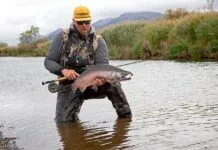
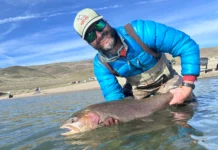
On the Missouri River, even the “small” fish are solid. Most are around 16 inches or more. But if you’re patient, you can find those bigger fish over 20 inches, especially during Tricos and hopper season.
The setup is pretty straightforward. Craig keeps it simple and easy to cast:
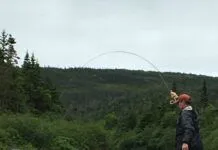
When it comes down to it, Craig kept going back to a few simple things. The reach cast is everything. You’ve got to get the fly in the right lane, then extend that drift as long as you can.
A lot of that comes from feeding line. Strip some out, then gently shake your rod tip to keep that fly drifting naturally. Sometimes it’s just that extra couple feet that gets the eat.
The other big takeaway is this. Don’t be intimidated by Tricos. People say it’s technical, but it’s actually one of the best ways to learn. There are so many fish rising that you get tons of chances to practice and figure it out.
If anything, the hardest part might just be seeing your fly in all those bugs.
The trip kicks off in late July with a casual arrival and dinner, then gets going early the next morning. Days start early to match the hatch, and most of the teaching happens right on the water.
They focus on things like reach casts, long drifts, and fishing downstream to rising fish. In the afternoons, they might switch to hoppers or longer casts.
Evenings are more relaxed. You’ll go over what you saw during the day, watch videos, and talk through gear, leaders, and how to apply everything back home.
On the Missouri River, fishing downstream is key. The current is complex, and fishing upstream can create drag or put your line over the fish.
Fishing downstream fixes that. The fish see the fly first, not the leader, and you get a cleaner drift.
It’s one of the biggest skills you can learn here, and it carries over to other rivers too.
You don’t need to be perfect, but a few skills will help a lot before you show up.
Another skill is learning how to extend your drift. After your cast, you’ll feed line by gently shaking the rod tip. That lets your fly drift longer without drag. It’s hard to practice without moving water, but you’ll pick it up quickly on the river.
If this episode got you fired up, now’s the time to take the next step and see it all for yourself on the water.
Episode Transcript
WFS 903 Transcript 00:00:00 Dave: What if the way you’ve been thinking about fly fishing all these years is only part of the story? What if the real key isn’t the fly, the rod, or even the river, but something much simpler that most anglers overlook? Today, we’re diving into that idea on one of the most famous dry fly rivers in the world, the Big Mo. The Missouri. And we’re going to talk about some tips and tricks on fishing the dry fly during our dry fly school. This is the Wet Fly Swing podcast, where I show you the best places to travel to for fly fishing, how to find the best resources and tools to prepare for that big trip, and what you can do to give back to the fish species we all love. Today, I’m joined by Craig and Warren Demark from On Demark Lodge out of Craig, Montana. We’re going to be talking about all the tips and tricks on fishing the Missouri. In this episode, you’re going to find out why the Trico hatch can blanket the river with bugs and how to bring the big fish up for these hatches. We’re going to talk about the simple mistake anglers make when fishing to rising fish. Why timing and rhythm might matter more than the exact flight pattern and how they work this downstream presentation, and how you can apply it to your home waters. Plus, we’re going to teach you how to spot bigger fish when there are dozens rising in the same pod. We’re going to get into all the background on the dry fly school you can go to right now. If you want to enter Wet Fly Swing giveaway, enter to grab a spot there and enter the giveaway. You can also go to Wet Fly Fly School right now if you want to get some more information on the some of the paid spots we have for this trip and this event. I’m excited to share this one. Here they are. Craig and Warren. You can find them at onda marklogic dot com. How are you guys doing? 00:01:38 Craig: Great. How are you doing, Dave? 00:01:39 Dave: Good, good, good. Yeah. We’re gonna walk through right now. It’s exciting because we are just kicking off the Dry Fly School twenty twenty six. And for those people listening now, there’s an opportunity to to join that to win a trip. Uh, you know, and we’ll have links out in the show notes to where to go there. but we’re also going to be finding some people that want to go to the dry fly school and pay for a spot, and we’re going to talk about what it’s going to look like this year and the fishing, because we’re going to go a little bit earlier in the summer. So before we get there, maybe first off, give us an update on what’s been going on for you guys. It sounds like you’re down in in Florida fishing. Is that the case? 00:02:12 Craig: Yeah, we’re actually in La Mirada fishing down in the keys right now. We have a boat down here. We do some flats fishing in the spring and winter. So yeah, we’re chasing tarpon right now. So it’s wow. It’s always interesting. 00:02:24 Dave: Yeah, yeah. Have you guys seen any yet or what’s it been looking like? 00:02:28 Craig: Oh yeah. There’s lots of big fish around right now and they’re pretty happy. 00:02:32 Dave: Yeah they are. 00:02:33 Craig: Yeah. 00:02:33 Dave: Are you guys doing your own thing? Are you actually just out with a boat on your own, or do you got some guides and stuff like that? 00:02:38 Craig: Uh, no, we actually have our own boat. Uh, I have a beavertail skiff and I actually have a captain’s license, do a little bit of guiding, and then we just fish in the, on our off time. So. 00:02:50 Dave: Wow. 00:02:50 Craig: Totally different world down here, but. 00:02:52 Dave: Right. Is it a little bit different than the in Craig Montana? 00:02:56 Craig: Yeah, just a tad bit. Yep. Yep. 00:02:58 Dave: Do you guys go down there every year this time of year? 00:03:00 Craig: We do. We always spend the winter here. Uh, December, January. We’re kind of get leaning more into the spring now. Uh, trying to get some, some of that better tarpon stuff this time of year, but, uh, December and January are real fun because you have a real good snook fishing and some red fishing. And then on the nice days, you’ve got tarpon and there’s always, always bonefish around all through the years. So there’s always something to do down here. 00:03:24 Dave: Right on. Well, we might have to follow up with you more on that because that’s the place that we’ve been thinking about getting out to. So but today, like we said, we’re going to talk about the Missouri, the big Mo. We’re going to talk about the trip we have coming up this summer, which is great. And, um, maybe first off, take us back. We’ve got a link people can go to. Wet Compress podcast right now and they can listen to past episodes we’ve done with you guys. Um, so you got this going. When are you going to be heading back to Craig area to get ready for fishing there? 00:03:54 Craig: Uh, we’re going back at the end of the month. Just Warren and I are down here right now. Becky’s in Montana right now getting everything ready for the season. We actually went through a kitchen and dining room remodel this winter, so we’re expanding. Things are changing and she’s finishing up with that. So we’re we’re slaving away here and the keys and she’s yeah she’s they’re doing that right there. 00:04:14 Dave: You you must have. Yeah. It sounds like a good person to, to be able to do that. 00:04:18 Craig: She is. 00:04:19 Dave: Very. 00:04:19 Craig: Yes, very good person. Yes. To let us do this. Yeah. 00:04:23 Dave: That’s cool. All right. Yeah. And that’s something we heard on the last trip. I know we had that podcast, which is there at the link with the winner, the person who won last year. It was really awesome because he talked about some of the specifics of the lodge, right? Which is not a giant operation. It’s nice and kind of like a family oriented thing, right? You’ve got yes, yes. 00:04:40 Craig: Very small. Yeah. You had Eric on, right? Yeah. 00:04:42 Dave: Eric. 00:04:42 Craig: Yeah, yeah yeah, yeah. He’s a great guy. We, we had a really fun group in at that time. But yeah, we’re small. We’re actually expanding a little bit this year. We’re going to go from being able to hold six people to eight people. Uh, so four rooms now. But no, we always want to keep it small and keep that family atmosphere and make sure people come as guests and leave as family. So that’s what we always try to concentrate on making things easy. 00:05:07 Dave: Good. Well, this is going to be fun this year. So let’s talk about, uh, just a little bit on the timing because I think that, you know, fishing gets started in the spring, but summertime as things change, maybe talk about that. What is the, the July we’re looking at going in July? What does that month? How does the June to July transition look like for like bugs and dry flies? 00:05:26 Craig: So in, in, in Warren’s here with me so he can, he can jump in on this if there’s anything amiss. But in June, we kind of start out, uh, in early June, we have the end of the, the bluing olive and the March Brown stuff. Um, and then that kind of overlaps a little bit with the beginning of the pale morning duns. And then through June you had the pale morning duns, and then they kind of taper off a little bit in late June or early July. And then our trichomes start, everything overlaps. So from, uh, you know, the early June all the way through September, we have pretty consistent dry fly fishing every day. And then July is one of our, well, maybe our favorite month for dry fly fishing. It’s really good that time of year with hatches, uh, pretty consistent every day and good Trico stuff in the morning. And then we get that late July when, when the school is we’re going to have hopper fishing starting then too. So it’s kind of kind of got some dry fly fishing all day. I, I really like our timing this year with the school. Uh, last year we, you know, we were mid-October and that’s good blooming olive stuff, but you always can have different weather that goes through and changes things. We lucked out this last year because we had a actually a snowstorm come through. Wow. When everybody got here and then the but that really kicked the bluewings into gear and we have just some amazing dry fly fishing while people were here. But, uh, that’s not always the case that time of year. But but July and August are very, very consistent with the dry fly fishing. So it’s just, it’s going to be great to be able to, to just count on that every day and be able to, to go out and have targets every day for people. 00:06:59 Dave: Right? Awesome. So July, so, uh, basically the, uh, trichos and some of the other ones you mentioned in the Bloomingdale’s, when you guys are fishing out there, do you have a few certain. And maybe Warren, you can chime in if you want on this, but do you have certain patterns that are that kind of work throughout the whole year that can imitate all these different, you know, you change the color the size a little bit and it works for different, you know, do you have kind of those confidence patterns in your box? 00:07:23 Warren: Yeah. Um, we throw lots of downing stuff and crippled patterns. I think I fish a crippled pattern for PMDs and Bluewings whenever those are going on. And then once I get to Trico fishing, I’m always throwing a, a spinner pattern. I like the high viz spinner where it has that colored post, which you can see really well. It makes it stick out because when you get the tricos going full swing, it’s it can look like a carpet of bugs in the water. It’s really hard to see or bug and all those bugs. So having something that sticks out a little better is a good way to be able to see it. 00:07:57 Dave: Amazing. 00:07:58 Craig: Want to give away the trade secrets now. 00:07:59 Dave: So that’s what we want. We want to get the good stuff out of you guys. This is going to be good. Well we have um we have the Salmon Fly project which is getting me going on this entomology stuff. I feel like that, you know, some people maybe feel like the entomology is too much to Latin names, but I’m always thinking like, man, I think it’s cool to go dive a little bit deeper. Do you guys get into all that? Do you kind of get nerdy on the bug and kind of scientific names and all that stuff? 00:08:22 Craig: Yeah, we get pretty nerdy. I mean, not not into the the full Latin name of everything, but, um, but it’s not like we just see, oh, there’s a, there’s a green mayfly in sixteen. We, we try to always identify what we’re fishing and, and we’re always. And I think the part where we really nerd out is when we see a different bug floating down the river and we’re like, oh, what was that? We got to figure out what that bug was because, you know, we just see all different sorts of mayflies on this river. And, and, you know, you get your normal pale morning duns and the bluing olives and, uh, the trichomes. But then every once in a while, there’s something, something different going on the river. And we got to figure out what it is and if they’re eating it or not. So it’s. Yeah. 00:09:02 Dave: Right, right. That’s cool. So the trichomes are unique. Maybe talk about that. How are the trichomes unique versus say some of the other bugs? Are they are they quite a bit different than is the hatch different or similar to, say the bluing dolls? 00:09:15 Warren: Um, I think of trichomes. They’re a really unique hatch. And I think when I think of the Missouri, I think of the Trico hatch. You wake up early, you get to the river as the sun’s coming up. And it’s a site that a lot of people haven’t seen before. When they see it for the first time, it looks like it’s snowing on the river. I mean, there’s just clouds and clouds of bugs, and you can see the sunlight reflecting in all their wings. And it’s kind of like it’s hard to understand what you’re seeing when you first look at the Trico hatch coming into the river and, you know, early morning, they’re not on them yet because they’re just up in the air spinning. But once they come down to the water, it’s, it’s, it’s a lot different than the other mayfly hatches. It brings a lot of fish to the surface. 00:10:00 Dave: It does. And that’s what they’re doing, right. So early morning, the bugs are getting going and they’re hatching. And then and then are they is the swarm. They’re kind of mating up there. Is that what’s going on? 00:10:10 Warren: Mhm. Yep. They’re mating in the air. And then as the day goes on, they fall back down in that spinner phase and get on the water. And, you know, the Missouri, it’s an interesting river. It’s really easy flowing. It’s a really soft current. So you don’t have big rapids or riffle bars or anything like that. So whatever food gets on the water in the morning, it’ll stay on that surface throughout most of the day and it gets into the back and stuff. So you have lots of opportunities all day long because that food source is staying on the surface of the water. So Trychos just gives you a really long window to fish to sipping trout. It’s a really good hatch if you just want to throw dry flies. 00:10:49 Dave: Okay. 00:10:50 Craig: What I find most amazing about Tricos is that this last year we had an exceptional Trico hatch. And just the the duration at which it lasted, we were seeing Tricos in what, like third week of June, late June starting, which was a couple weeks early. And then they lasted all the way into early September and, and pretty consistent every day. And it just that when you see the amount of insects in the air and on the water every day, but you know, that that that those insects are dead and gone. And so the next day, it’s a whole different set of tricos just that there can actually be that many bugs in the water. It’s it’s crazy. 00:11:28 Dave: Wow. Yeah. And your are you fishing? The is the spent wing like the spinner fall. How you’re fishing. Are you also fishing more of the traditional like as they’re hatching out that other part of their life cycle. 00:11:39 Craig: And I know trichos, um, they hatch it like very early in the morning and during dark when they’re, they’re done are out before they start their mating flight. So their mating flight is at first light. And then after they come back down to the water to spin and lay their eggs and die, they that’s when the fish get on them. So the fish are on the done stage. It’s pretty much all spinners that they’re eating with trichos or, or cripples or dead bugs. But yeah, they’re um, there’s not really much, um, there’s no done fishing with trichos and so it’s, you don’t have to get like in during pale morning duns sometimes there’s individual fish that are eating different stages of pale morning duns. So you have to get sometimes figure that out where trichos they’re always eating spinners. It’s more about uh, the timing and the lane versus the stage of the bug. 00:12:30 Dave: Yeah. How do you stand out with the with the trichos? It sounds like you got just mats of them dead and alive on the water. How do you get your insect to stick out from the pack? 00:12:40 Craig: Uh, we throw a little bit bigger than the naturals, uh, usually. And we use that, like Warren said, that high vis spinner a lot, which has a, a colored post on it or wing, so you can pick it out from the other bugs where it’s bigger and, and it has that wing sticking up that’s got a little bit of color on it that you can see. Uh, and so it’s, it’s pretty easy. I mean, it’s, uh, people think how small trichomes are and how many there are in the water, but, uh, that fish is just seeing the bug from below the surface and looking up. So it doesn’t really matter how tall you are above the water. Um, as long as you have that right silhouette, um, and close to the right size because those fish are just, uh, gorging themselves, um, on Trico. So they’re just getting in a lane where there’s a lot of tricos coming through and they’re just in a rhythm, just coming up and down and eating a lot of times, three, four, five bugs at a time when they’re coming up and eating. So it’s more about getting it in the lane and the timing. You don’t really get refusals on Tricos, you just get mistiming windows. 00:13:42 Dave: Oh, right. Missed timing window, you mean so you’re not catching it quite right during the day, right? 00:13:47 Craig: Exactly. When you’re missing it, when the fish is rising. So you might or if you’re out of the lane a little bit, um, or if you have drag on it, but if you have the right rhythm and just, and that’s what a lot of times we just will sit there and watch a fish feed for five or ten minutes before we even throw a cast just so you see what they’re doing and, and get that rhythm down. And then, um, that’s more important than actually the stage or the, uh, size of bug or anything like that. It’s just more about the timing and the rhythm, the rhythm. 00:14:17 Dave: So when you’re out there fishing, you got there’s a rhythm of the bugs kind of landing on the water and the fish eating. You get in that rhythm and. 00:14:24 Craig: The rhythm of the fish is. 00:14:25 Dave: Of the. 00:14:25 Craig: Fish. Yep, yep. Of the fish. Yep. The fish that I mean, some fish are up and down, you know, like every two count. Uh, some fish are up and down every five count. It’s, um, but they always get very consistent in what they do. 00:14:37 Dave: Oh, right. Nice. Nice. Okay. And and what about finding the, you know, the different size? I know the Missouri is known as holding some big fish. Are you guys able to when you’re out there with all those heads and stuff, find, you know, how would you find the bigger fish? 00:14:52 Warren: Yeah, I, I think a lot of it is time on the water and knowing the different type of water that those fish sit in. But when you have the, the Trico hatch, you know, July and August and it brings all those fish to the surface, it gives you a good opportunity to just sit and watch. I mean, when you have a, a really good hatch going on, you’ll see pods of fish. You know, you can see two dozen fish in a pod. There’s some big back eddies where you’ll see fifty fish rising. So you really can just sit and watch and find the bigger head in the pot. I mean, you have to really dial in and find an area to look at and see if, you know, if fish might show his back or his back. Fin will stick up after his nose. And you can kind of judge length and stuff like that. But really just sitting and watching and that head hunting stuff is why I think the hatch is pretty cool. Yeah, but you can find bigger fish that way. 00:15:45 Craig: And I think, um, it’s, we’re so fortunate with the Missouri that I think Eric touched on it when he’s talking about when he was here during the, uh, the bluewings, um, when he said that we, we catch a sixteen inch fish, we’d say it was small, right? Um, so it’s, we don’t have many small fish, um, even during tacos, eating in the surface. So pretty much everything you catch is that in that, that sixteen inches or up. But you know, we’re, we are definitely looking for those bigger fish, you know, those ones that are over twenty. And like, you know, those big, you really want to look for those really big browns at times that that are out that time of year. That’s that’s time of year. We get a lot of our bigger browns too is during Trichos and hoppers that time of year. Yep. 00:16:29 Dave: Okay. So you can literally yeah, you’re sitting there, you see, you can just see which heads are bigger and say, okay, that one’s definitely over twenty or it’s bigger than that other fish. And then you can just key on that. 00:16:39 Craig: Yes. Yep. Absolutely. Yep. 00:16:41 Dave: Gotcha. And then you just get on the timing of how they’re rising to the bugs and you’re sitting there usually are you guys typically anchored up when you’re in these like July? Is that going to be the situation or are we going to be fishing as we float down? 00:16:54 Warren: Yeah. For Trichos you’re usually we don’t do much blind casting when we’re fishing to rising fish on Trichos you’re finding a pot of fish. Uh, yeah. You’ll anchor. I’ll anchor the boat upstream from them. I’d like to get within thirty feet. Sometimes it’s forty feet that you’re throwing the cast and you’re making a downstream presentation to them with a reach cast and then feeding lines. So it’s all. You’re starting above the fish, fishing down to them. 00:17:21 Dave: Okay. Yeah, that’s so that’s the way it’s gonna. We’re gonna, you guys obviously will know the areas. We’re going to know a spot. We’re going to anchor up and are a lot of the spots kind of these back eddies. Is that where you might find some of the, you know, some of the bigger fish or. You fishing a diversity of types of like water types. 00:17:37 Warren: Yeah. There’s lots of different water that they’ll hold in, um, all day long. You’ll see them in back eddies because that’s where the food will concentrate. So, you know, two o’clock in the afternoon, they’ll still be fish eating those dead bugs in the water in the back eddies earlier in the day. I like to see if I can’t find fish in a little faster water. If you have a little bit of a riffle or just some more pace to the water, those fish are eating a little more aggressively and it gives us a better shot at getting hooked up with them. Um, so yeah, you see lots of different water. There’s lots of side channels on the Missouri, which is a really good opportunity to to get out and find some rising fish in those side channels. Um, and yeah, there’s plenty in the, in the main river as well. So there’s lots of different places. It’s a river that can be one hundred yards wide. So all the way across that flow, you can find some fish rising and spot. 00:18:25 Dave: That’s, that’s what’s going to be cool about the river because I, you see pictures of it and we’ll have some links in the show notes here on, you know, for those that haven’t been there. I mean, it’s a giant river, but it sounds like what you’re saying is there’s not just some super deep, you know, forty foot hole down the middle. It sounds like it’s fairly shallow. Is that the case? 00:18:42 Craig: Yes. It’s a very shallow, wide river. Yeah. 00:18:44 Dave: Yeah. So you’re getting opportunities to fish the hole. You’re fishing these seams. Can you just across the river just are you working your way? Is it typically when we’re out there, are we covering like maybe half a dozen spots throughout the day? Or are you really covering more, even more spots? You know, is it you. 00:18:59 Craig: Know, a lot of times we’ll, uh, even with with Panama Dunn’s and Trichos both, there will be will launch and then we’ll see a pod pretty much immediately after we launched, and you’ll anchor up and be sitting and fishing for that pod for three hours sometimes because yeah, there’s just so many fish that, uh, that are around you that you don’t have to move. And then there’s sometimes there’s that individual fish, you’re, you’re looking at that, uh, that takes, you know, you’ll throw cast to it for half an hour or forty five minutes sometimes. Um, just trying to get that one single fish and get that rhythm down. But, um, and I think what’s unique about that time of year also is that we have that, that anchored up, uh, somewhat technical fishing in the mornings with the tricos. But then in the afternoons, uh, the tricho hatch is over and then we’re just like floating the river and blind fishing, uh, hoppers a lot. And which is it just gives you really big contrast in one day of different kinds of fishing. That’s cool. And that’s also another, uh, something that’s really good at that time of year is we do, we have a crayfish, there’s a lot of crayfish in the river. Um, in that time of year, the water temp warms up and the crayfish are moving around and they’re moulting a lot. So there’s a lot of crayfish in the drift. So, so fish will, uh, key on crayfish too. And that’s another thing that we catch a lot of our bigger browns on that time of year. Crayfish out. And so you might do some dry fly fishing in the morning and then do some real short leash, shallow nymphing with crayfish in the afternoons, which can be productive. 00:20:30 Dave: Yeah. Is that under a would that be like a dry dropper under the hopper doing some sort of a nymph? 00:20:35 Craig: Uh, usually we’re just running a small indicator with the crayfish under it. Um, and like I said, real shallow, but that’s something we can change up. It’s like we’ll do hopper dropper, um, small nymph under it. Uh, in the afternoons. Yes, we’ll, we’ll run that too. Like with a, like a little Frenchie or zebra midge or something like that in the afternoon. So you’ll get some, some eats on, on the nymph and the hopper. But sometimes, uh, well, honestly, most of the time I like to just throw a single hopper with no dropper because it’s I okay, I think it’s think you don’t ever get you don’t get tangles. Yeah. And you don’t worry about weeds or anything. And pretty much, I think a fish that’s gonna eat that dropper or a foot below the surface is probably gonna eat that hopper on the surface so that you just got to get it over it. 00:21:17 Dave: And on the hoppers are you looking for, you know, closer to the banks or could you just throw a hopper anywhere? Really? 00:21:24 Warren: Uh, yeah. So we were talking about the size of the river and, you know, the, the depth and stuff. A lot of the stuff we’re fishing, you’ll be fifty feet from the bank and it’s a foot and a half of water or two feet of water. So it’s pretty shallow across. And the river doesn’t have a whole lot of hard banks, like you’ll see in a classic trout fishery where you have a big undercut. 00:21:47 Dave: Oh, right. A big pool on, on. 00:21:49 Warren: Yeah, yeah. So there’s not a ton of that. So those fish really spread out on these. We call them flats. You know, you’ll get like weed beds, then gravel bars in these really shallow spaces across the river. So those fish spread out and. Yeah, I mean, I’ve caught plenty of fish on Hopper’s one hundred feet from the bank here in the middle of the river, fishing them. Sometimes it just depends where those fish are holding. 00:22:10 Dave: Right. So they’re opportunistic. They’re just going to if they see a big juicy hopper, they’re likely going to take it. It sounds like. 00:22:16 Warren: Yeah, they’re fish at the end of the day, you know, they like to take stuff when they can. 00:22:20 Dave: Yeah. Right. Right. Cool. And so, and the other good thing about this is that yeah, we’re doing, you know, the dry fly school for sure. We want to learn about dry flies, but I think the idea being is that if somebody comes in, depending on their skill level, we’ll be able to guide them. You know, we’ll be able to tweak things based on them, right? We might be doing some nymphing, you know, it could be anything, right? Do you guys find that you’re getting diversity of people? I can’t remember, you know, last year kind of what it was like, but um, are you guys kind of finding a lot of new people and people that have experience on your trips? 00:22:49 Speaker 4: Yeah, yeah, we, we get. 00:22:51 Craig: Pretty much every experience level. Uh, we get beginners, we get very experienced fishermen. Uh, so it’s. Yes, we tweak things to our anglers. We don’t put everybody in a box and make them do one thing. We work with who we have and, and what they want to do and what they want to learn, or just what they would have experienced. And that’s what is so cool about this river is you can do all of those things. There’s so many fish, you know, if a person wants to nymph and catch a bunch of fish, that way you can do that, but you have that experienced angler that wants to just go out and look for twenty plus inch fish on dries. And you can do that too. That’s it’s a very, very user friendly, right? 00:23:27 Dave: You could do that if you want. If somebody had a goal of like, I want to catch, try to find a twenty inch plus fish, you could do that. Like you could plan your day around that. Is that true? 00:23:36 Craig: Absolutely. Yep, yep. Absolutely. 00:23:38 Dave: Okay. Okay, nice. So we talked hoppers. We talked. Um, tracos. Um, what else is, is that the focus on the dries out there? That kind of the terrestrials and the trichos are they’re going to be any other potential bugs popping off during the day? 00:23:52 Craig: They’re probably not. I mean, there’s, there’s still some caddis left around that time of year and the evenings a little bit. Um, we start seeing some. Yeah, that’s that’s too early for pseudos, but there’s still some actually pale morning duns around. Uh, you’ll see random pale morning duns floating around in August and September, but there’s still enough of them that sometimes you throw a bigger pattern. That’s like a rusty spinner, like an A fourteen, and those fish will eat that because they’ve been seeing pale morning duns as well. So. Right. But the main the main hatch that time of year is the tricos and the hopper fish in the afternoon. 00:24:27 Dave: Yeah. Triclosan hoppers. And you said Warren, you said the high viz spinner. Is that pretty much the only fire. What what is your fly box? Have we looked at your dry fly box in July? What would that thing look like? 00:24:37 Warren: Yeah, it’s got high viz spinners and then an ungodly amount of Moorish hoppers. That’s all I throw for hoppers. I love that fly. 00:24:45 Dave: Oh, really? More the Morris hopper? 00:24:47 Warren: Yeah. There’s something about that profile on this river that they really, really like. Yeah, it’s my go to bug. 00:24:53 Craig: And also I did mention my, uh, late July that that box is going to be pretty disorganized. Yeah. Is it because he’s been in it a lot by then? 00:25:02 Dave: Right, right. Okay. Yeah. And the Morris hopper is just a big a lot of foam. Is that big foam fly? 00:25:08 Warren: Yeah, it’s all foam. It’s got a really triangular backside to the fly. And. Yeah, it’s an all foam fly. 00:25:15 Dave: Okay, cool. So that’s going to be the July. And we’re going to, we’ll circle back around on this a little bit here today. But and then as you go into, let’s just take us through the seasons again on. So we’re July as you get into August, September, you know, things change a little bit. Maybe just describe those other hatches if people aren’t going to make this, but maybe they’ll hit later in the summer. 00:25:34 Craig: Um, so yeah, once you get through Trichos Trichos go, like I said, this last year, they went all the way into early September. Then we have, uh, the pseudos in September, the pseudo klien’s, which are they’re back there actually a tiny blue and olive. They’re in that family. They’re like a twenty. They’re very small. They’re like a twenty four. Um, twenty two. But we’ll find fish eating those and still throw them. Those like size eighteen twenty. Hi vis patterns and they eat them just as well as they would a small pattern. So we have that, um, in September. Uh, we still have the hopper fishing in September. We have really good nymphing in September. Uh, you can catch a lot of fish on nymphs that time of year. And then as we move to late September, early October, then we get our, our next wave of bluing olives, uh, coming that, uh, are really good dry fly fishing like we have in the spring with those big blanket hatches. So yeah, we have that’s, that’s just a, again, I don’t want to harp on it, but we’re just so lucky with our dry fly fishing in this river. It’s, um, even on days that like, you might have a bright sunny day and it’s windy, um, you know, July and August, you’re going to do some hopper fishing because you’ve got those really good conditions for that. But even other times of the year, you can always find a side channel or pocket somewhere that that’s out of the wind, that you’re going to find some fish rising. So it’s if you’re, if you’re a dry fly purist, you really can do it on this river almost every day. 00:27:04 Dave: And that’s, I mean, I always go back to that, you know, the Missouri, it’s a this famous water. You know, what makes it what has put it there, right? It’s not just because it’s a big river, but it’s got these amazing hatches. Right? Is that do you think that’s the big thing on that river or what do you think is the most people are coming? Yeah. 00:27:19 Craig: I think it’s a lot of factors like we described that it’s a very wide river and it’s very shallow. So it has a lot of water, but it also has a lot of habitat for for insects and crustaceans. Um, so we just have this huge biomass of, of, of those bugs that I think there’s so many of them. You have shallow water that there’s always insects on the surface. So the fish see them and they’re just get really tuned into that surface feeding. but that’s what makes it, uh, there are several factors. Elevation plays into it. Uh, we’re lower elevation in a lot of places, so we have longer growing season, um, early spring later falls. And then we always have that really good supply of good, clean water that helps with all of that. I mean, what actually makes all of that? Because we have those three big reservoirs behind us. And so we always have a always have cold water and it’s stable. 00:28:13 Dave: That’s the cool thing is, right? It’s a stable. 00:28:14 Craig: Consistent, stable water. 00:28:15 Dave: Yeah. That’s awesome. Do you guys get much? I know when we had the Salmon Fly Project podcast guys on, you know, we were talking a little bit about the life history of the sand flies and all that stuff. Do you guys get those? Because they mentioned that there’s some rivers that don’t get as many salmon flies and the snow, the big stones. 00:28:30 Speaker 4: No, we don’t have. 00:28:31 Craig: Salmon flies in Missouri. Salmon flies. They probably touched on that too. I mean, they require, uh, fast turbulent water with boulders and that kind of habitat and where our rivers, Mostly small gravel bottom, slower flowing, not riffles. So yeah, our rivers made more for mayflies. Um, and caddis were um, some of those rivers like the, you know, like the Madison or are made for salmon flies. 00:28:56 Dave: Okay. So the Madison would be one that’s nearby that would have the Madison would have some salmon flies. 00:29:01 Speaker 4: Yeah. And we have some tributaries. 00:29:02 Craig: On our river, like the Dearborn, um, the smith, the, uh, prickly Pear Creek. They do have salmon fly hatches on those. So it is strange sometimes. We’ll see. We’ll see salmon flies floating down our river, but they’re coming out of tributaries. 00:29:16 Dave: Oh, wow. No kidding. Yeah. Have you ever caught. Have you ever caught a try? Even tried that. A sand fly on the on your the big river. 00:29:22 Craig: No I haven’t. Yeah. Have you tried. 00:29:25 Dave: It. No use. That’d be a lot of. Yeah that’d be like fishing. We got the. We’ve had a couple episodes on steelhead fishing where, you know, people fish for winter steelhead or fish on the surface, dry flies for winter steelhead, right? It’s like the most extreme you can get, you know, something that almost never happens. But there are a few crazy people out there that do it right. 00:29:40 Craig: We do have, um, we do have some golden stones down in the canyon where we are. Uh, so that’s, that’s our biggest stonefly we have, which they’re good sized, but yeah. Um, and I think that, uh, it’s hard to tell if a fish that eats a hopper. Was it eating it for a hopper or is it eating for a golden stone? I mean, you know, you don’t know what they don’t tell you, so. 00:30:00 Dave: No. That’s right. Do you guys also get out? And, uh, are there opportunities? Would you be walking, waiting or is this mostly out of the boat? Or are there other people that are like waiting in the stream? 00:30:09 Warren: Yeah, it’s you’ll see people out waiting, fishing. And I think there’s a time for it and a approach for certain fish. I do it, I do it in side channels every once in a while. But I like the control I can have with someone in the boat. I can put us where we need to be, and I think it makes it easier. But yeah, there are opportunities to get out and wade fish to, you know, pods of fish. Or if we’re nymphing, there’s some good holes you can get out and run some bugs through. 00:30:36 Craig: So and we have some um, Them access at the lodge to a stretch of river that um, we actually when we have like good caddis stuff in the evening going, we have people that when they get done with dinner, they’ll go out and fish, you know, into the dark for, um, during that caddis activity. Um, so yeah, it’s pretty, um, you think of it as a big river, but it has, uh, really shallow areas and it’s got a gravel bottom, so it’s easy to wade as opposed to like, you know, big slimy boulders. Um, so yeah, it’s a good Wade fishery. 00:31:07 Dave: Okay. What about the lidar setup with those trichos? Let’s take it back to the trichos a little bit. Is this a pretty straightforward maybe describe your lidar and maybe what the, you know, best rod and sort of thing is for it. 00:31:17 Craig: So we usually use, um, ten foot to eleven foot liters. Um, we always go to five x. We don’t really ever go below that even though we’re throwing small bugs. Um, if you get less than five x you break off a lot of fish. So, um, yeah, we, we try to get, you know, a little longer. We don’t ever go to like a fourteen or fifteen foot leader. We’ll use, like I said, we kind of stick in that easier to throw and get it to turn over that ten eleven foot leader. Um, and then we’re always using five weight rods. Uh, it’s so you can get a pretty delicate presentation, but if you do have some wind or, or you have to get some distance on it, you know, if you got a fish out there, fifty, sixty feet, you’ve got to get it to that, that five way to get it. Um, at the lodge, we, uh, we have lodge rods, we have Orvis Recons, but like we’re dry fly fishing, we usually use five weights in that. Um, but just to give you an idea, not not endorsing anyone as far as rods, but that’s, you know, just a stiffer, a little bit stiffer with a nice delicate tip for presentation in a five weight. Uh, but now for throwing hoppers or for nymphing. Then we’ll go to a six weight. Even with streamer fishing, we don’t ever really go too above a six weight. Do you ever throw some weight water? 00:32:32 Warren: Every once in a once while. Usually I’m throwing a six. Yeah. 00:32:35 Dave: Yeah. Okay. So pretty much standard there and then leader wise. So yeah, you got your ten foot leader and putting a little Trico on the end. What’s the typical size Trico of that spent fly eighteen or twenty. Yeah. Eighteen or twenty. 00:32:48 Craig: Yeah. 00:32:49 Dave: Okay. 00:32:50 Craig: Yeah. If we can get away with eighteen, we’ll throw eighteen. We like to be able to pick it out easy. So, um, but I mean, every once in a while you get a fish that maybe a little bit finicky. So you’ll put on a twenty and go that way. I mean, the actual bug is probably their twenties and twenty twos. Um, the naturals. So yeah, if you’re pretty close and you get just get in the lane, they’ll, they’ll, they’ll eat it. 00:33:11 Dave: Okay. And then as far as the trip, take it back to that the period, I don’t have the exact dates, but we’re looking at July. We’re going to probably arrive there the evening. Um, I think on I think last year we did it on a Sunday, I believe. Yeah. 00:33:23 Craig: So we’re um, we’re doing it July twenty sixth is when everyone will arrive and that is a Sunday. So yeah, everybody kind of is on different schedules usually. So everybody kind of filters in, you know, through the afternoon and evening. And they will have, you know, have APS and dinner ready for you. Um, so yeah, then everybody kind of meet and greets, um, get to know everybody kind of go through what we’re going to do, uh, the next few days. And, and then, then we get to Monday where we’ll be out early. Um, breakfast will be early, be out early because like I said, that stuff starts early. Yeah. 00:33:58 Dave: Um, so you want to be on the water as soon as things are kind of getting light out there. 00:34:01 Craig: Yep, yep, yep. We try to get out as early as we can. Yeah, yeah. So, um, and with this, with that being said, we don’t really have any, um, we want to get going. So we’re going to be teaching on the water, you know, that first day for the people who are inexperienced, um, or people just trying to get better. But you know what? We’ll learn the things as we go, as we’re floating and, um, as we’re fishing. To fish and, you know, work on like the reach cast and being able to dump that line out, which are things that are pretty unique to the Missouri. I talked to a lot of people that, you know, they never they never fished downstream to rising fish. Most a lot of places you fish upstream, but you just, you have to on the Missouri fish downstream to them. So that’s something you’re used to. Um, so we teach that and then like that afternoon, we might, uh, work on, you know, some hopper fishing and getting real long casts and maybe twitching that hopper a little bit to get fish to eat it and then, you know, get back to the lodge and have some dinner. And then after dinner that first night, we’ll, we have some videos, some really cool videos of, of fish feeding and like if stuff that time of year and we’ll show videos and we’ll compare it to what we saw or what we did that day and nice. And then, um, yeah, and then go from there. And then the next day, I think we’ll, you know, back in the water again, fishing and, and learning. And then that evening we’ll, we’ll talk about rods and knots that you want to use and leaders and, and then maybe how to translate that to places that that your home waters or where you fish so that, you know, we don’t want to just be that you come to Missouri and that’s the only place you’re going to use these things. You learn, right? To be able to, to take it with you to wherever you go. 00:35:39 Dave: So you’re able to apply this stuff. So this downstream fishing to we can probably do that in other rivers, some of the home waters, every river. 00:35:46 Craig: You can do it. Yes, yes. I mean, it’s I hardly ever fish upstream to rising fish anymore. Yeah. Any further than that. Yeah. 00:35:52 Dave: Why is that on the Missouri? Why is that so important on the Missouri? Why can’t you fish upstream to him or. I mean, it makes sense. The downstream. It seems like it would be easier, but could you catch them upstream? 00:36:01 Craig: I think there’s different factors as there’s the Missouri is has lots of different currents and seems. So when you’re casting upstream, uh, it tends to like as a current will grab a part of the line or part of the leader and, and start pulling that fly a little faster and, and putting drag on it. You may not even see it. Um, and you can get away with that on some rivers, but you can’t get away with it on this river. And then also you don’t you don’t want to get your, your lidar or line over a fish that spooks them. Um, when you’re fishing upstream. And then also with that downstream presentation, it pretty much all the fish will always see the fly before the tippet gets to it or the leader gets to it. So that’s the first thing they see. And there’s no, no worries about fish being leader shy when they eat. Um, so there’s yeah, there’s lots. And like I said, it’s um, there’s rivers that you can get away with some drag you can get away with, um, putting a line over a fish at times. But this river, you can’t. And I think that makes you a lot better angler that you have to do those things. And then like I said, that that translates very well to other places. 00:37:08 Dave: Nice. Okay. Yeah. So that makes sense. So that’s it’s they see the fly before they see the leader. And these fish are I mean, I’m guessing. Yeah, there’s plenty of people out there fishing. So some of these bigger fish are pretty smart. Is that is that the case that they’re kind of getting wary of of the flies, the artificials. 00:37:21 Craig: Um, I don’t think it’s so much fishing pressure as it. They’re just big and wary and they’ve gotten that big for a reason. Yeah. You know, they’re, uh, that they’re always on the lookout for ospreys and eagles and pelicans and things that are trying to eat them and. 00:37:37 Dave: Pelicans Pelicans too. 00:37:39 Craig: Yeah. Yeah that is that’s that’s unique to a little bit. We have white pelicans on our river. 00:37:44 Dave: Yeah I don’t remember seeing a pelican in Montana last time I was there. That’s pretty awesome. 00:37:47 Craig: Great big white pelicans. Yeah. 00:37:49 Warren: And they stink so bad. 00:37:51 Dave: Oh really? 00:37:53 Craig: Yeah. Yeah. They like to just sit on certain islands so that island starts smelling like pelicans. Yeah. 00:37:59 Dave: Oh wow. Yeah. That’s really interesting. 00:38:02 Craig: But yeah, there’s. Yeah. All the birds come to our river to eat. That’s right. 00:38:06 Dave: Right. 00:38:07 Craig: It’s, um. 00:38:08 Dave: Nice. 00:38:08 Craig: So the fish are worried about. So yeah, they’re just anything that’s, um, a little bit off. Uh, the bigger fish are more wary to. But but I mean, it’s, uh, those big fish. You get the cast with the good drift and they’ll eat it. They got big. Also because they like to eat so. 00:38:24 Dave: Right. And the when people are getting prepared for this. What are the big things that they should be as far as casting one thing, I mean, getting that reach cast going. Is there a certain distance we should be proficient at to be ready on this, or is that critical? 00:38:37 Craig: Like Warren said, um, we’re trying to get you as close to the fish as we can without spooking the fish. And that varies in water and with specific fish. So a lot of times we can get within thirty feet, but sometimes there’s some real big fish and real soft, shallow water that you can only get, you know, fifty feet. Um, so you might have to do that cast, but, um, but there’s plenty of fish eating at thirty feet too. So it’s, um, you can be very universal, but I would work on, work on your reach cast. Um, the one thing that’s unique also with fishing downstream is dumping the line out of your reel so you can extend that drift and shaken your rod and. 00:39:13 Dave: Oh, yeah, yeah. How does that, how do you do that? What does that look like when you’re doing the your feeding line? How do you guys do that. 00:39:18 Craig: So you know, we get the reach cast down and sometimes you still got, um, you know, another ten feet to go to get to the fish and, or there’s several fish in a pod that you’re just trying to extend that drift to. That’s natural. So you’re stripping line out of your reel down into the boat, and then you wiggle your rod tip sideways or up and down to shake that line out and just keep it moving without pulling that line at all and keeping in getting any drag on the fly. That’s something you can’t work on in the park. Uh, you have to have moving water. So that’s one thing you do have to learn on the water for sure. But I mean, for starters to yeah, go YouTube, uh, reach casts and watch how people do it and practice that reach cast. And once you get that down, everything else is pretty easy. 00:40:01 Dave: That’s it. Okay, we’ll work on that. The reach out and then the wiggle and you can wiggle the line down without. I guess that’s the key without pulling up. Obviously on your dry fly, you just kind of do it a quick wiggle. 00:40:11 Craig: Yeah. And that’s like I said, it’s something you just with experience and getting that knack and you wiggle your rod tip real fast to get that line out. So to shake the line out so it doesn’t pull in that fly and there’s, um, yeah, it’s something like I said, you have to demonstrate in the water. It’s hard to just describe it or tell you that. Um, yeah. 00:40:28 Dave: There’s some good videos. I’m looking at them now. You got, uh, Pete Kutzer from Orvis has got a reach and then you’ve got the new fly Fisher. There’s lots. That’s a great thing about the resources, right? There’s tons of good YouTube videos. 00:40:38 Craig: Yeah. It’s every one of tie knots. You want to learn. CAS yeah, you can you can learn anything on. 00:40:43 Dave: Have you guys thought about doing more of that? It sounds like you guys have some videos doing more of the, you know, videos on the water sort of stuff. 00:40:52 Warren: Yeah, a little bit. I don’t know. I have trouble keeping up with the social media and the videos and stuff, but I think it’s something that, yeah, I think people. 00:41:00 Craig: Can, I’m just laughing because we know we’ve talked about this, that we’ve got to do more of that. So you’ve. 00:41:04 Dave: Talked about. 00:41:04 Craig: That. Yeah. 00:41:05 Dave: Yeah, yeah. The YouTube it’s a whole thing. 00:41:08 Craig: A hard time. 00:41:09 Dave: Yeah. Yeah, totally. I feel like you gotta. It’s nice to enjoy it, right? You guys? I’m guessing during the season, you probably don’t have a lot of time to be setting up cameras and doing all that stuff. Right? 00:41:18 Craig: That’s the issue. Yeah. And we try to find little windows that we can go out and film and, and do that stuff. But um, sometimes it’s hard. You get real busy and. 00:41:27 Dave: Yeah, you get busy. 00:41:28 Craig: And it always, it’s, um, I guess the other thing is it’s like both of us will have days off, but you have to have two people to do it. So we both have to have days off or someone else. And, um, that’s where that’s where it gets a little more difficult. But yeah, we’re going to definitely. 00:41:45 Dave: Okay, who’s the, um, so there’s going to be you guys are guiding. Who’s the other guy that you guys have out there? 00:41:51 Craig: Um, so we have, we have two other guides, um, on the trip. It’s Caleb Ferguson. Um, but he’s, he’s one of our guides. Um, he’s a younger guy. He’s from the area. He’s great. Um, very much fits in with our program. And then, uh, we’re gonna have Sam on it, too. And another young guy who’s from the area and just. Yeah, both of them are really, really good. We’ll have four of us. 00:42:14 Dave: Okay, so you guys and you guys, uh, mix that up a little bit, I guess. You guys have been doing, I guess, Warren, maybe take us back there a little bit. I know we had that other podcast we did, but, um, you know, you’ve been doing this. Have you been doing this since you were a little kid? I can’t remember the history. I know Craig, you guys, we talked a little bit about that on the previous podcast, but when did you realize, Warren, that this was going to be like your thing? You know, dad, your dad’s doing it and then you come in and you’re fully all in. 00:42:37 Warren: Yeah. I mean, he, he had me fishing really young. I think I was throwing a fly rod when I was four years old or something like that. Yeah. So I, I grew up doing it, but I never really thought too heavily into the guiding aspect of it for myself until I got a little older. I actually was going to school to become a teacher. And I thought, you know, I could guide a little bit in the summers. And yeah, I started guiding when I was eighteen and that was it. I just fell in love with it. And, you know, I thought about doing something else with it, but I just I wanted to get a full the full season in, you know, start in April and in October, do the whole thing. And it’s really hard to fit something else in there with it. And I just, yeah, I’ve completely fallen in love with it. And so yeah, I started when I was eighteen, so this will be my sixth season coming up. So there you go. I love it. 00:43:25 Craig: Grizzly old vet. 00:43:26 Dave: Yeah. That’s it. That’s you got a good chunk of time in and you’re that’s pretty cool to hear, you know, because I feel like it’s, uh, from all the times I’ve done this, these podcasts, you know, I feel like there’s these guides you run into that were just kind of meant for it. You know, I feel like they’re really good at it. And so that’s what’s kind of exciting about getting out there with you guys, you know, to be able to experience that on the water and your home water, right? I mean, this is your home. You guys fish other trout waters around or is the Missouri the place that you guys are spending most of the time. 00:43:53 Warren: A little bit. It’s hard to leave. Yeah. Most of my off days I’m fishing the the Mo. I’ll do some other stuff every once in a while. But yeah, I just love it. 00:44:00 Dave: Yeah. That’s right. Yeah. Guys are coming around, right? The Missouri is known for like when the other rivers are blown out or whatever. That one still fishes, right? Is that kind of the case that’s kind of known for that a little bit? 00:44:10 Warren: Yeah, for sure. You’ll see. Um, we laugh about it, but in late May or early June when that run offs going, you know, west of us or south of us, you’ll get a rubber hatch where all the rafts come over from those. 00:44:23 Dave: Oh, right. 00:44:23 Warren: The rafts and yeah, so you’ll see some of that. But yeah, I mean, it’s just a giant consistent tail water. So it’s a good option for people to flex to if they’ve, they’ve got some sort of runoff situation, but it’s a huge river. So there’s tons of space for everybody and plenty of fish. So it all works out nice. 00:44:42 Dave: And you guys are running. You guys aren’t running rafts, right? You’re running classic rafts. 00:44:46 Warren: Yeah. I personally have a road. He’s got a classic craft and they’re all, yeah, low side skiffs. 00:44:52 Dave: Cool. Well, anything else before we kind of take it out of here today? We missed about, you know, that period in July summer hatches. It sounds like it’s pretty, you know, straightforward that we will have the trichomes, we’ll have the the bugs. You know, there are other terrestrials. Should we have some ants in our box or do you guys. Sounds like just have those big Moorish hoppers. You’re good to go. 00:45:08 Warren: Yeah, lots of hoppers. I throw some beetle patterns every once in a while. Your ants are good. Yeah. Any any sort of terrestrial works. Um. Yeah, that’s the stuff I really enjoy. Is that afternoon terrestrial fishing. 00:45:19 Dave: The terrestrial. Well, give us that before we get on that terrestrial. How are you? Are you doing a lot of the twitching or, you know, describe that a little bit how you’re getting these fish to come to that fly. 00:45:27 Warren: Yeah, that’s a great question. Um, it depends on the water you’re in and the fish, it seems like some days if you twitch it, you’re never going to get something to eat it. And then there’s other days that that’s the only way you get a reaction is throwing a little twitch in there. Um, I have people throw really long casts, like about as long as you can comfortably throw it, you know, forty five, fifty feet if you can. Um, and then it’s really long drifts, it’s kind of slower water. So we’ll lay it out and I’ll get the boat situated so we can get. You know, sometimes you’ll be floating without casting the hopper, you know, two or three minutes, sometimes really, really long drifts. Um, and yeah, when you get into water that the Missouri is so clear and shallow, you’ll start seeing fish scatter below you when you’re getting into them sometimes. So sometimes you’ll see that you’re getting into a, a spot with a bunch of fish laid up. So you’ll throw a little twitch in it and sometimes that’ll trigger any. I see that with brown trout a lot more that the little bit of action gets them to eat it versus rainbows seem to like it sometimes just on that that dead drift. 00:46:32 Craig: Yeah. A lot of times you’ll see a fish, um, you have that dead drift and you’ll see a fish just appear below the hopper and it’ll just swim with the hopper for ten feet downriver. And then sometimes if you give it that twitch while it’s following it, it’ll eat it. 00:46:45 Dave: No kidding. 00:46:46 Craig: It’s just looking for something that makes it look like food. 00:46:49 Dave: Oh, wow. So you can actually see, there’ll be times where you’ll see some of these big fish following the hopper? 00:46:55 Craig: Yes. Yeah. 00:46:56 Dave: And then you do something to it and it’ll. And it’ll eat. 00:46:58 Craig: Yeah. Sometimes you get buck fever when you see that. 00:47:01 Dave: Oh, man. 00:47:01 Warren: It’s a big problem. Yeah. I wish it wasn’t so clear sometimes. Yeah. 00:47:05 Dave: Oh my gosh. Is that the. Yeah. Is it pretty much. It’s clear. So you guys are for the most part, seeing you’re able to see a lot of these fish. 00:47:11 Warren: Yeah. And a lot of times you’re fishing in two feet a foot and a half of water. So yeah, you can see pretty much everything that’s going on. 00:47:18 Craig: Yeah. We get the comment all the time with people that they cannot believe how many fish they see in the river, like floating. And we always just kind of tell them it just don’t look down. You know, you want to know how many fish there are. 00:47:30 Dave: That’s really cool because it’s like almost like a, you know, I think of a Spring Creek, right? The same. You get the spring creek’s right where fish are. And sometimes I’ve been in a few of those situations where you’re casting at these fish, they’re just sitting there. I mean, they could literally see you. I mean, you know, it looks like they could see you. And sometimes they’re giants, but they’re not taking anything. But then they do take something eventually, right? That’s the crazy thing. 00:47:51 Craig: Yep. Exactly. Yeah. Or. Or maybe five of them won’t, but one of them will. Yeah. 00:47:59 Dave: Yeah. It’s cool. That’s a rewarding thing because I feel like fishing. If they were all taking, you know, it wouldn’t even be any fun. 00:48:05 Craig: Right. Exactly. Right. No, that would keep. That’s what keeps drawing back, is that. It is. It’s hard sometimes and it’s it’s hard. But there’s always that reward. It’s like, it’s like golf. You hit that one drive. Feels good. Keeps you coming back. Right? 00:48:19 Dave: That’s right. Yeah. One good drive the whole day. You’re shaking balls all up, but you get the one. You’re like, okay, I’ll come back. 00:48:24 Craig: You’ve seen me golf before I go. 00:48:25 Dave: No, no. I just know my my own skills. It’s golf is a tough game. There’s a lot of good analogies to fly fishing, fly casting. Right? 00:48:34 Craig: Exactly. Yep, yep. There it is. 00:48:36 Dave: Cool. All right. Well, I think let’s just take it out of here with our kind of tips, tools and takeaways segment here. And we’ll get a couple more tips and then jump out of here. First off, I just want to give a highlight the couple links. We want to make sure to not miss the. wet fly swing on the podcast. People can listen to the past episodes we’ve done here. And then also the dry fly school, wet fly swing, dry fly school. People can sign up there if they want to get some information on how to save a spot. And obviously you guys, they can go over to your website and check out Andymarshall Lodge. Um, anything you guys have going here, but, but let’s take it back on, uh, you know, tips kind of high level again. So we’re getting ready for this. We’re on the water. Um, you know, and we’re in this Trico hatch. What are you telling me, you know, or one of the, you know, the clients that are on the boat with you guys to, you know, have more success or if there’s struggles, you know, is it going to be anything specific on the tricos that you like little tips? 00:49:31 Craig: Um, I think the biggest thing is, is that reach cast. I know we, we harp on it all the time, but um, yeah, we’re going to be telling you to, to hit the reach cast, get it and get it in their lane. And then the thing that we’re constantly talking about is stripping out that line and dumping that line and extending that float, because that’s a lot of times, that’s just what gives you that extra couple feet that gets that fish to eat. So yeah, it’s a lot about extending that dead drift in the right lane. Um, but I think that’s, uh, that’s what we’re saying most of the time. 00:50:05 Dave: Yeah. Stripping out and when you say, are you stripping out just a bunch of line on the bottom of the boat there before you’re getting ready when you get the cast. 00:50:11 Craig: Stripping it out and then yep. And then just shaking that rod tip and getting it out there and just explaining that drift. Yeah. 00:50:17 Dave: Okay. 00:50:18 Craig: And one thing too, I think is like with the Trico fishing is you shouldn’t don’t be afraid of the Trico fishing because everybody talks about how, uh, technical it is and stuff on this river. It’s some of the best learning experiences because of the practice you get because of the number of fish that are rising. So don’t be intimidated by hearing about Trico. Just come and do it and just see how many fish are are rising and you’re going to have success because you’ll just have so many opportunities to do it. 00:50:44 Dave: Yep. That’s it. Now I feel like tacos. And that’s the cool thing, is that tacos aren’t as prolific as they are in other areas like they are there. I know in my home water, I don’t know. I know there’s probably tacos, but I really haven’t fished the hatch. So I think it’s exciting to be on a place where there’s going to be this massive hatch and clouds of bugs. 00:51:00 Craig: Most rivers do have them, but we it is it’s pretty amazing how many tacos we have sometimes or most of the time it’s um, yeah, yeah, it’s like, it’s like Warren said, describing snow. Or he’ll be driving up the road and just like, you’ll think there’s columns of dust up and down the banks of the river and it’s all tricks. 00:51:17 Dave: And they have white. They’re kind of unique. That’s the snow thing because they have this like white wing. Is that what they what they have on them or they’re kind of unique looking? 00:51:24 Craig: Yeah. Yep. Well, the wings are they’re pretty clear, but they have a whitish tint to them. Um, and that reflects off the sunlight. Yeah. Like it’s almost pure white. Yeah. 00:51:35 Dave: That’s sweet, that’s sweet. Yeah. I’m just looking at another. I’m searching here. Try Orvis on the website. Three terrific patterns for Tricho time. And they got a couple other videos here. 00:51:44 Craig: Just make sure when you can see. 00:51:45 Dave: Yeah, that’s the key is that’s the biggest thing. Yeah. 00:51:48 Craig: Yes. That’s the biggest thing. Yeah. Yep. 00:51:50 Dave: Yeah. Good. Okay. Awesome. So that’s it pretty much tricho time. And then we’ve got a little bit of the, uh, the bugs in the afternoon, which will be the terrestrials, all that stuff going and then really just hanging out, having a nice beverage and, and enjoying the week. That’s the game plan, right? 00:52:06 Craig: Yep, yep. Like that. Last night we, we called, we called the like this last, when we did, uh, in October, we called it graduation day on the last day. 00:52:13 Dave: So okay. 00:52:14 Craig: We were out and fish and I like that and learn everything or use everything you’ve learned. And then that night, we just kind of a celebration. We’ll probably be out around the fire and yeah, have a beverage and nice. 00:52:25 Dave: So that’s that we mentioned. So that’s dry for school. If people want to check out, you can enter right now, wet fly dot com slash giveaway. Uh, everybody can enter and get a chance to win. There’s going to be one lucky person that’s going to take away the trip this year. But, But tell me this. I’m interested. You guys are in Florida right now. We mentioned this at the start. Um, yeah. Is this something you guys are looking at doing more of down the line? It sounds like you’ve got your license and all that stuff. Are there opportunities for people to connect with you out there? 00:52:53 Craig: Uh, yes. Yeah, I do have my captain’s license and we just started this year doing a little bit of it. Um, so yeah, you can just connect with me through the, uh, through our website and or social media. And then actually, Warren also just ordered a boat that he’ll have this fall. So I think. 00:53:08 Dave: Really. 00:53:09 Craig: He’s headed that way also. 00:53:10 Dave: Oh, wow. You’re going all you are, Warren. You’re you’re all in on this thing. 00:53:14 Warren: Yeah, I’m pretty excited about it. Yeah. Makes it so I can, uh, have a little longer season, you know, if I can work somewhere else. So. 00:53:21 Dave: Yeah, because the Montana like. Right. Well, right now as we’re talking, it’s March, so things are probably getting a little bit nicer. But yeah, January. 00:53:28 Craig: We actually just had a blizzard. 00:53:30 Dave: Um, oh you did. 00:53:31 Craig: Becky’s back home in a blizzard right now. 00:53:33 Dave: Oh that’s good. That’s good news though isn’t it. 00:53:35 Warren: Yes. It’s great. Yeah. We need some precipitations. Always good. So yeah, we’re happy to see it. 00:53:40 Craig: I actually just looked at snowpack this morning and it, um, it bumped some of our snowpacks around. It’s over one hundred percent, so. 00:53:46 Dave: Oh, good. Oh, wow. Just like that. 00:53:48 Craig: Yeah, it was a big storm, so. 00:53:50 Dave: Oh. So there you go. So that’s a good sign. Yeah. We were hearing a lot about the snowpack stuff. So good. So it sounds like you guys have that going. But yeah, I could see this pretty cool operation where you guys have your, your, uh, summer Craig, all that. And then you switch over to Florida. Is that kind of the, the other place? Why now? Why Florida? Why? Because there’s other places you could go to. Is that do you guys have a is tarpon. 00:54:09 Craig: Um, the Florida Keys are very unique and just the amount of country and flats that they have in the back country and you have the, the Oceanside stuff and there’s, there’s not many places you can go where, you know, you can get the tarpon and the bonefish and the permit, but you can also go in the backcountry and, and catch snook and redfish. Um, there’s just, there’s a lot of stuff going on here. And, you know, it’s almost like an extension of the quality is pretty much an extension of the Caribbean where we can actually drive here. Um, yeah, when we come down and then, um, not leave the states, um, and do this thing where that’s pretty unique. There’s not, you know, if you stay in the, the lower forty eight, there’s really nowhere else you can get this kind of variety. I’m not saying really nowhere else. There is nowhere else gets this kind of. 00:54:56 Dave: Yes. 00:54:56 Craig: The key here, I mean, you can get the snook and redfish stuff, um, and those Gulf states, but where you have the, the tarpon and bonefish and permit here, it’s yeah, it’s very unique for, for being able to drive here and do it. So that’s, that’s pretty much the reason we do it. That’s, that’s why I picked this spot. We’ve, we’ve kind of, uh, experimented a little bit all over, like on the Gulf side that we just keep coming back to the keys and just kind of love the fishing here. Yeah. 00:55:20 Dave: That’s great. Yeah, I know, and I know there’s some people we’ve talked to, plenty of them that are up north in New York, probably fish in the Delaware and all those great rivers for trout. And they probably head down to Florida, you know, in the same time of year and get their break from the winter. 00:55:33 Craig: Yep. Yeah. There’s a lot of New York plates down here this time of year. 00:55:36 Dave: There you go. Yeah, it’s pretty awesome. So no. Well that’s exciting. I think hopefully, you know, down the line we’ll be able to talk more about, you know, some of that stuff too. And you know, it seems like it’s the next step. I feel like, you know, everybody a lot of people get into fishing, fly fishing for trout, you know, and still a lot of people, you know, that’s the majority. But eventually I feel like some people are like, okay, this salt thing is kind of worth, let’s check this out. Do you guys probably find a little bit of that? 00:55:59 Craig: Yep. We do. Yeah. It’s people haven’t done it or they um, and just trout fished and yeah, they want to check that. Check this thing out where all this site fishing and um, it’s a whole, whole different ball game. It’s like these fish have a whole ocean to move around in. So if you get your shot, you better be able to get it on the nose and tarpon. 00:56:20 Dave: Tarpon is like, you know, we got Jim Teeny is a friend of the podcast here and he’s done, yeah, tons of stories. And he’s actually, I’m talking to him, you know, here this year again. But, you know, a lot of people said tarpon is the number one. You know, if you had to pick one species, you know, let’s just leave that out here with you guys. So Craig, you’re one. You could only fish for one species for the end of time. Either one you fish for already or one that you haven’t caught yet. What do you think you’d put there? 00:56:46 Warren: Um. 00:56:47 Craig: Um, that is a hard one. I, I would say I would probably if I could only do one, I would stick with trout. 00:56:55 Dave: Brown trout or rainbows. 00:56:57 Craig: I personally like rainbows. 00:56:58 Dave: Yeah. Rainbows. 00:56:59 Craig: They fight so hard. Um, they’re available in so many places. Yeah. 00:57:03 Dave: They’re diverse. They’re everywhere. 00:57:05 Craig: Yeah. Yep. Um, more what what do you think? 00:57:08 Dave: Yeah. What about. 00:57:09 Warren: Uh, Rocky Mountain Whitefish, probably. 00:57:11 Dave: Really? 00:57:12 Warren: No, I’m just kidding. 00:57:12 Dave: Oh, wow. Well, that’s a that’s a native. 00:57:15 Warren: I think. I don’t know, I really like bonefish. 00:57:17 Dave: I yeah, bonefish fish. 00:57:19 Warren: And they’re in beautiful places. You can travel to do it. Yeah, I bonefish are pretty neat. 00:57:24 Dave: You get some, uh, bigger bonefish or what’s that like down there in the keys? 00:57:28 Warren: Um, yeah. The bonefish numbers have been rebounding pretty good the last five years from how I understand the the research from bonefish Tarpon. Yeah. So, uh, yeah, I know it’s we see lots of, um, big numbers of bonefish, not the really big ones, but there’s, you know, you’ll see schools of fifty, sixty bonefish down here. Um, and there’s occasionally, yeah, you’ll see a, a really big one on its own still, but. 00:57:54 Craig: Yeah, there’s still some double digit bonefish around. 00:57:56 Dave: There are. 00:57:56 Craig: Yeah. 00:57:57 Dave: Okay, cool. All right guys. Well I think we’ll leave it there for this one. We’re we’re excited. We’ve got a number of things going on here, including the giveaway and the trip and everything. So and also we didn’t talk about the conservation stuff. Upper Missouri Watershed Alliance where we’ve been talking to them. They’re actually this week, um, two days from now, we’ve got an episode going live with a couple of their heavy hitters. And actually we’re going to be talking etymology on that podcast as well. So that’s going to be a cool one two punch today, big Mo. And then and like we said, as we go forward, I think there’s going to be some other events throughout the year to help support some of the good work. You know, the conservation groups are doing there. So we’ll send everybody out to on Denmark dot com if they have any general questions for you guys. And yeah, thanks again for all the time. This has been awesome. 00:58:38 Craig: Yeah. Thank you Dave. It’s great talking to you again. 00:58:40 Warren: Thanks, Dave. 00:58:42 Dave: All right. Your call to action is clear today. If you get a chance, go to wet fly dot com and you can add your name there and your number. We’ll follow up with you to let you know on details. We’ve got a limited number of spots for this one. So if you’re interested in getting into the Trichos and fish and everything about the big Mo, finally, this is the year it’s going to happen. Also, wet fly swing Pro, that’s your best chance. If you are a wet fly swing pro member, you’re going to get first access to this trip. And so that’s your best chance. If you’re not a member yet, join Wet Fly Swing Pro, go to Wet Fly Swing Pro and we’ll follow up with you on details there. That’s what we have for you today. Hope you enjoyed this one. We’re excited to get on the water. I’ll be there on this big Missouri River trip this year. We’re going to be fishing in the sunshine, I’m guessing enjoying a good early morning. There’s nothing better than an early morning river trip in the drift boat. It doesn’t get any better than that. So we’re going to be hitting it hitting hard this year. If you have any questions, as always, send me. Send me an email Dave at Netflix dot com. I always love to check in with listeners of the podcast. That’s all we have for you. I hope you enjoy this one and I hope you have a great morning. Great afternoon or evening, uh, wherever in the world you are. I look forward to seeing you and talking to you on the next episode. We’ll talk to you then.
If you’re thinking about this trip, now’s the time. Spots are limited, and this is your shot to fish the Trico hatch on the Missouri and dial in your dry fly game.