Steelhead don’t wait around long on the southern Oregon coast. They move with fresh water, travel tight to edges, and disappear as quickly as they show up. If you’re thinking about Southern Oregon steelhead fishing, timing and water conditions matter more than hero casts.
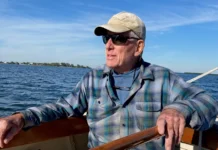
In this episode, I sat down with James Sampsel of Humble Heron Fly Fishing to talk about winter steelhead on short coastal rivers, fall fish on the middle Rogue, and why Chinook on the swing isn’t always the plan. James lives in Port Orford, guides year-round, and sees these rivers change daily. We covered storm timing, travel lanes, lighter sink tips, fall “Novembers,” and even plein air painting between steelhead sessions.
Winter steelhead near the ocean are traveling fish. They’re pushing upriver to escape seals and predators, and they don’t sit long in obvious holding water.
He emphasized that over-wading is a common mistake. If you’re in past your ankles, you may already be out of the game.
Small adjustments matter more than bombing casts.
The lower Rogue near Gold Beach feels like a mini British Columbia. Long gravel bars, sweeping bends, and surprisingly easy wading.
Even though it’s big water, James fishes tight to the edges. If you’re not swinging all the way to your feet, you’re missing fish.
Fall is where things get interesting.
After steelhead push through the Wild and Scenic corridor and over Rainie Falls, they begin to slow down and stage. These are holding fish, and they’re easier to target than travelers.
Rogue fish like to rise. You don’t always need heavy tips.
Southern Oregon also has a unique fall Chinook fishery.
Fish can show with sea lice near the mouth. When they eat, it feels like you hooked a log—until it explodes.
James mentioned harvesting hatchery Chinook and selective wild harvest depending on river regulations.
Storm cycles dictate everything.
Rivers here are short—often 30 miles or less—so they rise and fall quickly.
Being local helps. Knowing how long each river takes to clear is the difference between fishing and guessing.
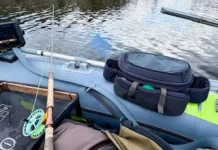
The Rogue is a boater’s river.
Wood boats row differently. They sit in current seams and glide through heavy water quietly.
The Rogue was designated Wild and Scenic in 1968, and its boat culture runs deep.
James is also an oil painter. About 70% of his work is done outdoors in plein air style. He travels nationally for juried paint-outs, often painting rivers during peak light.
Best time to paint and best time to fish? Same time. That tension might be part of what keeps him sharp.
The Rogue is unique in that you can catch a new steelhead almost every month of the year.
Half-pounders (juvenile steelhead) return briefly before heading back to sea. Counts of these fish help predict future adult returns.
James feels the Rogue has remained relatively stable compared to other Pacific Rim systems, possibly due to migration patterns that keep fish closer to the Oregon coast.
Episode Transcript
WFS 891 Transcript 00:00:00 Dave: Steelhead don’t wait around long. They move with fresh water, travel on edges and disappear just as quickly as they show up. When everything lines up, the window can be short and when it closes, it’s gone. That reality shapes how today’s guests fishes for steelhead James Samsel spends his seasons guiding on short coastal rivers, swinging flies for winter steelhead and stripping for Chinook salmon that have just pushed in from the ocean. He’s the owner of Humble heron fly fishing, and his approach is built around movement and timing, understanding where fish travel, how they use the edges and why small adjustments often matter more than heavy gear or long cast. This is the Wet Fly Swing podcast, where I show you the best places to travel to for fly fishing, how to find the best resources and tools to prepare for that big trip, and what you can do to give back to the fish species we all love. In today’s conversation, James is going to break down what makes coastal rivers different, how fishing close to the ocean changes, fly choice and presentation, and why reading conditions matter more than forcing a plan. Today, you’re going to learn why travel lanes and edges outperform obvious holding water when lighter sink temps and simpler flies make more sense, and how storm timing and river drops change and shape success on the coast. All right, this is a good one. We’re going to get into some history as well on this one. So check it out. You can find James Samsel at Humboldt Heron fly fishing. Com here he is James Samsel. How are you doing James. 00:01:28 James: I’m doing great, Dave. Thanks for having me. 00:01:30 Dave: Yeah, yeah. This is, uh, this is going to be a fun one. I’ve been looking forward to this one for a few reasons. You’re you’re down on the road, which is a place we’ve talked a lot about in recent months here on the podcast. And we’re also going to talk about swing and flies, I’m sure steelhead fishing and also maybe touch on Chinook fishing. I think we’ve been talking a lot about that up in Alaska. I know people are heading up there, which is great, but I think there’s some places down in the lower forty eight where people can find Chinook too. So we’re probably going to touch on that today, but maybe take us back first. What’s happening? I want to do kind of a year in review, maybe of what you have going. But this time of year we’re just in January. Is this like prime time for you or what do you what do you got going? 00:02:07 James: Yeah, January is kind of the start of our, you know, the winter things happening here. So fall steelhead there in the rivers. But they’re thinking about doing their things in the spring. And Chinook have already rolled through. They’re dying off. And now we’re seeing winter steelhead start pushing up our our tributaries and main river stems down here in southern Oregon. So it’s an exciting time for a lot of anglers. As much as we get excited about summer fish and fall fish and fishing, dry lines and and skating flies, we really get into bright chrome steelhead on these shorter coastal rivers. Everyone kind of goes bananas for them. They’re inherently more difficult to catch because they’re traveling fish. But if you get one, you know it’s truly a game changer for a lot of lot of folks who tie into one. 00:02:57 Dave: Nice, nice. And the area you’re at is kind of maybe describe that a little bit. I know the rogue is part of it, but is it kind of all of southern Oregon? Do you go down into California? What’s your range? 00:03:08 James: Yeah. So we don’t really go into California. We we used to kind of dip into those Northern California rivers. It’s more of something that we do for ourselves. But in terms of taking people on rivers, we’re we’re pretty much in an area where it’s it’s very secluded. Uh, we live in this town called Port Orford. Um, and we kind of laugh about it because it’s like, you really want to have to be here. Um, it’s it’s basically in the middle of nowhere. It’s a really gorgeous area. There’s quite a few different rivers and tributaries down here. Um, but it’s the it’s the south coast, so we pretty much go from like Bandon, um, like Bandon Dunes area. And it’s a big golf community. Uh, south, uh, close to the border. So we kind of stick in this little area that’s kind of called a banana belt. Um, in southern Oregon. 00:04:01 Dave: Right? The banana belt. Yeah. The weather’s quite a bit different than the rest of the coast. Right? You’re used to. You guys still get some nasty weather, but describe that. How what is the banana belt mean and how does that affect the weather and the fishing? 00:04:13 James: Um, it’s just it has to do with the wind currents here. I mean, like in the summertime, a Port Orford is extremely windy. It’s, um, it’s like the most westerly town in the contiguous US. So, um, you know, it’s really rugged, rocky. And we just get these interesting storm cycles, um, and just warm weather patterns. So oftentimes in January, it can be seventy degrees here. Um, but that’s not always. Excuse me. Not always the case. Uh, you know, we can have storms that drop six inches of rain, or you can be fishing in the snow. Um, you just really never know. But it can make for some really pleasant times. And, you know, we got a we got a variation of of weather. So people like being here. Um, it’s a good place, but, you know, it’s also secluded. So it’s also difficult for some people to want to stay here full time. 00:05:09 Dave: Yeah. You’re down. You’re you’re like a ways from your hours from Portland and you’re quiet. What’s the next big town. What’s the closest bigger town to you? 00:05:16 Speaker 3: So that would be so south of us. 00:05:18 James: Um, the next town would be like the mouth of the rogue, which is Gold Beach. Still not very big. And then Brookings, which is, you know, about half an hour north of the California border. So, I mean, Coos Bay is north of us about an hour. Um, but it’s all pretty small. Even though that Port Orford was the first established, um, and oldest town on the coast, it’s still thirteen hundred people. So pretty small. 00:05:45 Dave: Pretty small. Yeah. You’re down there. This is great. So. And then you’re on your program. So January, when does the peak of like steelhead winter steelhead? When is that going for you? 00:05:55 James: Every year is is different. It really is dependent on how much water we receive because swelling rivers push fish up rivers. But um, I’d say like February. March is peak. There’s more fish in the river system, but also sometimes, uh, in January it can be really good. I was out just the other day, and we were doing a family float with neighbors on the Elk River, and we saw quite a few fish pushing up in pods. So it just it depends. And so basically the name of the game is to try and find the green water. So understanding all the different rivers here, um, when they come in, when a storm cycle goes through, how many of them are blown out, who’s going to come into play first. And then you know which one’s going to get low and cleared and you want to avoid and try and, you know, find that steelhead green waters that we talk about. So. 00:06:51 Dave: Right. Stay away from the low and clear. 00:06:53 Speaker 3: Yeah, but it’s not impossible. 00:06:54 James: You just have to switch up your your tactics. 00:06:57 Dave: What’s the difference when you’re, um, when you have maybe you’re fishing the low and clear. How do you fish that differently than and maybe talk about how you’re fishing. Is this swinging and nymphing. Are you doing everything. 00:07:06 Speaker 3: Yeah. No, we. 00:07:07 James: Only swing flies. Very rarely do we ever. Nymph. That’s not really part of our program. We kind of believe in stepping into rivers and connecting with rivers, and then, you know, you doing the work to be able to catch your own fish. So we believe in swinging flies. Plus, you know, getting the tug is just is almost everything to us. And so yeah, we’re we’re using on the lower rogue. We have a jet boat that we use, uh, to get us around because there really isn’t a shuttle service. Again, small towns. So a jet boat is really handy to get from place to place. And then the other rivers that we fish where we’re using drift boats if there’s enough water, and then also rafts as transportation to get downriver. So we step out and we swing flies. 00:07:55 Dave: That’s awesome. 00:07:55 James: Yeah. And so it depends on what river you’re on, uh, kind of what technique you’re using. Because the hard part about winter steelhead, and when you’re fishing so close to the mouth of rivers near the ocean, is that these fish are moving, right? They’re pretty keyed into predators. So seals and whatnot. So when they enter river systems, they kind of boogie. I’ve sat there and then just like followed fish at more than a walking pace up river banks where I can just following to see how fast they’re moving. Um, and they don’t really pause. There are some places, if you know rivers really well where they pause, but for the most part, generally they’re moving. So we’re trying to fish lanes like travel lanes. So maybe not as much as like the bigger chunky holding water, which of course they could be in. But we’re looking for rivers that are on the rise. Good color of water and then fishing those edges. So even like on the rogue, which is a big river towards the mouth, you know, it can be really intimidating. And people look at it like, well, how am I going to catch a fish in that? It’s almost kind of like the skena up in up in Canada that you’re you’re fishing the edges. So we’re not even really fishing that deep to these fish. And, and if you’re fishing deep and you’re not swinging it all the way to the willows, all the way to the bank, like you’re really missing out. And if you’re over waiting and you’re like, in past your ankles, you’re kind of out of the game. Those fish can swim right past you. You know, it’s tempting to want to wait out there and cast a country mile, but it doesn’t really do you any good. 00:09:27 Dave: Yeah, I hit the other side. So what you’re saying is you’re fishing. These runs kind of a typical steelhead run, but you’re fishing it in all the way to the bank at times. 00:09:36 James: Yeah, all the way in light tips, unweighted flies. Now, when rivers start to drop and get clear. That’s when we start to wait out a bit more. And then that’s when we start using heavier sink tips, because the fish start to get weary, and now they start to slow down a little bit. And then they’ll go into those deeper slots and kind of hang out by structure, kind of waiting for the next push of water to, to drive them up. So that’s how we kind of switch our tactics and go about it. 00:10:05 Dave: That’s cool. Do you guys fish the with the smaller the rogue is a bigger river with the smaller rivers in there. Are you fishing? Are you fishing those differently? Is it I mean because some of them get are they small enough where it’s hard to swing or are you always swinging even on the smaller stuff. 00:10:19 James: Yeah. So we you know, we’re selective in where we’re fishing. We’re not really like hiking into the high points of these smaller rivers where it’s more of, like, pocket water, um, where you’re leaving a boat behind. And so, like, Nymphing tactics would be really great. So we’re, we’re concentrating more on the lower ends of rivers where the runs start to broaden out and the steep incline starts to flatten out. So we’re looking for swimmable water as much as possible. 00:10:49 Dave: Nice. So we’re going to talk more about this. So let’s just run through the season a little bit. So you’ve got you’ve got all of that. You’ve got a lot going because of the rogue I think that’s what is unique. And we’ve just recently did an episode. It was awesome. I want to highlight it. We’ll put a link in the show notes with uh, with Woolridge boats. 00:11:04 James: Oh, awesome. 00:11:05 Dave: Yeah. And we, we interviewed, um, Grant, who’s the great grandson or great grandson, I think of, of Glenn, who basically is the guy who explored the rogue and blasted the he was talking about how he was blasting all the rapids and not just the a couple like the federal government was giving him dynamite to blow out the river to clean it up. You know what I mean? So it’s really an interesting story because the rogue was a famous river, you know, there was lots of famous people back in the day that fished it and went up it and stuff. So do you kind of know a little bit of that history of do you are you connected? Yeah. 00:11:35 James: Yeah. I mean that’s that’s kind of the lure of it. it, right? So when we describe the rogue, we talk about like three rivers in the United States that you have to do before you, you know, you leave this place. Grand Canyon, which, you know, the Colorado River, right? Um, the Middle Fork of the salmon. And then and, you know, the wild and scenic rogue River, you know, established in nineteen sixty eight and, you know, designated wild and scenic, like part of what we talk about with our guests on the rivers is like, certainly the pioneers, you know, guys like Glenn Wooldridge who were blowing up rapids to make them so you can navigate through them or going backwards up, you know, running. 00:12:15 Dave: Exactly. 00:12:15 James: The first guy is insane. I know it’s insane. The rogue is definitely a boaters river. So a lot of people geek out on the design of boats and drift boats and, you know, the rogue River drift boat and the McKenzie River drift boats in this area. You know, there’s a huge, rich culture along boats. 00:12:33 Dave: Yeah. There is. It’s cool. Yeah. It’s you’re part of that history, right? And and so the rogue, I’m guessing, is that a during once you change from winter steelhead into summer, are you fishing more of the rogue or are you still covering all the rivers? 00:12:44 James: So we tend to take summers off where you know, you can still fish the rogue. And where we’re at at the coast, like the water temps for us are just too warm for us to want to be targeting steelhead, so we leave them alone. Now, on some years where it’s not too warm and the water temps start to drop, we might consider start fishing them in August, but generally we start fishing the rogue in September, uh, when water temps have dropped. And so Kate and I used to guide the entirety of the river. So we were running multi-day trips in the Wild and Scenic corridor. Um, have a permit to fish the lower rogue from, like, say, Agnes down, uh, closer towards the mouth. And then we would fish, you know, the Grants Pass area, um, central point and then all the way up to, like, William Jess Dam where the, you know, navigable part of the road kind of starts. And we would fish trout in the spring all the way down. So. But at this point we’re we we’ve kind of in the fall are kind of bread and butter is sticking around the Grants Pass area fishing the middle rogue. It’s, you know, kind of hard to figure out in terms of steelhead water. It’s kind of challenging for people who don’t understand it, but it can be really productive. And we have a great time down there. So. 00:14:05 Dave: Yeah that’s awesome. 00:14:07 James: Yeah. So our fall is geared around that. And then we transition back over to the coast for our winter season. 00:14:14 Dave: Gotcha. So yeah that’s kind of the the year. It sounds like you get going. Like we’re saying right now, it’s it’s kind of January February you’re going to be rolling. And then then when does winter steelhead. When does that end for you. Are you fishing through up into like May. 00:14:28 James: Yeah. So winter steelhead for us kind of starts late December and we fish it. The small rivers closed March thirty first. And so then we extend our season by a couple of weeks by strictly fishing the rogue. So we’ll go about two weeks into April, and then we just leave fish alone because we want them to spawn and and do their business so we can keep doing the things. 00:14:52 Dave: Patagonia just launched the next evolution in waders, and they’re built for anglers just like you. The Swift Current line includes ultralight, packable options for the hiking crew and expedition ready waders. If you’re hard on your gear like me, they’re designed for comfort, built from recycled materials and backed by Patagonia’s Ironclad warranty. You can check them out right now at Wet Fly. That’s what. You are Swift current waders. Check them out now. Fishing expeditions offers world class fly fishing right off Alaska’s incredible road system for monster rainbow trout to feisty Arctic grayling, you’ll chase big species in the stunning landscape. Whether you’re a seasoned angler or just starting out there, expert guides ensure an unforgettable adventure. Book your trip today before spots fill up and experience Alaska’s diversity like never before. Check them out right now. That’s fishing expeditions. Com. The one thing we haven’t touched on yet is the Chinook fishing down there. And that’s something I know we don’t want to, like get too deep and spot burn and all that stuff. But, um, you know, we mentioned that we’ve been talking we’ve been doing some Chinook up in Alaska. There’s, um, you know, some great fishing up there, but there’s also some struggles up in Alaska, which is kind of a crazy thing, but you don’t hear as much. I know I had J. Nicholas on the podcast. This was probably, man, way back at the start. I think we’re talking when we first started and he was talking about a little bit of the Chinook up on the North coast, but we really haven’t had much on this since then. Talk about a little bit of high level on what you do there and maybe describe when that is and what that looks like. 00:16:37 James: Yeah, it’s kind of a fun, unique season for us. Fall true. Fall Chinook start coming into these smaller coastal rivers, um, as early as September. Um, and when, you know, water allows fish to move up, but they’re cycling in the ocean, kind of getting geared in, pushing their noses into the mouths of these rivers. Uh, around September. Um, and that fish is September, October, November. And then oftentimes until like about Christmas time, which is great. And it’s a different kind of fishery. It’s we use, you know, old school techniques. You know, we’re fishing single hands and we’re stripping flies, um, like comets and and claws. And, you know, I’m sure Jay talked about stuff like that. Um, but southern Oregon has, uh, you know, has a pretty strong community based in this and like, you know, even next door, I have a studio in downtown Port Orford. There’s a book and tackle shop, and it’s owned by Adam Davis and his his wife Kate. And, um, they do an antique book sales and whatnot. But they also have, like, a fly tying section. Adam’s dad is a Stan Davis who I know has done books with Jay. Um, and he’s a he’s a well-known fly tyer in this area, and people really geek out on it. And I mean, these guys, they live for three months out of the year. That’s all they talk about is Chinook. And I mean, it’s like it just ended and it’s, you know, they look like sad dogs right now. 00:18:08 Dave: Right? 00:18:09 James: There’s this kind of their feet are kind of just dragging a little bit because it’s over. 00:18:13 Dave: It’s over. And is, is this um, it’s interesting because the it’s different. Right? You’re not swinging flies. You’re casting. So it’d be kind of like more like fishing for coho. You hear about, like in Alaska, especially stripping for coho. They come all the way into your feet, right? 00:18:24 James: Right, right. Totally. Um, and so, like, you know, guys in, you know, the the Lost Coast in Northern California and southern Oregon have done this for some time, you know, since like the forties or something. And basically, you know, a lot of these guys will have prams. You can do it from a drift boat and you essentially sit on a pool and fish will show themselves. They’ll move in, they’ll move out. They may not show themselves, but it’s always great when they do. And so what you end up doing is you cast downstream into these pools, and it’s a slow strip, and everyone has their different idea of what the strip should look like or feel like. And it’s very much a learned feel thing. You know, you got to really have your sensei, you know, mojo going on. But it’s a slow strip kind of deal. And the fish either really hang on to it, clobber it, pull hard, or, you know, we talk about like, finding out what it is because it feels like you’re on a log and you’re like, that’s a log. And you keep stripping and stripping and you bury the hook, and then it just all of a sudden goes bonkers. And I’ve been slowly kind of learning it, and I’ve had mentors and starting to really understand these rivers. And the more that I do it, the more I can’t like, not think about it. So Kate and I, we live on the Elk River outside of Port Orford, and when Chinook are running, like Kate says, like I’m a dog, I just stare out the window, you know? And she’s just like, fine, just go out, you know, just go out and do ten minutes, which is like impossible. But, um, to be able to step out in your backyard and strip set on a twenty pound Chinook is pretty awesome. 00:20:03 Dave: Yeah, that is really awesome. What did the fish do? And these are. And these are not just, um, like, uh, dark fish that have in the river. They’re mostly chrome fish that are kind of coming in. You’re hitting them early. Is that how that looks? 00:20:14 James: So that’s the idea is, is trying to stay as close to the mouth as possible to see if you can get bright ones. But these are like, you know, we’re looking for sea lice, fish. And the people who are harvesting these fish like they won’t take anything that doesn’t have sea lice on them. 00:20:31 Dave: Yeah. Oh, so you can still and you can keep Chinook down there. 00:20:34 James: You can keep Chinook. 00:20:35 Dave: Wild Chinook or hatchery. 00:20:37 James: Um, you can keep some wild fish. 00:20:41 Dave: Yeah. There’s some areas I know that’s been a popped up. We don’t have to get deep into that, but I know there’s been some areas there where I think steelhead to. I think it’s one of the last places you can keep wild steelhead. Right. Which I don’t think there’s many places you can do that. 00:20:52 James: No there’s not. And I think it’s only in southern Oregon and there’s eight rivers that you can still do that which, you know, we’re not. We don’t have to get into all of that. But, um, yeah. So there’s guys harvesting and and there’s hatchery chinook on the Elk River too. So like, if I catch one of those. Yeah, I’m gonna bonk it. If it’s bright chrome. Yeah, we’re gonna eat that fish for sure. 00:21:14 Dave: Right. Which is the best, right. Chinook are like, lots of fat and all that stuff. 00:21:19 James: Yeah, yeah, they’re great fish. They’re great eating fish. So, um, you know, they do, you know, eventually start getting dark, but the goal is to try and get those chrome ones for sure. And there’s nothing, like, really strip setting, you know, it’s like, as close as you can get to, like, saltwater fish or like tarpon. Obviously not tarpon. But when you strip set into a Chinook and it pulls back and it’s a good one, man, it is just right. 00:21:43 Dave: That’s what you’re doing. 00:21:44 James: Oh man, it’s super fun. 00:21:46 Dave: That’s the cool thing is that it’s a strip set and Chinook are are big, heavy fish. So when you what does that look like when you strip set and then you get one or what does the fight look like. 00:21:56 James: Well it’s like it depends on the state of your boat. So if you’ve got a bunch of junk in your boat, yeah, it’s absolutely chaotic. So, you know, sometimes those fish will eat right next to the boat and you’ve got to clear eighty feet of line. While this fish is like pulling super hard and wants to go back to the ocean, and if you stop them when they’re on a run like that, you know they’ll break twenty pound, no problem. Right. So, um, you strip set on them, and you might get, like, a couple, like, deep, heavy head shakes. Um, and then they just move, and it’s their first run, and they just go, and they dog you. Sometimes they’ll they’ll go airborne. Um, but they’ll just pull and pull and pull and pull. And then the idea is to just get everything out of the way, get everything out of your guides, and then onto the reel as fast as possible, and then crank down on the reel. And, and then it’s a big, gigantic tug of war, you know, you got to put the wood to them. It’s super fun. 00:22:51 Dave: What’s the rod you’re using the length and weight. 00:22:54 James: Yeah. We’re using like I mean you can get away with an eight but like nine and ten pound or ten weight rods. Those are, those are good. 00:23:02 Dave: And nine foot nine weight or ten weight. 00:23:05 James: Yeah nine to eleven feet. Some of these guys kind of have custom rods. They like it a little bit longer too, especially if they’re like waiting in for like some mending capabilities. But yeah. 00:23:15 Dave: How does it compare to all the steelhead. I guess it’s different when you’re stripping. But how does for you? You do both. Would you do more of this if there was more opportunity throughout the year? 00:23:24 James: I think so. It’s just it’s become super addicting. And it’s it’s a kind of a nice thing too, because, um, when I first started fishing two hand rods and I got my first steelhead on a swung fly on the Deschutes River, like I knew that’s all I wanted to do forever and ever. And I became so obsessed with it, you know, it was essentially all I was doing for years and years and years and then, you know, moving out here to the coast and getting into Chinook and casting single hand rods. Again, there’s something really nostalgic and great about that. And it’s such a nice just switch up. 00:24:01 Dave: Yeah. 00:24:01 James: For me personally. Yeah, totally I agree. And getting back to the roots of casting single hand rod is super fun. And it’s not you know, and I love trout and I grew up in Montana fishing trout. But like it’s not just trout fishing. It’s like you’re fishing a single hand rod to like, you know, a predator. It’s awesome. They fight so hard, right? 00:24:21 Dave: And you can do that, right? With, uh, we talk a lot about the Spey and two handed because that’s kind of has made the change. The game right has made it a lot easier. But you can do all this. And this is all done with single hand rods like swinging flies before. Do you see anybody up there still swinging flies with a single hand rod. 00:24:37 James: Yeah, totally. And we do too. And especially in places like the North Umpqua where you’re fishing a dry fly that you don’t want to be casting super far out, and you want to be able to see your fly skating on the surface. So there’s there’s a lot of applications for it. It’s super fun. And then also like when we have guests who, um, you know, aren’t able to wade the rivers like they used to, they’re not young anymore. On the rogue, we can still fish from boats. So we’ll Kate and I will, you know, step our guests down. We’ll hop out of a drift boat and hold on to the back end and wade for people. And oftentimes these guys will cast single hand rods and swing flies through there and. 00:25:18 Dave: Oh that’s cool. Right. So somebody that doesn’t want to maybe isn’t as good at waiting or something. So you can take people no matter what age you can get them down fishing for steelhead. 00:25:26 James: Yeah. Yeah. I mean some of our most fond memories are with a duo father son duo, and dad’s like ninety five and son. Never thought he would fish with his dad again. Um, and then watch him tie into a steelhead. It’s really great. 00:25:39 Dave: Wow. That’s awesome. Nice. Well, this is cool. I think we’ve hit some high level here. Um, I want to talk more about, um, kind of tips. Maybe focusing on steelhead for a bit, because I think that we got a lot of people that are interested that obviously swing and flies. But before we do, tell me about I want to hear about your art because I think that’s a big thing that you do down there and probably separates you maybe from some of the just steelhead fishing, maybe in Port Orford too. Right? Is kind of an artsy area. Maybe describe what you do with your art and what that area is like. 00:26:06 James: Sure. Yeah. Port Orford is is an arts town. It’s pretty wild. How many studios and galleries are in this town, whether they’re open all the time, that’s a different thing. It’s a pretty sleepy town, but there’s a lot of artisans here, a lot of creative people. And that wasn’t the first allure in moving here, but being in this town and like, it’s a really nice community. And so for myself, I’m, I’m a painter. Uh, I have a studio and gallery on the main strip in downtown Port Orford. Yeah. Painting is an arts has always kind of been a part of me. 00:26:43 Dave: Um, like watercolors. 00:26:45 James: Um, I use oils. Um, I’m not adverse to, like, any, any medium, but I’m just kind of in this oil paint phase for a while now. But, yeah, like, my second memory was drawing with my dad. And so it’s kind of always been in me. And, and it’s funny how rivers have brought me even more into the art I had. My first painting mentor was on the Deschutes and he was a guy. His name is David and he taught me to to paint outside and observing the natural world. So plein air painting. So that’s a that’s a big part of what I do as an artist. Um, I always talk about the struggle between like, the best time to paint is also the best time to fish for steelhead. 00:27:27 Dave: Oh, right. 00:27:28 James: So I’m always kind of, like, torn and tormented. I drive my wife crazy, but. 00:27:34 Dave: Yeah. Do you paint outside? Is that part of it where you’re painting? Yeah. 00:27:38 James: Yeah. So? So about seventy percent of my work is all done out of doors. It’s called plein air painting, which is a French term for in the open air. And so, uh, like the Impressionists did it a lot. Yeah. So I paint outside a lot. And rivers are, you know, a big subject matter for me. Really. Light anything is a good subject matter for me. But, um, I’ve kind of taken it a step further, and I’m on a plein air circuit. It’s kind of an interesting kind of niche in the art world where artists get juried into, um, an event, um, and it’s called a planar event and essentially a paint out and maybe forty to, you know, depending on how big it is, upwards of sixty artists get juried into an area, and we all travel to an area, and then we have a radius in which we paint, live outside, um, for like a week or so. And then. And then what? Paintings get hung at the end. We have to frame all of our stuff. There’s a guest judge who gets awards and prizes, um, and then a good, good avenue to create more collectors, um, for the emerging artists. So that’s, that’s kind of a big thing. And that’s part of why, uh, our summers I kind of take off is because I’m traveling around and painting at these events, which is super fun. 00:28:56 Dave: Are those events all around the the region, the country, or is that. 00:29:00 James: Yeah, they’re everywhere. They’re everywhere. So right now is application season. So we’re kind of waiting to hear like what events are going to. But so far this year, I’m going to go to Virginia. I just got back from Texas, I’m going to go to Colorado. There’s one here in Oregon. Then I’m going to go to, um, some big ones in Maryland and Maine. I’m going to go to Michigan. No kidding. So there’s yeah. So it’s kind of everywhere. 00:29:26 Dave: Yeah. What is the biggest thing for you that you get out of it? Is it the connecting to the other artist or is it the learning from, you know, what is the big thing. 00:29:36 James: Yeah. Yeah. You know, you you always connect with other artists, which is great. You have opportunities to paint with other artists. You know, some of these events that I’m getting into, I’m like painting next to my heroes, the people that I look up to, which is really, really cool. But also, just like as an artist, you know, visual stimulation is a big thing. And being in places you’ve never been before, you just it comes out of you. And um, when you’re there, you know, I’ll paint like fifteen paintings in that week. And so then I come home. You know, if whatever doesn’t sell, I come home with like, a whole new body of work, which is pretty awesome. 00:30:14 Dave: Oh, there you go. 00:30:15 James: Yeah. So that’s that’s a big part of it. Um, connections and whatnot. But yeah, mostly being in a new region. It’s awesome. 00:30:23 Dave: Yeah. That’s right, that’s cool. Nice. So and then if people want to check that out, do you have a website for all your art? 00:30:28 James: I do, yeah. It’s my name. It’s James hyphen or dash. Com. 00:30:34 Dave: Good, good. Well, we’ll put that in the show notes so we can take a look at that as well. Let’s get back into I want to hear on the steelhead. So maybe take us into let’s just jump into winter steelhead fishing for a sec. Maybe talk about one of your popular rivers and talk about how you’re doing it there. 00:30:47 James: We primarily fish the Elk Sixes and Rogue um, in the winter time, which is really great. And people come fish with us, you know, like to fish three days because, um, depending on what’s happening, they have an opportunity to fish three different places when they’re with us, which is always appealing. So from a smaller, intimate rivers like the Elk and Sixes close to the mouth of the rivers, um, which is great, where you can float almost all the way to the ocean, which always blows people’s minds. 00:31:18 Dave: Oh, you can you can float out. You can literally almost. Can you see the ocean when you’re floating out? 00:31:21 James: Yeah, yeah. Yeah, totally. That’s cool. Um, on the elk, not so much because there’s a there’s private land there. Um, you can always walk out to it, but like the sixes we do. Um, which is awesome. And then the rogue two, which is like we always say, like the lower rogue is like a mini British Columbia. 00:31:39 Dave: Because it’s big, it’s a big. It spreads out. 00:31:41 James: It’s big, it’s spread out, you know, it’s mountainous. Um, there’s these big, long gravel bars which are great, and these big sweeping bends, um, and all these rivers are, like, really easy to wade. Um, you know, it’s like cobblestone. And so people who, um, also have issues with waiting. Also love being here. Like one of my favorite things is like. Hearing hearing older anglers say like, man, I feel like I’m forty on these rivers. This is great. 00:32:11 Dave: No kidding. 00:32:11 James: You know, you know, we’re not putting them in like ledge rock where, you know, they’re. Hesitating and we’re holding on to their waders. You know, they have independence. And so we really believe in that solitude bit. 00:32:24 Dave: And they’re not waiting super deep. And it sounds like you don’t have to wait super deep. 00:32:27 James: No. Yeah. No, no. You know, and it’s dependent on what’s going on. But for the most part yeah it’s pretty shallow waves which is great for everyone. But yeah. Um, swinging light tips, mostly fishing intruder style stuff. Bigger flies in general. Unless it gets low and clear, then we might step it down to more traditional Spey flies. 00:32:47 Dave: Okay, what’s your typical for? Let’s just say for winter steelhead like rod length and all that. 00:32:52 Speaker 4: On the smaller. 00:32:53 James: Rivers, anything between like eleven feet and twelve and a half foot in the seven eight weight range is a good rod on the rogue. You can get up to, you know, fourteen feet, but we usually stay around that twelve and a half to thirteen foot rod length. Again, you know, seven to eight weight rods and then also reels with good drag are helpful because these fish are inherently, you know, hotter because they’ve just come in from the ocean. And so they pull. And so if you’re not super well versed on how to palm a click and reel, like you can lose fish for sure. So having a good drag system is super key so you can slow fish down. 00:33:33 Dave: What are your um, as far as the line, the tips, the light tips, what are you using out there for your brand and all that stuff? 00:33:39 James: So we use a bunch of different stuff. Um, we often like for, for light stuff, we end up using like, uh, verse leaders a lot. So like anything between like, a sink five and a sink three, um, is really nice. Uh, in ten foot lengths and, you know, some of the older stuff that you can still find are those like those tips that you use in BC, they’re like fifteen feet long, like six, you know, sink three. Um, those are pretty good. And then the smaller rivers, we’re fishing a lot of like T8 and T11 and then sometimes T14, depending on what’s going on, you know, heavier sink tips when the river is clearing and the fish are going to the far end and hanging out in the deep structure T8 when and T11 fishing the edges with non-weighted flies when the river is up and colored so we can get it to the inside. And then sometimes the river’s up so much that we start using like multi density lines. So like for instance, the, the Elk River is more of a downhill river. Um, it doesn’t seem like it, but like its sister river just a few miles away is much more flat. And so it’s slower moving. But the elk seems to be kind of going downriver a lot. So when we have good color and there’s a lot of water pushing down, we use a lot of multi density lines. So that would be like fist lines or game changers. Game changers with, you know up to sink five and then T14 like thirteen feet on the end of that and then a weighted fly to just get it in there and dig in the beginning. And because they’re so down downhill, like, you know, oftentimes that fly will swing all the way to your feet. So a bunch of different systems. 00:35:23 Dave: Yeah a lot. So similar stuff to what people would be using but lighter. It sounds like a lot of the stuff you’re depending on flow but you’re loving to get because you gotta that’s the big thing is how do you get it all the way into the bank without snagging up, right? You got to have a pretty light tip. 00:35:36 James: Yeah, totally. And so, you know, you just like you just got to test it out, right? So take a few swings, and if it isn’t going through or if it’s starting to tick the bottom either mid-swing or towards the end of it, maybe you should think about either going to a non weighted fly if you have a weighted fly or, um, a lighter sink tip just to be able to get to the inside because man, you’d be surprised how many fish come on that hang down just because they’re moving in on the edges. 00:36:03 Dave: Right. Are you doing anything on the hang down? Are you when it’s hanging down, or are you just letting it sit there or do you do anything to it? 00:36:08 James: Yeah. You know, I always kind of just, like, twitch it or pulse my arm. Does it do anything I don’t know. 00:36:13 Dave: Yeah, I. 00:36:14 James: Know, you know, it’s kind of a ritual thing. Like, is anybody home? Right. You know, but like, but but typically if the fish is going to eat it, you know, it’s gonna be in the swing towards the end, um, and, or oftentimes right when it stops. But if you’re just sitting there dangling for a long time, you know, nice. 00:36:32 Dave: And I was going to follow up. We talked. You were talking about this North Coast or the California, the rivers of the Lost Coast was we’ve talked about that before. Right. There’s that video that came out, the Tom Skerritt where they talked about, I think, the history of of some of that fishing for those Chinook right down there and some of that history. Are you familiar with that, that, uh, that. Oh, yeah. 00:36:49 James: Yeah, it’s my favorite documentary. Fly fishing film, for sure. 00:36:53 Dave: Yeah. And what it reminds again, what is the the theme or the premise of that one? It was, I think, two thousand and nine that came out. 00:36:59 James: Yeah. So so basically that film is set in the Lost Coast, which is Northern California, and it really shows the history of steelhead and salmon fishing in those rivers from like, I think it goes as far as south as like LA or definitely like Sonoma County, like, um, the Russian River, um, the Smith River, you know, um, iconic rivers. Um, and it talks about the history, how it was publicized, the droves of people that went there, a lot of the strong characters like Russell Chatham and Bill Shad, you know, those guys there. And, you know, it talks about kind of the the heyday and then the decline. You know, it seems like anytime I go and fish the Smith River, if I’m like at a boat ramp and there’s a bunch of old timers there, we kind of get into a babble. Eddie, and they talk about how remorseful they are. Like we we didn’t realize what we had. You know, they talk about overfishing those rivers and then trying to protect them, which is great. The Smith River has lots of great protection, which is which is fabulous and one of my favorite rivers to fish and most challenging. But yeah, that kind of talks about all of those those drainages, their. 00:38:13 Dave: Fish guide service is passionate about sharing Jackson holes, world class fishing from its iconic rivers to hidden backcountry waters, the legendary mutant Stone and other fantastic hatches bring explosive top water eats during peak season. Backcountry creeks hold hidden gems where every band offers something new, and wild trout rise in untouched waters. Jackson Hole sits in the Golden Circle for trout, home to the headwaters of three major river systems the snake, the green, and the Yellowstone. Here you can chase native cutthroat trout, big browns, wild rainbows, and even kokanee on the fly if this is your kind of fishing fish. The fly guide service is ready to take you there. Book your trip right now at Fish Thefly.com. There’s a place where every bend in the river feels like it’s been waiting for you. Where the air smells of sage and pine and trout rise beneath the shadows of the Tetons. That places visit Idaho, Yellowstone, Teton territory, the heartbeat of fly fishing in the west, from the legendary Henrys Fork to the winding South Fork of the snake. This is where big fish and bigger stories live. You’ll find endless waters welcoming towns and locals who still wave as you drive by, with drift boat in tow. This is your starting point for world class fly fishing, year round recreation, and wild country that stays with you long after you’ve packed up your gear. Check it out right now. That’s wet fly. Visit Idaho for yourself and support this podcast while you go. And it seems like there’s a lot of overlap between the area you’re at. I mean, obviously it’s two different states, but it’s really kind of do you feel like it’s pretty similar to that north northern California coastal stuff? 00:39:53 James: Totally. Yeah, totally. Kind of has that similar feel about it, especially the more South you go. I mean, there’s so many there’s so many nuances in here and there’s so many different rivers and tributaries and, you know, you can be pretty spread out, which is nice. Um, of course, when rivers, when rivers really blow out here, the one river that comes in the shape first is the Elk River. And so at times, if the fish are in like, that river can be pretty busy. Um, just because everyone wants to get some. And so even even folks from California, even guides from California will come up and fish these rivers. But when, like, everything’s kind of in play, like it’s pretty spread out, which is nice. And the competition, um, can be pretty minimal. Like I said, you really have to want to be here because it’s a journey to get here. 00:40:41 Dave: Yeah. And you got to know the water, right? That’s part of it being there. Is that how like, if somebody was, you know, listening and they wanted to plan a trip, can you just pick that date? And then you just go and go with whatever is efficient best that day. Or like, what if you wanted to fish the elk or a specific river? Is that tough to do? 00:40:57 James: Um, it can be. So we were living in Grants Pass and even like three hours away, you know, it would be like kind of a gamble. And definitely knowing people helps in conditions and whatnot. Um, getting that insight, um, being here is like the, the greatest blessing ever. And people call me because I live on the river and they’re like, what’s happening, dude? Like, tell me, you know, like, what’s the river’s looking at? And then like, once you’ve been here, like you want to spend some time here, it’s really hard to do a day trip or to two days. 00:41:28 Dave: Um, yeah. Three’s a good start there. 00:41:30 James: Three is good. And if you have a guide, that’s even better because we’re in the know how. But if you’re totally in the do it yourself, which is great, I love that, you know, like you want to you want to be able to be here for a while because things change so frequently and then, you know, and you want to look at storm cycles too. You know, when you see that there’s going to be a bump in the river, that’s kind of a good time to be there. 00:41:52 Dave: Yeah. Is that the best time? Is that when you get. Do you want to get a you get a bump and then right as it’s going up. Coming down. When’s the prime time on that. 00:42:00 James: You know typically it’s like coming down you know as it’s going up you know before it blows out. It can be great. That’s the hardest one to time out. Like that one’s so unpredictable. But as the storm cycle goes through and the rivers are up, they tend to drop pretty pretty quickly. A lot of these rivers are, you know, thirty miles or less. So they come into shape pretty quick. So being there at the tail end of a storm is great, because then you can start driving around and looking at all the rivers and seeing how they’re acting and seeing how they actively low and clear. But once you’ve been here and you know it, you kind of understand the timing of it all. You know how much rain has fallen, you know. And as one clears, you know how many days until this other river starts to clear. So it’s good to be here for some time, you know, just chill out and hang out. There’s plenty of hikes to do, too, so it’s a beautiful area. 00:42:54 Dave: Are people that come down there for a few days or are they sticking in like doing the hotel thing? Or how do you know if they’re coming from out of town? 00:43:01 James: Yeah. So there’s lots of hotel options. Our guests use hotels. Um, there’s, uh, Cape Blanco is a, like, a kind of a it’s a camp site and, like, has RV spots as well, and yurts. So a lot of people like to do it on the cheap and camp. Um, and then also we have kind of a pretty nice little program at the mouth of the sixes. We have some, some friends, um, uh, Joe and Callie, and they have this ranch, and they have an Airbnb that’s on the mouth of the sixes, which overlooks Castle. Castle Rock right there, which is directly at the mouth, and you’re right next to the river. And she’s a cordon Bleu chef. And so our guests will stay there, and they don’t have to think about anything. We pick them up from the from the cabin. Beautiful views. And then Callie, you know, walks down from her ranch house and, you know, has amazingly delicious food that she she gives to our guests, too. So people have kind of got on to that, and they kind of love that. And what’s not to love? If you can afford it, it’s great. Um, that’s a good option, but there’s lots of hotels, um, in town as well. 00:44:12 Dave: Okay. So it’s pretty easy. So we’re talking a little on winner take us into now to the fall. Talk about that. Is that quite a bit different than what we’re talking about here with with the winner or is it similar swing and flies and all that. 00:44:23 James: It’s way different. So our fall so like starting September, October, November we’re on the middle road. Um, and the river is pretty stable. So in nineteen sixty four there is one of those hundred year floods, and there weren’t any dams on the rogue at this time. There was a big winter storm on Christmas Eve where a bunch of snow fell, and then a warm southerly storm rained on it and everything came down. And I think it was like the CFS at the mouth was like half a million and like big, big for us in the winter at the the bottom of the rogue is like eighty thousand. So I mean huge. And so because of that, um, the town got got scared. They put in all of these dams, um, which have now been since removed, but there’s one remaining. It’s called William Jess Dam, and it controls the flows. So, you know, Army Corps of Engineers will fluctuate the flows to get spring Chinook to come up. So there’ll be a bump towards late summer to kind of get those fish to come up or for fall chinook to come up. But for the most part, like the CFS, the water level is pretty constant. And so we fished the middle rogue because, um, it’s above the Wild and Scenic corridor. And so fish that come up through the lower rogue, through the wild and scenic, you know, when they first enter, they have seals to deal with. So they kind of boogie, they get through the Agnes area, and now they’re starting to get into some structure, but they they’ll sometimes hold there. But a lot of times they move through the wild and scenic. They’re just like want to get through all of it. 00:46:01 Dave: Yeah. So is that what’s going on there? So because you have the rogue, the rogue’s kind of cool because it’s unique for the half pounders too, right? You get these fish that are kind of like trout, trout size that are steelhead. They’re kind of cool because they’re small, but they take like a steelhead. That’s the reason that wild and scenic area doesn’t. You can’t catch it feels like you can’t catch many of the big the bigger adults in that it’s more half pounders. 00:46:23 James: Yeah. It’s really tough. Yeah. You catch a lot of half pounders there. I catch more like in the fall. I catch more adult steelhead, um, like Agnes area and down towards the mouth. 00:46:34 Dave: And Agnes is below. Is Agnes, below the take. Out of the. The wild and scenic. 00:46:38 James: Yeah, yeah. Foster bar is the is the take out for the wild, wild and scenic. And then Agnes is the small like really small town just downstream of that. It’s about thirty five miles up from the mount, from Gold Beach. And they kind of hang out there because there’s bedrock there, lots of half pounders. It’s super fun to do fall fishing down there. And I usually end up doing about two weeks out of a jetboat down there, um, or a drift boat there. But yeah, those fish like to move. And so like in the wild and scenic, we used to do spey trips like camp glamping trips, multi days, um, and we catch a lot of half pounders and then sometimes we would catch adult steelhead. It’s the weirdest thing with swung flies. But once they get through the wild and scenic they go over one last obstacle, which is a class five waterfall. Um, it’s called Rainey Falls and once they get above that, they tend to start slowing down. And then there’s also a bunch of spawning tributaries that will spawn the next winter in. So they kind of start to stage out. And a lot of fish will go up to the upper river and whatnot. But we stay around the middle River and like, you know, a holding fish is way easier to target. And we sometimes catch half pounders. They’ll make it up here. But it’s like we’re we’re targeting adult steelhead. 00:47:56 Dave: Yeah. So that’s the difference. So they basically it sounds like they’re shooting up through the wild and scenic the canyon section, getting up to pass Rainy Falls to where, you know, then they can settle down and get ready to find their spot. 00:48:07 James: Totally. And you know, it’s like I’ve caught I’ve caught steelhead with sea lice on them seventy eight miles from the mouth. Like, that’ll show you, like, how fast some of these fish will want to move. It’s pretty wild. So we catch pretty bright fish, um, in the fall. And also, it’s like, what’s really cool about the rogue is that virtually every month out of the year, you can catch a new steelhead. So we don’t just have a winter and summer run. We have a like a spring run. We have a summer fall and winter run. So even when we’re fishing, uh, there’s the salmon fly hatch on the upper rogue, the very top of it. Um, and we’re dead, drifting big bugs out of a drift boat, trying to catch those. Those big trout that are up there. Sometimes we catch steelhead and they’ll eat a dead drift dry, and it’s like, oh, you’ve got you got a steelhead on, you know, and we fished six weights for that for that reason. Single hands when we’re trout fishing up there. But what’s, what’s cool about this river too. It’s like it’s pretty wild is that the upper reaches are so much colder, you know, towards the source of the river. So a lot of these fish are just trying to get to colder water. 00:49:18 Dave: Oh, right. Yeah. 00:49:19 James: So oftentimes in the summertime we’ll fish higher up because that’s where the fish are. And so you can you can catch steelhead in the summertime on the road. You just need to be higher up and not lower, which is really interesting to think about. 00:49:33 Dave: Yeah. And then does that explain. So why do those half pounders. I mean I wonder why they’re sticking. Maybe it’s just a numbers things, but you catch more of them in the lower I guess they’re maybe they’re okay finding their spot I don’t know. 00:49:44 James: Well I think I think part of that is they’re juvenile steelhead, right. So they’re, they are steelhead that, you know, hatched in the river. Their metabolism was high enough that they wanted to go to the ocean. They go to the ocean, but then they also follow their kind of like jacks with Chinook. They follow the big fish in, right. And they’ll dip in and then go back out. So those half pounders we catch will go back out to the ocean. And that’s our future. Those are adult fish. So, um, I know, I know a lot of people like to, to eat those fish, but I, I release them all because I know that’s our wild stock. 00:50:21 Dave: Wow. Yeah. That’s your wild stock. So you can tell the run. Probably the future runs by how good those runs are. Kind of like you doing with the salmon. Similar. 00:50:30 James: Totally. Yeah. Yeah, that’s you know, half counter count is a big deal. They do counts on the lower end, and they’re always looking at half pounder counts to see the viability of the future stocks for sure. 00:50:41 Dave: Nice nice good. Well this is great I think there’s a ton we could talk about here. Maybe. Let’s take it out of here. Um, and let’s just kind of do our wet fly swing pro shout out here segment. We do we like to do here. We’ve we get a lot of questions in there. Obviously lots of people that are interested in swinging flies and all that. Um, today I want to give a shout out to John Jackson there. He’s been talking a lot about some of the trips. We’re just getting ready thinking about where we’re heading next. And, you know, this might be a spot one of those places, but, um, first off, I want to give a shout out to John, um, for this one today, I want to go to a few tips. Let’s take it back to that. So let’s stick on the summer steelhead. What are a few things you’re telling you know, your clients out there if you’re fishing that middle rogue section to have more success? 00:51:22 James: I’m definitely one that tries to keep it as simple as possible. So when someone’s looking at at flies and whatnot, I really want the angler to believe in their fly. It’s not really my choice, you know, I can make a recommendation. So believing in flies, making good casts that turn over, um, and sticking with it and it’s just like so much for steelhead for me is, uh, right place, right time, but more importantly, uh, right attitude. So I do feel like we’re kind of therapists on the river, mostly. And so it’s just really we talk about the zen of swinging flies. It’s just having a good attitude. So mostly my job is to get people out of their day to day, their work life and whatnot and immerse and connect with the river. I think people who are mostly connected with the river are way more successful. So attitude is a big one for me, and just fishing likely water and sticking with it, um, try not to overthink it too much. Um, rogue steelhead liked her eyes, so you don’t need to be fishing. Heavy sink tips and big flies. Not until later to like November, let’s say so. You know, floating lines and traditional tapered leaders is basically all you need. And if you’re really into skating flies and muddlers, like even better. 00:52:42 Dave: Is that doable? So you can get some fish on the surface? 00:52:45 James: Oh yeah. Rogue fish are really key to into eating bugs on the surface. They get pretty trouty in regards to that. So if you want to skate flies or hitch muddler, that’s awesome. Those fish will come up and eat them. They’re great. They’re pretty sporty that way. And if it gets tough, um, maybe when the sun is on. But like, I even see these fish eat all the time on the sun is up. Even dry flies. You can just bring it down with like a, like a three inch per second per liter. And that’s basically all you need to do. And then, uh, the biggest tip is find the chunky water man. Find the ledges. Find the structure for summer. 00:53:23 Dave: For summer. That’s the key. 00:53:24 James: Yeah, totally. Because you, you know, a lot of people get locked into fishing the inside of bends. And you know what looks good or traditional, but, like, keep an open mind, you know, there could be a spot that maybe there’s only ten swings in it, but if there’s a flat spot like the river looks like a table right in the middle of a rapid or whatever it is, um, over some ledges, like that’s where a fish is going to be. So be creative with it, stick to the chunk and find the flat spots and be open to it. Don’t just get locked into fishing the insides, just find the creative stuff. That’s my favorite part. 00:54:02 Dave: Get creative right. Fish the places where maybe somebody else isn’t fishing and and the fish are they? But they’re they’re not moving as much when they get up there that you’re fishing. More fish that are staging. 00:54:13 James: Totally. Um, whether they’re staging for a few hours or they haven’t been harassed for a week. It’s hard to say, but like a fish that isn’t pressured in that area. Like I said, they’re going to spawn in the wintertime. They’ll stay in that zone, right? And they’re curious. They’ll migrate. They’ll go up and down and cruise around and check things out. But, um, yeah, they’re they’re holding fish. 00:54:36 Dave: Is there a during that time, the if you wanted to try to get a Chinook and maybe steelhead on the same trip, when would be a good time to do some folks do that down there. 00:54:45 James: Uh, incidentally, our guests catch Chinook on the rogue swinging flies for steelhead, so that happens. We’re not really targeting them. I think last fall or two falls ago, this guy Dick, who’s a great guest of ours, he caught, like, a thirty five pounder, uh, on a swung fly that he was fishing. Maybe a three IPS. Oh, wow. That fish rose and ate it. 00:55:07 Dave: And this is up. This is up in the middle. 00:55:09 James: On the middle. Rogue. Yeah. So there’s Chinook in there. That kind of leads me to another tip. Would be like if there are a bunch of Chinook around and you’re likely steelhead water, they’re kind of bullies. Go to plan B and find water that the Chinook aren’t in, because then you’ll start finding your steelhead. That’s a good tip. 00:55:28 Dave: Okay, so if there’s a bunch of Chinook you don’t want to be swinging there for steelhead. Go to a different area. 00:55:33 James: No, they they push them out of there so they’ll either drop back or go to a different zone. So keep that in mind. That’s a helpful tip. And in terms of wanting to be able to do both, if you fish with us like we’ll fish the middle rogue to like mid November. So if you’re around this area in like the November timeline mid to late, you could find steelhead on the middle rogue or upper Rogue and then move to the coast and have a shot at finding Chinook as well. 00:56:00 Dave: And then go to the coast. Yeah. 00:56:01 James: Yeah, totally. So November would kind of be your month. 00:56:04 Dave: That’s a good month. 00:56:05 James: Yeah. And November is my favorite on the rogue. I call it November because a true fall fish comes in a different strain of fish. Oh, yeah. Um, with that have bigger males that are pretty aggressive come in. So I call it November. It’s my favorite. 00:56:21 Dave: November. Yeah. So these are so you got the early fish and then these would be late. These what are the fish that come the November. What are those fish. 00:56:28 James: They’re a true fall fish. So we have summer runs that come in like June, July, August, September and whatnot. But like the true fall fish are kind of that October, November. 00:56:39 Dave: Yeah. So those are fall fish. So those are fish that are essentially kind of like a summer late, late summer steelhead. They’re not a winter steelhead. They’re coming into the rogue as a and they’re bigger. Is that right. For the most part yeah. 00:56:50 James: Yeah yeah they’re bigger. Um they tend to be I feel so I mean every year is different based on ocean conditions and whatnot. So but like an average rogue fish is like five to seven pounds. And then some of those November fish are like ten and twelve and sometimes bigger. 00:57:07 Dave: Cool. This is great. And you guys, I know we’ve done the last podcast we did in that area. I think it was more the upper rogue. Um, we were talking about how the numbers haven’t been dipping, going down or, you know, as much. It seems like the rogues may be a more stable. Have you been finding that with the runs? Because we’ve heard lots of stories about steelhead. Runs around the whole Pacific Rim have been. You know, we’ve had some struggles. What’s that been like for you? Do you guys consistently do you see lots of ups and downs? 00:57:33 James: Yeah. You know, um, not as much. And we feel I mean, absolutely fortunate for that. I think a part of that is due to the migration patterns of steelhead. Now, we don’t know exactly where all steelhead go once they hit the ocean, but we do know that the southern Oregon fish and rogue fish kind of stay in this region. They’re not traveling all the way up, you know, past Alaska to the coast of Japan. They’re kind of staying in this area, in the ocean here, which I think is is what’s helping them out, because we have, you know, stricter policies and, whatnot in the ocean for, for keeping fish. But, um, yeah. So I, we we’re seeing pretty good numbers. Even if, like, our fish counts, we have a fish count up at the top of that where the hatchery is by William Jess Dam. And then they do these seen net counts on the lower rogue. Even if those counts aren’t very good, they don’t put their net in all the time. So and it’s only for like the month of October. So I don’t think we’re getting any real time data. I think the best is the people who are out there fishing all the time. We’ve been pretty stable for a long time. Um, I don’t I don’t want to jinx it, but yeah, we’ve been very fortunate. 00:58:52 Dave: Nice. So somebody’s listening now and they want to get down in that area in time of year. What do you think? Is it kind of sounds like it’s almost year round. I mean, except for the summer. You’re fishing out there all the time, is there? Do you find you get more people during certain times of the year? 00:59:06 James: Yeah, we do the middle, middle road. We tend to see more people like in end of September, October, um, November. When it gets cold, we see people start leaving. 00:59:18 Dave: That’s right. Yeah. As you get older, especially as you get older, you know, I think everybody, if you’re not at that age yet, eventually I think you I know John Shui is coming on the podcast here, I think next week. And I remember I talked to him last time and I said, are you still fishing for winter steelhead? He’s like, nope, I’m a I’m a you know, he’s a warm weather steelhead for now. 00:59:35 James: This is totally. 00:59:36 Dave: Right. And I feel like I’m the same way. I think there’s a lot of opportunities. And not that it’s bad, because I remember those days when I was loving, and I know there’s lots of people still listening that are probably in their whatever the age is, and they’re still like going strong. What’s your take on that? Do you feel like you kind of tend to more enjoy the warmer weather? 00:59:53 James: I love warm weather. Like who doesn’t enjoy wet waiting? Um, but I mean, I love getting my ass kicked. 00:59:59 Dave: Yeah. So you’re still you’re still young enough. You still enjoy it? 01:00:02 James: Yeah, but I feel it. You know, I’m going to be forty two in February, so I’m starting to feel some things. Um, you know, I’ve been rowing boats for twenty years, so I’m feeling that and joints and whatnot, but, um, I just, you know, it’s like, have good gear, man. 01:00:17 Dave: Yeah. That’s it. The gear is amazing. Yeah. 01:00:19 James: You know, because, like, it doesn’t matter how cold you are, if you connect with a fish that you don’t feel a thing. So, you know, you kind of kind of suffer a little bit. And I. And I just like suffering. 01:00:29 Dave: Yeah. Well, it’s those days of, you know, the steelhead are for sure, right? You’re out there and you could go days and get skunked, right. I mean, that’s so you could be out there freezing your butt off and not get a fish. And that’s that’s a possibility, which is why I think people even love it more. Yeah. So good. Cool. James. Well, give me one a couple random ones and we’ll get out of here. You mentioned boats. We mentioned Woolridge boats at the start. Um, you know, Glenn started basically I think the first pro or not prop, but the jet pump really came from him. And some of the, I think a guy from California. But what is the boat you’re on? What’s that? The sled you guys have? 01:01:01 James: Um, we we run like a Willys, uh, predator. It’s like an older one. And so, you know, it’s got a very slight, uh, degree V on the bottom, basically flat. It’s sixteen feet. It’s smaller. It’s got a larger engine on the back that kind of, you know, gets up on foot quick so that we can get in and out of spots that we need to. Um, it has just enough seats for for guys. It’s open. Um, so we can put spey rods in there and it’s just transport, you know, very, very basic tiller drive. You know, I’m standing up in the back driving around. So we use that. And then in the Agnes area we’ll run, run drift boats. Um, I’ve got a, I’ve got a woody from, uh, Ray’s River dories. 01:01:47 Dave: Oh. That’s cool. I saw that boat. Yeah, that my dad had a Ray’s actually still has a Ray’s river door. It was, uh. It’s cool because it’s the rogue. Let’s see. You’ve got the two, right? You got the McKenzie and the rogue style. So was raised more of a rogue one has more bend, right? 01:02:00 James: Yeah, it’s got more bend. It’s designed, uh, for, you know, it’s got more of a rocker to it. So it’s designed to run, um, bigger, heavier whitewater. And they’re also wider. So, like a McKenzie boat, there’s a lot of, like, narrow channels and bedrock ledges that you, you go through, which you also do on the rogue. But, um, their bottoms are like, forty eight wide. And so, like, my boat’s a fifty four wide and it’s seventeen feet. 01:02:29 Dave: So seventeen feet. Wow. 01:02:31 James: Yeah. So it’s got more room for everyone. It’s comfortable. It’s big. Um, and it’s just it’s so nice to row like wood. Boats are quiet and they drive, you know, you find a current seam and you just, like, push once and they just find the lane and it’s like they know where to go. It’s awesome. I love them. 01:02:51 Dave: That’s the advantage of the wood boat is that you you know, you’ve got all these different boats, whether it’s plastic or aluminum, but the wood is just made for the water. I’ve heard that before. Right. And but the problem is, well, one issue is right. You don’t want to run into rocks. Have you banged any rocks along the way or are they? How does that handle it? 01:03:07 James: Not in that boat, but I’ve definitely hit rocks before. I’ve got stories, you know, it’s like they talk about, you know, with anyone. They talk about the those who have and those who will, um, as drift boaters. My wife Kate, she’s always like, I don’t understand why we basically row around in a sinkable bathtub all the time, you know? And so, you know, that’s that’s it’s just it’s kind of just like the nostalgic feel of it. Um, and what’s really cool about being in Port Orford, like Port Orford Cedar was, uh, you know, a commodity, right? And so this guy, Buzz Holstrom, um, was from Coquille. I don’t know if you know that name, but he he basically was the first to solo row the Grand Canyon in a in a wood boat that he made. And he would build his boats from Port Orford Cedar. 01:03:58 Dave: Oh. No kidding. And what was. What was his name? 01:04:01 James: Buzz. Holstrom. 01:04:02 Dave: Buzz. Oh, yeah. Holstrom. Okay. 01:04:04 James: Yeah. And so, you know, I think he died on the the grand. I was up there with, uh, Marty Shepard this last fall. Went on a trip, and there’s a bridge there and a plaque of where he was said to have been, you know, died or was killed by his wife or. Oh, wow. His lover? Yeah. So there’s a lot of there’s a lot of history behind that and lore, but, like, Buzz Holstrom is like, uh, my wife Kate’s like, hero. 01:04:27 Dave: Oh, buzz holstrom. So he ran the. So he ran the the first person to ever run the Grand Canyon of the Colorado. 01:04:33 James: Yeah, totally. From, like, the green River down, like, the whole entirety of it. 01:04:37 Dave: Oh. That’s amazing. Yeah. And we I love this, as you can tell. I think everybody who’s listens knows I’m a big, uh, drift boat and just boat guy in general. But we did a whole series, kind of a drift boat series on this, and we went all the way back to like, the first boats, right? The first person making the boats. But then we got into that whole Grand Canyon thing and we got into the Martin, the guy who basically protected the Grand Canyon, You know, he was all those stories, right? Martin Linton and he built all those dories which were named. Each dory was named after a a river section that they were trying to protect. And what happened was, is they basically saved, you know, from the dams from ruining the whole the whole thing. And so it’s a cool story. And I think the Grand Canyon is amazing because you got those decked over with boats, which are just super intense. 01:05:17 James: Yeah. Those whitewater doors. 01:05:19 Dave: Yeah. Watch a video. I still have nightmares. Well, not even nightmares, but the video of those people going through. And then you watch them when they dump their boat. 01:05:26 James: Yeah, but they’re designed to flip over, though. 01:05:29 Dave: Yeah. Yeah, it’s really cool. So I’ve been upside down a couple times. Not in a drift boat, in a raft with gear, you know, yard sale. And it’s a crazy situation. Have you, have you been pretty close? Have you run the Wild and Scenic section through that area? Do you do that section? 01:05:44 James: Yeah. Yeah. No. That’s how Kate and I met. Um, as we were on different crews, we have run, you know, multiple, multiple, multiple days down the wild and scenic. That’s what we did as whitewater boaters. And then we started doing fishing trips down there. But yeah, that’s that’s like Kate’s dream. She’s a huge fan of buzz, and she wants to build a whitewater door and run the Grand Canyon. 01:06:07 Dave: Oh, cool. 01:06:08 James: Yeah, that’s like which that’s a big goal of hers. She’s she’s an amazing horsewoman. She’s a great boater. Yeah, yeah. She’s awesome. 01:06:16 Dave: That’d be great. Well, we’ll definitely have to wait to hear when that happens, because that’s a, uh, that’s one of mine, too. I mean, that’s actually I think it’s a it’s a big thing because you got to have a good chunk of time and building the boat. I’m trying to think now I’ll have to we’ll get a few links out, because I know we had one female boat builder who was on the podcast and did did that same thing. Uh, your wife should check in with her because she and she not only build a boat, but she built it out of, I think, wood she scrapped together. I think it was almost like a mix of driftwood, and it was kind of crazy. But she did this whole thing and built it and did it. But I think it’s a cool story. But I think the road going back to that is really for me, that’s almost been that’s probably been the highest level thing I’ve ever been down in a drift boat. What is it for you when you go down there? Do you feel like you know it’s still tricky if you were to go down there? Or do you always feel pretty confident? 01:07:01 James: Oh, man. Like I always say, it’s like if you feel confident, like that’s when you should stop rowing. Like you should be nervous because you know, rivers, you know, they’re they’re wild and they’re in control. 01:07:14 Dave: Yeah. Blossom bar is not right. You kind of. That one is a little tricky. You gotta. You got two things. Like, if you make a mistake there, you could be in trouble, right? 01:07:22 James: Yeah, totally. There’s that. But, like, the one that makes me even more nervous than that is Mule Creek Canyon. 01:07:27 Dave: Oh, mule Creek. Right. The coffee pot. 01:07:29 James: The coffee pot, man. And a hard boat. Like. That’s just it’s just it’s tricky, you know, and like. And I’ve been on trips to where I’m helping recover sunken drift boats. You know, it’s wild. I think we had one season, like thirteen sink. 01:07:43 Dave: Which ones taken out? Most of them, do you think. Which rapid. 01:07:46 James: Oh probably blossom. I think blossom is probably the most highly regarded rapid in Oregon, but it’s like if you run it right, it’s a class two, right? But if you don’t. 01:07:58 Dave: Yeah. Well, that’s I think that’s one of my, one of my kayak buddies was telling me about the what makes it a, a bigger class four. I think, you know, a class three or whatever it is, you got to make one move or you or you’re done in a class. For the bigger ones, you got to make usually two or more, you know. And so that one has two. You got the picket fence, which well, I guess you got that first move, but then you got to get back to the left around that giant truck boulder or your toast. Right. 01:08:21 James: Yeah. The Volkswagen Rock, but it’s it’s definitely. But like when you get into class four then you start talking about consequence. So when you, when you scale a rapid, it’s like, how many moves do you have to make, how much volume of water. But then consequences and blossom bar has consequences on the picket fence. So that’s that’s the thing that makes people nervous and it can totally psych you out. 01:08:44 Dave: Yeah. Well, you’re thinking about the way it works for me is the whole trip. I’m thinking about that one. Even though there’s a ton of rapids, right? There’s a ton of big rapids. And then as soon as you get past blossom, you’re like, you take a deep breath, you’re like, okay, now I can relax for the rest of the trip. 01:08:57 James: Yeah, totally. There’s always. And there’s a there’s a champagne. It’s called champagne, Eddie. Afterwards, it’s where everyone celebrates. Oh, right past blossom, you know, because everyone can finally relax. 01:09:07 Dave: Right, right. That’s. Well, that’s. And that’s the one that Glenn Woolridge for sure he didn’t. I mean, Grant was talking about this. He didn’t just blast out a couple of rocks and they cleared that thing out. They had to portage. I think it was like one hundred yards or more or it was a huge section that was just all rocks. 01:09:23 James: Yeah. So what I what I’ve heard from, um, a historian is that that was the old lake bed. And so like, the river would come to that point, um, and then it would widen up. So there was a big dam downstream somewhere that created a lake. And so that’s why there’s such a huge deposit of rocks right there. 01:09:41 Dave: Oh, crazy. 01:09:43 James: Yeah. And so that’s why all of a sudden you’re like, where did these come from? You know, um, but yeah, the rogue is is one of those places you have to see. The first time it went down and I had goosebumps the whole way, I felt like I was at home. I’m confident rowing it, but I’m always on top of it. 01:10:01 Dave: Yeah, I hear you know the rogue is one of those. 01:10:03 James: Yeah, because it’s a drop pool. So like, you go through a rapid and then there’s a big pool at the end. And like sometimes you can get complacent because you’re just like hanging out in this glass pool. And then all of a sudden you look downriver and you’re like, oh, man. You know, like, I got to be on this. 01:10:16 Dave: I got to get. 01:10:16 James: Ready all of a sudden. Yeah. So it’s a cool river. 01:10:20 Dave: Awesome, cool. This is good. Well, I think we’ll, uh, we could leave it there for today. James. We’ll send everybody out to, uh, humble heron fly fishing. Com if they want to connect with you on trips or anything you have going or your art and everything. And, uh. Yeah, this has been great, man. Really? Uh, I love nerding out on the rogue. I feel like it’s like we said, and there’s a lot of different. It’s not just the rogue. Like, you’re down in this unique area where you’ve got a bunch of rivers, and I feel like pretty unique part of the world. So, um. Yeah, looking forward to stay in touch with you and appreciate all your time. 01:10:46 James: Right on. David. It’s been a pleasure. Really great talking with you. 01:10:52 Speaker 5: Before you head out today, I just want to give a big shout out. Thanks again for stopping by. If you’re interested in this episode, please check in and let, uh, and let James know you heard this podcast here. Uh, that would be amazing. If you’re interested in anything we have, going head over to the shop and that’s the best place if you want to get access there. Wet fly swing pro, uh, anytime. And, uh, and I’m out of here. Hope you’re having a great afternoon. Hope you’re having a great morning. And I appreciate you for coming in today and enjoying this episode. We will see you on the next one. 01:11:23 Speaker 6: Thanks for listening to the Wet Fly Swing Fly fishing show. For notes and links from this episode, visit Wet Fly com.
Southern Oregon steelhead fishing isn’t about forcing water. It’s about reading edges, watching storms, and staying ready when the river turns green.
James lives in that rhythm year-round. And if you’re willing to time it right, you just might feel that chrome tug tight to the bank.