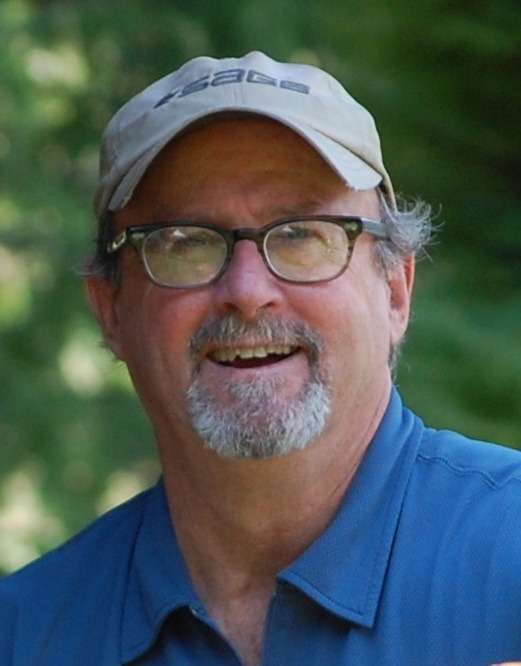
Marc Bale spent more than thirty years inside one of fly fishing’s most influential companies. In this episode, he walks us through Far Bank history, the early Sage days, the rise of Rio, the Redington years, and the philosophies that kept everything from collapsing under its own growth.
Marc Bale spent more than thirty years inside one of fly fishing’s most influential companies. In this episode, he walks us through the early Sage days, the rise of Rio, the Redington years, and the philosophies that kept everything from collapsing under its own growth.
Marc jumps in fresh off a long walk along Hadrian’s Wall — 85 miles across northern England. It set the tone for a conversation full of reflection, travel, and fly-fishing roots. He shares how he’s been spending more time walking old paths and revisiting meaningful places.
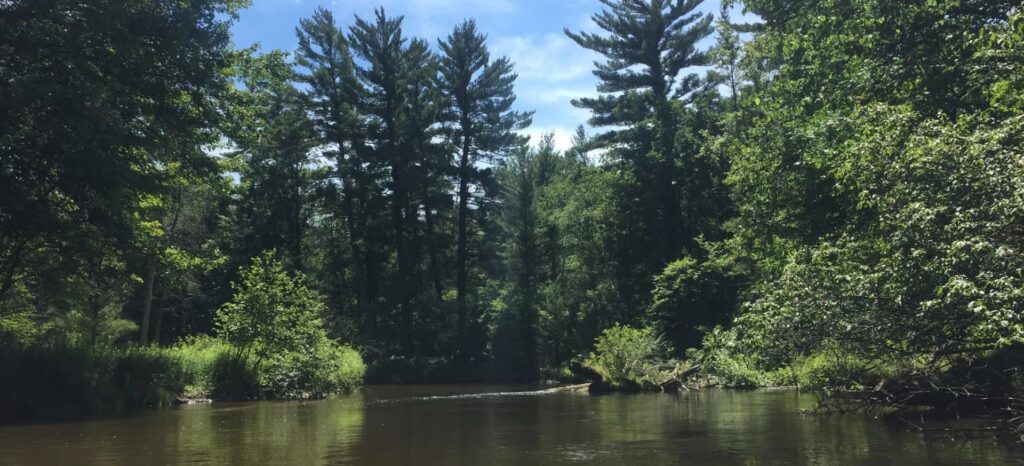
Later this year, he’s even heading back to the tiny Michigan creek where he caught his first trout on a fly.
Marc takes us back to 1987–89, when he stepped into Sage just ahead of the River Runs Through It boom. The timing couldn’t have been better. The company had a decade under its belt, phenomenal founders, and an industry poised for explosive growth.
Marc grew up surrounded by classic Michigan water — the Pere Marquette, Manistee, Pine, and others — and a father who tied flies and passed down the curiosity. The spark started with a garage fly-tying kit, a bamboo rod, and the freedom to explore.
He even plans to revisit that original creek during the hex hatch.
Far Bank wasn’t always the household name behind Sage, Rio, Redington, and Fly Water Travel. Marc walks through how each brand joined the fold — and how they ended up needing an umbrella name. When “Far Bank” landed on the whiteboard, everyone knew. Good things happen on the far bank.
Marc gives us a behind-the-scenes look at Rio’s evolution from a small line company to a powerhouse growing by “a million dollars a year.” He credits Jim Vincent, Kitty Vincent, Simon Gawesworth, and Zack Dalton for driving innovation — especially as Spey casting took off.
Simon Gawesworth gets a lot of love in this section — and rightly so. Marc tells stories of Simon teaching cricket bowling at sales meetings, drinking beer for sport, and designing lines that finally made Spey accessible in North America.
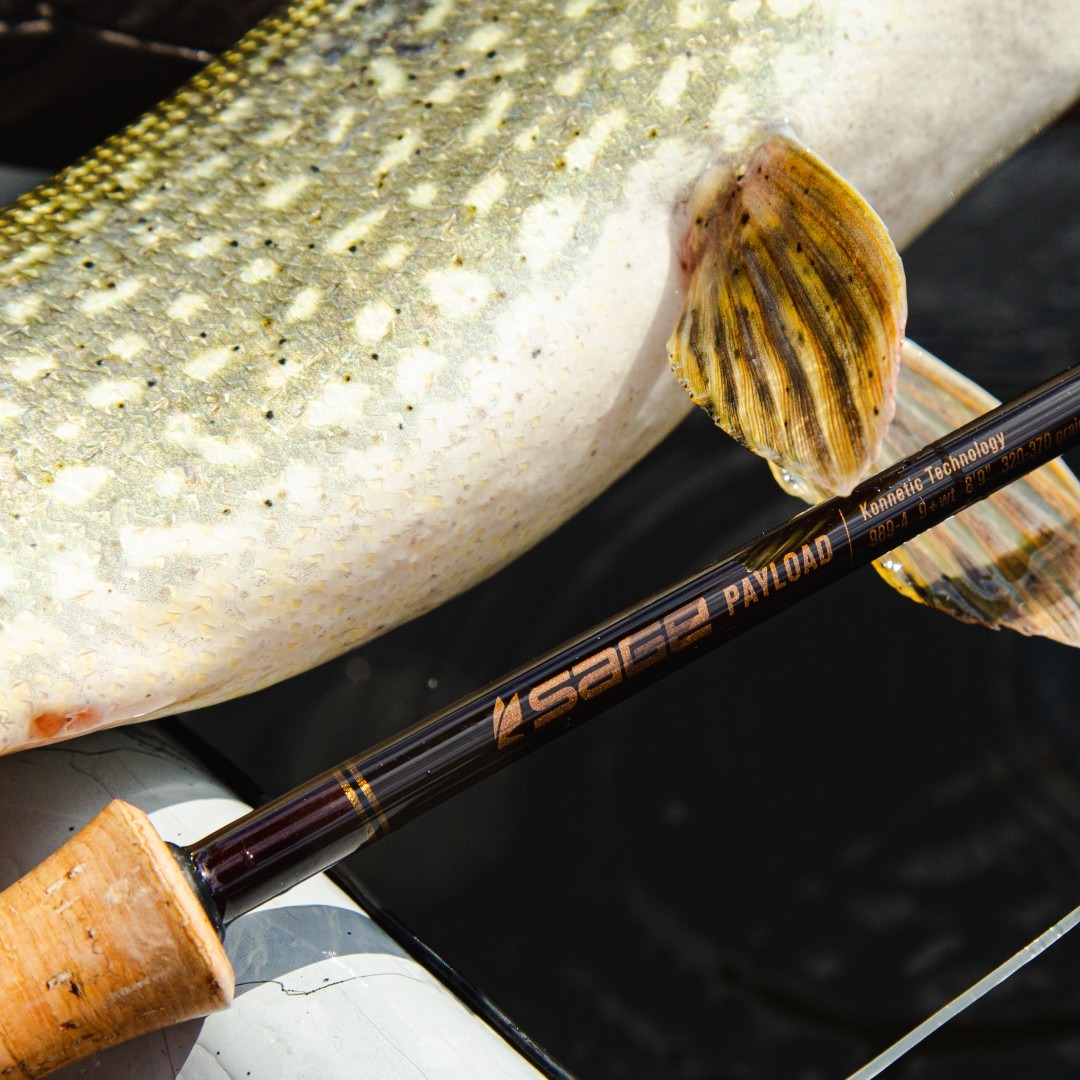
Before Simon and Jim Vincent pushed the door open, fishing with a Spey rod could feel like deciphering ancient scripture. The 9140-4 Sage rod was one of the early breakthroughs.
Marc gets candid about the difficult transition to online sales — especially because Sage was built on the backs of specialty fly shops. The internet changed everything, and Far Bank wrestled with whether selling direct would alienate shops or lag behind competitors.
Marc shares a thoughtful look at fly shops: why they remain critical, why they can be difficult, and how local knowledge will always beat the internet. He calls out Seattle’s strong shop scene and highlights a few favorites:
Marc was an early advocate for bringing Fly Water Travel under Far Bank, and he still travels with them today. He talks about working with Ken Morrish and Brian Gies, the value of having deep pockets during COVID, and why travel is now deeply woven into the fly fishing lifestyle.
Marc opens up about the tough realities of steelhead in Washington — closures, declining returns, and the heartbreak of rivers he once knew well. He still dreams of catching one more fish from the North Fork Stillaguamish.
He also highlights the optimism of folks like John McMillan.
We get nerdy here — in the good way. Marc talks about classic Sage models anglers still ask about, the technological mindset behind every new rod family, and why the extra foot on a 10’ 8-weight matters for steelhead.
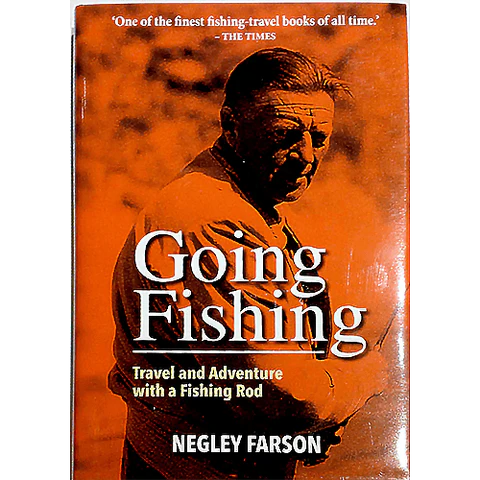
Marc lights up over fishing literature. His number-one recommendation is Going Fishing by Negley Farson — a 1942 travel-meets-fishing masterpiece.
Episode Transcript
WFS 847 Transcript
00:00:00 Dave: Today, we’re diving into the story behind one of the most influential companies in modern fly fishing, the group responsible for sage, Rio Redington and Fly Water Travel. We’ll trace how a small graphite rod shop grew into a global brand. How two founders, one obsessed with product and the other with marketing set a new standard for performance and how that same DNA still runs through every rod, reel and fly line carrying the far bank name today. This is the Wet Fly Swing podcast, where I show you the best places to travel to for fly fishing, how to find the best resources and tools to prepare for that big trip, and what you can do to give back to the fish species we all love. Marc Bale spent more than three decades inside the far bank world, helping guide the evolution from mom and pop roots to a company that defined an era of fly fishing. From Don Greene’s early graphite breakthroughs to the rise of Spey casting and the fragile egg philosophy that kept the culture intact. He’s seen it all from the inside. By the end of this episode, you’re going to not only understand the story of sage, Riehl and Reddington. You’re going to hear what those decades inside the industry taught one angler about passion, people, and change in fly fishing. All right, let’s get into it. Here he is, Mark Bale. How’s it going, Marc?
00:01:13 Marc: Uh. Really good. A little jet lagged. I’ve been in Europe, but I’m home now and sort of getting my feet back under me. It does take time.
00:01:20 Dave: Nice. Nice. Have you. Were you out? Europe was fishing or what were you doing out there?
00:01:24 Marc: Well, I fished a lot this fall, September and October, but actually I was walking Hadrian’s Wall in the UK. That’s a traditional walk. I’d something I’d wanted to do for a long time. Eighty five miles. And now I can say I’ve walked across England. Wow. That’s what I was doing.
00:01:42 Dave: Amazing. Yeah, eighty five miles. That’s a good chunk. Well, I’ve been excited about this conversation today because you used to work for basically some of the biggest companies in fly fishing. I mean, I think there’s sage. There’s not a bigger name than sage, but the whole far bank brand, you know, network is is pretty amazing, right? So we’ve talked a lot about that. We’ve done some cool stuff with all those partners, but I’m interested here in the history and how you got all into it. But maybe let’s just take it back to the start real quick and hear about your background, I think. Was it eighty seven when you started with those brands? Maybe take us back there and talk about how you came to find that position.
00:02:17 Marc: Yeah, eighty seven eighty eight is really when I started with a company I’d known the owners previously, Don green, Bruce Kershner, the company had grown to a size where, uh, initially I was a sales rep. After a while of doing that, uh, Bruce Kershner asked me to come in-house and take over the role of sales manager, which, to be honest, I was pretty happy to do. And yeah, so I started, uh, you know, officially, I guess, in that role in, uh, eighty nine and worked there for, uh, over thirty years, I think thirty two years in total, and had a really great run with great people at a great time.
00:02:54 Dave: Right? Yeah. Great time. Eighty nine was a great time because, you know, the river runs through it. And in fact, we have actually, um, you know, we’ve had a few episodes on A River Runs Through It, but we’ve got, uh, the son of Norman McLean is coming on the podcast to talk about, you know, some of that this week. So we have it back. But yeah, that’s right. In that time when River runs through, it got going and things went crazy, right? But sage was there before right before that. They were there ten years before.
00:03:20 Marc: Yeah. That’s correct. The sage started in late in seventy nine. We really said eighty nineteen eighty. And so by the time I got there, it had been around almost ten years. Well, as a sales rep, maybe seven or eight years, but in house, um, it had been around ten years. It was, if you have to pick a moment in time in the last, oh, I don’t know, thirty, forty years of the fly fishing industry to come into a company like sage, it was a great time to be there because it was a little bit before a river runs through it, you know. Then I think it was ninety three when River Runs through it came out and from then on, as I say, a river ran through it because it, uh, it kind of went into a different dimension from then on out. So yeah, that was a that was a big event. Anybody who thinks Hollywood doesn’t make a difference didn’t experience what I saw with River and saw it in nineteen ninety three.
00:04:12 Dave: Yeah, nineteen ninety three. And what is it when you went in there? I mean, you probably knew about sage, but back in those days, you know, maybe talking about that, what made sage stand out? Because I know I’ve been in it quite a while, too, and they’ve always been, you know, I think sage has always been that brand like kind of top. Right. What was it that got them there?
00:04:29 Marc: Well, I think you have to really look at the two owners. The two founding owners, Don Green and Bruce Kershner. Don had an incredible passion for product. That was his thing. And Bruce had an incredible passion for marketing and sales. So in a lot of ways, it was really a great partnership at a great time. You know, I think that if you have to look at any one thing other than the fact that the sport of fly fishing was about to have its real moment. It was the fact that had two people who were in many ways perfect partners, the perfect complements for one another. And, you know, they’d spent ten years getting it all together and, and, you know, getting the product right and getting the marketing right and getting a lot of things right. And, and then I sort of waltzed in and the table had been set. So I’m not going to say it was easy, but in retrospect, I recognized that it was a lot of people had done a lot of things before I got there.
00:05:26 Dave: Right. And how did you find before that, that nineteen eighty seven period? What were you doing in fly fishing before then?
00:05:31 Marc: I had grown up in Michigan, and I had a father who was a fly fisherman, and I had always been a fly fisherman. And it’s kind of a long, convoluted story, as I think a lot of stories are. But I’d gone to school in England in the mid seventies for three years, and I came back and one thing led to another. I ended up at the University of Washington. I took a part time job at Patrick’s Fly Shop, which is still in existence and one of the oldest fly shops in in America. And that was while I was finishing up my advanced degree. And, uh, I worked then in the Kaufman organization for a while. Kaufman group. I think it’s fair to say that, you know, I really have hung around fly fishing for really most of my adult life. I, I’m sitting here in my office, and I’m looking at a picture of me with a, with a pair of diapers on and a wicker creel and a bamboo fly rod that my parents took me on the Pere Marquette River in Michigan. So, you know, I, I guess I can say I come by it honestly, but it was always passionate about the sport and frankly, still am.
00:06:36 Dave: Yeah. That’s amazing. Yeah. So back to Michigan and we’re it’s cool because the, uh, you know, the Great Lakes area, we’ve done a lot of podcasts and it’s an amazing area. I mean, really. And so what was your dad? Was he a lifelong fly angler. Do you remember how he got in, or did you hear that story?
00:06:51 Marc: Well, he wasn’t lifelong, but he came to it as a young adult after the war. He started fly fishing and he started tying flies. He tied his own flies. And when I discovered this, I can remember crawling around in the workbench in the garage and discovering his fly tying kit and being fascinated, opening it up. And here, all these feathers and furs and a vise and jeez, I thought, this is like buried treasure. And so he showed me how to tie a few flies and got me into his right McGill bamboo fly rod and showed me a little bit about casting. And, you know, there’s nothing like a kid with enthusiasm. You just get out of their way. And, you know, I grew up in the little town called Big Rapids, about fifty miles north of Grand Rapids. It’s not necessarily right in the heart of the trout fishing country, but it’s close enough. And we had plenty of trout fishing around. My parents had a cabin on the pine River. The Pere Marquette was close by. The Manistee was close by. The Ausable was not that far away. It was a good place to grow up, you know, and if you’re interested in fly fishing. So it was pretty easy to sort of take it from there and run. I should probably add that I’ve got a little trip planned this coming year. I’m going to go back and I’m going to actually fish in the tiny little creek where I first caught my first fish on a fly.
00:08:13 Dave: Oh, cool.
00:08:14 Marc: And I’m really looking for, I gotta tell you, if all the exotic things I might have done in my career, in life, going back and fishing, this little creek is high amongst them.
00:08:24 Dave: That’s amazing. Yeah, I think that we talk a lot about that on the podcast. The fact that, you know, of course, giant fish and all that is amazing and stuff. But we’re finding a lot of people, listeners that are loving, you know, finding these small little creeks that are tucked in and little, you know, maybe a three inch trout, native fish and going back to these areas. Right.
00:08:41 Marc: Can’t agree more. I can’t agree more, Dave. I mean, it just I just was open bc steelhead fishing where I’ve been many, many, many times. And and while I love that and still consider probably bc about the best place on earth, especially for a fly fisherman going back and fishing this little creek in Michigan, which I saw a few years ago. I didn’t actually fish it, but I went by it. And it’s amazing. In fifty years since I fished it, it hasn’t changed. It really has not changed. And it’s just the intimacy of it. The fact that I, I mean, I assume I’d be the only one who really even knows about it. I that’s probably not true. But in my mind’s eye, it’s true. Right? And yeah, I’m really looking forward to that. And I’m kind of wrestling with, you know, what do I do? Um, and don’t really want to kill anything. I catch out of it, and we’ll have to see how that works out, you know? But anyway, I assure you, when I was a kid, I killed everything I caught out of it, but. Oh, yeah, that was well before catch and release. So I’m struggling a little bit with how I’m going to handle all of that. But anyway, I’m really looking forward to going back and I’m going to time it during the hexagenia hatch. So I hope I catch that and, uh, fish the river. My parents cabin was and and then probably say my farewells to Michigan. I don’t know that I’d be back there again after that.
00:10:04 Dave: Right. And where are you located now?
00:10:06 Marc: I’m in Seattle. I live in Bellevue, suburb of Seattle. I’ve lived here for forty five years. Uh, good God. And I’ve seen a lot of change in my little, little community here. I still love living here. Love Seattle, love Washington, love the fishing here. But, yeah, it’s a long way from Michigan, so it’ll probably be my last trip back.
00:10:26 Dave: Yeah, yeah, I hear you. No. That’s cool. Well, the stories are the amazing thing, right? About this. And the sage story is really far. Bank, I think, is the name that I think everybody talks about now, at least in the industry. But how did far Bank come to be because you had sage you have REO Redington. Right. Wright and these brands.
00:10:43 Marc: That’s correct. So, you know, it was sage for many years. Uh, again, sage starting in nineteen eighty. And then in nineteen ninety three we bought Redington. So we added the Redington brand. And then in ninety five we bought Rio. We kept looking at it from, you know, the usual, what are we going to do with the brands. We didn’t want to kill the brand names. We didn’t want to make them all sage. We didn’t think that was appropriate. But we needed a name for a holding company. And and so we did what we usually did, went to the ad agency and spent some money with them, and they came back with some ideas. And we’re all sitting in a room one day and, you know, somebody throws up on the whiteboard, well, what about far Bank? And that name always resonated with me, I guess, because, you know, good things happen on the far bank when you’re fishing, you know, so.
00:11:31 Dave: You always want to hit the far bank, right?
00:11:33 Marc: Yeah. Right. Even if they don’t, you you kind of envision that that’s where the good things are going to happen. And so yeah, it became far bank And, you know, that was a fairly big change. There was a lot of resistance to it, as there is with any change. But, uh, I think it’s pretty quickly become, you know, if nothing else, the holding company for the actually for brands, because you have to throw Flywire travel in there now too. And so that’s the quick explanation of the evolution of it. It really came about. We just had this, this cadre of brands. And we needed a sort of an umbrella name to cover them all. And so we came up with flower Bank.
00:12:09 Dave: Yeah, that makes sense. And it seems like now, you know, I guess maybe that’s the question. Back then there probably weren’t a ton of companies doing this. Now it seems like there’s a bunch of holding companies, you know, with all the big brands out there. Is was that a new thing?
00:12:22 Marc: Yeah, that was definitely a new thing. And it was, you know, quite controversial because, you know, there’s so much about the fly fishing industry that grew slowly and organically, and it was a lot of mom and pop businesses and a lot of people who knew everybody and everybody knew them. And, and, you know, it’s still largely that way. But gradually companies grew and expanded and acquired other companies. And I’m not necessarily front and center with it nowadays, but I hear enough to know that it’s still going on, and I think we’ll continue to go on. I think that there’s always the aging out of ownership, and then new people come in and then they need to have more than what they got. And so you had companies. And so I just think it’s inevitable that that kind of trend is going to continue.
00:13:06 Dave: And it’s cool because again, sage real. Reddington. And you added flatwater travel, right? More recently. But when you look at that and you mentioned Don green who a huge name, you know, obviously was a big part of sage, but with REO maybe talk about that a little bit because I think Simon Bosworth, you know, who we’ve had on the podcast a couple times, he’s this amazing person, you know, and personality who is the personality of is there somebody like Simon for all the brands?
00:13:32 Marc: Well, you know, you had Don and Bruce for sage. You certainly had Jim, Vincent and Simon and I would throw Zack Dalton in there for the Rio brands. Uh, Redington was a little bit, I guess I would say more diffused. Jim Murphy was most associated with it at the time we bought it. And so, yeah, there’s almost always at least a personality, a founder, a driving force behind it. But yeah, back on Simon, I tried to see Simon when I was just in the UK and we just missed, but I’d seen him. He’d been out in Seattle just a month or so earlier and very serendipitously, uh, showed up at the point in time where one of my good friends was having his eightieth birthday party. So Simon got to go to the party and. Oh, cool. Got to spend some time with Simon. I should add that, you know, Simon’s one of my favorite people in the industry. If you don’t like Simon, I think you got some real problems.
00:14:25 Dave: Yeah, he’s. He’s amazing.
00:14:26 Marc: He’s a fantastic guy and a fantastic ambassador for the sport. And that’s probably what I always looked at when we were dealing with promotional people with whom, quite honestly, I had the privilege of working with quite a few. You know, the Barry and Cathy Becks, the lefty craze, the Chico Fernandez, the flip palettes, Lonnie Waller. It goes on and on and on. And I always wanted to have them be ambassadors for the sport first and foremost. And Simon is certainly that.
00:14:54 Dave: Yeah, definitely. No, it’s, uh, there’s so many names. You know, you mentioned a bunch of them, but yeah, Simon will, he is one of those living, kind of living legends, I think, you know, and I learned, you know, I learned from Simon my first time to BC back in, you know, you know, gosh, whatever it’s been now, fifteen or so years ago, I learned a spate cast watching his videos.
00:15:12 Marc: And he had his hat on, too, I’m sure, for it.
00:15:15 Dave: Yeah.
00:15:15 Marc: Funny hat. We always kidded him about that hat. I should tell you a good story about Simon. That, uh, I’ll probably remember forever, but we always had him at our sales meetings. He was one of the instrumental people. This is after. Of course, we bought Rio, but he would always come to the sales meetings. And one of my great memories of Simon is when he tried to teach the rap group how you bowl a bowling ball in a cricket match, and. He was very stylized in doing it. Clearly knew what he was doing and teaching it to people who had no shot at ever getting it right. It was quite comical, actually.
00:15:53 Dave: Right, right.
00:15:54 Marc: Among his many talents, not the least of which is beer drinking and, uh, being a big soccer football fan. You know, he’s a big Liverpool fan, but he also knows cricket and tried to teach everyone the proper way of bowling a ball in cricket, which was comical.
00:16:11 Dave: Right, right. That’s amazing. Yeah, well, we’ll definitely have to get him back on again. He’s always. He’s always got some great stories.
00:16:18 Marc: He’s he’s just great value. He’s great value. He’s good. Good guy.
00:16:24 Dave: When it comes to high quality flyers that truly elevate your fly fishing game, drift hook com is the trusted source you need. I’ve been using drift hooks, expertly selected flies for a while now and they never disappoint. Plus, they stand behind their products with a money back guarantee. Are you ready to upgrade your fly box? Head over to driftwood today and use the code at checkout to get fifteen percent off your first order. That’s driftwood. Don’t miss out. If you’re looking for a world class fly fishing experience, it’s time to check out Mountain Waters Resort, nestled along Newfoundland’s legendary Portland Creek. This spot has a history that runs as deep as the Atlantic salmon that call it home. Once a fly fishing retreat for the great Lee Wolf, today it’s your turn to step into these historic waters and swing up your salmon this year. You can head over to Wet Fly Swing Waters right now and make it happen. That’s what fly. Let’s get out there today. So Rio and that’s part of the brand. I mean, that’s a lot of the stuff that he did and the videos where we learned about was through that. What is. I’ve heard this. I’m not sure if this there’s a lot of truth to this, but out of the, you know, sage, real Reddington. These all these, you know, you have the company that has the big brands. The fly lines are really drives. It’s the brand that’s not heard of as much or the product, but it drives. How important are fly lines to far Bank?
00:17:52 Marc: Well, they’re hugely important. You know, when we bought it, it was a relatively small company and we bought it at a good time. You know, Jim and Kitty Vincent had reached a point where they well I don’t want, don’t want to say they needed or even wanted to get out, but they determined it was a good time to get out. And I think they made a right decision. And so we got into it. And from two thousand and five until, I don’t know, two thousand, even twenty, we were growing it at a million dollars a year. And it’s an incredibly good business, I would say, of the businesses that that I’m intimate with, and I think I know not all of them, but I know most of the brands and categories reasonably well. You won’t do better than fly line leader and tippet. The barrier to entry is is quite high, which is not the case in almost all the other categories. You know, you’ve got to have some machinery and some expertise, and we may call it goop on a string, but there’s a lot that goes into that goop and a lot that goes into the string and trying to get it right. So it’s really a good business. And then moreover, beyond the business, let’s face it, the marriage between a fly rod and a fly line is critical. I mean, that’s the magic right there. And and believe me, there is some magic to it. You know, we all know we’ve all had the experience of putting a having a rod, putting a line on it, and it just for whatever reason doesn’t work. And you change the line, you put another line on it and all of a sudden it sings. So yeah, it’s a super important part of the overall equipment. I’d say that the fly line and the fly rod are, are really, really the heart of it. I think later in tip it’s important and obviously the fly too. But if you’re talking about the heart of fly fishing, which is the casting, I think you know that marriage is super, super critical. So for us it was a logical thing to go and buy. And we were very, very lucky to get it when we did. And it was, uh, you know, for really the balance of my career, which was another fifteen years. It was a really great success story.
00:19:54 Dave: Yeah, exactly. That’s that makes a lot of sense. Yeah. Because there aren’t a lot of fly. There’s a lot of there’s brands. Well, there’s companies that have fly lines, but there’s only a few of the big ones that make the lines out there. Right.
00:20:06 Marc: You know, there’s three major manufacturers. There may be more now. Again, a lot can happen in four years. But yeah, there’s there’s really the three major ones. And you know, it was always good competition. But it was good clean competition. There wasn’t a lot of pollution going on here and there. It remains a good business. It’s a really cool, cool little business. We once had a very good consultant in house who told us that he’d looked at lots of different businesses around the world. Really? And he said, geez, if I could just own one of them, it would be real.
00:20:39 Dave: Hmm. No kidding.
00:20:41 Marc: Yeah. No kidding. So, uh, I think that gives you some idea of of how important that is to the overall brand portfolio.
00:20:49 Dave: Yeah, definitely. But but sage, really, like you said, where you got started is, I mean, since I was a kid, has always been, you know, the name, the company, the top of the line talk about the evolution. Because I think there’s still some new rods, probably before you retired that were coming out that people still talk about, like, man, that doesn’t get any better. What were some of those? Describe that a little bit.
00:21:09 Marc: You know, it’s funny because regardless of where I go fishing and I’m usually running into other people, sometimes I’m in a lodge with, you know, six or eight or ten other guys, and everybody brings up a rod that they had one of the models and, you know, it’s the old El Al, or I’ve still got my PP or my p-l or I love that Z axis, or I love the SPL or you know, it just. And you never know what it’s going to be. You never really know, but you’re pretty sure that if you have a group of a half a dozen anglers around, somebody’s going to pull one out of the hat. And it will start the conversation by saying, I wish you guys still made those. You know, and, uh, anyway, there was a lot of evolution. Um, the one thing I would say about sage, which I always really appreciated, and I grew to appreciate more the longer I went on with it was, is, is that we always try to make a technological improvement. It might have been small, it might have not been something that was readily apparent. But we did have people in house. We had a composite engineer who did nothing but play around with graphite. We had Don there for many years, who knew graphite really well, and we were always working to try to make the product better. We worked fairly closely with Boeing, who was of course, at that time was, uh, you know, a huge force in the Seattle area and not so much now, but still a big force. And a lot of their research is done here. And consequently, there’s a lot of carbon fiber graphite manufacturers in the area who we worked with. And there’s also a fairly active group at the University of Washington who are, you know, feeding people into the composite world. And so we had the advantages of working with those people. And again, every time we brought out a new product, trying to make something new and different with it. And of course, you, you know, you got into actions that you had to explore. There’s always a, a small cadre of people who like the softer, slower action rides. I might be in that category. The old LOLs are real favorite of mine. I think if you go on eBay and look up a three eighty nine three or even a three eighty nine two two piece, you’ll see they’re still holding their value pretty doggone well, and may in some cases be selling for even more than we sold them for. But that was really the story was just working hard on on always trying to have a technological improvement and not just bringing out a new color or a new name and sort of, um, I’ll say painting it on an old shaft. But I appreciate it a lot. And of course, I can tell you that our reps who were telling the story most kind of front and center in the field, they appreciated it as well. So, um, that was a big part of the whole thing. Whether you liked, uh, an RFP or an ex or whatever the latest is, you know, there was always we tried hard to make a technological story behind it.
00:24:04 Dave: Yeah. And we’ve heard all those names. I think the.
00:24:06 Speaker 3: Oh, yeah, there’s a lot of them.
00:24:09 Dave: There are, there’s a lot. Yeah, there’s there’s a bunch. I mean, and like I said, it’s got you got so many years back to the, the eighties. I mean literally it’s amazing to think. Right. You’re talking about fifty years of Evolution.
00:24:20 Speaker 3: Yeah.
00:24:20 Marc: Fifty years of evolution. And gosh, I don’t know how many families with fly rods. Quite a few. And then there’s price points and you know, so it ends up I think when I left, I left in twenty twenty one there were one hundred and eighty rods. Wow. In the series now a fair amount of those were Spey rods, which is a relatively late development and probably needlessly complicated. But there were there were a lot of Spey rods in that mix, but nonetheless there was a lot of everything else as well.
00:24:51 Speaker 3: You know, sage was pretty.
00:24:52 Marc: Closely associated with the saltwater series. Our initial Rpwl series was a big, big hit and kind of changed that game, or at least modified it somewhat. This Bay thing became very big, you know, to think about when I started steelhead fishing out here in the in the mid seventies, everybody was fishing maybe an eight thousand one hundred, a ten foot, eight weight single hand rod.
00:25:16 Dave: That’s right.
00:25:16 Marc: You can go months and you don’t see anybody on a river with a single hand rod anymore, including me. I mean, I use one, I’m maybe one of the few who still does. But yeah, it’s amazing the transformation that’s taken place there. And that plays right into the Jim Vincent Simon Gawsworth story. Yeah. Rio. Because you know, they led the charge on on bringing it to America anyway and bringing lines that could be easily cast and kind of decoding what was a needlessly complicated.
00:25:47 Dave: That’s right. That’s why it was so. And we’ve heard some of those stories that that’s why it was so amazing when Simon was right there. Right. Is that. Yeah. Is that when that happened. Talk about that a little bit because this is from a different side. We’ve heard George Cook and others talk about, you know, the evolution of rods and stuff. But Simon was right there in the middle of when you had really not good spey casting rods and lines, and then all of a sudden you had these wind cutters, right?
00:26:09 Marc: Yeah. That’s what happened. And, you know, Jim Vincent, the founder of Rio, specifically hired Simon out of the UK to come, you know, brought him over. I think he went through all the green card stuff and everything and got got Simon into the into the country and into the company and then, you know, really went to town. On trying to develop this whole series of lines that were for Spey casters. And Simon being European, he knew it backwards and forwards. His father had taught it. He taught it. You know, he’s incredibly knowledgeable about the whole that whole side of things. And Jim was no slouch because Jim, he liked to fish for anadromous fish. He’d fish in Iceland, he’d fish in Norway, he’d go to. He loved eastern Canada. And so, yeah, those guys brought that all to light. And they’ve certainly been refined a lot since. But yeah, they were right there at the very, very beginning of it all.
00:27:05 Dave: Yeah. That’s great. And for me, I remember because I was there in that time and I missed I was a little bit late on the Spey boat. I got started a little bit later. But still, it’s really interesting to hear how it all evolved and still is evolving, you know, into shorter, shorter lines.
00:27:18 Marc: The late nineteen eighties, there was a rod that sage worked hard on called the ninety one forty four, nine weight, fourteen foot rod that Don green worked really closely with Jimmy Green, another unrelated. They aren’t brothers, they aren’t related. But he worked closely with Jimmy Green on the development of that. And that was sort of at least from Sage’s point of view. That was the first rod that sort of cracked open the whole Spey world, and that was the rod that Jim and Simon were working on for their line development. And, you know, so again, if you’re looking for seminal moments, that would be one within the Spey world. And my God, as it exploded since, I mean, you need a Philadelphia lawyer to read your way through the literature.
00:28:03 Dave: I know, it’s so amazing.
00:28:04 Marc: Yeah, it’s needlessly complicated, I think. But, you know, welcome to fly fishing.
00:28:09 Dave: Yeah, yeah, yeah, we’ve been trying to decode the, you know, the Spey lines and stuff for a while, I think. You know, the more obviously, the more you get in, the more it’s easier. But for a new person, they come into it. It’s still confusing because you’ve got the difference between single handed lines, and then you’ve got all the all the grain weights and you know, all this stuff, right? It’s a pretty good learning curve.
00:28:28 Marc: I think you can get through it pretty quickly if you apply yourself, but you got to want to apply yourself and it won’t. It won’t always be smooth. There’s a lot to learn within it. And then of course, the whole casting side of it too is, you know, you’re into a different world with it. But it’s a wonderful thing to do. And having just been in B.C. and kind of had my nose rubbed in it very recently here, you know, you see how just efficient it is and, and how you cover so much more water and frankly, how you can you can hook fish if that’s your primary goal. And I think it is for almost all anglers here, you’re going to get them in places that you’d really have a tough time doing it with a single handed rod. There’s just a lot to be said for the there’s a reason it exists.
00:29:12 Dave: Yeah, definitely. No, it’s a worthy tool. And you mentioned Jim Green. It is interesting because you have Don green, who is you mentioned earlier. Don green was see, he was always getting because he got Jim Vincent, Jim Murphy, you got a lot of these names. But Don green was part of reminded us again what was his connection?
00:29:28 Marc: Well, he was the founder of sage, he and Bruce Kirshner, they were the founders.
00:29:33 Dave: So you got Don Green and Bruce, and then you got Jim Green. And what was Jim Green’s? What was his connection?
00:29:38 Marc: Jim and Don had worked together at Fenwick, and Don always said that Jimmy taught him how to cast, and Jimmy always said Don taught him how to design rods. And so, you know, again, it was a nice marriage there. And so Jimmy was involved. It was the only time, I mean, I knew about Jimmy and I’d met Jimmy and all of that, but I never really worked with him, except I was around him quite a bit when that whole ninety one forty four rod was coming together. He was out of Fenwick at that time, and I don’t know, he might have hired him on a consulting basis, maybe we didn’t, but he was living over on the Grand Ronde then, and he’d zip over to Seattle once in a while, and there’d be some real confab and casting and a lot of stuff going on, and then he’d go back to the Grand Ronde and, you know, kind of see him that way on and off for about a year anyway, maybe a little longer before the rod actually came out.
00:30:32 Dave: Yeah. Gotcha. No, this is great. And you mentioned it earlier when you were talking about the, you know, sage and where it’s at and all the tech, I mean, similar to Silicon Valley, right, with all the tech industries, you had this basically Seattle, this area with Boeing and all these great companies. And you also mentioned with the price point kind of those things with sage. One thing that comes up a lot is which I know well, because I was, you know, my dad had a little fly shop back in the day that, you know, fly shops are kind of the backbone of fly fishing. Right? But you have this thing where now companies are selling direct to consumer. Do you remember when the brands did you guys change from a fly shop only, or has it always had a direct to consumer part?
00:31:08 Marc: No, we didn’t always have a flash direct component at all. And it was a very easy argument in that what I’ll call the early days up and through, oh, let’s say the nineties until maybe the year two thousand or so. And as with anything, the internet has changed the world and with at most been a back burner conversation about, well, should we start selling direct because one of our major competitors, Orvis, always sold direct, and you intoxicate yourself with the image of great margins coming from direct sales without realizing what all the expenses that you have to go through to get them are. But anyway, it had been a back burner conversation for a long time. And then, oh, let’s say from two thousand to two thousand and five, it became a not necessarily a front burner on high heat conversation, but it became it was more in the in the conversation. And then, you know, from about two thousand and five to I can’t remember when we finally went direct, but twenty fifteen. It became a hotter and hotter conversation. And sometime in there and again, I don’t remember exactly when in twenty sixteen seventeen, maybe we did start selling direct over the internet. And I got to tell you a funny story about that. The very first ride, the very first ride that we took an order for direct, very first, I went in the I think we opened it up on a Friday. I went in on a Monday and there’s an order. There’s a there were five or six orders sitting there, but the first one we got was from a woman in Bozeman, Montana. And Bozeman, Montana has at least seven or eight shops.
00:32:46 Dave: All right. Yeah, there you go.
00:32:49 Marc: And she had every reason in the world. Well, clearly she didn’t. But she felt comfortable ordering from us. And so, you know I’m not going to say it justified the move, but it certainly put a bit of a wry smile on my face thinking, if, good God, if you can’t get one of our rods in Bozeman, Montana.
00:33:07 Dave: I.
00:33:07 Marc: Know you know, where can you get one? So she got one online. Isn’t that funny?
00:33:12 Dave: That is, it is. And you look at today now right. And you look at like Amazon for example, I mean, you know, a totally different conversation with Amazon. But it’s just so easy. They made it so easy for all all sorts of things. You know, not that buying fly gear on Amazon is the place you want to do that, but just the online stuff, right? I mean, you can go right now and buy whatever you want for a car, a house, probably, you know. Right. Anything.
00:33:34 Marc: Yeah. No, it’s astonishing what has worked its way into the online direct world. You know, Dave, I should point out this is an incredibly controversial decision because we’d always been very associated with the fly shops. And and so to change horses in midstream, it brought some real controversy, as did the decision to sell at Amazon. And, you know, we kind of made them at about the same time, maybe I think we delayed on Amazon for a while. And to be honest, I, you know, look, I’m four years out of it. I don’t know where either of those initiatives is now, but I know that they were not easy to make. Our board was all in favor of us making them, and they were in fact pushing us to make them. And that would be our ownership. And so we finally did it. But boy, I’ll tell you, it didn’t come without some very difficult phone calls.
00:34:25 Dave: No. Yeah. Why is the biggest thing? Because we’ve talked a little bit about this. You know, the what is the biggest challenge of making that decision. Right. Because you’ve got a lot of things mixed up in here. Right. Conservation. You’ve got the small mom and pops. What is the biggest thing that you people thought like, oh, we don’t want to go that way. You know, we want to stick where we’re at.
00:34:43 Marc: In the long run. I think that you you’re worried, number one, about what your competition was going to do. Were they going to do it to or not? Were they going to hold out and then use it against you? And I think there are still some especially rod companies that aren’t selling direct. But again, I’m not that up on that. I don’t know that for sure. but I think number one was the fear of what our competition would or wouldn’t do. And number two is just the backlash from, you know, frankly, having built the business the way we had on a relationship with the specialty dealers, and we were pretty religious about that. That whole distribution component of the business was, frankly, a lot of what I did for a whole lot of years was just, you know, who are we going to sell to? Who are we not going to sell to? Are we going to sell to Bass Pro, or are we going to sell to Cabela’s? Are we going to sell to, you know, whoever, whoever, whoever? And Don green had a famous little speech he’d do all the time, which he called the Fragile Egg, and he referred to the fly fishing industry as a fragile egg, which, you know, could be pretty easily destroyed, because he had seen what had happened with Fenwick back when it got bought by a large entity.
00:35:52 Dave: And that’s right.
00:35:53 Marc: Kind of destroyed the brand. And so we always had that hanging over us as well.
00:35:58 Dave: It was interesting because Fenwick. Right. You had Fenwick. I mean, I don’t totally remember that, but there was a time in the eighties, seventies, eighties. Fenwick was the biggest company, you know, they were the ones. They were the rod.
00:36:09 Marc: Up until the early eighties. It was. It was clearly the the rod out there. And, you know, Don had lived through all of that. Bruce hadn’t. But Bruce Bruce came from K2, the ski industry, and he’d seen it there, you know, his family or the two cats. His father and his father’s brother. His uncle.
00:36:27 Dave: Oh, really? Oh, no kidding. I didn’t realize that. Okay, so Bruce is Bruce Kershner. Yeah, yeah. Bruce Kershner so the K2 is. Wow. That’s his brothers.
00:36:35 Marc: Yeah. His father and his father’s brother. His uncle. Those are the two K’s of K2.
00:36:40 Dave: Yeah, it’s all coming together.
00:36:41 Marc: But anyway, he saw the distribution thing and the ski business, which has real parallels. And so we were always respectful, mindful and a bit fearful of it all at the same time.
00:36:52 Dave: Yeah. Yeah. No, it’s so cool. And the K2 of course. And yeah, the Fragile egg is great too because Don On. Don was there. He saw the company he worked for. He saw it collapse and or. I don’t know if it was a collapse, but what happened? It got bought out by a big company. They didn’t do a good job with it.
00:37:06 Marc: Yeah, I would stream, I think is the company who bought them and I don’t really know the whole pedigree of that, but I know that by the time sage really got rolling, Fenwick had really receded into the past. And I think in a lot of ways, sage just waltzed in right, right in there where the vacuum had been created by what had happened to Fenwick. So, yeah, I mean, you throw all these elements into it, and the decision to go direct was, uh, not without some sleepless nights.
00:37:35 Dave: Yeah. And the biggest sleepless night for that. You had your competition, but you also had the fact that, you know, the fly shops, right? Was that a big part of it where you thought like, hey, you’re really the backbone of fly fishing. You’re really stepping on those little brands.
00:37:48 Marc: Yeah. And believe me, I, I still vacillate about that whole thing. My like, I could probably write a dissertation about fly shops and how important they are and how difficult they can be. It’s an interesting dynamic that you run up with because you’re dealing with with generally small business people, and they’re very worried about a whole lot of things that they should be worried about. And they’re also very good at what they do because they know their local markets. And it was Haig-brown who said, fishing is always local. And he’s right. You know, it’s you think you know what you’re doing. How many times have you gone on a trip somewhere and you’ve tied all the flies and gotten all the stuff together, and you get in the guide boat the first day and he looks at your fly box and says, here, I’ve got something I think will work better, you know? So. Right. Only a few hundred times does that happen. And so you have to be respectful of that. You really do. But I do think the industry has has frankly evolved beyond that. There’s a lot of people who are thriving in the online world. You know, I don’t think the industry is booming by any means, but I think it’s quite healthy for good operators. At least that’s generally what I hear and what I see. I think when I like, I fish on the Yakima quite a bit and I’m a customer of reds. I know those guys there. You probably know them. That’s a wonderful operation and they’ve just moved on and they do what they do. And and I think the good ones have done that and have adjusted to the fact that a lot of the industry is selling direct.
00:39:20 Dave: It is no, I think that, you know, and you know this as well. You know, business is always changing, you know, and that’s that’s the fun and kind of scary and crazy thing about it. Like even this podcast, right? I mean, there’s always changes going on and there’s things that I haven’t embraced yet, but I’m like, oh, I know it’s kind of maybe going there and I’m thinking, I’ve got to do this, but it’s going to be a ton of work to do. And finally you do it and you take a chance and maybe you’re the first person doing it or not, but you figure out what happens. Was it good or not? And then you tweak it right? And you keep doing that for the rest of your time in business.
00:39:49 Marc: Yeah, well, that’s the nature of business. And I kept a sign on my desk. In fact, I’m looking at it right now because I pinched it from my computer when I retired. And it says, if you don’t like change, you’ll like irrelevance even less.
00:40:04 Dave: Right?
00:40:05 Marc: And I think there’s a lot to be said for that. And I think generally if you got to choose being a little bit too early or a little bit too late, I’m going to choose be a little bit too early every time. You know, I think you’ll be ahead of the game if you’re doing that.
00:40:22 Dave: We’ve heard many of the stories on this podcast. Togiak River Lodge is one of the great destinations for swinging flies, for Chinook, stripping for coho all day, and unwinding in a lodge right on the riverbank of the Togiak River, with access to all five salmon species plus rainbows, Dolly Varden and more. Togiak offers a true Alaskan experience. Picture over thirty miles of river, seasoned guides, high quality boats and low fishing pressure. It’s fly fishing. Alaska at its best. I’ll be heading up this summer, so reach out to Jordan and the crew to see what dates they have available this year. You can learn more right now at. That’s Togiak. Alaskan fly fishing like you’ve always dreamed about. Big shout out to Smitty’s fly box. They’ve quietly become one of my favorite places to grab flies and tying materials online. The Smitty’s experience is simple, clean, and it’s all the stuff you actually use. Patterns that fish well, solid hooks, tungsten beads, dubbing, foam, feathers, tools, none of the stuff you don’t need and all the stuff you do. And the cool thing is, these flies and materials come from folks who fish the same waters we do. Their patterns are built around real conditions, cool mornings, slow afternoons, and picky fish. So if you’re looking to restock for the season or just want to refresh the bench before your next tying session, check out Smitty’s Fly box. They’ve got nymphs, dries, warm water patterns, streamers, and everything you need to tie your own. You can head over to Wet Fly. Right now that’s SM as in mama I TT y as in yes s. Check them out now. One brand of the far bank we haven’t talked about is fly water travel. Talk about that one. Because we have we’ve had Ken on the podcast and travel is so huge right. For all a lot of people I mean, whether you’re traveling locally or around the world. When did that was that an easy decision?
00:42:18 Speaker 4: Well, it was for me.
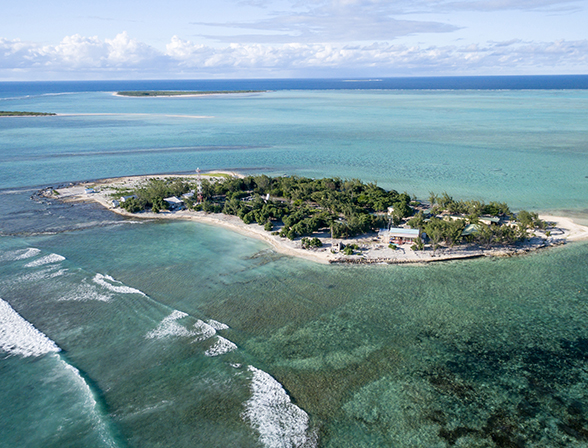
00:42:19 Marc: I was an advocate of wanting to get into that business. From fairly early on. We had looked at the possibility of buying a couple of other different companies, and for one reason or another, they didn’t work out and we couldn’t get a deal put together with Kenny and Brian. And then a somewhat I don’t know, maybe it was a year later or something like that. And I think it all happened and I’m going to be wrong about this, but I’m going to say it was twenty seventeen, In twenty eighteen. When that happened, we bought them and and I always thought it was, again, a little bit like the marriage of a fly rod and a fly line. You know, travel is such a big part of the game now for a lot of different reasons. People travel to fly fish. There’s a whole lot of reasons why they do it. And I love that organization. I’d known Kenny forever and ever and ever. I had met Brian a few times. I didn’t know him as well, but I knew the people, quite a few of the people who worked in the organization. I thought it would be a magnificent fit. So when the opportunity came up, when the, you know, the price got to be right, to me it was just a natural addition, for all the obvious reasons that it’s a natural tie in with our brands and what we were doing and still specializing in fly fishing. So I was thrilled when we put it together. You know, I’m still frankly thrilled. I talked with those guys quite a bit. I’m actually I’m booked to go on a trip to, of all places, Saint Brandon’s Island next year and um, and going through fly water and really looking forward to that and look forward to the continued success that those guys have experienced. And I think they’re glad that they sold it to us. Um, I think Covid was a good time to have a partner that had deep pockets like we had or have, and I think that that helped them materially. So I think that one’s worked out pretty well.
00:44:12 Dave: That’s right. Yeah. Sometimes you forget about Covid as you’re out and then you realize like it was a big a big thing, a big change that shook things up.
00:44:20 Speaker 4: Right, Dave.
00:44:21 Marc: Especially in the travel industry, you know, I’m I’m glad I wasn’t, uh, sitting at ground zero when Covid hit because, boy, that was a oh, you think about all of the, you know, that they had to go through with refunds of.
00:44:34 Dave: Of.
00:44:34 Marc: Deposits. Oh my God, that had to be a nightmare. But yeah. Anyway, I got a lot of respect for that org as I have all of the brands we bought. Lot, but those guys really, really, really ran and have run a really cool business there.
00:44:51 Dave: Yeah they have. This is so good. Well, I think, Mark, we’re going to be able to wrap this up pretty quick here. But I just wanted to kind of take it out of here. We mentioned it before with the fly Shop. We have a little segment I love. We call our Fly Shop Friday. We’ve kind of copied it from, you know, Nick and some other folks out there, but it’s kind of just a way to shout out to, you know, the local shops and you mentioned one. So as we take it out of here, first off, I just want to give a shout out to a fly shop. So you mentioned that. What was it Patrick’s that’s still going?
00:45:16 Marc: Yeah. Patrick’s is still going in Seattle, you know, was founded by Roy Patrick, I think in nineteen fifty three. And it’s been through several ownership changes. But it’s got a really good group in there now. It’s just if you’ve never been and you’re ever in Seattle Dave, you should just go see it because it’s a it’s a classic. It’s a standalone building on East Lake, which is right off of Lake Union and what is becoming the heart of downtown Seattle and certainly the heart of Amazonia.
00:45:45 Dave: Oh, right.
00:45:46 Marc: As Amazon is, is creeping ever further and further up. And you can literally roll down the hill and you’re at Lake Union where all of the houseboats are. It’s it’s a really neat place with what must be the world’s worst parking for a fly shop.
00:46:01 Dave: Yeah, that’s the challenge downtown.
00:46:02 Marc: Yeah, yeah, that’s the challenge. You know, locally, Emerald waters. I’m a fan of Creekside. I’m a fan of. Those are the ones that I visit the most, along with reds over in Yakima. Um, there are certainly other good ones around the area. Uh, Seattle is really quite blessed with, uh, a number of good shops. And it’s like I say, those are probably the ones that I visit the most. And, you know, Emerald Waters has really done a nice job with the writers on the fly program that they do there, and it’s a neat one, but I, I wouldn’t take anything away from any of the others. I think that it’s amazing that you still have a metropolitan area with, you know, I’ll say half a dozen good shops and then you throw in reds over on the, on the Yakima, which is the, you know, the number one river to trout fish in, in Washington. And it’s quite a thing over there that those guys have done. So yeah, from my point of view, the fly shop scene in Seattle is, is about as healthy as it’s been, ever. That doesn’t mean it has as many shops as it used to, but it’s still it’s a pretty healthy, vibrant environment.
00:47:10 Dave: Definitely. Yeah. No, I think that it’s good to hear. And we’ve had some episodes there with Emerald Waters and some other great stuff. So, so cool. Well, I’m going to take it out of here with a few of our random questions, some of them a little more random than others. But the first one, as we go back, is on the brands, and this might be a hard thing to think about, but the four brands, if you think of one word, maybe the DNA of each brand, could you give that? You know, if you go to sage real Reddington. Fly water travel. Is there one word that describes each?
00:47:36 Marc: It would be different, particularly in the Reddington case, which is a standout on its own, but I would I would just say it’s it’s hard to give one word, but I’d say great product, great marketing. I can’t emphasize those two things enough.
00:47:50 Dave: Yeah, those are the biggest things. When you look at the the brands, all these brands and really sage from the start, you said at the start brand or you said it product and marketing. What you’re saying about that is that you had literally the best product, and then you had the best marketing that got that product out there to the market, to the world.
00:48:06 Marc: Two people working there at sage who kind of just emblazoned that in my mind, that you’ve got somebody who’s razor focused on product and somebody who is ever mindful of the marketing. And if you think those things don’t matter in conjunction with one another, again, you weren’t seeing what I was seeing firsthand.
00:48:26 Dave: And we’ve heard tons about that. That’s a great thing. And and Redington is the one brand that really I feel like I’ve had some Redington products and I feel like Redington has really great products, but they’re a lower price point. Is there a, you know, how much crossover is there, like with sage benefiting, you know, Reddington rods and say, maybe all you know, is there a little bit of overlap there?
00:48:46 Marc: I think that there’s always. Because, you know, they’re really coming. They’re not made in the same building because Reddington is made overseas. But, you know, the the DNA is still coming out of roughly the same org all the time. And so, you know, to me, the difference is, is that Reddington is what I always determined was surprising value. And I think, believe me, I fish as much Reddington stuff I wear Reddington waders. I’ve got a bunch of Reddington rods and reels. That behemoth reel is a wonderful product, for example. It’s surprising value. And, you know, for somebody who isn’t necessarily bought into all of the brand cachet, and you just like to go fishing, you’re not going to do better than buying Reddington stuff. It’s good product. You know, we’ve edited the manufacturers really well. We had good people working on it, but it’s a different kind of DNA than what you’d get at Sage or Redington, or even fly water travel in that regard too.
00:49:43 Dave: Exactly. What is your, um, from rod line? You can only pick one one weight, length, weight of rod, you know, for fly fishing the rest of your time. What is it?
00:49:54 Marc: I guess I’m first and foremost, I’m a steelhead fisherman. If I had to do one more day of fishing, it would be steelhead fishing. And I’m going to be a single hand rod guy, and I’m going to go with a ten foot eight weight, and it’s a bit old fashioned, but you know, I’ve caught a lot of fish that way and I’m not going to let it get in my way. Now it would be an eight thousand one hundred and it would probably be in like a TK series or a TCR, a really fast action rod, because you know, you’re fishing. Oftentimes pretty big flies, sometimes weighted lines, sink tip lines, headlines, and you just need some power to do that. If I’m trout fishing, I’m going to be like a four eighty six, and an eight and a half foot for a four weight. You know, something in a softer action that’s going to be me. But, you know, I can tell you that if you took five weight out of the equation, you’d take about sixty percent of the rods that get sold.
00:50:48 Dave: That’s right, that’s right. The five weight is the key. We always. Yeah. The nine foot five weight. Right. Is that wrong?
00:50:54 Marc: Yeah, I always joked I said we could we could build a rod that’s starting. It was two feet long all the way to twenty feet long in six inch increments. And if it had five in front of it, we’d still sell some. Yeah.
00:51:06 Dave: That’s right. Well and I love you mentioned the ten foot eight weight. Right. That’s also a I grew up single hand steelhead fishing as well. You know nine foot eight weight was kind of and I always struggled. Maybe that was my big struggle is that I should have gone to the ten foot. What is the ten foot give you when you’re making casts for steelhead? Why is the ten foot better than a nine foot?
00:51:23 Marc: To me it’s when you’ve got you don’t have back cast room, which is a lot of what you don’t have, and especially smaller stream steelhead fishing. You don’t have the luxury of, you know, a parking lot behind you to stretch a back cast out and and and when you have ten feet, it just roll casts out better. And you know, if you learn how to be really a good roll caster and, you know, an abbreviated roll caster that gives you that extra little foot of action that I think does help you quite a bit. And, you know, there’s the whole thing about playing a fish. I don’t get too wound up about that, but I do think that the extra foot is a nice way to go. I still have probably half a dozen ten foot eight weight rods that I’ll take with me at various times, and and fish.
00:52:07 Dave: I was a single hand because my dad, he started fishing back in the fifties. You know, sixties. And he was so anti sp-a when that started coming. You know, we were not we were not into the space. So I stuck with it, you know, until finally, like I said, I learned I had to because I had to learn and but I feel like it’s um it’s old school and you stuck with it, so you never did. You ever. I mean, I’m sure you’ve picked up a sp-a, but you never really got into it.
00:52:30 Marc: I fished a spey a lot in the eighties when nobody was doing it, and that’s because I’d lived in England and I’d sort of forced myself. I didn’t fish a lot when I was in England, but I’d lived there three years, and I did fish enough to know I’d better learn something about this. And if you’ve ever heard of Hugh Falkus, Hugh Falkus was a famous British fisherman, famous British personality. I actually took his class, which was quite, a quite a production, and I taught myself and with his help and a few others, and so I fished them in the eighties. And then I finally just said, this is ridiculous. I think I was fishing the Deschutes one time, and I caught a couple of, you know, Deschutes steelhead, which are seven or eight pounds. And it was just it wasn’t any fun. And I said no. And I kind of walked away from it. And I’ve done it obviously, and can do it, but I just I almost prefer not to catch them. That’s a bit of a lie, but, uh.
00:53:28 Dave: Oh yeah. No, you’re doing it your way. I mean, that’s that’s the amazing thing about this is I feel like we hear that a lot, too. Like, you know, you do fly fishing how you want to do it. You know, if you want to only dry fly fish for the rest of your life, that’s great. You know, if you only want to fish with nymphs or euro nymphing. Right? Have at it. You find your thing. My thing? Well, it’s interesting because I’m heading. We’re heading to Newfoundland this next year to fish for Atlantic salmon, which I’ve never fished for. And we’re going to Mountain Waters Resort. We’ve got a great. It’s actually the cabin that Lee Wolfe made famous. And we’re going to the same place to fish the same waters. And I’m actually going to be using a single handed rod because that’s what they do there.
00:54:01 Marc: Absolutely. And Lee was famous for, you know, a sixteen pound fish on a sixteen dry fly. That was his big thing. And and so you should have a great time. Well, I’m excited for you because Newfoundland has been one of those, uh, I guess I’d say bright spots in the anadromous fish world, which is so up and down these days. But yeah, that that’s cool. You’re going there, Dave.
00:54:22 Speaker 5: Yeah. Yeah it is, it is.
00:54:24 Dave: No, we’re. Yeah. That whole conversation on conservation is big for us. We always try to have a partner and talk about. And we’ve had you know, John McMillan has been on you know, we’ve talked about the ups and the downs and you know, what we can do. And, you know, trying to keep positive because yeah, it’s tough when you see closures on your home waters right.
00:54:41 Marc: Well you know Washington State’s probably the poster child for the decline of steelhead. I mean, I caught my first fish or steelhead out of the Stillaguamish northfork, the fly only section of the river. And I have it in my mind, along with this kind of bucket list of stuff. I’d like to catch one more fish out of there, but it’s hard to find out even when the rivers open these days with all the closures that have gone on. And so I don’t know whether that’s going to happen, but I still have even hopes of here in November getting up there for a day or two and, and maybe looking out and finding a fish. But it’s really down to that.
00:55:16 Dave: It’s I know, find a fish.
00:55:18 Marc: Yeah. I mean it is not a healthy situation and doesn’t feel like it’s getting any better. You know, I said, and I can’t tell you how many meetings over the years with various groups trying to marshal this, marshal that, and get something done. And and all we seem to do is just be broadly contributing to a decline in, you know, these really fantastic fish.
00:55:41 Dave: Yeah. Yeah. Well, I think there are definitely I think they’re learning more about what’s going on, you know, and you can even take this to the Chinook salmon fishery. I think there’s some things, you know, up in Alaska that they’re learning. They kind of know some of the reasons. And it’s a matter obviously, climate change is this big thing that we’re dealing with. But yeah, I try to stay positive. I know John McMillan would be positive. And I try to I feel like it’s the only thing the way we could do it. Right.
00:56:04 Marc: He’s irrepressibly optimistic. I mean, if you get Gawsworth and and John in the same room together, you’d have a packaged enthusiasm and optimism, you know? So. But yeah, it’s not particularly, uh, healthy here in, in the state of Washington for steelhead, I know.
00:56:22 Dave: Well, let’s leave it on a positive note. I got a random question for you here on are you into sports at all or are you more what do you do? What are your other hobbies when you’re not fly fishing?
00:56:30 Marc: People always ask, are you going to be one of these guys that wants to go back to work after you retire? And I said from the I’ve been saying for a long time, no, I, I’m not worried about what I’m going to do when I retire. And, and that’s proven to be the case I seem to have specialized in, if nothing else, making the time go incredibly quick. In fact, if I’ve had a dark night of the soul about anything since I’ve retired, it’s just how damn fast the time is going. But it just is. It just rips by. I just had my seventy fourth birthday over the weekend and it’s like, how did I get how the hell did I get here? You know.
00:57:08 Dave: That’s what happens, right? That’s the thing that I hate. Well, I kind of hate about it is that whatever age you are, it time doesn’t slow down, right? Usually if you’re having a good, good time.
00:57:17 Marc: It just really rips along. But, you know, I’m a passionate gardener. I’m a passionate reader. I have a wide group of friends. I usually manage two or three trips a year, which I, you know, I don’t. I never know whether to say they’re more about fishing or more about the travel. I was in Oman earlier in the year and I loved going there and.
00:57:39 Dave: Wow, was that like permit fishing?
00:57:40 Marc: Yeah, I did that permit fishery out of Salalah, which was just a great time. And and I’m going to go to Saint Brandon’s this next year. I mean, it all sounds like first world problems here, but, uh, you know, I just don’t have problems filling up my time. In fact, it’s I start looking at the calendar for twenty twenty six and it’s already starting to fill up.
00:58:01 Dave: So you’re still lucky. So fly fishing is not one of those things where you retire from. And then you go, uh, you know, you’re out of fly fishing. You still love getting out there and going for it.
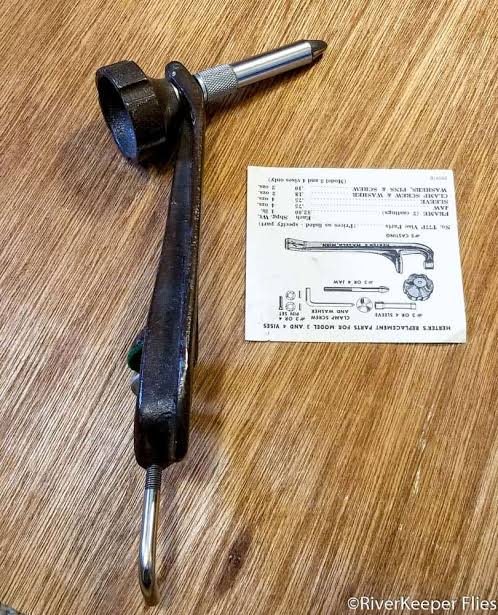
00:58:09 Marc: I do, I but it is a little different because for me, I do like to go to places where, frankly, there aren’t a lot of people and I don’t want to go and fish in a mob. That’s I’ve done enough of that. And I do like being able to couple it with something cultural, something. I’m a big fan of the World Heritage sites, and of which there’s over a thousand of them, and I’ve spent a lot of time, a lot of my life traveling, seeing them. And, you know, I’ve seen something like four hundred of the thousand. And so I always try to, you know, the Hadrian’s Wall walk I just did in England. I’d seen the wall before, but I’d never walked it. And the whole thing is a heritage site. And and so I didn’t fish on this last trip, but I could have and I just didn’t do it. But, you know, the point being that that I like to kind of double those things up. I want to go someplace that’s interesting and maybe a little bit exotic and and maybe not to, you know, I don’t always have to have that, but yeah, I, I’m sitting here in my office, which looks like a it’s an incredible fly fishing den surrounded by all sorts of arcane stuff, including the vice. My father taught me how to tie flies on.
00:59:20 Dave: So there you go. What is that? Vice. What type of vice was that?
00:59:23 Marc: Well, I have a debt of gratitude to the old herders company, which maybe you don’t even know about.
00:59:29 Dave: No, I do. I remember my dad talked about them. Yeah.
00:59:31 Marc: At the time, herders was the Cabela’s and Bass Pro of their day, and he used to get this fantastic catalog. And my dad had this herders vice, which you’ll never see one like it. It’s kind of a cam system. And I have it sitting here and that’s what I still use. It still works. It’ll work long after I’m gone. I, uh, if you looked around my office, there’s a lot of stuff in here.
00:59:56 Dave: Sounds amazing.
00:59:57 Marc: Yeah, it’s a cool spot. And I should add that I. You know, the other thing I like about. I do really enjoy reading about fishing.
01:00:05 Dave: Yeah. Give me this before we get out of here. Uh, a few books that see people can maybe look up, you know, be good ones to read.
01:00:11 Marc: Well, if I had to give you one book to go read, then a lot of people won’t have read and won’t even have heard about, uh, there was a great journalist named Negley Farson, and he wrote a book called Going Fishing. And Negley Farson was a Gadabout journalist who worked all over the world. And wherever he went, he took a fly rod, and This was Going Fishing was published in nineteen forty two originally. And so we’re talking about a time when people and he was a fly fisherman, but he was also a fisherman. He he was just an all around fisherman. And so if you want to dig up a book that I think you’d enjoy, especially if you enjoy the travel aspect of fishing, get this book called Going Fishing by, you know, Negley, Farson, Negley, Farson, f a r s o n and it’s called going fishing. And I think anybody would enjoy it. I in some ways I think it’s the greatest book I’ve ever read about fishing.
01:01:07 Dave: So, yeah. What about, uh, I’m sure you’ve, uh, a River runs through it like we talked about. I mentioned John McClane is coming on. I know that’s a different style book. is going fishing similar to A River Runs Through It style?
01:01:19 Marc: Not really, because it’s very specific stuff about the traveling places where he was and what he was fishing for and how he was fishing for it. Whereas if you look at the three stories that are in the River Runs Through it, which I the other two, by the way, are fantastic stories. It’s definitely more of a memoir than what Farson wrote, but again, I think anybody would be interested in it. I’m a big Haig-brown fan too. I dig out Haig-brown.
01:01:47 Dave: What’s one of his big ones?
01:01:49 Marc: Return to the River is the story of the salmon coming back. That’s probably his famous one, but I also like he wrote a whole series. It’s fishermen spring, Summer, winter fall each or fall winter. Each of those is a separate book. And and he’s such a wonderful, you know, wonderful writer. But, you know, the fishing world is just loaded with good writing. And there’s so, so, so, so much of it.
01:02:12 Dave: John Gierach was somebody we had on a few times on the podcast before he passed away.
01:02:17 Marc: Yeah. And wonderful, wonderful writer. You know, Tom McGuane.
01:02:21 Dave: Yeah. Tom McGuane.
01:02:22 Marc: Prolific writer about fishing. And so, you know, it goes on and on and on with the there’s no end of literature if you want to read about fishing.
01:02:31 Dave: I’ve heard some stats I should probably you should probably verify this. But something about like there’s been more written about fly fishing than all other sports combined or something like that. Right.
01:02:39 Marc: Well, I don’t know. I’ve heard similar stuff, but I do know there’s so much out there you can’t even begin to keep up with it. You know, you really, really can’t. Russell Chatham is another very fine writer. You know, he’s really known as a painter and as a restauranteur.
01:02:54 Dave: Yeah. What’s one of his books that we could look up on him?
01:02:57 Marc: Silent Spring and Dark Waters. Those two are probably my favorites of his. He’s a very fine writer. But, you know, again, there’s just so many of them. And, you know, if you want to get into the history of great writing and fishing, you’ve got a big subject going.
01:03:13 Dave: Yeah, Hemingway. Hemingway is a good one. A lot of people we talked to that his name comes up a lot, but here’s one. Let’s leave it on this mark before we get out of here. So I’ve got John McClane, son of Norm McClane, coming on. If you had a question for Norman McClane, if he was here in front of you, what would you ask him? What would you want to know?
01:03:30 Marc: You know, the third story in the book is about a guy that Norman was on the opposite end of a saw with as a lumberjack, and the title of the article has a son of a bitch named Jim in it. And so but I would ask him is, did he ever meet the son of a named Jim?
01:03:48 Dave: There you go.
01:03:49 Marc: I would really be curious to know because clearly he made a huge impression on his father. You should read the story.
01:03:56 Dave: Yeah, I remember I read those, but it’s been a long time. I know one of them was about his travels in the with the Forest Service, right, I think.
01:04:03 Marc: Right, definitely. And this has to do with the summer that he spent on the other end of the saw with Jim, who was quite a dude. And if he never met him, did he ever hear anything about him? Because, you know, clearly this guy was a a force of nature. Yeah.
01:04:19 Dave: So amazing. Cool. All right. Mark. Well, I think we can leave it there for today. Really appreciate all the time here and. Yeah, all the good work. I mean, obviously you were involved with some of the biggest brands in fly fishing for most of your career. So thanks for shedding light on all the history.
01:04:33 Marc: I feel very, very lucky, Dave. Very lucky to have been around it when I was with the people. I was there and part of a great team and I do mean part. It was a really good team we had. So thank you for your time and best of luck.
01:04:47 Dave: There you go. If you want to connect with Mark, you can do that. Sage. Real Reddington there. Com. You can also check in with me. We can connect you if you have any questions with Mark and. And. Yeah. This is a great, great episode. Always love the history. We’re going to be working on getting a little more history on some of the topics we talked about today. And want to give you a shout out. We mentioned the trip for Atlantic salmon today. Tomorrow we actually have a episode coming out on one of the conservation groups focusing on protecting Atlantic salmon. Stay tuned for that tomorrow. And if you want to get access to the trip, we’re heading to Mountain Waters Resort this year. And we’re going to fish the famous waters that Lee Wolf fished. The same cabin, the same area. We’re going to be there in that historic area. If you want to get involved with this, send me an email Dave at com and I hope you’re having a great morning, great afternoon or evening wherever you are in the world, and really appreciate you for sticking in to the very end. And I look forward to catching you on that next episode. Talk to you then.
01:05:47 Speaker 6: Thanks for listening to the Wet Fly swing Fly fishing show. For notes and links from this episode, visit Wet Fly com.
This one felt like sitting down with someone who’s seen the entire modern fly-fishing world from the inside — and still has the same spark he had crawling through a garage fly-tying kit as a kid. Marc brings perspective, honesty, and a deep love for the culture around this sport.